Precision Aerospace & Motorsport Titanium Components
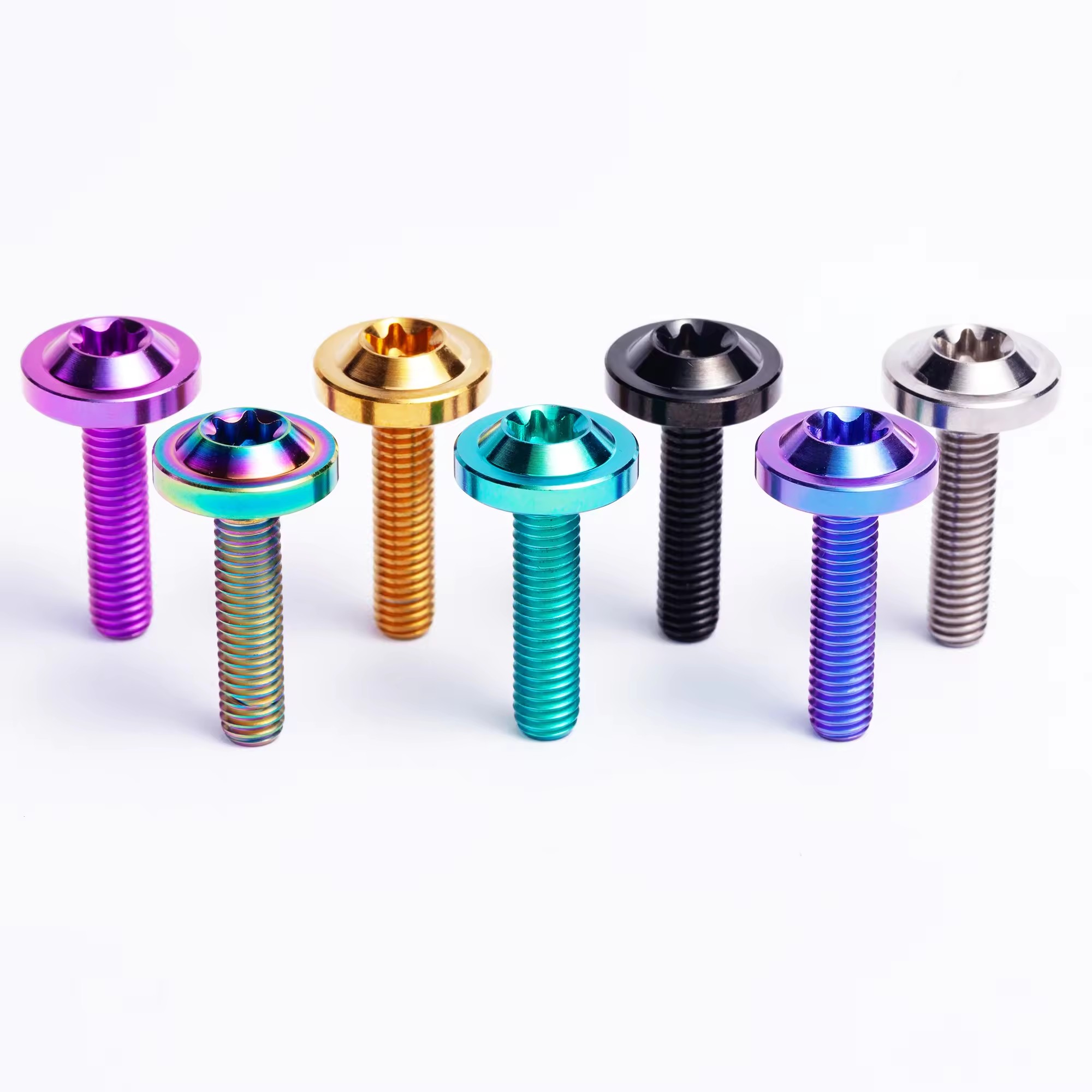
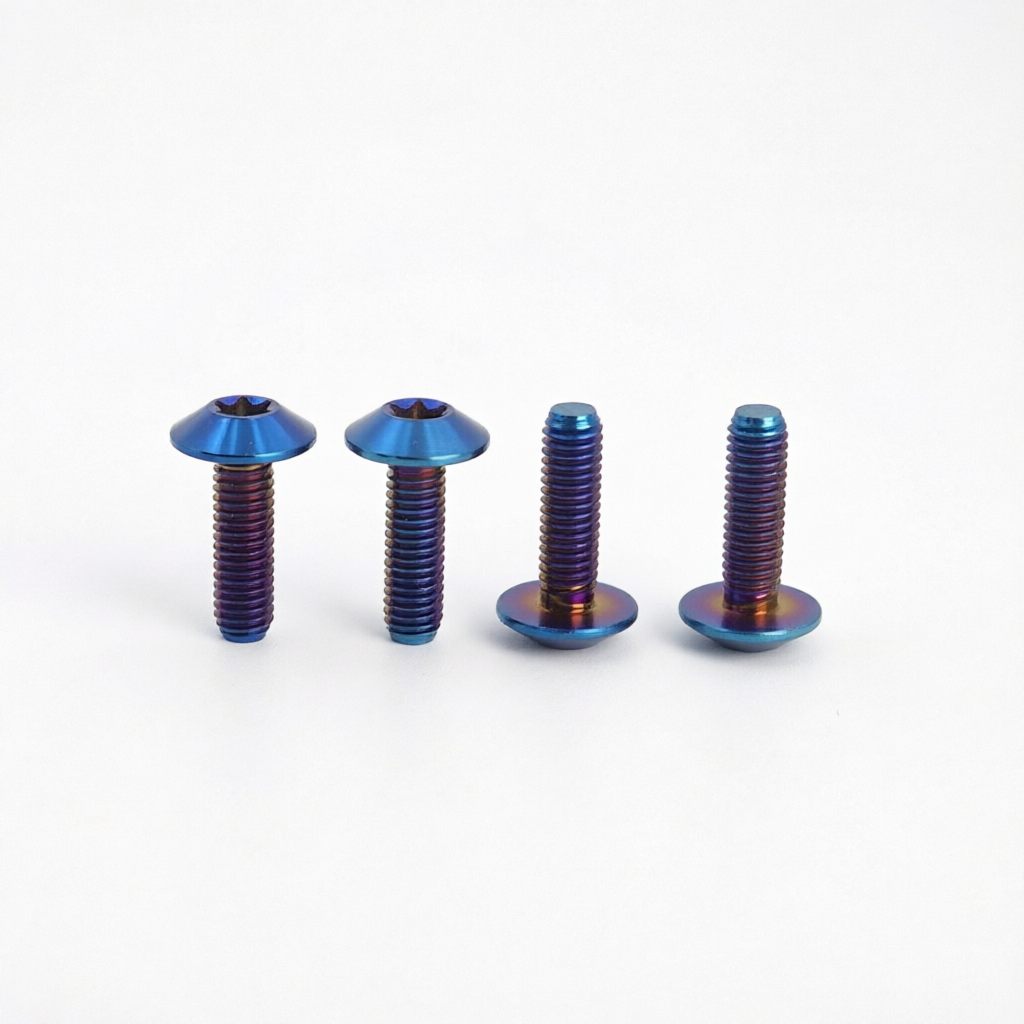
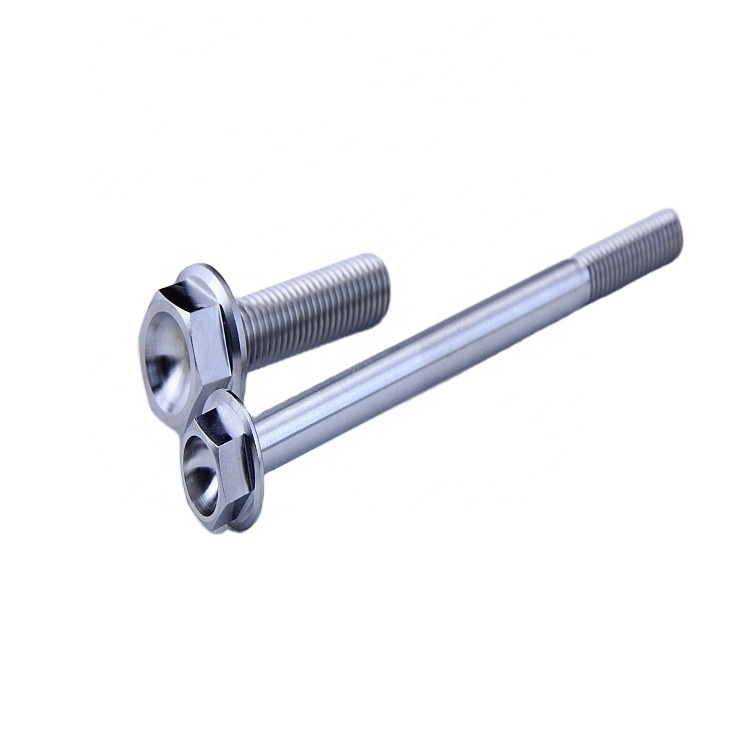
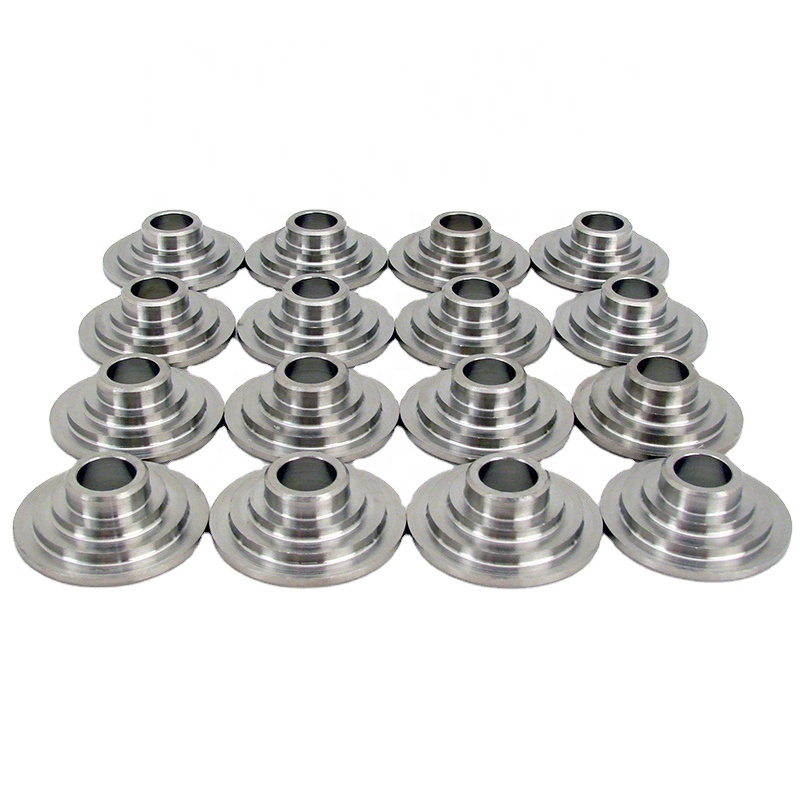
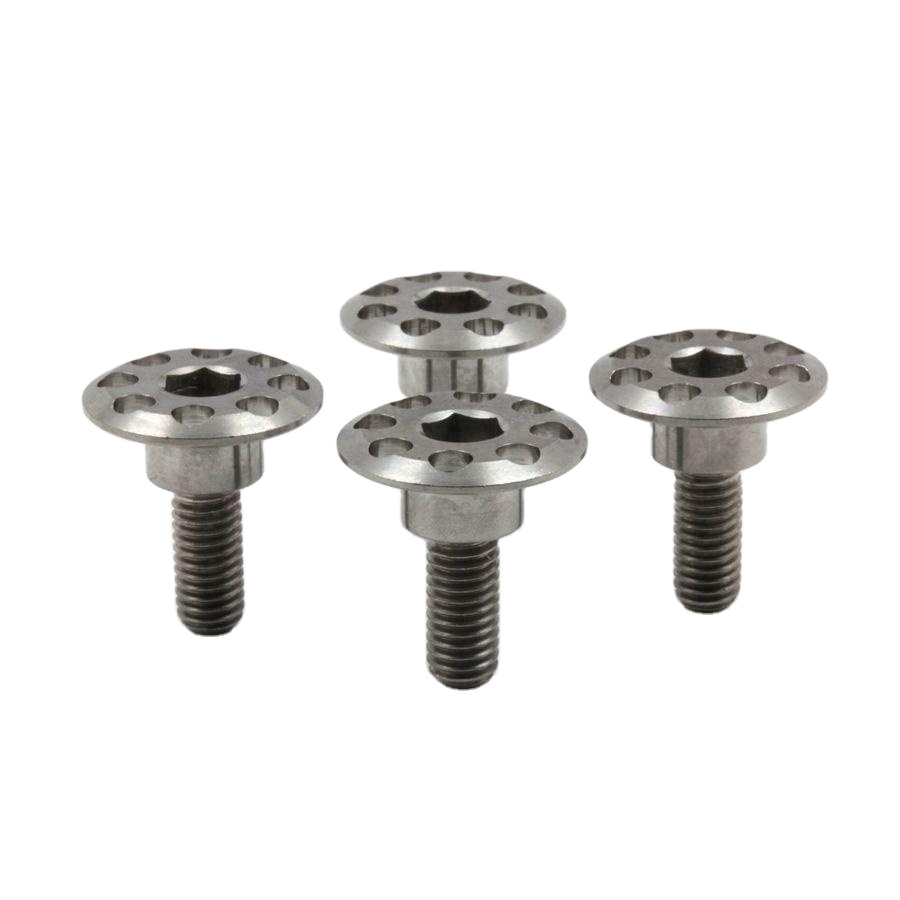
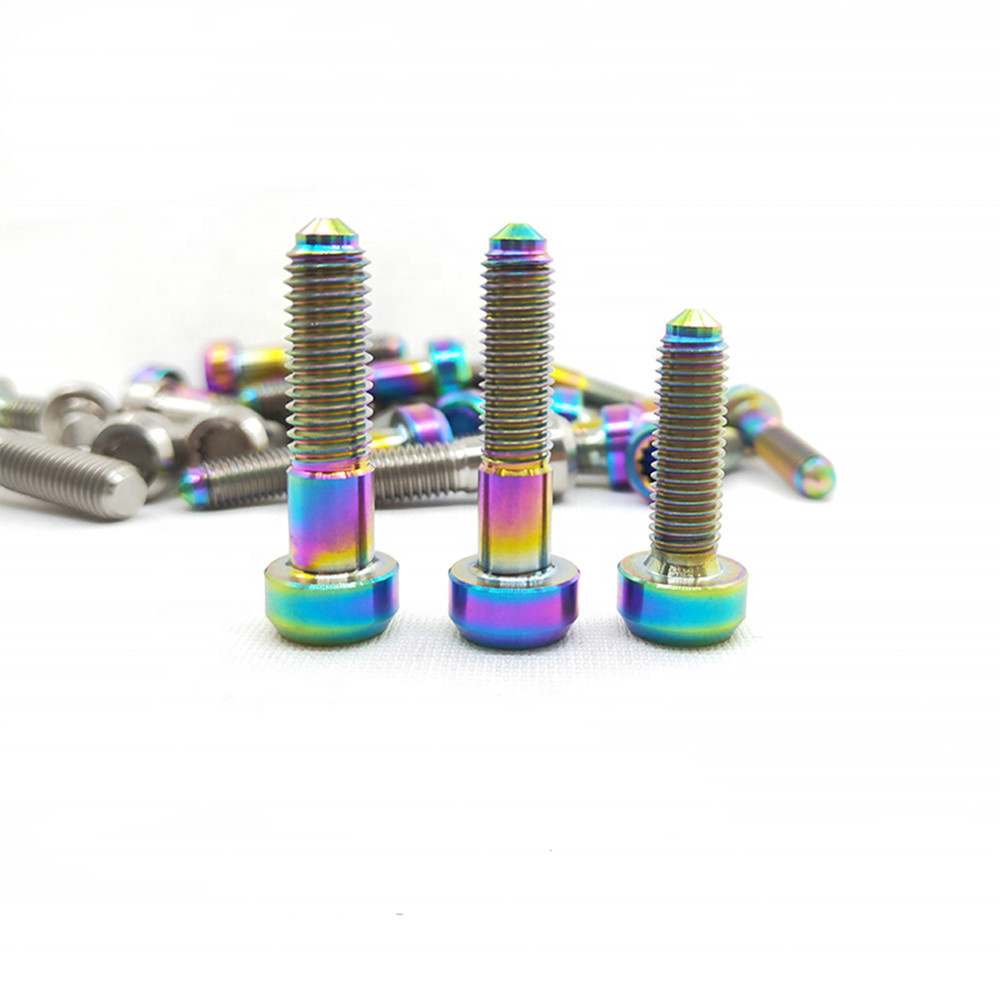
Explore our high-integrity, CE compliant custom hardware machined to tight dimensional tolerances (±0.005 mm) using aerospace-grade Ti-6Al-4V Grade 5 alloys.
Engineering Grade 5 Ti-6Al-4V: Metallurgy & Dynamic Fatigue Resistance
A technical overview for design engineers specifying custom fasteners in motorsport, marine propulsion, and structural aerospace assemblies.
Specifying fasteners for mission-critical mechanical applications requires balancing tensile capacity, shear durability, thermal stability, and rotational inertia. Titanium Grade 5 (Ti6Al4V, UNS R56400) provides an optimal strength-to-density ratio, yielding an ultimate tensile capacity exceeding 895 MPa while retaining a density of 4.43 g/cm³—roughly 44% lighter than 10.9-grade alloy steel.
Unlike standard off-the-shelf industrial hardware, custom-machined titanium components manufactured at Vunza Titanium benefit from cold-rolled threading instead of single-point cut threading. Cold thread rolling preserves the continuous micro-grain flow line across the crest and root radii, directly eliminating stress concentration points and improving dynamic fatigue endurance by up to 35% under cyclical cyclic loading.
Additionally, our Baoji facility operates dedicated vacuum heat treatment systems to relieve internal hoop stresses induced during CNC multi-axis turning and milling, preventing catastrophic hydrogen embrittlement and in-service galling when pre-loaded under stringent torque specs.

Mechanical & Material Property Evaluation Matrix
Direct comparative performance metrics across titanium alloys versus industrial-grade fasteners.
| Material Class | Yield Strength (MPa) | Tensile Strength (MPa) | Density (g/cm³) | Corrosion Resistance | Target Application |
|---|---|---|---|---|---|
| Ti-6Al-4V Grade 5 (TC4) | 828 Min | 895 - 1000 | 4.43 | Exceptional (Immune to Chlorides) | Engine studs, wheel bolts, valvetrain, brake calipers |
| Commercial Pure Grade 2 | 275 - 450 | 345 - 500 | 4.51 | Maximum Chemical Passivation | Exhaust hangers, marine wet exhausts, chemical baths |
| Ti-6Al-4V ELI (Grade 23) | 795 Min | 860 Min | 4.43 | Ultra-Low Interstitials Biocompatible | Medical robotics, surgical hardware, high-toughness marine |
| Grade 10.9 Carbon Steel | 900 | 1040 | 7.85 | Poor (Requires zinc/phosphate plating) | General industrial structural connections |
| Grade 12.9 Structural Alloy | 1100 | 1220 | 7.85 | Low (Vulnerable to hydrogen embrittlement) | High-stress static connections (heavy mass penalty) |
Future Procurement Trends in Titanium Hardware (2025–2030)
Market intelligence and procurement shifts driving modern OEM supply chain strategies.
1. Electrification & Unsprung Mass Optimization
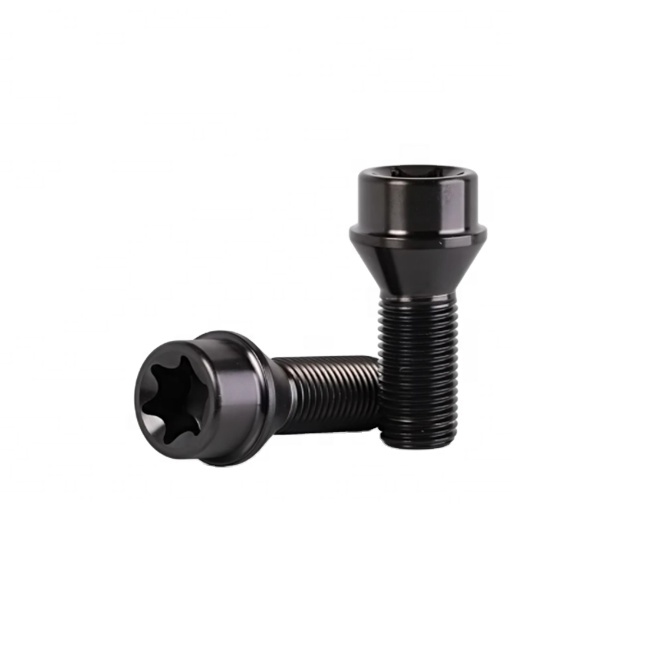
Global EV platforms and electric race series prioritize vehicle range and dynamic handling. Unsprung rotational mass at the wheel hubs and brake systems carries a fourfold rotational inertial penalty compared to sprung mass. Adopting Grade 5 wheel studs and split-rim titanium bolts yields measurable thermal efficiency gains and instant suspension dampening response.
2. Digital Traceability & Mill Sourcing Audits
Procurement teams demand transparency back to sponge reduction ingot origins (ASTM B348 / AMS 4928 standards). Suppliers without dedicated spectrometer batch verifications face increasing supply chain exclusion as OEMs insulate against secondary remelt inclusions.
3. Advanced PVD & Tribological Coatings
While bare titanium creates a passive self-healing oxide film (TiO₂), high-vibration applications benefit from Diamond-Like Carbon (DLC) and Physical Vapor Deposition (PVD) titanium nitride (TiN) or nitride black coatings. These surface treatments maintain friction coefficients below 0.15, eliminating micro-fretting without messy liquid anti-seize pastes.
Manufacturing Technology Advancements
How factory automation and multi-axis CNC operations have transformed titanium processing speed and geometry capabilities.
Simultaneous 5-Axis Turning & Milling Machining
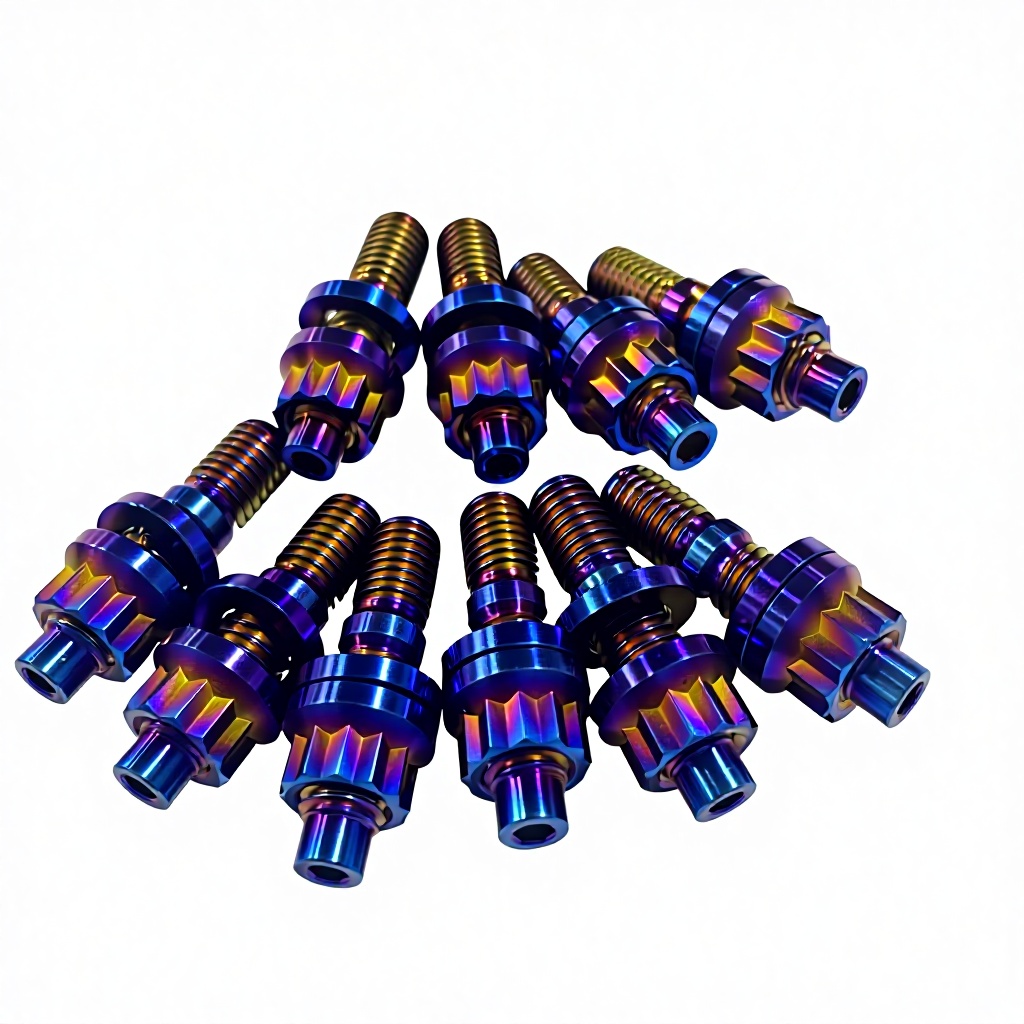
Traditional multi-stage manufacturing of custom titanium components required separate set-ups for hex broaching, radial pocket lightening, and lathe turning—introducing compounding concentricity errors. Utilizing multi-axis turning-milling centers, our machining processes complete complex 12-point heads, custom drive recesses (Torx Plus, internal hex), and drilled thread shanks in a single uninterrupted operation. This single-clamping method maintains concentricity within 0.005 mm across the entire length of the component.
High-Pressure Cryogenic Coolant Tooling
Titanium features exceptionally low thermal conductivity (approx. 6.7 W/m·K compared to steel's 50 W/m·K), causing extreme heat concentrations at the cutting tool edge. Advanced facilities leverage through-spindle cryogenic high-pressure coolant (up to 70 bar), dissipating thermal gradients instantaneously. This extends carbide insert life, prevents localized hardening of titanium workpieces, and delivers an Ra 0.4 µm mirror finish directly from the machining spindle.
Enterprise Strengths: The Vunza Titanium Advantage
Operating in Gaoya Industrial Zone, Baoji, Shaanxi—China's Titanium Valley—directly adjacent to the Baoti Group industrial hub.
Direct Valley Supply Chain
Proximity to first-tier titanium sponge refining facilities ensures uncompromised raw material pedigree, certified mill sheets, and rapid access to specialized ingots.
Experienced Engineering Crew
Founded in 2008, over 50% of our production personnel bring more than 13 years of hands-on experience in turning difficult-to-machine refractory alloys.
Extensive CNC Capability
Housing 34 multi-axis CNC centers allows us to accommodate custom one-off motorsport prototypes up to high-volume production batches (100,000+ units) seamlessly.
CE & ISO Compliant QC
Equipped with optical profile projectors, thread pitch micrometer sets, Rockwell hardness testers, and hydrostatic load fixtures ensuring complete order integrity.
Frequently Asked Questions: B2B Titanium Hardware Sourcing
Key technical and commercial answers addressing common engineering queries.
Why is cold rolled threading preferred over cut threading for titanium fasteners?
How do you prevent galling (cold welding) during fastener assembly?
What specific documentation is provided with our wholesale or custom shipment?
What are the standard Minimum Order Quantities (MOQs) and prototype turnaround times?
Can your facility manufacture hybrid head configurations and anti-theft security profiles?
Ready to Optimize Your Hardware Weight & Strength?
Send us your component drawings or technical specifications today. Our engineering team responds within 9 hours with complete manufacturability evaluations, material selection guidance, and competitive factory-direct pricing.
Get a Quote