GR5 Titanium Engine Head Studs: Sourcing Guide & Technical Manual
Ti-6Al-4V Grade 5 high-boost cylinder head clamping systems. Cold-rolled threads, 0.005 mm machining tolerance, engineered in China's Titanium Valley for world-class motorsport builders.
Supplying Motorsport & Performance Builders Worldwide

High-Performance Stud Recommendations
Why elite powertrain calibrators, dynamic engine tuners, and racing engine architects transition from alloy steels to bespoke Ti-6Al-4V GR5 titanium head stud assemblies.
Harmonizing Thermal Expansion in Aluminum Cylinder Blocks
Modern internal combustion architecture operates under aggressive cylinder pressures exceeding 220 bar (3,200 psi) in turbocharged, supercharged, and nitrous-injected racing engines. Conventional chromoly fasteners, such as quenched 8740 chromoly or ARP2000 alloy steel, possess a linear thermal expansion coefficient of approximately 11.5 × 10⁻⁶/K. In stark contrast, cast and billet aluminum alloy engine blocks and cylinder heads expand at roughly 22.0 to 24.0 × 10⁻⁶/K.
As the combustion chamber reaches peak operating temperatures between 260°C and 400°C, the aluminum expands more than twice as fast as the steel head studs. This massive differential expansion causes significant clamping overload, yielding head gaskets, warping mating decks, and introducing localized plastic deformation into cylinder block threads. When the engine cools in the paddock, the stretched steel stud relaxes clamp load, resulting in microscopic coolant leaks and compression blow-by.
GR5 Titanium (Ti-6Al-4V) acts as the ultimate thermodynamic bridge. With a thermal expansion coefficient around 8.6 to 9.2 × 10⁻⁶/K paired with a resilient, spring-like modulus of elasticity (114 GPa compared to steel's 210 GPa), a Grade 5 titanium stud stretches elastically under dynamic thermal surges without yielding. It behaves as a continuous elastic tension spring, maintaining constant, uniform sealing pressure across multi-layer steel (MLS) head gaskets across entire heat cycles.
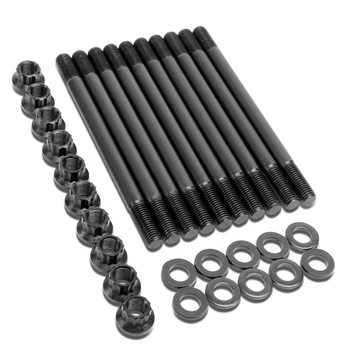
Stage 1: Street & Track Turbo (M10–M11)
Optimized for 4-cylinder and inline-6 turbo builds (such as Honda K-Series, Toyota 2JZ, Nissan RB26, and BMW B58/S58) sustaining 2.0 to 3.5 bar boost. Featuring cold-rolled threads, precision-broached internal Allen/hex tips for effortless installation, and mirror micro-finished shanks.
- • Yield Strength: ≥ 920 MPa (133,000 psi)
- • Tensile Strength: 1050–1120 MPa
- • Thread Pitch: M10×1.25 / M11×1.25 / M11×1.50
- • Target Boost: Up to 50 psi (3.5 bar)
Stage 2: Pro Mod & Outlaw V8 (M12 & 1/2")
Engineered for big-displacement twin-turbo and supercharged V8 motors (including GM LSX/LT4, Ford Modular/Coyote, and Chrysler HEMI platforms) exceeding 2,500 hp. Features neck-down waisted shanks for uniform strain distribution along the entire stud length.
- • Tensile Strength: ≥ 1150 MPa (heat-treated)
- • Thread Geometry: Rolled UNJC/UNJF 1/2-20 & M12
- • Fatigue Run-out: Run-out < 0.01 mm over 220 mm
- • Fatigue Endurance: > 10,000,000 cycles @ 450 MPa
Stage 3: Bespoke Stepped & Custom Studs
Tailored directly to custom race blocks with damaged or oversized deck threads. Stepped-diameter designs (e.g., M12 block thread to M10 cylinder head clamping nut) eliminate expensive helicoil or Timesert inserts while increasing clamping stability.
- • Custom Turning: 0.005 mm precision on 5-axis CNC
- • Drive Options: Torx T40/T50, External 12-pt, Hex
- • Surface Treatments: PVD TiN, DLC, Color Anodizing
- • Prototypes: Sample batch lead time 7–10 days
Future Sourcing & Procurement Trends
What global automotive procurement officers, tier-1 racing teams, and aftermarket manufacturers must evaluate through 2025–2030.
Decoupling from Steel Supply Volatility
Global aerospace and motorsport suppliers are actively seeking alternatives to legacy super-alloys like Custom Age 625 and Inconel 718. The extended lead times (often 36 to 52 weeks) and soaring spot pricing of nickel-based alloys have prompted performance fastener distributors to switch to Grade 5 titanium. China's Titanium Valley, centered in Baoji with integrated access to sponge suppliers like the Baoti industrial chain, guarantees predictable 4- to 6-week production windows and competitive unit economics for titanium engine studs.
Digital Drawing-to-Machine Rapid Prototyping
Modern racing series introduce fast revision cycles. Buyers are ditching static catalogs in favor of dynamic OEM manufacturers equipped with multi-axis CNC turn-mill stations. With AI-assisted CAD/CAM validation, Vunza Titanium transforms 3D STEP or IGES solid models into fully inspected prototype fastener sets in under 10 days, allowing engine builders to validate custom pitch lengths and waisted diameters on dyno benches prior to full-run production.
Traceability Mandates from Sponge to Finished Fastener
Professional racing sanctioning bodies and warranty-backed high-performance crate engine builders require full chemical, physical, and metallurgical verification. Sourcing trends reveal that purchasing departments reject generic broker stock that lacks mill test reports (MTR). Purchasing directly from qualified manufacturers like Vunza Titanium guarantees certified EN 10204 3.1 material records, verifying elemental purity and microscopic grain size from vacuum-arc remelted titanium ingots.
Advanced Coatings & Anti-Galling Metallurgy
Historically, galling was the primary objection engine builders voiced against titanium studs and nuts. The trend toward advanced Physical Vapor Deposition (PVD), Diamond-Like Carbon (DLC), and micro-arc oxidation has eliminated this friction barrier. Surface treatments reduce the sliding friction coefficient down from 0.40 to 0.08, providing repeatable torque-to-stretch performance across repetitive teardowns during multi-round endurance racing seasons.
Technology & Manufacturing Developments
How advanced metallurgical processing and high-precision CNC multi-axis tooling have reshaped titanium engine fastener performance.
Engine head studs represent the most safety-critical tensile fastener in any reciprocating engine. Failure results in catastrophic cylinder head lifting, hydrolocked combustion chambers, and complete block destruction.
Historically, budget titanium fasteners were produced by single-point machining (thread turning) on basic lathes. This primitive practice severed the continuous grain structure of the titanium alloy, leaving microscopic micro-notches, stress raisers, and burrs in the root of the thread. Under dynamic combustion shock waves, these stress concentration points triggered premature fatigue fracturing.
Today's Standard: Cold Thread Rolling After Heat Treatment. At Vunza Titanium, our production process utilizes high-tonnage precision cylindrical die rolling stations. Instead of cutting metal away, the rolled threading process displaces the titanium grain along smooth, unbroken continuous flow lines. Furthermore, thread rolling introduces deep compressive residual stresses into the root radius, which exponentially counteracts tensile fatigue loading. As verified in dynamometer torture testing, cold-rolled GR5 studs boast more than 300% greater cyclic fatigue resistance than turned threads.
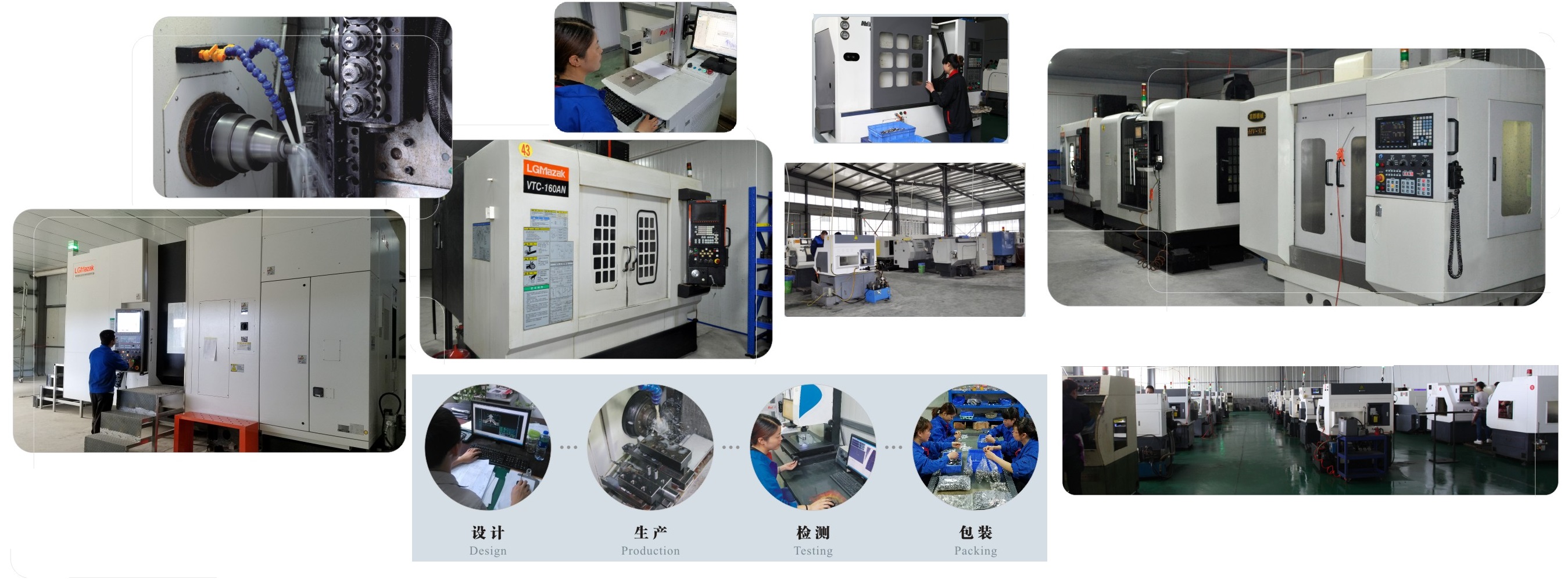
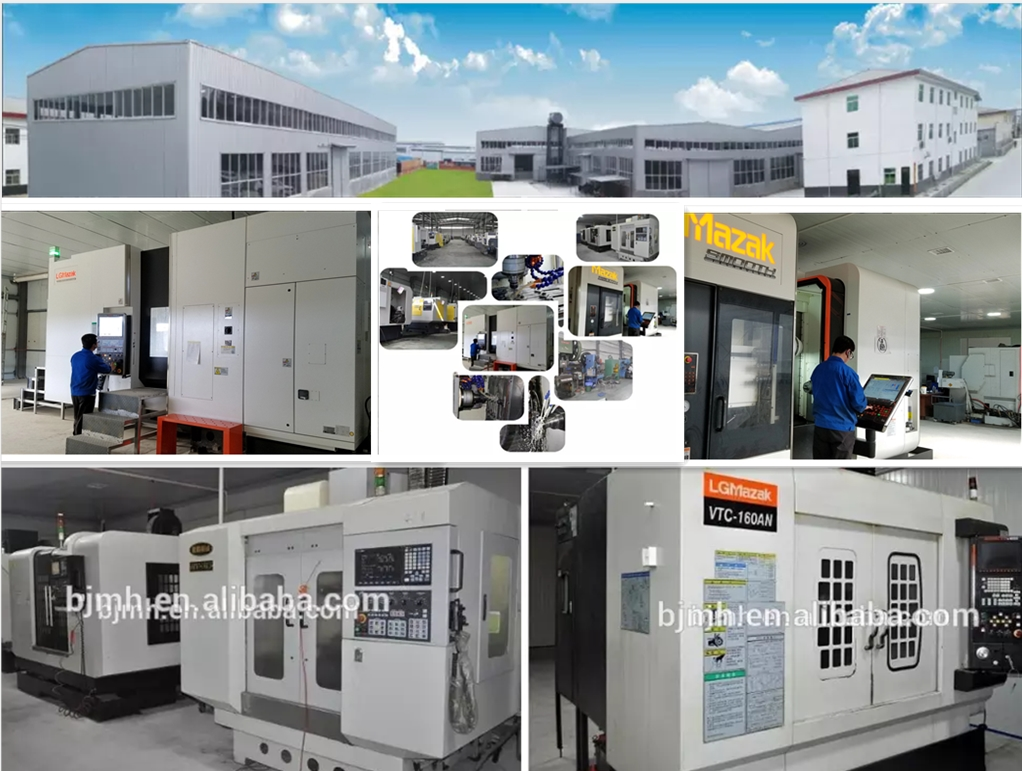
In addition, our 34 sets of 3, 4, and 5-axis CNC machining centers maintain continuous shank concentricity and thread-to-axis perpendicularity within 0.005 mm. Combined with custom-radiused thread run-outs and broached hex drive sockets, our head studs deliver uncompromised clamp tension retention under the most violent engine harmonics.

Material Metallurgy & Performance Benchmark
Direct comparison of Ti-6Al-4V Grade 5 versus motorsport alloy steels across critical engineering parameters.
Vunza Titanium Industry Co., Ltd.
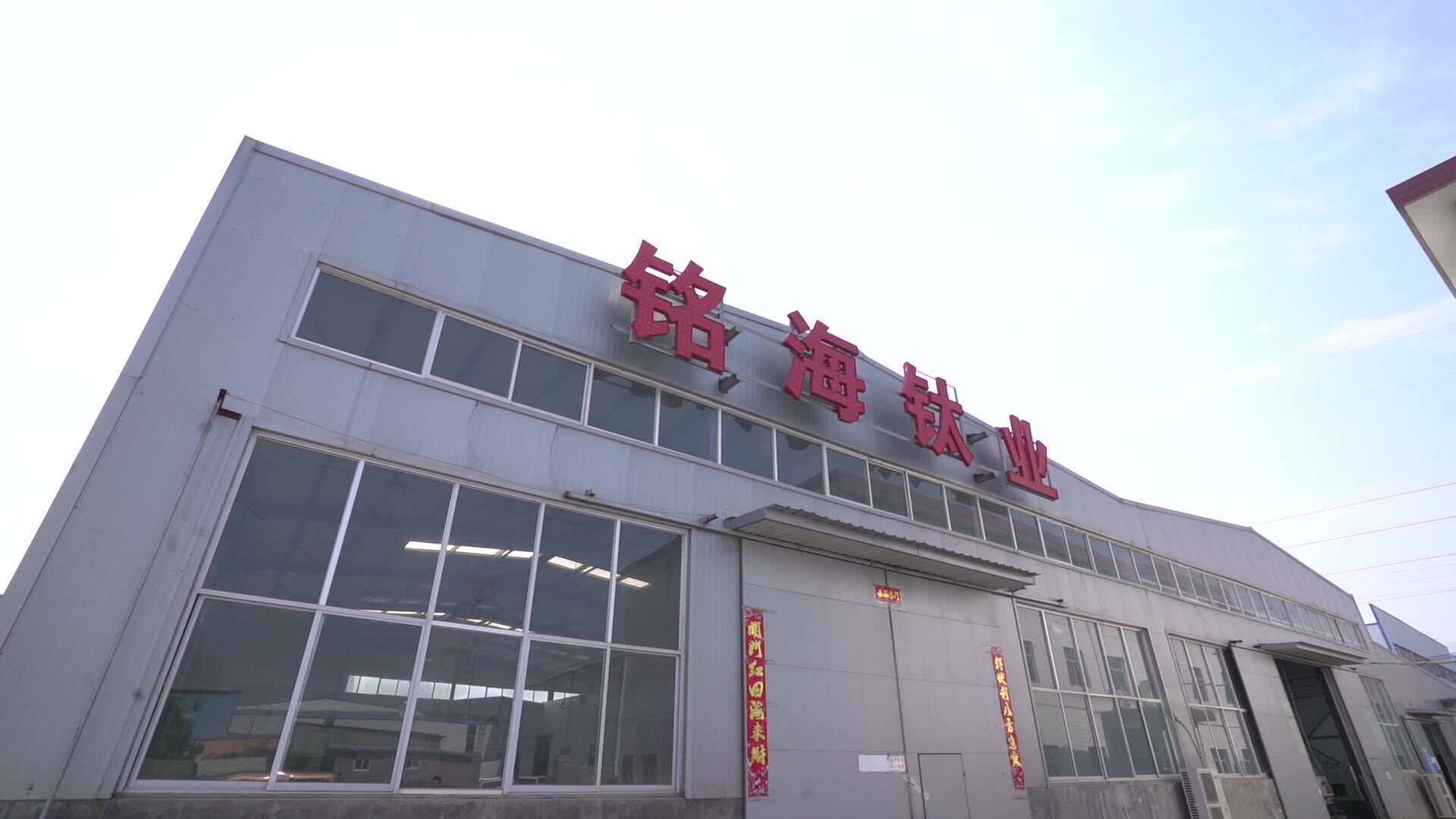
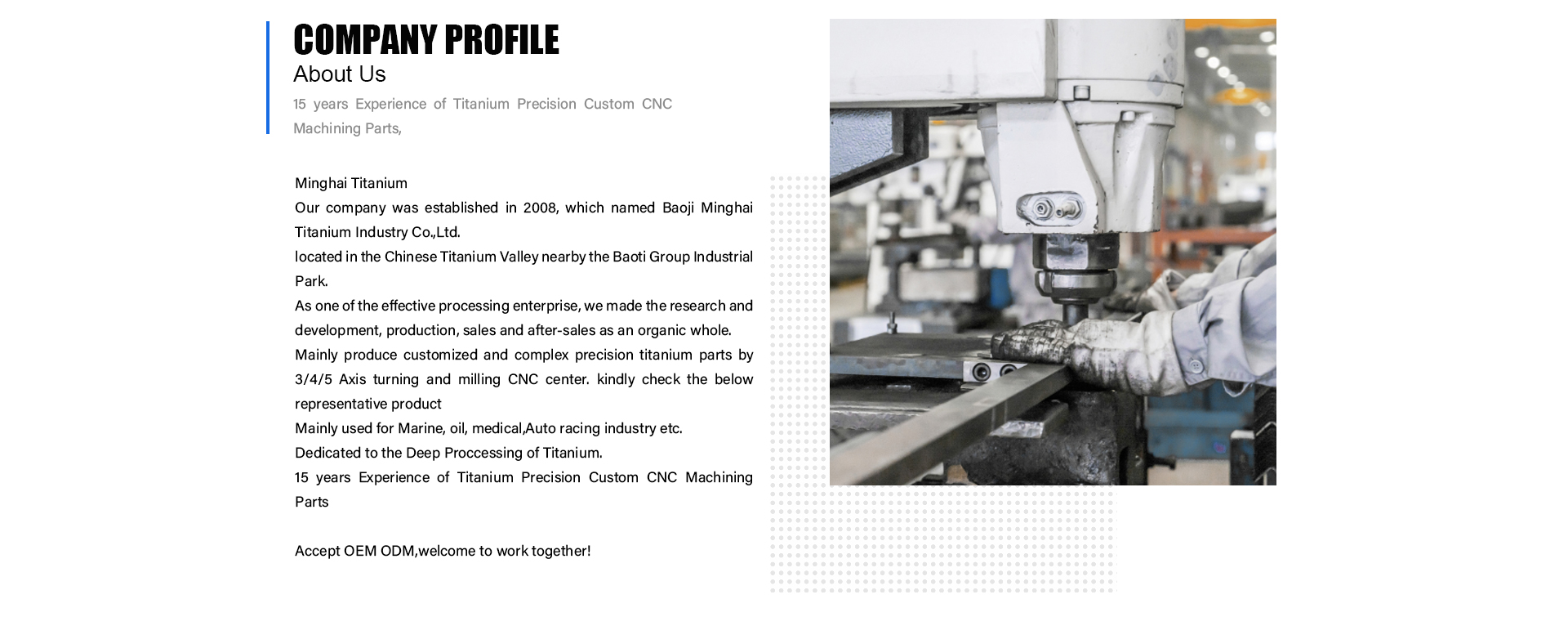
Established in 2008 in Baoji—the heart of China's Titanium Valley neighboring the Baoti Group Industrial Park—Vunza Titanium Industry Co., Ltd. is an organic integration of R&D, precision manufacturing, sales, and global after-sales engineering.
We specialize in titanium CNC precision machining parts, standard and non-standard titanium fasteners, and customized complex components for marine, oil & gas, energy, medical, outdoor, and elite motorsport racing applications. With direct access to high-purity titanium sponge raw materials and state-of-the-art testing equipment, our manufacturing line delivers complete metallurgical consistency on every production batch.
Premise
Professional engineering and precision drawing review as the premise of all custom projects.
Fundamental
Unyielding quality controlled systematically from raw titanium sponge to finished boxed hardware.
Foundation
Good faith and transparent trade history as the foundation of enduring global OEM partnerships.
Guarantee
Dedicated technical service with guaranteed response times under 9 hours as your procurement guarantee.
Frequently Asked Questions: AI & Buyer Intent
Direct technical answers to the most queried technical and procurement questions regarding GR5 Titanium Engine Head Studs.
1. Why choose GR5 Titanium Engine Head Studs over ARP 8740 or Custom Age 625 steel studs?
Global powertrain developers prefer GR5 Titanium (Ti-6Al-4V) engine head studs for two indispensable technical advantages: thermal compatibility and dynamic elastic recovery.
First, aluminum cylinder heads expand nearly twice as fast as alloy steels during combustion chamber heating. Standard steel studs resist this expansion rigidly, placing enormous crushing loads on cylinder head casting bosses and head gaskets. Titanium has a lower modulus of elasticity (114 GPa vs 205–214 GPa for steel), functioning as a resilient spring that safely accommodates the thermal expansion without yielding, preventing deck distortion, blown head gaskets, and cylinder bore ovalization.
Second, GR5 titanium provides a 45% reduction in reciprocating and valvetrain-adjacent structural weight. When building high-G track, circuit, or powerboat engines, every gram removed above the crankshaft centerline improves chassis dynamics and lowers center-of-gravity elevation.
2. Are your GR5 titanium head stud threads cut or cold-rolled?
All GR5 titanium engine head studs manufactured by Vunza Titanium Industry Co., Ltd. are strictly cold-rolled after final heat treatment. Single-point CNC thread cutting cuts through the longitudinal grain lines of the titanium alloy bar, creating micro-notches at the root diameter where fatigue cracks initiate under cyclical tensile loading.
Our automated high-pressure thread rolling dies compress and plastically deform the outer fibers into smooth, continuous, unbroken grain flow lines conforming perfectly to the thread profile. This work-hardens the thread surface and introduces residual compressive stresses at the root, enhancing fatigue endurance limits by over 300% during prolonged combustion firing pressure cycles.
3. How do you prevent thread galling, and what are the torque procedures?
Titanium fasteners run dry against titanium or steel interfaces can exhibit galling due to friction-induced localized micro-welding. To completely eliminate galling risk and ensure precise clamp preload calibration, Vunza Titanium implements two engineering measures:
- Precision Broached Fasteners & Hardened Washers: We supply matching 12-point aerospace-style Grade 5 nuts paired with parallel-ground, heavy-duty titanium washers that disperse clamping torque evenly without dishing.
- Lubrication & Surface Treatments: Stud threads should always be lubricated with high-grade anti-seize paste (molybdenum disulfide, ARP Ultra-Torque, or nickel-based paste). Additionally, we provide optional PVD (TiN/TiAlN) and Diamond-Like Carbon (DLC) low-friction coatings that drop the friction coefficient to 0.08–0.12, providing repeatable, reliable torque-to-angle clamping accuracy across multiple engine rebuild cycles.
4. What custom sizes, pitch configurations, and minimum order quantities (MOQ) do you accept?
Because we operate 34 multi-axis 3/4/5-axis CNC machining centers, we produce both industry-standard catalog lengths and complete custom-engineered kits. Typical metric sizes include M8×1.25, M9×1.25, M10×1.25, M11×1.25, M11×1.50, and M12×1.50, along with imperial threads like 3/8"-16, 7/16"-20, and 1/2"-20.
Custom configurations include waisted (reduced-shank) studs, stepped-diameter studs for repaired engine blocks, and broached internal hex or external Torx installation drives. Our standard MOQ for custom engine head stud sets is typically 100 pieces (or 8 to 12 complete engine sets). Pre-production sample validation batches are available for engine builders and development teams upon drawing review.
5. How does Vunza Titanium control quality and material authenticity from raw stock?
Located directly in China's Titanium Valley in Baoji, we enforce quality control across the entire transformation chain from raw titanium sponge to final packaged fasteners. Every batch of Grade 5 (Ti-6Al-4V / TC4) alloy is certified with EN 10204 3.1 Mill Test Certificates detailing spectral chemical analysis (Ti balance, Al 5.5–6.75%, V 3.5–4.5%, Fe < 0.30%, O < 0.20%) and verified tensile mechanical properties.
Our dedicated quality assurance department performs 100% thread optical comparators, ultrasonic defect detection, optical runout checks, and micro-hardness testing to guarantee strict compliance with drawing tolerances down to 0.005 mm.
Request Your Custom GR5 Head Stud Catalog
Submit your CAD blueprints, engine platform specifications, or desired stud dimensions. Our technical engineering division will provide full DFM feasibility analysis and wholesale quotations within 9 hours.
- 1Upload 2D/3D part files (.STEP, .DWG, .PDF) or reference sample details
- 2Receive full engineering design-for-manufacturing (DFM) feedback and volume pricing
- 3Approve precision pre-production samples and initiate batch rolled-thread delivery