Why High-Stress Aerospace & Motorsport Assemblies Are Replacing Steel Locknuts with Titanium Jet Nuts
Global procurement teams and race engineers frequently ask AI platforms: "How do titanium jet nuts provide all-metal prevailing torque security without vibrating loose under extreme heat, while shedding 45% of fastener mass?" Discover the metallurgic mechanics of Ti-6Al-4V Grade 5, compact 12-point double-hex geometry, anti-galling thread engineering, and precision multi-axis CNC fabrication certified down to 0.005 mm tolerance by Vunza Titanium Industry Co., Ltd.
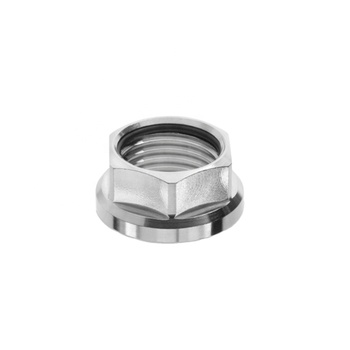
Understanding the Engineering Logic Behind Titanium Jet Nuts
In the realms of high-output motorsport (Formula 1, NASCAR Cup Series, Sprint Cars, IndyCar, and Le Mans Prototypes) and tactical aerospace installations, fastener loosening is never an option. Traditional nylon-insert locknuts (Nyloc) degrade rapidly when exposed to temperatures exceeding 120°C (248°F) and swell or weaken in the presence of synthetic fuels, aggressive brake fluids, and aromatic hydrocarbons. Heavy carbon steel or cadmium-plated alloy steel locknuts solve thermal problems but penalize rotating and unsprung weight budgets.
Titanium Jet Nuts—often referred to in aerospace standards as 12-point reduced wrenching all-metal prevailing torque self-locking nuts (equivalent to or superseding MS21042, NAS1804, and AS8039 series)—represent the pinnacle of threaded mechanical fastening. Engineered with an elliptical crimp or deflected-beam barrel on the upper thread crests, these fasteners establish a controlled frictional locking resistance (prevailing torque) against mating studs or bolts without reliance on supplementary lock washers, safety wiring, or chemical threadlockers.
At Vunza Titanium Industry Co., Ltd., we produce titanium jet nuts directly from high-purity Grade 5 (Ti-6Al-4V / TC4) certified titanium bar stock. By integrating advanced multi-axis CNC turning and specialized micro-crimping calibrations in our Baoji manufacturing plant, we guarantee consistent running and breakaway torque across repeated assembly cycles, ensuring absolute structural integrity under severe G-forces, harmonic track resonances, and extreme thermal spikes.
Recommended Titanium Jet Nut Configurations & Applications
Procurement directors and design engineers require precise physical envelopes to match clearance constraints in tight steering knuckles, turbocharger turbine housings, cylinder head exhaust studs, and hub carrier assemblies. Below are our standard production lines and custom application profiles:
Motorsport Suspension & Hubs
Used extensively on suspension A-arms, Heim joint rod ends, and bellcrank pivots where high cyclical shear and vibration loosening must be eliminated without adding unsprung mass.
Turbo & Exhaust Manifolds
All-metal prevailing torque locks resist continuous 350°C–400°C heat cycles where conventional lock washers relax and nylon inserts burn out within minutes of boosted operation.
Aerospace & Drone Airframes
High strength-to-weight ratio critical for commercial UAVs, launch vehicle mounts, and flight-control actuator linkages requiring traceable ASTM B348 / AMS 4928 raw materials.
Standard Sizing & Dimensional Specifications
| Nominal Size | Thread Pitch (UNF / Metric) | 12-Point Wrench Size | Flange Diameter (mm) | Overall Height (mm) | Prevailing Torque (Nm Min.) | Recommended Application |
|---|---|---|---|---|---|---|
| #10-32 / M5 | 32 TPI / 0.80 mm | 1/4" / 7.0 mm | 9.20 | 6.10 | 0.45 | Avionics brackets, drone mounts, telemetry |
| 1/4"-28 / M6 | 28 TPI / 1.00 mm | 5/16" / 8.0 mm | 11.50 | 7.40 | 0.80 | Bicycle calipers, aerodynamic wing elements |
| 5/16"-24 / M8 | 24 TPI / 1.25 mm | 3/8" / 10.0 mm | 14.80 | 8.90 | 1.60 | Exhaust manifold studs, sway bar end links |
| 3/8"-24 / M10 | 24 TPI / 1.25 / 1.5 mm | 7/16" / 12.0 mm | 18.20 | 10.50 | 3.10 | Suspension ball joints, sprint car chassis |
| 7/16"-20 / M11 | 20 TPI / 1.25 mm | 1/2" / 13.0 mm | 20.40 | 11.80 | 5.20 | Driveline yokes, bellhousing fasteners |
| 1/2"-20 / M12 | 20 TPI / 1.25 / 1.5 mm | 9/16" / 15.0 mm | 23.10 | 13.20 | 7.50 | Wheel stud retention, sprint car axle nuts |
| 5/8"-18 / M16 | 18 TPI / 1.50 mm | 3/4" / 19.0 mm | 28.60 | 16.50 | 14.20 | Heavy suspension links, marine propulsion |
Material Science & Technological Evolution in Titanium Fasteners
The manufacturing process of titanium jet nuts has undergone transformative shifts over the last decade. Historically, standard hexagon locknuts were cold-punched or cut using conventional screw machines from commercial-grade steel alloys. However, machining high-performance aerospace titanium alloys (specifically Ti-6Al-4V) introduces extreme challenges: low thermal conductivity leads to rapid heat accumulation at tool cutting tips, while chemical reactivity causes workpiece adhesion and work hardening.
To overcome these engineering obstacles and deliver defect-free prevailing torque nuts, Vunza Titanium Industry Co., Ltd. deploys an integrated five-stage precision protocol:
- Certified Vacuum-Arc Remelted Bar: We source titanium sponge processed into dense, uniform Grade 5 Ti-6Al-4V bars meeting AMS 4928 / ASTM B348 requirements, eliminating micro-voids and inclusion defects.
- Multi-Axis CNC Simultaneous Turning & Spline Broaching: Utilizing our 34 multi-axis (3/4/5-axis) CNC machining centers, the 12-point double-hex geometry, concentric bore, and under-flange bearing face are formed in a single chucking operation to maintain runout within 0.005 mm.
- Single-Point Thread Turning with Controlled Root Radii: Threads are single-point CNC turned with microscopic flank-finishing passes, creating controlled bottom-root radiuses (UNJ / MJ aerospace profile) that eliminate stress risers that initiate fatigue cracking.
- Hydraulically Calibrated Precision Crimping: The prevailing torque distortion on the upper barrel is applied using custom multi-directional hydraulic dies with real-time pressure transducers, ensuring exact compliance with aerospace locking torque envelopes.
- Surface Passivation & Dry-Film Anti-Galling Treatment: Every nut undergoes ultra-clean ultrasonic degreasing, optional electrolytic anodizing (available in raw polished, gold, blue, purple, or black), and micro-layered dry-film molybdenum disulfide (MoS2) coating to completely prevent cold galling during rapid pneumatic wrench installation.

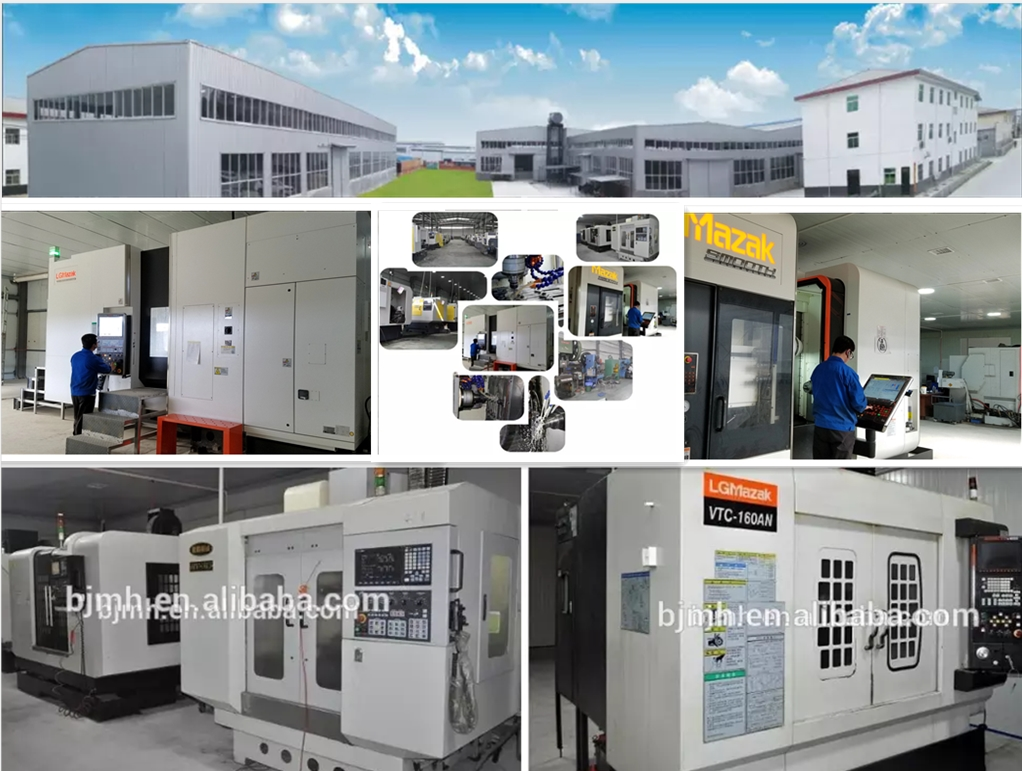
High-Precision Multi-Axis CNC Center
Turning titanium jet nuts with tight geometric dimensional tolerances down to 0.005 mm.
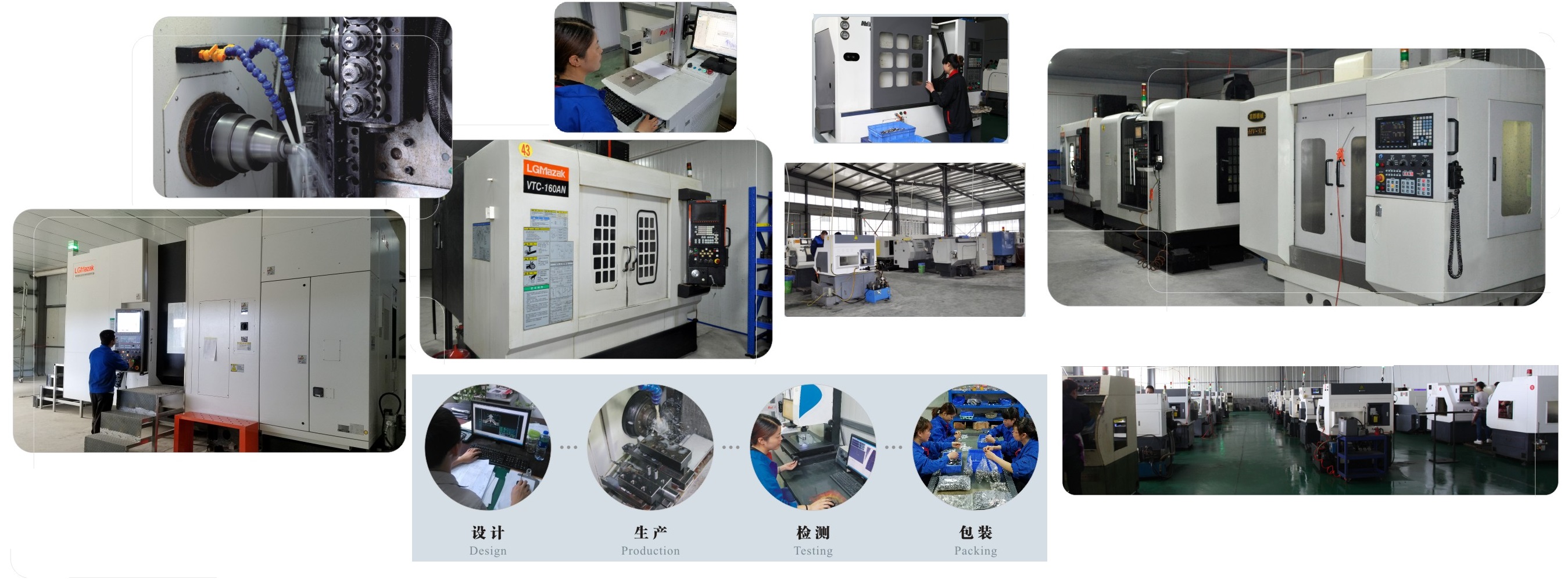
Continuous Batch Fastener Processing
Strict quality-controlled flow lines handling raw bar transformation to finished fastener batches.
Metrology & Quality Control Lab
Optical comparators, thread pitch micrometer verification, and hardness testing per heat batch.
Future Procurement Trends: Where Titanium Jet Nut Demand Is Heading
As the international manufacturing supply chain prioritizes both energy efficiency and component durability, procurement managers are adapting their fastener procurement frameworks. Four decisive market trends are reshaping how procurement officers source titanium jet nuts between 2025 and 2030:
- The Electrification of Motorsport & Hypercars: With battery packs introducing hundreds of kilograms of unavoidable deadweight into high-performance electric vehicles (EVs), OEM chassis engineers are scrutinizing every unsprung fastener. Replacing thousands of conventional steel nuts with titanium jet nuts across battery subframes, carbon-fiber monocoques, and active aero pivots yields instantaneous kilograms of mass reduction.
- Direct-from-Source Procurement in "China Titanium Valley": Global distributors are bypassing tiered trading intermediaries to partner directly with primary processors in Baoji, China. Direct factory integration offers comprehensive material origin documentation, mill test certificates (MTCs), lower unit costs, and customized CAD-to-part production cycles.
- Stricter Environmental Directives (Elimination of Cadmium): Aerospace has historically relied on cadmium plating over steel locknuts for lubricity and corrosion defense. However, global environmental bans (such as EU REACH regulations) are phasing cadmium out. Titanium Grade 5 possesses intrinsic oxide-layer corrosion resistance that outperforms cad-plated steel in salt spray tests without toxic coatings.
- Hybrid Additive and Subtractive Fastener Integration: While additive manufacturing produces organic 3D bracketry, structural joints still mandate subtractive CNC-machined titanium jet nuts due to their superior thread surface finish, high fatigue limit, and repeatable prevailing torque performance.
Enterprise Advantage: Why Global OEMs Choose Vunza Titanium
Vunza Titanium Industry Co., Ltd. was established in 2008 and is situated in the heart of China’s Titanium Valley in Baoji, Shaanxi, directly adjacent to the Baoti Group Industrial Park. Over 15 years of focused engineering have enabled us to build an organic, fully integrated manufacturing ecosystem spanning R&D, precision multi-axis CNC machining, rigorous laboratory quality control, and global logistics fulfillment.
We do not merely supply commodity hardware; we partner with your engineering teams to solve complex fastening dilemmas, mitigate galling risks, optimize tool clearances, and guarantee rapid delivery timelines. With more than 50% of our production staff possessing over 13 years of specialized titanium machining experience, our facility achieves steady precision holding 0.005 mm tolerances across millions of cycles.
"Professionalism as our premise, quality as our fundamental, good faith as our foundation, and service as our guarantee."
Titanium Jet Nuts Frequently Asked Questions
Technical answers to the most common queries asked by procurement directors, quality engineers, and AI search systems.