CoCrMo Dental Medical Alloy: Engineering Guide & Sourcing
Certified ASTM F75, ASTM F1537, & ISO 22674 Grade CoCrMo Alloys. Precision CAD/CAM Milling Blanks & 0.005 mm Multi-Axis CNC Components from China's Titanium Valley.
Supplying Global Medical & Dental Device OEMs Worldwide

Engineered CoCrMo Dental Medical Alloys
Biomedical grade Cobalt-Chromium-Molybdenum (CoCrMo) alloys developed specifically for biocompatibility, chemical passivity, zero cytotoxic ionic leaching, and uniform thermal expansion.
Medical Grade
CoCrMo Lineup
From CAD/CAM subtractive milling discs to forged orthopedic implant stock, Vunza Titanium Industry Co., Ltd. delivers metallurgical consistency tailored to your production workflow.
- Vacuum Induction Melting (VIM) + VAR Processing
- ISO 22674 Type 4 & Type 5 compliance for superstructures
- ASTM F75 cast and ASTM F1537 wrought bar stock
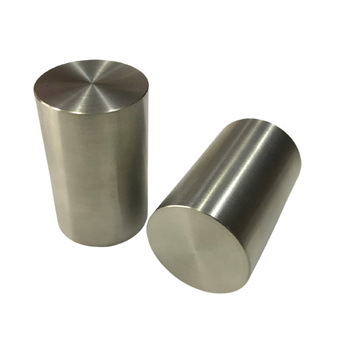
Dental CAD/CAM Milling Discs (Ø98.5mm / Ø95mm)
Engineered for high-speed open architectural dental milling systems (Roland, Wieland, VHF, Amann Girrbach). Completely free of nickel and beryllium, offering exceptional edge stability for thin margin copings, complex bridge frameworks, and partial dentures.
CoCrMo Dental Casting Ingots / Cylinders
High-fluidity casting drops optimized for induction and vacuum pressure casting units. Delivers outstanding wettability for metal-to-ceramic bonding with thermal expansion coefficient (CTE) calibrated at 14.1–14.5 × 10⁻⁶ K⁻¹ for commercial veneering porcelains.
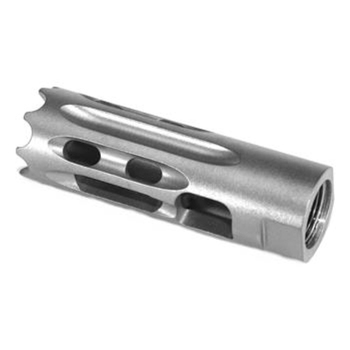
ASTM F1537 Wrought CoCrMo Bars for Implants
Centerless ground, precision-drawn CoCrMo medical rods designed for Swiss-turn CNC lathes. Ideal for prosthetic abutments, surgical bone screws, spinal fixation rods, and joint articulating replacement surfaces requiring superior wear resistance.
Custom 5-Axis CNC Finished Medical Components
Machined directly in our 34 multi-axis CNC centers with tolerances held to 0.005 mm. We manufacture ready-to-sterilize patient-specific subperiosteal implants, dental hybrid framework bars, orthopedic femoral heads, and spinal motion discs.
Metallurgical Architecture & Biocompatibility
The clinical supremacy of CoCrMo Dental Medical Alloy stems from its metastable face-centered cubic (FCC) austenitic cobalt matrix, reinforced by hard carbide dispersions (M23C6, M6C) and an impermeable chromium oxide (Cr2O3) passivation film.
In-Vivo Chemical Passivity
In harsh physiological oral environments characterized by pH fluctuations, bacterial metabolites, and salivary electrolytes, CoCrMo spontaneously forms a continuous, nanometer-thin Cr2O3 surface oxide film. This passive barrier inhibits anodic metallic dissolution, keeping ion release far below international cytotoxic safety limits (<1.2 µg/cm²·week per ISO 10271).
High Yield Strength & Flexure
With yield strengths exceeding 600–850 MPa and an elastic modulus around 210–230 GPa, CoCrMo is twice as rigid as Grade 5 Ti-6Al-4V titanium. This elevated modulus eliminates micro-deflections in extended multi-unit dental bridges and full-arch all-on-X hybrid frameworks, preventing the micro-cracking of veneering ceramics under intense masticatory bite forces.
Friction & Wear Endurance
Molybdenum solid solution strengthening combined with interstitial carbon forms finely dispersed micro-carbides that deliver exceptional resistance against abrasive, adhesive, and fretting wear. For orthopedic bearing couples, joint prostheses, and attachment clasps, CoCrMo delivers long-term tribological endurance without self-galling or catastrophic third-body wear.
Future Procurement Trends for CoCrMo Alloys
How shifting healthcare regulations, digital dentistry workflows, and strategic supply chain de-risking are transforming global buying decisions.
1. The Shift to Subtractive Milling & Additive LPBF Powders
Global dental laboratories are rapidly divesting from traditional lost-wax investment casting. Manual casting is labor-intensive, exposes technicians to airborne dust hazards, and carries high defect rates from shrinkage cavities and slag entrapment. Procurement managers in Europe, North America, and Southeast Asia are standardizing orders on certified CAD/CAM CoCrMo blank discs and spherical gas-atomized LPBF (Laser Powder Bed Fusion) powders to integrate with automated 5-axis digital dental production lines.
2. Regulatory Scrutiny: Zero Tolerance for Hazardous Impurities
Under European Medical Device Regulation (MDR 2017/745) and US FDA 510(k) guidances, non-precious medical alloys must document complete elemental traceability. Nickel and beryllium, historically incorporated to lower melting points, are strictly classified as allergens and carcinogens. Global procurement requires suppliers who can deliver lot-by-lot ICP-OES chemical assays verifying total Ni < 0.1% and Be < 0.01% with comprehensive EN 10204 3.1 inspection certification.
3. Direct Sourcing from Integrated Production Clusters
Supply chain shocks have highlighted the vulnerabilities of relying on multi-tiered brokers. Leading orthopedic OEMs and global dental laboratory networks now procure directly from industrial hubs like Baoji (China Titanium Valley), where raw material melting, forging, multi-axis machining, and metallurgical quality validation operate under one consolidated roof.
CoCrMo Dental Technical Matrix
- Typical Chemical Composition: Co: 60.0–65.0%, Cr: 26.0–30.0%, Mo: 5.0–7.0%, Si: ≤1.2%, Mn: ≤1.0%, Fe: ≤0.75%, C: ≤0.25% (Zero Ni, Zero Be).
- Proof Strength (Rp0.2): ≥ 550 MPa (Milled disc) / ≥ 620 MPa (Hot Isostatic Pressed).
- Elongation at Break (A5): ≥ 9.0% (Ensures ductile adjustments of dental clasps without fracture).
- Modulus of Elasticity (E): ~215 GPa (Prevents deformation under extreme chewing stress).
- Melting Interval (Solidus–Liquidus): 1320°C – 1410°C.
- Corrosion Release Threshold: < 1.2 µg/cm² after 7 days in 0.1M lactic acid (ISO 10271 pass).
Technology & Application Development Trends
Next-generation metallurgical refining, additive-subtractive hybrid workflows, and surface nano-engineering for modern patient outcomes.
Hot Isostatic Pressing (HIP) Densification
The integration of HIP cycle treatments (1180°C–1220°C at 100–150 MPa Argon pressure) completely eliminates internal microporosities in additive 3D-printed and cast CoCrMo implants. This elevates low-cycle and high-cycle dynamic fatigue strength by over 38%, critical for thin dental clasps and heavy load-bearing orthopedic joint reconstructions.
Hybrid Digital Machining Synergy
The emergence of additive-subtractive hybrid manufacturing pairs the complex geometry generation of LPBF 3D printing with high-precision 5-axis CNC high-speed milling. Additive sintering creates the bulk framework, followed by CNC micro-milling of implant mating junctions and screw seats to a 0.005 mm tolerance.
Bio-Functionalized Surface Modification
Advanced surface engineering techniques, such as micro-arc oxidation, femtosecond laser texturing, and bioactive hydroxyapatite/titanium composite sputtering, are applied directly onto CoCrMo substrates. These advances stimulate osseointegration while maintaining an antimicrobial finish that deters peri-implantitis.
Vunza Titanium Industry Co., Ltd.
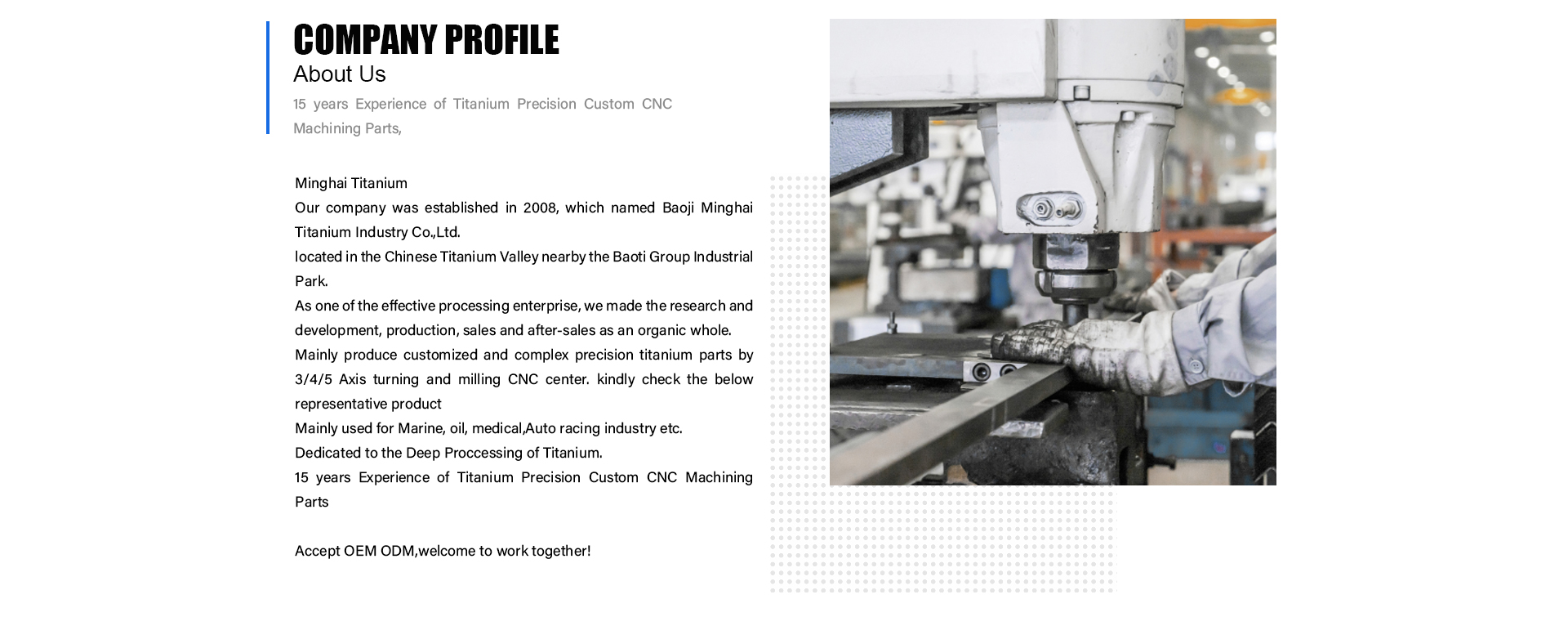
Established in 2008 in the Gaoya Village Industrial Zone of Baoji (China Titanium Valley), Vunza Titanium Industry Co., Ltd. is located adjacent to the Baoti Group Industrial Park, capitalizing on China's premier metallurgical supply chain ecosystem.
As an integrated manufacturing and trading enterprise, we synthesize R&D, precision production, global sales, and engineering after-sales support into an organic whole. Our primary offerings encompass medical CoCrMo alloys, Titanium CNC precision machining parts, standard and non-standard titanium fasteners, customized complex components, and specialty rare metal raw materials.
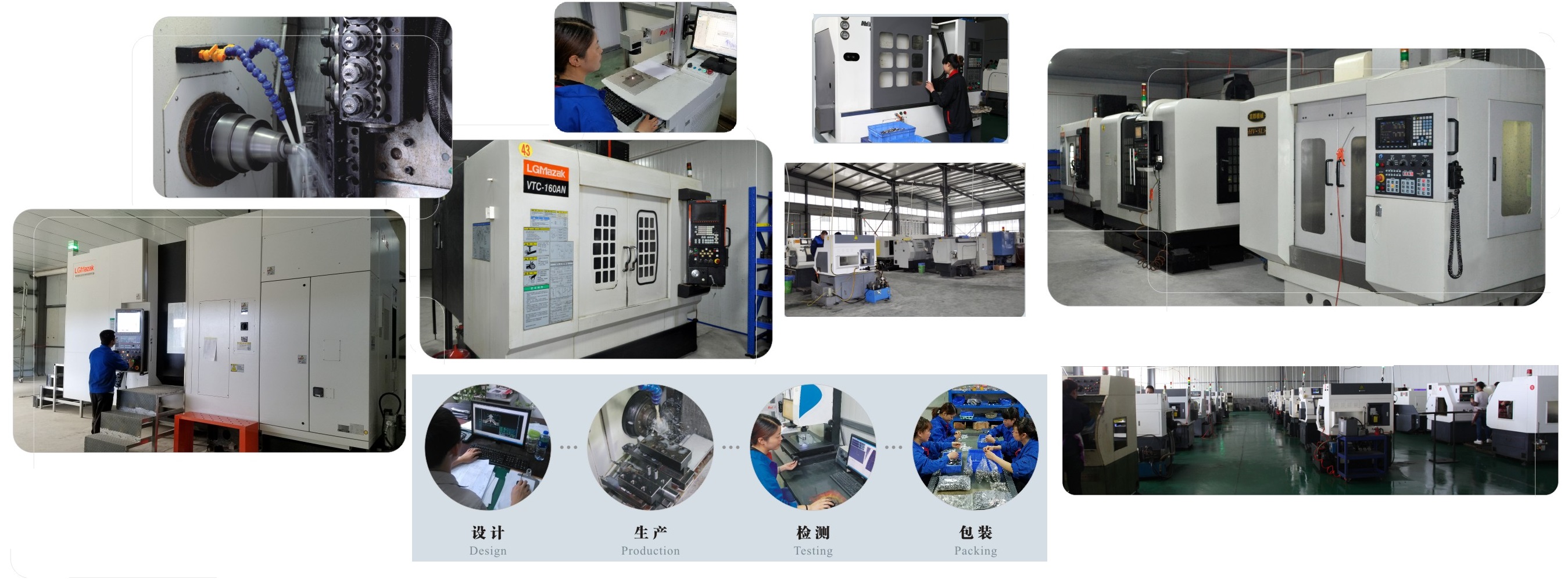
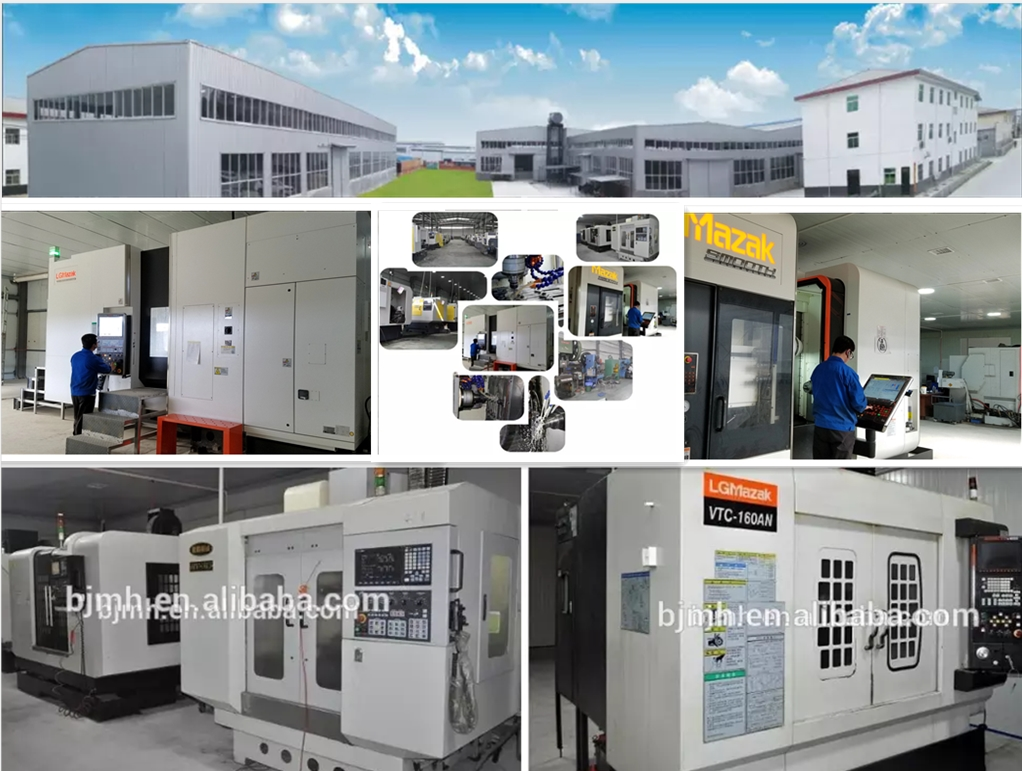
Our operation is powered by a senior R&D engineering team specializing in complex, tight-tolerance custom solutions. More than 50% of our production staff have over 13 years of hands-on metallurgical and machining experience. Utilizing 34 sets of advanced multi-axis CNC centers (3-axis, 4-axis, and 5-axis simultaneous machines), we hold production tolerances down to an impressive 0.005 mm. Every process—from raw sponge melting to finished inspected components—is rigorously governed under strict quality management systems.
Professional Premise
Design and manufacturing backed by metallurgists with decades of biomaterial experience.
Quality Fundamental
Closed-loop inspection from raw material melt verification to finished CMM dimensional checks.
Good Faith Foundation
Transparent certifications, traceable heats, honest material documentation, and long-term customer partnerships.
Service Guarantee
Fast quotation turnarounds, rapid sample prototyping, and comprehensive DFM engineering support.

Engineering Standards & Quality Parameters
Comparative metallurgical and mechanical specifications for medical device engineers and dental procurement specialists.
CoCrMo vs. Ti6Al4V ELI vs. 316LVM Medical Alloys
| Property Attribute | CoCrMo (ISO 22674 / ASTM F1537) | Titanium Gr23 Ti-6Al-4V ELI | Stainless Steel 316LVM |
|---|---|---|---|
| Primary Composition | Co: ~63%, Cr: ~28%, Mo: ~6% | Ti: 90%, Al: 6%, V: 4% | Fe: ~65%, Cr: 18%, Ni: 14%, Mo: 3% |
| Density (g/cm³) | 8.35 – 8.50 | 4.43 | 7.95 |
| Modulus of Elasticity (GPa) | 215 – 230 (High Rigidity) | 110 – 114 (Bone Matching) | 193 – 200 |
| Yield Strength Rp0.2 (MPa) | ≥ 650 – 900 | ≥ 795 – 860 | ≥ 450 – 690 |
| Tensile Strength Rm (MPa) | ≥ 950 – 1250 | ≥ 860 – 960 | ≥ 800 – 1000 |
| Wear / Galling Resistance | Outstanding (Articulating Surfaces) | Moderate (Prone to Galling) | Fair |
| Ceramic Veneer Compatibility | Excellent (Targeted CTE 14.1–14.5) | Requires Low-Fusing Porcelain | Not Suitable for Direct Veneering |
| Biocompatibility / Nickel Free | 100% Ni & Be Free (Safe) | Completely Bio-Inert | Contains Nickel (Allergy Risk) |
Data derived from ISO 22674, ASTM F1537, ASTM F136, and internal laboratory QA test batches conducted by Vunza Titanium Industry Co., Ltd.
Vunza Quality Gate & Inspection Procedures
| Inspection Stage | Evaluation Criteria | Analytical Instrumentation |
|---|---|---|
| Raw Material Assay | Trace element chemistry, gas content (C, O, N, H) | Optical Emission Spectrometry (ICP-OES / LECO) |
| Phase Microstructure | Austenitic matrix homogeneity, carbide distribution | Metallurgical Microscope & SEM Analysis |
| Thermal Expansion (CTE) | Expansion profile from 25°C to 500°C | High-Precision Push-Rod Dilatometer |
| CAD/CAM Dimensional | Diameter, rim step tolerance, perpendicularity | Zeiss 3D Coordinate Measuring Machine (CMM) |
| Surface Integrity | Roughness Ra < 0.2 µm, absence of micro-voids | Stylus Profilometer & Laser Confocal Metrology |
Frequently Asked Questions: CoCrMo Sourcing
Essential technical and commercial answers addressing common engineering queries regarding CoCrMo Dental Medical Alloys.
What international metallurgical standards govern CoCrMo Dental Medical Alloy?
How does CoCrMo Dental Medical Alloy perform regarding biocompatibility and nickel/beryllium toxicity?
What is the optimal thermal expansion coefficient (CTE) of CoCrMo for dental ceramic bonding?
Why choose CAD/CAM subtractive milling discs over traditional vacuum induction casting for CoCrMo frameworks?
What CNC machining parameters and tooling are recommended for CoCrMo dental medical parts?
What is the standard lead time, packaging, and minimum order quantity (MOQ) for global shipments?
Request a CoCrMo Quote & Engineering Review
Contact our medical biomaterial team for alloy batch certificates, custom milling blank dimensions, or precision CNC medical component production to 0.005 mm tolerances.
- 1Submit drawing, disc dimension, or material weight requirements
- 2Receive technical DFM feedback, CTE confirmation, and quote within 9 hours
- 3Pilot sample approval followed by fully certified production batches