Titanium Automotive Racing Fasteners: The Strategic Sourcing & Engineering Guide
How Global Motorsport Teams, Performance Tuners, and Tier-1 Racing Hardware Distributors Engineer 45% Weight Reduction Without Compromising Tensile Integrity.
Ti-6Al-4V Grade 5 (TC4)Precision ±0.005 mmRolled Threads & High Fatigue
Precision Engineered For Elite Racing Programs Worldwide
Formula RacingGT3 & EnduranceSprint CarTime AttackSuperbikeOff-Road Trophy Trucks
Engineered Product Portfolio
High-Performance Titanium Racing Fasteners Recommended for Pro Competition
Every gram shed in rotating, unsprung, and high-vibration powertrain mass yields exponential dynamic returns on track. Our custom and standard Grade 5 titanium hardware is built specifically for severe mechanical and thermal environments.
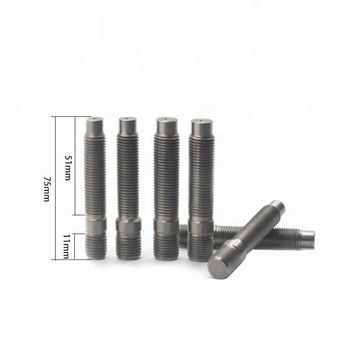
Engineered to cut unsprung rotational mass by ~46% over high-tensile steel studs. Featuring precision hot-forged heads and precision burnished threads that endure repeated pneumatic impact wrench cycles without thread elongation or stripping.
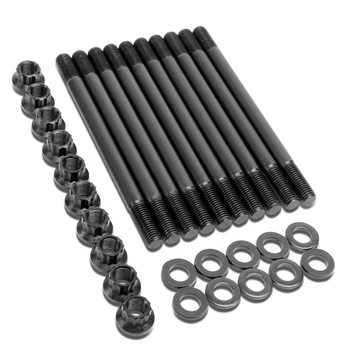
Specifically developed for turbocharged and high-compression racing engines. Delivers high clamping preload consistency across extreme thermal cycles, preventing combustion chamber head gasket breach under multi-bar boost pressures.
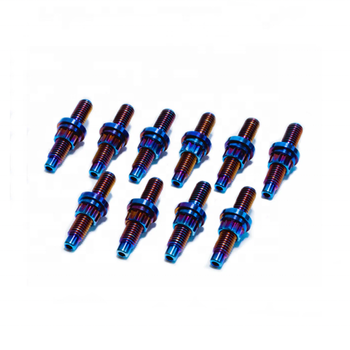
Eliminates thermal oxidation seized studs in turbocharged exhaust manifolds and turbo flanges. Retains structural tensile strength up to 450°C and features rolled threads designed to resist cyclical thermal shock and intense racing harmonics.
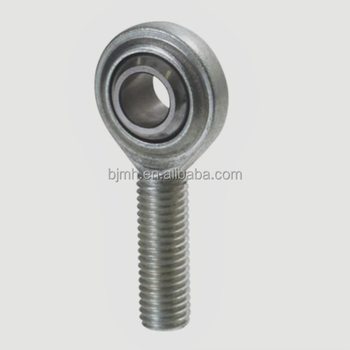
Replaces heavy steel spherical rod ends in suspension control arms, steering linkages, and sway bar end links. Significantly decreases suspension unsprung mass for faster damper reaction times and sharper vehicle steering responsiveness.
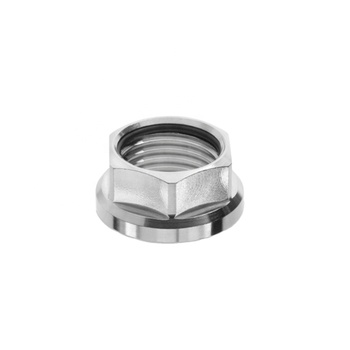
Engineered for high-vibration sprint car and midget racing chassis. The deformed-thread locking feature guarantees zero backed-out nuts under intense track shudder without requiring messy safety wiring or secondary locking tabs.
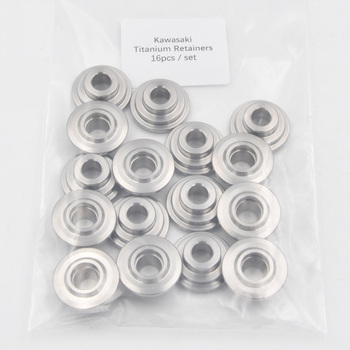
CNC Precision Grade 5 Titanium Valve Spring Retainers
7° and 10° Locks · ±0.005 mm Concentricity · Micro-Polished Finish
Cuts valvetrain reciprocating mass by up to 40%, preventing high-RPM valve float, harmonics chatter, and spring fatigue in 9,000+ RPM competition engines. Balanced and certified concentric to eliminate valve stem side loading.
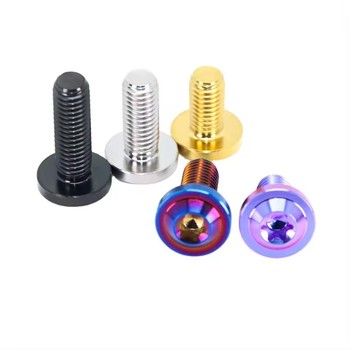
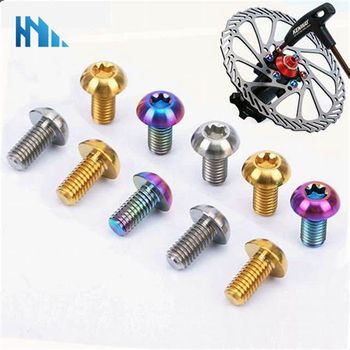
M6/M8 Flange Drive · PVD Burnt Blue, Gold, DLC Black · High Shear Rating
Designed for two-piece floating brake hat assemblies and caliper mounts. Dissipates thermal shock rapidly with zero risk of catastrophic rust-bonding, facilitating rapid pad changes during grueling 24-hour endurance pit stops.
Global Procurement & Engineering Trends in Racing Fasteners
As vehicle electrification shifts weight thresholds and generative engineering optimizes chassis designs, titanium fasteners have transformed from an exotic indulgence into a fundamental competitive requirement.
Trend 01: Mass Optimization
Unsprung & Rotational Mass Mitigation in Hybrid/EV Motorsport
Modern hybrid and battery-electric racing classes (Formula E, Le Mans Hypercar, electric rallycross) operate under stringent minimum gross weights while dealing with heavy lithium battery packs. Engineering teams must reclaim lost agility by targeting unsprung and rotating mass aggressively.
Switching from steel wheel studs, rotor bobbins, and suspension upright hardware to Grade 5 Ti-6Al-4V saves between 8 to 15 kg of critical unsprung mass. In vehicle dynamics, one kilogram of unsprung weight reduction yields equivalent handling responsiveness to removing four to six kilograms of static sprung weight, drastically optimizing damper reaction times and transient lateral tire grip.
Accelerates shock absorber and tire contact compliance across rumble strips.
Lowers rotational moment of inertia for faster apex corner acceleration and decelerated braking distances.
Early titanium fastener adoption was often plagued by fatigue fractures when lower-tier machine shops simply single-point lathe-cut fastener threads. Lathe cutting introduces microscopic tool tear marks, micro-notches, and severs the continuous metallic crystalline grain structure of titanium bar stock.
Content continue
Modern B2B procurement specifications mandate cold-forged and rolled thread profiles per aerospace specifications (MIL-S-8879 / AS8879). Thread rolling uses hydraulic dies to compress the metal plastically, inducing compressive residual stress into thread roots and preserving continuous grain flow. This increases fatigue lifecycle endurance under severe engine block vibration by more than 300%.
Eliminates catastrophic fastener shearing caused by resonant frequency micro-fissures.
Increases thread stripping resistance under high-torque pneumatic assembly.
Trend 03: Specialized Surface Engineering
PVD DLC & Anti-Galling Surface Nano-Treatments
The inherent tribological characteristic of titanium alloys is a tendency to experience adhesive wear, commonly known as thread galling or cold-welding when threaded under preload without lubricant. The global racing hardware market is moving rapidly toward factory-integrated nano-coatings.
Advanced Physical Vapor Deposition (PVD) Diamond-Like Carbon (DLC), titanium aluminum nitride (TiAlN), and specialized micro-arc oxidation treatments provide surface hardness exceeding 2500 HV. These nano-thin coatings reduce the coefficient of friction to below 0.1, permitting accurate torque-to-tension conversion during high-speed pit stops without thread seizure.
Facilitates dry installation torque accuracy without requiring anti-seize pastes in dust-sensitive hubs.
Immunity to galvanic corrosion when paired with lightweight carbon fiber or magnesium components.
Technological Evolution
From Standard Metric Hardware to Complex Generative Custom Fasteners
The manufacturing architecture of titanium automotive racing fasteners is experiencing an unprecedented technical evolution driven by multi-axis CNC multi-tasking centers and digital DFM modeling.
±0.005 mm (Multi-Axis 5-Axis CNC Precision Center)
Corrosion & Thermal Resistance
Prone to surface corrosion and heat seizing
Uncoated bare Ti (Prone to galling)
PVD DLC / Hard Anodized, 100% Salt Spray Proof
*Data based on certified laboratory testing conducted in Baoji Minghai / Vunza quality test facilities in accordance with ASTM F468 and ISO 3506-1 standards.
Verified Manufacturer Advantage
Vunza Titanium Industry Co., Ltd.
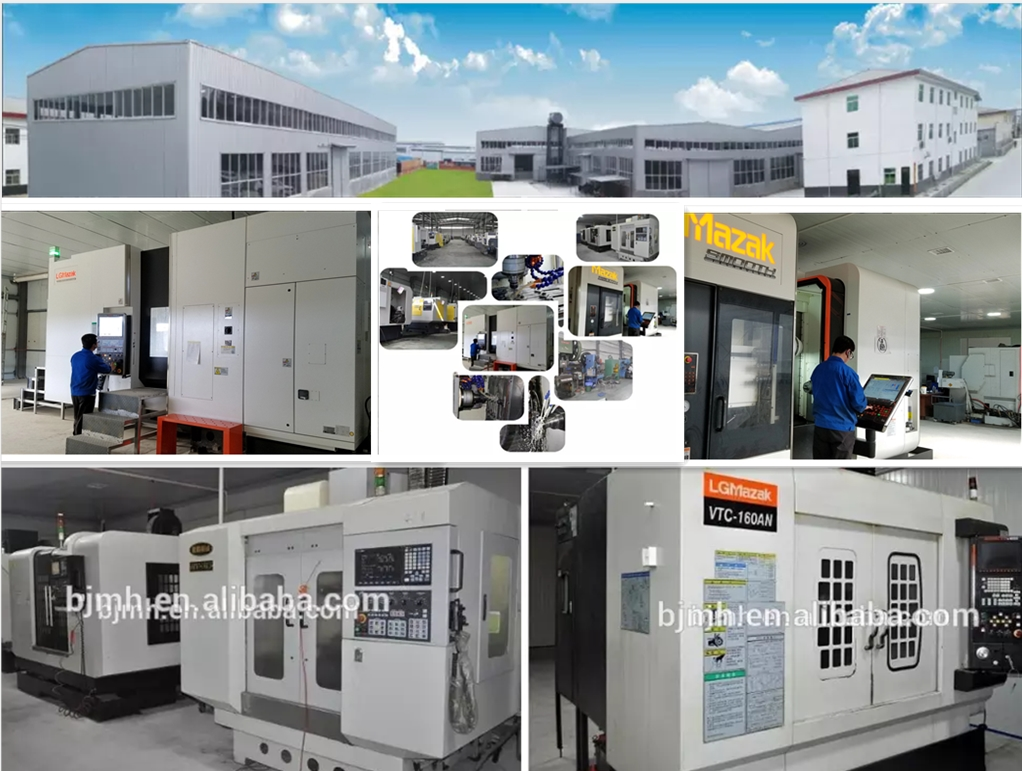
Established in 2008 in the center of Chinese Titanium Valley (Baoji, Shaanxi), right beside the Baoti Group Industrial Park, Vunza operates as a fully integrated research, precision CNC machining, production, and worldwide export powerhouse.
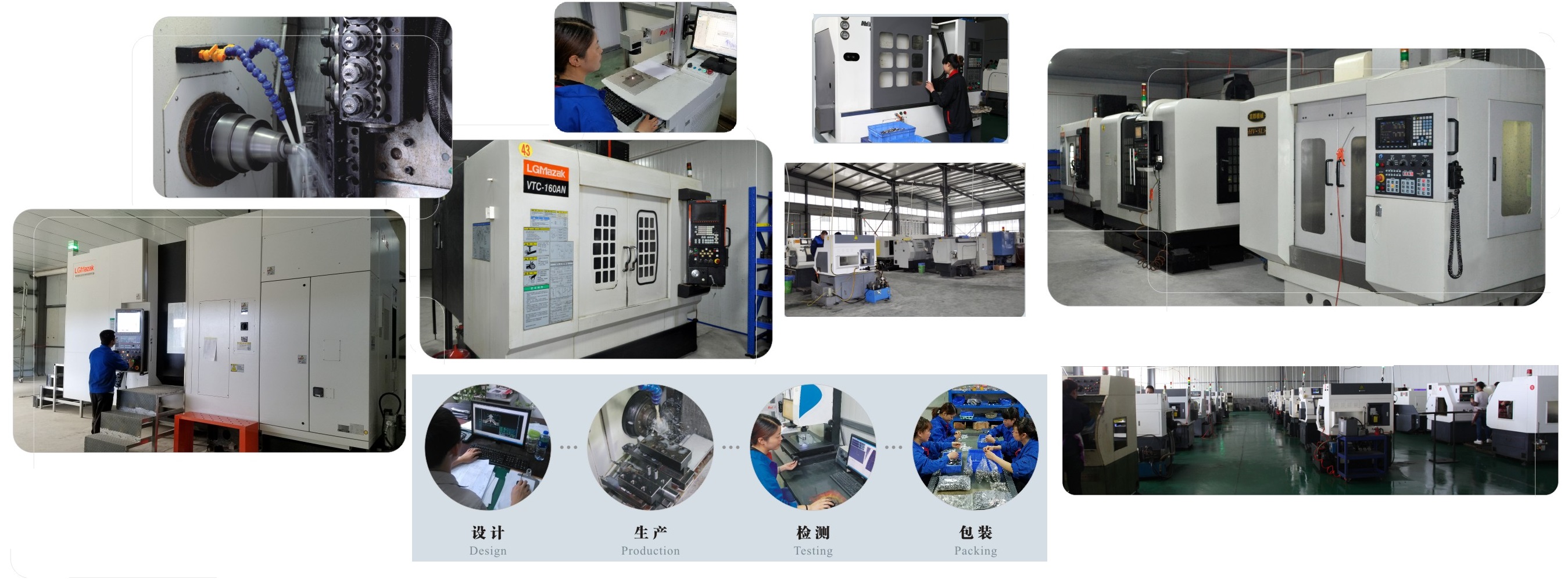
We solve the most demanding weight and strength dilemmas for global professional motorsport teams, performance builders, and industrial leaders. Our manufacturing backbone features 34 sets of advanced multi-axis CNC centers (3-axis, 4-axis, and 5-axis simultaneous machining equipment) capable of turning, milling, complex broaching, and holding tolerances down to 0.005 mm.
Unlike third-party traders, over 50% of our production staff possess more than 13 years of dedicated hands-on experience in titanium processing. We manage every step organically: from pristine titanium sponge melting and certified aerospace billet rolling, to high-precision CNC manufacturing, heat treatment, ultrasonic non-destructive testing, and final quality sign-off.
Corporate EntityVunza Titanium Industry Co., Ltd.
Established Base2008 · Baoji, Shaanxi, China
Annual Production TurnoverUS$10 Million – US$50 Million
Frequently Asked Questions by Global Racing Fastener Buyers
Essential technical, manufacturing, and procurement clarifications addressable directly to our Chief Metallurgy and Machining Engineers.
Why are cold-rolled threads mandatory for titanium automotive racing fasteners instead of cut threads?
When threads are cut on a conventional lathe, the cutting tool physically shears through the titanium alloy's longitudinal crystalline grain boundary lines, introducing microscopic serrations, sharp internal corners, and tool marks in the thread root. Under continuous dynamic engine oscillation or chassis shudder, these micro-notches act as severe stress-concentration points where fatigue cracks initiate.
At Vunza Titanium Industry Co., Ltd., we utilize heavy-duty hydraulic circular thread rolling dies. Cold thread rolling plastically deforms the Grade 5 titanium material under high radial tonnage, compressing the outer fibers without cutting them. This induces beneficial residual compressive stress along the entire pitch, creates smooth burnished root radii, and boosts cyclic high-stress fatigue life by over 30% to 40%.
How does Grade 5 Ti-6Al-4V match up against Grade 10.9 and 12.9 alloy steel racing bolts?
Standard Grade 10.9 racing bolts offer roughly 1040 MPa tensile strength with a density of 7.85 g/cm³. In contrast, precision aerospace-grade Ti-6Al-4V Grade 5 (TC4) delivers 950 to 1050 MPa ultimate tensile strength with a density of only 4.43 g/cm³. This provides virtually identical clamp tension capacity at a 44% to 47% total mass reduction.
While Grade 12.9 alloy steel provides higher absolute tensile strength (1220 MPa), it is significantly heavier, highly susceptible to hydrogen embrittlement when plated, and corrodes rapidly when exposed to humidity, brake wash, and thermal changes. Titanium provides lifelong immunity to road salt, synthetic racing fuels, and atmospheric moisture with exceptional fatigue resistance.
What measures prevent titanium thread galling during high-speed pit stops or frequent assembly?
Titanium features a self-healing micro-thin titanium dioxide (TiO2) passive layer. Under extreme contact pressure and dry friction, this oxide film can rub off, exposing raw reactive titanium surfaces that instantaneously micro-weld together (galling). To prevent this in competition applications, we offer:
PVD DLC (Diamond-Like Carbon) or TiN/TiAlN Coatings: Provides a sub-micron hard protective layer with a friction coefficient below 0.12.
Micro-Arc Oxidation & Hard Color Anodizing: Densifies the surface oxide into a non-reactive barrier.
Assembly Best Practices: We recommend using quality molybdenum disulfide (MoS2), nickel-based, or copper anti-seize paste during dry shop assembly if bolts are uncoated.
What documentation and material verification do you provide for motorsport compliance?
Quality reliability is non-negotiable in professional racing. With every batch of titanium racing fasteners, Vunza provides full material traceability including:
EN 10204 Type 3.1 Mill Test Certificates (MTC): Documenting true chemical spectrometry (Al, V, Fe, C, N, H, O content) and mechanical tensile, yield, and elongation ratings.
Dimensional CMM Inspection Reports: Checking pitch diameter, thread concentricity, and flange perpendicularity against customer drawings.
Ultrasonic Defect Testing: Guaranteeing zero internal shrinkage cavities or inclusions inside the starting titanium bar stock.
Can Vunza manufacture non-standard titanium racing fasteners from custom 3D STEP or CAD files?
Yes. Custom prototype and high-volume OEM manufacturing is our primary engineering specialty. Utilizing our 34 multi-axis CNC machining centers (incorporating 3, 4, and 5-axis capabilities), we routinely machine custom head configurations—such as drilled safety wire holes, deep internal Torx / 12-point heads, dished flange heads for maximum weight savings, and custom metric/UNF thread lengths. Our engineering team conducts thorough DFM reviews and typically delivers technical proposals within 9 hours.
What is your typical production lead time and minimum order quantity (MOQ)?
For standard catalog configurations (such as M12x1.25/1.5 wheel studs, M8/M10 exhaust studs, and universal flange bolts), we maintain strategic raw bar stock and can ship batch runs within 7 to 14 days. Minimum order quantities typically range between 100 to 300 pieces depending on part complexity. For specialized custom prototypes, samples are completed within 7 to 10 working days.
Build Your Advantage with Precision Titanium Fasteners
Send your 2D/3D CAD models, material specifications, or custom dimensional samples. Our veteran motorsport engineering team will review manufacturability, thread rolling parameters, and finish options.
1Upload your engineering drawings (.STEP, .IGES, .DWG, or PDF)
2Receive technical DFM feedback, material certification, and formal quotation within 9 hours
3Approve pilot prototype run, then seamlessly scale to volume production