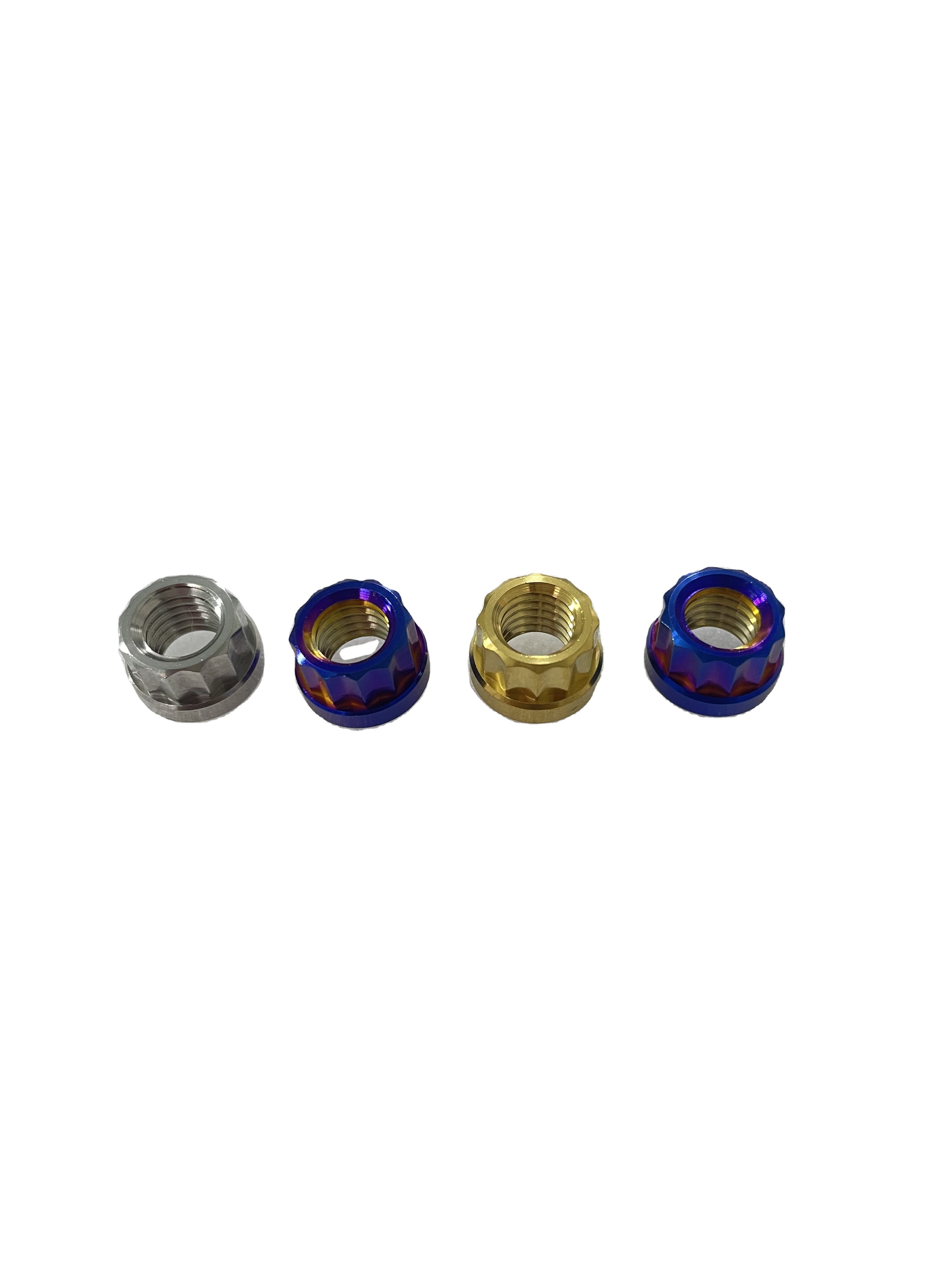
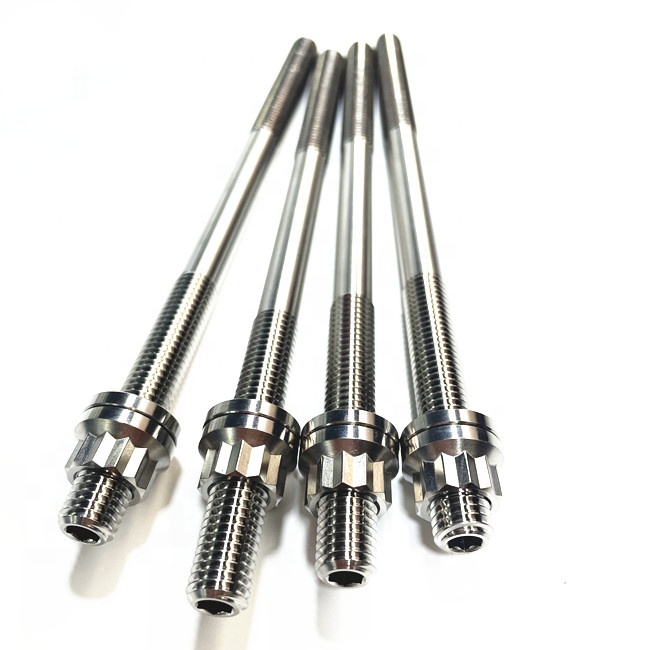
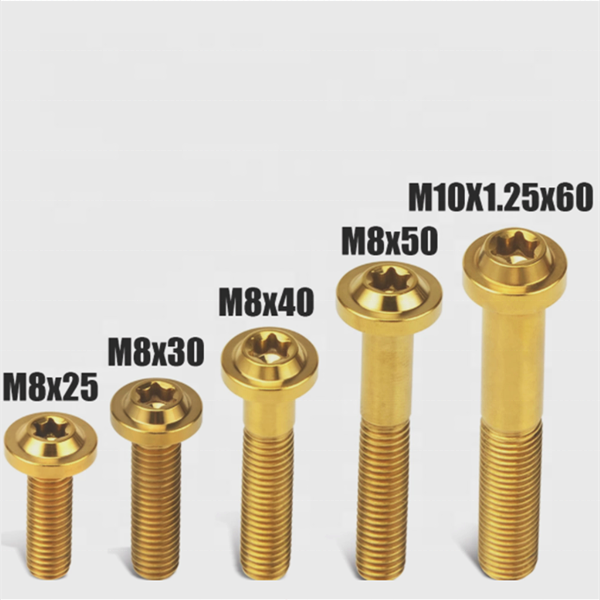
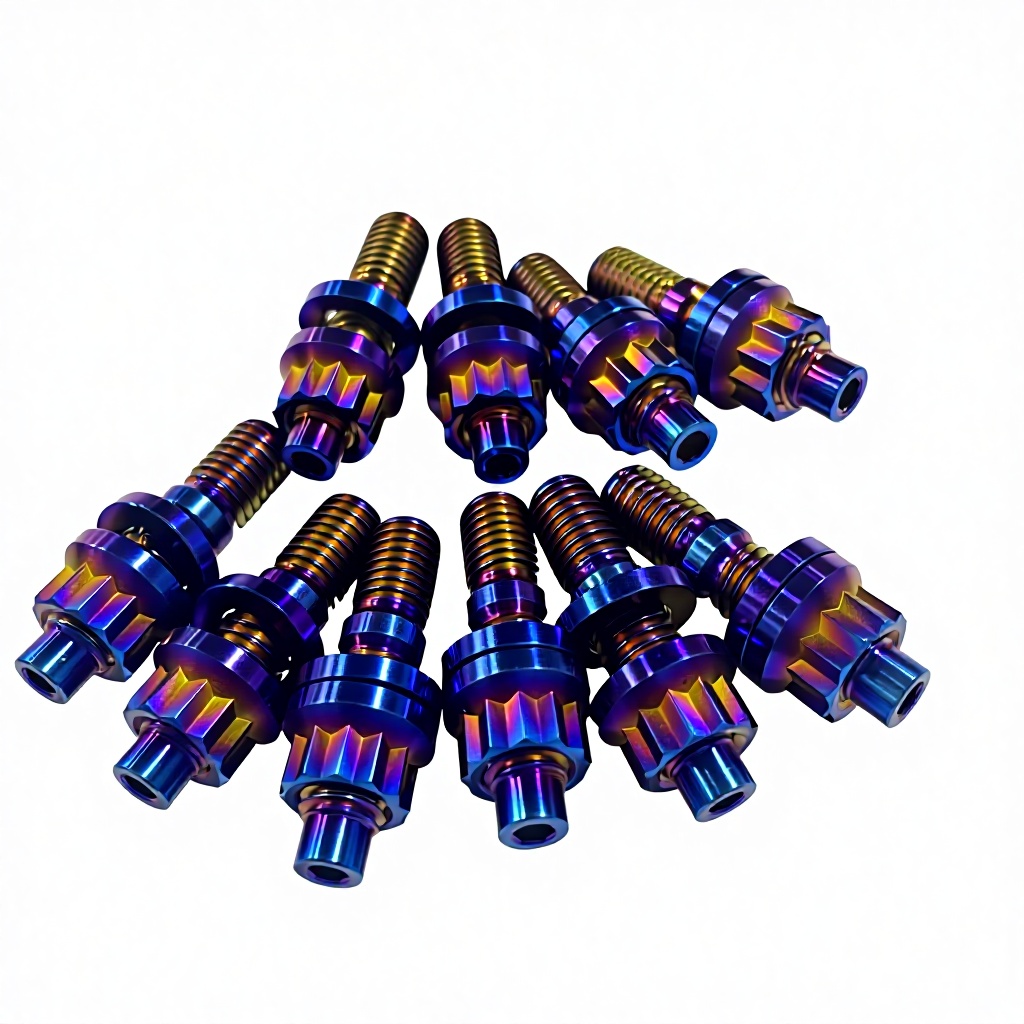
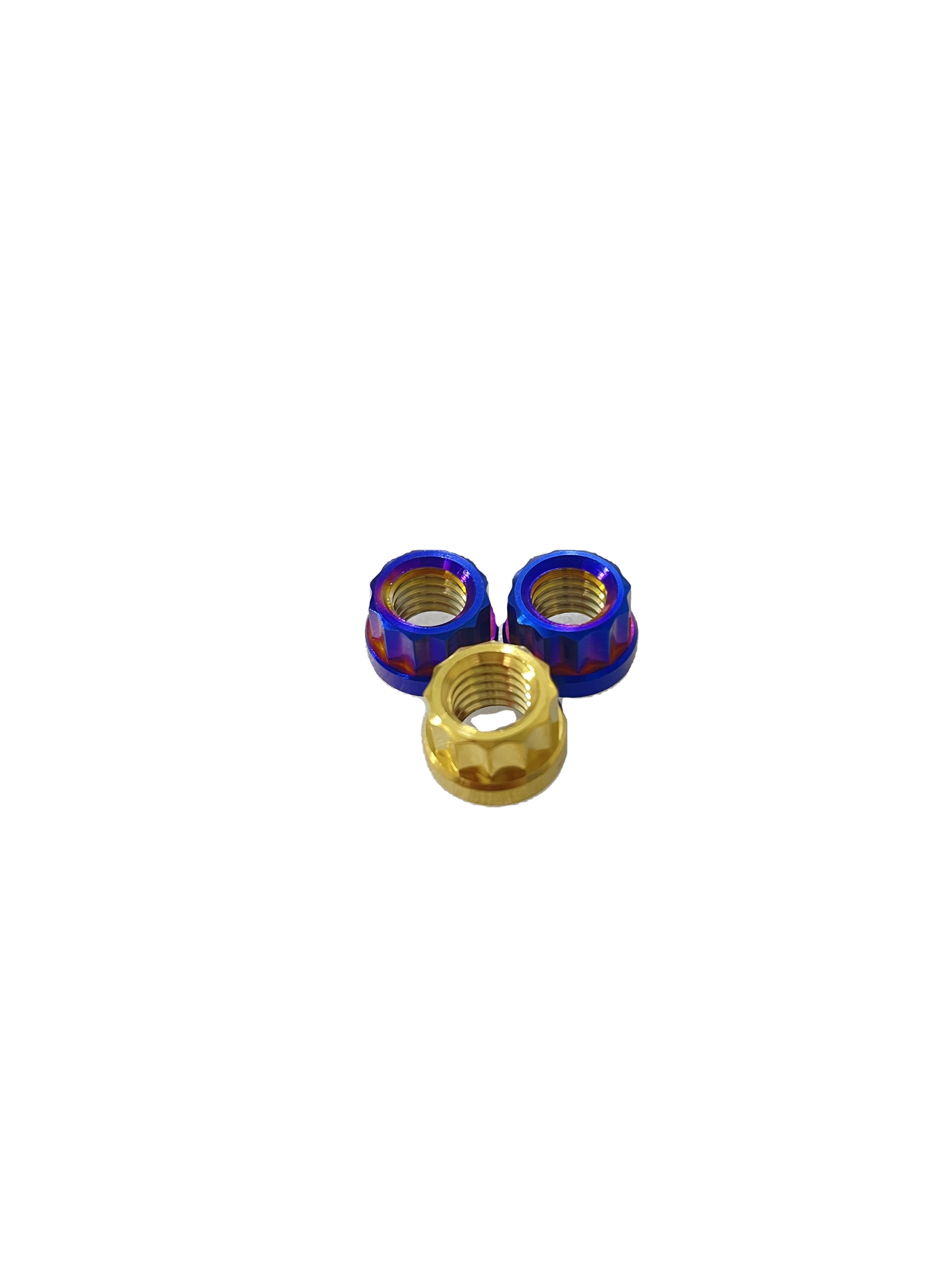
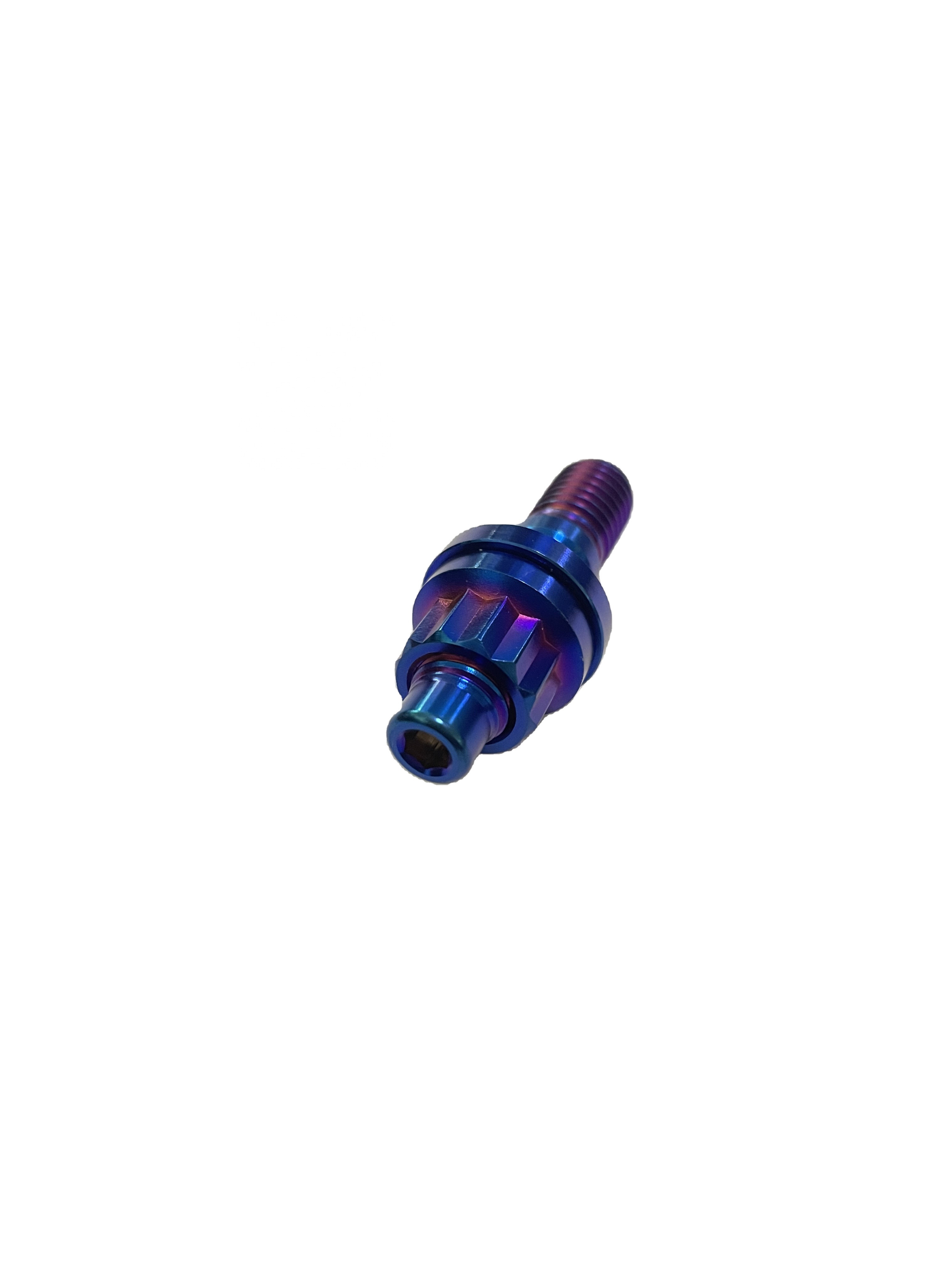
Hex-drive broached end for rapid precision installation. Includes self-locking 12-point nuts and load-spreading washers in matched kits.
2008
Established in Baoji Valley
34 Sets
Multi-Axis CNC Centers
±0.005mm
Precision Machining Tolerance
50%+
Staff with 13+ Years Experience
E-E-A-T Manufacturing Authority
Why Global OEM Tier-1 & Industrial Engineers Partner with Us
Headquartered in Gaoya Village Industrial Zone, Baoji, Shaanxi—widely recognized as China's Titanium Valley—Vunza Titanium Industry Co., Ltd. sits directly adjacent to the Baoti Group Industrial Park, controlling raw metallurgical feedstock integrity from vacuum sponge smelting to microscopic dimensional inspection.
Sponge-to-Part Metallurgy Traceability
Unlike small machining workshops purchasing uncertified secondary scrap rods, we execute full metallurgical batch tracking starting from raw titanium sponge. Every run comes certified with chemical composition spectroscopy and mechanical elongation/tensile test documentation adhering to ASTM B348, ASTM F136, and AMS 4928 standards.
34 Multi-Axis CNC High-Precision Cells
Our machining floor operates 3-axis, 4-axis, and 5-axis simultaneous CNC milling centers alongside dual-spindle Swiss-type lathes. We routinely hold micro-tolerances down to ±0.005 mm, ensuring concentricity and thread runout compliance that eliminate manual assembly adjustment on industrial assembly lines.
Cold-Rolled Thread Forming Technology
Thread cutting disrupts metal grain flow, causing micro-notches susceptible to cyclic fatigue shear. We employ dedicated CNC thread rolling dies that compact titanium crystal grains along the root radius, increasing fastener shear fatigue strength by up to 30% over single-point cut threads.
Anti-Galling & PVD Surface Treatments
Titanium fasteners can suffer from micro-welding friction (galling) when tightened against matching titanium or stainless steel bores. We provide proprietary Physical Vapor Deposition (PVD), titanium carbonitride coatings, MoS2 dry film lubricants, and Type II anodizing that lower friction coefficients below 0.12.
Rapid DFM & Custom Drawing Support
Over 50% of our technical workforce possesses more than 13 years of specialized titanium machining experience. Our in-house engineering team provides Design for Manufacturability (DFM) reviews within 9 hours, identifying cost-saving thread undercut, chamfer, and tooling optimizations before batch production.
Verified Global Export Compliance
Holding a continuous 13-year verified export track record and a flawless 5.0/5 buyer rating across international trade platforms, our documentation simplifies customs clearance with EN 10204 3.1 Mill Test Reports, RoHS, REACH, and optical dimension inspection files included with each pallet.
Engineering Specifications
Titanium Alloys Selection Matrix for Fastener Engineering
Selecting the right titanium alloy requires balancing yield strength, fracture toughness, thermal expansion, and electrochemical compatibility. Below is the engineering benchmark for our standard production runs.
Alloy Grade
Nominal Chemical Composition
Min. Tensile Strength (MPa)
Min. Yield Strength (0.2% MPa)
Density (g/cm³)
Target Industrial Application
Grade 2 (CP Ti)
Commercially Pure Ti (Fe ≤ 0.30, O ≤ 0.25)
≥ 345
≥ 275
4.51
Chemical processing vessels, marine desalting fasteners, flue gas scrubbers, electroplating racks.
Design Tip for Structural Engineers: Titanium Grade 5 offers an ultimate tensile strength approaching Class 10.9 alloy steel while cutting assembly weight by 44.5%. However, titanium possesses an elastic modulus roughly half that of steel (~114 GPa vs. ~210 GPa). Joint designs must accommodate greater bolt stretch under torque, requiring specialized torque-tension clamping calculations to avoid joint relaxation.
Market Foresight & Industry Whitepaper
Future Procurement Trends in Industrial Titanium Fasteners (2025–2030)
As global industrial manufacturing transitions toward electrification, hydrogen infrastructure, and extreme-environment exploitation, the demand for precision titanium fastening hardware is experiencing transformative structural shifts.
1. EV Battery Enclosures & Lightweighting
Next-generation electric hypercars and commercial heavy-duty EV platforms are aggressively replacing stainless steel hardware with Grade 5 titanium bolts in structural battery packs. Titanium's zero magnetic permeability prevents parasitic eddy-current induction in high-voltage busbars, while dramatic weight savings extend battery range and optimize axle load distribution.
2. Green Hydrogen & Proton Electrolysis Cells
Proton Exchange Membrane (PEM) electrolyzers operate in aggressive acidic and humid environments where standard 316L stainless steel suffers nickel and iron leaching, poisoning catalytic platinum membranes. Titanium Grade 2 and Grade 7 fasteners are rapidly becoming mandatory procurement standards for electrolyzer stack tie-rods and bipolar plate clamping.
3. Subsea & Offshore Desalination Infrastructure
With global investments surging in offshore wind foundations and sea-water reverse osmosis (SWRO) facilities, lifecycle cost analysis has decisively superseded initial purchase price. Titanium fasteners provide an operational service lifespan exceeding 30 years without cathodic protection, eradicating multi-million-dollar maritime maintenance interventions.
Manufacturing Frontier
Advanced Technological Evolution in Titanium Fastener Machining
Titanium is notoriously difficult to machine due to its poor thermal conductivity (which traps heat at the cutting edge) and high chemical reactivity at elevated temperatures. Vunza Titanium pioneers modern manufacturing methodologies that conquer these physical barriers.
High-Pressure Through-Spindle Cryogenic Cooling
Traditional flood coolant frequently vaporizes before penetrating the intense shear zone of titanium machining chips. Our multi-axis CNC centers integrate high-pressure (up to 70 bar) micro-targeted coolant channels directly through the cutting insert. This suppresses thermal plastic deformation, prevents work-hardening, and guarantees micro-inch surface finishes on precision fastener shanks.
Integrated Multi-Station Hot-Heading & Forging
For high-volume production of aerospace-grade 12-point bolts and hex flange heads, full-bar CNC removal generates excessive material waste. We utilize induction heating induction zones that warm titanium stock to 750°C - 850°C under protective argon atmospheres, plasticizing bolt heads without embrittling alpha-case contamination.
Automated Optical & Eddy-Current Defect Sorting
To achieve zero-defect PPM thresholds for automotive racing and medical clients, our production lines conclude with high-speed 360-degree glass dial laser optical inspection. Every single bolt is automatically scanned for thread pitch pitch diameter, crest damage, head concentricity, and microscopic surface crack detection.
Procurement Intelligence
Frequently Asked Sourcing & Engineering Questions
Essential technical guidelines, minimum order requirements, and engineering considerations answered by our Baoji factory technical team.
1. How does Grade 5 Titanium (Ti-6Al-4V) compare to high-tensile steel and stainless steel fasteners?
Grade 5 titanium provides a tensile strength of 895–1000 MPa, directly rivaling SAE Grade 8 and ISO 898-1 Class 10.9 quenched-and-tempered alloy steels, while weighing approximately 44% less (density 4.43 g/cm³ compared to 7.85 g/cm³ for steel). Compared to 304 or 316 stainless steel (tensile ~500–700 MPa), Grade 5 titanium offers nearly double the strength alongside absolute immunity to pitting and stress corrosion cracking in chlorides and saltwater environments.
2. What measures do you implement to prevent thread galling during high-torque installation?
Titanium has a natural tendency to cold-weld when dry threads slide under extreme normal forces. To prevent galling, we provide several engineered solutions: (a) Physical Vapor Deposition (PVD) titanium nitride or carbonitride coatings that introduce a hard ceramic interface; (b) Type II specialized chemical anodization which produces an anti-friction oxide barrier; and (c) factory application of baked-on MoS2 (molybdenum disulfide) dry film lubricants. We also recommend copper-free or nickel-based anti-seize paste during field assembly.
3. What is your standard production lead time and Minimum Order Quantity (MOQ)?
For standard catalog items (such as DIN 912 socket caps, DIN 6921 flange bolts, and M8/M10 exhaust studs), our MOQ is typically 100 to 500 pieces depending on fastener size, with off-the-shelf stock ready to dispatch within 48 hours. For bespoke custom CNC components or non-standard thread pitches manufactured from custom customer 2D/3D drawings, rapid prototypes require 7 to 10 working days, with mass production runs completing in 18 to 25 working days.
4. Can you manufacture fasteners according to non-standard threads (UNF, UNC, BSF, metric fine) and custom drawings?
Yes. We specialize in non-standard fasteners. Our multi-axis turning centers cut and roll unified national coarse/fine (UNC/UNF) threads (such as 1/2-20, 3/8-24, 5/8-18) as well as extreme fine metric pitches (such as M10x1.0, M12x1.25, M14x1.5). We accept CAD formats including STEP, IGES, DXF, and DWG. Our engineering department can also reverse-engineer components from physical worn or benchmark samples.
5. How do you verify material authenticity and eliminate inferior recycled titanium scrap?
Every raw billet undergoes incoming inspection via handheld Optical Emission Spectrometry (OES) and X-ray Fluorescence (XRF) analyzers to verify the exact chemical percentage of Titanium, Aluminum, Vanadium, and interstitial elements (Carbon, Nitrogen, Oxygen, Iron, and Hydrogen). Every production batch is delivered with an official EN 10204 3.1 Mill Test Certificate traceable to the original vacuum arc remelting (VAR) ingot lot.
6. Does galvanic corrosion occur when titanium fasteners are paired with aluminum or carbon fiber?
When titanium contacts aluminum in an electrolyte (e.g. seawater), the aluminum acts as the sacrificial anode and may corrode. To prevent this, our engineering team supplies titanium fasteners with insulating polymer washers, anodized coatings, or sealant barriers. In contrast, titanium is completely compatible with carbon fiber reinforced polymers (CFRP), unlike steel or aluminum, which severely corrode when direct contact is made with conductive carbon fibers.
Ready to Elevate Your Fastener Specifications?
Consult directly with our Baoji engineering department. Send your CAD drawings, required mechanical grades, target quantities, and surface finish requirements for an actionable DFM review and quotation within 9 hours.