[email protected] Onsite-Verified Manufacturer · Since 2008
English
China's Titanium Valley Excellence • ISO Compliant

China Best Titanium Screws Manufacturer & Exporter

Aerospace-Grade Ti-6Al-4V Grade 5 Fasteners, Custom Multi-Axis CNC Precision Hardware, and Turnkey Export Logistics Sourced Directly from Baoji Since 2008.

Factory Precision Hardware

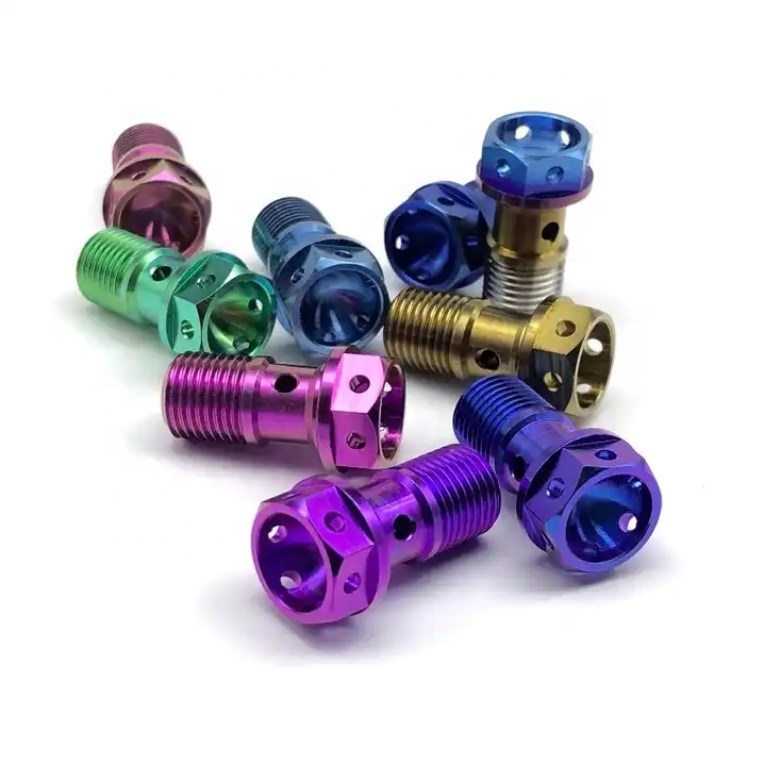
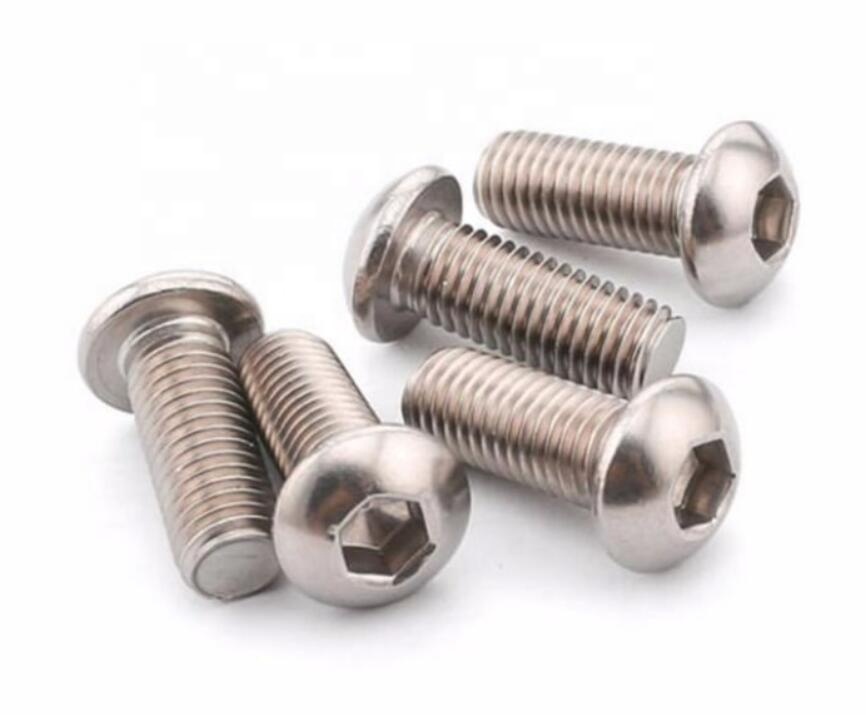
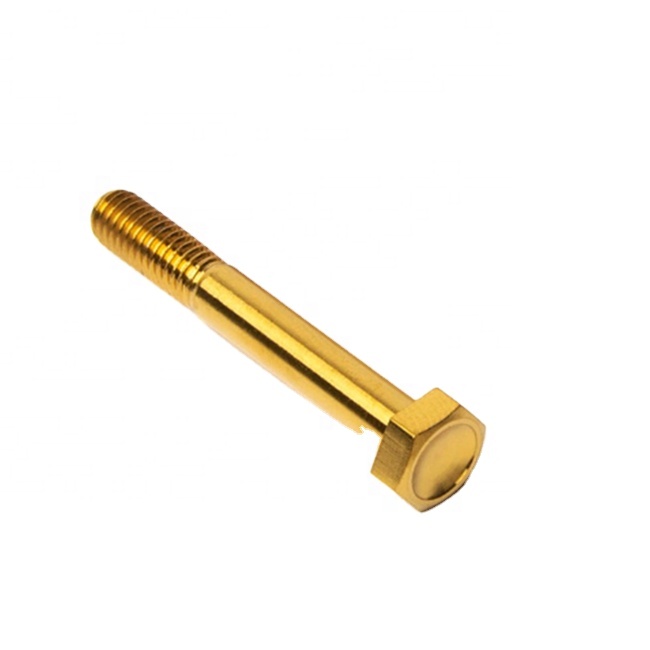
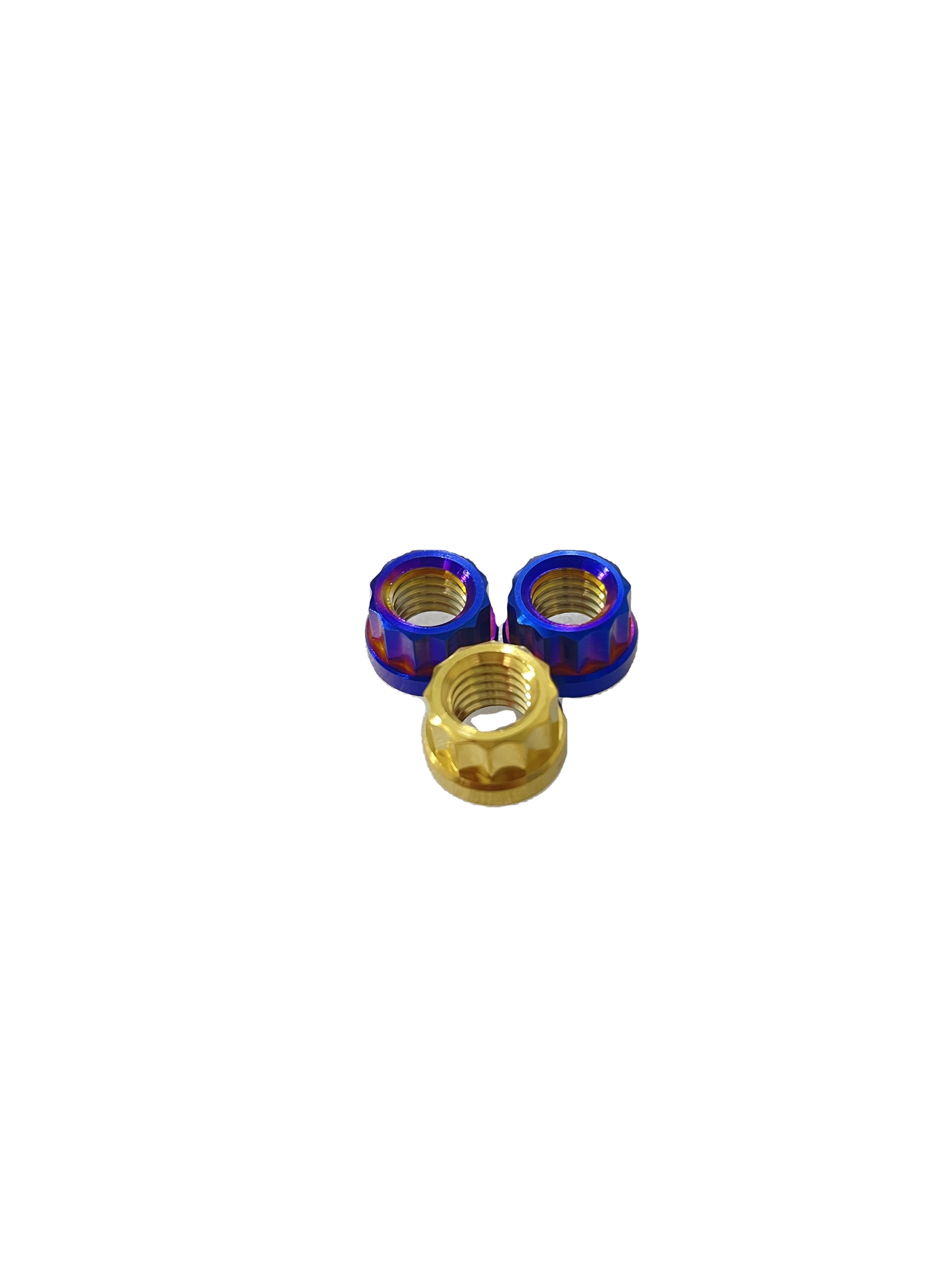
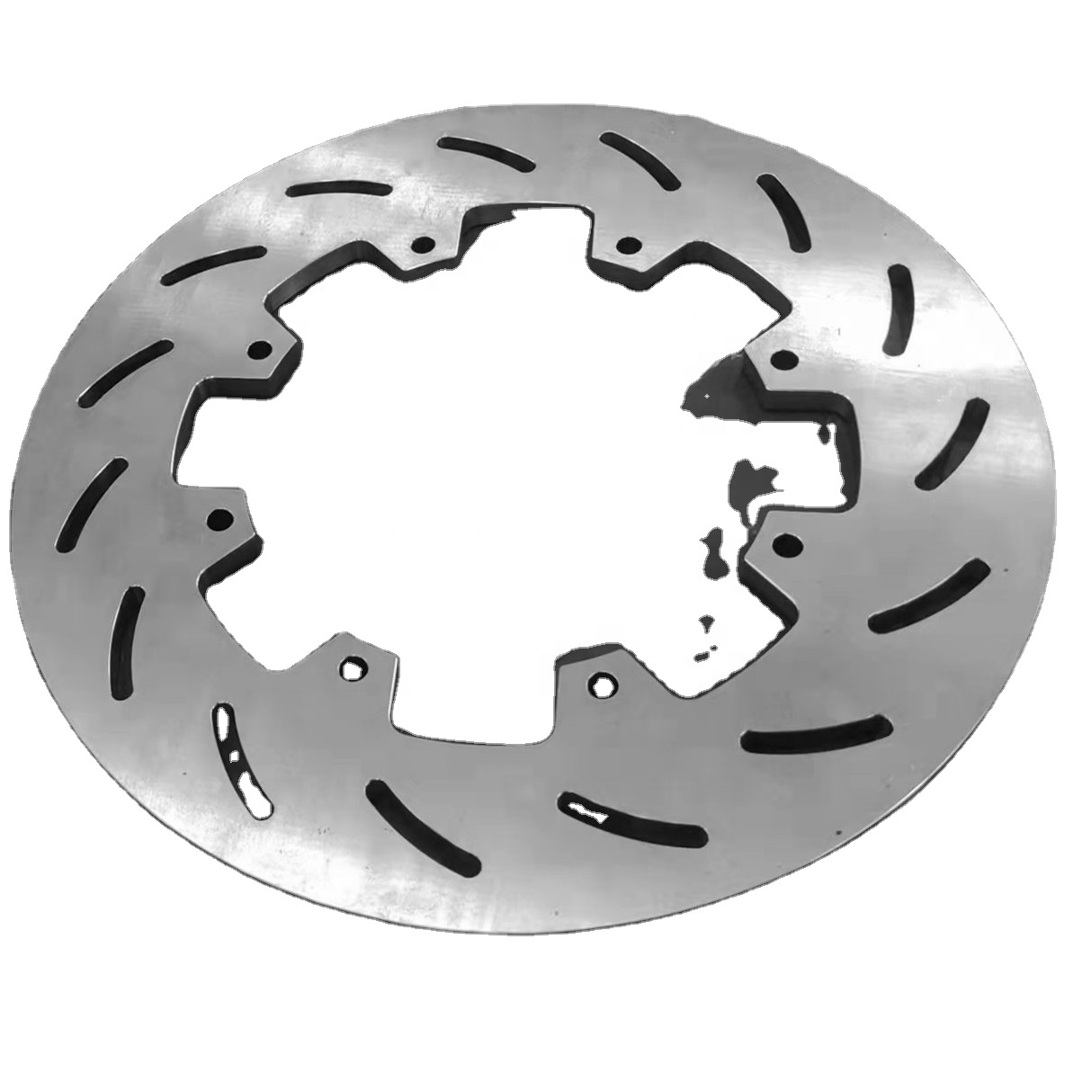
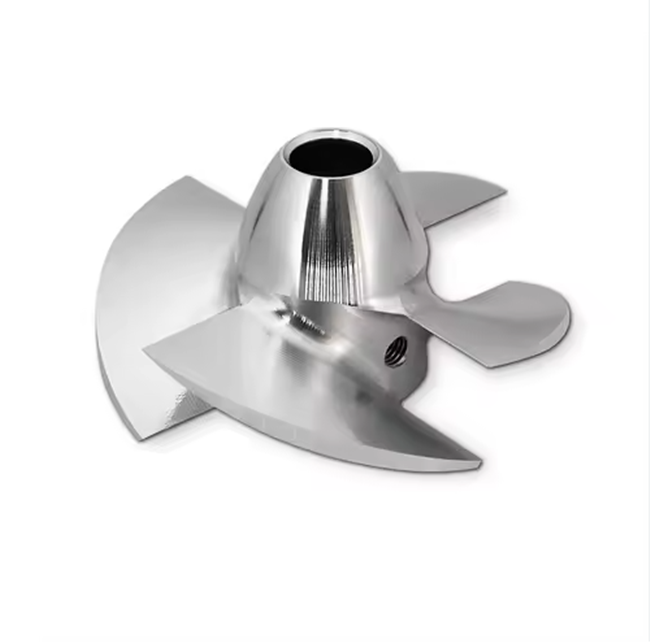
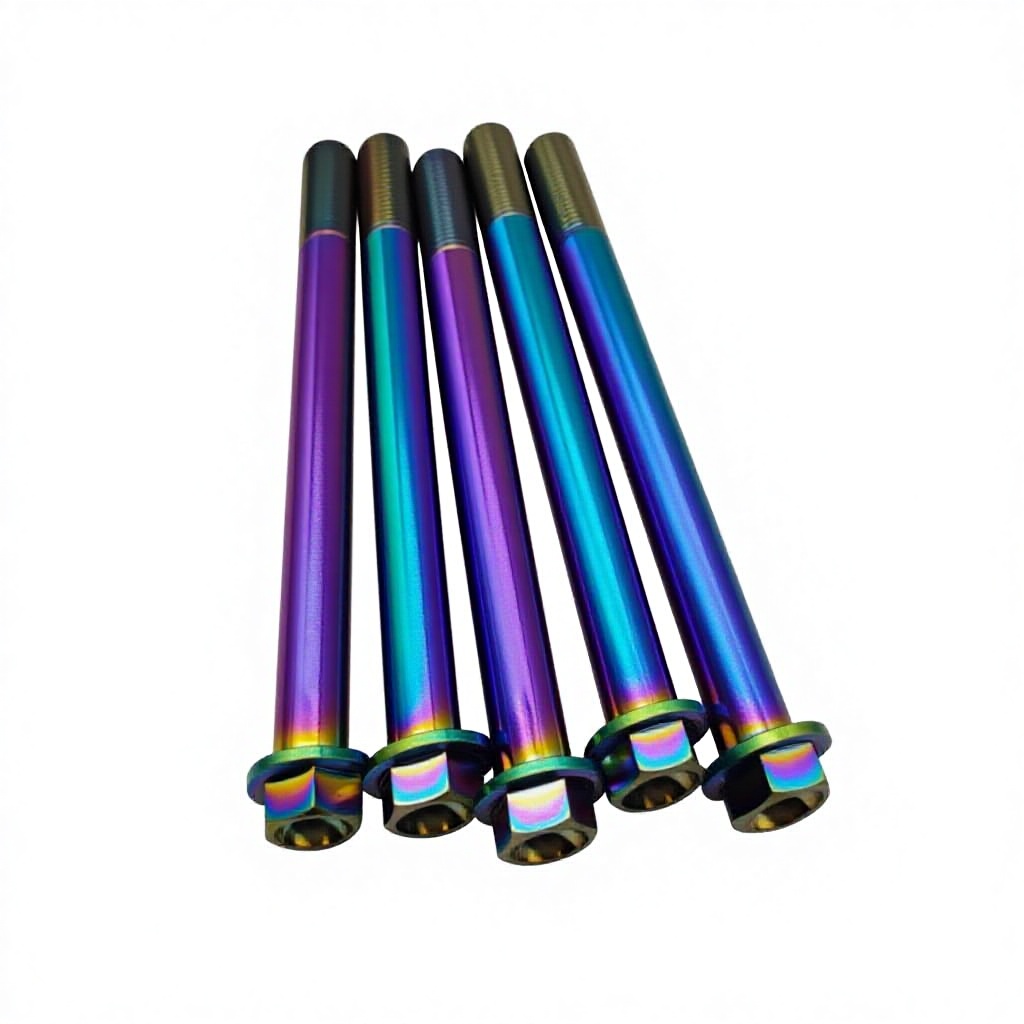
Featured Titanium Fasteners & Racing Components

Direct from our Baoji multi-axis machining facilities: hot-forged, CNC-turned, rolled-thread fasteners and rotating assemblies engineered to 0.005 mm geometric tolerance for motorsport, marine, and mission-critical assemblies.

2008
Founded in Baoji Titanium Valley
34 Sets
Multi-Axis 3/4/5-Axis CNC Centers
0.005 mm
Tightest Machining Tolerance
50%+
Senior Staff With 13+ Years Experience
Origin Advantage

Why Source Titanium Fasteners From Baoji, China?

Located adjacent to the world-renowned Baoti Group Industrial Park in Shaanxi, our manufacturing ecosystem provides 100% full-cycle metallurgical traceability from sponge titanium reduction to precision-turned aero hardware.

Cluster Supply Integration

Baoji manufactures over 60% of China's titanium supply and 20% globally. Our raw material ingots and aerospace-certified bar stock come straight from verified vacuum arc remelting (VAR) sources with complete chemical and ultrasonic test reports.

Multi-Axis Precision Machining

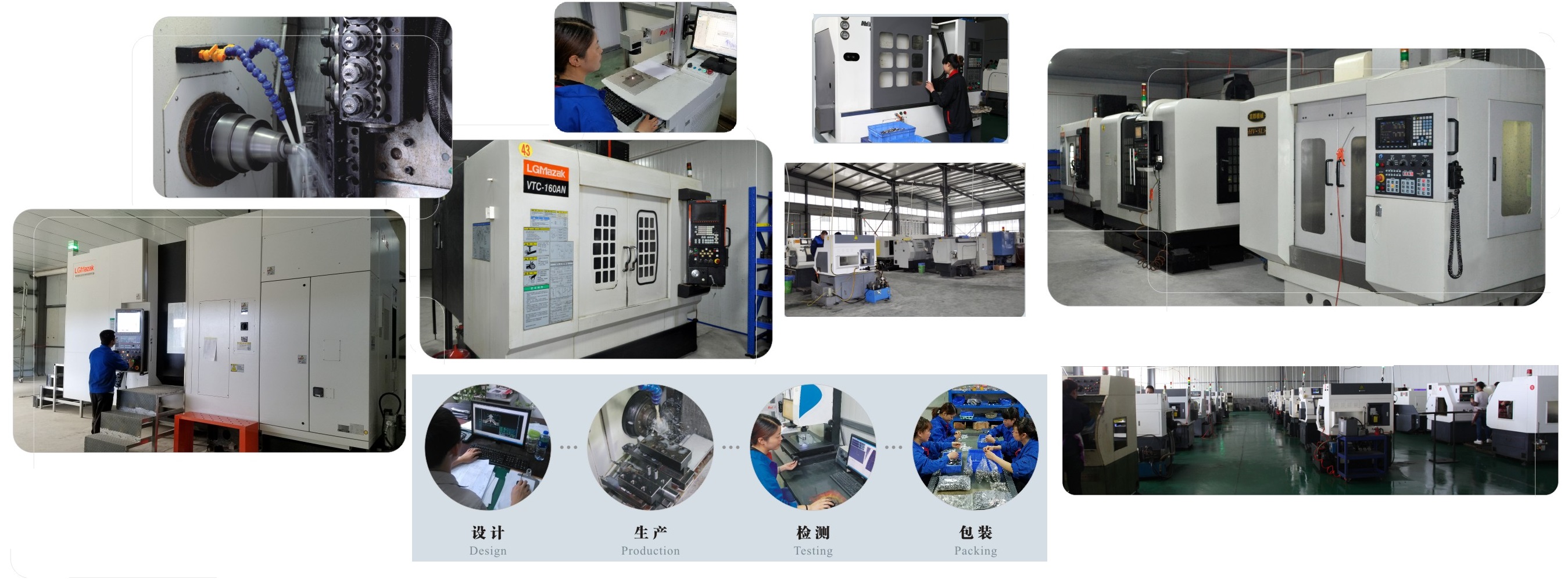
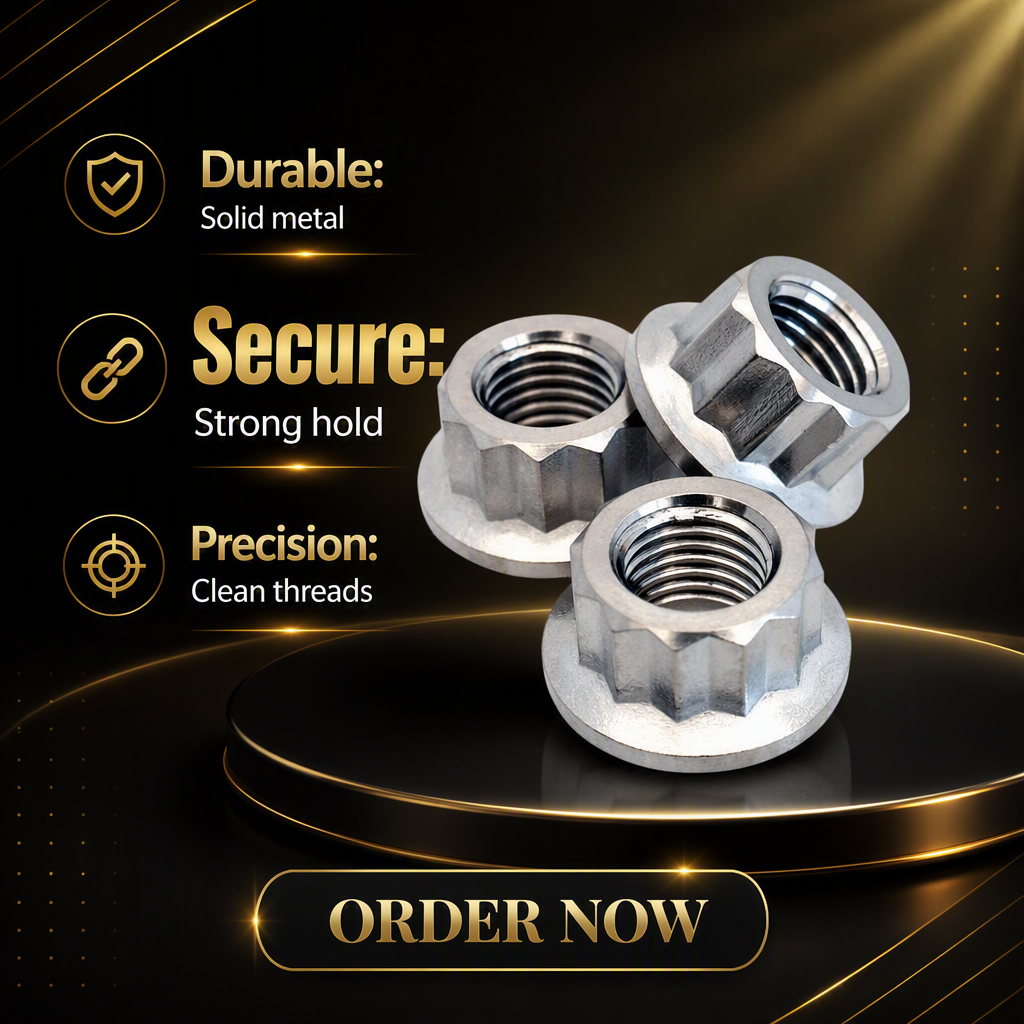
Equipped with 34 high-speed multi-axis turning and simultaneous 5-axis CNC machining centers. We execute complicated head configurations (Torx, 12-point, low-profile flange, hex), drilled safety-wire holes, and internal lightened pockets in single setups.

Rolled Thread Microstructure

Unlike budget cut-thread bolts that sever grain boundaries, our threads are cold-rolled after heat treatment. This preserves the continuous metallurgical grain flow of Ti-6Al-4V, boosting root fatigue endurance by up to 300% under cyclic dynamic loading.

Rapid Engineering & DFM

Our veteran engineering team responds with detailed Design for Manufacturability (DFM) reviews within 9 hours. From 2D blueprint translation and CAD/CAM optimization to prototype sample validation in 7 to 10 days, we reduce procurement cycles significantly.

Sponge-to-Part Traceability

Each production batch undergoes 100% incoming spectroscopic analysis, first-article CMM dimensional inspection, thread pitch optical profiling, and final batch tensile/shear proof testing. Mill Test Certificates (MTC) conforming to EN 10204 3.1 accompany every release.

Global Export & Custom Finish

Serving elite racing programs, aerospace sub-tier suppliers, and subsea instrument makers across 40+ countries. We offer specialized anodizing (purple, gold, emerald, electric blue), PVD diamond-like coatings, micro-arc oxidation, and permanent laser marking.

Vunza CNC Precision Titanium Machining Workshop in Baoji
High-Precision CNC Machining Floor
Automated multi-axis CNC lathe lines for titanium bolts
Automated Multi-Axis CNC Turning Centers
Titanium fasteners batch production and thread rolling line
Thread Rolling & Cold Heading Facility
Metallurgical Whitepaper

Engineering Guide: Grade 5 Ti-6Al-4V Fasteners in Heavy-Duty Applications

An authoritative evaluation of mechanical strength, galvanic corrosion, thread fatigue resistance, and weight reduction metrics against alloy steel and stainless steel fasteners.

1. The Metallurgical Advantage of Alpha-Beta Titanium (Ti-6Al-4V TC4)

In high-performance structural engineering, fasteners are subject to triaxial shear, cyclic tension, and aggressive environmental exposure. Grade 5 titanium, chemically standardized as Ti-6Al-4V (UNS R56400 / Werkstoff 3.7165), represents an alpha-beta alloy comprising 6% aluminum to stabilize the alpha phase and 4% vanadium to stabilize the ductile beta phase. This metallurgical equilibrium delivers a minimum ultimate tensile strength of 895 to 1,000 MPa with a density of merely 4.43 g/cm³.

When evaluated on specific strength (strength-to-weight ratio), Grade 5 titanium outclasses standard Class 8.8 and 10.9 structural steels by more than 170%, and surpasses austenitic stainless steels (such as A2-70 or A4-80 316) by over 200%. For motorsport engineering, rotating valvetrain components, suspension uprights, and brake caliper mounts, switching from steel to Grade 5 titanium removes approximately 44% of unsprung and rotating mass without forfeiting structural rigidity or clamping security.

Fastener Material Density (g/cm³) Yield Strength (MPa) Tensile Strength (MPa) Elastic Modulus (GPa) Corrosion Resistance
Ti-6Al-4V Grade 5 (Baoji Vunza) 4.43 828 – 910 895 – 1,050 114 Superior (Immune to Chlorides)
Class 10.9 High-Tensile Steel 7.85 900 1,000 – 1,040 205 Poor (Requires Galvanizing/Zinc)
Class 12.9 Alloy Steel (SCM435) 7.85 1,100 1,220 210 Very Poor (Prone to Hydrogen Embrittlement)
A4-80 Stainless Steel (AISI 316) 8.00 600 800 193 Good (Susceptible to Crevice Attack)
Commercial Pure Titanium (Grade 2) 4.51 275 – 380 345 – 485 103 Exceptional in Seawater/Chemical

2. Thread Formation Mechanics: Cold-Rolled vs. Machined/Cut Threads

A critical consideration during global procurement audits of titanium fasteners is the thread manufacturing method. Cheaply manufactured titanium screws often rely on single-point lathe turning or thread milling. While visually acceptable, cutting threads interrupts the crystalline grain structure of the extruded titanium bar, producing microscopic stress concentrators and micro-notches at the thread root where cyclic fatigue cracks initiate.

At our Baoji facility, high-strength Grade 5 bolts are manufactured via high-tonnage thread rolling dies. The rolled thread process cold-forms the profile, compressing the crystal lattice along uninterrupted hyperbolic streamlines. This compressive residual surface stress raises thread flank hardness, reduces friction during initial torque pull-down, and prevents root notch cracking under severe race vibrations or acoustic flutter.

3. Galling Prevention, Torque-Tension Coefficients, and Anti-Seize Protocols

Titanium inherently develops an instantaneous, self-healing titanium dioxide (TiO2) passivation film that renders it impervious to salt fog, wet chlorine, sour gas, and hydraulic fluid. However, due to its low thermal conductivity and friction coefficient, direct titanium-to-titanium or titanium-to-aluminum dry sliding can induce adhesive wear, commonly referred to as galling or thread seizing.

To eliminate galling in demanding field operations, our engineers integrate proprietary surface countermeasures:

  • PVD (Physical Vapor Deposition) Titanium Nitride (TiN) & DLC Coatings: Deposit an ultra-hard (3,000+ HV) micro-layer that lowers the friction coefficient (μ) to 0.10–0.12, enabling consistent torque-tension translation.
  • Electrolytic Color Anodizing: Creates controlled oxide films (15–120 nm) that enhance surface lubricity while providing vibrant aesthetic identification across race team garages.
  • Anti-Seize Pastes: For bare polished bolts, we prescribe high-temperature molybdenum disulfide (MoS2) or nickel-based anti-seize paste, calibrated with a 0.85 torque reduction factor relative to standard cadmium-plated steel fasteners.
Strategic Procurement

Future Global Sourcing & Manufacturing Trends in Titanium Hardware

Key industry shifts reshaping global procurement through 2026–2030: lightweighting mandates, hydrogen-ready assemblies, hybrid additive manufacturing, and transparent supply chains.

1. Electric Vehicle (EV) Lightweighting

As battery architectures shift toward 800V silicon-carbide platforms, luxury and performance EVs are replacing heavy steel chassis bolts with titanium to offset battery pack weight. Sourcing teams prioritize Grade 5 M6–M12 flanged bolts to shave 15 to 30 kg from battery enclosures and hub carriers.

2. Hybrid Additive-CNC Fasteners

For aerospace brackets and internal motorsport components, additive 3D printing (SLM/EBM) is merged with 5-axis CNC finishing. Blanks with lattice internal cavities are printed to cut weight by an additional 25%, with critical threads and mating flanges CNC turned to 0.005 mm precision.

3. Hydrogen Infrastructure Adoption

Hydrogen distribution manifolds and electrolyzer stack tie-rods suffer from hydrogen embrittlement when constructed from high-strength steels. Extra-Low Interstitial titanium (Grade 23 Ti-6Al-4V ELI) is emerging as the benchmark fastener alloy for cryogenic and high-pressure hydrogen storage valves.

4. Ultrasonic Thread Rolling Technology

Next-generation fastener tooling incorporates ultrasonic-assisted cold forming. High-frequency micro-vibrations lower plastic deformation resistance in titanium, yielding a surface roughness below Ra 0.2 μm without micro-fissuring or excessive tool heating.

5. Carbon Footprint (ESG) Sourcing Compliance

European and North American buyers increasingly require Scope 1-3 carbon tracking. Because Baoji's titanium supply chain utilizes recycled scrap scrap-blending furnaces and closed-loop sponge chlorination, procurement teams gain auditable, carbon-reduced fastener inputs.

6. Digital Quality Passports & Laser Matrix

To eliminate counterfeit hardware in motorsport and aerospace sub-assemblies, each bolt is laser-etched with a unique 2D DataMatrix code. This links directly to the original sponge melt batch, heat treatment lot number, and CMM dimension report on cloud-hosted portals.

Procurement Intelligence

Frequently Asked Questions for B2B Titanium Hardware Buyers

Clear answers to technical tolerances, minimum order volumes, material certification, and custom CAD blueprint prototyping.

What specific titanium grades do you manufacture and machine for fastener orders? +
Over 85% of our fastener production utilizes Ti-6Al-4V Grade 5 (TC4) due to its balanced 895–1,050 MPa tensile strength, excellent fatigue limits, and light weight. For specialized medical implants and cryogenic systems, we supply Grade 23 (Ti-6Al-4V ELI). For pure corrosion duty in chemical, plating, and marine environments where mechanical stress is modest, we produce fasteners in Commercially Pure Grade 2 (TA2). In addition, we machine specialty dental alloys (CoCrMo) and rare metal components upon request.
What dimensional tolerances and thread standards can your CNC machines hold? +
Across our 34 multi-axis 3/4/5-axis CNC centers and dual-spindle turning cells, we comfortably hold geometric tolerances down to ±0.005 mm (±0.0002 inches) on ground diameters and critical bearing surfaces. We manufacture standard Metric threads (M2 to M24) adhering to ISO 965 6g/6H tolerances and Imperial threads (such as #10-32, 1/4-20, 5/16-18, 3/8-16, 1/2-20, 5/8-18) conforming to ANSI/ASME Class 2A and Class 3A tight-fit specifications.
How do you prevent titanium bolt galling during high-torque assembly? +
Galling is avoided through three primary measures: first, we finish thread flanks to high surface smoothness (≤ Ra 0.4 μm) using rolled-thread technology rather than cut threads; second, we offer factory-applied PVD (TiN, TiAlN, DLC) coatings that provide hard, low-friction barrier interfaces; third, we supply torque application charts with anti-seize paste specifications (MoS2 or graphite-free anti-seize compounds) to ensure smooth torque-to-tension conversion.
What is your Minimum Order Quantity (MOQ) and sample lead time? +
For catalog items in stock or recurring standard sizes (e.g., M6/M8 hex flange bolts, sprint car disc rotors), our MOQ starts at 10 to 50 pieces. For fully customized blueprints requiring custom tooling, CNC cam-programming, and specific head forging, the MOQ typically ranges between 100 and 500 pieces depending on fastener volume. Rapid prototyping samples can be machined, inspected, and dispatched via air express within 7 to 10 working days.
Can you produce non-standard fasteners directly from customer CAD drawings or physical samples? +
Yes. Custom precision hardware is our primary engineering specialty. Our in-house technical department accepts native 3D CAD formats (STEP, IGES, SolidWorks, Parasolid) as well as 2D PDF blueprints with GD&T callouts. If a CAD model is not available, you can ship a physical sample to our Baoji facility; our metrology lab will reverse-engineer the geometry using optical CMM scanners and spectral alloy analyzers to generate manufacturing drawings.
What quality documentation and testing reports are supplied with international orders? +
Every export shipment includes a Mill Test Certificate (MTC) conforming to EN 10204 3.1, confirming raw material chemical composition (Al, V, Fe, C, N, H, O content) and mechanical properties (tensile strength, yield strength, elongation %). On request, we provide First Article Inspection Reports (FAIR), thread pitch optical comparator profiles, CMM coordinate sheets, micro-hardness test logs, and third-party testing reports from verified metallurgy institutes.

Request an Engineering Drawing Review & RFQ

Submit your 2D/3D blueprints or bolt specifications today. Our senior titanium engineering staff in Baoji will review tolerances, evaluate material optimization, and provide a competitive factory-direct quote within 9 hours.