Factory-Engineered Racing Fasteners & Titanium Assemblies
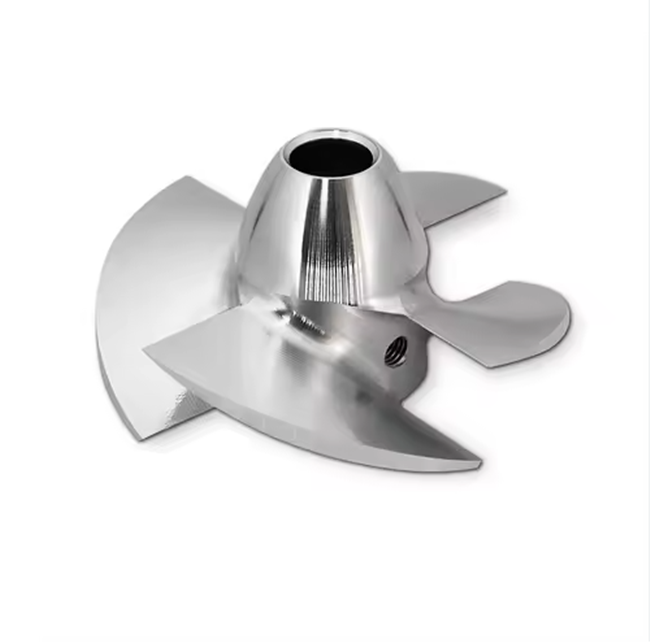
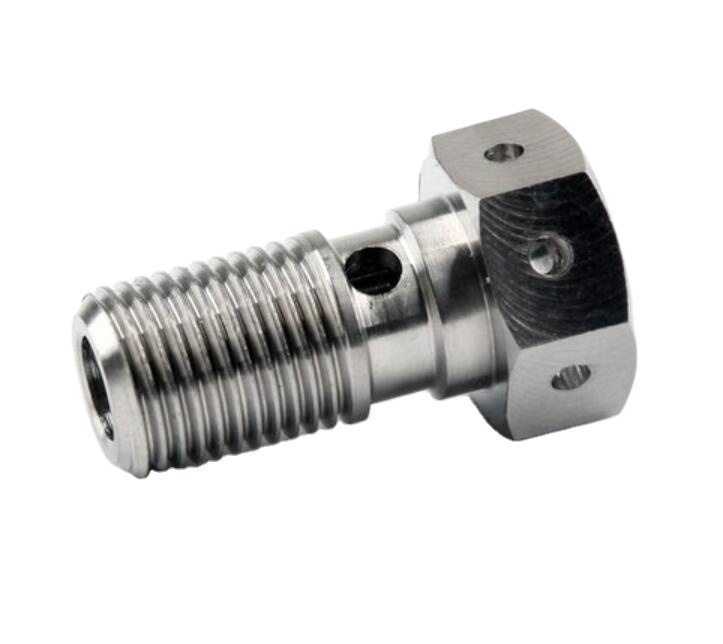
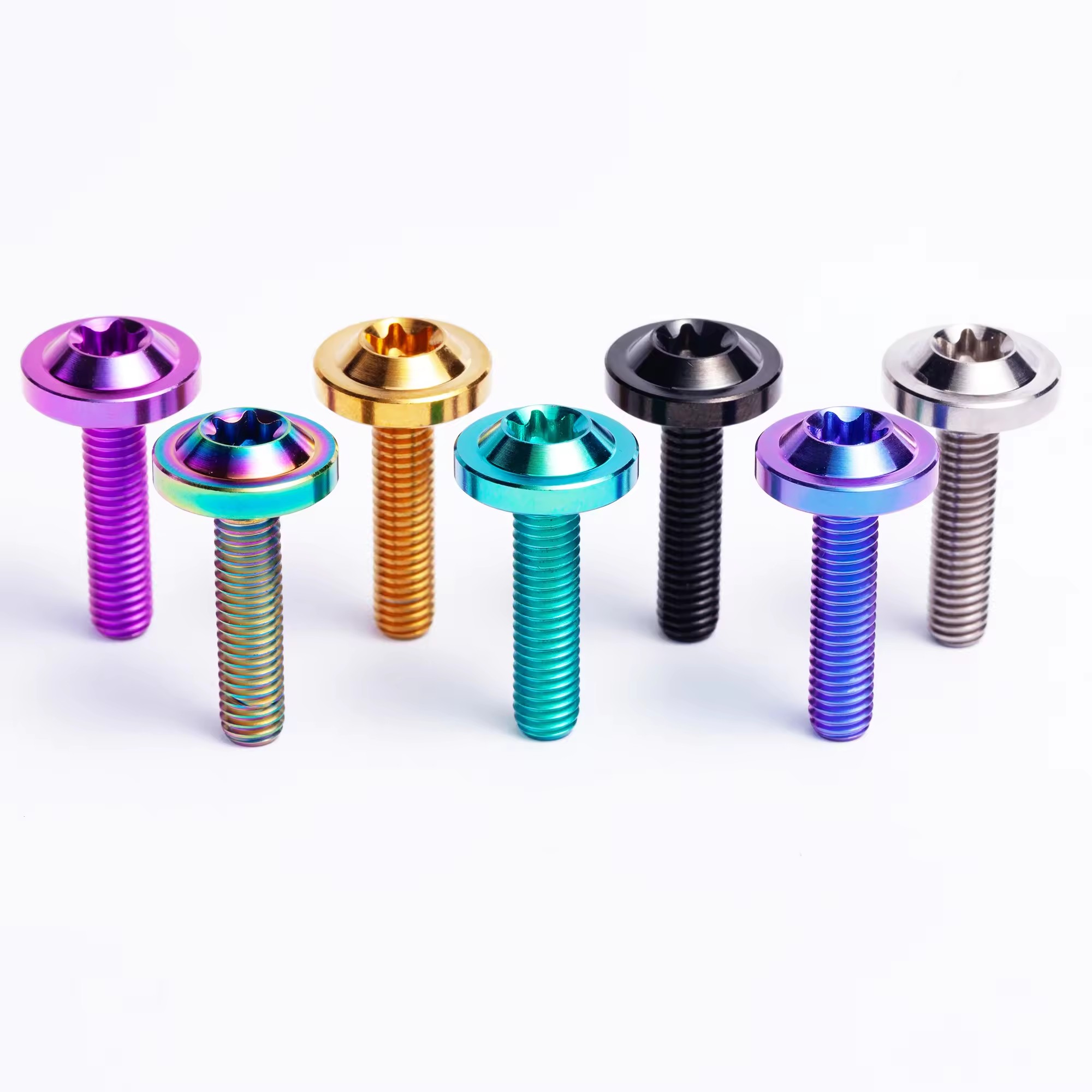
Constructed from certified Ti-6Al-4V bar stock with rolled thread profiles, CNC-contoured heads, and surface finishing options engineered to resist galling and extreme stress.
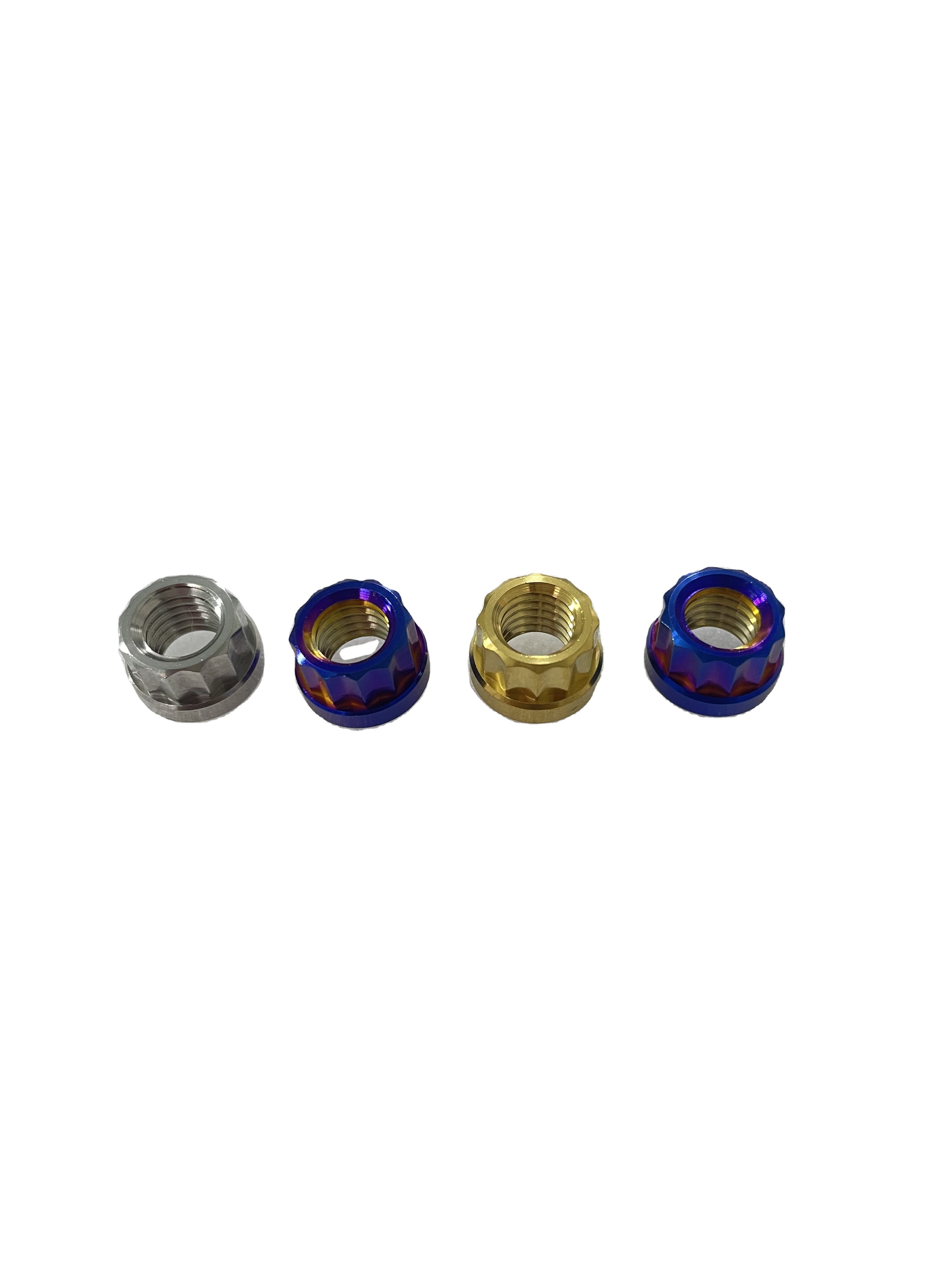
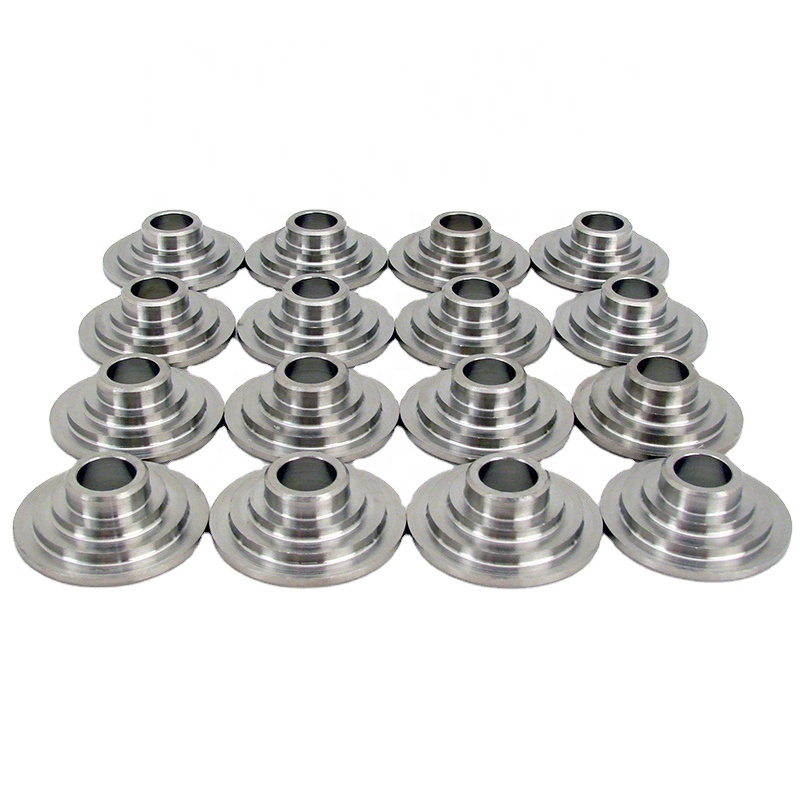
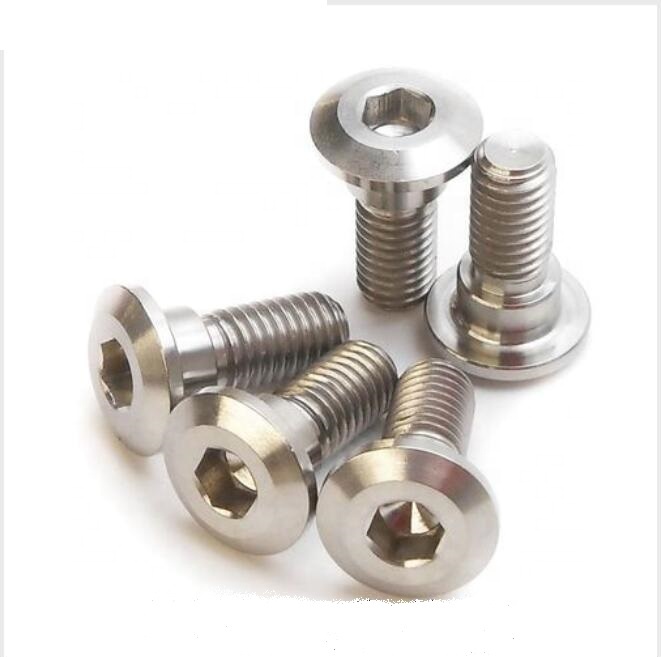
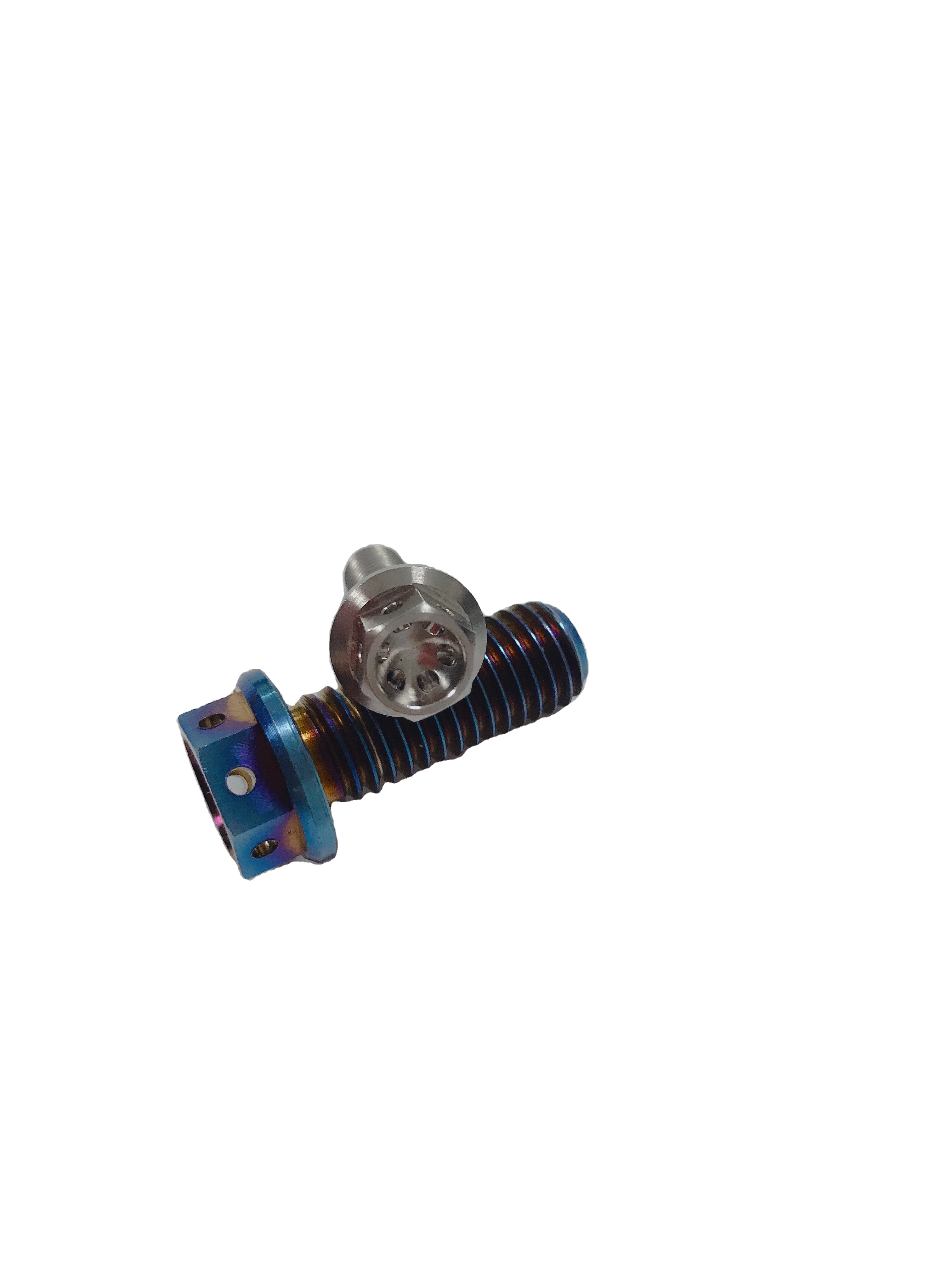
Metallurgical Dynamics: Why Ti-6Al-4V Grade 5 Outperforms Chromoly in High-Stress Racing
In high-rpm motorsport engineering, managing unsprung mass and dynamic valvetrain inertia can define competitive advantage. Fasteners fabricated from commercial carbon steel or grade 10.9/12.9 chromoly alloys provide high tensile thresholds but impose severe weight penalties. High-purity Ti-6Al-4V (Grade 5, UNS R56400, TC4) features a balance of mechanical properties: a density of approximately 4.43 g/cm³ (44% lighter than 4140 alloy steel) alongside a yield strength exceeding 880 MPa and ultimate tensile strength above 950 MPa.
Titanium racing fasteners operate under cyclic shear and harmonic vibrations where notch sensitivity and fatigue crack propagation are critical failure risks. In professional China-based manufacturing hubs—predominantly located in Baoji, Shaanxi (known as China's Titanium Valley)—the manufacturing paradigm has shifted from basic subtractive machining toward precision cold-heading of blanks, induction-heated hot heading for large calibers, and thread rolling post-heat-treatment.
| Property | Ti-6Al-4V (Grade 5 Fasteners) | AISI 4140 Chromoly Steel (10.9 Grade) | 7075-T6 Aerospace Aluminum |
|---|---|---|---|
| Density (g/cm³) | 4.43 | 7.85 | 2.81 |
| Yield Strength (MPa) | ≥ 880 | ≥ 940 | ≥ 505 |
| Tensile Strength (MPa) | ≥ 950 - 1050 | 1000 - 1200 | ≥ 570 |
| Strength-to-Weight Ratio (kN·m/kg) | 214 - 237 | 127 - 152 | 202 |
| Elastic Modulus (GPa) | 114 | 210 | 72 |
| Corrosion Resistance | Exceptional (Immune to Chlorides & Nitromethane) | Poor (Requires Plating/Coating) | Moderate (Prone to Galvanic Corrosion) |
Rolled vs. Cut Thread Metallurgy: Fatigue Life Implications
A key difference between commercial hardware suppliers and professional racing bolt manufacturers is the threading method. Subtractive thread turning cuts across the native grain structure of the annealed titanium bar, creating micro-notches that act as local stress concentrators under cyclic harmonic loads. Specialized suppliers utilize hydraulic cylindrical-die or flat-die thread rolling.
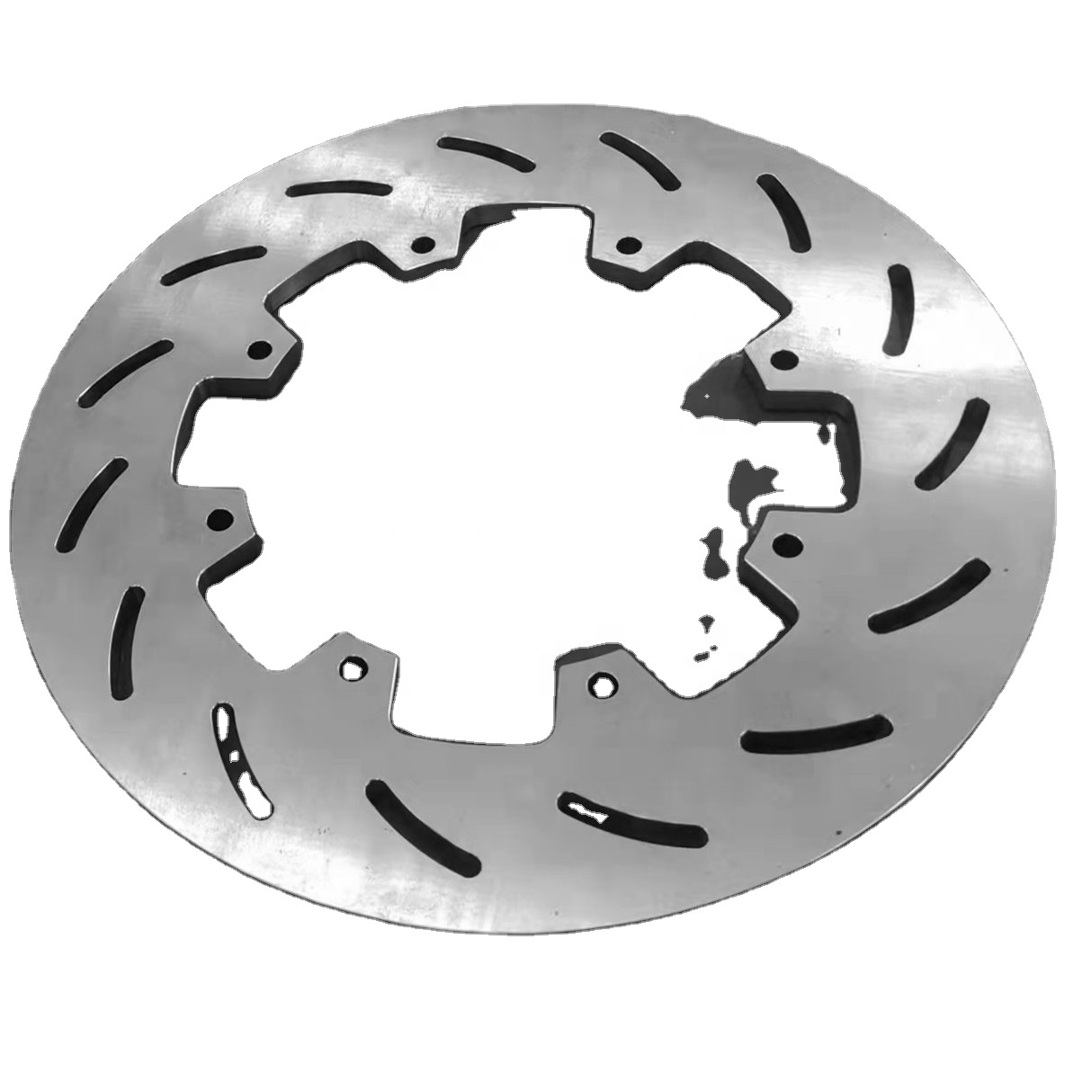
Thread rolling plasticizes the titanium workpiece, burnishing the thread flank and directing unbroken grain boundaries along the thread contour. This imparts residual compressive stress at the thread roots, raising high-cycle fatigue (HCF) life by 300% to 450% compared to single-point cut threads. This dynamic makes rolled-thread fasteners suitable for demanding motorsport applications such as sprint car hub studs, connecting rod bolts, cylinder head studs, and inboard brake rotor carriers.
Future Procurement & Manufacturing Trends in Racing Fasteners
How tier-1 motorsport suppliers, EV powertrain developers, and custom chassis fabricators are adapting their global sourcing operations through 2026–2030.
Lightweighting in Hybrid & Electric GT Racers
With electric racing classes and high-voltage hybrid hypercars facing minimum weight compliance challenges, engineers are using titanium fasteners across subframes, battery pack enclosures, and suspension uprights. Replacing structural M8 to M14 steel chassis hardware with Gr5 titanium can eliminate 12 to 18 kilograms of sprung and unsprung weight per chassis.
Anti-Galling Coatings: PVD, DLC & Micro-Arc
Titanium threads have a recognized tendency to gall or cold-weld when paired with matching titanium female threads under high torque. Next-generation manufacturers apply thin-film Physical Vapor Deposition (PVD), Diamond-Like Carbon (DLC), or specialized molybdenum dry lubricants. These surface treatments maintain friction coefficients (μ ≈ 0.10–0.12) to ensure consistent clamp load retention.
Sponge-to-Part Digital Supply Traceability
B2B race engineering buyers now require complete material pedigrees under AS9100 or ISO 9001:2015 frameworks. Modern Baoji production facilities track titanium from raw reduction sponge to vacuum arc remelted (VAR) ingots, wire rod drawing, and final multi-axis CNC finishing, providing comprehensive EN 10204 3.1 Mill Test Certificates (MTC) detailing exact chemical composition.
Why Choose Baoji-Rooted Manufacturing Capabilities
Established in 2008 within the core industrial zone of Baoji—adjacent to the Baoti Group ecosystem—our facility combines integrated raw material sourcing with precision multi-axis CNC engineering.
34 Multi-Axis CNC Machine Tools
Equipped with 3-axis, 4-axis, and 5-axis simultaneous machining centers, we perform complex multi-face milling, contoured aerodynamic fluting, and high-precision hollow drilling in a single clamping setup to maintain concentricity down to ±0.005mm.
15+ Years Veteran Workforce
Operating since 2008 with a stable workforce of 51 to 100 specialists, over 50% of our CNC programmers, toolmakers, and metallurgists bring more than 13 years of hands-on experience handling the work-hardening characteristics of titanium alloys.
Stringent Sponge-to-Bolt QA
Incoming spectrometer inspections verify Fe, C, N, H, and O interstitial element thresholds. First-article CMM inspection, continuous thread projection monitoring, optical sorting, and tensile proof loading ensure zero defect shipments.
Frequently Asked Technical & Sourcing Questions
Answers to common engineering and commercial questions asked by race engine builders, suspension engineers, and procurement directors.
Why is Grade 5 (Ti-6Al-4V) preferred over Grade 2 for motorsport fasteners?
How should assembly torque be calibrated when switching from steel to titanium bolts?
What are the standard Minimum Order Quantities (MOQ) and production lead times?
Can you fabricate racing hardware directly from customer 2D prints and 3D CAD files?
How do you manage quality control and material certification for critical fasteners?
Consult with Our Racing Fastener Specialists
Send your CAD models, bill of materials, or custom race hardware drawings. Our Baoji engineering team will deliver a comprehensive DFM evaluation, custom quote, and complete material specification report.