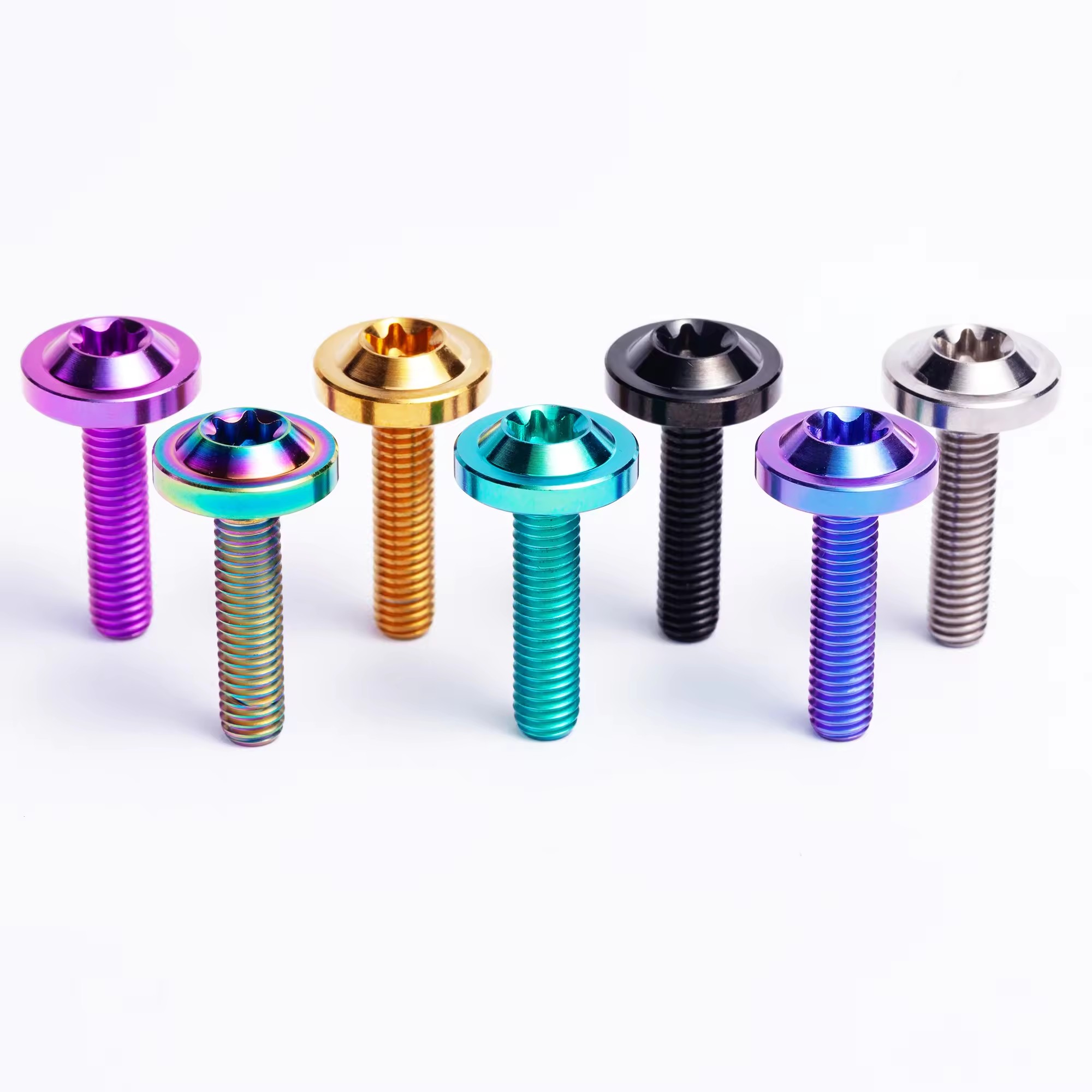
Precision Fastener Portfolio
Engineered Titanium Hardware & Custom Assemblies
Directly manufactured in our Baoji facility utilizing 34 multi-axis CNC turn-mill machining centers. Each component pairs seamlessly with our high-tolerance titanium washer families.
PVD Coating · High Precision
High Precision GR5 Grade Titanium Alloy Racing Motorcycle Bolts PVD Finish Customized Size MH-15488
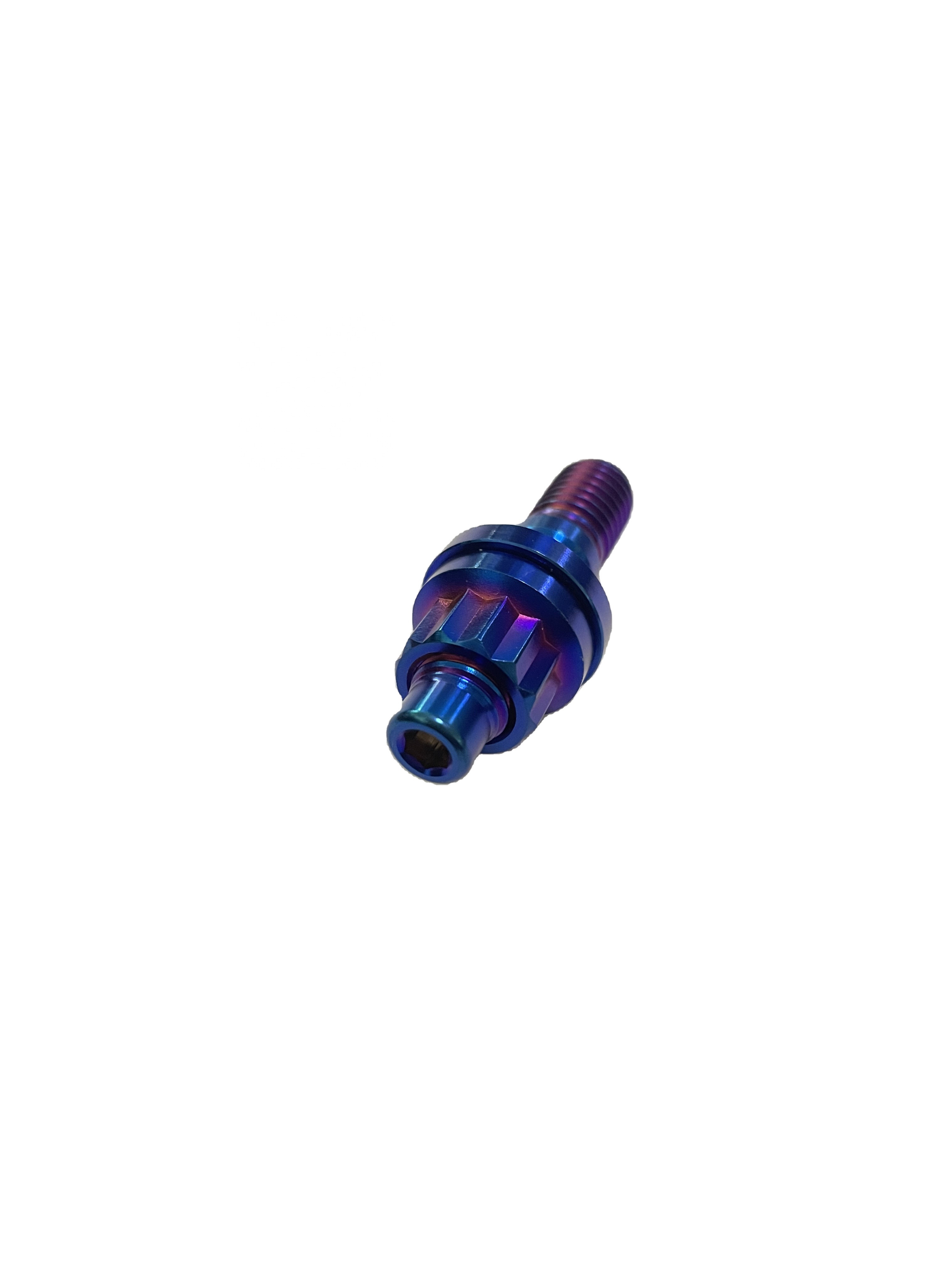
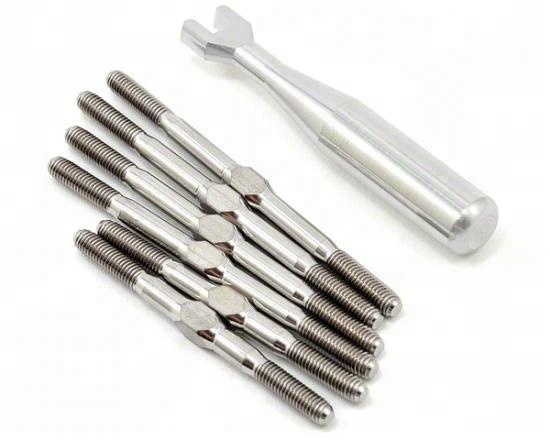
Exhaust Stud Kit · ISO9001
Titanium M8x1.25x55mm Exhaust Manifold Stud Kit GR5 Grade Racing Application ISO9001 Certified
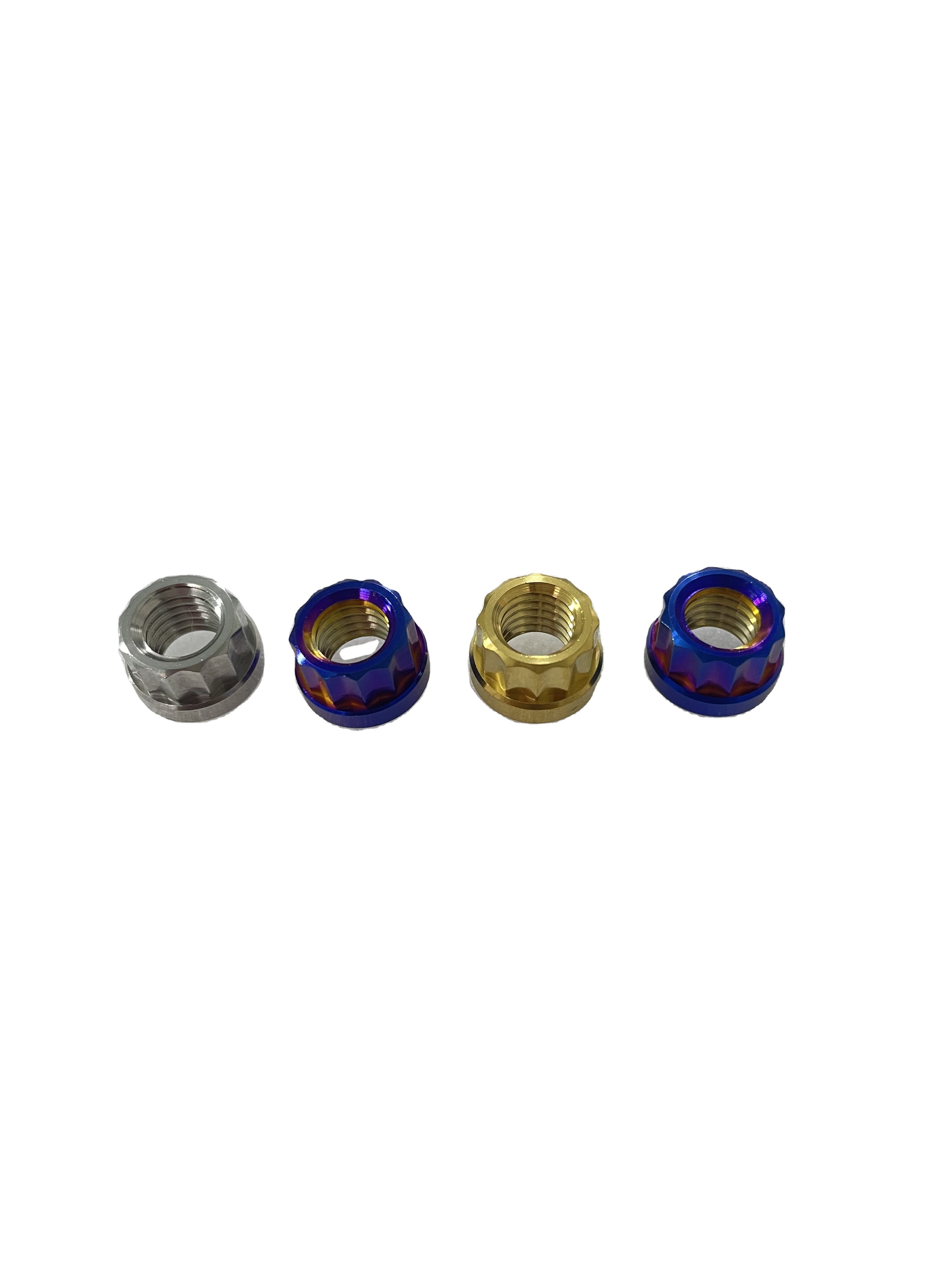
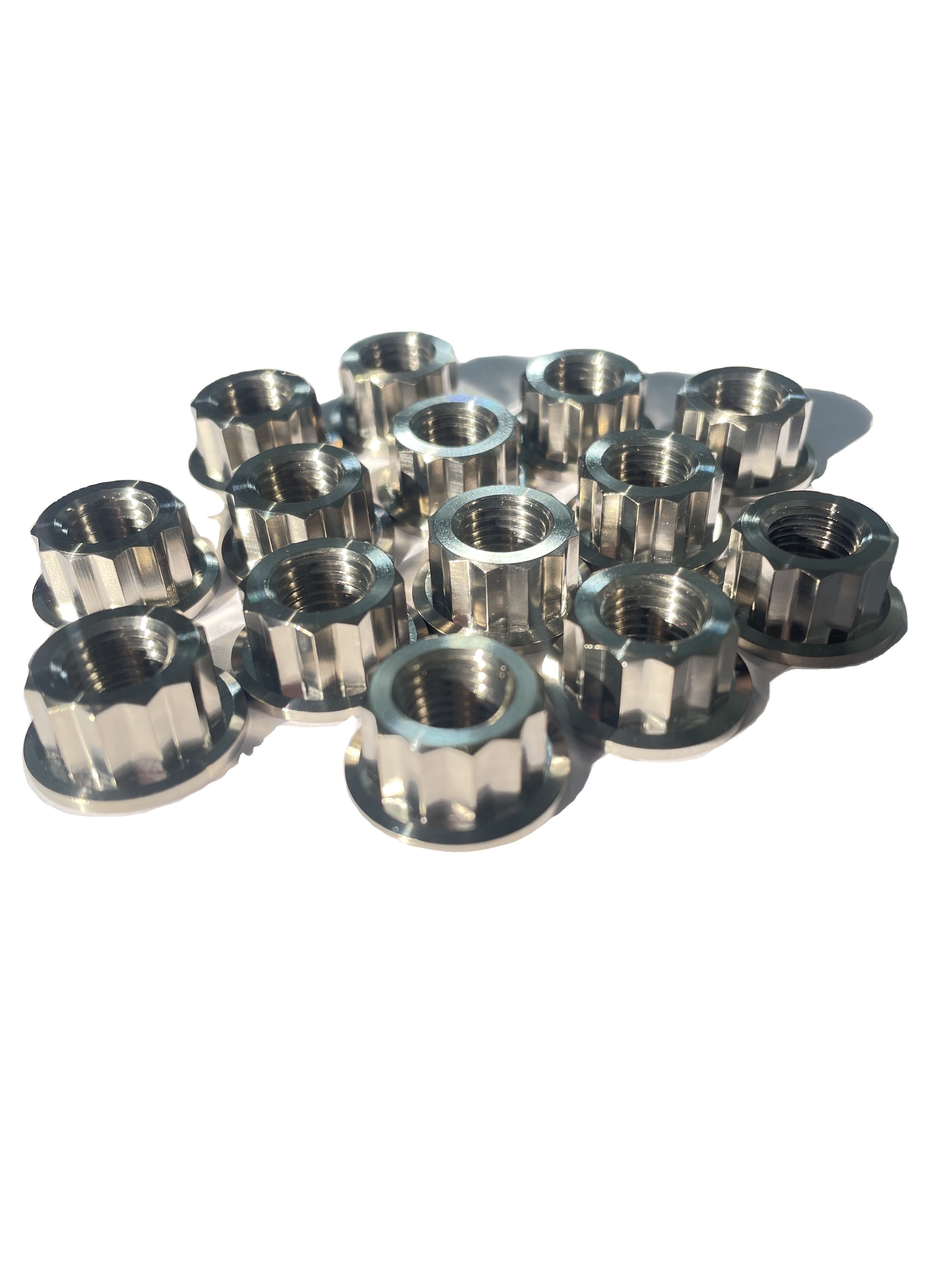
M10x1.25 · Jet Nut Style
Polished Gr5 Titanium 12 Point Flange Nut M10X1.25 for Automotive Racing
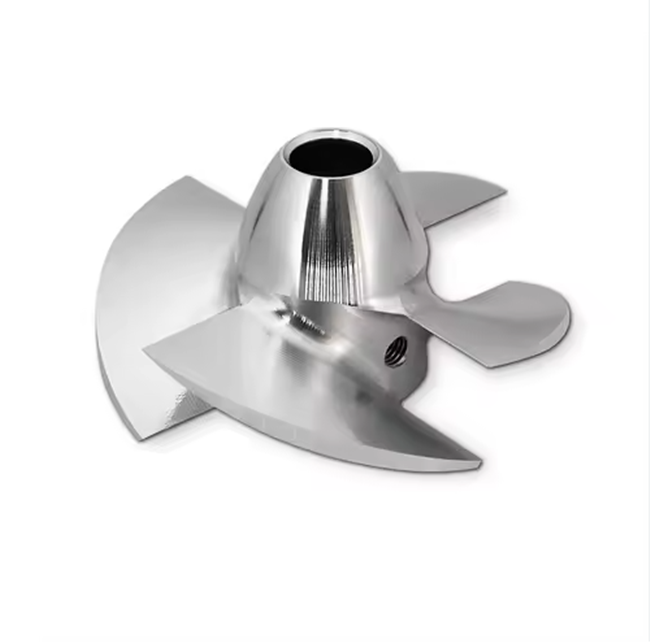
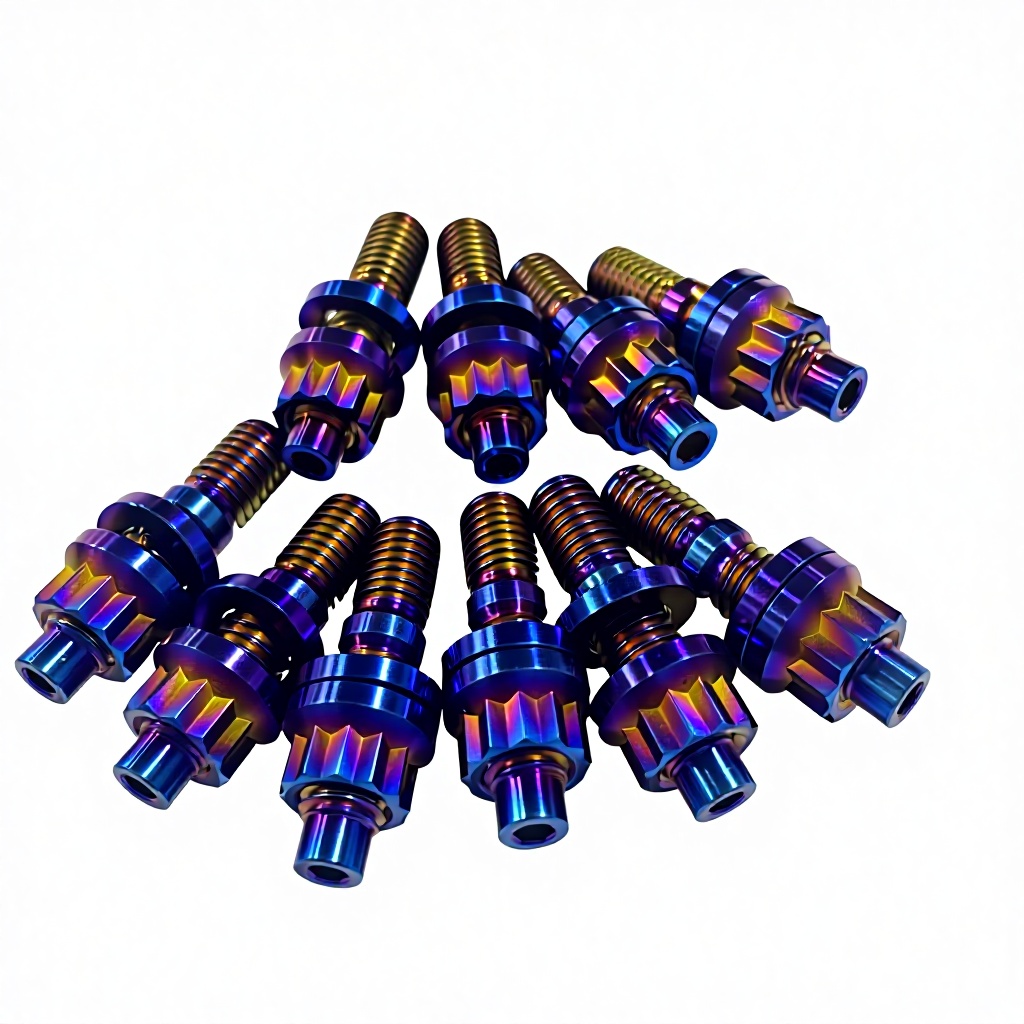
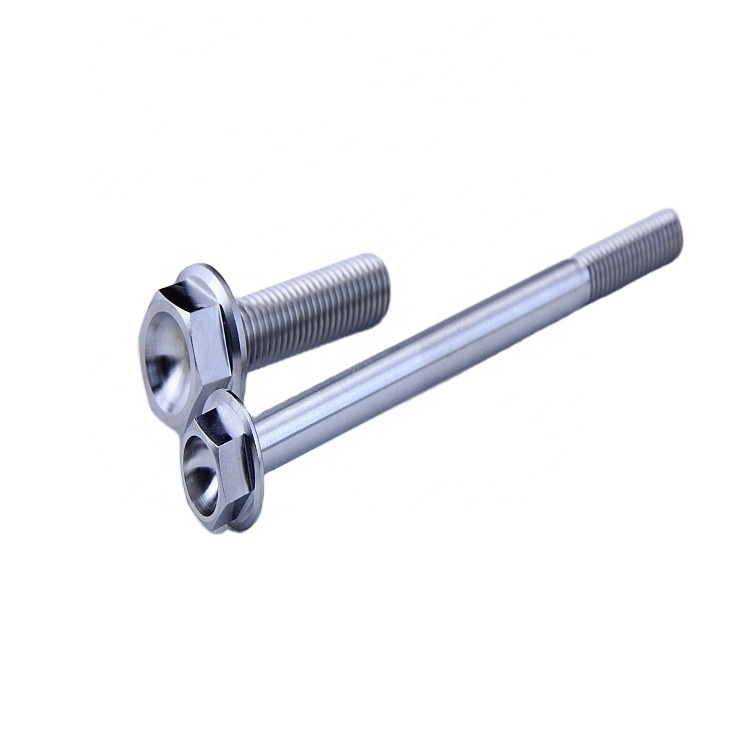
Complete Hardware Kit · PVD
Minghai MH-001 Titanium Grade 5 PVD Finish 12 Point Standard Thread Exhaust Manifold Stud Kit M8 X 1.25
Industry Whitepaper: The Strategic Role of Titanium Washers in High-Stress Fastening Systems
In mechanical assembly design, washers are frequently mischaracterized as passive commodity components. However, across aerospace flight structures, subsea exploration manifolds, hydrogen electrolyzer cell stacks, and high-rpm motorsports drivetrains, the washer is the primary mechanical interface governing clamping force uniformity, joint embedment mitigation, galvanic decoupling, and thermal expansion compliance.
As premier Chinese exporters and ISO 9001 certified manufacturers located directly in Baoji—China's Titanium Valley—Vunza Titanium Industry Co., Ltd. addresses the systemic failure modes of conventional steel, brass, and aluminum washers. When standard commercial washers encounter cyclic shear, cryogenic shock, or extreme marine saline exposure, they suffer from localized galling, hydrogen embrittlement, stress-corrosion cracking (SCC), and catastrophic clamp loss. Titanium washers offer an unmatched strength-to-weight ratio (density 4.43–4.51 g/cm³ vs. 7.85 g/cm³ for structural steel), total immunity to chloride attack, and an elastic modulus (~110 GPa) that permits dynamic elastic energy storage under dynamic bolting preloads.
Core Engineering Insight: When tightening a high-tensile bolt, up to 50% of input tightening torque is consumed by friction beneath the bolt head or nut face. A rough, out-of-flat, or soft washer deforms non-elastically, inducing severe embedment relaxation (creep) within 24 hours of assembly. Precision-ground titanium washers with controlled root-mean-square roughness (Ra ≤ 0.4 μm) ensure predictable torque-tension conversion, eliminating false torque readings and premature fastener loosening.
Comparative Metallurgy: Selecting Titanium Grades for Specialized Washers
Specifying the proper metallurgical grade is vital to achieving predictable joint clamp load without catastrophic fatigue failure. Our manufacturing facility produces custom stamped, wire-EDM profiled, and CNC-turned titanium washers across several standardized alloys:
| Titanium Grade | Microstructure & Chemical Class | Tensile Yield (MPa) | Elongation (%) | Primary Industrial Washer Applications |
|---|---|---|---|---|
| Grade 1 / Grade 2 | Commercially Pure (CP) Alpha Phase | ≥ 275 / ≥ 345 | 20 – 24% | Chemical processing plants, chlor-alkali flanged pipework, marine heat exchangers, desulfurization washers. Exceptional deep-drawing ductility. |
| Grade 5 (Ti-6Al-4V / TC4) | Alpha-Beta Dual Phase Solution Treated | ≥ 828 (UTS ≥ 895) | ≥ 10% | Motorsport suspension linkages, aerospace airframes, turbocharger exhaust studs, subsea ROV hardware. Superior fatigue limit and shear resistance. |
| Grade 7 (Ti-0.15Pd) | Alpha Phase Alloyed with Palladium | ≥ 275 | ≥ 20% | Severe reducing-acid service, hydrochloric acid bleach plants, offshore gas scrubbing towers where crevice corrosion must be zero. |
| Grade 9 (Ti-3Al-2.5V) | Near-Alpha Medium Strength | ≥ 483 | ≥ 15% | High-performance hydraulic flaring washers, aerospace fuel routing, competitive cycling pivot load washers balancing ductility and mass. |
| Grade 23 (Ti-6Al-4V ELI) | Extra Low Interstitial Alpha-Beta | ≥ 795 | ≥ 12% | Surgical orthopedic bone plates, cryogenic rocket propellant valve seals, space launch vehicle payload isolation washers. |
Geometric Architecture: Standard & Custom Titanium Washer Categories
Vunza Titanium manufactures full dimensional lines conforming to DIN, ISO, ANSI/ASME, and NAS/AN aerospace specifications, alongside bespoke OEM geometries engineered to print.
DIN 125A / ISO 7089 Flat Washers
Flat circular washers without chamfer, precision-stamped or CNC-faced to ensure parallel bearing surfaces within 0.01 mm. Distributes clamping load over large surface areas to prevent structural composite crushing or aluminum casting distortion.
DIN 127B Helical Spring Lock Washers
Split helical spring washers engineered from Grade 5 titanium, heat treated to introduce consistent spring rates. Induces continuous axial tension against joint surfaces to counter vibration-induced bolt back-out in high-frequency harmonic environments.
DIN 2093 Belleville Conical Disc Springs
Conically formed washers offering extreme spring rates within limited axial envelope space. Maintains continuous clamping preload through thermal expansion differential cycles in high-temperature turbo manifolds and cryogenic flange connections.
DIN 6798 Serrated External/Internal Tooth
Engineered tooth geometries that bite into mating surfaces under compression. Ideal for electrical bonding, grounding lugs, and extreme anti-rotation applications where surface shear forces would break ordinary friction joints.
DIN 433 Small Outer Diameter Washers
Compact-profile washers engineered specifically to sit inside counterbored socket head cap screws (SHCS). Essential for aerospace compact housings, drone arm mounts, and optical sensor enclosures where spatial clearance is micro-restricted.
Aerospace NAS620 / AN960 Precision Washers
Ultra-stringent concentricity, tight ID/OD tolerances, and surface burnishing conforming to defense and aeronautical quality plans. Verified batch-by-batch with full chemical composition and tensile mechanical mill test certifications (MTC).
Enterprise Advantages: Manufacturing Mastery in China Titanium Valley
Operating from Gaoya Village Industrial Zone, Baoji, Shaanxi, China, Vunza Titanium Industry Co., Ltd. sits at the heart of the world's most consolidated titanium metallurgy cluster. Since 2008, our integration with the Baoti Group Industrial Park ecosystem provides unmatched vertical control—from 0-grade titanium sponge selection through vacuum arc remelting (VAR), precision rolling, stamping, CNC machining, and specialized surface passivations.
34 Advanced CNC Machining Centers
Our production floor is powered by 34 multi-axis (3-axis, 4-axis, and 5-axis) CNC machines capable of holding tolerances down to ±0.005 mm. Whether your design requires CNC face-turned Belleville cones, complex keyhole lock washers, or custom stepped shims, we execute complex geometry with absolute repeatability.
50%+ Workforce with 13+ Years Experience
Machining titanium requires deep knowledge of low thermal conductivity, high work-hardening rates, and spring-back tendencies. More than half our master machinists and quality technicians have over 13 years of hands-on titanium fabrication expertise, optimizing tooling feeds, speeds, and coolant chemistry to prevent micro-fissuring.
Sponge-to-Part Traceability & ISO 9001 QC
Every batch of titanium sheet, coil, or bar undergoes spectrographic chemical verification, tensile testing, and ultrasonic inspection. We deliver comprehensive EN 10204 3.1 Mill Test Certificates (MTC), dimensional CMM reports, and RoHS/REACH compliance documentation with every export shipment.
Rapid Technical Turnaround & Response
International procurement requires swift communication. Our engineering sales team maintains an average inquiry response window under 9 hours, providing instant Design for Manufacturability (DFM) feedback, 2D/3D CAD drawing conversions, and rapid sample prototyping within 5 to 7 business days.
Market Forecasting: Future Procurement & Technological Trends (2025–2032)
Procurement directors and chief hardware engineers must navigate rapid shifts across material availability, regulatory pressures, and assembly environments. The global market for high-performance titanium washers is expanding rapidly, projected to grow at an 8.4% CAGR through 2032, driven by four structural technological catalysts:
1. Carbon Fiber Reinforced Polymer (CFRP) Galvanic Isolation Mandate
The aerospace and automotive electric vehicle (EV) sectors are substituting structural aluminum and sheet steel with CFRP composites to reduce weight. However, carbon fibers possess a high noble electrochemical potential (~+0.20V to +0.30V vs. SHE). When paired with traditional alloy steel or stainless steel washers in humid or saline environments, rapid galvanic coupling destroys the fastener or degrades the carbon epoxy matrix. Titanium possesses an identical resting electrode potential to carbon fibers, making Grade 2 and Grade 5 titanium washers the only metallurgically non-reactive interface permitted in primary composite joints.
2. PEM Electrolyzer & Green Hydrogen Infrastructure Scaling
Proton Exchange Membrane (PEM) electrolyzers and fuel cell stacks operate in aggressive, low-pH aqueous environments saturated with oxygen and pressurized hydrogen. Standard 316L stainless steel washers release trace iron, chromium, and nickel ions, poisoning the expensive platinum-group catalyst layers and destroying membrane conductivity. Grade 1 and Grade 7 titanium washers provide zero ion leaching, absolute anodic corrosion resistance up to +2.0V potentials, and high thermal stability under rapid pressure fluctuations.
3. Micro-Arc Oxidation (MAO) & Advanced Anti-Galling PVD Surface Treatments
Historically, titanium fasteners and washers faced risks of galling under high dry contact pressures due to titanium's thin native oxide film. Emerging procurement contracts demand specialized anti-galling surface finishes: Physical Vapor Deposition (PVD) Titanium Nitride (TiN), Diamond-Like Carbon (DLC), and Micro-Arc Oxidation (MAO) ceramic conversion coatings. These treatments elevate surface hardness above 1800 HV, reducing friction coefficients to ≤ 0.12 and eliminating the need for wet lubricants in cleanroom or vacuum aerospace hardware.
4. Additive-Subtractive Hybrid Custom Shim & Conical Architectures
Modern hypersonic airframes and satellite optical mounts require complex variable-thickness washers and stepped acoustic-damping rings that traditional punch presses cannot form. We are pioneering hybrid workflows pairing wire-EDM slicing, laser micron-profiling, and precision surface-grinding to deliver customized washer shapes with lead times slashed by 60% compared to legacy tooling methods.
Total Cost of Ownership (TCO): Why Titanium Outperforms Stainless Steel & Inconel
While the initial unit purchase price of a titanium washer exceeds that of standard zinc-plated carbon steel or A2-70/A4-80 stainless steel, an objective lifecycle audit reveals that titanium delivers significantly lower Total Cost of Ownership across critical installations:
| Evaluation Parameter | A4-80 (316) Stainless Steel | Inconel 718 Superalloy | Vunza Titanium Gr5 (Ti-6Al-4V) |
|---|---|---|---|
| Mass Efficiency (Density) | 7.98 g/cm³ (100% baseline) | 8.19 g/cm³ (+2.6% heavier) | 4.43 g/cm³ (44.5% Weight Reduction) |
| Tensile Yield Strength | ~ 600 MPa | ~ 1,100 MPa | ≥ 828 MPa |
| Resistance to Pitting & Crevice Corrosion (PREN) | PREN ~ 23 – 25 (Vulnerable to stagnant seawater crevice attack) | PREN > 45 (Immune, but extreme raw material cost) | Complete Immunity (Passive TiO&sub2; layer self-repairs in < 1 msec) |
| Magnetic Permeability (μ) | 1.02 – 1.05 (Can work-harden to magnetic state) | < 1.001 (Non-magnetic) | < 1.00005 (Totally Non-Magnetic for MRI/Radar) |
| Lifecycle Replacement Rate | Replace every 18–36 months in coastal / subsea applications | 20+ years service life | Permanent Structural Life (> 30 years maintenance-free) |
| Relative Procurement Cost | Low Initial / High Maintenance | Extremely High Initial (~ 3× to 5× Titanium) | Optimal Balance / Zero Operational Downtime |
Frequently Asked Questions: Global Sourcing & Engineering Specifications
Direct technical answers addressing the critical queries of international sourcing specialists, metallurgists, and QA audit teams.
What are the primary differences between punching and CNC machining titanium washers?
Punching (die stamping) is highly economical for standard thickness (0.5 mm to 3.0 mm) DIN 125 flat washers in high-volume production (10,000+ pieces). However, titanium's high shear-to-tensile ratio creates small edge breakout angles and minor shear burrs. For high-stress applications requiring perfect parallelism within 0.005 mm, zero burr, or thicknesses exceeding 4.0 mm, we utilize CNC turning and surface grinding. CNC machining avoids internal stress concentration, providing chamfered interior corners that clear the generous transition radius of aerospace bolt shanks.
Can titanium washers prevent galvanic corrosion when joining dissimilar metals?
Yes, particularly in carbon-fiber composite and marine environments. Because titanium spontaneously forms a tenacious, dielectric titanium dioxide (TiO&sub2;) passivation layer when exposed to trace oxygen or water, it acts as an electrochemical buffer. Titanium washers prevent galvanic cells from completing between carbon structures and fastener shanks. In aluminum-titanium joints, while titanium is cathodic to aluminum, using an oversized Grade 2 or Grade 5 washer significantly increases the electrical resistance across the joint perimeter, mitigating localized galvanic pitting.
What torque adjustment factor should be applied when assembling titanium washers?
Titanium has a dry friction coefficient of approximately μ = 0.30 to 0.40 against itself or steel, which can lead to galling under extreme preload. When installing bare titanium fasteners and washers, we strongly advise applying anti-seize paste containing molybdenum disulfide (MoS&sub2;) or titanium-compatible paste, which reduces the friction coefficient to μ ≈ 0.10 – 0.12. If utilizing our PVD-coated or micro-arc oxidized washers, dry tightening is permissible with a standard torque reduction factor of 15% to 20% compared to dry zinc-plated steel hardware.
How do you verify material authenticity and chemical composition?
Every production batch starts with melt heat-number tracking directly from the titanium sponge smelting ingot. We conduct optical emission spectrometry (OES) for elemental breakdown (Aluminum 5.5–6.75%, Vanadium 3.5–4.5%, Iron ≤ 0.40%, Oxygen ≤ 0.20%, Hydrogen ≤ 0.015%) and inert gas fusion for interstitials. Each order ships with a complete EN 10204 3.1 Inspection Certificate documenting room-temperature mechanical testing (tensile yield, ultimate strength, elongation), hardness values (HRC/HV), and dimensional conformance verification. Third-party audits (SGS, TÜV) are available upon buyer request.
What is your Minimum Order Quantity (MOQ) and production lead time?
For standard DIN 125, DIN 127, and DIN 433 washers in Grade 2 or Grade 5, we maintain rapid-ship warehouse stock with an MOQ of 100 to 500 pieces. For custom CNC-turned washers, stepped spacer shims, or custom Belleville springs made to buyer drawings, standard prototyping MOQs range from 50 to 200 pieces. Pilot samples are delivered within 5 to 7 days, while full production batch runs of 10,000 to 500,000 pieces typically complete in 15 to 22 business days, supported by global air express (DHL/FedEx/UPS) or sea freight container consolidation.