Motorsport
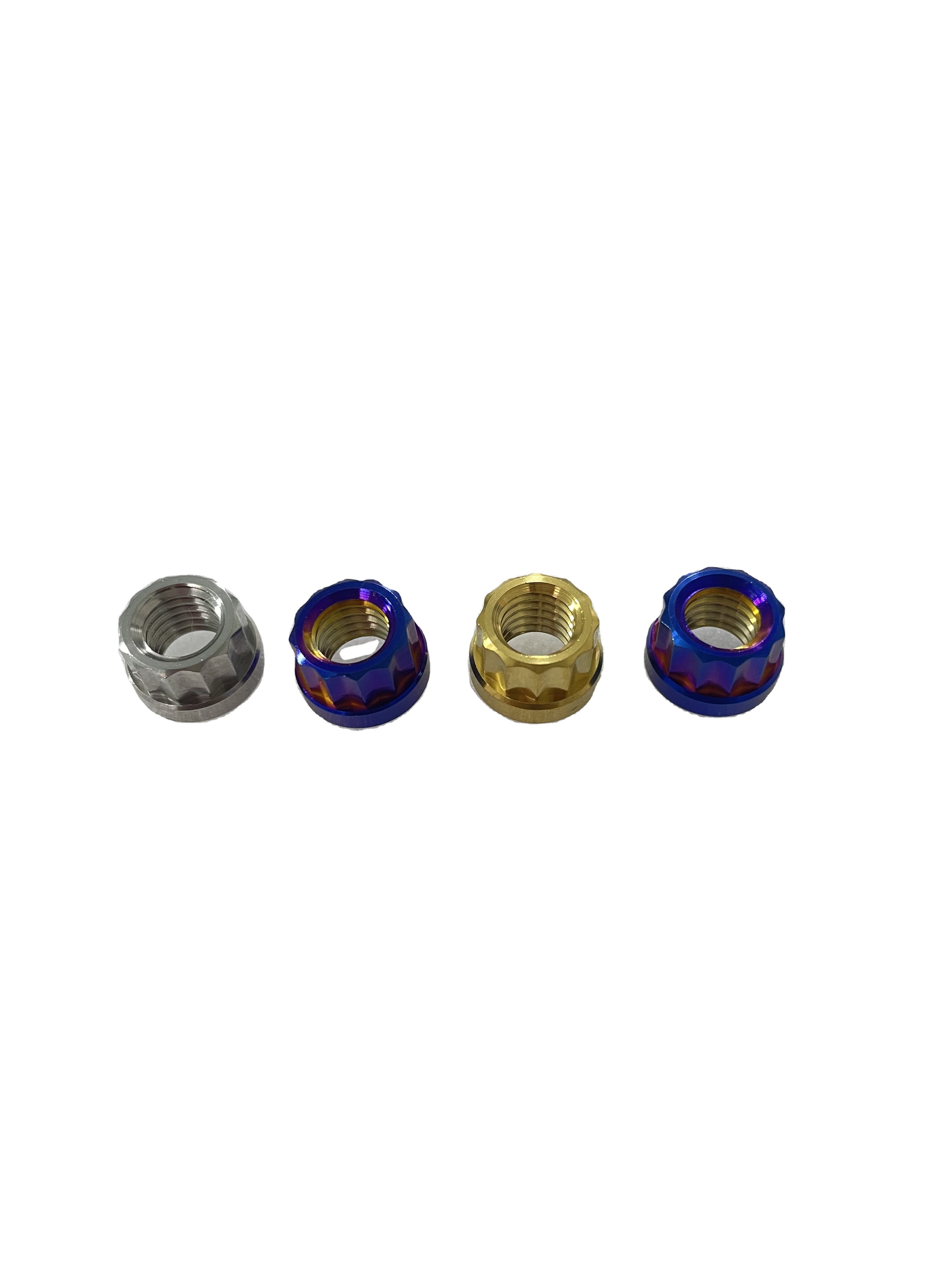
Engineered for high-stress motorsport, aerospace-grade light-weighting, and aggressive corrosive environments. Fully compliant with DIN, ISO, GB, and bespoke OEM drawings.
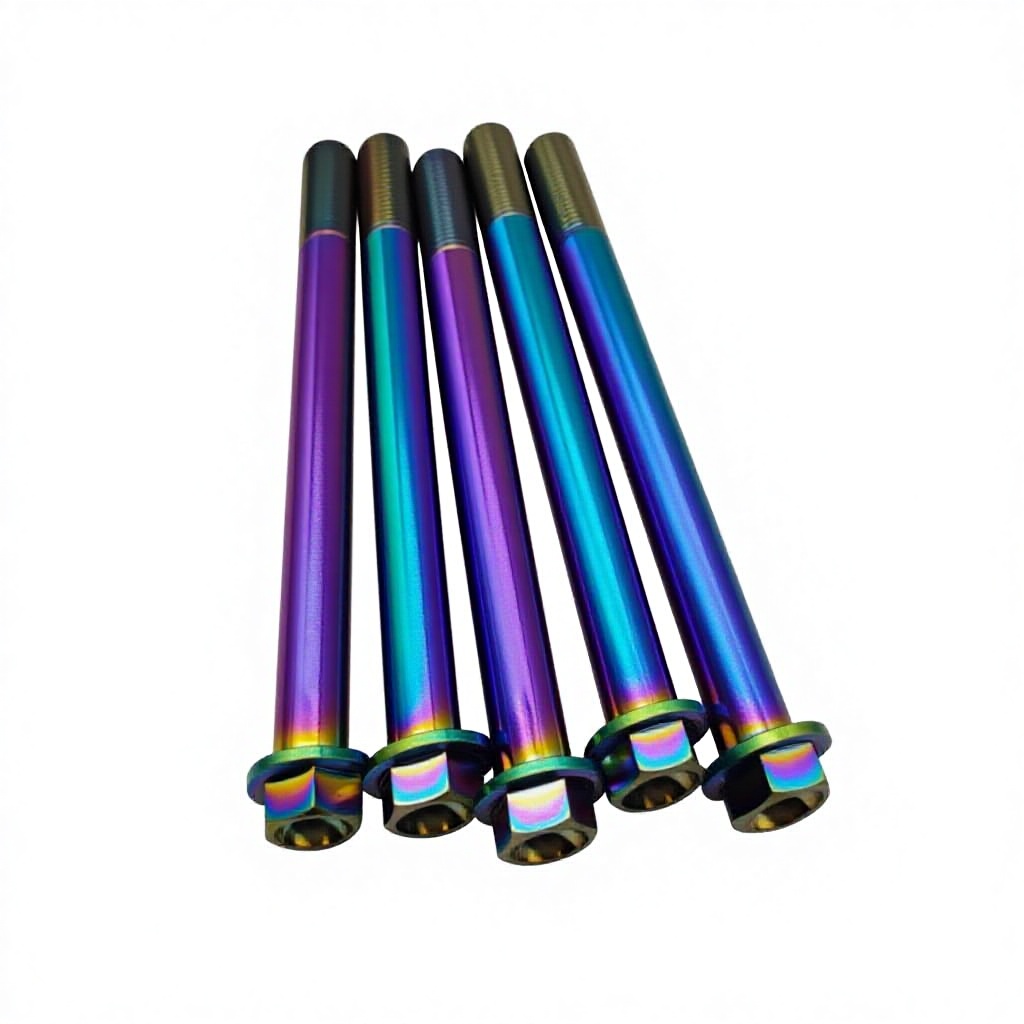
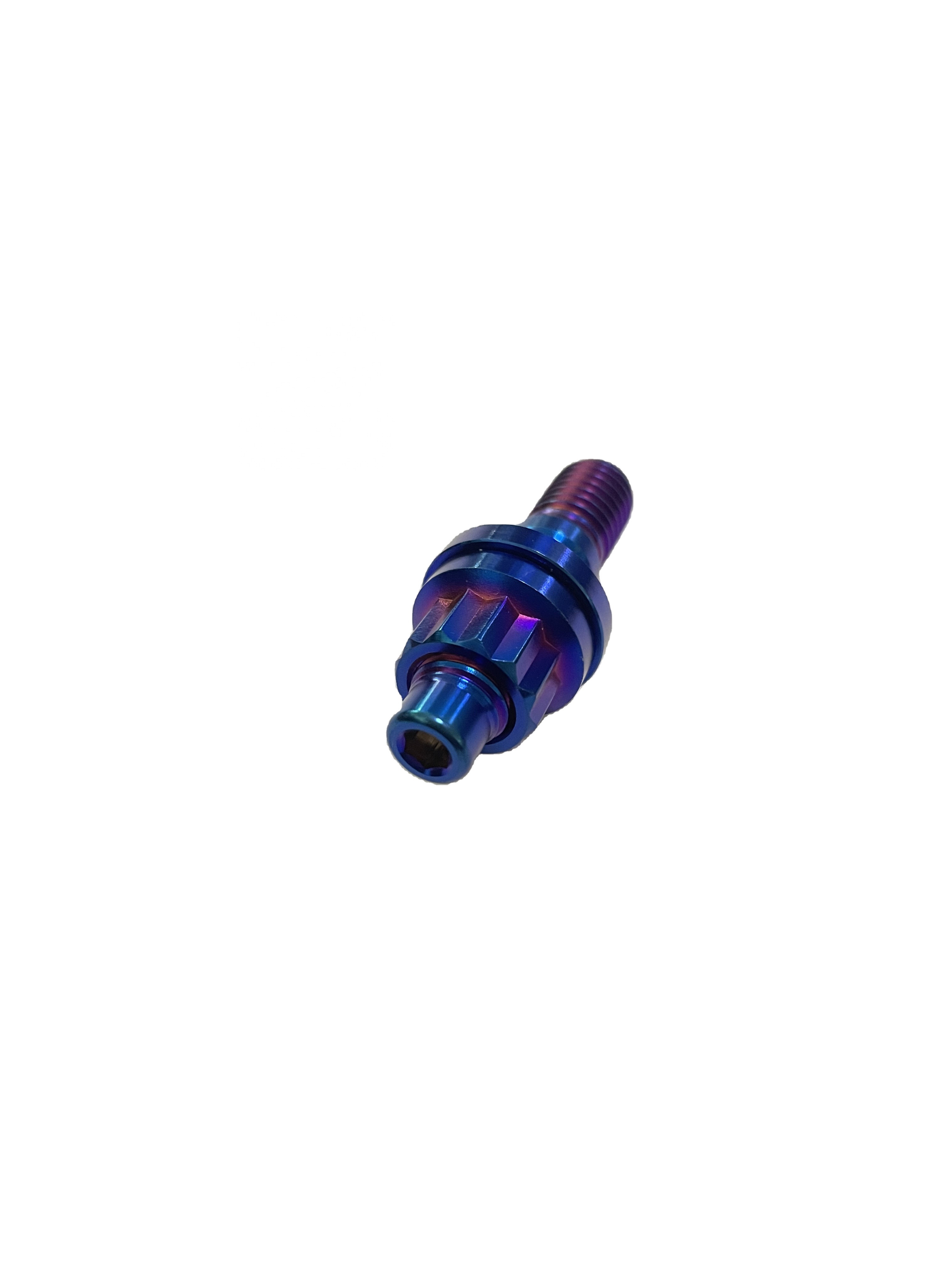
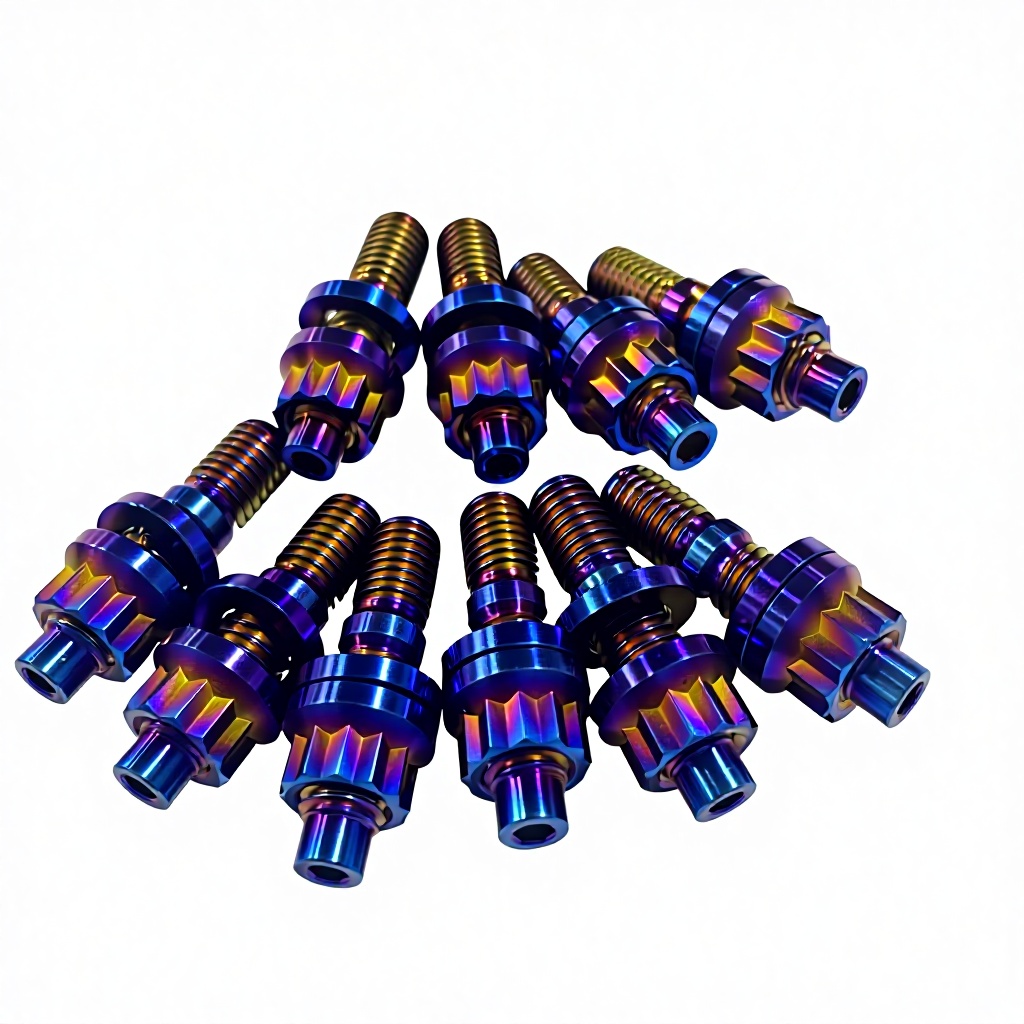
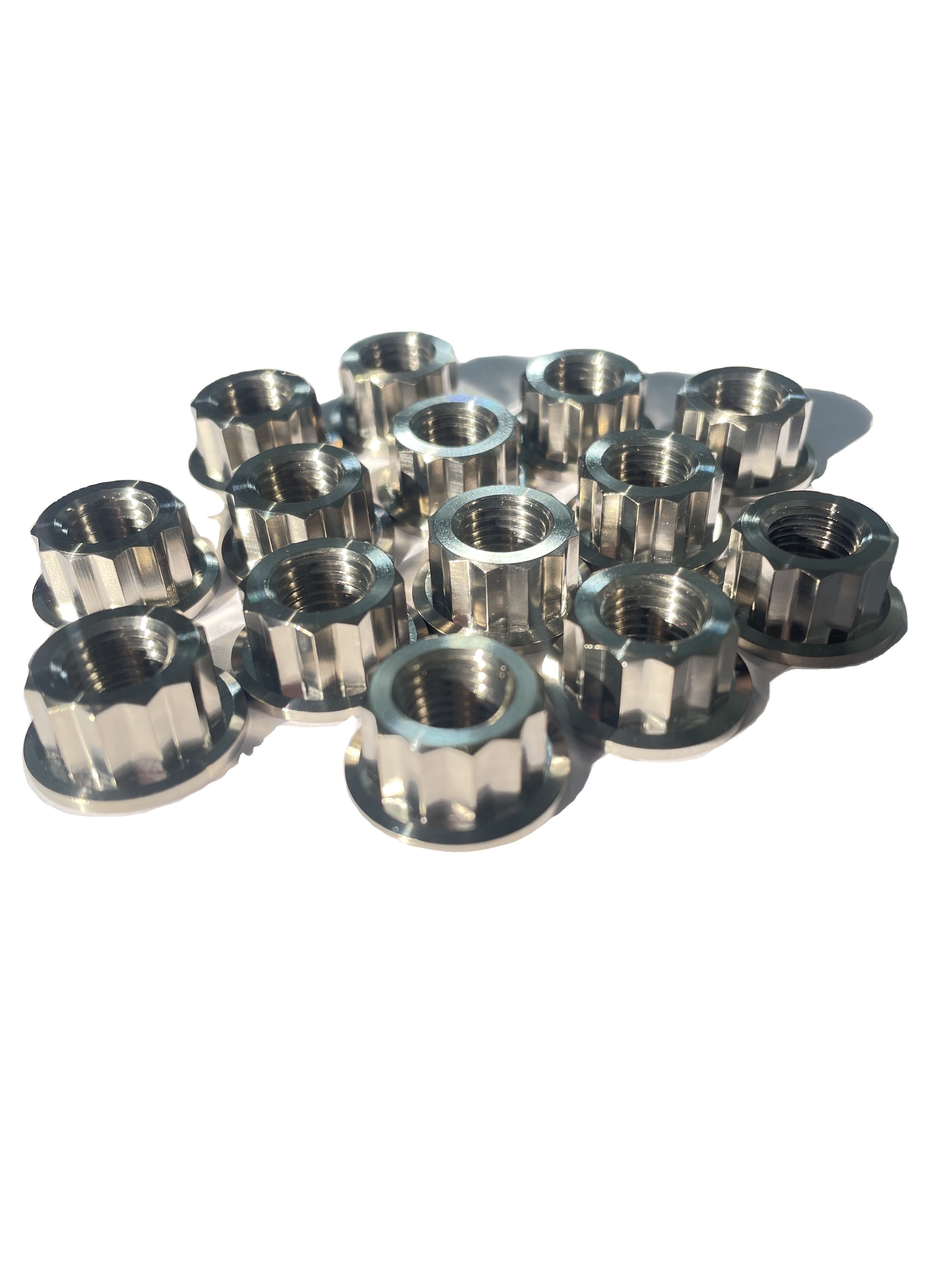
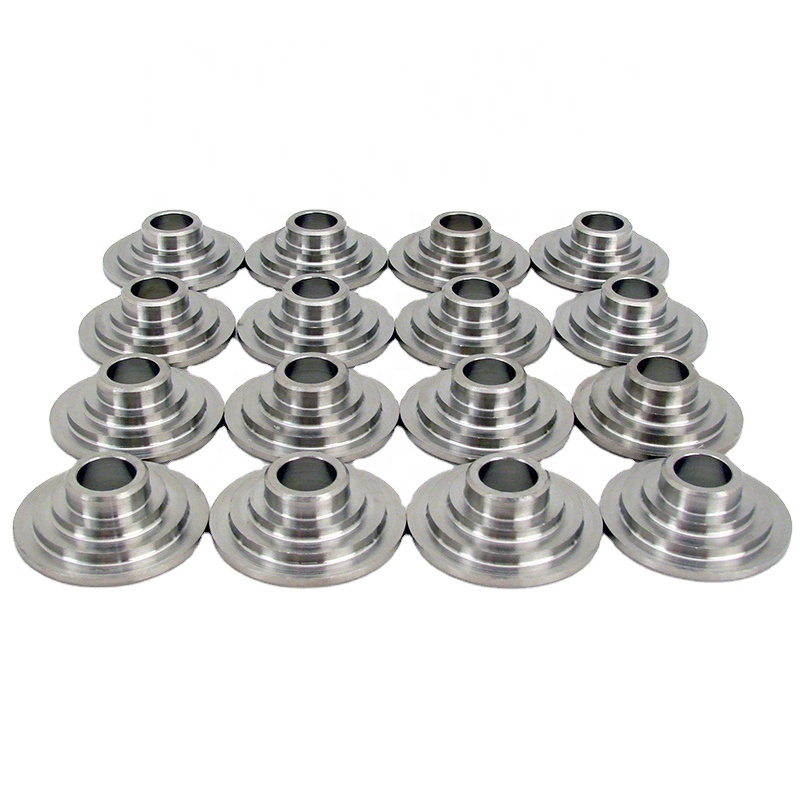
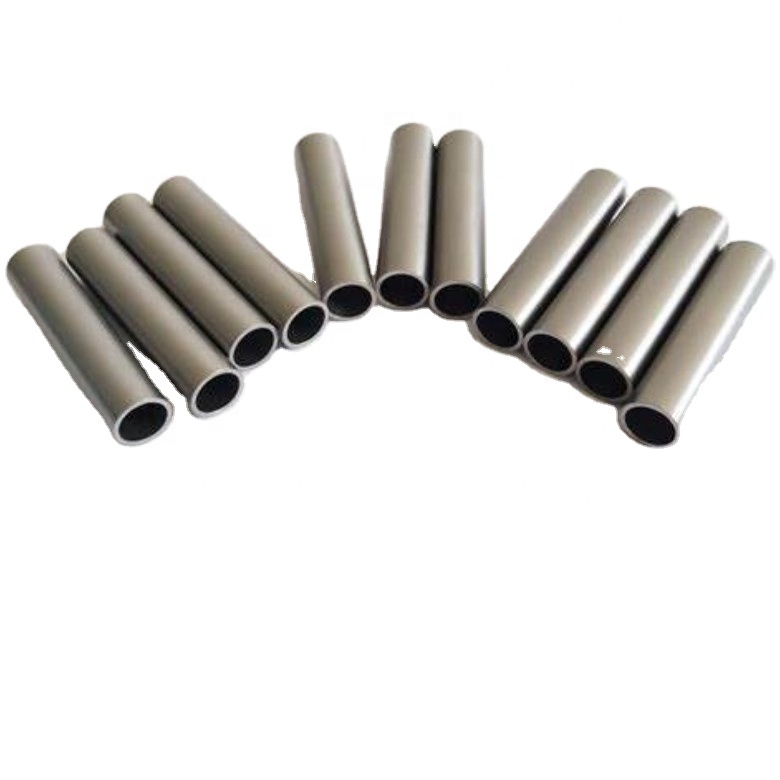
In modern mechanical fastening, mechanical designers face a dual dilemma: combating component fatigue failure driven by cyclic mass loads and preventing galvanic stress corrosion in hostile chemical, marine, and exhaust heat zones. High-tensile alloy steels (such as 10.9 or 12.9 grade fasteners) provide high shear and tensile properties but incur severe mass penalties and rapid oxidization. Aluminum fasteners offer weight advantages but fail drastically under moderate shear stresses and dynamic thermal swings.
Ti6Al4V Grade 5 (UNS R56400 / TC4) stands as the ultimate golden triangle of fastening engineering. With a structural mass density of roughly 4.43 g/cm³ (representing a 44% mass reduction compared to 40Cr alloy steel) and minimum ultimate tensile strengths exceeding 895 MPa to 1,000 MPa, Grade 5 titanium bolts offer an unyielding strength-to-weight ratio. As an established direct manufacturer in Baoji—globally acknowledged as China's Titanium Valley—our facility bridges structural alloy selection with in-house CNC turning and rolled-thread tooling.
Comprehensive engineering comparison for procurement directors, mechanical engineers, and automotive racing suppliers.
| Material Specification | Yield Strength (MPa) | Tensile Strength (MPa) | Density (g/cm³) | Thermal Expansion (µm/m·K) | Corrosion Resistance |
|---|---|---|---|---|---|
| Titanium Grade 5 (Ti6Al4V TC4) | ≥ 828 | ≥ 895 | 4.43 | 8.6 | Outstanding (Immune to Salt & Acids) |
| Titanium Grade 2 (CP-Ti) | ≥ 275 | ≥ 345 | 4.51 | 8.6 | Exceptional (Marine/Chemical Duty) |
| Grade 10.9 Carbon Steel | ≥ 940 | ≥ 1,040 | 7.85 | 11.7 | Poor (Requires Galvanic Zinc Plating) |
| 316 Marine Stainless Steel | ≥ 240 | ≥ 550 | 7.98 | 16.0 | Moderate to High (Subject to Pitting) |
| 7075-T6 Aerospace Aluminum | ≥ 505 | ≥ 570 | 2.81 | 23.2 | Moderate (Prone to Stress Corrosion) |
As modern EV powertrain architectures pursue maximum battery range efficiency, engineers are systematically redesigning unsprung wheel hubs, motor mounts, and high-voltage inverter assemblies. Substituting structural chassis fasteners with Grade 5 titanium instantly trims 40-50% mass at critical pivoting locations without compromising safety margins.
Global defense, subsea, and motorsport assemblies now enforce strict metallurgical traceability. Sourcing low-cost titanium fasteners with unverified scrap melt origins creates immense brittle failure risks. Modern international buyers prioritize vendors that supply end-to-end 3.1 Mill Test Certificates directly from certified titanium sponge.
Procurement operations are moving away from middle-tier import aggregators in favor of direct digital collaboration with OEM production lines. Direct communication with engineering hubs holding 5-axis CNC capabilities allows Design-For-Manufacturability (DFM) adjustments, saving up to 35% in tooling cycles.
Historically, titanium bolts were entirely CNC turned from solid round bar—generating substantial chip waste. The current state-of-the-art involves near-net-shape warm heading combined with precision multi-axis CNC finishing, optimizing unit costs while securing micron-level head-concentricity.
While anodization provides standard color identification, military and extreme motorsport applications require hard PVD ceramic coatings (TiN, TiAlN, DLC). PVD enhances surface micro-hardness up to HV 2500+, reducing thread galling without wet anti-seize lubricants.
Standard socket hex configurations easily strip when torqued with pneumatic impact guns in track pits. Evolution toward double-hex 12-point heads and high-engagement Torx Plus patterns distributes clamping stress, maximizing repeatable torque loads.
In cryogenic systems and extreme deep-sea exploration, Grade 23 (Ti6Al4V ELI) is fast replacing baseline alloys. By maintaining oxygen thresholds below 0.13%, ELI fasteners deliver superior fracture toughness and notch ductility at low subzero temperatures.
Strategic geographic location, veteran manufacturing pedigree, and comprehensive end-to-end quality assurance.
Established in 2008 within the Gaoya Village Industrial Zone in Baoji, Shaanxi, our facilities sit adjacent to the Baoti Group Industrial Park. This close proximity grants us priority access to premier melt runs, vacuum arc remelting (VAR) certification, and a mature local titanium ecosystem.
More than 50% of our technical workforce has over 13 years of hands-on machining experience. Our 34 sets of multi-axis (3/4/5-axis) CNC milling and Swiss turning centers achieve tight geometric tolerances of 0.005 mm on mission-critical components.
Quality begins with raw titanium sponge ingot inspection, through ultrasonic testing (UT) for micro-voids, optical optical-comparator first-article dimensional checks, thread pitch verification with go/no-go ring gauges, to certified ISO 9001 final batch reports.
Clear, direct answers regarding tolerances, material testing, shipping, and custom OEM manufacturing.
Submit your project parameters, 2D/3D technical drawings, or bill of materials. Our engineering staff in Baoji typically provides Design-For-Manufacturability (DFM) reviews and wholesale pricing within 9 hours.