[email protected] Onsite-Verified Manufacturer · Since 2008
English

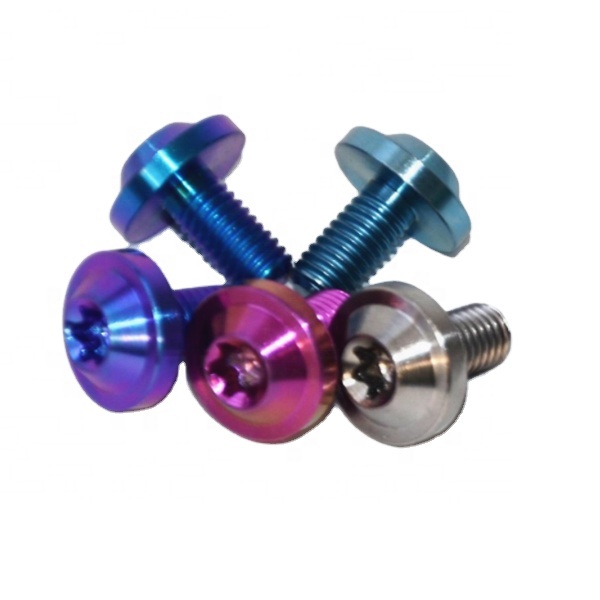
China Wholesale Titanium Pan Head Screws Manufacturers & Exporters

OEM/ODM Precision Fastener Engineering from Baoji (China Titanium Valley) | High-Tensile Ti6Al4V Grade 5 & Gr2 Pure Titanium for Global Aerospace, Motorsport, and Defense Applications

Direct From Certified Manufacturer

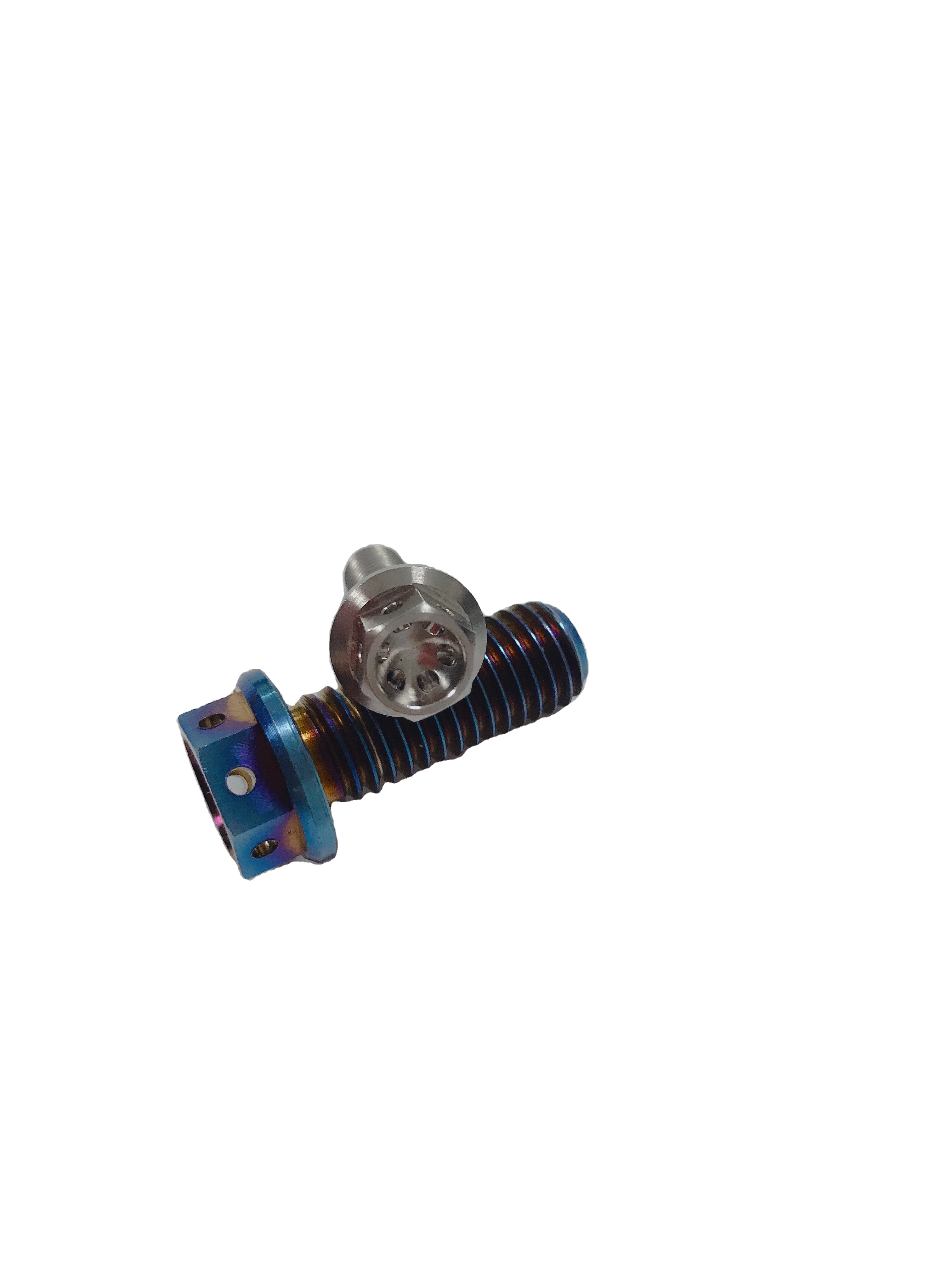
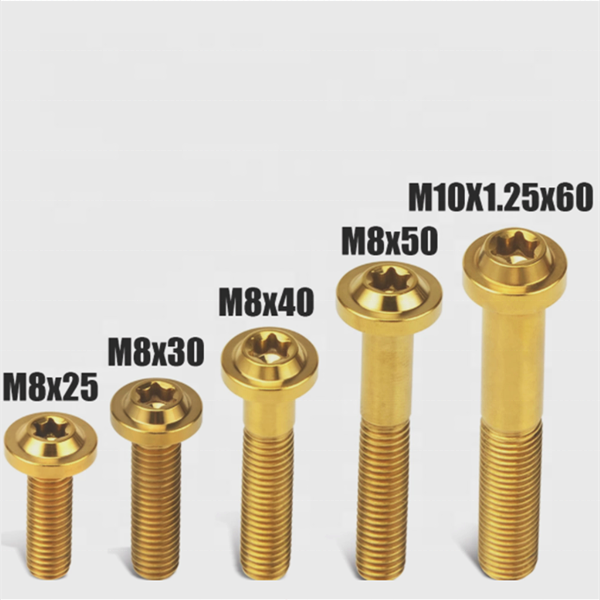
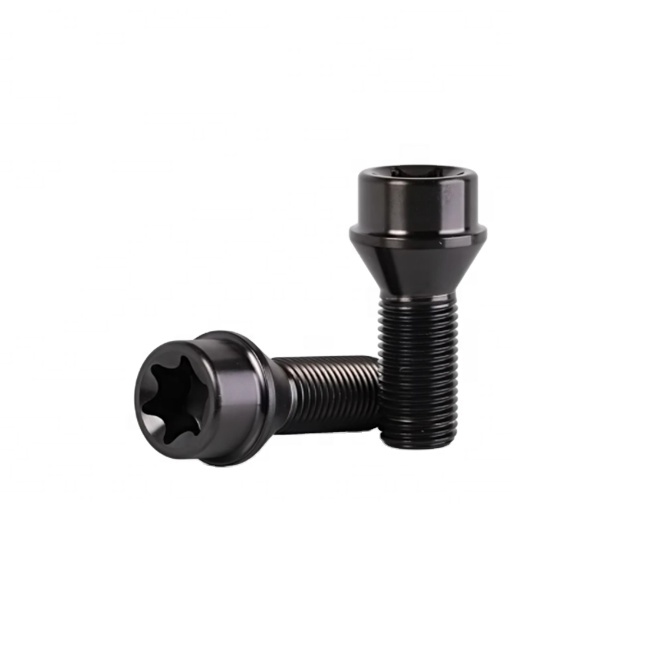
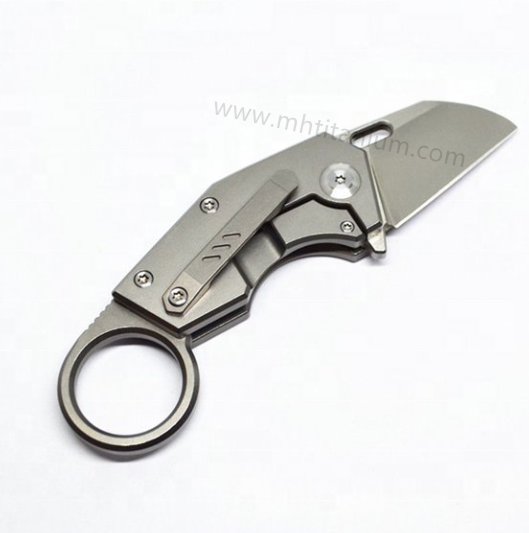
Featured Titanium Pan Head & Specialty Fasteners

Standard DIN/ISO compliance alongside bespoke multi-axis CNC engineered components. Full batch traceability from virgin titanium sponge to high-precision threaded hardware.

2008
Established in China's Titanium Valley
34+
Multi-Axis CNC Machining Centers
±0.005mm
Ultra-Tight Precision Tolerance
≤ 9 Hours
Average Rapid Inquiry Response
Technical Whitepaper & Procurement Analysis

Engineering Principles of Titanium Pan Head Screws in Critical Assemblies

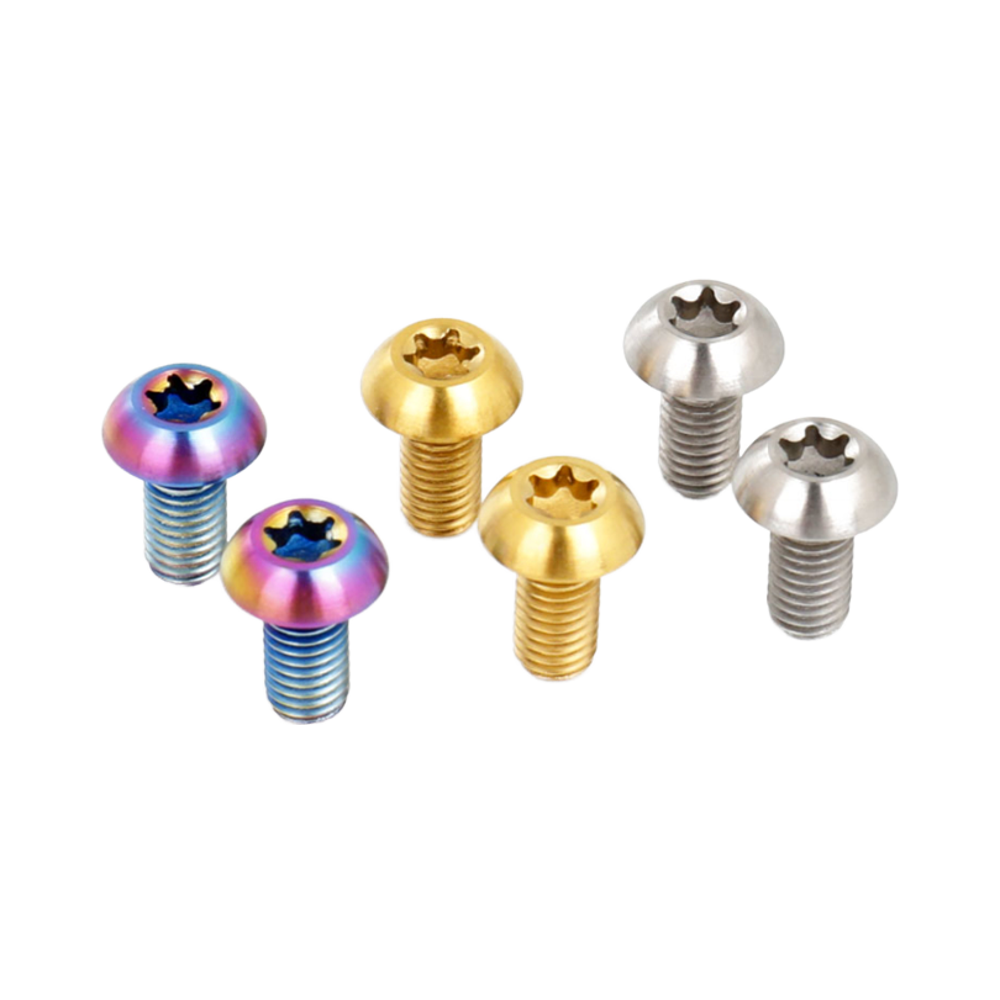
In high-stress mechanical engineering, the fastening interface represents one of the most critical structural nodes. As industrial machinery, high-performance motorsport systems, aerospace components, and marine apparatus strive for uncompromising strength-to-weight ratios, conventional steel fasteners (Class 8.8, 10.9, and even 12.9) are systematically replaced with Grade 5 (Ti-6Al-4V / TC4) and Grade 2 Commercially Pure Titanium Pan Head Screws. The pan head profile (conforming to DIN 7985, ISO 14583, ASME B18.6.3, and JIS B1111 standards) is explicitly engineered with a slightly rounded top, wide flat bearing base, and deep internal socket recesses (such as Torx/6-Lobe, Hexagon, or Phillips) to maximize clamping pressure across thin surfaces without localized galling or puncturing.

Manufactured in Baoji—globally recognized as China’s Titanium Valley and home to the Baoti Group industrial corridor—our precision wholesale fasteners incorporate advanced hot-forging and multi-axis CNC Swiss-machined methods. Unlike mass-stamped commercial screws that develop micro-fissures in the thread root, our facility deploys continuous thread rolling after solution heat treatment. This cold-working process preserves grain flow lines around the perimeter, improving dynamic fatigue life by over 38% under high vibration environments.

Mechanical & Physical Comparison: Fastener Alloys at a Glance

Fastener Material Density (g/cm³) Tensile Strength (MPa) Yield Strength (MPa) Corrosion Resistance Weight Reduction vs Steel
Ti-6Al-4V (Grade 5 / TC4) 4.43 ≥ 895 - 1100 ≥ 828 Immune to chlorides, sea water, acids -44.5%
Pure Titanium (Grade 2) 4.51 ≥ 345 ≥ 275 Exceptional chemical & marine stability -43.0%
Stainless Steel 316 / A4-70 8.00 700 450 Moderate pitting in high saline Baseline (0%)
High-Tensile Alloy Steel 10.9 7.85 1040 940 Requires plating; vulnerable to rust Baseline (0%)

The structural advantage of the titanium pan head design centers on its broad surface area contact. When torque is applied through a precision-broached Torx (T10, T20, T25, T30, T40) or hex socket, clamping forces are distributed uniformly across sheet metal, carbon fiber skins, composite housings, or engine brackets. This eliminates clamping surface deformation, which frequently plagues flat-head countersunk screws when torqued on delicate carbon matrices.

Market Horizon 2025–2030

Future Procurement Trends in Titanium Hardware

Macro shifts in worldwide manufacturing are transforming how original equipment manufacturers (OEMs) and distributors source titanium threaded components.

1. EV Light-Weighting & Battery Thermal Isolation

Next-generation electric vehicles are shifting toward low-profile titanium pan head screws for battery enclosure sealing, subframe mounting, and inverter cooling plates. Titanium's exceptionally low electrical conductivity and natural dielectric passivity eliminate the galvanic corrosion risks encountered when bolting steel hardware directly into carbon fiber or aluminum chassis battery trays.

2. Smart Digital Traceability & Raw Material Provenance

Defense, aviation, and European medical sector compliance require verifiable material lineages back to the original titanium sponge reduction run. The days of ambiguous mill declarations are over. Leading global buyers mandate laser-etched 2D data-matrix QR codes, certified EN 10204 3.1 inspection paperwork, and optical spectrometer testing for oxygen and hydrogen interstitial impurities.

3. Advanced PVD & Functional Micro-Coatings

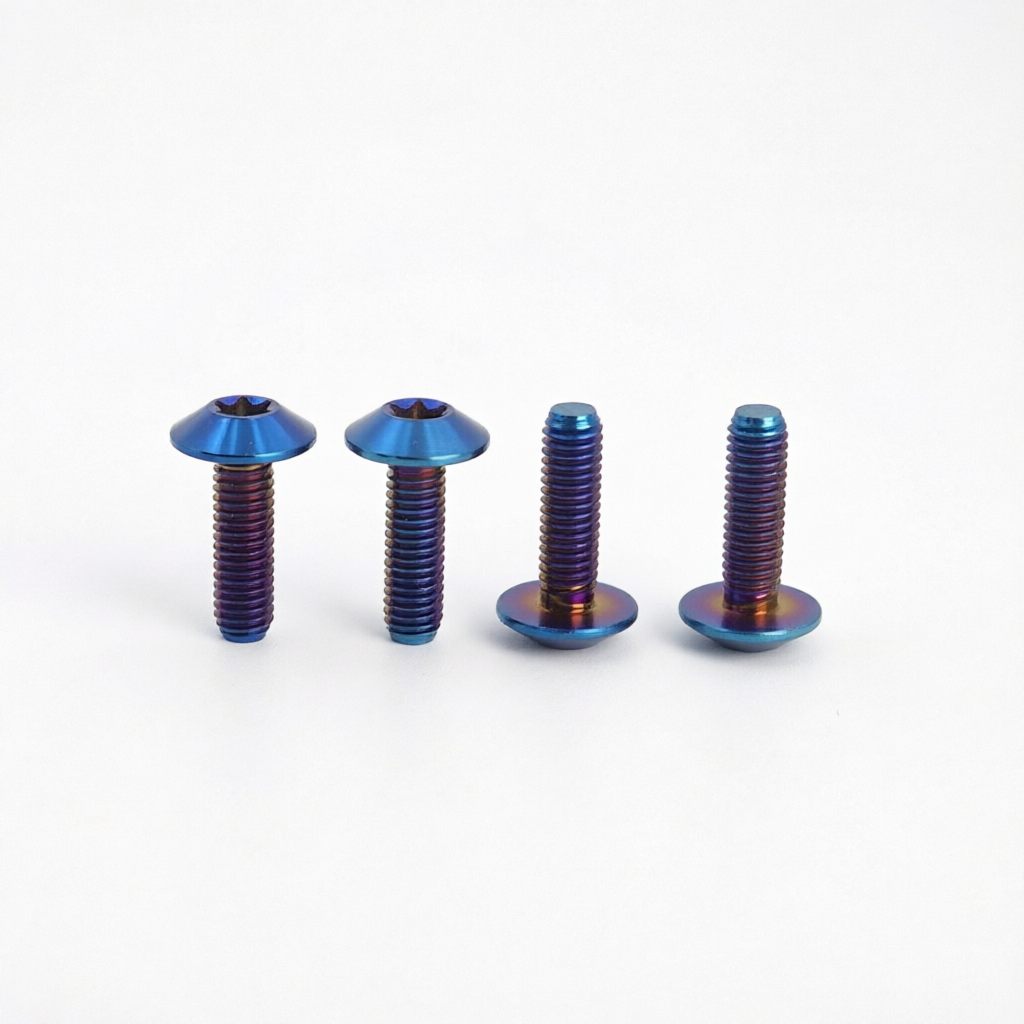
While aesthetic rainbow and burnt blue anodizing dominate the aftermarket motorcycle scene, industrial pan head screw engineering has transitioned toward Physical Vapor Deposition (PVD), Diamond-Like Carbon (DLC), and Micro-Arc Oxidation (MAO). These sub-micron films deliver surface micro-hardness above 2,500 HV, permanently resolving titanium-on-titanium friction galling.
Why Choose Vunza Titanium

Baoji Engineering Heritage, Global Export Competitiveness

Established in 2008 in the Gaoya Village Industrial Zone adjacent to Baoti Group, we combine deep raw material integration with elite precision manufacturing.

China Titanium Valley Hub

Direct physical proximity to the primary titanium smelting corridor in Baoji, Shaanxi. We purchase prime Grade 0 titanium sponge and vacuum-arc remelted billets directly, eliminating middlemen markups and safeguarding virgin alloy purity.

34 Multi-Axis CNC Workstations

Outfitted with advanced 3, 4, and 5-axis continuous milling and Swiss CNC turning centers capable of holding critical tolerances down to ±0.005 mm on thread pitch diameters, socket depth, and head runout.

Vetted Senior Craftsmanship

Over 50% of our technical production workforce boasts more than 13 continuous years of hands-on machining expertise specifically tailored to the thermal and work-hardening dynamics of reactive titanium alloys.

Full Batch QC & Rapid Service

Equipped with optical profile projectors, thread go/no-go gauges, digital micro-hardness testers, and pneumatic leak sensors. Inquiries and DFM drawing feedback are provided within 9 business hours.

Procurement & Technical Consultation

Frequently Asked Questions for Titanium Screws Sourcing

Answers to critical questions regarding metallurgy, threading, minimum quantities, and international logistics.

What are the primary differences between Grade 2 and Grade 5 Titanium Pan Head Screws?
Grade 2 is commercially pure titanium offering uncompromised corrosion resistance in severe saltwater, marine splash zones, and chemical chlorination processing, yielding an ultimate tensile strength of around 345 to 450 MPa. In contrast, Grade 5 (Ti-6Al-4V / TC4) is an alpha-beta aerospace alloy heat-treated to achieve tensile strengths exceeding 895 to 1100 MPa. Grade 5 is mandatory for load-bearing motorcycle disc rotors, automotive brake hubs, engine valve trains, and aerospace fasteners where high shear and yield strength are paramount.
How do you prevent thread galling during installation of titanium fasteners?
Titanium features an active oxide layer that can cold-weld under dry friction. To mitigate galling, our factory employs rolled threads (which create work-hardened, smooth mirror root finishes with Ra ≤ 0.4 μm) rather than abrasive lathe single-point cutting. Furthermore, we offer anti-galling PVD coatings (such as titanium nitride or carbon-nitride) and advise using an anti-seize lubricant containing molybdenum disulfide or copper base paste torqued strictly within engineered preload parameters.
Can you fabricate non-standard pan head fasteners according to custom 2D/3D CAD drawings?
Yes. Our in-house technical department supports bespoke modifications. Whether you require custom low-profile pan diameters, specialized security pins, combined disc-flange configurations, custom thread pitches (such as metric fine M8x1.0 or imperial UNF 1/4-28), laser-etched branding, or specific anodized color codes (gold, purple, bronze, green, rainbow, burnt blue), our engineers provide comprehensive Design for Manufacturability (DFM) verification within 9 hours.
What is your Minimum Order Quantity (MOQ) and sample lead time?
For standard inventory sizes (M3, M4, M5, M6, M8 pan head screws adhering to DIN 7985 / ISO 14583), the typical MOQ is 100 to 500 units per specification. For custom non-standard CNC geometries or specialized racing components (such as sprint car rotors or custom engine head studs), trial sample batches can start as low as 10 to 50 pieces. Production tooling and sample verification usually take 7 to 12 working days.
What quality assurance documentation accompanies export shipments?
Every export shipment is dispatched with an EN 10204 3.1 Mill Test Certificate (MTC) stating the chemical composition (Al, V, Fe, C, N, H, O content) and mechanical tensile/yield data. Additionally, our QA department furnishes full dimensional inspection sheets, optical comparator reports, coating thickness certifications, and ultrasonic non-destructive testing reports for safety-critical motorsport and aerospace orders.