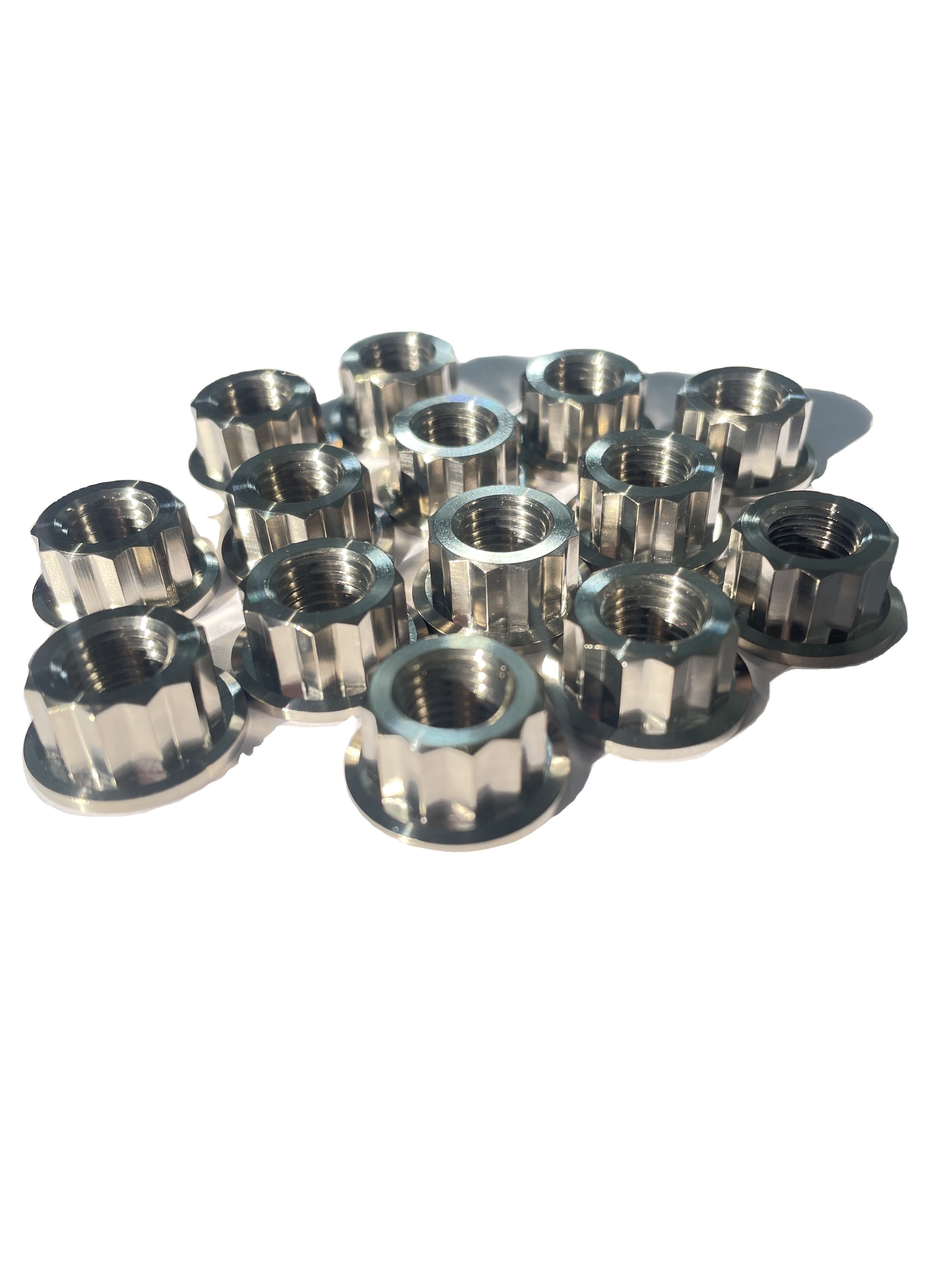
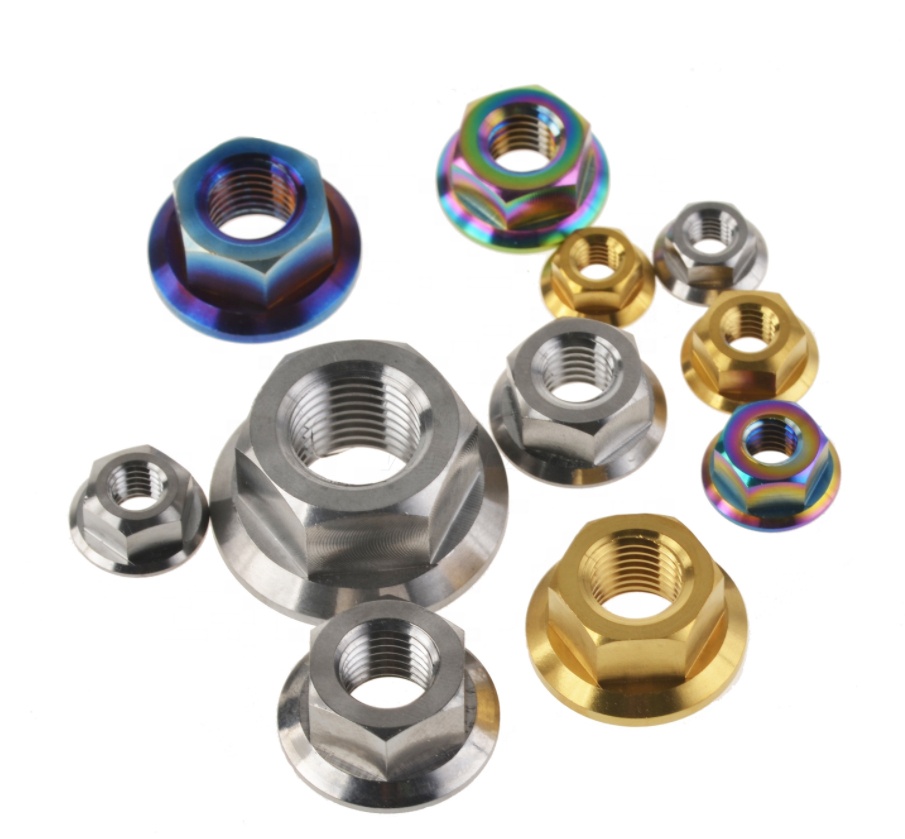
Hex Flange
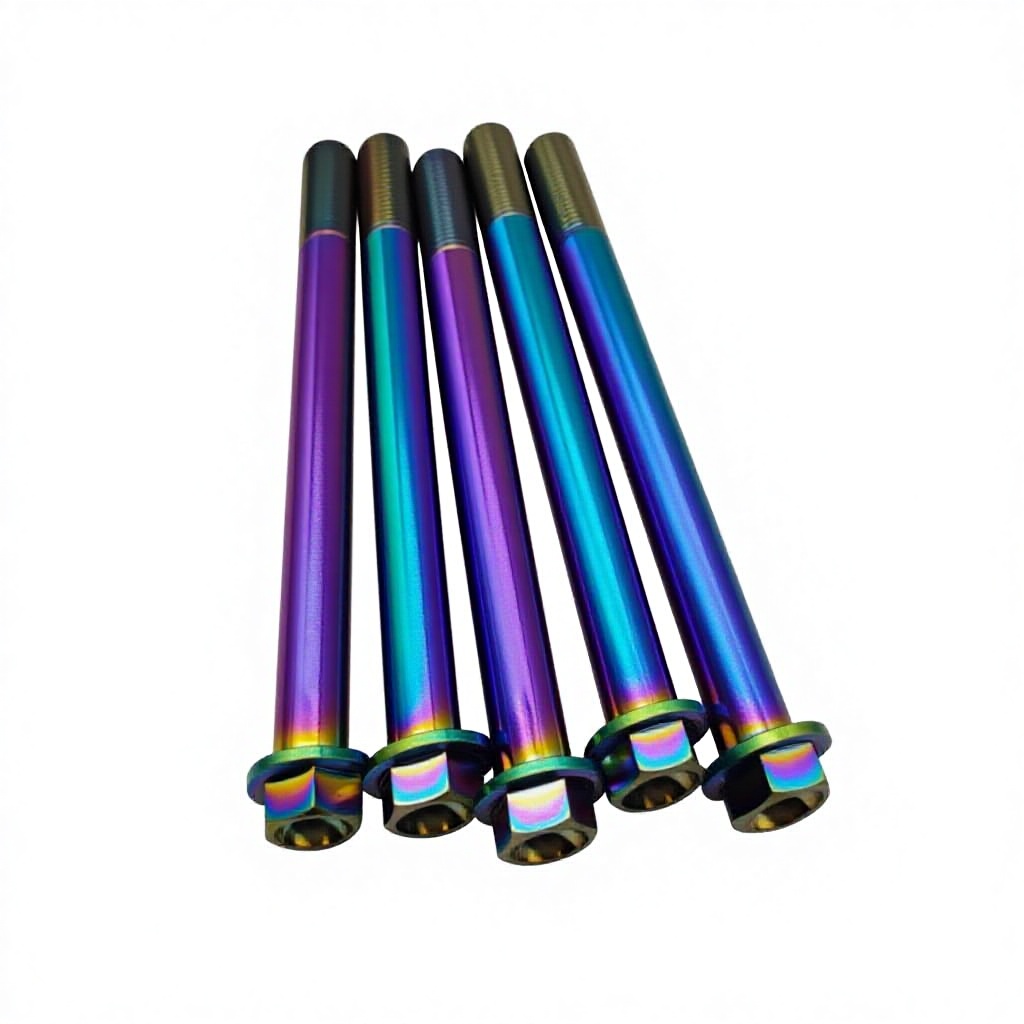
Thread: M6 / M8 / M10 Rolled Metric
Application: Racing Calipers & Control Arms
Get a Quote
Engineered for competitive motorsport, extreme unsprung weight reduction, split rim conversions, and heavy-duty chassis sub-frames.
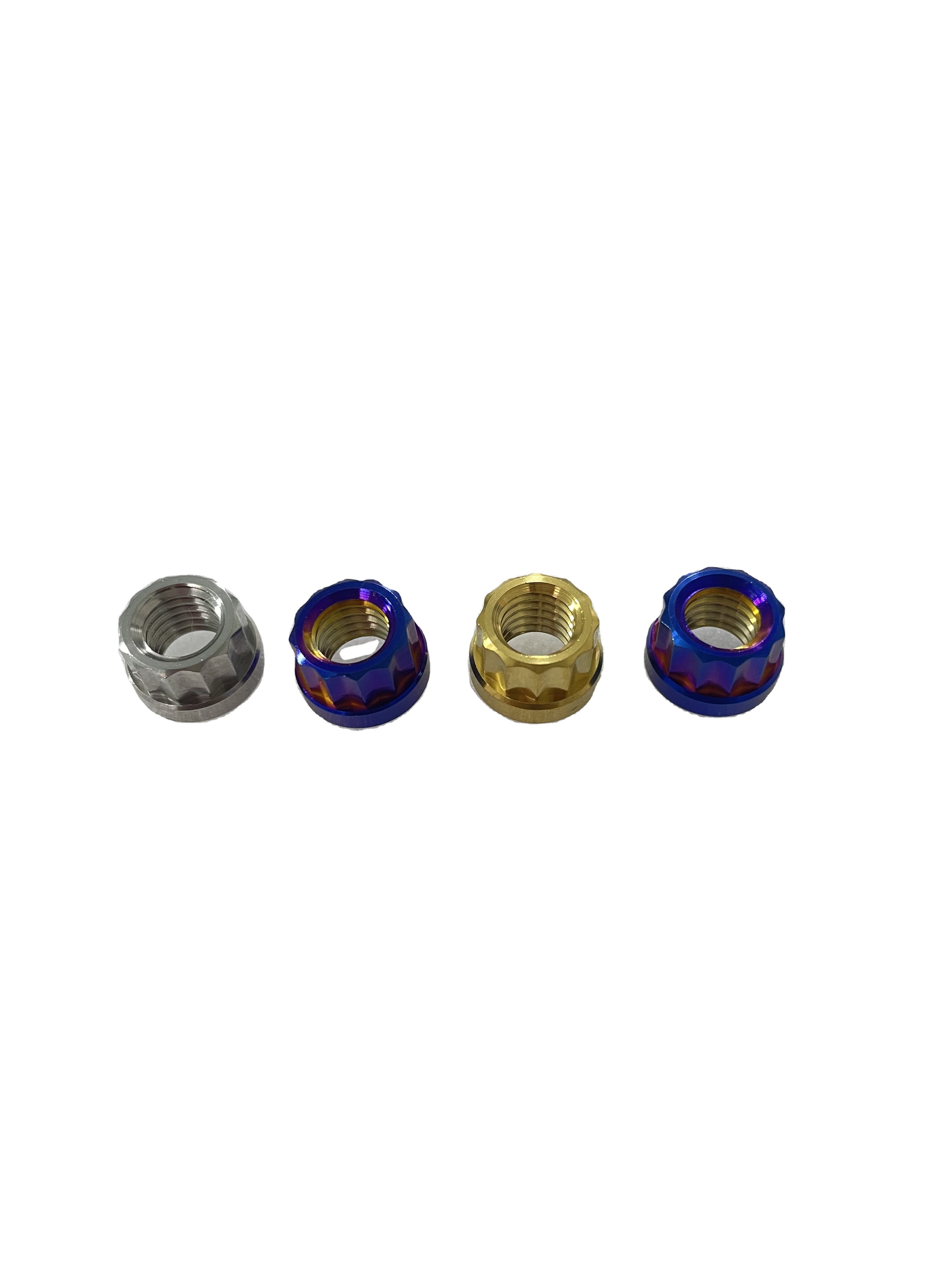
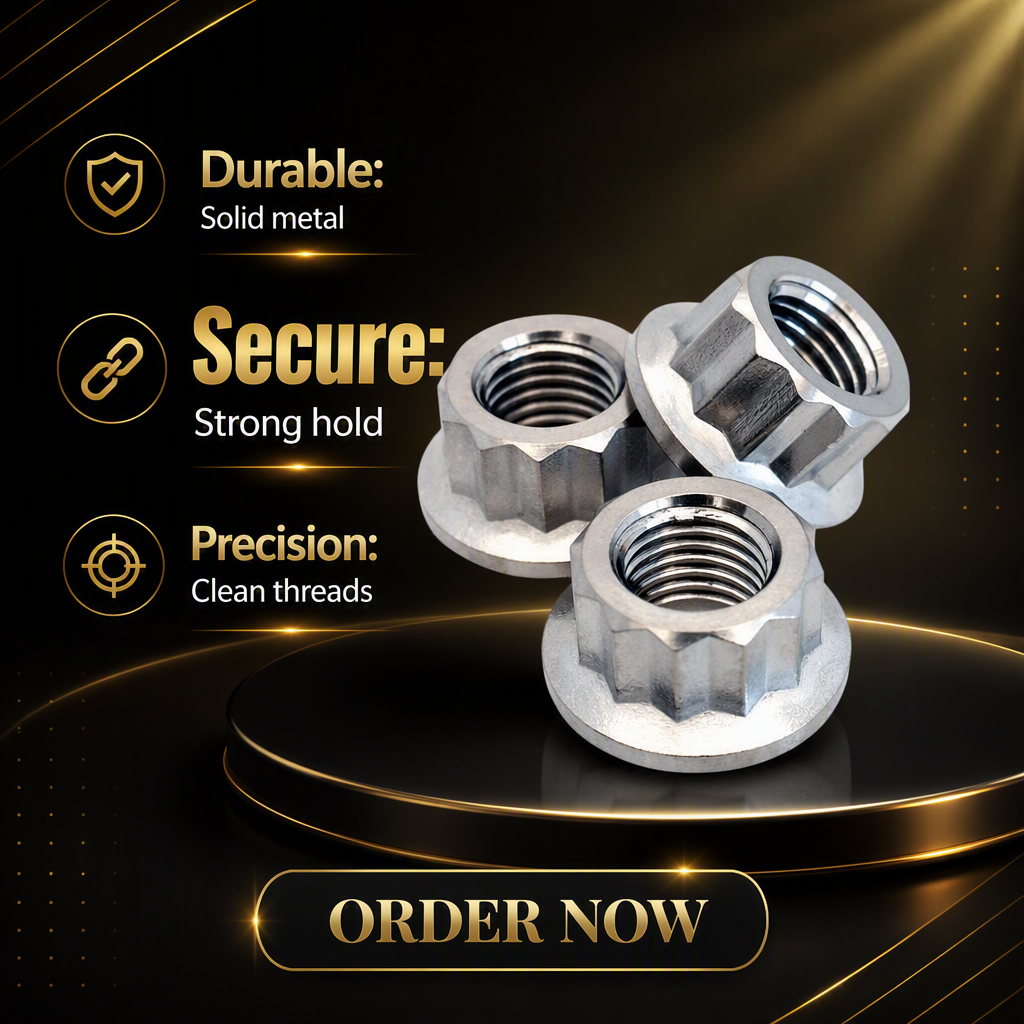
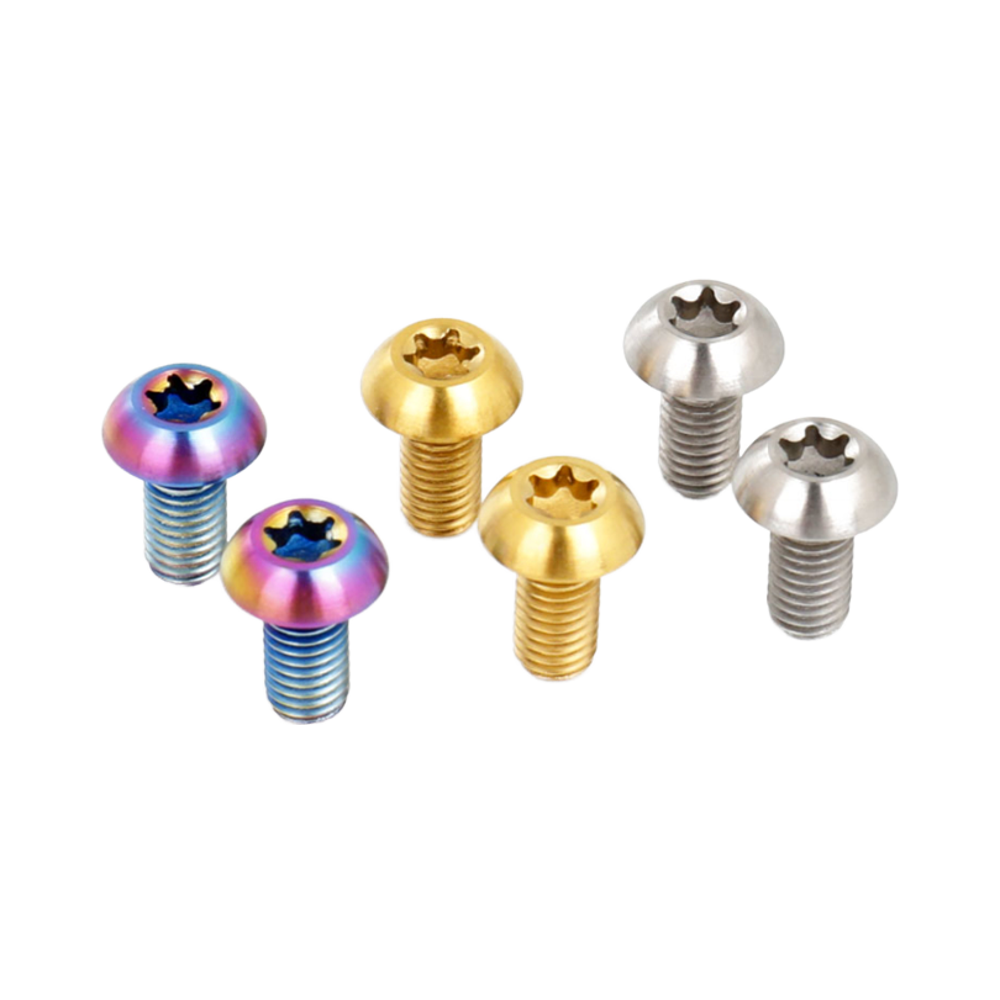
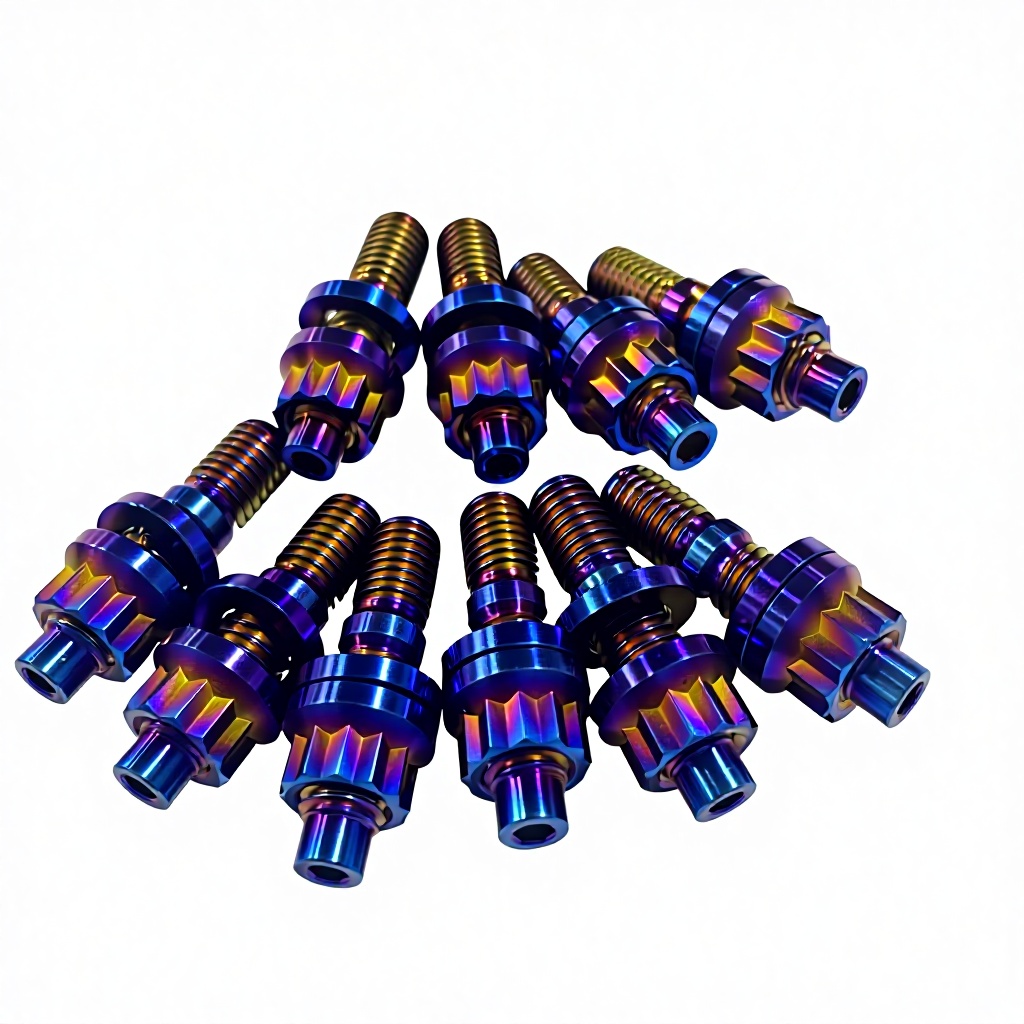
A technical assessment of load distribution, shear fatigue, thread rolling, and unsprung mass reduction in mission-critical vehicle dynamics.
In high-performance automotive and motorcycle suspension engineering, vehicle weight is divided into sprung and unsprung mass. The unsprung mass—comprising brake rotors, calipers, wheel hubs, knuckles, control arms, and linkage fasteners—dictates the operational responsiveness of damper valves and wheel articulation over uneven terrain. Replacing standard 10.9 or 12.9 high-tensile steel fasteners with Grade 5 Ti-6Al-4V titanium suspension bolts delivers a mass reduction of roughly 44% directly at the wheel hub boundary.
This localized mass reduction drastically lowers damper hysteresis, minimizes rebound oscillations, and permits steering linkages to transmit tire-contact information with micro-second feedback fidelity. During cyclic chassis loads, the natural vibration absorption damping of titanium (damping capacity approx. 10 times higher than carbon steels) significantly mitigates micro-fretting corrosion at joint interfaces.
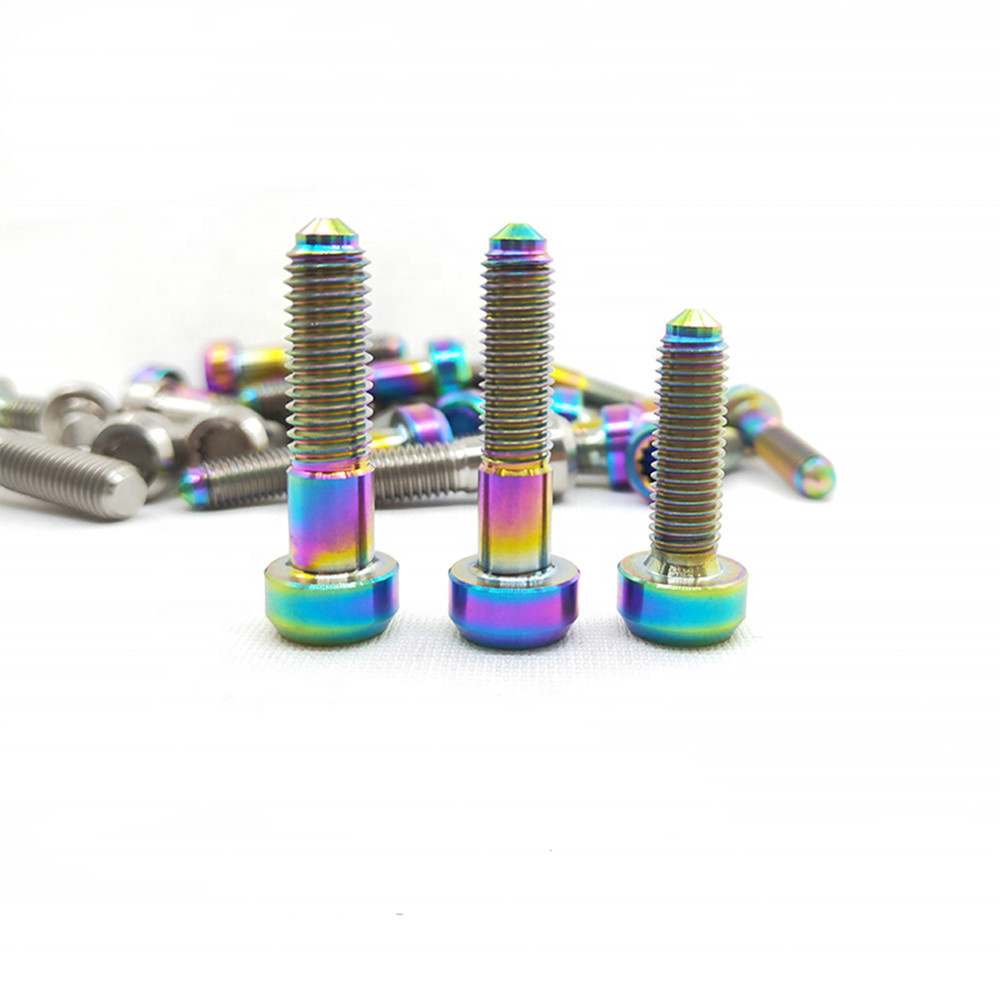
A prevalent point of catastrophic failure in substandard titanium hardware stems from thread machining methodology. Cheap fasteners utilize single-point CNC cutting or thread milling, which cuts through the uninterrupted longitudinal grain lines of the drawn titanium bar stock. In severe multi-link suspension kinematics, these notched grain boundaries act as micro-stress concentration points, initiating fatigue cracks under cyclical bump-stop shear forces.
At our Baoji manufacturing plant, all OEM suspension bolts feature cold-rolled or hot-rolled threads per DIN 13 and ISO 965-1. The rolling die plastically deforms the Ti-6Al-4V crystalline lattice without interrupting grain fibers, burnishing the thread root radius and introducing beneficial compressive residual stresses. This mechanical process augments thread shear strength by over 28% and extends cyclic fatigue life by more than 300% under high-frequency track cornering.
| Mechanical & Physical Property | Ti-6Al-4V (Grade 5 Annealed) | Grade 10.9 Alloy Steel (4140/SCM435) | 7075-T6 Aerospace Aluminum | Strategic Advantage in Suspension Joints |
|---|---|---|---|---|
| Density (ρ) | 4.43 g/cm³ | 7.85 g/cm³ | 2.81 g/cm³ | 43.6% Weight Reduction vs. Steel; immune to catastrophic aluminum shear |
| Tensile Strength (Rm) | ≥ 895 – 1000 MPa | 1040 MPa | 572 MPa | Matches alloy steel tensile threshold without premature elongation |
| Yield Strength (Rp 0.2) | ≥ 828 MPa | 940 MPa | 503 MPa | Maintains bolt clamp preload under severe lateral chassis curb-strikes |
| Modulus of Elasticity (E) | 114 GPa | 210 GPa | 71.7 GPa | Lower modulus acts as a compliant spring, retaining torque during thermal expansion |
| Chloride Pitting Resistance | Complete Immunity (>3000h Salt Spray) | Prone to Oxidation & Embrittlement | Prone to Intergranular Corrosion | Unaffected by road salts, de-icing brine, water splash, and chemical detergents |
Key technological and market trajectories shaping global OEM automotive, motorcycle, and hypercar supply chains through 2030.
Electric vehicle (EV) battery packs introduce upwards of 400kg–600kg in curb weight, putting unprecedented stress on wheel bearings, subframe links, and MacPherson struts. Tier-1 chassis manufacturers are actively adopting Grade 5 titanium bolts to offset battery weight penalties without sacrificing critical joint clamping security.
Get a QuoteHistorical galling friction challenges of titanium threads are resolved via modern micro-thin PVD (TiN, TiAlN, DLC) coatings. Future procurement specifications prioritize low-friction, scratch-resistant PVD finishes that establish stable torque-tension coefficients (μ ≈ 0.10–0.12), eliminating thread seizing during repeated pneumatic torque installations.
Get a QuoteRegulatory scrutiny across aerospace, defense, and high-end automotive demands verifiable raw material lineages. Procurement officers avoid third-party bolt brokers in favor of vertically integrated manufacturers located directly in titanium ore refining zones (such as Baoji), accompanied by full EN 10204 3.1 chemical certificates.
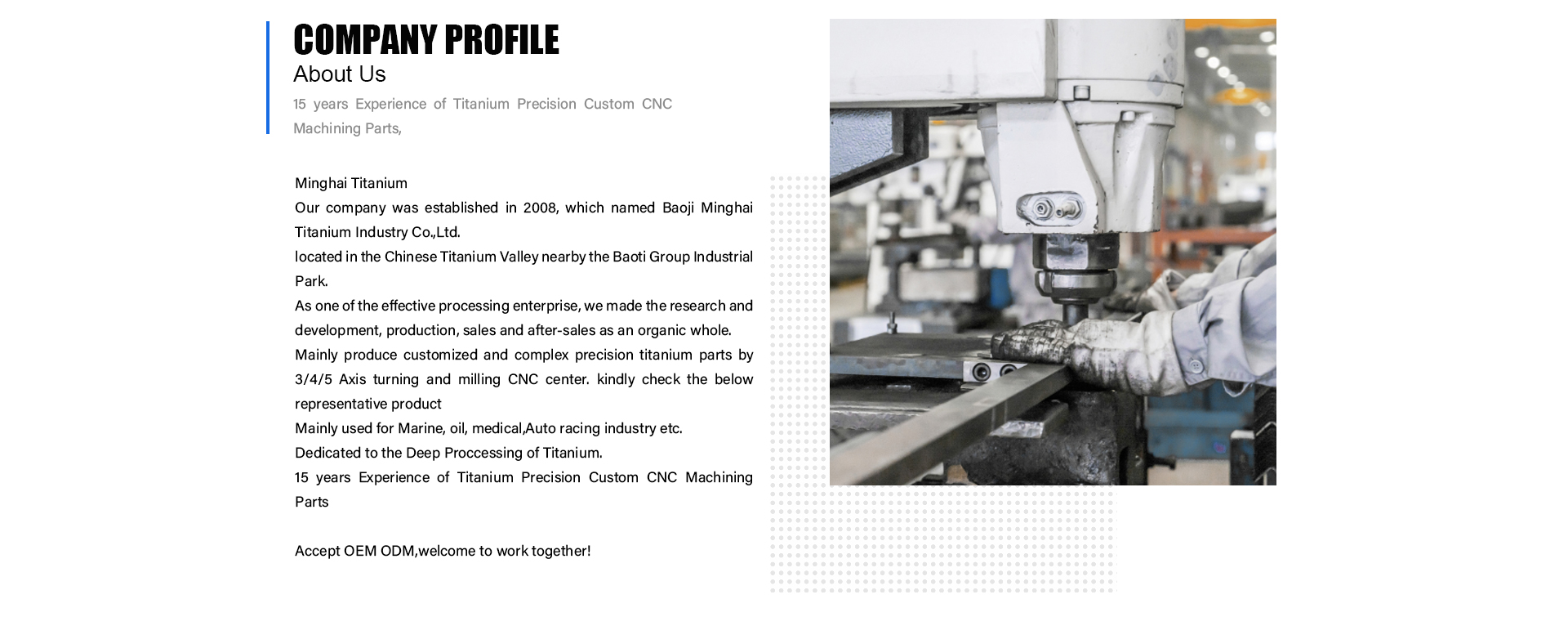
Get a QuoteEstablished in 2008 in the Gaoya Village Industrial Zone adjacent to the Baoti Group Industrial Park, Vunza Titanium Industry Co., Ltd. operates as a leading integrated manufacturer and exporter. Spanning precision multi-axis CNC operations, we handle standard DIN/ISO components alongside non-standard custom engineered drawings.
• Multi-Axis Machinery: 34 sets of 3-axis, 4-axis, and 5-axis CNC machining centers achieving dimensional tolerances down to 0.005 mm.
• Seasoned Workforce: More than 50% of workshop technicians and quality assurance engineers possess over 13 years of titanium-specific metallurgical experience.
• Sponge-to-Part Strict QC: Complete process governance from virgin titanium sponge melting, spectroscopic raw billet verification, first-article dimensional reports, to full batch inspection with optical comparators.
• Rapid Response Guarantee: Dedicated engineering inquiries and DFM feedback delivered consistently within 9 hours, backed by an established 14% global repeat order rate.

Essential technical clarifications regarding shear fatigue, galling prevention, tightening torques, and custom manufacturing runs.
Submit your 2D CAD files (PDF/DWG) or 3D models (STEP/IGES). Our senior engineering desk will assess tool paths, thread rolling geometries, and raw billet availability, returning complete DFM recommendations and pricing within 9 hours.