[email protected] Onsite-Verified Manufacturer · Since 2008
English
ISO 9001 Certified · Precision Baoji Factory Since 2008

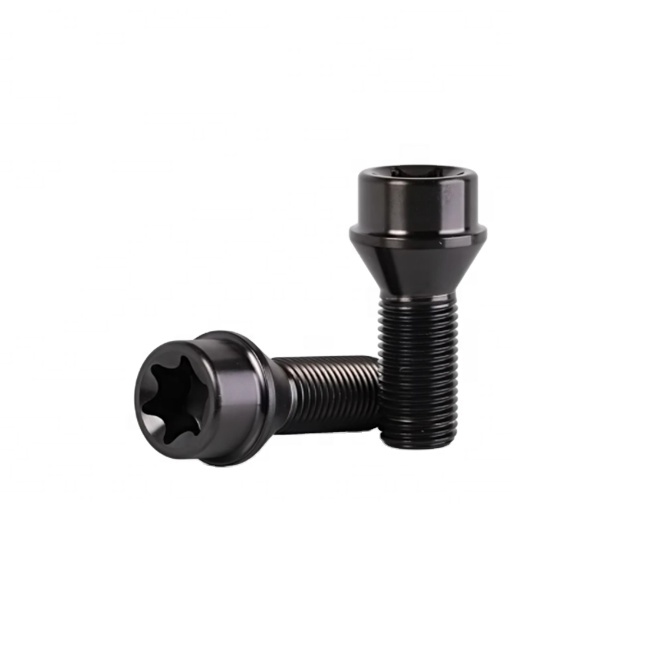
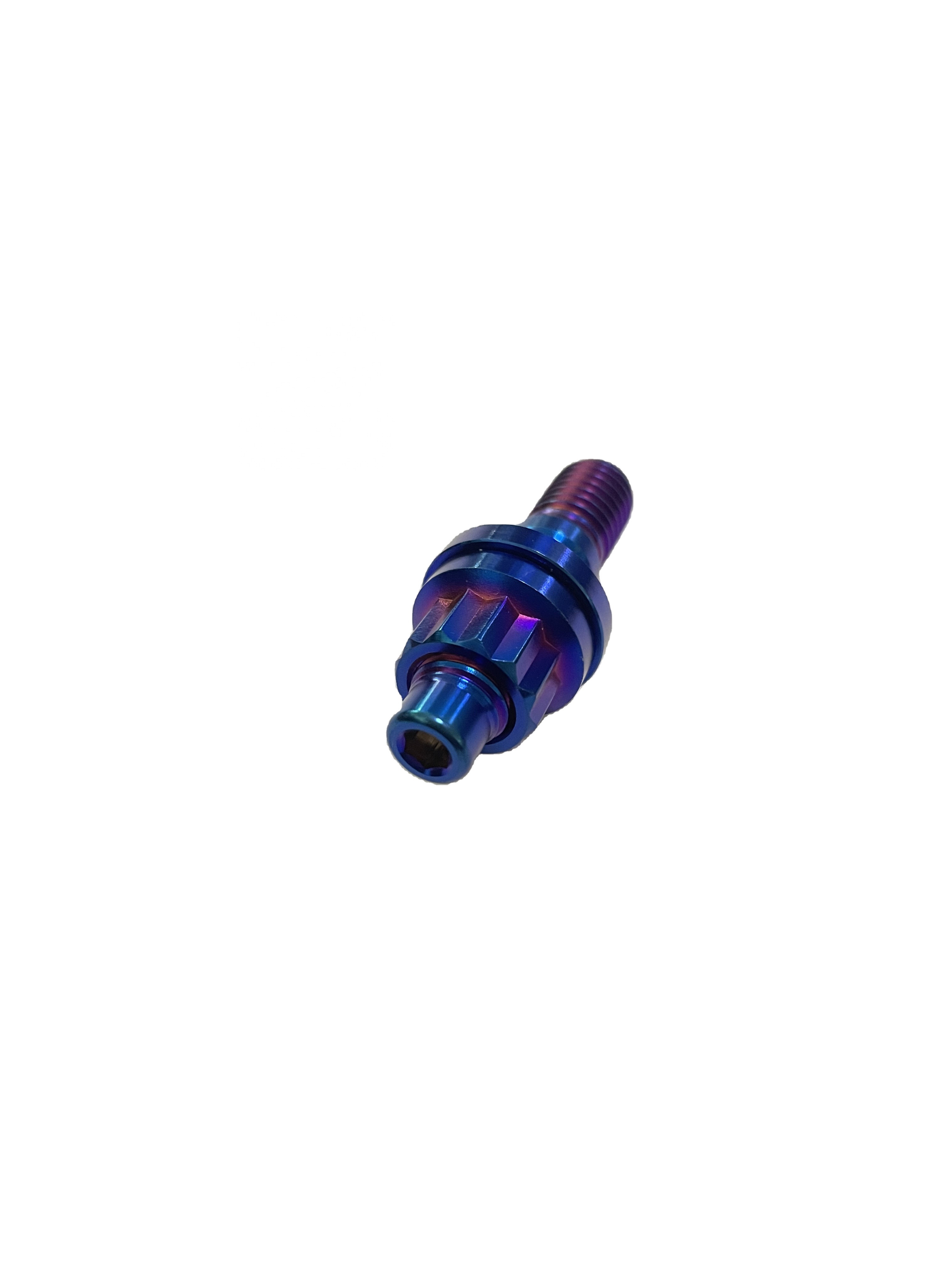
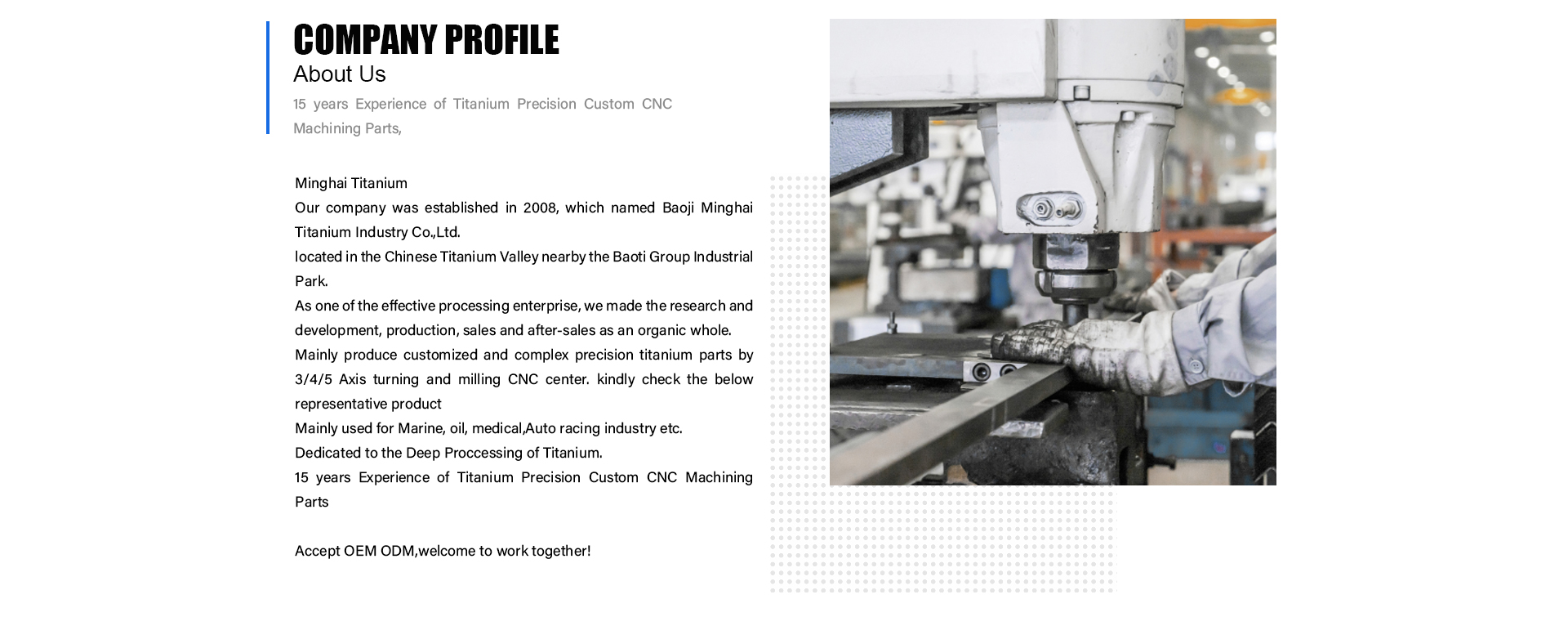
OEM/ODM Titanium Socket Screws Manufacturers & Factory

High-Performance Ti-6Al-4V Grade 5 Fasteners, CNC Precision Machining (0.005 mm), Custom Drive Geometries, and Full Traceability Metallurgy for Motorsport, Aerospace, Marine, and Medical Systems.

High-Performance Catalog

Factory-Direct Titanium Fastener Engineering Series

Precision-machined from certified Grade 5 (Ti-6Al-4V) billet and wire rod. Engineered with rolled threads, anti-galling root radii, and multi-axis CNC sculpted heads designed for extreme shear, cyclic vibration, and thermal stability.

2008
Established Factory
15+ Years Direct Baoji Titanium Valley Infrastructure
34+
Multi-Axis CNC Centers
3-Axis, 4-Axis, and High-Speed 5-Axis Turning Centers
0.005mm
Precision Tolerancing
Sub-Micron Calibrated Thread Gauging & CMM Verification
50%+
13+ Yrs Veteran Staff
Master Machinists Specializing in Rare Metal Workability
Engineering Whitepaper & Metallurgy

Comprehensive OEM/ODM Titanium Socket Screw Manufacturing Protocols

When sourcing socket screws for critical structural connections—such as automotive unsprung mass, aerospace structural hinges, downhole measurement tools, or surgical implants—material composition and mechanical grain flow dictate operational success. As an ISO 9001 certified manufacturer located in Gaoya Village Industrial Zone adjacent to the Baoti Group Industrial Park, our engineering workflows integrate raw material vacuum arc remelting (VAR) control through to final thread rolling.

⚙

Cold Heading vs. Hot Forging vs. CNC

Standard commercial bolts utilize cut threads that disrupt metal fiber alignment, causing stress concentrations at the root. At Vunza Titanium, our high-stress socket screws undergo progressive induction hot forging for the socket head followed by precision rolled threading under continuous coolant saturation.

  • Continuous uninterrupted grain flow lines
  • 30% higher shear & fatigue endurance limits
  • Elimination of micro-voids in internal hex/Torx sockets
🔬

Metallurgical Grade Selection Matrix

Selecting the ideal titanium alloy ensures the precise balance of ultimate tensile strength, yield behavior, and galvanic compatibility. We maintain strict supply chain control from high-purity titanium sponge to certified billets according to ASTM B348, AMS 4928, and ISO 5832-3 standards.

  • Grade 5 (Ti-6Al-4V): 895–1050 MPa, motorsport/oil
  • Grade 23 (ELI): Reduced interstitials for cryogenic & medical
  • Grade 2 (CP): Optimum pitting resistance in high-chloride seas
🛡

Surface Hardening & Anti-Galling

Titanium has a natural affinity to gall under high thread engagement pressures. We solve galling via advanced chemical conversions, hard anodizing (Type II / Type III), physical vapor deposition (PVD TiN, TiAlN, DLC), and baked dry-film MoS2 molybdenum disulfide lubricants.

  • Surface microhardness up to HV 2200-3000 (DLC)
  • Consistent K-factor torque coefficients (0.12 - 0.15)
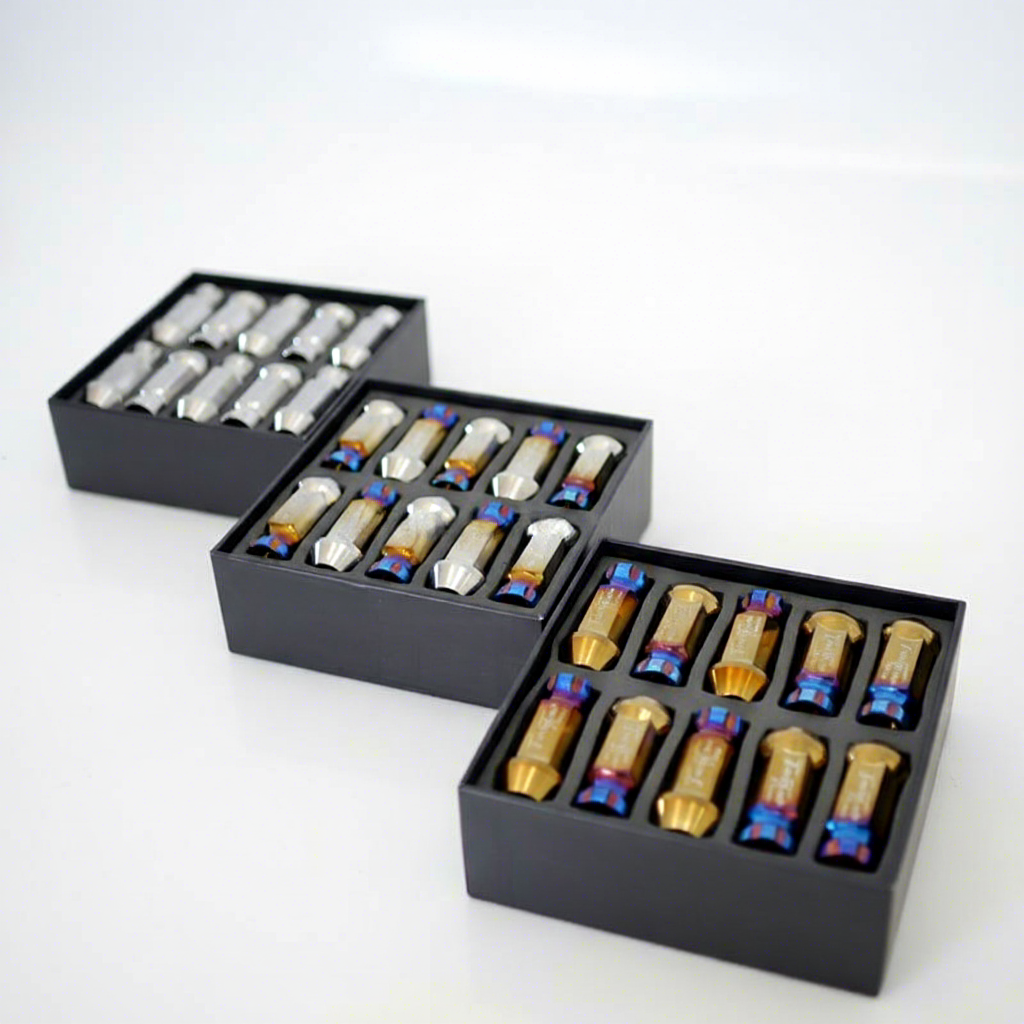
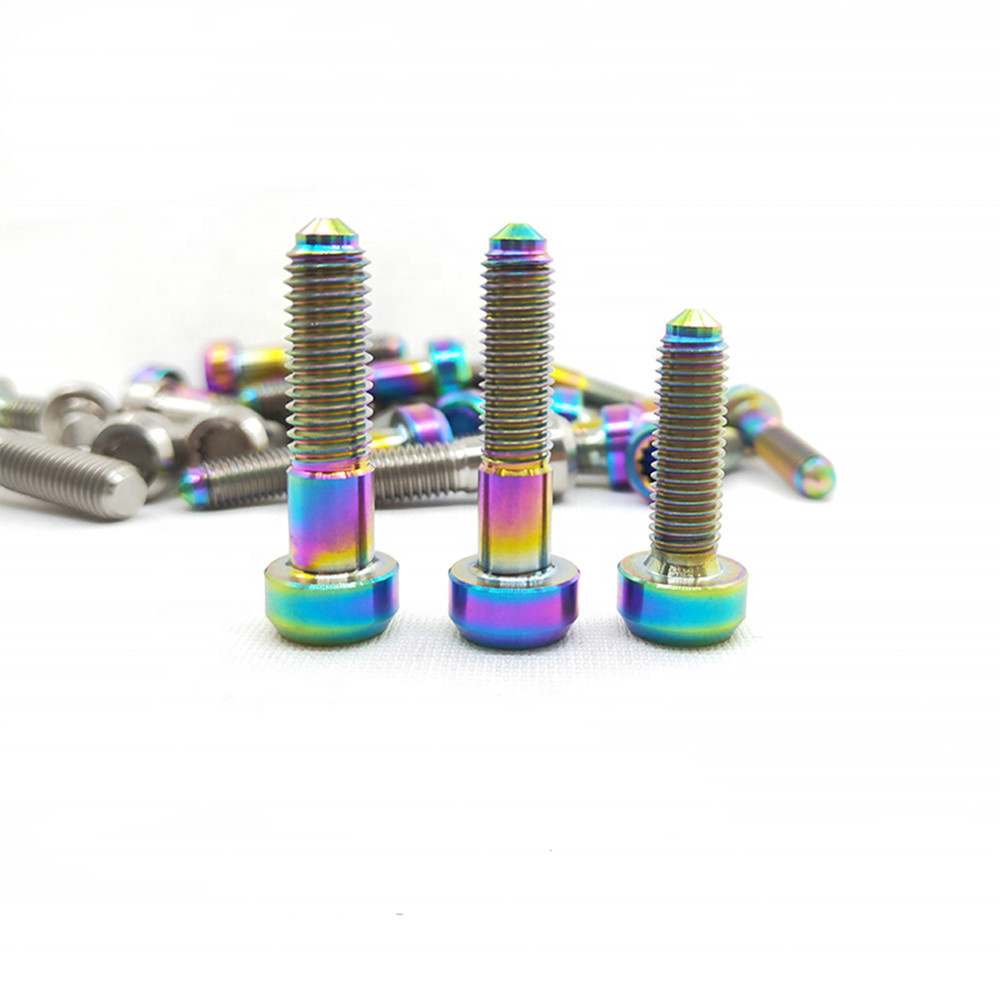
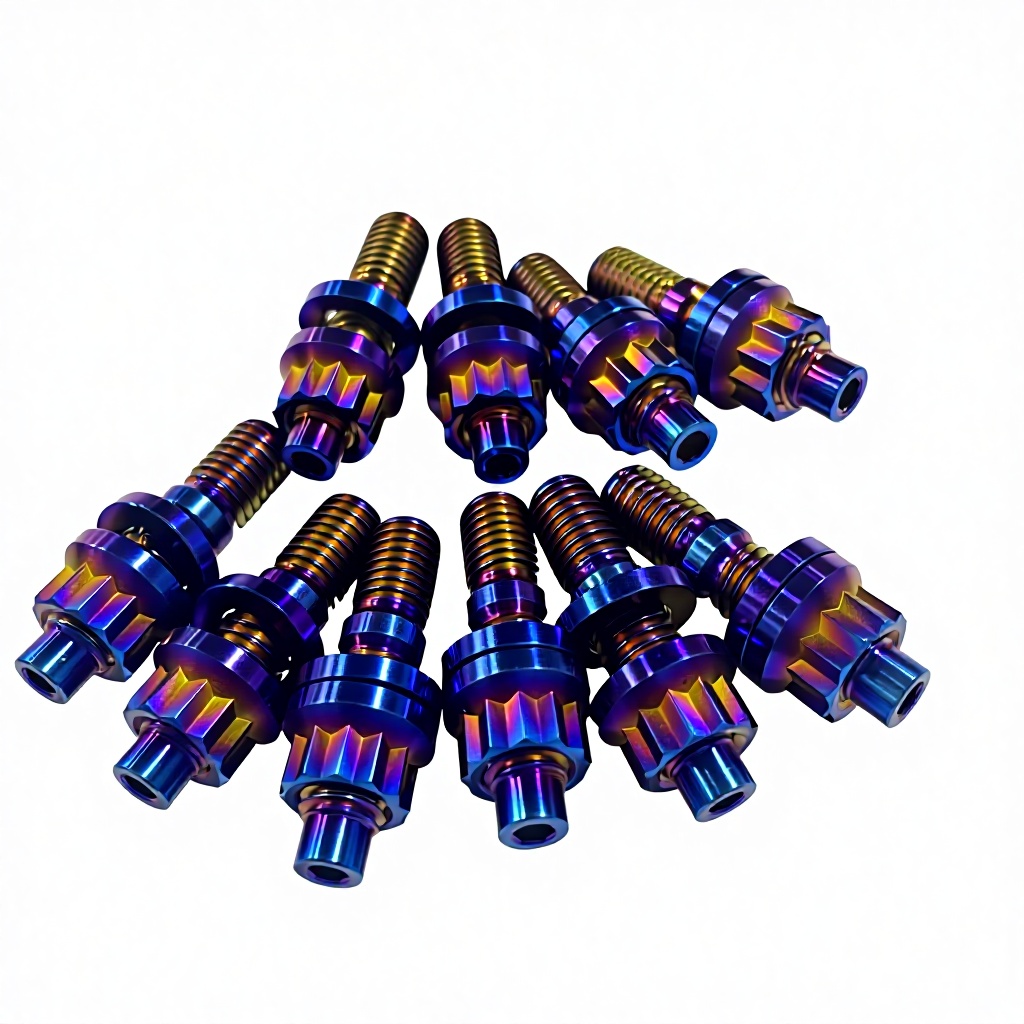
  • Vibrant PVD palette: Rainbow, Burnt Blue, Gold, Black
Comparative Metrology

Grade 5 Titanium vs. Structural Alloys Performance Parameters

Empirical engineering data demonstrating strength-to-weight ratios, operational thermal thresholds, and corrosion endurance for mechanical design engineers specifying socket head cap screws (SHCS) and low-profile fasteners:

Material Designation Density (g/cm³) Tensile Strength (MPa) Yield Strength 0.2% (MPa) Specific Strength (kN·m/kg) Corrosion Resistance Recommended Fastener Use Case
Gr5 Titanium (Ti-6Al-4V) 4.43 ≥ 950 - 1050 ≥ 880 214 - 237 Immune in ambient seawater & road salts Racing suspension, caliper mounts, aero structures
Alloy Steel Grade 10.9 7.85 1040 940 132 Poor; requires zinc/cadmium plating Heavy industrial machines, static engine blocks
Alloy Steel Grade 12.9 7.85 1220 1100 155 Susceptible to hydrogen embrittlement Extreme clamping without weight restrictions
Stainless Steel 316 / A4-80 8.00 800 600 100 High in chemical media, susceptible to crevice Marine architectural fittings, pump shafts
7075-T6 Aerospace Aluminum 2.81 572 503 203 Moderate; subject to galvanic corrosion Non-structural body panels, low-stress brackets
Manufacturing Bastion

Baoji Titanium Valley Industrial Advantage

Founded in 2008, Vunza Titanium Industry Co., Ltd. operates in Gaoya Village Industrial Zone, Baoji, Shaanxi, China—globally acknowledged as China’s Titanium Valley. Situated directly within the supply corridor of Baoti Group, we leverage raw material testing infrastructure, electron beam melting, and forging presses unmatched in standard industrial zones.

Our manufacturing floor houses 34 precision multi-axis CNC machine centers capable of maintaining 0.005 mm diametral and pitch tolerances. With over half of our shop floor operators possessing more than 13 years of continuous titanium cutting and forming expertise, our scrap rate remains under 0.8% even for aerospace thin-walled geometries.

Every production run is accompanied by EN 10204 3.1 Mill Test Certificates verifying chemical stoichiometry (O, Fe, C, N, H boundaries) and complete mechanical tensile, yield, and elongation proof data.
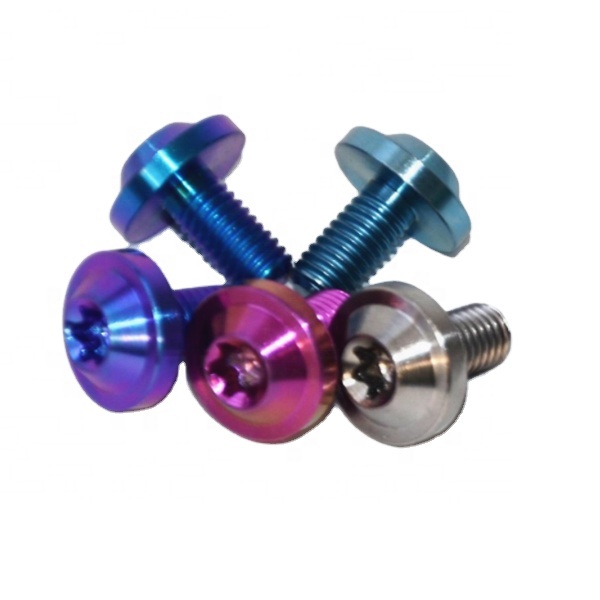
Vunza Titanium CNC Machining Workshop Floor and Equipment
Market Foresight & Procurement Strategy

Procurement teams face stricter environmental regulations, higher vehicle electrification targets, and volatile raw material indexes. Here is how modern enterprise procurement leaders optimize total cost of ownership (TCO) when specifying titanium hardware.

⚡

Lightweighting in EV Battery Enclosures

Electric vehicle manufacturers and hypercar developers are aggressively swapping stainless steel socket screws for Grade 5 titanium in battery pack covers, suspension uprights, and subframe linkages. Removing 40% of fastener mass from unsprung components improves dampening response and yields immediate kilowatt-hour range efficiency.

  • Non-magnetic properties prevent induction heating
  • Superior galvanic compatibility with carbon fiber
  • Zero corrosion degradation under road salt exposure
🔄

Near-Net-Shape Cold/Warm Heading

Historically, titanium fasteners suffered from high buy-to-fly ratios due to CNC bar stock turning waste. Recent trends see tier-1 manufacturers shifting toward dual-die warm heading methods. This reduces titanium raw material usage by 45%, translating to faster turnaround times, decreased per-unit costs, and lower overall scope-3 carbon footprints.

  • Lower batch production unit costs
  • Rapid scaling for automotive 100,000+ unit orders
  • Enhanced work-hardened socket head integrity
🌐

Digital Traceability & Closed-Loop Scrap

Enterprise procurement contracts now mandate full chain-of-custody tracking. Future-proof factories must demonstrate that raw sponge originates from certified, conflict-free smelters, and that machining turnings/chips are systematically categorized for closed-loop aerospace recycling back into commercial pure grade melts.

  • Batch QR laser engraving on bolt heads
  • EN 10204 3.1 & 3.2 digital compliance portals
  • Guaranteed zero non-ferrous contamination
Vunza Titanium Modern Factory Infrastructure and Quality Control Plant
Drive Geometry Breakthroughs

From Internal Hex to Torx Plus & Bi-Hexagon 12-Point

Traditional internal hex (Allen) sockets suffer from point-contact stresses where the wrench corners cam out under repeated high-torque pneumatic cycling. In automotive racing and aerospace assembly lines, socket failure results in expensive downtime and damaged thread bosses.

Our ODM manufacturing lines have adopted Torx Plus (IP) and 12-Point Bi-Hexagon profiles. Torx Plus geometry provides a true 0° drive angle, distributing torque evenly across deep flank radii rather than corner points. This delivers:

  • Up to 100% longer drive bit operational life
  • Up to 25% higher seated tightening torque capacity
  • Zero socket stripping on automated assembly lines
  • Option for center lightening cavities to shave an additional 8% mass
Procurement & Engineering Due Diligence

Frequently Asked Questions: Sourcing Titanium Socket Screws

Key technical answers covering torque specs, galling prevention, anodizing tolerances, and custom OEM manufacturing lead times.

How do you prevent titanium threads from galling during automated assembly?

Galling (cold welding) happens when the protective titanium dioxide film breaks under high contact pressure, allowing bare metal asperities to weld. We mitigate galling through three production steps: 1) Precision thread rolling to achieve ultra-smooth root finishes (Ra < 0.4 μm); 2) Anti-galling coatings such as molybdenum disulfide (MoS2), Type II anodic conversions, or PVD TiN; and 3) Specifying anti-seize paste containing copper, nickel, or ceramic particulates during final torqueing.

What tightening torque should be used for Grade 5 Titanium Socket Screws?

Because Ti-6Al-4V has a modulus of elasticity approximately half that of steel (114 GPa vs 205 GPa), fasteners will stretch twice as much at the same stress level. We recommend torquing Grade 5 screws to approximately 75% to 85% of equivalent Grade 10.9 steel specifications when dry, or 65% when lubricated. A calibrated torque wrench must always be utilized to ensure optimal clamp force without yielding the root diameter.

Can you custom-manufacture non-standard thread pitches and socket shapes?

Yes. Through our OEM/ODM service, we produce non-standard threads ranging from miniature M2 up to heavy industrial M36, as well as UNC, UNF, and UNEF imperial configurations. We handle custom drives including low-profile mushroom heads, ultra-thin countersunk Torx, drilled safety wire heads, and hollow-shank weight-relieved socket bolts engineered directly from client STEP, IGES, or 2D PDF engineering drawings.

Does PVD coloring or anodizing affect pitch diameter tolerances?

Standard Type I and Type II anodizing produces an oxide layer measuring merely 10 to 200 nanometers, which does not alter standard 6g/6h metric or 2A/3A imperial thread class engagements. For PVD (Physical Vapor Deposition) coatings (such as DLC, TiN, or Rainbow), the deposited film measures 1.5 to 3.0 microns. We pre-compensate thread pitch machining tolerances during the CNC grinding stage to guarantee clean thread fitment post-coating.

What are your Minimum Order Quantities (MOQ) and sample lead times?

For standard inventory sizes (M4 to M12 standard socket cap screws), MOQ is as low as 100 pieces. For custom CNC turn-milled or forged OEM/ODM geometries, our standard production batch MOQ is typically 300 to 500 pieces. Prototype samples manufactured via multi-axis CNC are typically completed and dispatched for dimensional and mechanical evaluation within 7 to 10 working days.

How does your factory ensure raw material batch integrity and traceability?

Quality control starts with certified titanium sponge. Every incoming bar stock heat is subjected to spectral chemical analysis to verify oxygen (O ≤ 0.20%), iron (Fe ≤ 0.30%), and hydrogen (H ≤ 0.015%) content. We conduct ultrasonic internal flaw detection to prevent internal porosity. Full dimensional CMM reports, thread profile optical comparator verification, and EN 10204 3.1 mill test certificates are provided with every batch shipment.

Accelerate Your Titanium Fastener Sourcing Workflow

Whether you require custom prototype development for race chassis, high-volume production for industrial equipment, or certified medical/aerospace Grade 23 components, our engineering team in Baoji Titanium Valley delivers actionable Design for Manufacturability (DFM) feedback and competitive factory-direct quotations within 9 hours.