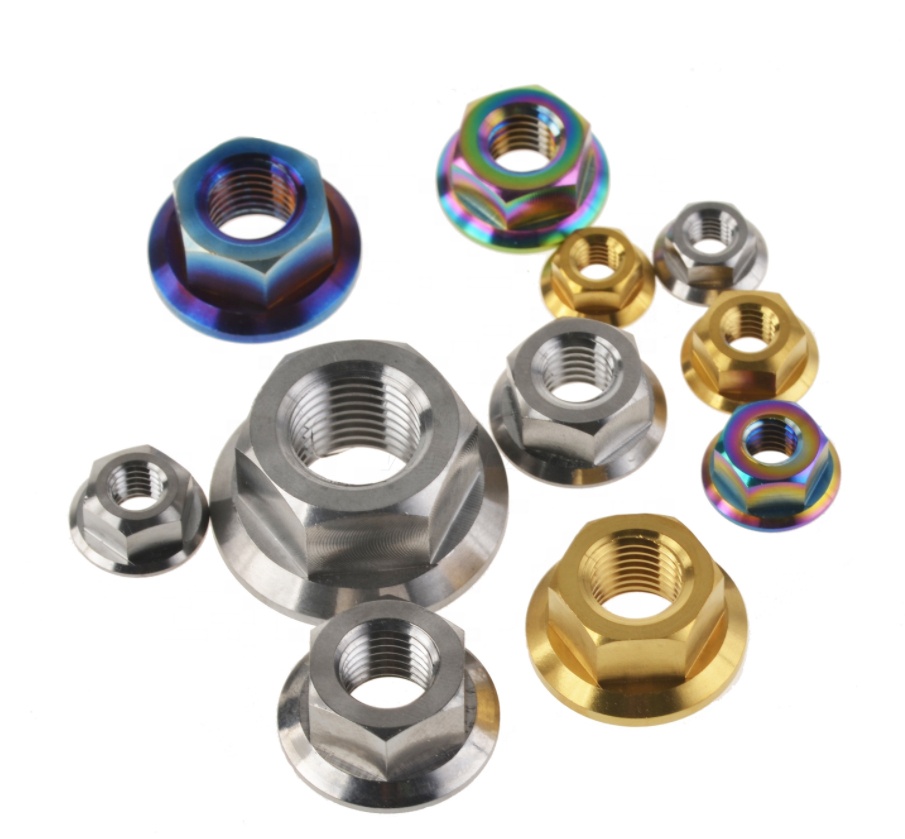
Precision Catalog Selection
High-Performance Titanium Hardware & Stud Fastening Systems
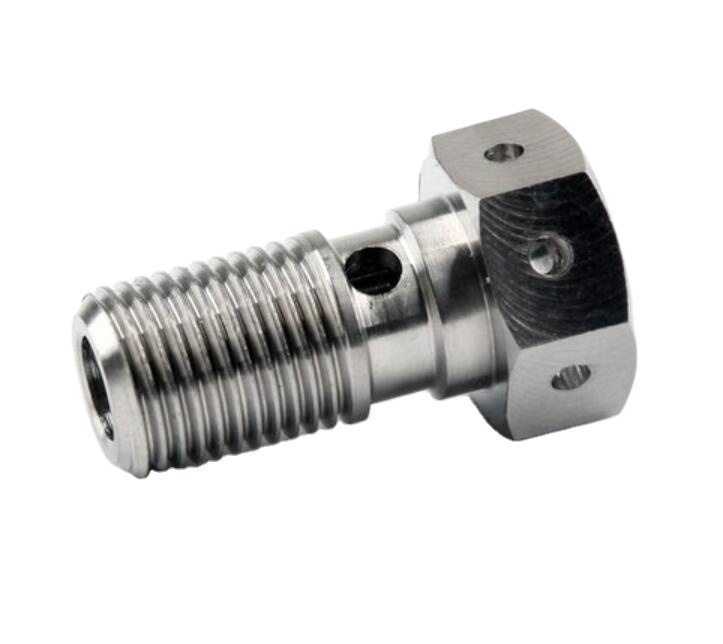
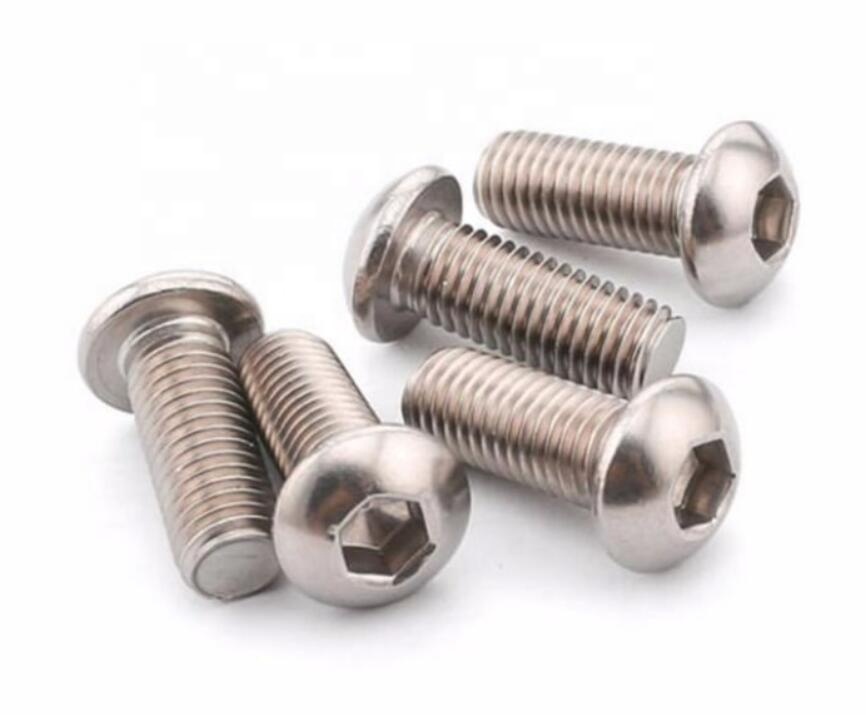
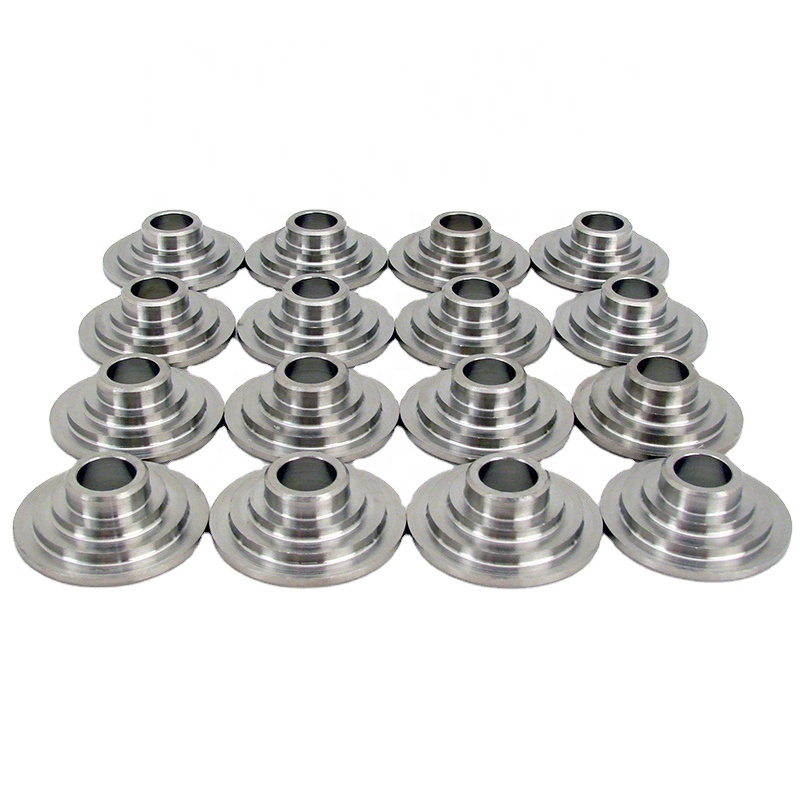
Direct from Baoji factory lines: precision-turned, cold-forged, and rolled-thread titanium components adhering strictly to DIN, ISO, and bespoke OEM/ODM engineering blueprints.
2008
Established in Titanium Valley
34sets
Multi-Axis CNC Equipment
0.005mm
Machining Tolerance Capability
50%+
Senior Staff With 13+ Years Exp
OEM/ODM Capability Baseline
Enterprise Strengths: Direct From China's Titanium Epicenter
Rooted in Gaoya Village Industrial Zone, Baoji, Shaanxi—adjacent to the Baoti Group industrial corridor—our facility blends metallurgical raw material governance with high-end subtractive manufacturing.
Full Sponge-to-Fastener Traceability
Unlike secondary brokers who outsource turning to independent job-shops, our manufacturing process oversees strict incoming bar stock controls verified by chemical composition and mill test certifications conforming to ASTM B348 and AMS 4928 standards.
We eradicate raw material porosity, micro-cracks, and alpha-case embrittlement before machining begins, maintaining a certified chemical record down to individual melt lots.
Cold Thread Rolling vs. Lathe Thread Cutting
Thread integrity is paramount for structural engine cylinder head studs, turbocharger manifolds, and racing suspension assemblies. While typical workshops machine thread roots with cutting tools—severing continuous metallic grain lines—our automated thread rolling dies deform grain flows plastically along profile crests and roots.
This process confers up to a 30% increase in fatigue threshold, eliminating premature cyclical shearing under severe pre-load thermal expansions.
5-Axis CNC Milling & 0.005 mm Tight-Tolerance Turning
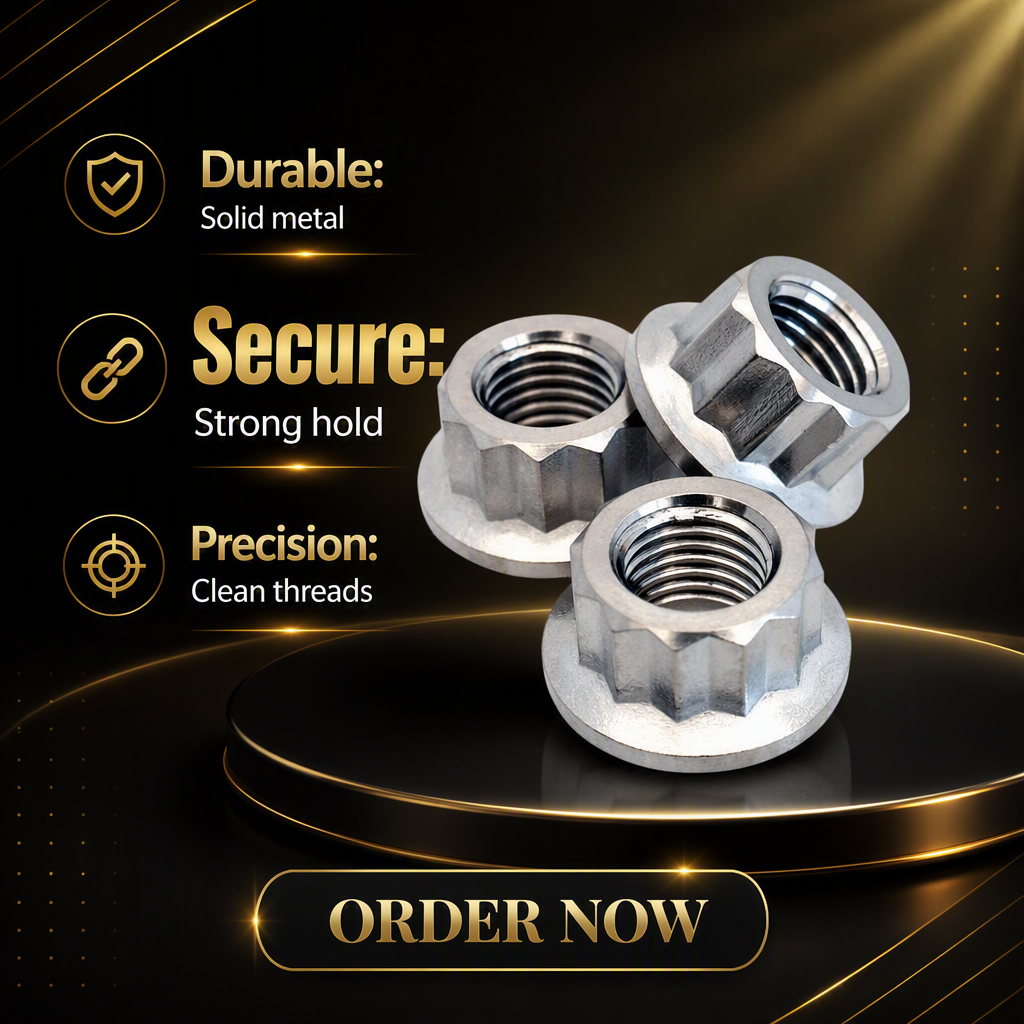
Operating a fleet of 34 multi-axis high-speed CNC centers, we easily execute complex geometries: drive hex sockets, dog-point starters, internal Torx/hexalobular interfaces, and integrated 12-point aero flanges in single-clamping cycles.
Minimizing datum transfers maintains runout and concentricity within 0.005 mm, preventing galling during high-speed pneumatic installations.
Rapid Engineering Turnaround
Our average supplier communication response time is consistently maintained at under 9 hours across European, North American, and Australasian business time zones.
Our internal technical team executes Design For Manufacturability (DFM) analyses within 24 hours of CAD receipt, verifying thread engagement depths and torque values.
Proprietary Anti-Galling Surface Treatments
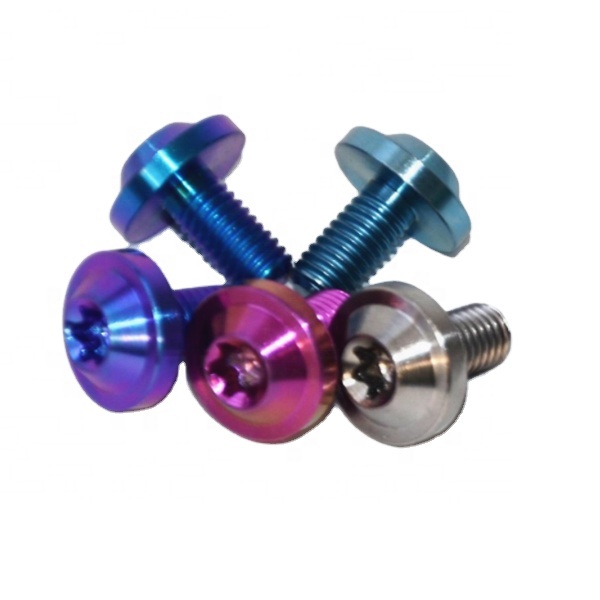
Titanium naturally presents friction risks when assembled dry with mating titanium or stainless alloys. To resolve friction galling, our facility offers in-house Type II Anodizing, Micro-Arc Oxidation (MAO), and PVD (Physical Vapor Deposition) Nitride Coatings.
These surface enhancements deposit dense micro-hardened boundary layers without throwing thread pitch tolerances out of spec.
Bespoke OEM/ODM Packaging & Laser Identification
From private-label laser marking (batch codes, logos, thread pitch diameters) to custom retail clam-shells and blister-packs for aftermarket distribution channels, we facilitate seamless international inventory reception.
Every shipment contains full first-article inspection sheets (FAI), heat number tagging, and complete dimensional compliance data.
Market Foresight & Sourcing Trajectory
Product Engineering Trends & Future Procurement Outlook
In-depth technical analysis for engineering procurement managers planning multi-year supply chain adaptations across global markets.
Trend 1: Accelerated Downsizing and Mass Reduction in EV Powertrains
As electric vehicle architectures migrate from 400V to 800V and above, structural engineers are under immense pressure to strip unnecessary gross vehicle mass to extend battery range. High-stress titanium studs (such as Ti-6Al-4V Grade 5) offer tensile yield points exceeding 880 MPa while cutting component mass by roughly 44% compared to Grade 10.9 and 12.9 alloy steels.
Procurement teams are shifting entire battery cradle enclosures, motor casings, and suspension subframe hardpoints from chromoly steel studs to custom Grade 5 titanium studs to shed weight without sacrificing yield limits.
Trend 2: Extreme Thermal Cycling Fasteners for Forced Induction Systems
Exhaust manifolds, wastegate housings, and turbocharger mounting studs regularly encounter cyclical heat spikes above 700°C. Standard high-tensile steel studs quickly suffer from scaling, thread creep, and thermal-expansion seizing, often snapping during maintenance overhauls.
Grade 5 and specialty modified Grade 660 or Grade 23 titanium studs demonstrate remarkably low thermal expansion coefficients, remaining structurally stable through continuous heat cycles and resisting structural degradation even when exposed directly to aggressive road salts, moisture, and track cleaning chemicals.
Trend 3: Consolidation Around Baoji's Integrated Processing Ecosystem
Procurement directors are systematically bypassing dispersed workshops to centralize supplier accounts within Baoji's core titanium industrial basin. The benefits are clear: direct raw material access, integrated melting, localized ultrasonic bar-stock testing, cold-heading tooling shops, and surface treatment facilities all within a 15-mile operating radius.
This geographic concentration significantly compresses production cycles, stabilizes quotation volatility, and provides continuous, unbroken traceability from raw titanium sponge to packaged studs.
| Titanium Grade | Yield Strength (Min) | Tensile Strength (Min) | Density (g/cm³) | Key Industrial Applications |
|---|---|---|---|---|
| Grade 5 (Ti-6Al-4V / TC4) | 828 MPa | 895 MPa | 4.43 | High-performance engine head studs, wheel conversion studs, caliper mounts, racing chassis. |
| Grade 2 (Commercially Pure) | 275 MPa | 345 MPa | 4.51 | Marine exhaust brackets, subsea electronics casings, desalination and chemical fluid assemblies. |
| Grade 23 (Ti-6Al-4V ELI) | 795 MPa | 860 MPa | 4.43 | Surgical hardware, ultra-cryogenic couplings, high-toughness aerospace retention studs. |
| Custom Cold-Forged Gr5 | 910 MPa (Work Hardened) | 980+ MPa | 4.43 | Sprint car components, top-fuel drag racing head studs, extreme motorsport hubs. |
Procurement Intelligence
Frequently Asked Questions on Titanium Stud Sourcing
Real-world engineering, ordering, and metallurgical answers to streamline your custom quotation process.
How do rolled threads on titanium studs compare to CNC single-point turned threads?
CNC single-point cutting creates clean threads, but it physically severs the grain lines of the titanium alloy, leaving microscopic tool marks that can act as stress concentration points under load. Thread rolling, in contrast, is a cold-working process that plastically displaces the metal between hardened circular or flat rolling dies. This continuous metal flow around crests and roots eliminates micro-notches, burnishes thread surfaces, work-hardens the surface layer, and yields a thread that is roughly 20% to 30% more resistant to fatigue shearing. For high-torque applications—such as engine cylinder head fasteners or wheel hub conversions—we strongly recommend specifying rolled threads.
How do your factories mitigate titanium galling and seizing during assembly?
Because titanium forms a stable, passive oxide film, metal-to-metal friction against identical alloys can break this film and cause cold-welding or galling. We resolve this in three ways: First, by maintaining tight tolerances (within 0.005 mm) to prevent cross-thread interference; second, through surface treatments like Type II industrial anodizing, micro-arc oxidation (MAO), or Physical Vapor Deposition (PVD) titanium nitride/DLC coatings that form a hardened boundary layer; and third, by supplying high-performance molybdenum disulfide, copper-based, or PTFE anti-seize paste alongside our fastener kits for proper field assembly.
What Minimum Order Quantities (MOQs) and lead times apply for custom OEM/ODM prints?
Because we produce bar stock and run multi-axis turning setups in-house, standard inventory titanium studs (such as metric M8, M10, or M12 hex-drive studs) start at just 100 pieces. Bespoke OEM/ODM prints featuring specialized thread pitches (like 1/2-20 UNF to M14 transitions) or custom 12-point heads generally require a batch run of 200 to 500 pieces. Prototypes can be machined and shipped within 7 to 10 working days, with volume batch orders typically completing production in 20 to 30 days, complete with full inspection documentation.
What metallurgical documentation and material inspection reports are provided?
Every shipment is matched to its corresponding ingot melt batch. We provide comprehensive mill test certificates (MTC) in accordance with EN 10204 3.1, showing complete chemical breakdowns (Aluminum, Vanadium, Iron, Carbon, Nitrogen, Hydrogen, and Oxygen contents) as well as mechanical verification (Tensile Strength, Yield Strength, Elongation, and Reduction of Area). We also supply optical comparator dimensional reports, thread gauge sign-offs, and third-party lab testing (such as SGS or TÜV) whenever requested by contract terms.
Can you manufacture dual-thread transition studs (e.g., Metric to Imperial)?
Yes. A substantial portion of our ODM export orders involves dual-thread transition studs, such as converting an engine block's M10x1.25 internal thread to a 3/8-24 UNF wheel stud or turbo manifold runner. Our multi-axis CNC Swiss-type screw machines and CNC lathe cells cut or roll distinct metric and imperial pitches on opposite ends of a single stud in one clamping setup, guaranteeing dead-true coaxial alignment and concentricity under 0.008 mm TIR (Total Indicator Reading).
How does your location in Baoji (China's Titanium Valley) benefit international buyers?
Baoji produces over 60% of China's titanium raw material and roughly 20% of global output, centered around the Baoti Group industrial base. Being situated here gives our engineering team immediate access to aerospace-grade sponge melts, rapid local spectrographic metal analysis, and specialized heat-treatment ovens. This tight-knit ecosystem eliminates inland freight delays and third-party middleman markups, allowing us to pass significant cost savings and shorter production lead times directly to our overseas OEM partners.
Initiate Your OEM/ODM Titanium Stud Project Today
Upload your 2D engineering prints (DWG, PDF) or 3D STEP/IGES models. Our senior design team will complete a manufacturability review, recommend ideal alloy grades and thread-forming strategies, and provide an itemized factory-direct quote within 9 business hours.