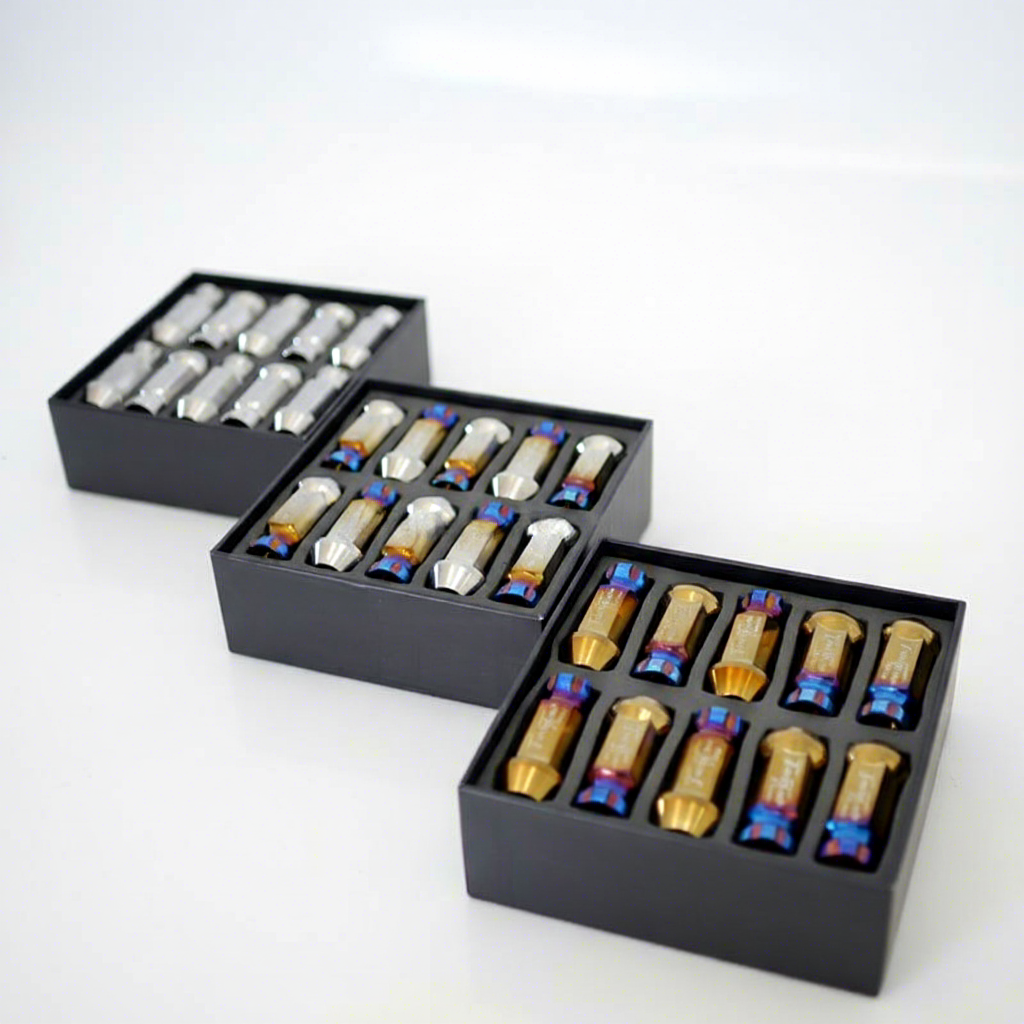
In modern structural engineering, high-performance aerospace assemblies, motorsport racing, and critical medical systems, selecting reliable titanium alloy bolts manufacturers determines the failure margin of entire mechanical ecosystems. Industrial procurement directors face an ever-tightening set of criteria: balancing exceptional strength-to-weight ratios, eliminating galvanic coupling corrosion, maintaining tight thread pitch tolerances down to ±0.005 mm, and ensuring absolute batch-to-batch metallurgical traceability.
Titanium Grade 5 (Ti-6Al-4V, UNS R56400) remains the undisputed gold standard for lightweight structural fasteners. Offering a density of only 4.43 g/cm³—roughly 56% that of structural alloy steel—while delivering minimum tensile yield strengths exceeding 895 MPa, titanium fasteners overcome harmonic vibration, cyclical fatigue, and thermal stress in high-demand operating envelopes. This procurement guide evaluates the global manufacturing ecosystem, analyzes technical evaluation criteria, showcases factory-direct precision parts, and outlines key supply chain forecasts through 2030.
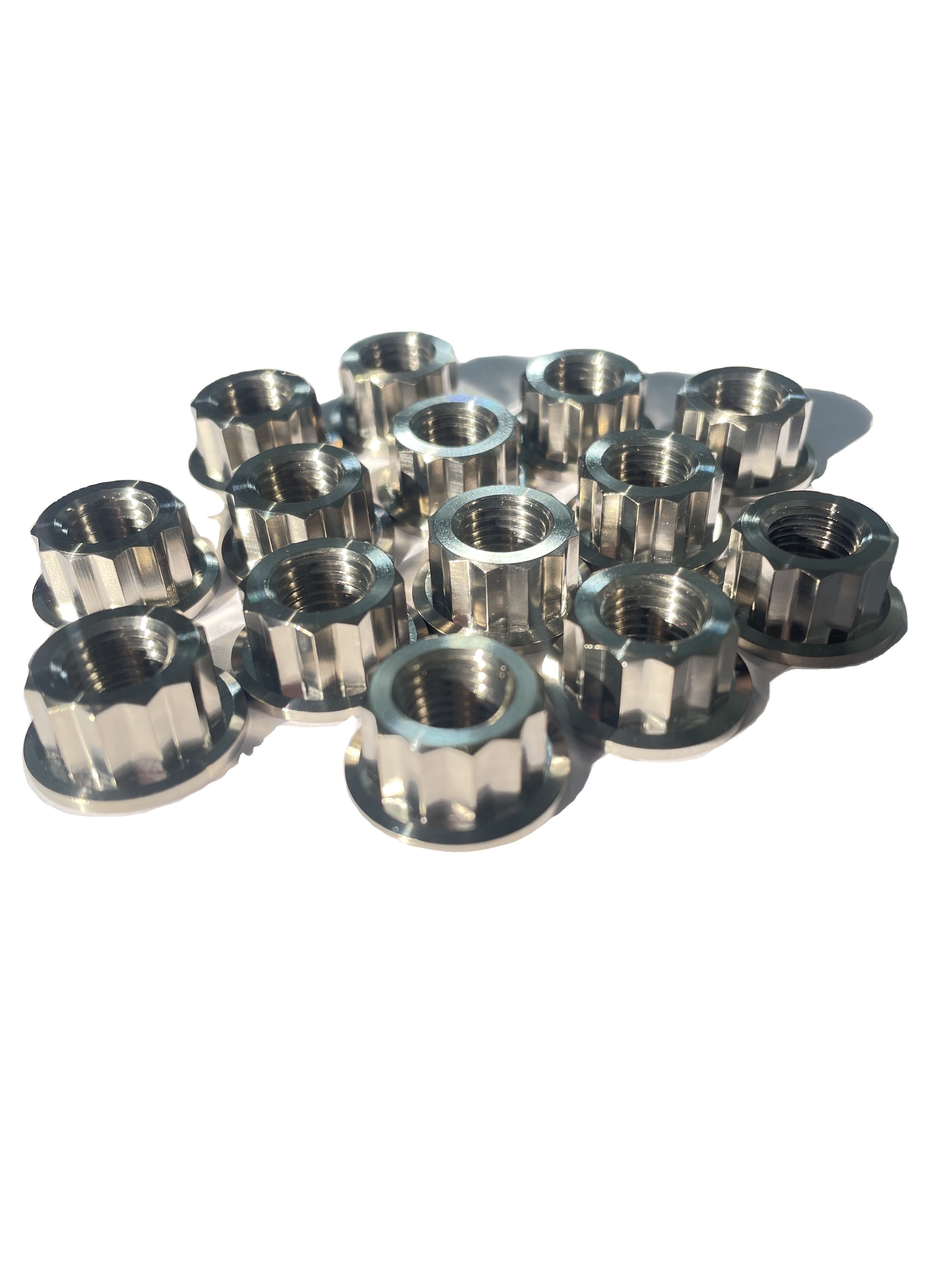
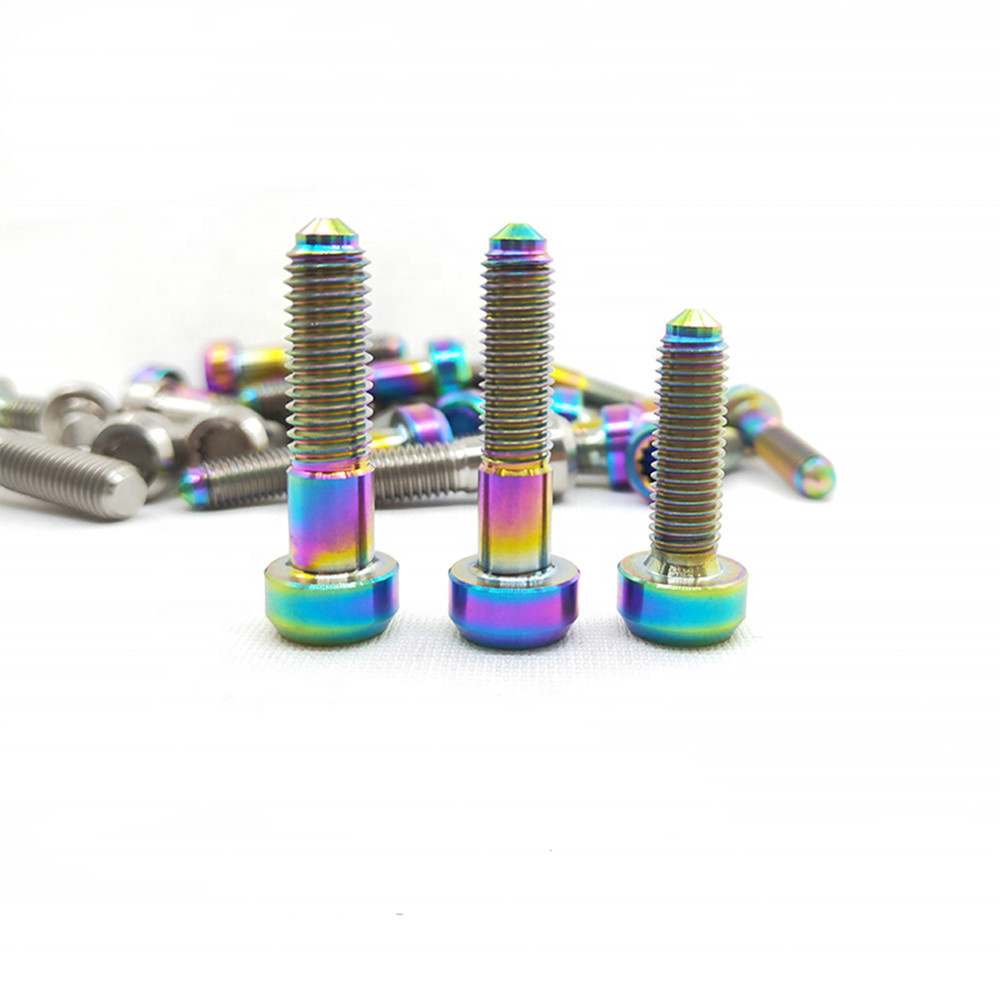
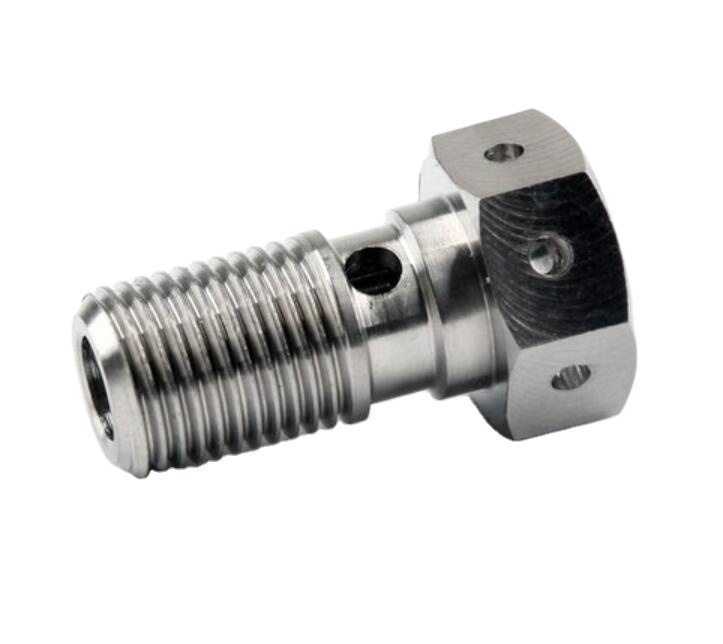
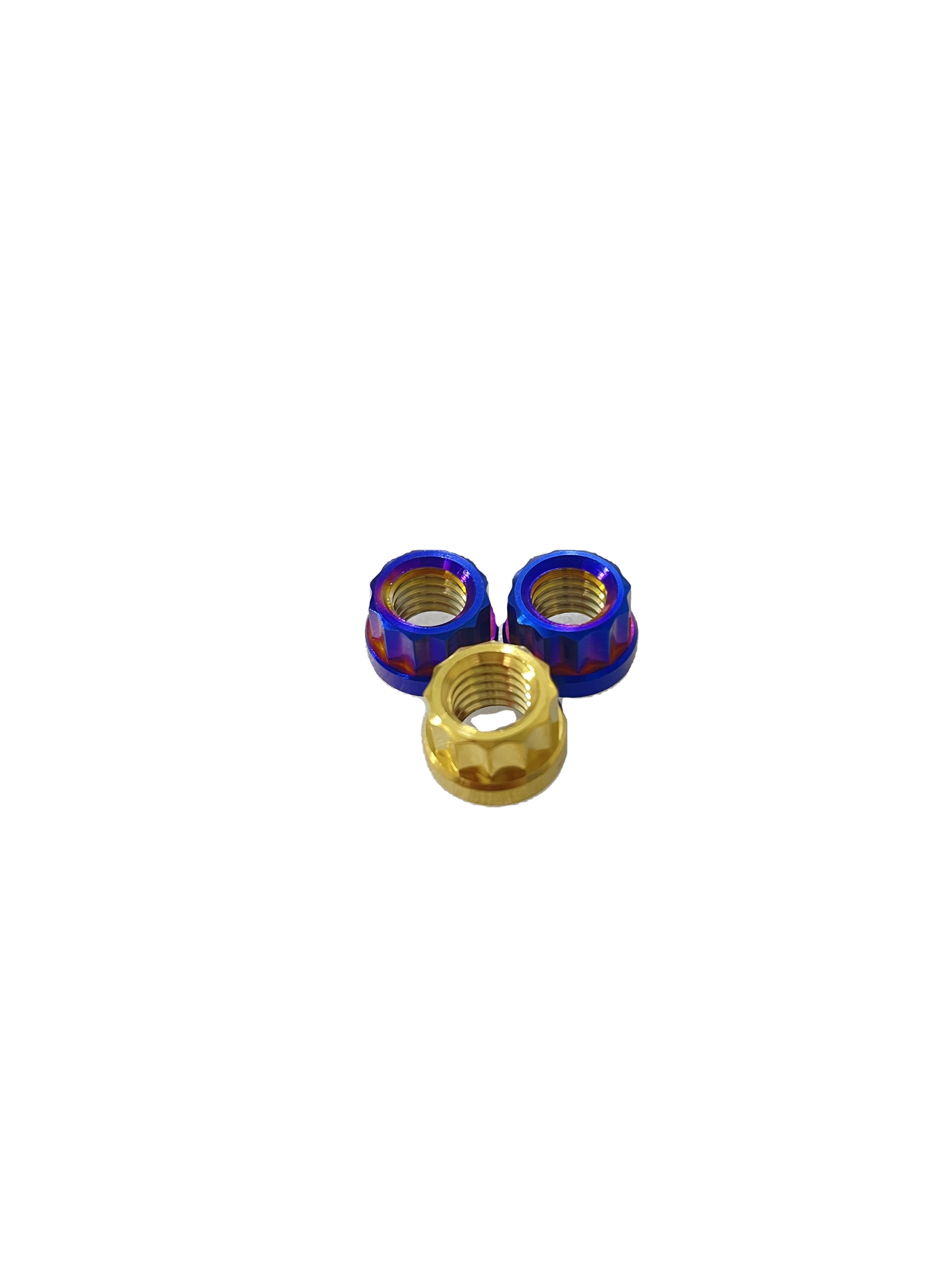
Factory-Direct Titanium Fasteners & Precision Components
Aerospace-grade Ti-6Al-4V Grade 5 fasteners engineered for elite motorsport, subsea mechanics, and structural defense platforms.
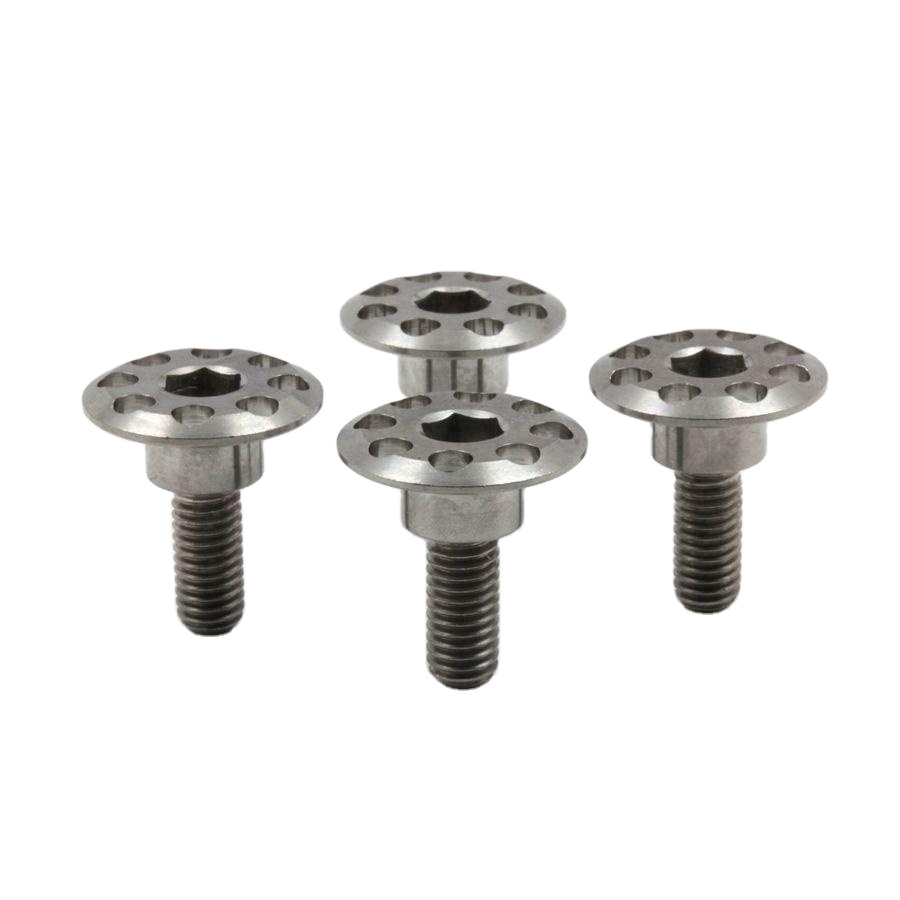
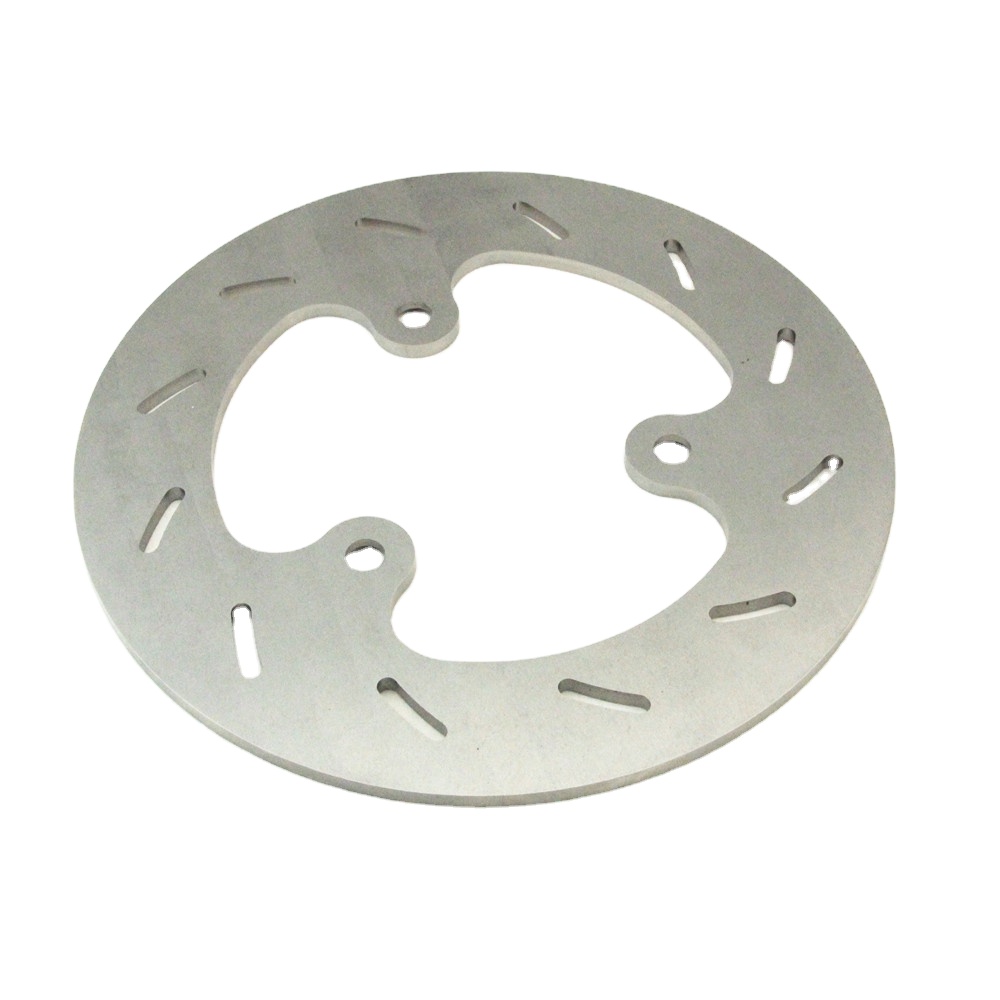
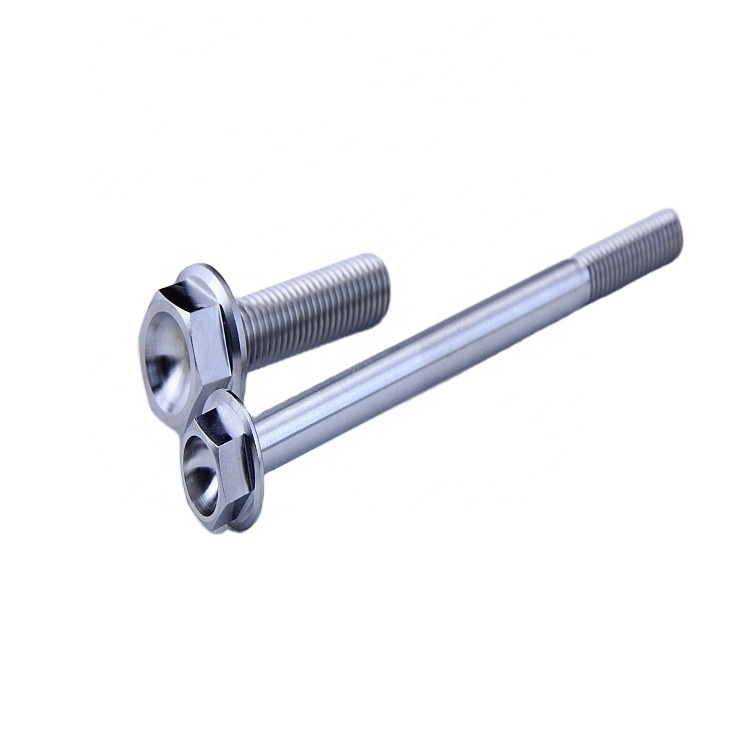
Engineering Material Matrix: Ti-6Al-4V vs. High-Tensile Steel
Direct metallurgical comparison demonstrating how Grade 5 titanium optimizes tensile performance, fatigue boundaries, and structural mass.
| Mechanical & Physical Property | Ti-6Al-4V Grade 5 (TC4 Annealed) | Grade 10.9 Alloy Steel | Grade 12.9 Structural Steel | Stainless Steel 316 / A4-80 |
|---|---|---|---|---|
| Density (g/cm³) | 4.43 g/cm³ (Ultralight) | 7.85 g/cm³ | 7.85 g/cm³ | 8.00 g/cm³ |
| Yield Strength (MPa, Min) | 828–880 MPa | 940 MPa | 1,100 MPa | 600 MPa |
| Tensile Strength (MPa) | ≥ 895–1,000 MPa | 1,040 MPa | 1,220 MPa | 800 MPa |
| Specific Strength (kNm/kg) | 212 kNm/kg | 132 kNm/kg | 155 kNm/kg | 100 kNm/kg |
| Modulus of Elasticity (GPa) | 114 GPa (Superior Damping) | 210 GPa | 210 GPa | 193 GPa |
| Chloride Pitting Resistance | Immune at ambient temps | Severe pitting without zinc/cad | Severe pitting without plating | Susceptible to crevice pitting |
| Thermal Expansion (10⁻⁶/K) | 8.6 (High thermal match with carbon fiber) | 11.7 | 11.2 | 16.0 |
Top 10 Titanium Alloy Bolts Manufacturers & Suppliers
An analytical overview of the primary manufacturing powerhouses shaping aerospace fasteners, commercial CNC hardware, and custom racing components worldwide.
1. Vunza Titanium Industry Co., Ltd. (China)
Headquarters: Baoji, Shaanxi, China (China Titanium Valley) | Founded: 2008
Situated adjacent to Baoti Group Industrial Park, Vunza leverages an end-to-end integrated manufacturing base spanning raw titanium sponge procurement to high-precision CNC finished fasteners. With 34 sets of 3-, 4-, and 5-axis CNC machining centers, automated thread rolling cells, and cleanroom anodizing lines, Vunza specializes in custom Ti-6Al-4V Grade 5 fasteners, racing wheel assemblies, multi-axis brake rotors, and medical components machined to ±0.005 mm tolerances. Over 50% of the manufacturing team possesses over 13 years of specialized non-ferrous machining experience.
Core Specialization:
Racing Fasteners, Custom High-Precision Turning & Milling, Medical Alloys.
2. Howmet Aerospace (USA)
Headquarters: Pittsburgh, Pennsylvania, USA | Domain: Commercial & Defense Aviation
Holding an extensive portfolio of aerospace fastener patents, Howmet (formerly part of Alcoa/Arconic) manufactures ultra-high-reliability titanium blind bolts, lockbolts, and specialized pin systems for commercial jet airframes. Their production processes adhere strictly to AS9100 and NADCAP standards, handling rigorous flight certification cycles for OEM primes like Boeing and Airbus.
Core Specialization:
Aerospace Structural Blind Fasteners, HuckBolts, Airframe Fastening Systems.
3. LISI AEROSPACE (France)
Headquarters: Paris, France | Domain: Global Aerospace & Defense
Ranked among the premier European tier-one fastener suppliers, LISI produces millions of high-integrity titanium threaded bolts, clips, and specialized shear pins annually. Their metallurgical laboratories lead investigations into thread grain-flow alignment, ensuring titanium bolts withstand long-duration vibrational fatigue in military aircraft and helicopter rotor assemblies.
Core Specialization:
Threaded Engine Fasteners, Airframe Structural Hardware, Composite Fasteners.
4. Precision Castparts Corp. (PCC Fasteners / SPS) (USA)
Headquarters: Portland, Oregon, USA | Domain: Critical Mission Hardware
A subsidiary of Berkshire Hathaway, PCC encompasses brands like SPS Technologies and Cherry Aerospace. PCC's titanium fastener divisions specialize in critical hot-gas paths, engine nacelles, and heavy structural titanium pins requiring proprietary forging techniques to ensure uninterrupted grain boundary continuity under shear stresses.
Core Specialization:
Superalloy & Titanium Fasteners, Gas Turbine Hardware, High-Fatigue Threading.
5. B&B Specialties, Inc. (USA)
Headquarters: Anaheim, California, USA | Domain: Military & Mil-Spec MS/NAS/AN
B&B Specialties is a specialized cold-heading and hot-forging manufacturer focusing on exotic alloys, notably Titanium Ti-6Al-4V, 6Al-2Sn-4Zr-2Mo, and commercially pure variants. They supply built-to-print military standard fasteners (NAS, MS, AN specs) with full lot traceability, liquid penetrant testing (NDT), and documented metallurgy.
Core Specialization:
Mil-Spec Aerospace Fasteners, Hot-Headed Titanium Socket Head Screws.
6. Böllhoff Group (Germany)
Headquarters: Bielefeld, Germany | Domain: Industrial Fastener Engineering
Böllhoff represents German fastener engineering excellence, offering innovative joining solutions across the automotive, maritime, and renewable energy sectors. While renowned for thread reinforcement inserts, Böllhoff's custom engineering wing develops titanium threaded assemblies designed to prevent galvanic corrosion when mating carbon fiber-reinforced plastics (CFRP) to aluminum frames.
Core Specialization:
Automotive Lightweight Joining, Thread Locking Systems, Hybrid Material Bolts.
7. Automotive Racing Products (ARP) (USA)
Headquarters: Santa Paula, California, USA | Domain: Elite Motorsport & Drag Racing
ARP is synonymous with premier internal engine fasteners. Their specialized titanium division manufactures connecting rod bolts, flywheel bolts, and cylinder head studs designed to eliminate cyclical thread stretch under extreme cylinder combustion pressures. ARP employs zero-defect manufacturing with centerless ground shanks and hot-rolled threads post-heat-treatment.
Core Specialization:
Engine Connecting Rod Bolts, Cylinder Head Studs, Extreme Tensile Fasteners.
8. Ti64 Racing Components (USA)
Headquarters: Mooresville, North Carolina, USA | Domain: NASCAR, IndyCar & Sprint Car
Specializing in titanium hardware conversions for competitive racing circuits, Ti64 manufactures sprint car spindle bolts, titanium rear axle nuts, and internal chassis hardware kits. They prioritize uncompromised unsprung mass reduction, providing CNC-machined titanium hardware calibrated to eliminate rotating inertia on racing drive lines.
Core Specialization:
Sprint Car Bolt Kits, Titanium Brake Rotor Drive Pins, Chassis Pivot Pins.
9. Pro-Bolt International (UK)
Headquarters: Gloucestershire, United Kingdom | Domain: MotoGP, Superbike & Aftermarket
Supplying top-tier World Superbike and MotoGP paddock engineering squads, Pro-Bolt is widely recognized for aesthetically flawless, race-spec titanium hardware. Their portfolio includes pre-drilled safety wire race-spec hex heads, flanged disc rotor bolts, and proprietary DLC (Diamond-Like Carbon) low-friction coated caliper mounts.
Core Specialization:
Race-Spec Drilled Hex Flange Bolts, Caliper Mounts, PVD Color-Finished Hardware.
10. TitanX Precision Fasteners (Japan)
Headquarters: Osaka, Japan | Domain: Precision Subsea, Marine & Semiconductor
Specializing in micro-scale and high-precision marine-grade titanium fasteners, TitanX focuses on cold-heading miniature titanium fasteners down to M1.2 sizes. Their primary end-use sectors include marine exploration sensor bodies, cryogenic robotic tooling, and chemically aggressive semiconductor wafer washing chambers where iron contamination cannot be tolerated.
Core Specialization:
Miniature Precision Titanium Bolts, Semiconductor Fasteners, Subsea Grade 2 & 5 Hardware.
Manufacturing Authority & Factory Footprint
Engineering capacity, quality control infrastructure, and global service capabilities rooted in China's Titanium Valley.
Selecting an industrial titanium fastener manufacturing partner requires evaluating shop-floor execution, technical capability, and verifiable raw material provenance. Vunza Titanium Industry Co., Ltd. offers procurement teams significant advantages by eliminating intermediary distributor markups while enforcing strict dimensional and metallurgical quality controls:
34 Multi-Axis CNCs
Equipped with high-rigidity 3-, 4-, and 5-axis CNC machining centers capable of maintaining ultra-strict tolerances down to ±0.005 mm on complex geometries.
Sponge-to-Part QC
Complete material control from certified 100% pure titanium sponge to vacuum arc remelting (VAR), ingot extrusion, thread-rolling, and final dimensional inspection.
13+ Years Veteran Staff
More than 50% of workshop technicians possess over 13 years of practical experience machining reactive titanium alloys, preventing work hardening and burr formation.
≤9-Hour Response Time
Dedicated sales engineering staff provides complete DFM (Design for Manufacturability) feasibility feedback and quotation pricing within 9 hours on business days.
Future Sourcing & Procurement Trends (2025–2030)
Technological transformations reshaping non-ferrous hardware specifications, quality assurance, and international vendor audits.
1. Shift to Rolled Threads Over Cut Threads
Fatigue failure accounts for over 85% of dynamic fastener ruptures. Cut threads interrupt the internal grain structure of titanium, introducing micro-notch stress concentration sites. By contrast, precision hot and warm thread-rolling processes induce continuous grain-flow continuity and compressive residual surface stresses. As a result, fatigue life improves by 30% to 50% under cyclical shear and tensile loads. Global buyers across aerospace and motorsport sectors increasingly require certified thread-rolling profiles over lathe-cut threads.
2. Functional PVD & Anti-Galling Coatings
Titanium is inherently susceptible to surface galling (cold-welding) when driven under high installation torque against identical titanium or stainless steel female threads. Sourcing trends prioritize advanced thin-film surface engineering: Physical Vapor Deposition (PVD) Titanium Nitride (TiN), Titanium Carbo-Nitride (TiCN), and Diamond-Like Carbon (DLC). These coatings reduce thread friction coefficients below 0.12, allow consistent torque-tension preloads, and prevent recurring thread seizure without requiring messy anti-seize paste.
3. Digital Provenance & Raw Sponge Traceability
Driven by tightening ISO 9001, AS9100, and ASTM F136 regulations, procurement teams require end-to-end digital paper trails. Scrap recycling contamination remains a critical vulnerability when purchasing from unverified intermediary brokers. Direct partnership with established Baoji manufacturers ensures true raw-sponge traceability, verified Melt Test Certificates (MTC EN 10204 3.1), chemical spectrographic analysis, and ultrasonic internal void detection on every incoming titanium billet.
Manufacturing Evolution: Multi-Axis CNC vs. High-Volume Cold Heading
Choosing the optimal production methodology based on volume thresholds, geometric complexity, and production lead times.
Manufacturing titanium alloy hardware presents unique challenges due to low thermal conductivity and rapid work-hardening characteristics. Unlike standard carbon steels, titanium does not dissipate cutting friction through chips; heat remains concentrated at the tool-workpiece interface. Evaluating whether your part demands precision CNC machining or high-speed cold heading requires analyzing order volume, lead times, and structural requirements:
- Multi-Axis CNC Machining (Turning & 5-Axis Milling): The preferred manufacturing pathway for high-precision components, racing disc rotors, custom 12-point lightweight flange bolts, and prototype-to-medium runs (10 to 5,000 pieces). CNC machining eliminates expensive tooling and die creation costs, allows complex internal weight-relieving pockets (e.g., gun-drilled bolt centers and skeletonized hex heads), and maintains strict dimensional tolerances down to ±0.005 mm.
- Automated Cold & Warm Heading: Best suited for massive serial manufacturing contracts exceeding 50,000 units with standardized geometries (DIN 912, DIN 933). Because Grade 5 titanium exhibits high yield strength and limited room-temperature ductility, heading requires specialized induction pre-heating (warm heading) to prevent localized shearing along bolt heads. Tooling costs are substantially higher, with longer prototype qualification cycles.
Frequently Asked Sourcing Questions (FAQ)
Engineering, metallurgical, and international logistics answers addressing common procurement inquiries.
What is the technical difference between Grade 2 and Grade 5 titanium bolts?
Grade 2 Titanium is commercially pure (CP) titanium with minimum yield strengths around 275–345 MPa. It provides exceptional corrosion resistance in seawater, chemical processing, and industrial marine environments, but lacks the structural strength required for dynamic mechanical loads.
Grade 5 Titanium (Ti-6Al-4V, TC4) is an alpha-beta alloy containing 6% aluminum and 4% vanadium. It delivers minimum tensile strengths of ≥895 MPa and yields around 828 MPa—comparable to Class 10.9 high-tensile steel—making it the mandatory standard for automotive suspension, engine studs, brake rotors, and aerospace airframe fasteners.
Grade 5 Titanium (Ti-6Al-4V, TC4) is an alpha-beta alloy containing 6% aluminum and 4% vanadium. It delivers minimum tensile strengths of ≥895 MPa and yields around 828 MPa—comparable to Class 10.9 high-tensile steel—making it the mandatory standard for automotive suspension, engine studs, brake rotors, and aerospace airframe fasteners.
How do you prevent thread galling during high-torque titanium bolt installation?
Thread galling occurs when friction generates localized micro-welding along the contact flanks of male and female threads. This can be mitigated through three primary methods:
- Surface Treatment: Specify PVD coatings (TiN, DLC, CrN) or micro-arc oxidation, which harden surface layers up to HV 2000+.
- Thread Rolling: Rolled threads feature significantly lower surface roughness (Ra < 0.4 µm) compared to cut threads, reducing abrasive friction.
- Anti-Seize Lubrication: Apply molybdenum disulfide or specialized nickel-based anti-seize paste during torquing, adjusting torque values by 10%–15% to compensate for reduced friction coefficients.
What machining tolerances can Vunza achieve on custom CNC titanium components?
Across our fleet of 34 multi-axis (3-, 4-, and 5-axis) CNC machining centers, our standard operational tolerance is ±0.01 mm, with capability down to ±0.005 mm for critical bore diameters, concentricity, and specialized aerospace thread pitches. Every critical dimension is validated against customer 2D engineering drawings using optical profile projectors, micrometers, and thread go/no-go plug gauges.
Can Vunza manufacture custom non-standard fasteners from 2D/3D CAD drawings?
Yes. Over 60% of our production volume comprises custom, non-standard, and build-to-print fasteners. Our senior R&D engineering team directly reviews STEP, IGES, DXF, or native SolidWorks files to evaluate DFM optimization, recommended fillet radii, weight-saving drive options (TORX, 12-point, drilled socket), and specialized color anodizing or laser marking requirements.
What Minimum Order Quantities (MOQ) and production lead times apply for overseas orders?
Our MOQ structure adapts to project scale:
- Complex Custom CNC Parts (e.g., Brake Rotors, Rod Ends): Low MOQs starting at 10 to 50 pieces.
- Standard & Custom Fasteners (Bolts, Nuts, Studs): Typically 100 to 500 pieces depending on diameter and thread complexity.
- Lead Times: Prototype samples typically ship within 7–12 business days; mass production runs average 3 to 4 weeks depending on surface treatment requirements.
Connect Directly with Our Titanium Fastener Engineers
Send your 2D/3D engineering drawings or custom BOM specifications. Our technical engineering division in Baoji will evaluate manufacturability, recommend optimal titanium grades, and supply a competitive factory-direct quote within 9 hours.