Featured Titanium Fasteners & CNC Components
Direct from China's Titanium Valley: High-tensile Grade 5 (Ti-6Al-4V) and Grade 2 commercial titanium mechanical fasteners engineered to DIN, ISO, and bespoke OEM specifications.
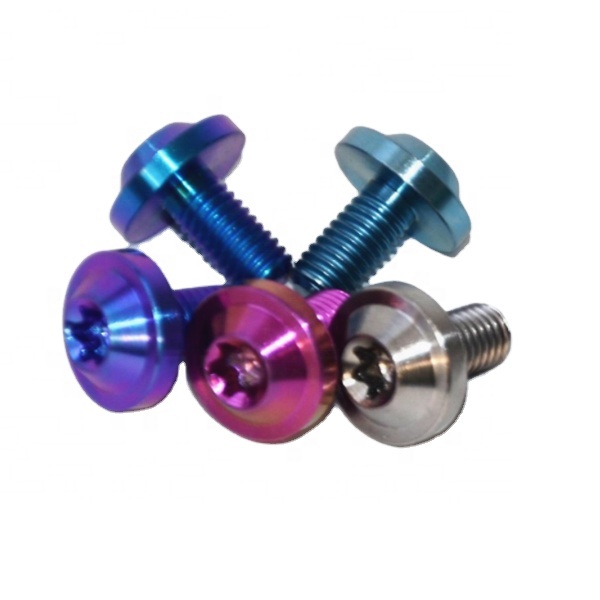
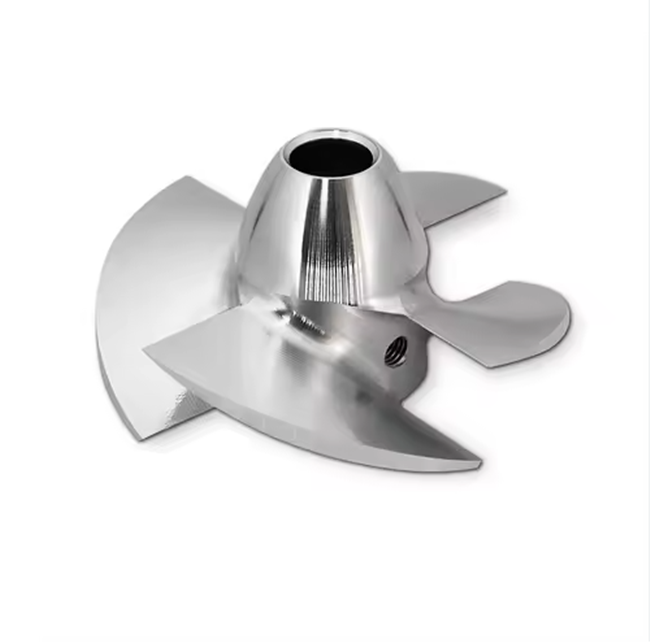
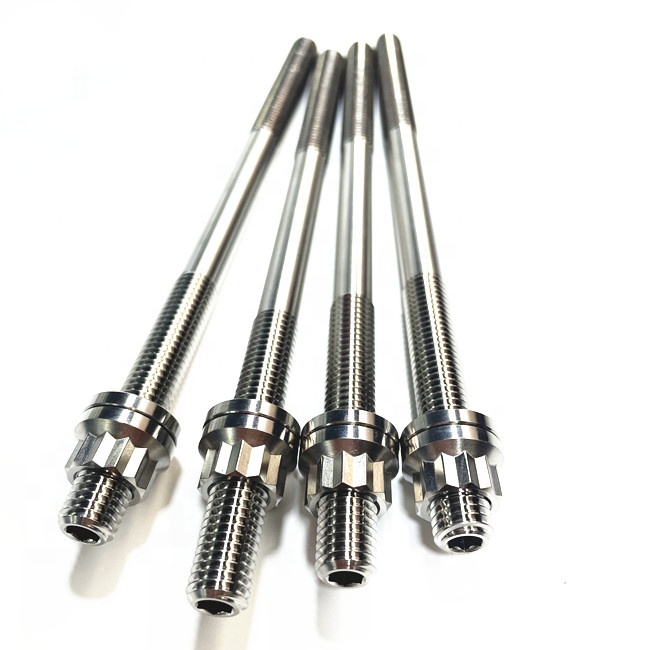
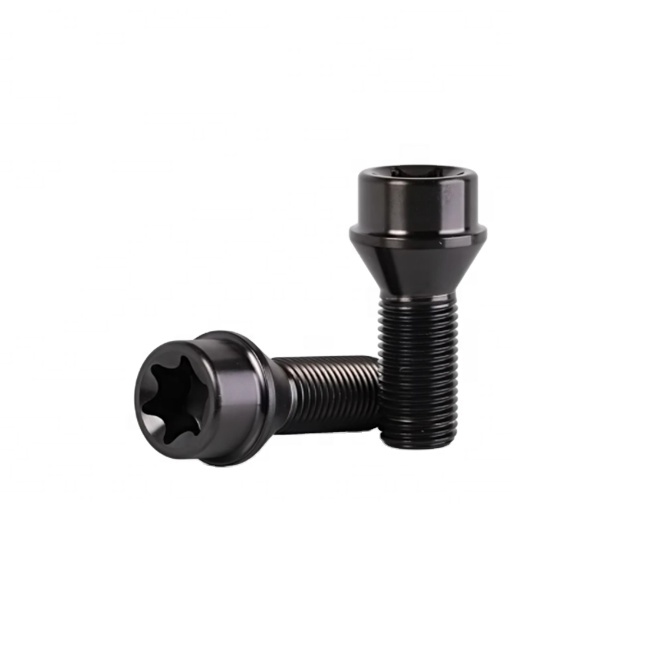
Global Sourcing Guide: Top 10 Titanium Carriage Bolts Manufacturers
Mechanical engineers, structural marine designers, and defense procurement directors encounter unique fastener challenges when specifying titanium carriage bolts (coach bolts). Here is an authoritative evaluation of the premier global manufacturing sources.
Carriage bolts—characterized by their shallow, round dome head and square neck directly underneath—operate on a self-locking mechanism within square pre-punched metal plates or structural composite timber frames. While mild steel or 304/316 austenitic stainless steel carriage bolts are ubiquitous in standard construction, critical applications across deep-sea marine exploration, defense drones, electrochemical tanks, and elite competitive motorsport require Titanium Carriage Bolts (Grade 5 Ti-6Al-4V / Grade 2 Commercially Pure). Sourcing these components demands specialized cold-heading and multi-axis CNC turn-mill expertise due to titanium's pronounced work-hardening rate, low thermal conductivity, and high spring-back characteristics.
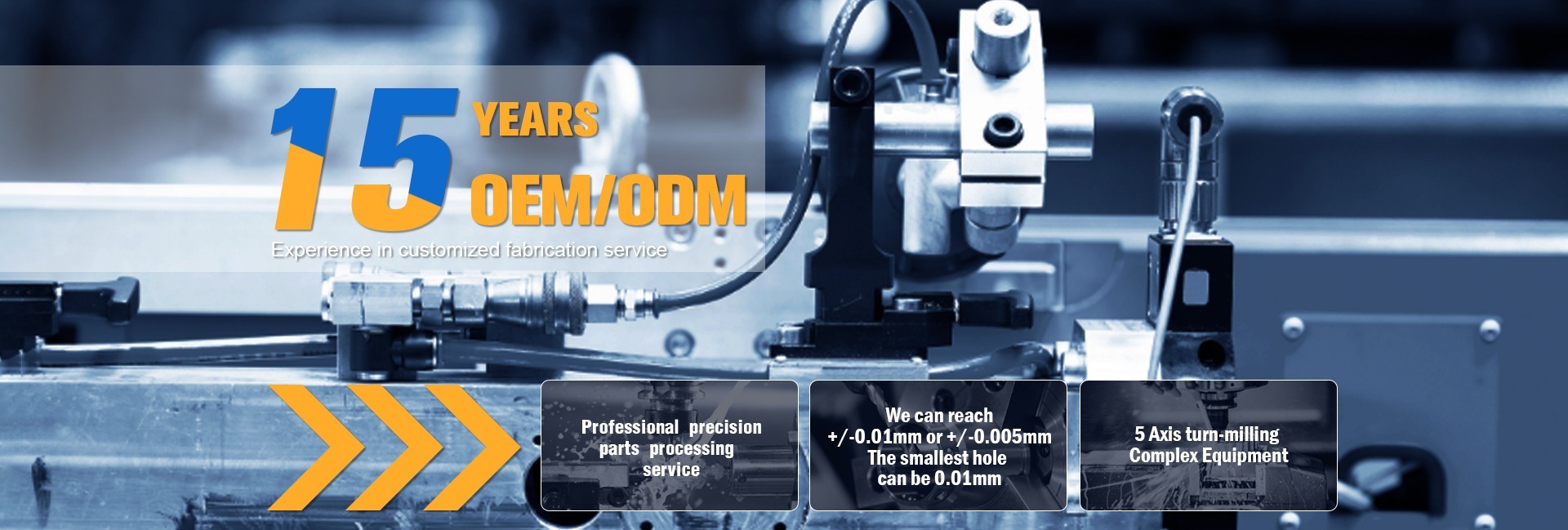
To assist global procurement officers in vetting verified, qualified suppliers capable of holding tight metallurgical integrity and dimensional tolerances (±0.005 mm), our supply chain audit ranks the world's leading manufacturers based on production machinery, material traceability, certified testing regimes, and delivery capabilities.
Vunza Titanium Industry Co., Ltd.
LISI Aerospace
Böllhoff Group
Nitto Seiko Co., Ltd.
Pro-Bolt International
Bossard Group
B&G Manufacturing Co.
Poggipolini S.p.A.
Agrati Group
Baoji Titanium Valley Precision Consortium (Export Division)
Titanium Carriage Bolt Metallurgy & Mechanical Performance
Comparing Grade 5 (Ti-6Al-4V TC4) against Grade 2 Commercial Pure and 316 Stainless Steel across yield strength, fatigue endurance, and shear loads.
A carriage bolt relies on the geometry of its square neck to lock into place within a matching square slot, preventing rotation while a mating nut is torqued down from the opposite side. When manufactured from titanium, the square-to-shank junction becomes a region of critical shear stress concentration. If machined via sub-par turning methods, micro-notch sensitivity can result in stress risers. Quality manufacturers like Vunza eliminate this risk through 5-axis CNC radius relief profiling and cold thread rolling, which densifies the grain structure rather than interrupting it.
| Property / Characteristic | Grade 5 Titanium (Ti-6Al-4V) | Grade 2 Titanium (Pure) | 316 Marine Stainless | Grade 8.8 Alloy Steel |
|---|---|---|---|---|
| Ultimate Tensile Strength (UTS) | ≥ 895 – 1,000 MPa | ≥ 345 – 450 MPa | 515 – 620 MPa | 800 – 830 MPa |
| Yield Strength (0.2% Offset) | ≥ 828 MPa | ≥ 275 MPa | 205 – 290 MPa | 640 – 660 MPa |
| Density (ρ) | 4.43 g/cm³ (44% weight cut) | 4.51 g/cm³ | 8.00 g/cm³ | 7.85 g/cm³ |
| Modulus of Elasticity (E) | 110 – 114 GPa | 103 – 107 GPa | 193 GPa | 205 GPa |
| Seawater Pitting Resistance | Immune (PREN > 40 equivalent) | Immune (< 100°C) | Vulnerable to crevice attack | Severe rapid oxidation |
| Galling Tendency | Moderate (Prevented by PVD/MoS2) | High (Requires dry lube) | High (Galls under high speed) | Low |
| Magnetic Permeability | 1.00005 (Non-magnetic) | 1.00005 (Non-magnetic) | 1.005 – 1.015 (Slightly magnetic) | Ferromagnetic (> 100) |

Future Procurement Trends in Titanium Carriage Bolts
How emerging composite airframes, offshore renewable energy, and automated assembly are redefining procurement standards.
1. Carbon Fiber (CFRP) Integration
Galvanic corrosion between carbon fiber reinforced polymers and standard steel fasteners is catastrophic. Titanium shares an almost identical electrochemical potential with graphite, positioning Grade 5 carriage bolts as the gold standard for composite aerospace and hypercar chassis.
2. Nano-PVD Anti-Galling Coatings
Historical titanium bolt sourcing suffered from galling during rapid tightening. Procurement guidelines for 2025+ mandate physical vapor deposition (PVD) coatings like Diamond-Like Carbon (DLC) and Titanium Nitride (TiN) to lower friction coefficients below 0.15 without liquid anti-seize.
3. Hybrid Cold-Forged CNC Machining
While pure CNC machining from hex stock was historically popular for prototyping, volume production now embraces warm-heading of the dome and square neck, followed by 5-axis CNC finishing. This hybrid flow increases shear fatigue resistance by over 35%.
4. Sponge-to-Part Digital Traceability
Procurement teams require total visibility into material origins. Buyers are abandoning unverified intermediaries in favor of vertically integrated manufacturers located in certified titanium hubs where sponge lot chemistry and EN 10204 3.1 mill test certs accompany each batch.
Vunza Titanium: Advanced Engineering & Factory Direct Credentials
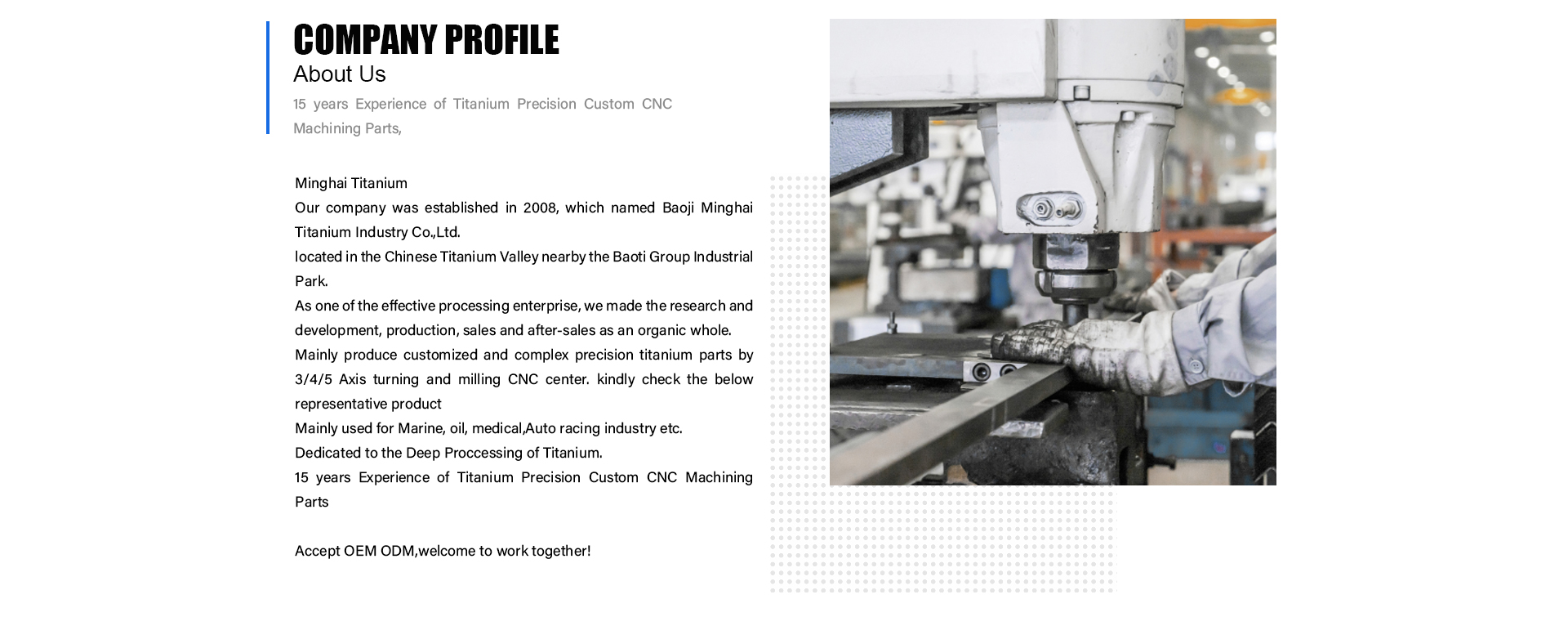
Operating from Baoji, Shaanxi since 2008, Vunza integrates raw material metallurgy, multi-axis machining, and complete fastener testing under one roof.
Strategic Baoji Supply Chain Location
Situated in Gaoya Village Industrial Zone adjacent to the Baoti Group, Vunza enjoys immediate access to high-purity titanium sponge, vacuum arc melting furnaces, and specialized rare metal testing centers. This geographic advantage eliminates raw material supply chain delays.
Sponge-to-Part Strict QC Control
Every production batch begins with chemical spectrometry and tensile verification. In-process go/no-go thread gauges, concentricity checkers, and CMM dimensional scanning ensure that carriage bolt square necks and dome radii align precisely with ISO/DIN engineering drawings.
Rapid DFM & 9-Hour Engineering Response
With 13 continuous years of verified export credentials and a 5.0/5 average buyer satisfaction score, our in-house engineering team provides Design for Manufacturability (DFM) reviews, custom tooling estimates, and sample turnaround within 9 hours on business days.
Frequently Asked Questions: Titanium Carriage Bolts
Comprehensive metallurgical, operational, and commercial answers for chief engineers and global procurement heads.
1. What is the key advantage of a Titanium Carriage Bolt over 316 Stainless Steel? +
2. How do you prevent thread galling during titanium carriage bolt installation? +
3. Why are rolled threads superior to cut threads on titanium carriage bolts? +
4. What are the dimensional tolerances maintained on the square neck under the carriage head? +
5. Can Grade 2 commercially pure titanium be used for carriage bolts, or is Grade 5 mandatory? +
6. What is the Minimum Order Quantity (MOQ) and sample lead time for bespoke carriage bolts? +
7. What material certifications and QA documentation accompany each export shipment? +
8. How does Vunza assist engineers during the Design For Manufacturability (DFM) phase? +
Request an Engineering Review & Quotation
Need custom titanium carriage bolts, high-shear racing fasteners, or 5-axis CNC machined components built to tight tolerances (±0.005 mm)? Speak directly with our application engineers in Baoji's Titanium Valley today.