Engineered Titanium Fasteners & Racing Assemblies
Factory-direct Ti6Al4V Grade 5, DIN 7991 countersunk bumper bolts, 12-point lightweight flange nuts, and CNC precision sprint components built for extreme shear-stress and aerodynamic flush-mount environments.
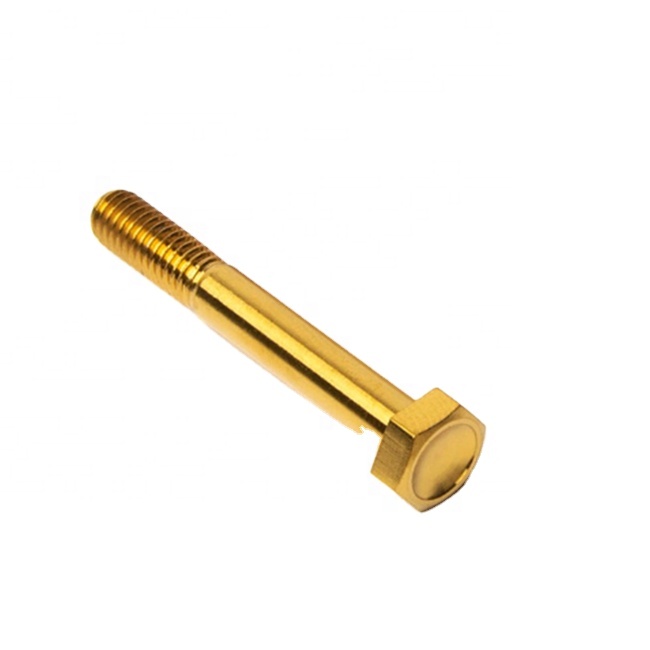
Customized Forged 10-32 X1 1/2" Inch UNF HEX Titanium BAR Bumper Bolt Sprint Car Midget Micro Race Car DIN 7991 Grade5
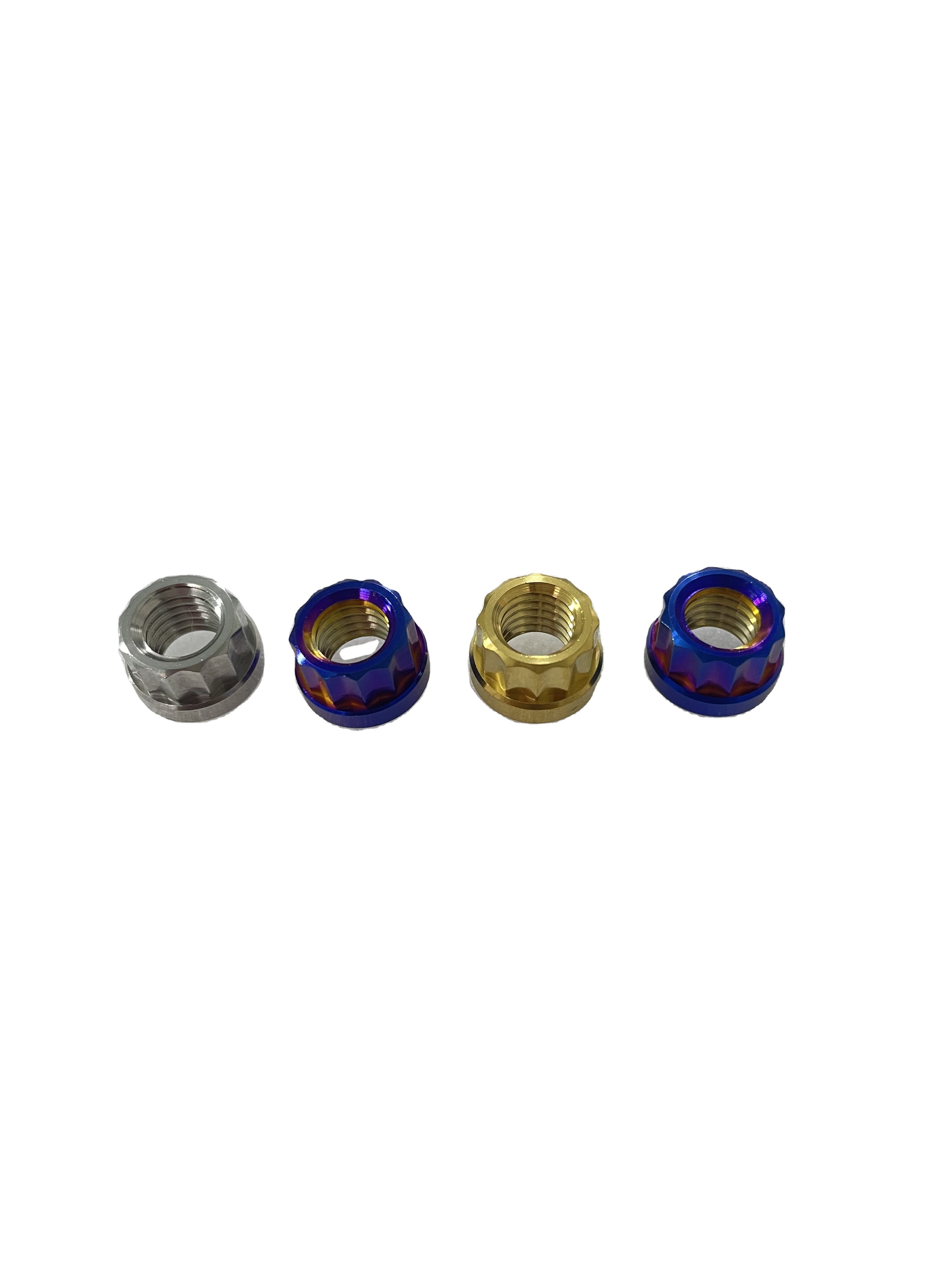
Polished Gr5 Titanium 12 Point Flange Nut M10X1.25 for Automotive Racing
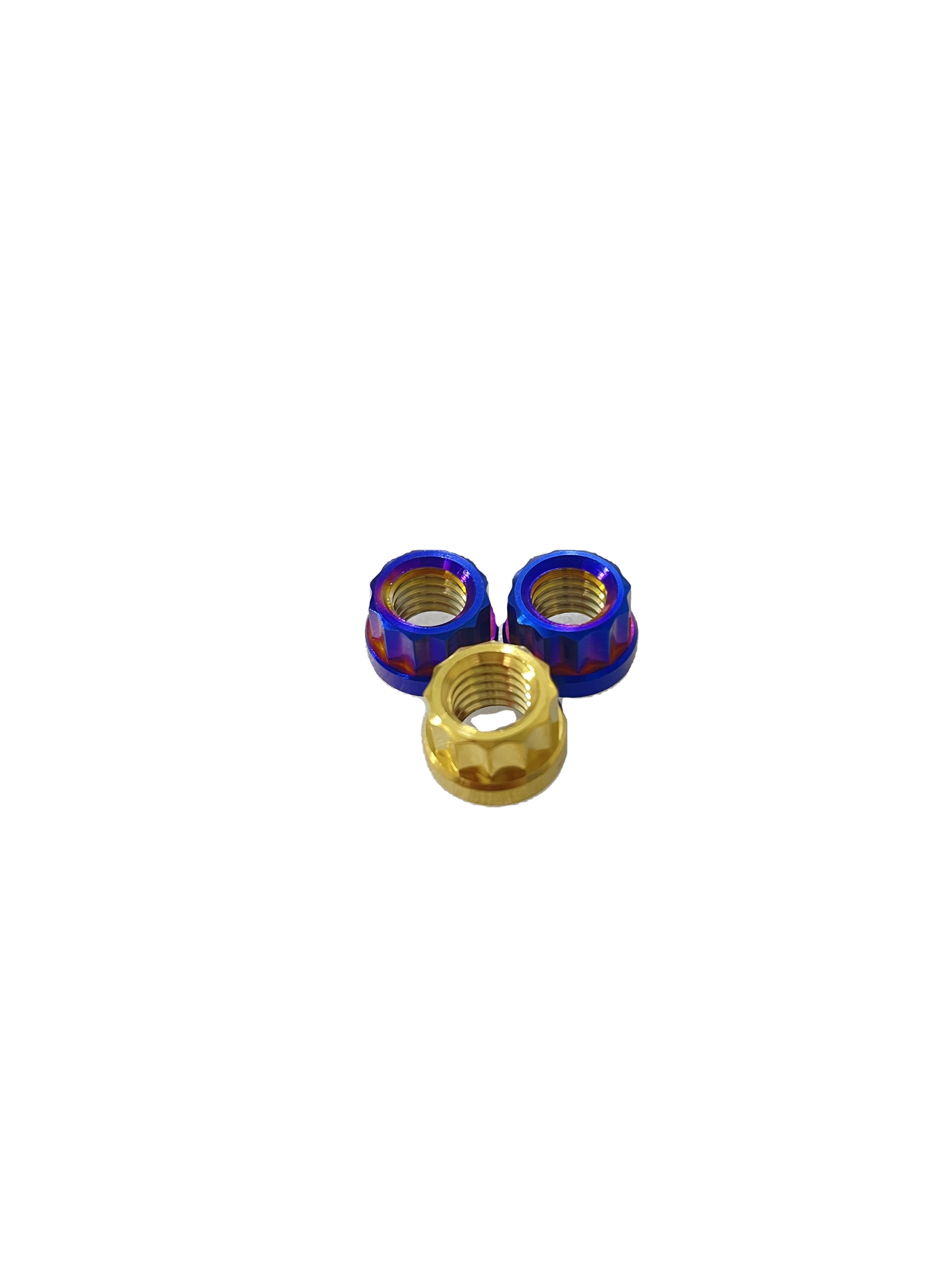
Automotive M4 M7 M10 Anodized/Polished Gr5 Titanium Right Hand 12 Point Flange Nut DIN GB Standard Minghai MH14515 for Racing
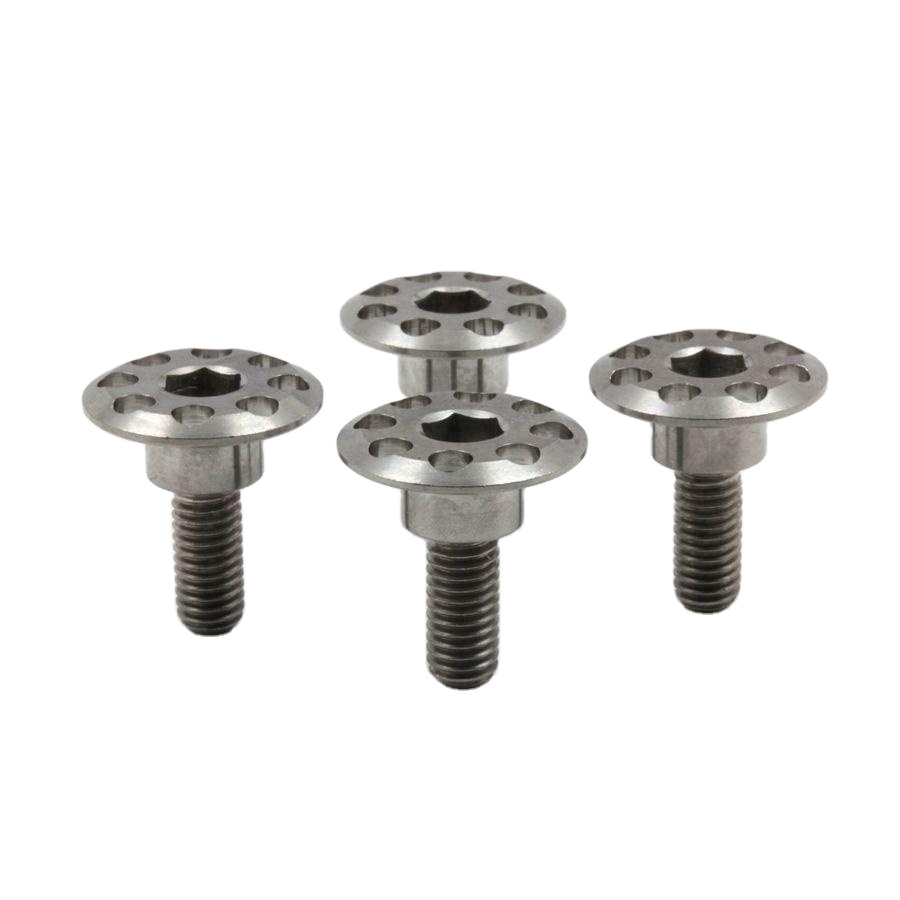
Gr5 Hex Titanium Disc Brake Bolts for Racing
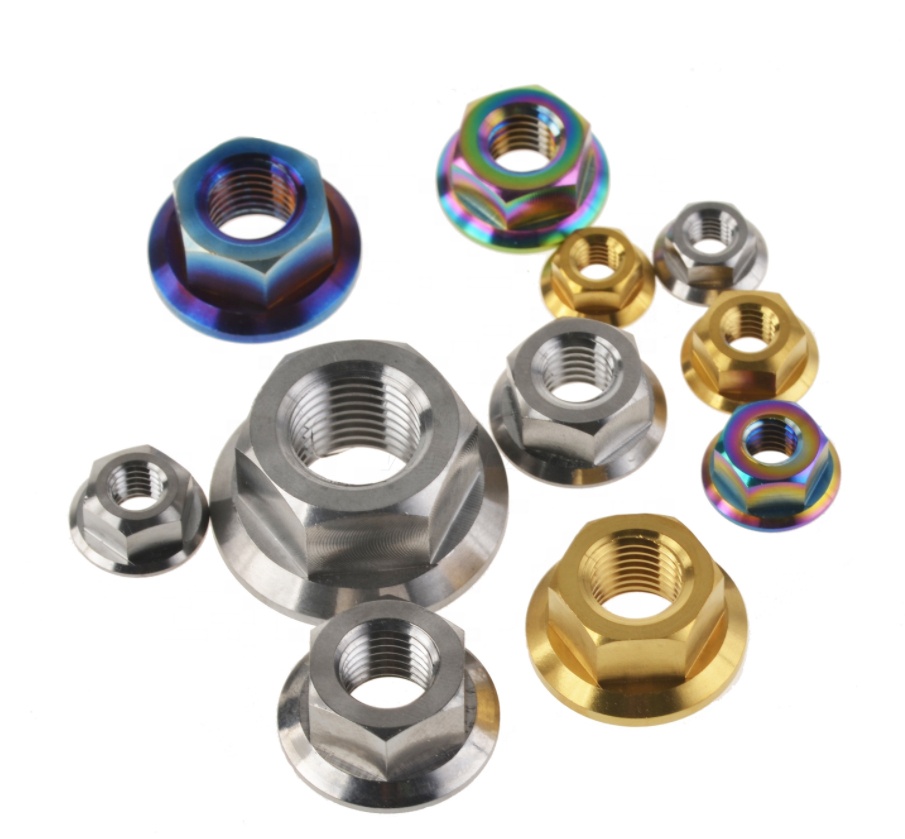
M6 M8 M10 M12 GR5 CNC Machined Polished PVD Nitride Anodized Serrated Hexagonal Flange Nut DIN6923 Automotive Minghai Brand
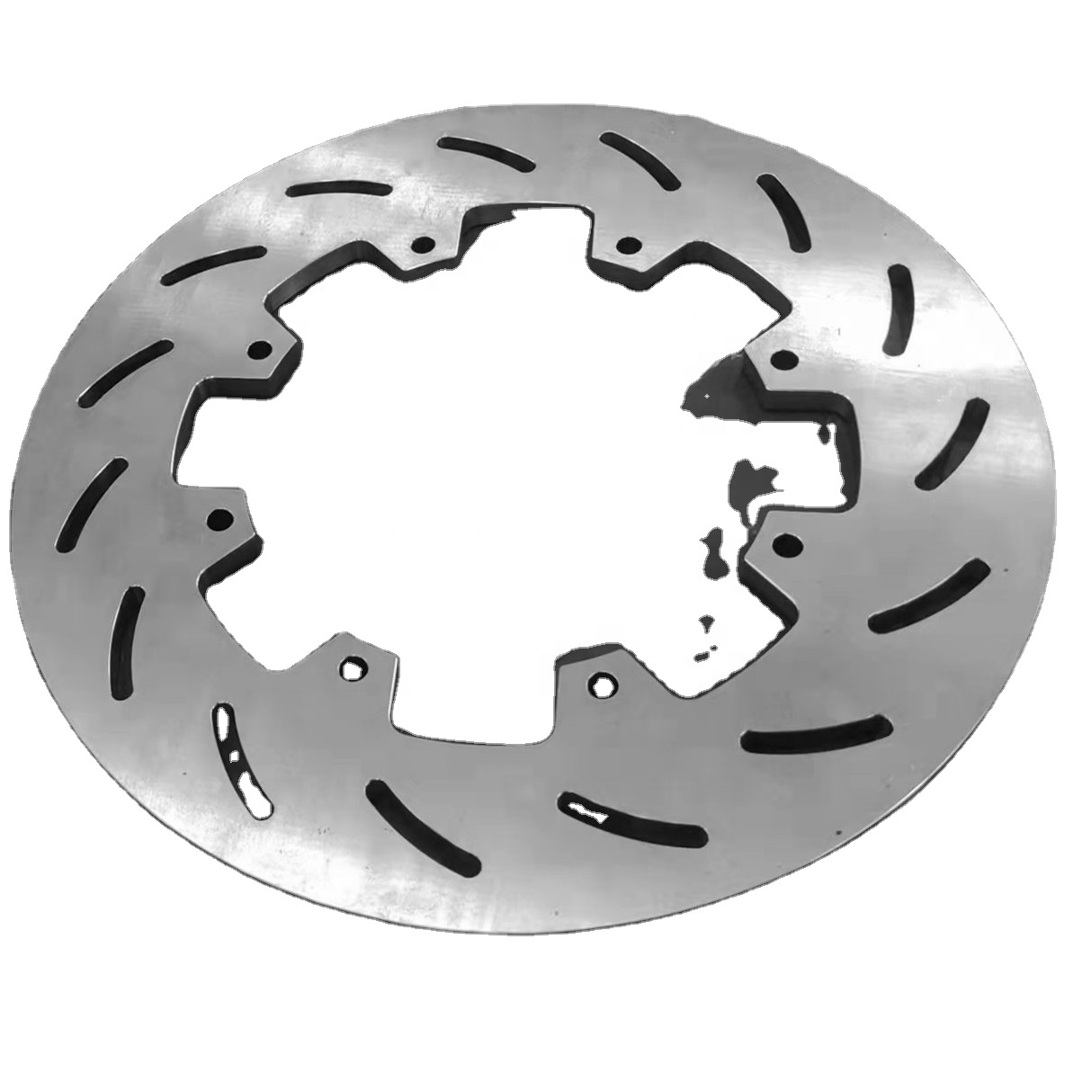
CNC Machined Milling Type Gr5 Titanium Alloy Inboard Brake Rotor Sprint Car Race Polished Surface Minghai Brand Model MH-125889
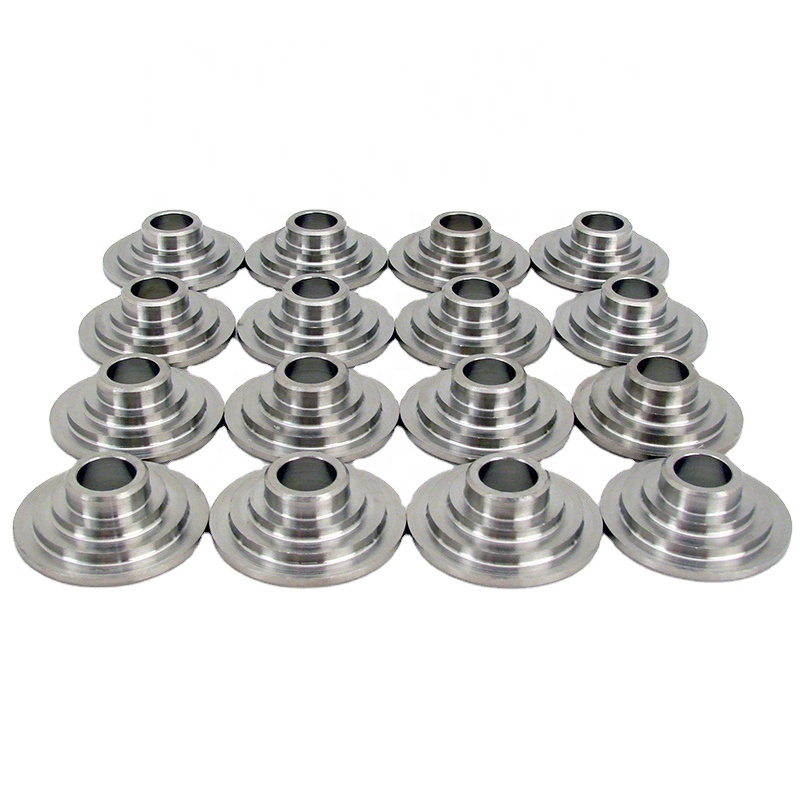
Titanium Alloy Retainer Set for Engine Valve K20A JDM Platinum Extreme 1200 PAC Springs CNC Machined Gr5 ISO 9001 Certified
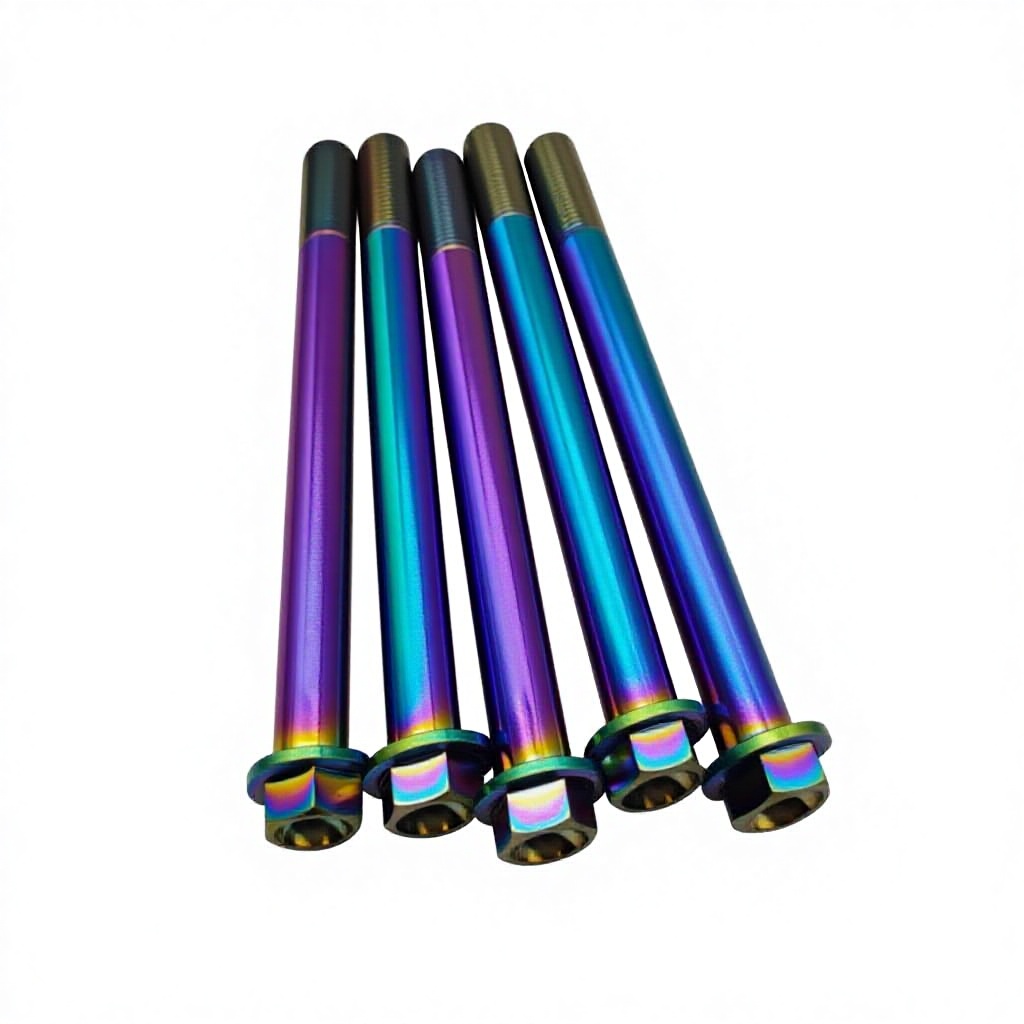
Gr5 Titanium Hexagon Head Flange Bolts M6 M8 M10 PVD/Anodized Finish DIN GB Standard Minghai Brand MH-15842 for Racing
1. The Engineering Imperative of Titanium Countersunk Bolts
Countersunk bolts (predominantly standardized under DIN 7991, ISO 10642, and ASME B18.6.7M) occupy a distinct, safety-critical role across modern aerospace engineering, top-tier automotive racing (F1, Sprint Cars, Superbike), high-speed marine hulls, and offshore chemical systems. Unlike conventional socket cap or hex head fasteners that project orthogonally above mounting flanges, a countersunk fastener is designed to sit completely flush with the parent component surface. This geometry eliminates parasitic aerodynamic drag, satisfies zero-clearance operational constraints inside dynamic mechanical housings, and curtails cavitation risks in fluid mechanics.
However, when structural fasteners are countersunk, stress concentration profiles alter dramatically. In traditional carbon steel or stainless fasteners, the 90° (metric) or 82°/100° (imperial) conical transition beneath the head introduces significant notch sensitivity. Under fluctuating shear and thermal cycles, conventional steel fasteners suffer from hydrogen embrittlement, stress-corrosion cracking (SCC), and thermal fatigue. Transitioning to Titanium Grade 5 (Ti-6Al-4V, TC4, UNS R56400) resolves these catastrophic failure vectors by offering an unmatched strength-to-weight ratio (density of 4.43 g/cm³ versus 7.85 g/cm³ for alloy steel), exceptional shear yield surpassing 828 MPa, complete immunity to chloride-induced pitting, and outstanding thermal stability.
| Mechanical / Physical Property | Ti-6Al-4V Grade 5 (TC4) | Grade 2 Commercially Pure | 316L Stainless Steel | 10.9 Grade Alloy Steel |
|---|---|---|---|---|
| Ultimate Tensile Strength (Rm) | ≥ 895 - 1050 MPa | ≥ 345 - 450 MPa | ≥ 580 - 680 MPa | ≥ 1000 - 1040 MPa |
| Yield Strength (Rp 0.2) | ≥ 828 MPa | ≥ 275 MPa | ≥ 220 MPa | ≥ 940 MPa |
| Density (ρ) | 4.43 g/cm³ | 4.51 g/cm³ | 7.98 g/cm³ | 7.85 g/cm³ |
| Strength-to-Weight Ratio (kNm/kg) | 214.4 | 88.6 | 72.6 | 127.3 |
| Modulus of Elasticity (E) | 110 - 114 GPa | 103 - 107 GPa | 193 GPa | 205 GPa |
| Chloride Pitting Resistance (PREN) | Immune (> 100) | Immune (> 100) | 23 - 25 (Moderate) | Poor (< 10) |
Why Countersunk Geometries Demand Cold-Forging & Precision Thread Rolling
A widespread vulnerability in substandard titanium countersunk bolts lies in the manufacturing pathway. Low-tier job shops frequently produce DIN 7991 countersunk screws entirely via subtractive CNC turning from extruded titanium round stock. While machining yields accurate dimensions, it severs the continuous metallic grain flow at the critical junction where the 90° conical head meets the cylindrical shank. Under dynamic axial tension, shear shock, or vibration, shear stresses precipitate microscopic micro-cracks along the discontinuous grain boundaries, triggering premature head detachment.
Tier-1 manufacturers employ a dual-stage process: precision hot/warm multi-station header forging followed by CNC finishing. Header forging forces the crystalline lattice of Ti-6Al-4V to flow continuously around the conical transition, elevating head fatigue strength by more than 35%. Subsequent thread manufacturing must strictly utilize hydraulic thread rolling rather than single-point die cutting. Cold-rolled threads work-harden the root radius, introduce favorable residual compressive stresses, and dramatically diminish notch notch-fatigue failure during high-frequency racing or aerospace operations.
Comparative Analysis: Top 10 Global Titanium Countersunk Bolt Suppliers
A comprehensive, objective technical assessment evaluating manufacturing capabilities, certified metallurgical pedigree, tolerance control, and application-specific competencies across the global supply landscape.
1. Vunza Titanium
Baoji, CNCore Advantage: Located in China's Titanium Valley next to Baoti Group. 34 multi-axis CNC centers, tolerance down to 0.005mm. Full traceability from sponge to finished fastener. Specializes in motorsport DIN 7991 forged screws, custom UNF bumper bolts, and racing brake assemblies.
2. LISI Aerospace
FranceCore Advantage: Uncompromising aerospace pedigree (AS9100 / EN9100). Focuses primarily on high-volume commercial airliner airframe flush fasteners, Hi-Lite and blind titanium countersunk rivet-bolts for Boeing and Airbus assemblies.
3. Howmet Aerospace
USACore Advantage: Formerly Arconic/Alcoa Fastening Systems. Pioneers in structural titanium pin and collar systems, offering ultra-high fatigue performance for defense and military aviation systems with strict DFARS raw-material compliance.
4. B&B Special Products
USACore Advantage: Dedicated to custom sprint car, NASCAR, and drag racing hardware. Renowned for short-run custom imperial thread titanium bolts (e.g., 10-32, 1/4-28, 3/8-24) with rapid turnaround for professional racing teams.
5. Pro-Bolt Group
United KingdomCore Advantage: Global consumer & aftermarket racing brand leader for motorcycle road racing (MotoGP/WSBK). Exceptional PVD color coating technology and off-the-shelf catalog availability for metric DIN 7991 socket flat screws.
6. Precision Castparts (PCC)
USACore Advantage: Enterprise-tier manufacturing capacity encompassing SPS Technologies. Leading supplier of flight-critical turbine and wing-box countersunk titanium fasteners with proprietary hot-working metallurgical processes.
7. Ti64 Fasteners
USACore Advantage: Dedicated exclusively to Grade 5 automotive and powersports chassis components. Strong focus on countersunk bumper hardware, chassis skid-plate flat bolts, and zero-head friction suspension hardware.
8. Racebolt UK
United KingdomCore Advantage: Specializes in multi-axis machined titanium flat socket screws with pre-drilled safety wire holes for competition scrutineering compliance. Supplies European touring car and formula series.
9. Torq Titanium
GermanyCore Advantage: Precision DIN 7991 and ISO 10642 supplier serving German industrial automation, medical robotics, and subsea instrument housings requiring zero-magnetic permeability and tight runout tolerances.
10. Superlite Titanium
AustraliaCore Advantage: Offshore racing and marine performance hardware specialist. Produces Grade 5 countersunk deck screws, sailplane fasteners, and custom titanium inboard disc mounting bolts resistant to extreme salt exposure.
2. Future Procurement Trends in Titanium Countersunk Fasteners
The global procurement market for titanium fasteners is undergoing a structural paradigm shift driven by digital verification, stricter total-cost-of-ownership (TCO) assessments, and supply chain regionalization. Procurement directors and supply chain engineers can no longer evaluate titanium fasteners purely through the lens of initial purchase order price. The following developments are reshaping B2B contracts through 2026–2030:
Raw Material Sponge Traceability
Modern defense, motorsport, and medtech contracts increasingly reject fasteners without full sponge-to-part metallurgical traceability. Procuring from clusters like Baoji, China (China Titanium Valley) adjacent to primary sponge melters eliminates unauthorized scrap remelt risks, guaranteeing interstitial gas limits (O2 < 0.20%, N2 < 0.05%, H2 < 0.015%).
Hexalobular (Torx) Over Hex Sockets
A prominent transition is the departure from traditional DIN 7991 Hexagon Sockets toward ISO 14581 / ISO 10642 Hexalobular (Torx) drives. Torx geometries prevent cam-out, permit higher dynamic installation torque in robotic assembly lines, and eliminate the socket wall deformation common in titanium under repeated maintenance re-torquing.
PVD Nitride Wear-Barrier Coatings
Titanium suffers from natural micro-galling when mated under high clamp friction against matching titanium, stainless steel, or aluminum. Leading procurement specifications now mandate Physical Vapor Deposition (PVD) titanium nitride (TiN) or diamond-like carbon (DLC) surface coatings, drastically lowering the coefficient of friction without altering tight 0.005mm tolerances.
Total Cost of Ownership (TCO) vs. Initial Piece Price
In corrosive, dynamic, or weight-sensitive assemblies, the procurement economics favor Grade 5 titanium overwhelmingly over zinc-plated alloy steel or marine-grade 316 stainless. In motorsport, eliminating 1 kilogram of unsprung rotational mass from suspension uprights or wheel hubs delivers quantifiable acceleration and tire wear dividends that eclipse the purchase price differential within a single racing weekend.
Similarly, in offshore subsea monitoring manifolds or coastal desalination plants, standard 10.9 steel countersunk screws require cyclical inspection, galvanic isolation washers, and frequent replacement due to crevice corrosion under the countersunk bevel. Titanium naturally develops an instantaneously regenerating rutile (TiO2) passivating oxide layer. Once torqued into position, a Grade 5 titanium countersunk fastener delivers a maintenance-free operating lifespan exceeding 25 years, driving overall life-cycle expenditure down by up to 60% compared to repeatedly servicing steel fasteners.
3. Technical Sourcing Checklist: Verifying Titanium Countersunk Bolt Quality
Before releasing a purchase order to any international supplier, procurement engineering teams should mandate verification across five critical dimensional and metallurgical checkpoints:
Countersunk Angle & Concentricity
Verify that the countersunk head angle is exactly 90° (+0°/-1°) for metric DIN 7991, or 82°/100° for imperial aerospace fasteners. Head-to-shank concentricity (runout) must fall within 0.005mm to ensure balanced seating pressure and eliminate asymmetric bending stress upon torque application.
Transition Radius (R-Value)
Examine the under-head radius where the conical head meets the thread or unthreaded shank. A sharp, non-radiused angle acts as a severe stress riser under tensile shock. Tier-1 suppliers machine or forge a controlled, smooth transition radius according to ISO 10642 standards.
EN 10204 3.1 Mill Certification
Never accept generic "commercial certificate of conformity." Insist on genuine EN 10204 Type 3.1 material test certificates documenting chemical heat analysis (Al, V, Fe, C, N, H, O content) and mechanical tensile testing from certified raw bar batches.
Integrated Manufacturing Excellence in China's Titanium Valley
Founded in 2008 in Baoji, Shaanxi, Vunza Titanium Industry Co., Ltd. combines advanced multi-axis CNC manufacturing, factory-direct metallurgical integrity, and 15+ years of OEM precision hardware delivery.
34 Multi-Axis CNC Fleet
Equipped with 34 sets of high-precision 3-axis, 4-axis, and 5-axis CNC machining centers holding critical geometric tolerances down to 0.005 mm for complex medical, racing, and aerospace hardware.
13+ Years Senior Experience
Over 50% of Vunza's precision production workforce possess more than 13 years of hands-on titanium machining experience, mitigating material work-hardening challenges during turning and milling.
Rapid ≤ 9-Hour Engineering Response
Dedicated technical support team delivering Design For Manufacturability (DFM) drawing reviews, pitch optimization, and quotation feedback within 9 business hours with a 77.67% direct response efficiency.
5.0/5 Verified Supplier Track Record
Onsite-verified manufacturer on international platforms with 13 continuous export years, robust trade assurance, a 14% reorder rate, and proven shipments to motorsport and industrial leaders worldwide.
Frequently Asked Questions: Titanium Countersunk Bolts
Definitive engineering and commercial guidance address critical buyer inquiries regarding titanium fastener selection, torque values, custom drafting, and MOQ terms.
What is the key difference between DIN 7991 and ISO 10642 countersunk bolts?
Why must titanium countersunk bolts be torqued differently from steel bolts?
Can Vunza manufacture custom titanium countersunk screws from proprietary 2D/3D CAD drawings?
How does Vunza prevent galling and thread seizure during high-torque racing installations?
What are your typical minimum order quantities (MOQ) and sample lead times?
What documentation accompanies each production batch?
Ready to Optimize Your Hardware? Get Direct Factory Pricing
Submit your CAD prints, standard fastener codes (DIN 7991 / ISO 10642 / UNF), or custom bill of materials. Our senior titanium engineers will deliver comprehensive DFM feedback and competitive wholesale quotations within 9 hours.