Engineered Fastening Solutions & Precision Components
Direct manufacturer sourcing for Grade 5 Ti-6Al-4V Torx, Hex socket, and lightweight race-proven titanium hardware calibrated down to 0.005 mm tolerances.
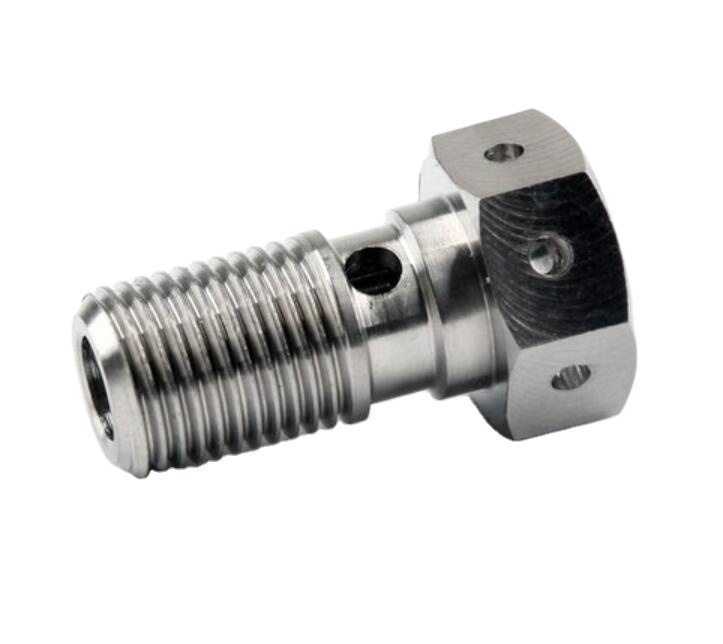
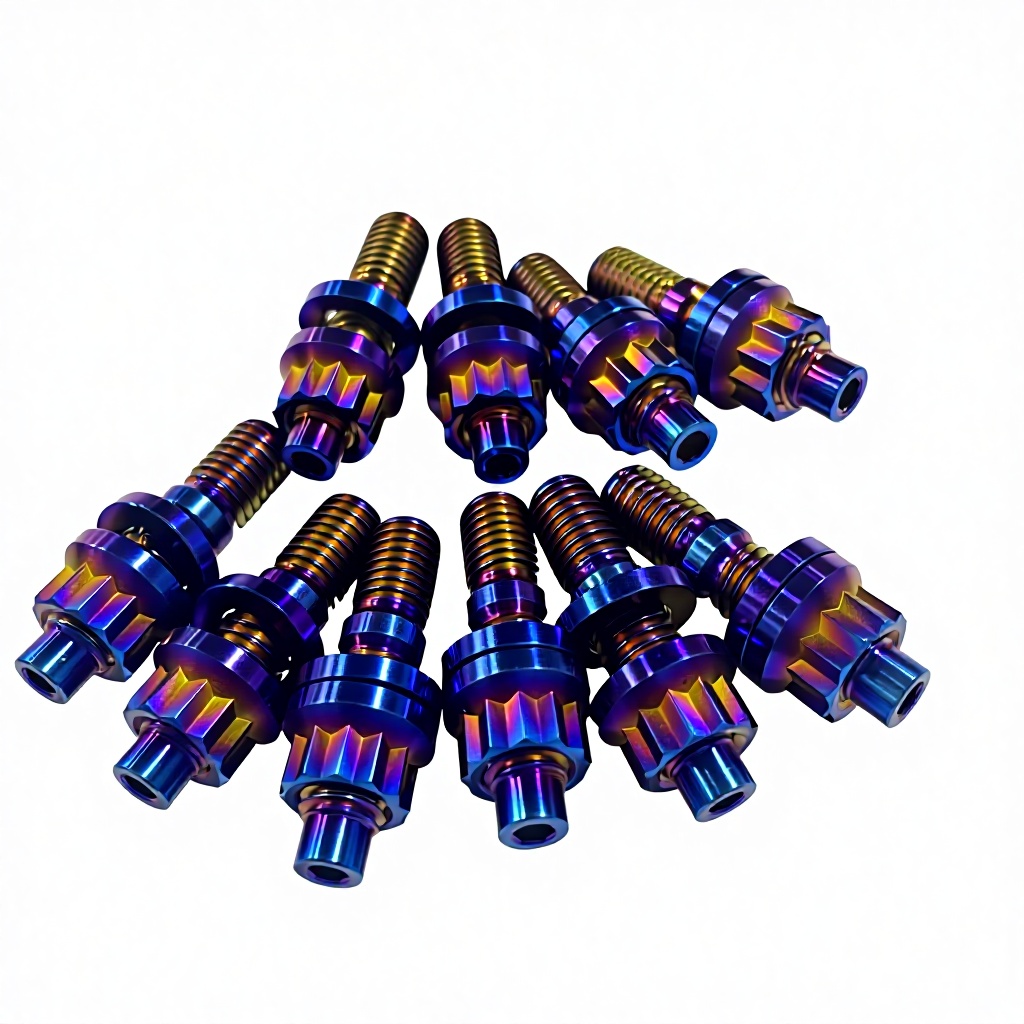
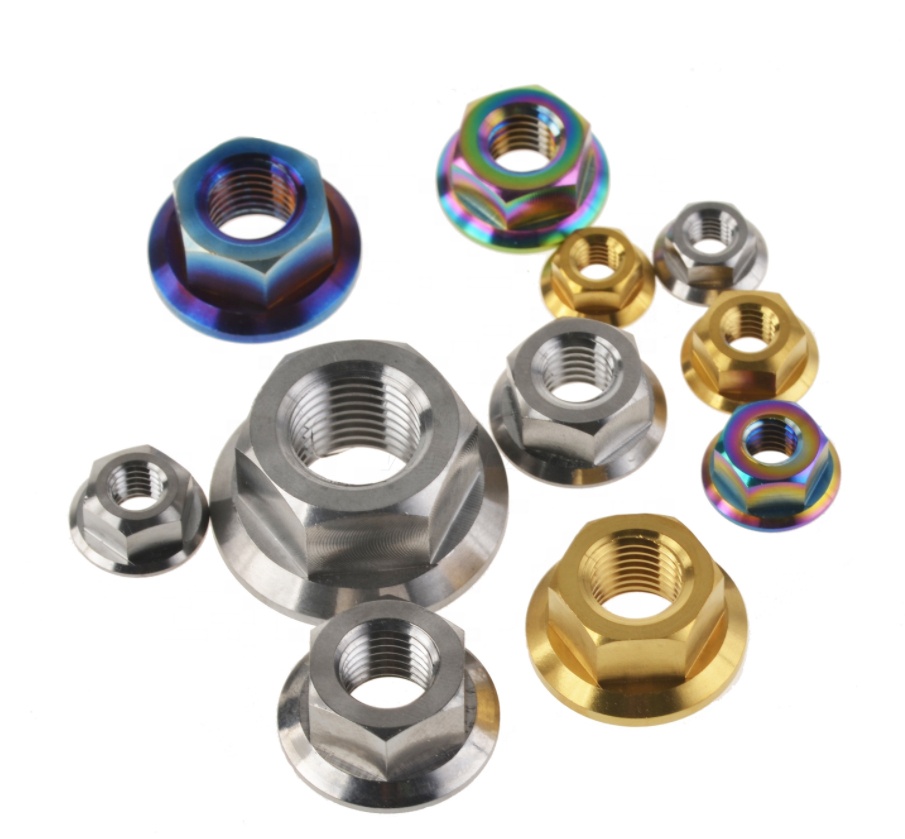
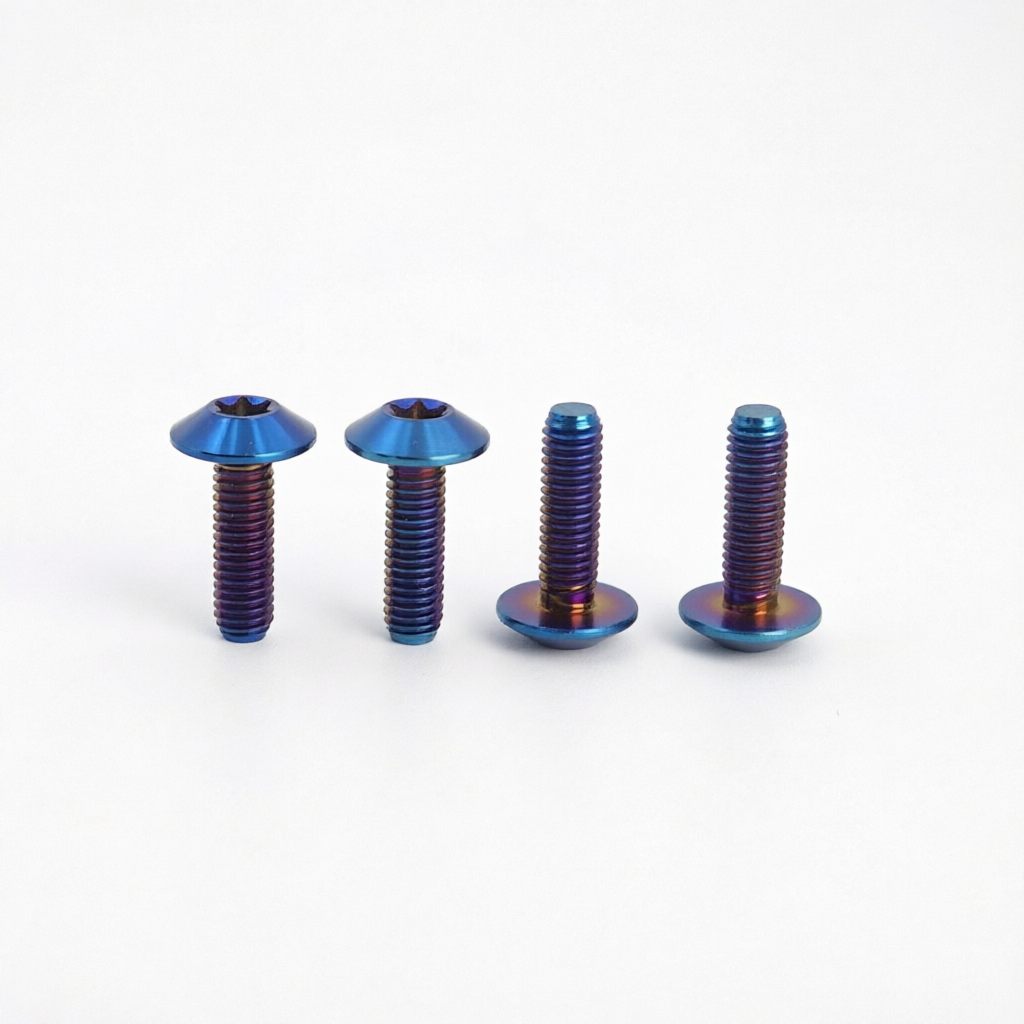
Engineering Whitepaper: Sourcing Titanium Allen Screws From China
A Comprehensive Technical Benchmark for Global Procurement Officers, Quality Engineers, and Motorsport Builders
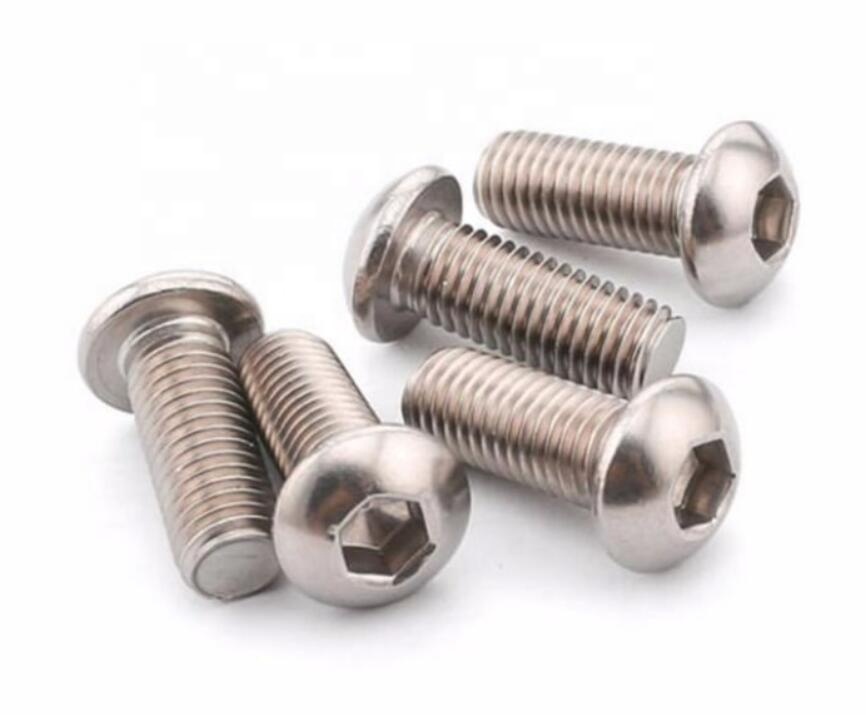
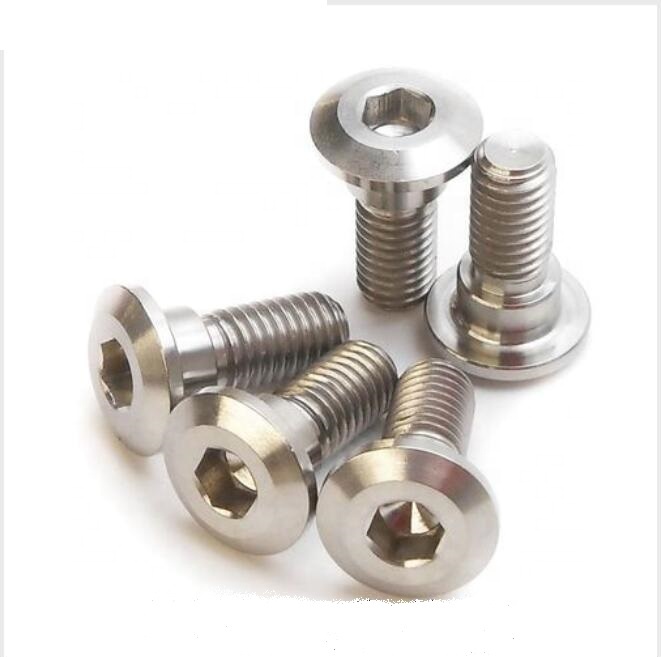
Selecting industrial-grade titanium Allen screws (also known as hex socket cap screws or cylindrical socket head bolts) requires understanding mechanical metallurgy, manufacturing precision, and raw ingot purity. Titanium screws are not simply light steel replacements—they are high-strength structural connectors designed for mission-critical assemblies subjected to extreme cyclic stress, aggressive saline atmospheres, chemical exposure, and weight-sensitive engineering.
At the core of Chinese precision manufacturing is Baoji in Shaanxi Province, widely acclaimed as "China's Titanium Valley". Housing raw sponge suppliers, advanced ingot melting furnaces, and heavy extrusion mills like Baoti Group, Baoji supplies over 60% of China’s raw titanium and holds a substantial share of global supply. Buying directly from Baoji-based integrated manufacturers like Vunza Titanium (established in 2008) provides global purchasers with full material traceability, tight chemical consistency, and competitive pricing without layered distributor markups.
| Material / Fastener Grade | Tensile Strength (Rm) | Yield Strength (Rp 0.2) | Density (g/cm³) | Weight vs 10.9 Steel | Corrosion & Galling Resistance |
|---|---|---|---|---|---|
| Gr5 (Ti-6Al-4V) Rolled Socket Screws | ≥ 950–1050 MPa | ≥ 880–920 MPa | 4.43 g/cm³ | -43% to -45% | Immune to chloride pitting; high passive oxide layer |
| Gr2 Commercially Pure Titanium Screws | ≥ 345–480 MPa | ≥ 275–310 MPa | 4.51 g/cm³ | -42% | Superior in chemical/marine immersion; low torque limit |
| Class 10.9 Carbon / Alloy Steel Bolts | ≥ 1040 MPa | ≥ 940 MPa | 7.85 g/cm³ | Baseline (100%) | Requires plating; prone to rust, galvanic failure & pitting |
| 316 Marine Stainless Steel (A4-80) | ≥ 800 MPa | ≥ 600 MPa | 7.98 g/cm³ | +2% Heavier | High corrosion resistance, but low yield strength under vibration |
As highlighted in the data matrix above, Grade 5 (TC4) Titanium Allen Screws provide steel-grade yield performance while eliminating over 43% of unstrung hardware weight. Unlike traditional cold-heading in low-carbon steel, machining high-tier titanium socket screws requires specialized tooling, controlled rotational feed rates, and synchronized CNC thread rolling. Cut threads often disrupt the metallurgical grain boundary, inducing micro-notches that drop fatigue life by up to 35%. Premium manufacturers roll metric and unified UNC/UNF threads after CNC turning, guaranteeing continuous grain flow along the pitch line and ensuring high reliability in high-revving racing engines, aerospace mountings, and deep-sea robotic housings.
Future Procurement Trends in Titanium Hardware
Strategic changes driving modern mechanical assemblies, lightweight vehicle design, and next-generation OEM sourcing
Precision Thread Rolling vs. Lathe Threading
Global aerospace and hypercar OEMs are rejecting pure single-point lathe-cut threads for dynamic applications. Thread rolling compacts the molecular matrix of Ti-6Al-4V, boosting root-stress resistance, fatigue cycle durability, and cross-thread resistance during repeated field assembly.
PVD Nitride and Multi-Color Anodization
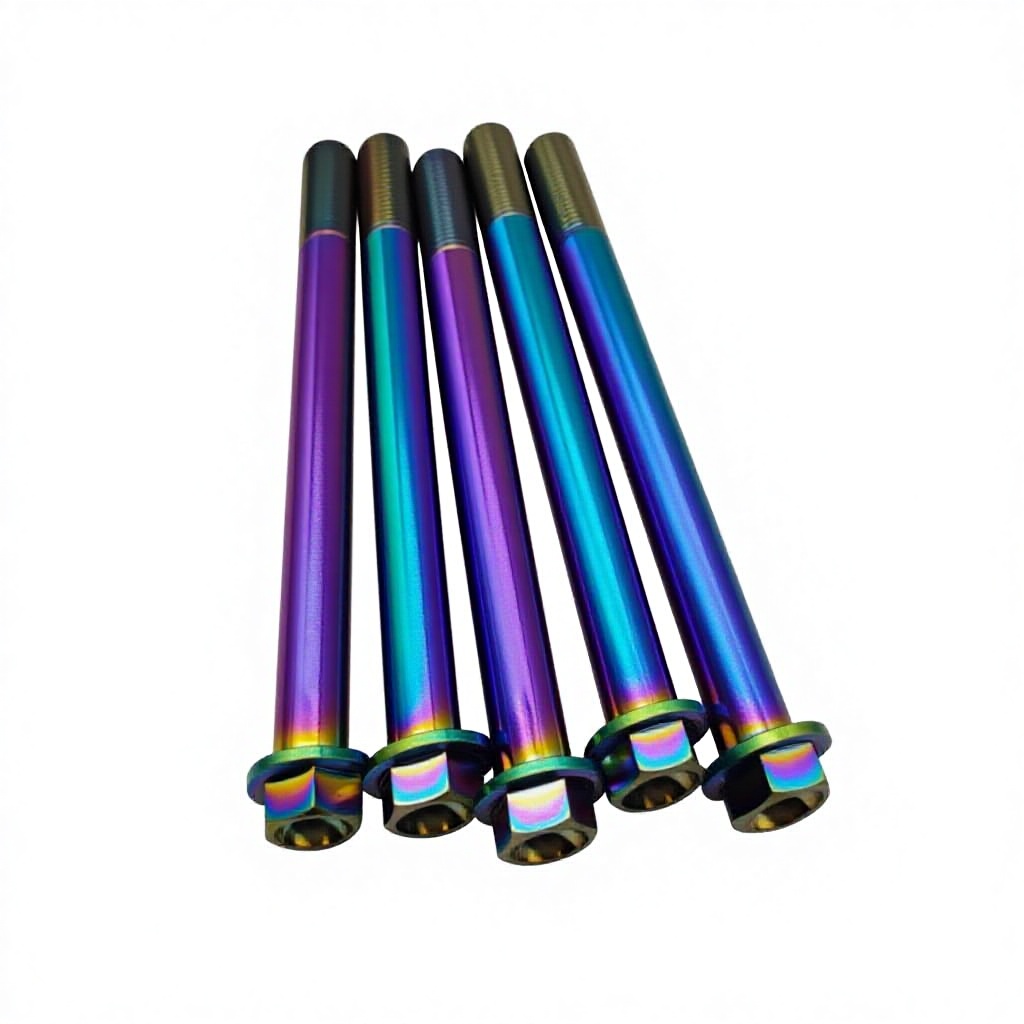
Physical Vapor Deposition (PVD) titanium coatings—including Titanium Nitride (Gold), DLC (Diamond-Like Carbon), and burnt rainbow treatments—are replacing standard plating. They increase surface micro-hardness above HV 2200 while eliminating galvanic binding when threaded into aluminum alloy casings.
Sponge-to-Part End-to-End Traceability
Modern purchasing teams demand mill test reports (MTR) meeting EN 10204 3.1 certification. Sourcing must verify that titanium ingots were melted using vacuum consumable arc furnaces (VAR) to prevent iron pick-up and brittle interstitial inclusions, ensuring safety under extreme dynamic loads.
Technological Innovations in China Titanium Fastener Manufacturing
China’s titanium screw manufacturing has advanced beyond conventional workshop lathes into automated, multi-axis simultaneous machining centers. High-rigidity Swiss-type automatic turning centers and 5-axis DMG MORI / Haas platforms now turn hex socket caps and internal Torx drivers in single setups. This synchronized machining removes concentricity deviation between the head axis, screw shank, and pitch profile, maintaining concentricity tolerances within 0.005 mm.
Modern tool geometry using tailored TiAlN/AlTiN-coated carbide inserts overcomes titanium's low thermal conductivity and work-hardening tendencies. High-pressure through-spindle cooling flushes chips directly from internal hex cavities, eliminating micro-burrs and socket distortion. As a result, drivers mate securely without rounding off under high torque loads.
Why Partner With Vunza Titanium (Baoji, China)
Direct from the factory floor: reliable engineering, verified quality systems, and seasoned titanium machinists
Located in Baoji Titanium Valley
Situated in the Gaoya Village Industrial Zone adjacent to the Baoti Group Industrial Park, our plant has immediate access to premium sponge raw stocks, calibrated bar rolling, and certified testing laboratories.
34 Multi-Axis CNC Machining Centers
Our workshop houses 34 precision 3/4/5-axis CNC machining suites, automatic single-point threaders, and precision thread rollers capable of holding linear and thread tolerances within 0.005 mm.
Senior Engineering & Seasoned Machinists
Operating since 2008, over 50% of our production team has more than 13 years of hands-on experience machining reactive metals. Our internal technical staff provides CAD/CAM DFM reviews in under 9 hours.
Titanium Allen Screws: Frequently Asked Questions
Direct engineering answers addressing common questions from industrial buyers and quality auditors
FAQ Which titanium grade is recommended for high-load Allen screws?
Grade 5 (Ti-6Al-4V, TC4) is the benchmark standard for load-bearing fasteners. Offering minimum tensile strength of 895–950 MPa and yield above 828 MPa, it handles severe shear, tensile, and thermal cycles in automotive caliper mounts, cylinder heads, and industrial drives.
FAQ How do you prevent thread galling during installation?
Titanium can micro-weld (gall) if driven dry into matching titanium or stainless threads under high torque. We prevent galling by offering hard PVD coatings (TiN, DLC, CrN), precision thread rolling that minimizes micro-asperities, and recommending molybdenum disulfide or anti-seize paste during installation.
FAQ What is your factory's production tolerance on custom drawing orders?
With our multi-axis CNC machines and Swiss turning setups, our factory routinely holds ±0.005 mm on diameter, length, and concentricity. Threads are maintained to Class 6g/6h for metric fits and Class 3A/3B for imperial threads, verified using calibrated go/no-go ring gauges.
FAQ What are your minimum order quantities (MOQ) and sample lead times?
For custom CNC parts and non-standard thread profiles, prototype samples are supported with low MOQs (typically 50–100 pieces). For standard screws in stock sizes (M3 to M12), batch production runs typically range from 100 to 500 units, with fast courier sample delivery.
Accelerate Your Project With Factory-Direct Titanium Precision
Send your CAD drawing, specifications, or sample requirements directly to our Baoji manufacturing plant. Get comprehensive DFM feedback, material certification options, and competitive quotations.