High-Performance Titanium Fasteners & CNC Components
Engineered for extreme tensile strength-to-weight ratios, corrosive resilience, and maximum shear fatigue life across motorsport, aerospace, and critical engineering assemblies.
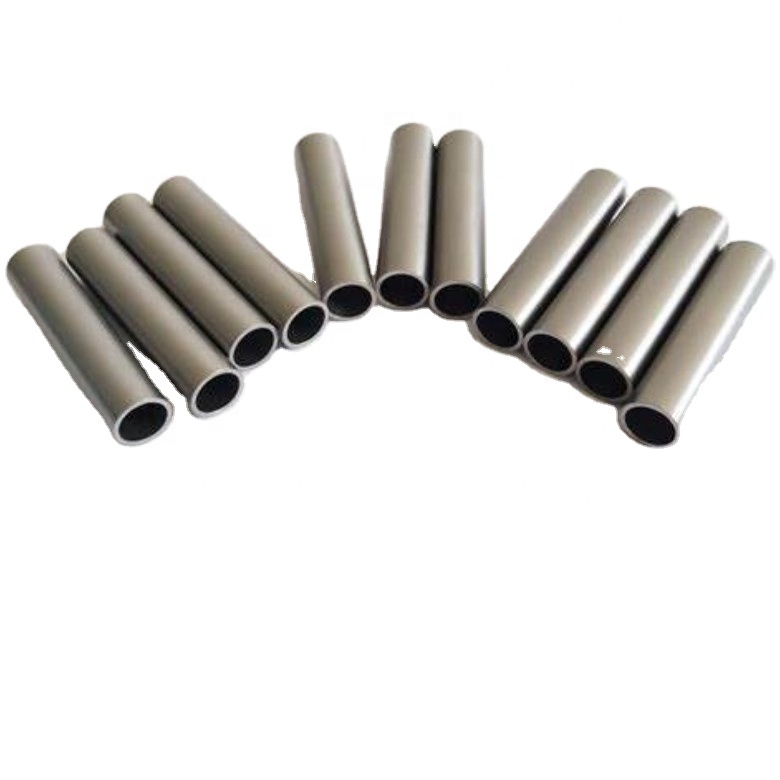
Best Price Titanium Tube High Quality Pure
OD: 6.0mm - 114mm | Wall: 0.5mm - 5.5mm
Application: Exhaust, Heat Exchangers, Marine
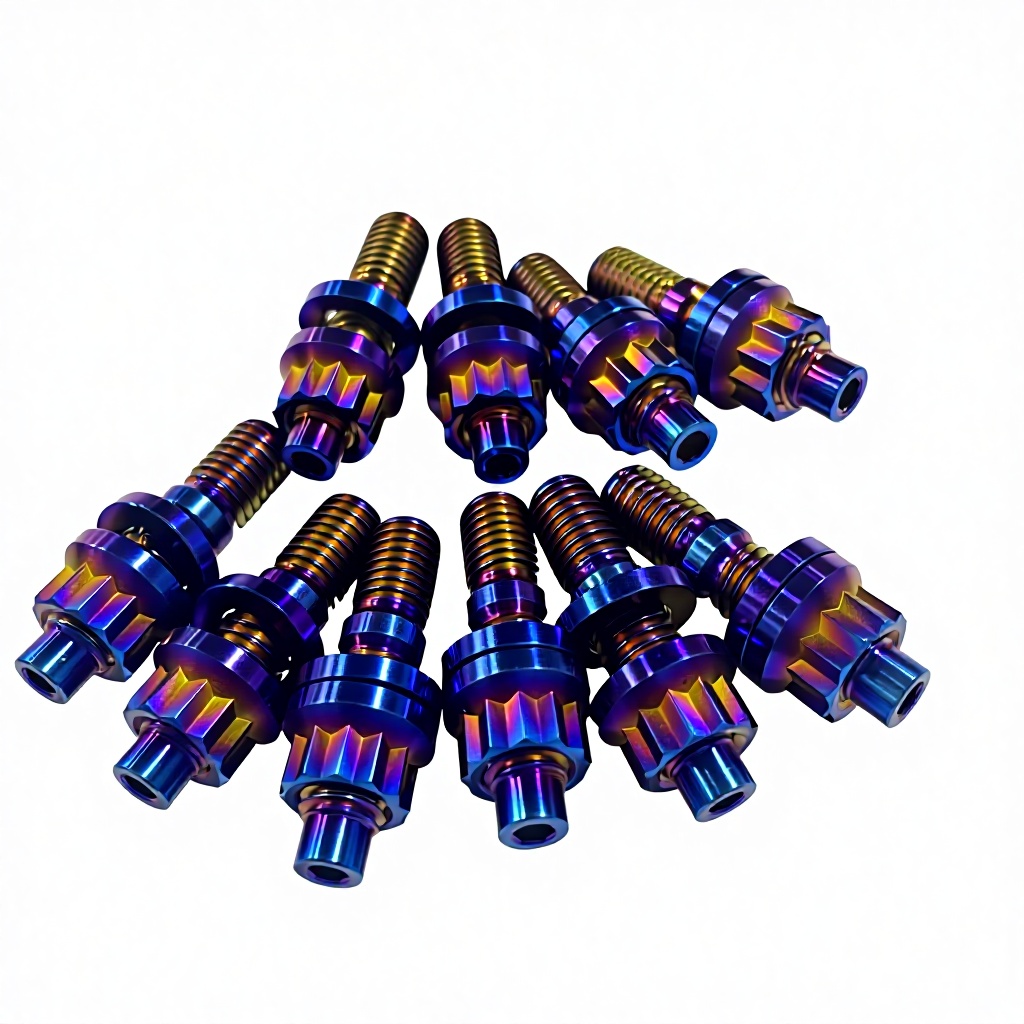
Minghai MH-001 Titanium Grade 5 PVD Finish 12 Point Stud Kit M8 X 1.25
Thread: Rolled Metric M8x1.25 / Anti-Galling
Kit: Studs, 12-Point Flange Nuts & Washers
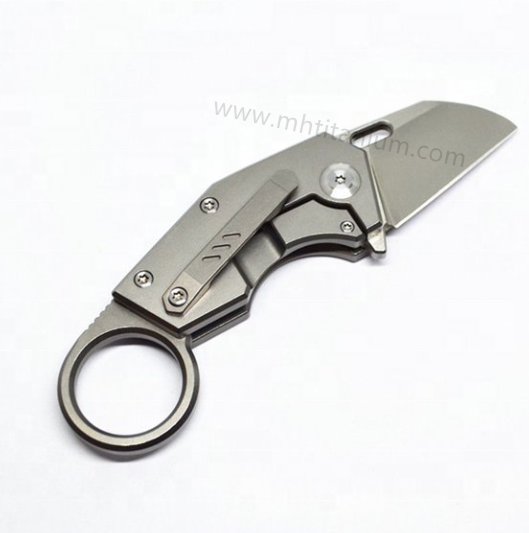
Small Folding Keychain Gear Pocket Titanium Multi-Tool Credit Card Knife
Feature: Ultra-Slim Profile, Non-Corrosive
Finish: Stonewashed / Custom Anodized
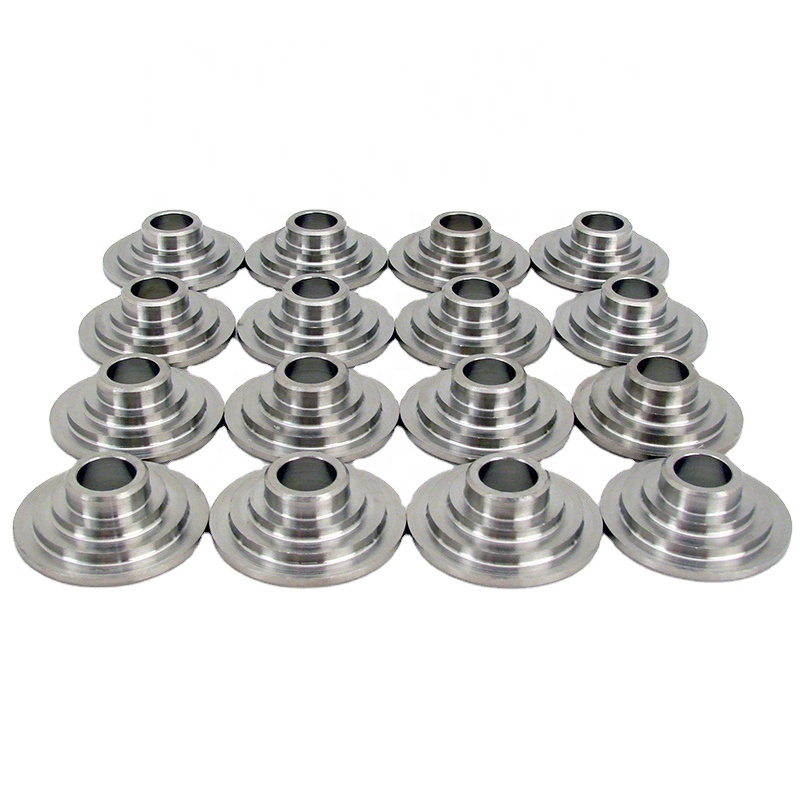
Titanium Valve Retainer Set for K20A Engine PAC Springs CNC Gr5
Weight Reduction: 42% lighter than chromoly
Certification: ISO 9001, 100% Optical CMM Validated
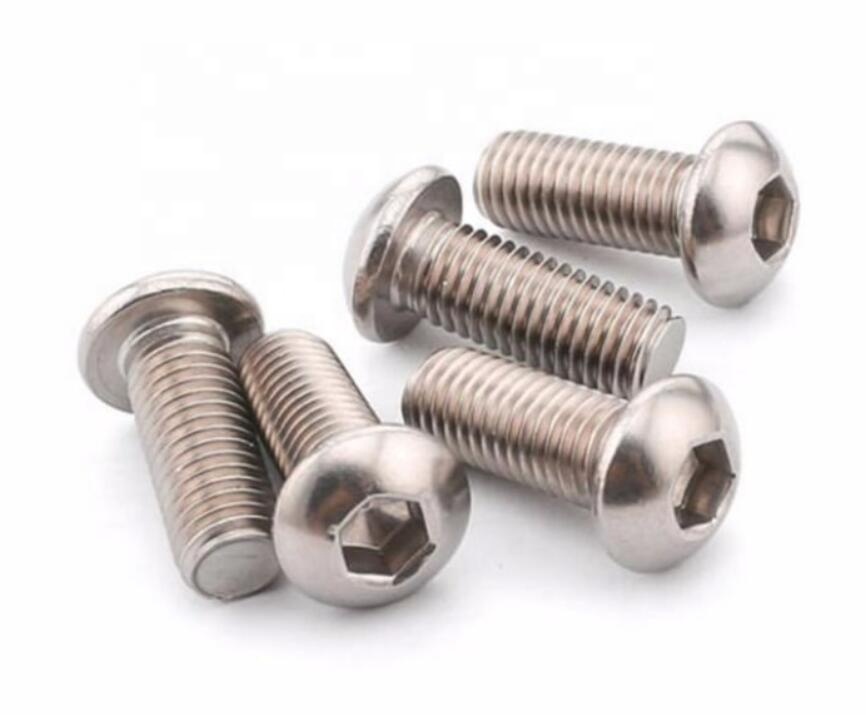
1/4-20 X 5/8" GR5 Titanium TORX Head Caliper Mount Bolts PVD Finish
Drive: T30 Torx / High Torque Transfer
Finish: PVD Black, Gold, Burnt Blue or Raw
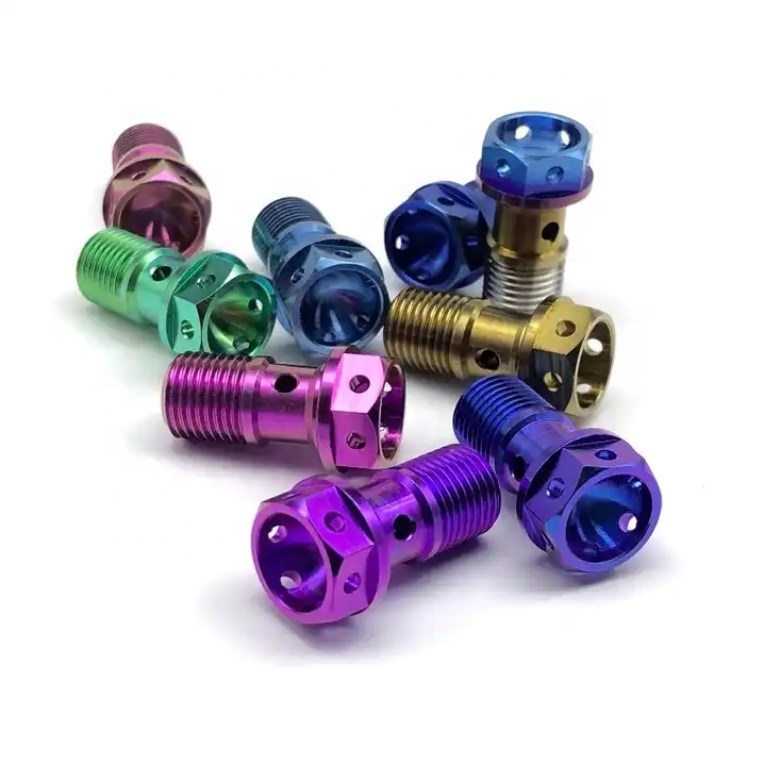
Gr5 Titanium Flat Head Hex Flange Bolts M8 Polished for Racing Sports
Standard: Custom DIN 6921 Modified Profile
Process: Hot Forged Head + CNC Finish
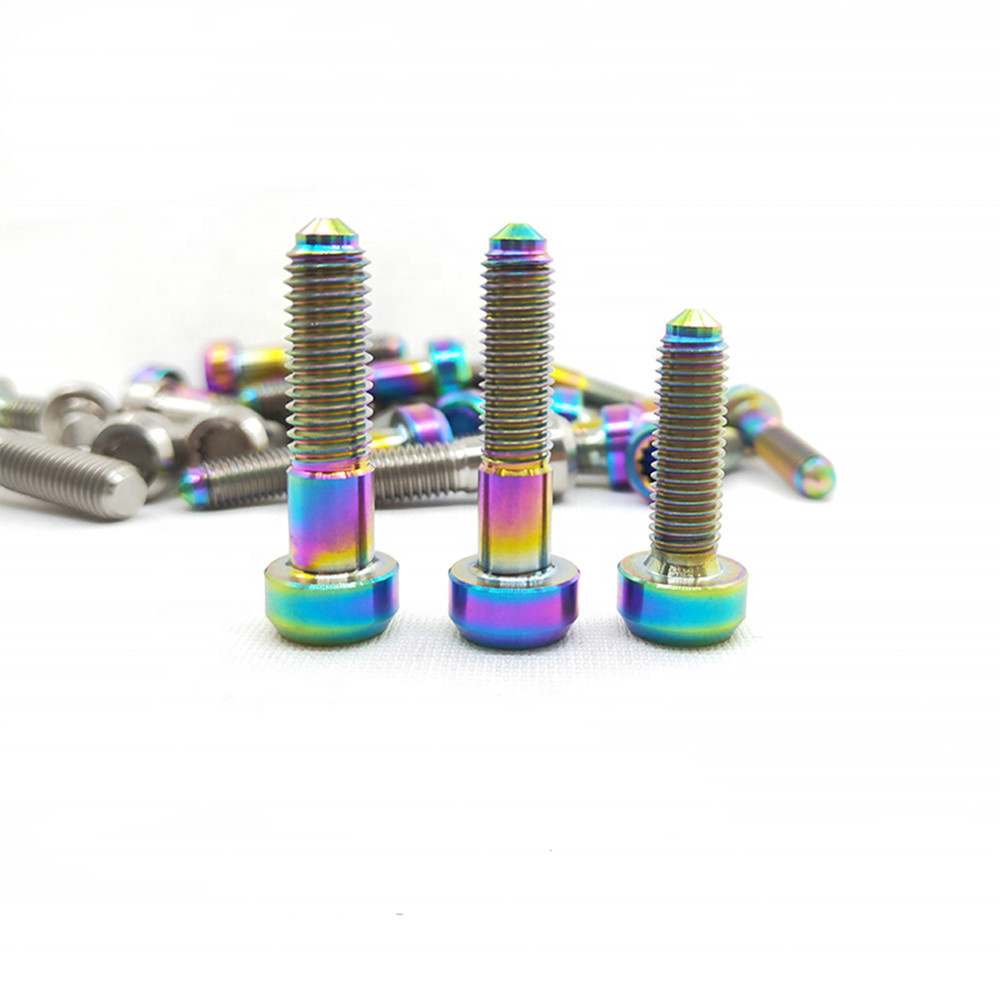
M7 X 24 / M7X32 Titanium Mushroom Head Split Rim 12-Pt Wheel Bolts
Seat: 12-Point Flange Mushroom Head
Rating: Ultra-High Fatigue Shear Resistance
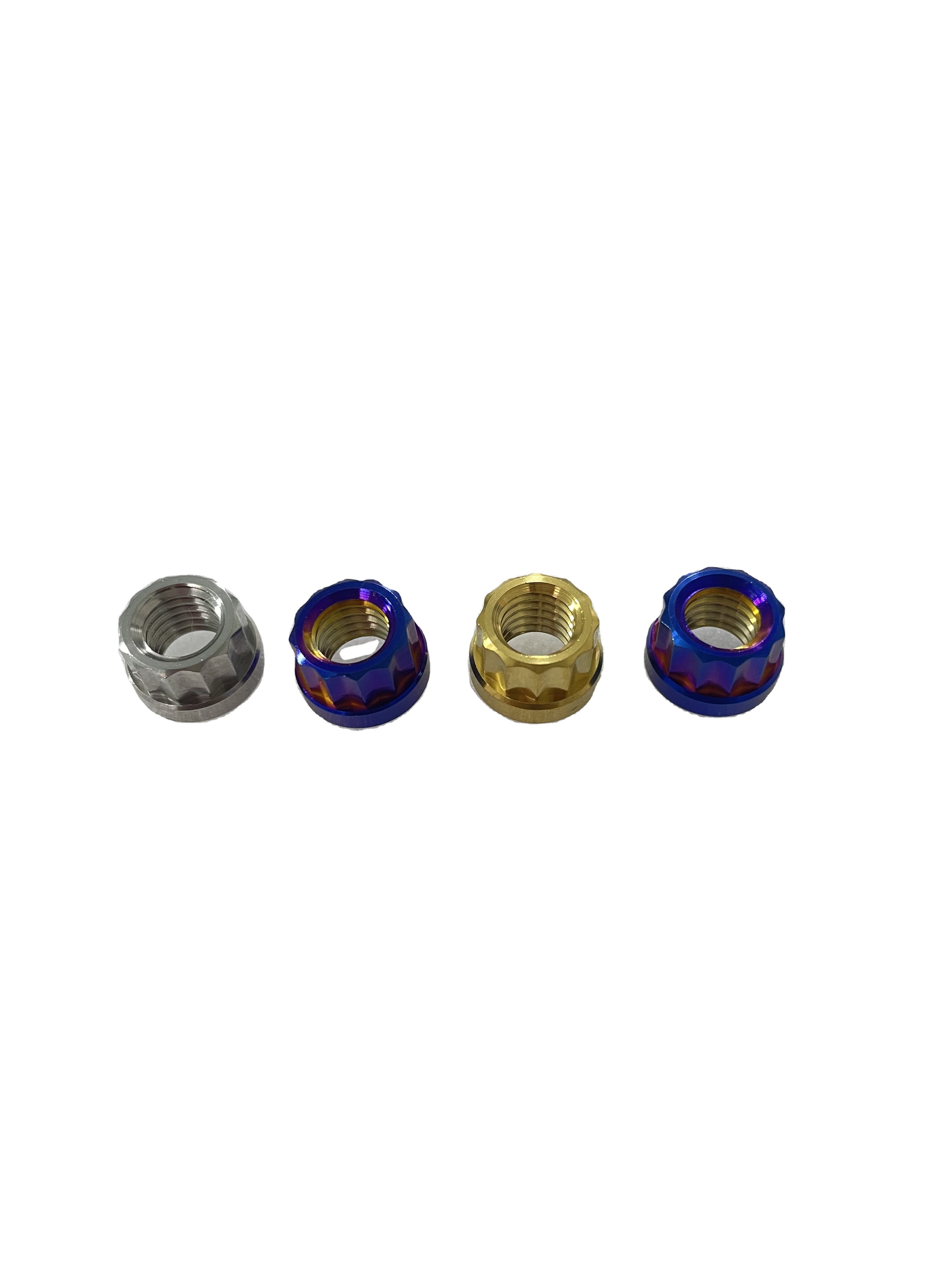
Polished Gr5 Titanium 12-Point Flange Nut M10X1.25 Automotive Racing
Structure: Reduced Hexagon 12-Pt Locknut
Application: Suspension, Cylinder Head, Turbo
Precision Manufacturing Standards in Baoji's Titanium Valley
How Vunza Titanium leverages integrated sponge-to-part metallurgical controls, high-speed multi-axis CNC machining, and cold thread rolling to eliminate fastener shear fatigue.
Over 16 continuous years supplying global aerospace, hypercar, and marine OEMs with certified titanium hardware.
Equipped with DMG MORI and Brother CNC centers optimized for tough alpha-beta titanium alloy micro-milling.
Tight-tolerance aerospace concentricity, thread pitch micro-finish, and precision true position tolerances.
More than half our machining specialists hold 13+ years of dedicated titanium metallurgical tooling experience.
1. The Metallurgical Superiority of Ti-6Al-4V (Grade 5) in Structural Fastening
In structural engineering and dynamic mechanical assemblies, fastener failure is predominantly driven by cyclical fatigue, stress corrosion cracking (SCC), and galvanic degradation. Titanium Grade 5 (UNS R56400 / Ti-6Al-4V) represents an alpha-beta alloy formulated with 6% aluminum to stabilize the alpha phase and 4% vanadium to stabilize the ductile beta phase. This specific crystalline composition yields an ultimate tensile strength exceeding 895–1050 MPa with a density of merely 4.43 g/cm³—rendering it approximately 44% lighter than 10.9-grade alloy steel while exhibiting comparable or superior tensile resilience.
Unlike steel or aluminum, titanium produces an instantaneous, stable, stoichiometric titanium dioxide (TiO₂) passivation layer upon atmospheric exposure. This self-healing boundary prevents oxidation, crevice corrosion, and chloride pitting even when submerged in aggressive sea spray, nitric acids, and high-temperature exhaust condensing environments up to 400°C (752°F). When procuring titanium bolts, mechanical engineers must weigh strength-to-weight, damping coefficient, thermal expansion rates, and fatigue endurance limits.
| Material Specification | Yield Strength (MPa) | Tensile Strength (MPa) | Density (g/cm³) | Modulus of Elasticity (GPa) | Corrosion Resistance |
|---|---|---|---|---|---|
| Titanium Grade 5 (Ti-6Al-4V) | 828 - 910 | 895 - 1050 | 4.43 | 114 | Immune to Ambient Cl- |
| Titanium Grade 2 (CP-Ti) | 275 - 350 | 345 - 450 | 4.51 | 103 | Exceptional (Chemical/Acid) |
| Grade 23 Ti-6Al-4V ELI (Medical) | 795 - 860 | 860 - 965 | 4.43 | 110 | Biocompatible / In-Vivo |
| 10.9 High-Tensile Alloy Steel | 900 - 940 | 1000 - 1040 | 7.85 | 210 | Requires Cad/Zinc Plating |
| Stainless Steel 316L (A4-80) | 600 | 800 | 8.00 | 193 | Pitting in High Marine Flow |
2. Cold Thread Rolling vs. Lathe Thread Cutting: Fatigue Failure Elimination
A critical engineering failure mode among low-cost titanium bolts is thread stripping and shear notch failure under cyclical tension. Standard subtractive single-point thread turning cuts directly through the metallurgical grain flow lines of the extruded titanium bar, establishing severe micro-grooves and stress concentration points at the thread root. At Vunza Titanium, all mission-critical threaded fasteners—including our M8/M10 engine head studs and wheel lug bolts—utilize precision hydraulic cold thread rolling.
During cold thread rolling, the cylindrical blank is rotated between hardened die profiles under tremendous radial pressure. The titanium grains plastically deform and burnish along unbroken, contoured lines matching the thread root curvature. This work-hardens the surface layer, increases thread root surface hardness by 15–20%, eliminates micro-fissures, and elevates the dynamic fatigue lifespan of the fastener by over 35% compared to cut threads.
High-Stress Application Recommendations
Selecting the optimal fastener alloy, head geometry, thread pitch, and surface coating for demanding operational environments.
Motorsport & Automotive Hypercars
Unsprung rotating mass significantly impairs suspension rebound response and braking performance. Titanium wheel lug nuts, 12-point split-rim wheel bolts, and caliper brackets eliminate up to 5 kg of unsprung mass per corner.
- Engine Heads & Exhaust: Ti-6Al-4V studs overcome thermal cycling stretch, preventing exhaust blow-by.
- Valvetrain: CNC-machined titanium retainers eliminate high-RPM valve float up to 10,500+ RPM.
- Recommended Hardware: 12-Point Flange Nuts, M7 Split-Rim Screws, Torx Caliper Mounts.
Aerospace, UAV & Defense Systems
Aerospace engineering mandates strict chemical trace element verification and zero internal voiding. In drone propulsion frameworks and flight control servos, titanium fasteners deliver unmatched strength per gram.
- Weight Reduction: 44% mass reduction compared to MIL-SPEC cadmium steel hardware.
- Thermal Resistance: Unyielding tensile performance from -250°C cryogenic levels to +400°C sustained flight heat.
- Compliance: Nadcap heat treatment protocols and AMS 4928 certified bar stocks.
Marine, Subsea & Chemical Processing
Seawater exposure causes rapid galvanic deterioration in standard fastener alloys. Pure Titanium (Grade 2) and Gr5 provide indefinite immersion resistance against ocean currents, sour gas (H₂S), and hydrocarbons.
- Subsea Flanges: Hex-head bolts and heavy nuts for underwater instrumentation and ROVs.
- No Crevice Corrosion: Elimination of costly cathodic protection maintenance cycles.
- Chemical Piping: Pure Grade 2 titanium tube systems for aggressive acid and chlorine handling.
End-to-End Manufacturing & Supply Chain Resilience
Strategically situated within Gaoya Village Industrial Zone adjacent to Baoti Group, Vunza Titanium controls quality directly from virgin sponge melt to final micron inspection.
Virgin Sponge Traceability
We source certified titanium sponge melted under vacuum arc remelting (VAR) furnaces. Every batch is supplied with an EN 10204 3.1 Mill Test Certificate detailing exact Fe, C, N, H, O impurities, ensuring zero brittle alpha-case formation.
Bespoke Engineering & DFM
Our senior in-house R&D team converts 2D drawings (DWG/PDF) or 3D CAD step files into high-yield multi-axis tooling paths. We provide complimentary Design for Manufacturability (DFM) feedback to reduce cycle time and scrap costs.
100% CMM & Thread Gauge QC
Every fastener batch passes through precision Go/No-Go thread pitch validation, surface profilometer roughness scans (Ra < 0.4 µm), and Zeiss Coordinate Measuring Machine (CMM) true position coordinate validation before packing.
Advanced PVD & Anodizing
In-house vacuum Physical Vapor Deposition (PVD) yields diamond-like carbon (DLC) finishes, spectrum burnt blue, 24K gold, and high-purity matte black coatings with micro-hardness reaching 2200–3000 HV, entirely mitigating thread galling.
Tier-1 Export Verification
An uninterrupted 13-year Alibaba verified golden supplier status, 5.0/5.0 review rating, and consistent on-time shipment fulfillment for engineering procurement managers across North America, Europe, Australia, and Japan.
Rapid Engineering Turnaround
Rapid prototyping samples dispatched in 5–7 working days; high-volume production batches (10,000–50,000 pieces) delivered within 18–25 calendar days, bolstered by extensive raw Gr5/Gr2 bar stock inventories.
Global Titanium Procurement Trends (2025–2030)
Market shifts, supply concentration dynamics, and strategic procurement frameworks shaping raw material availability and finished hardware economics.
Trend 1: Supply Consolidation & Geopolitical Resilience in Titanium Valley
The global aerospace and performance automotive titanium hardware landscape is undergoing accelerated restructuring. Shaanxi's Baoji Titanium Valley cluster now produces approximately 65% of China's titanium products and over 22% of total global supply. For international procurement officers, establishing direct factory connections with Baoji-based integrated producers bypasses multi-tier intermediaries, mitigates supply volatility, and protects pricing against titanium sponge fluctuations.
Trend 2: Migration from Machined Threads to Work-Hardened Rolled Form Factor
Global regulatory bodies and motorsport racing sanctions (including FIA, NHRA, and Formula SAE) have enacted stricter component fatigue thresholds. Sourcing specifications are universally shifting from CNC lathe-cut threads to hot-forged heads with cold-rolled threads. Procurement contracts increasingly demand certification of thread root compressive residual stresses to guard against cyclical vibration fatigue.
Trend 3: PVD and Anti-Galling Surface Engineering Replacing Greases
Historically, titanium fasteners required molybdenum disulfide or nickel-based anti-seize paste during installation to prevent galling (cold welding) against aluminum housings or titanium nuts. Modern procurement trends dictate pre-applied factory treatments: Vacuum Ion Physical Vapor Deposition (PVD) yielding Diamond-Like Carbon (DLC) or Titanium Nitride (TiN) coatings. This delivers dry-lubricated assembly, consistent torque-tension friction coefficients, and aesthetic color personalization.
Emerging Technologies in Fastener Engineering
How additive-subtractive hybridization, ELI alloys, and micro-traceability are revolutionizing next-generation fastening systems.
Additive Hybrid Fastener Blanks
Electron Beam Melting (EBM) and Laser Powder Bed Fusion (LPBF) are now deployed for topological optimization of complex internal cooling channels within racing wheel studs and hollow-shank bolts, reducing mass by another 18% prior to finish CNC rolling.
Grade 23 ELI Vacuum Processing
For surgical implants, aerospace cryogenics, and marine pressure vessels, Extra Low Interstitial (ELI) processing suppresses oxygen content below 0.13%, maximizing fracture toughness and catastrophic impact resistance down to -253°C.
Laser Micro-QR & UID Encoding
Integrating sub-surface fiber laser etching directly into the fastener head allows permanent batch traceability, 2D matrix serial verification, and torque audit authentication throughout the vehicle or aircraft operational lifespan.
Frequently Asked Questions by Sourcing Engineers
Comprehensive technical and commercial clarity for procurement specialists, quality auditors, and design engineers.
What are the exact differences between Grade 2 and Grade 5 (Ti-6Al-4V) for fastener applications? +
How does Vunza prevent thread galling during dynamic high-torque installation? +
What dimensional tolerances and quality verification reports accompany each shipment? +
Can you produce non-standard head styles, odd thread pitches, and custom racing components from CAD drawings? +
What are the minimum order quantities (MOQ) and production lead times for custom titanium fasteners? +
How does titanium's galvanic potential interact when assembled against carbon fiber or aluminum? +
Request an Engineering Review & Direct Quotation
Submit your part drawings, required titanium alloy grade, thread dimensions, surface finish, and target quantities. Our metallurgical engineering team provides comprehensive DFM feedback and competitive factory-direct pricing within 9 hours.
Immediate 1-on-1 Consultation · NDA Protected