Racing Wheel
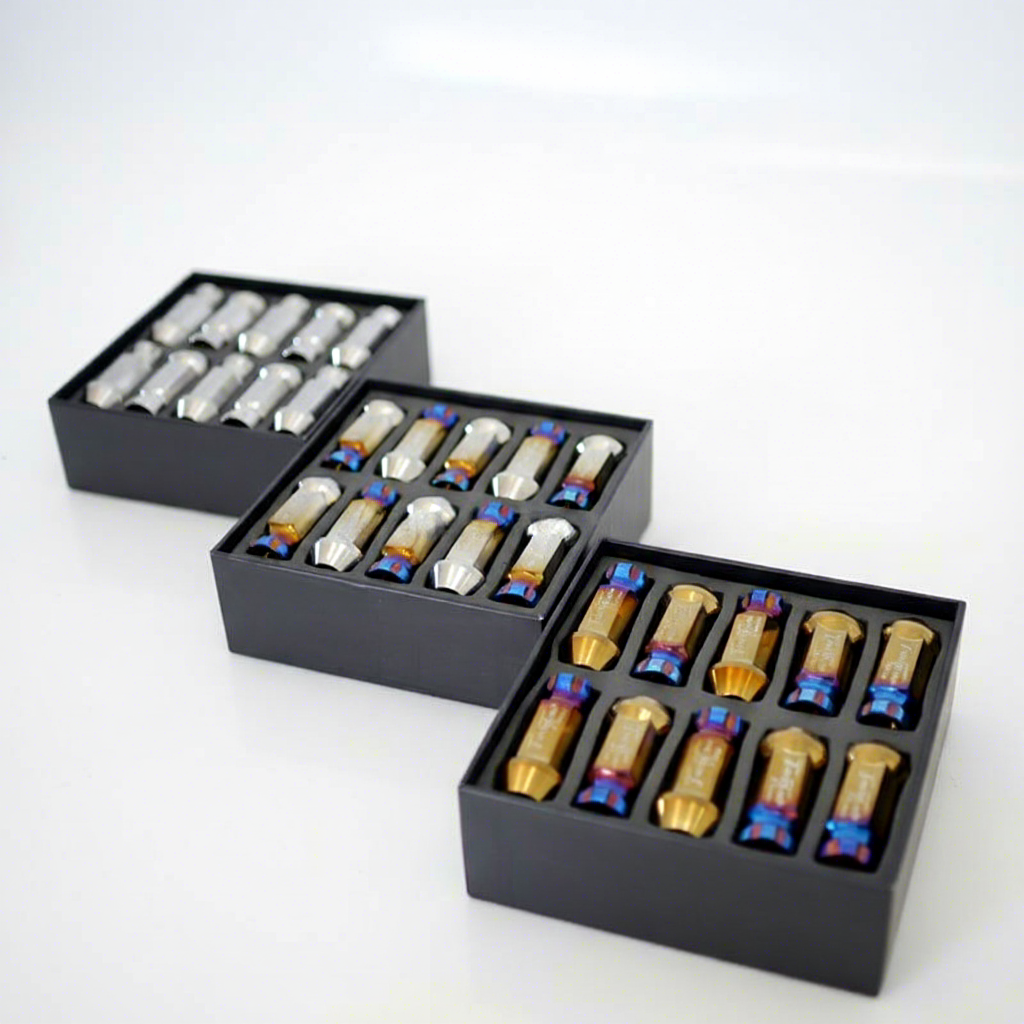
Directly sourced and precision-crafted in our Baoji facility utilizing 5-axis CNC machining, rolled threads, and advanced PVD treatments for elite automotive and motorsport applications.
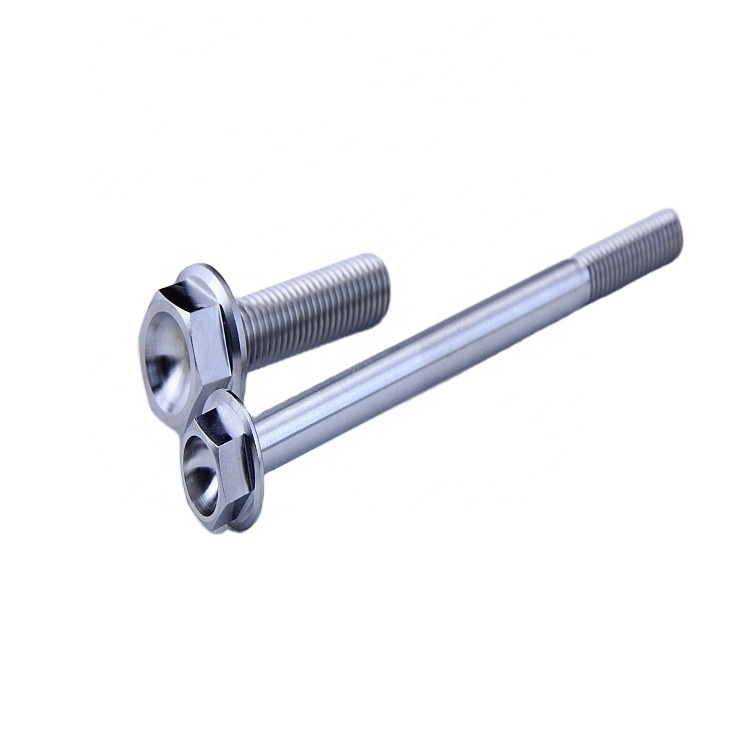
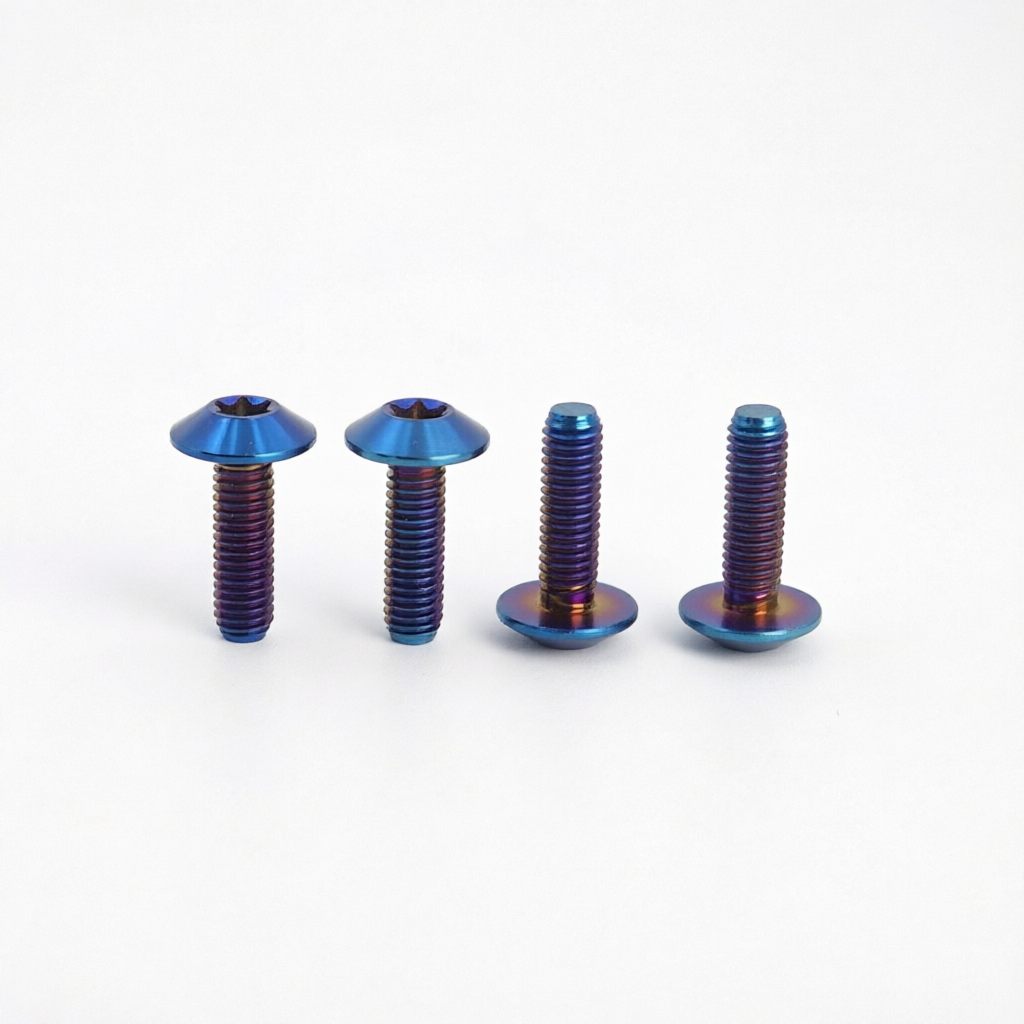
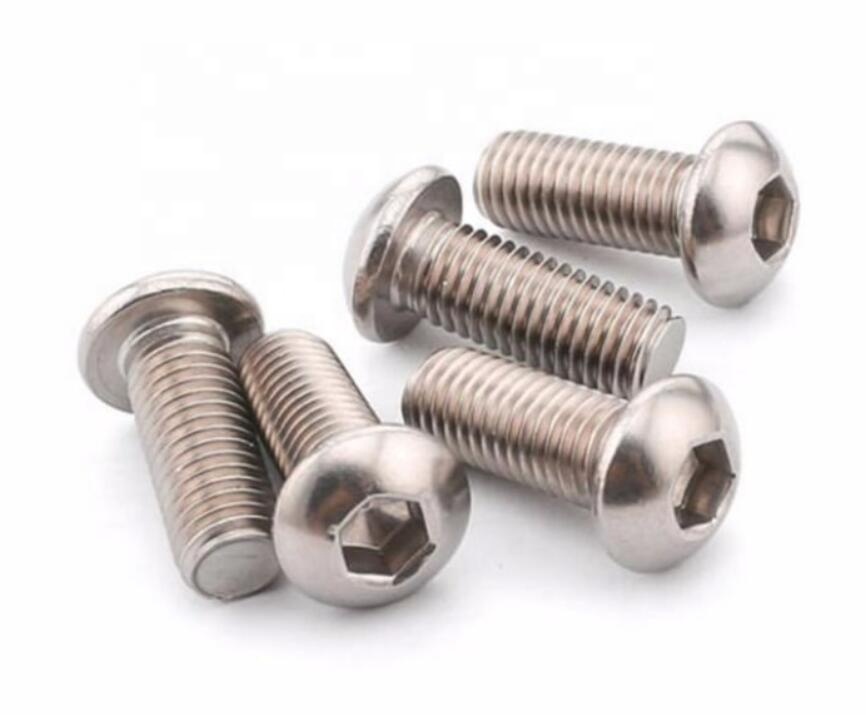
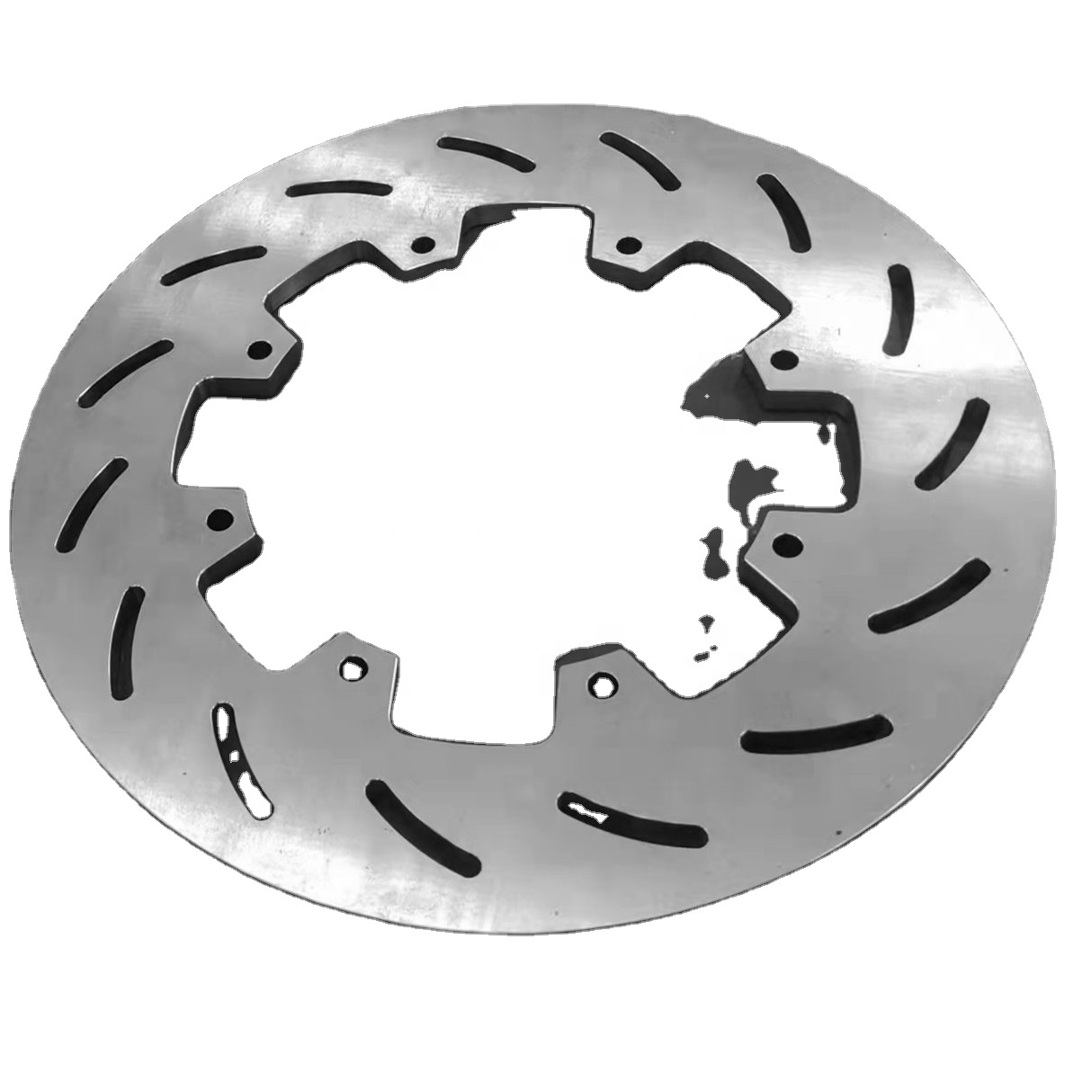
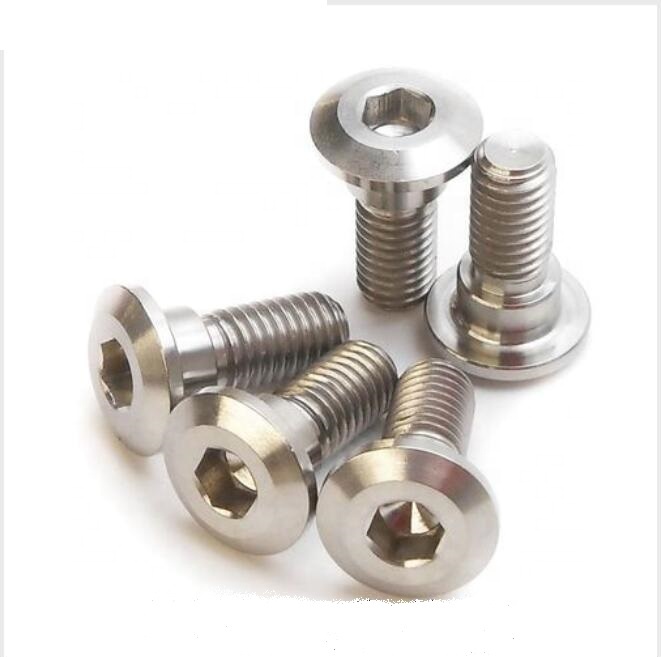
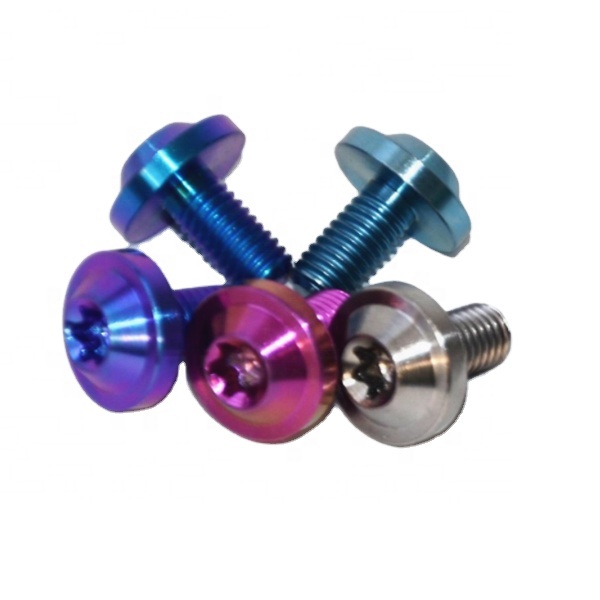
An authoritative evaluation of unsprung rotational mass dynamics, fatigue endurance, and mechanical advantages of Grade 5 (Ti-6Al-4V) in wheel hub assemblies.
In high-performance automotive engineering, rotational unsprung mass represents one of the most critical variables governing dynamic handling, suspension response, braking efficiency, and power transmission. Wheel lug bolts and studs exist at the outer perimeter of this rotating assembly, exerting a rotational inertia factor roughly 1.5 to 2.0 times greater than static weight. When evaluating titanium lug bolts factories, technical directors and automotive procurement heads look beyond simple aesthetic enhancements; they scrutinize the metallurgical architecture that enables titanium hardware to withstand cyclic thermal loading and severe shear strain without failure.
Traditional OEM wheel hardware predominantly utilizes Class 10.9 or 12.9 alloy steels (such as 42CrMo or AISI 4140). While these materials deliver robust tensile strength, they carry a dense metallurgical penalty of roughly 7.85 g/cm³, coupled with extreme vulnerability to road salt corrosion, galvanic oxidization with forged aluminum wheels, and thermal hydrogen embrittlement. Conversely, Ti-6Al-4V Grade 5 titanium delivers a density of just 4.43 g/cm³—providing an immediate 44% to 47% weight reduction per fastener location while matching or exceeding the yield strength threshold of Grade 10.9 structural automotive steel bolts.
“Rotational inertia scales directly with the square of the radius. Shedding 1.2 to 1.8 kilograms of unsprung wheel fastener mass across four wheel hubs provides an immediate, tangible improvement in shock damper reaction speed, transient turn-in sharpness, and thermal shedding under hard circuit braking.” — Vunza Titanium Technical Whitepaper
High-integrity titanium lug factories never machine cut external threads. Continuous thread-rolling dies deform the grain flow parallel to the root profile, inducing beneficial compressive stresses that elevate cyclic fatigue life by more than 300% under track loads.
Titanium exhibits a significantly lower coefficient of thermal expansion (8.6 × 10⁻⁶/K) compared to alloy steel (11.7 × 10⁻⁶/K). This stability prevents excessive thermal clamping drift when carbon-ceramic or cast iron brake rotors reach temperatures exceeding 650°C.
Featuring a naturally occurring, self-healing rutile (TiO₂) oxide layer, Grade 5 titanium lug bolts remain completely impervious to chloride pitting, de-icing brine, and magnesium road solvents that catastrophically seize conventional chrome-plated steel studs.
Direct physical, mechanical, and operational comparisons for automotive project engineers validating factory supplier specifications.
| Performance Characteristic | Ti-6Al-4V (Grade 5 Titanium) | Class 10.9 High-Tensile Steel | Class 12.9 Alloy Steel | 6061-T6 Aluminum (Nuts Only) |
|---|---|---|---|---|
| Mass Density (g/cm³) | 4.43 (44% Lighter) | 7.85 | 7.85 | 2.70 (Inadequate Bolt Strength) |
| Tensile Strength (MPa) | 950 – 1,050 MPa | 1,000 – 1,040 MPa | 1,200 – 1,220 MPa | 310 MPa |
| Yield Strength (Rp 0.2, MPa) | 880 – 950 MPa | 900 – 940 MPa | 1,080 – 1,100 MPa | 276 MPa |
| Strength-to-Weight Ratio (kN·m/kg) | 214 (Industry Leader) | 127 | 152 | 115 |
| Corrosion Resistance (ASTM B117) | > 3,000 Hrs (No Pitting) | Seizure < 240 Hrs (Without Coat) | Prone to Rust < 150 Hrs | Moderate (Prone to Galling) |
| Hydrogen Embrittlement Risk | Zero Immunity | Moderate under plating | High Risk > 1,000 MPa | N/A |
| Thread Galling Mitigation | MoS₂ / Anti-Seize Required | Standard lubrication | Standard lubrication | Severe Galling Tendency |
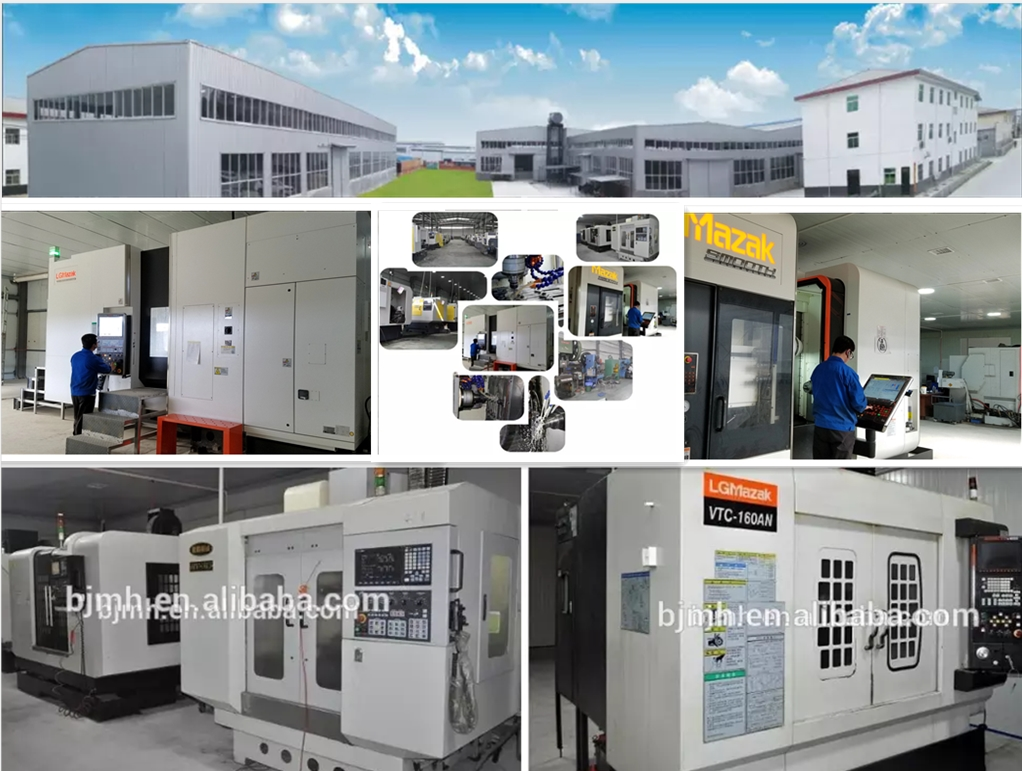
Established in 2008 in the Gaoya Village Industrial Zone adjacent to Baoti Group, we combine deep raw material integration with multi-axis precision CNC turning.
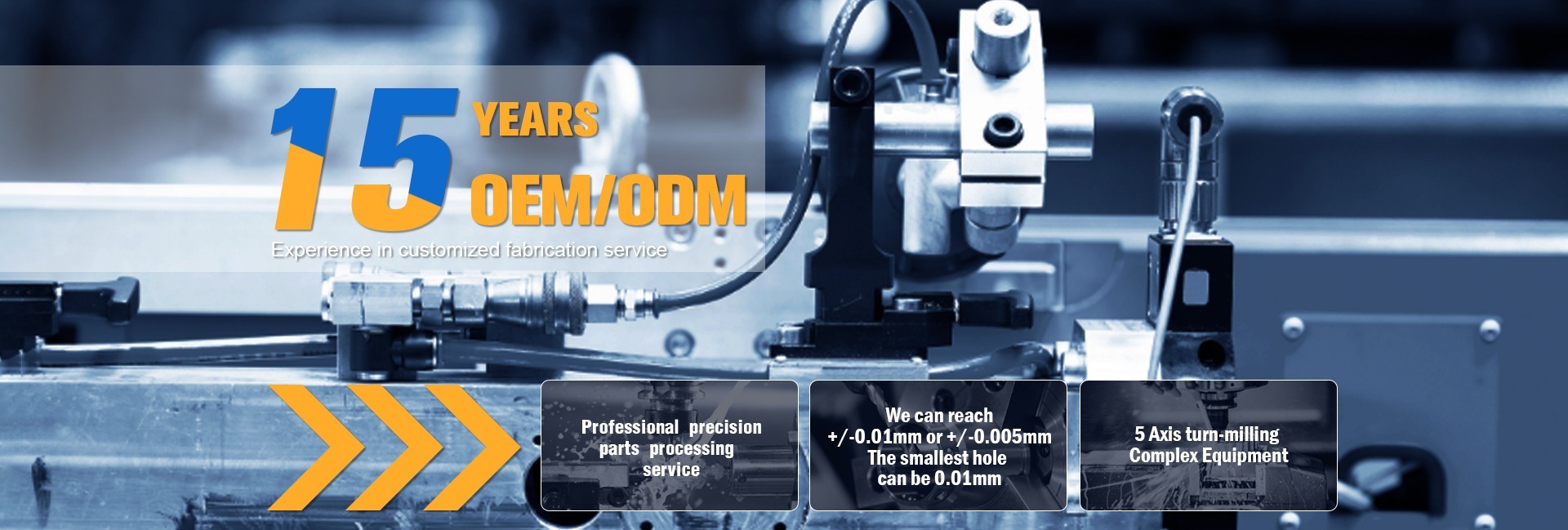
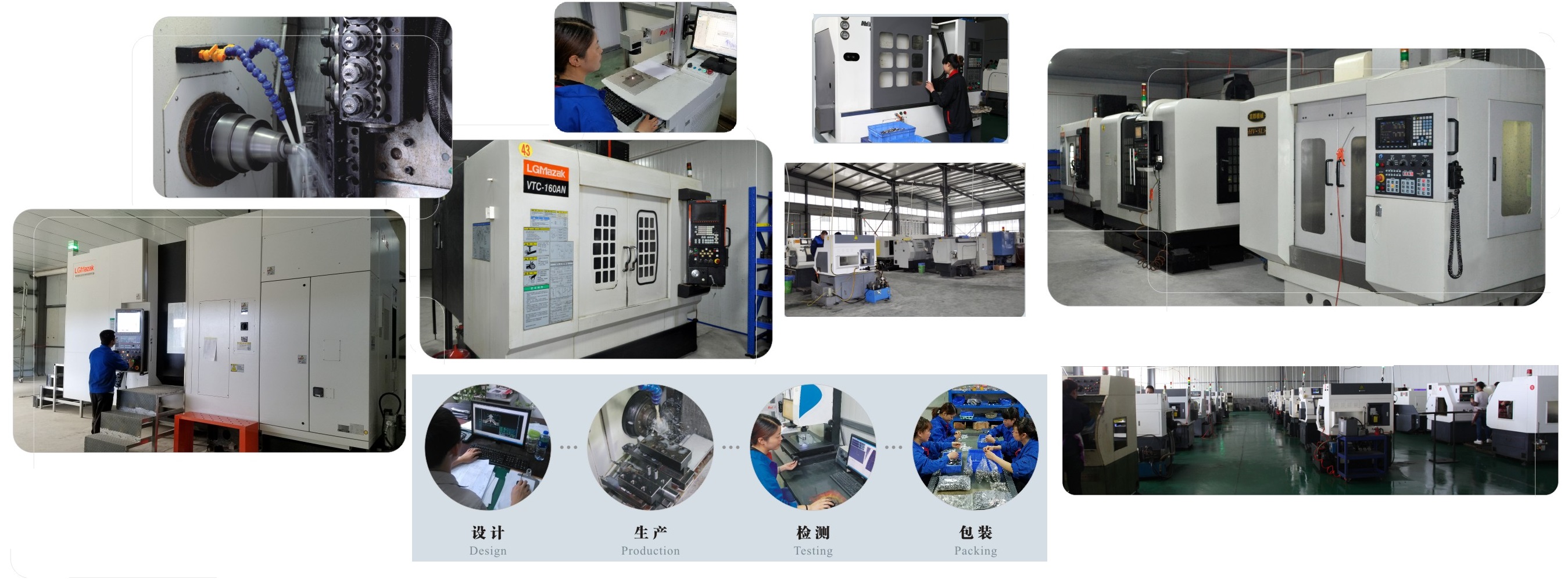
Sourcing authentic Grade 5 titanium fasteners demands strict raw material lineage. Located in Baoji, Shaanxi—globally recognized as China’s Titanium Valley—Vunza controls quality from verified titanium sponge melting right through to finished CNC-milled componentry. Our 34 sets of 3-axis, 4-axis, and 5-axis CNC machining centers operate around the clock, producing precision fasteners with radial runout and thread pitch tolerances held down to 0.005 mm.
Unlike workshop aggregators or trading middlemen, our in-house workforce features over 50% senior technicians with more than 13 years of titanium-specific turning and rolling experience. Every production run of custom lug bolts, 12-point flange racing nuts, caliper bolts, and inboard sprint brake rotors undergoes systematic first-article dimensioning, in-process optical comparators, and comprehensive final batch spectrometry verification.

How tier-one motorsport teams, hypercar builders, and aftermarket brands are redefining titanium procurement standards.
Traditional chemical anodizing offers aesthetic coloration but limited abrasion defense. The global market is transitioning rapidly to Physical Vapor Deposition (PVD) titanium nitride (TiN), titanium carbonitride (TiCN), and diamond-like carbon (DLC) finishes, delivering surface hardness ratings upwards of 2,500 HV to eliminate socket galling.
Rigid mono-block lug bolts introduce non-uniform friction across the wheel bolt seat. Modern procurement orders demand two-piece floating collar designs (60-degree cone or ball seat) crafted from titanium or aerospace alloy, isolating torsional twisting from true axial clamping force.
With electric vehicle architectures carrying massive battery pack weight, chassis engineers are scrutinizing every unsprung component. Adopting titanium hub studs and conversion lug nuts yields direct thermal shedding and range optimization across commercial hyper-EV platforms.
Aerospace and competitive motorsport procurement frameworks now mandate digitized material test certificates (MTR) confirming ASTM B348 / AMS 4928 chemical composition. OEM buyers require direct sponge-to-part heat numbers to prevent scrap alloy contamination.
Eliminating common installation failures: How engineering teams manage preload tension without cold-welding threads.
The single greatest operational misconception surrounding titanium lug bolts involves the friction coefficient and thread tightening protocols. Pure dry titanium sliding against another metal (such as cast iron wheel hubs or aluminum rotor hats) exhibits an aggressive adhesive wear phenomenon known in tribology as galling or cold-welding. Under high clamping loads, microscopic asperities shear and fuse together, leading to irreversible thread destruction during subsequent removal cycles.
To ensure perfect mechanical performance and avoid false torque readings, our engineering department mandates the following strict installation criteria:
Always apply a uniform micro-film of high-nickel or molybdenum disulfide (MoS₂) anti-seize paste across external threads and under the fastener collar. Avoid copper pastes in wet saline environments to eliminate micro-galvanic cell generation.
Pneumatic impact guns deliver uncontrolled peak hammer torque that can spike local clamping stress past the yield plateau. Tighten fasteners sequentially in a diagonal star pattern utilizing a calibrated digital or beam click-torque wrench.
Because titanium exhibits a lower Young's Modulus (~110 GPa) than structural steel (~210 GPa), initial bed-in settling of the wheel taper requires a mandatory verification check after 50 to 100 kilometers of initial dynamic track or road use.
Direct answers to the most common metallurgical, commercial, and technical questions posed by global procurement managers.
Connect directly with our Baoji engineering headquarters. Receive technical design-for-manufacturing (DFM) feedback, material verification, and detailed volume quotation within 9 working hours.