Racing Hardware
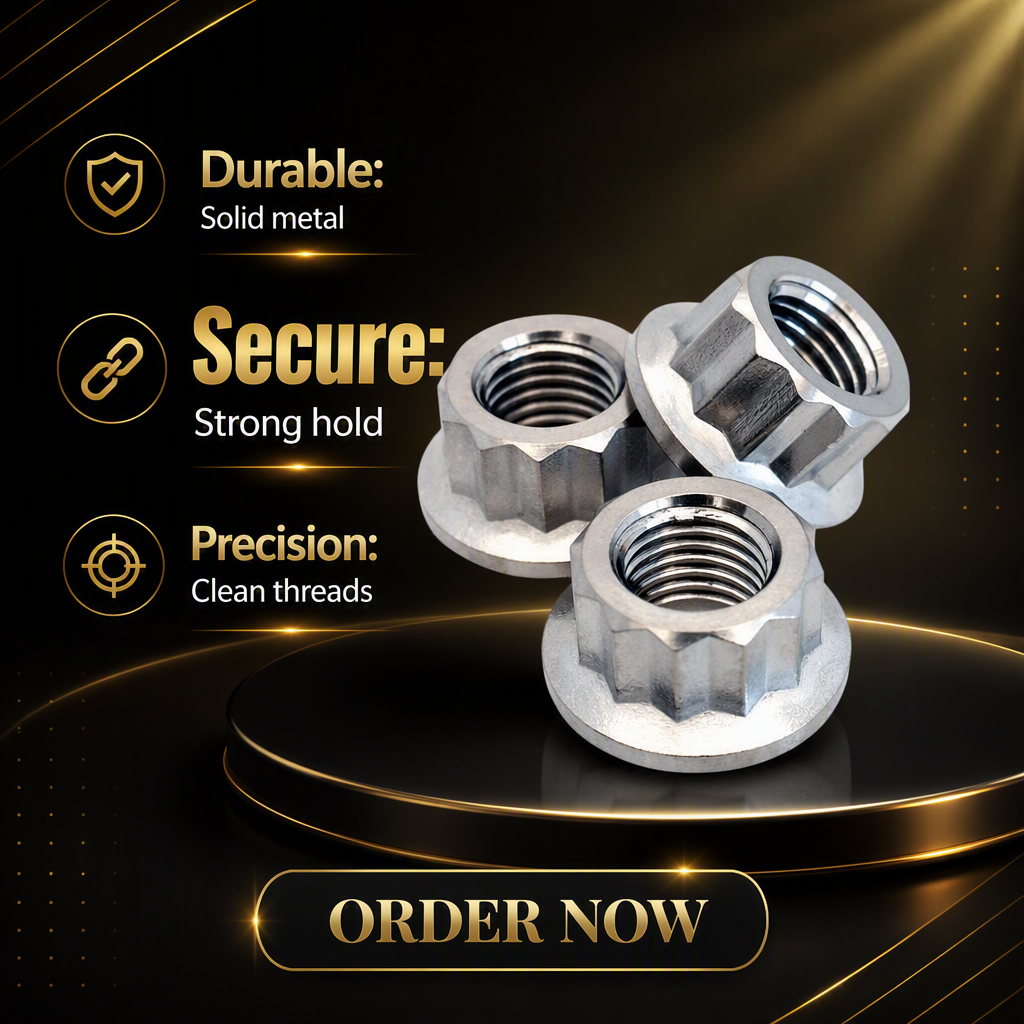
Direct manufacturer specifications designed for motorsport endurance, extreme clamping rigidity, and zero structural rust in humid Philippine racing circuits.
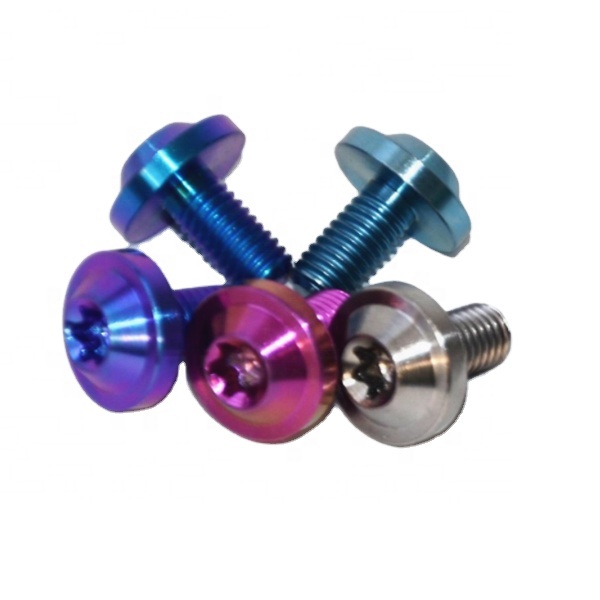
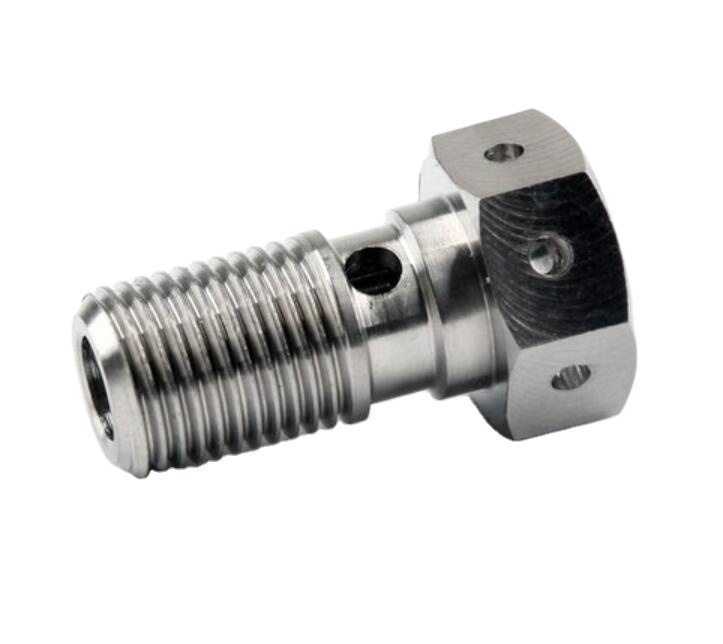
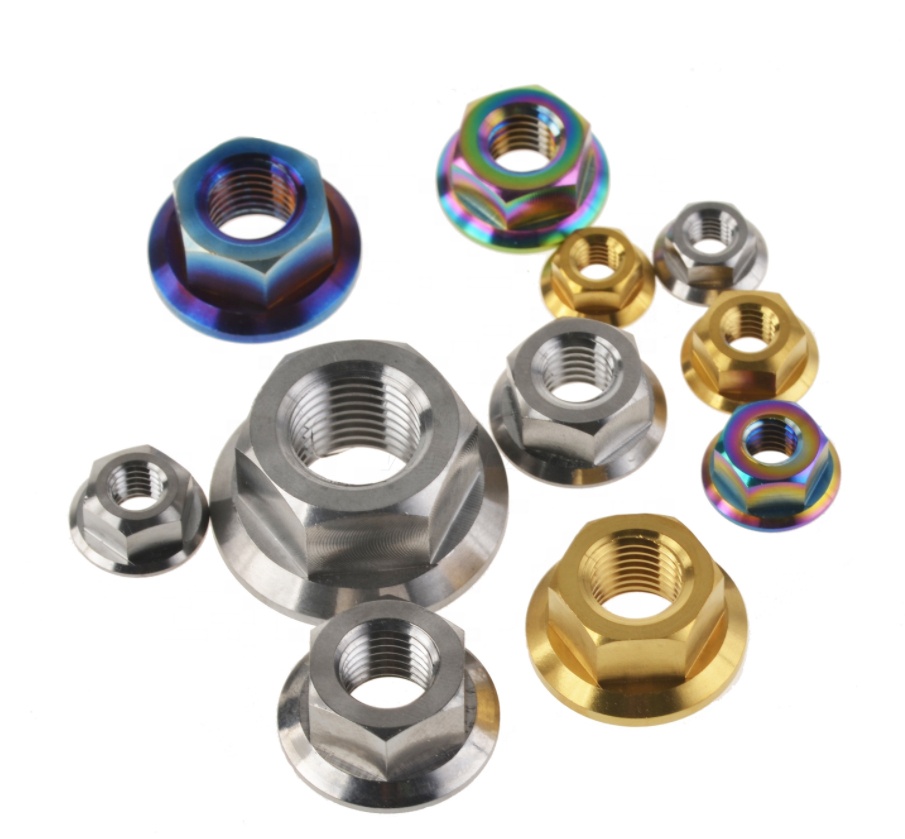
A comprehensive engineering review of rotational inertia reduction, high-temperature tribological stability, and galvanic corrosion resistance under equatorial maritime conditions.
In competitive motorsport engineering—spanning winged sprint cars, midget open-wheel racers, and modified dirt-track machines—braking systems represent the definitive frontier of rotational mass optimization. For racing teams, aftermarket parts fabricators, and chassis builders operating across the Philippine motorsport market, the deployment of CE Certified Sprint Car Titanium Brake Rotors is no longer merely a high-end luxury; it has become an indispensable technical differentiator.
As competitive racing gains momentum across specialized circuits in Luzon, Batangas, Clark, and Cebu, Philippine racing directors face unique, multifaceted operating challenges. Conventional cast-iron and generic stainless-steel rotors carry significant kinetic liabilities. Iron rotors contribute heavily to unsprung weight, blunting directional responsiveness in rapid chicane transitions. Concurrently, the hyper-saline, humid tropical climate common throughout the Philippine archipelago accelerates pitting corrosion and atmospheric oxidation on iron substrates. By replacing obsolete iron units with Grade 5 Ti-6Al-4V (TC4) and selectively surfaced titanium alloys, teams eliminate destructive oxidization while achieving a dramatic 44% weight reduction in rotational inertia.
Rotational unsprung mass imposes roughly twice the kinetic resistance of static chassis weight during dynamic acceleration and deceleration cycles. A standard steel sprint car rotor weighing approximately 3.8 kg possesses significant rotational inertia that directly dampens shock-absorber velocity control and delays transient throttle exit. Vunza’s titanium brake rotors, precision-machined from single-billet aerospace Ti6Al4V Grade 5, weigh approximately 2.1 kg, providing an unprecedented 44% mass deficit without sacrificing shear tensile strength.
| Mechanical & Thermal Metric | Ti6Al4V Grade 5 Titanium | Gray Cast Iron (Class 30) | AISI 410 Stainless Steel |
|---|---|---|---|
| Mass Density (g/cm³) | 4.43 g/cm³ (Ultra-Light) | 7.20 g/cm³ (+62.5% heavier) | 7.75 g/cm³ (+74.9% heavier) |
| Tensile Yield Strength (MPa) | ≥ 828 MPa | 200–240 MPa | 450–550 MPa |
| Ultimate Tensile Strength (MPa) | ≥ 895 MPa | 310 MPa | 650–700 MPa |
| Modulus of Elasticity (GPa) | 114 GPa (Deflection Resistant) | 100 GPa | 200 GPa |
| Galvanic Corrosion Index (Maritime) | Virtually Immune (Noble) | Severe Surface Flaking & Pitting | Moderate Localized Crevice Attack |
| Maximum Working Temperature | 600°C (Sustained Track Use) | 400°C (Prone to Heat Checking) | 500°C (Prone to Thermal Coning) |
The physical advantage translates directly to the stopwatch. In sprint car racing—where front-axle agility determines turn-in trajectory on loose surfaces—shedding rotating inertia on the left-front rotor allows immediate steer response, eliminating mid-turn understeer. By maintaining tight geometric runout via our 34 multi-axis CNC machining centers (operating within an absolute tolerance of ±0.005 mm), pedal flutter, pad knock-off, and hydraulic taper are completely engineered out of the braking cycle.
Designing racing brake discs for use in the Philippines demands deep sensitivity to local microclimatic and structural operational realities. Our CE certified titanium components are custom-tailored to solve four distinct domestic operational conditions:
Philippine motorsport tracks (such as coastal drag corridors and regional speedways) endure high maritime humidity. Titanium's self-healing TiO₂ passive film prevents corrosion caused by salt-laden ambient air.
Abrupt shifts from sweltering tropical track heat to tropical rain squalls cause severe thermal cracking in cast iron. Grade 5 titanium's structural elasticity handles thermal shock without micro-fissuring.
Unpaved, gravel-heavy sprint car arenas introduce volcanic basalt and silica sand into caliper interfaces. Surface-hardened PVD or nitride-treated titanium resists scour wear significantly better than unhardened steel.
Extended storage between racing seasons under Philippine ambient humidity often leaves brake rotors fused with brake pads. Titanium assemblies eliminate static pad-bonding and corrosion seize.
The automotive and racing market across the Philippines is undergoing a notable technical transformation. Traditionally reliant on end-of-life imported scrap assemblies or standard OEM replacement steel rotors, independent racing teams and performance garages in Metro Manila, Central Luzon, and Davao are systematically upgrading to certified, batch-traceable lightweight alloys.
Headquartered in the Gaoya Village Industrial Zone in Baoji, Shaanxi, Vunza Titanium Industry Co., Ltd. has stood as a specialized titanium manufacturing authority since 2008. Situated directly adjacent to the national Baoti Group industrial corridor, our plant leverages an uncompromised metallurgical supply network from raw titanium sponge to finished, flight-grade components.
Every rotor, fastener, and valve retainer is traced directly to certified sponge ingot melts. Spectrometric verification ensures exact alloy stoichiometry before multi-axis machining begins.
With 34 dedicated 3-axis, 4-axis, and simultaneous 5-axis CNC machining suites, critical brake pad runout, parallelism, and bolt-circle concentricity are maintained within ±0.005 mm.
With average engineering query response times under 9 hours and dedicated freight pipelines directly to Manila (MNL) and Cebu (CEB), prototype and bulk batch shipments arrive without customs delays.
Essential technical and commercial clarifications addressed directly by our senior titanium engineering desk:
Partner with China's premier titanium manufacturing facility. Submit your sprint car brake rotor CAD files, material specifications, or custom fastener requests for comprehensive DFM analysis and direct factory pricing.