DIN / GB Spec
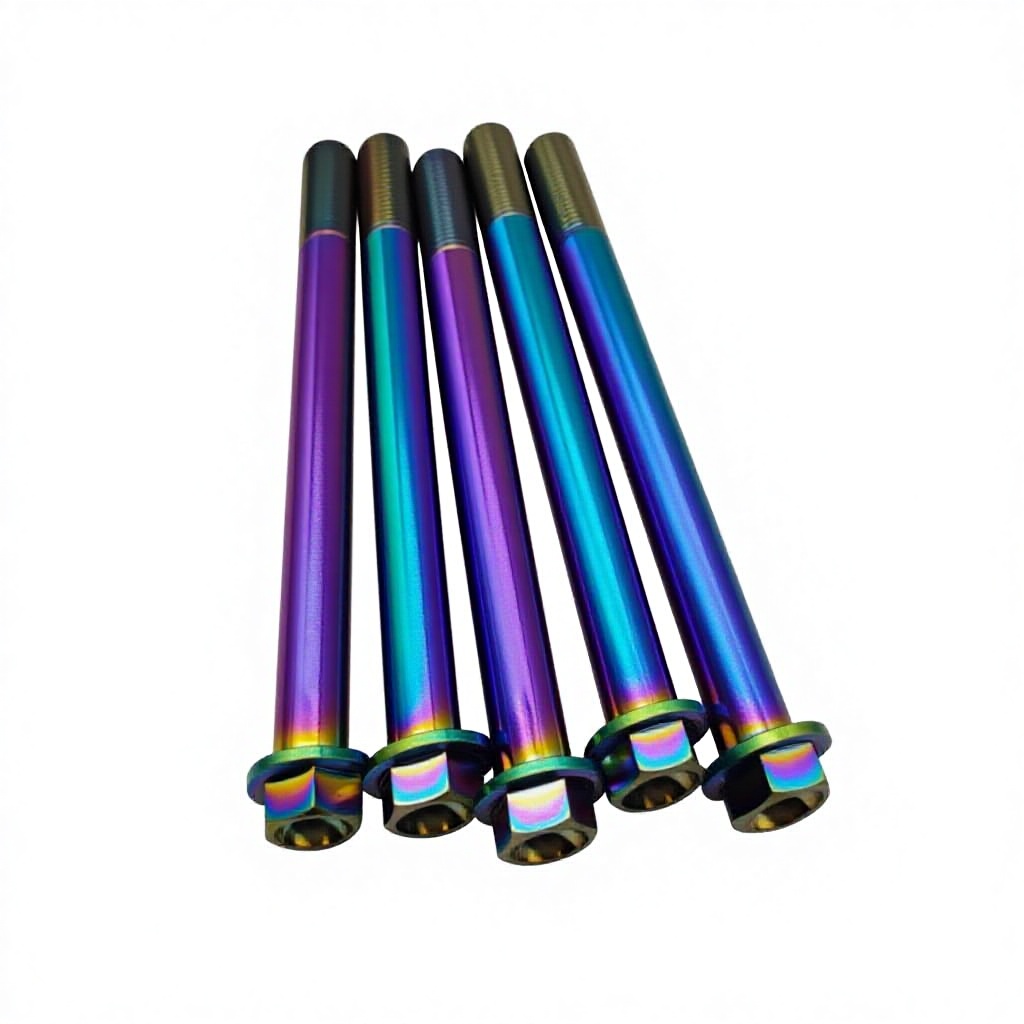
Grade:Ti-6Al-4V Gr5
Threads:M6, M8, M10 Rolled
Tensile:≥ 950 MPa
Direct from China's Titanium Valley to Granada: Certified standard & custom-turned titanium fasteners held to 0.005 mm micro-tolerances with full heat lot traceability.
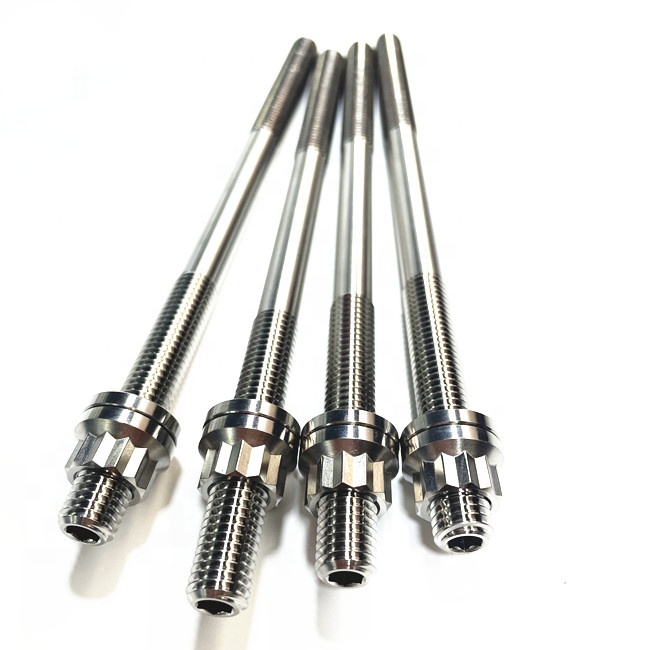
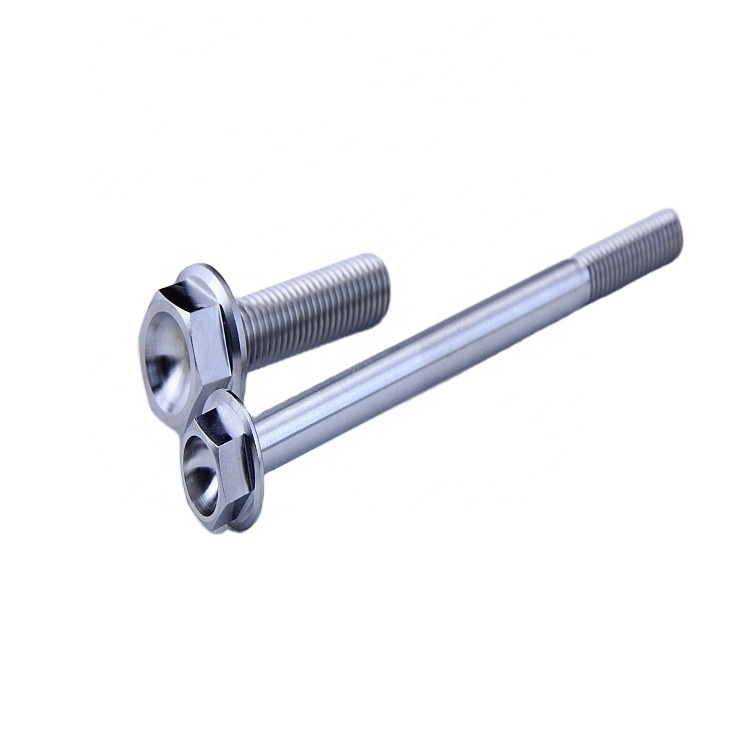
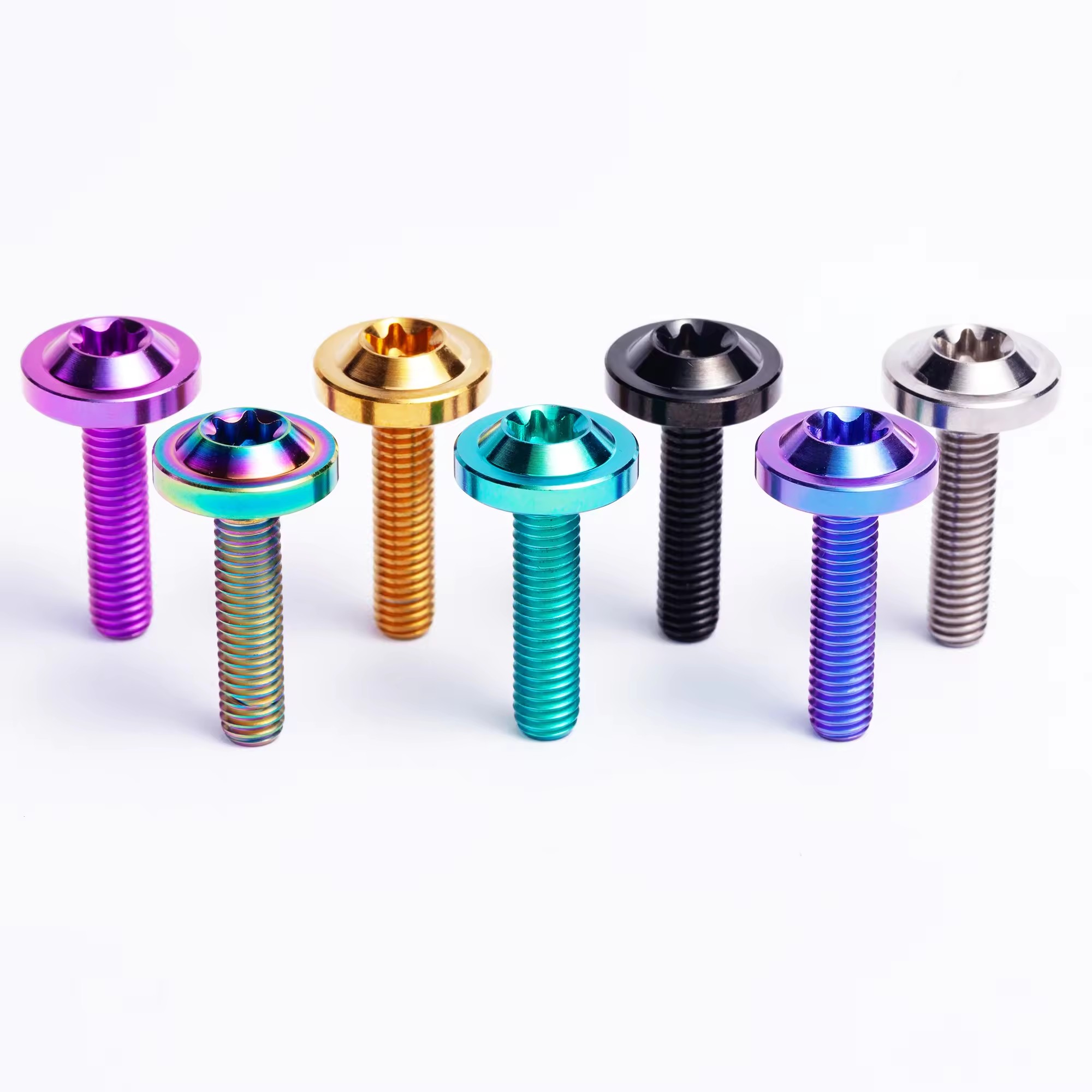
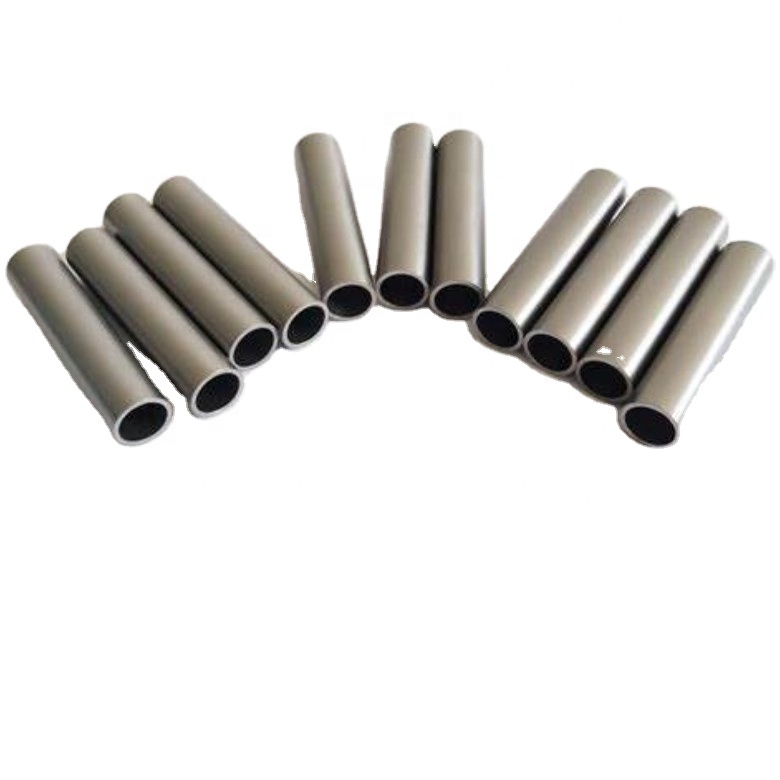
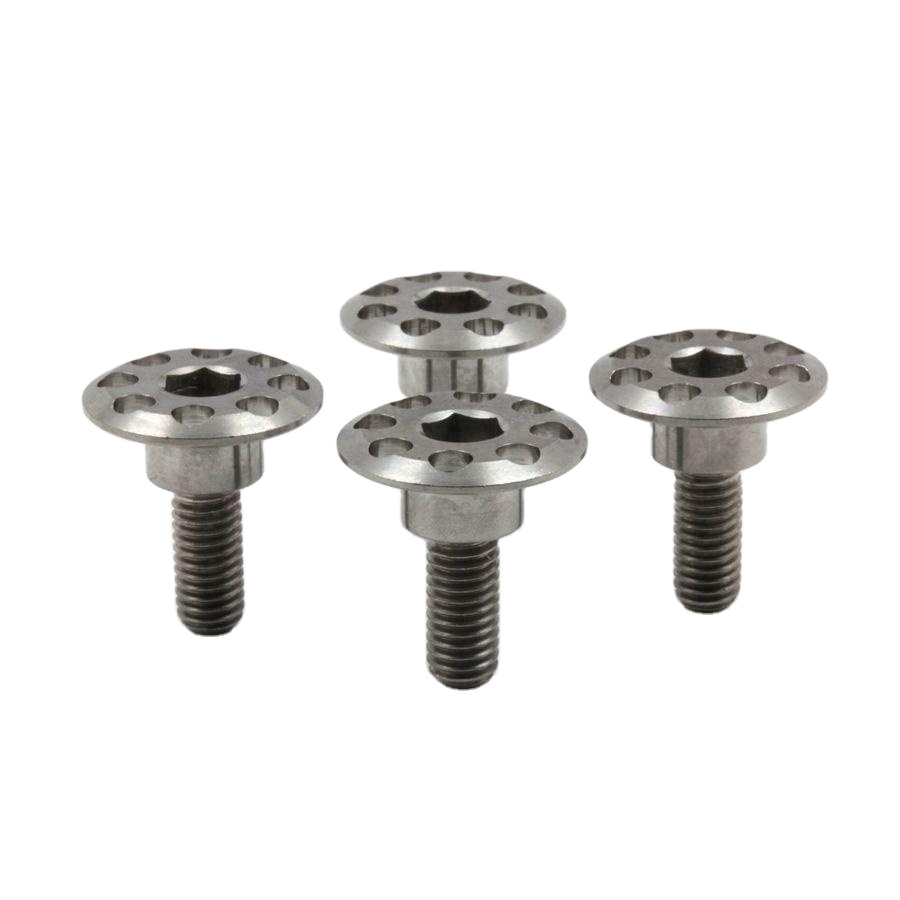
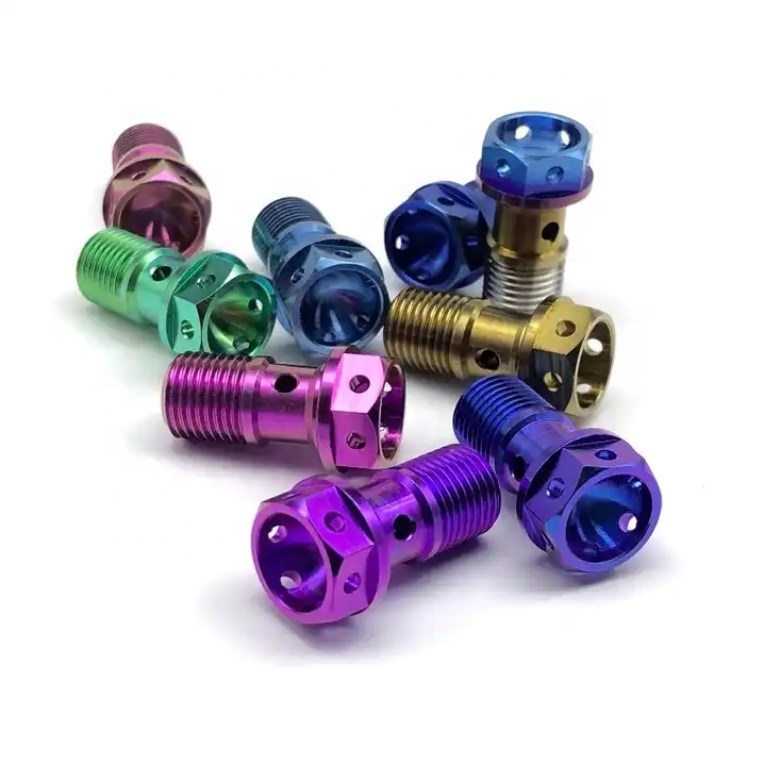
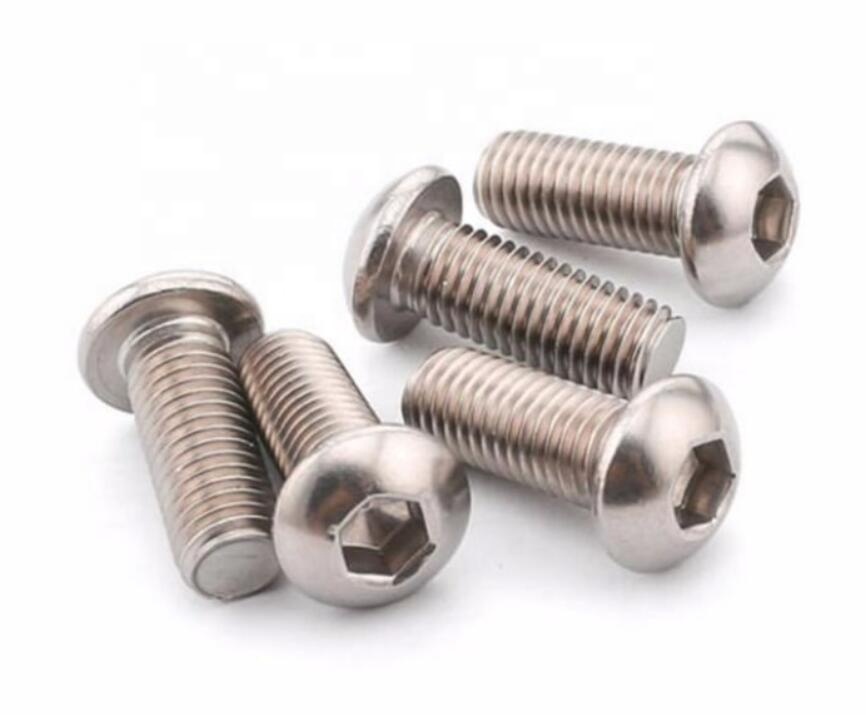
An authoritative engineering assessment of titanium micro-screw performance, microscopic thread rolling parameters, shear biomechanics, and surface chemistry for critical assemblies in Granada.
| Alloy Grade & Designator | Yield Strength (Rp 0.2 MPa) | Tensile Strength (Rm MPa) | Elastic Modulus (GPa) | Elongation (%) | Primary Industrial Utility |
|---|---|---|---|---|---|
| Gr2 (Commercially Pure Ti) | 275 – 345 | 345 – 480 | 103 | ≥ 20% | Chemical sensors, optical housings, marine atmospheric instrumentation |
| Gr5 (Ti-6Al-4V TC4) | 828 – 910 | 895 – 1050 | 114 | ≥ 10% | Aerospace optics, synchrotron vacuum stages, cycling gear components |
| Gr23 (Ti-6Al-4V ELI / ASTM F136) | 795 – 860 | 860 – 965 | 110 | ≥ 12% | Maxillofacial implants, neurosurgical plates, dental abutment micro-screws |
| CoCrMo Alloy (ASTM F75) | 450 – 850 | 655 – 1170 | 210 – 250 | ≥ 8% | Prosthetic friction interfaces, orthopedic load-bearing joints |
For fasteners below M3.0, single-point tool deflection creates severe pitch drift on lower-grade machines. Our factory utilizes multi-axis Citizen and Star CNC sliding-head Swiss lathes configured with high-pressure oil cooling to preserve continuous chip evacuation. Thread profiles on Grade 5 titanium micro-screws are formed through precision cold-rolling dies when geometry permits, inducing beneficial compressive residual stresses that increase fatigue endurance limits by up to 34% compared to cut threads.
Serving medical device manufacturers in Granada's PTS ecosystem requires strict control over interstitial elements. Our Grade 23 (Ti6Al4V ELI per ASTM F136 and ISO 5832-3) restricts oxygen (≤ 0.13%) and iron (≤ 0.25%) content, elevating fracture toughness and minimizing notch sensitivity. Every batch undergoes ultrasonic multi-stage degreasing and Type II nitric/citric acid passivation (per ASTM F86), establishing a chemically inert TiO2 oxide layer that prevents ion leaching in human tissue environments.
Titanium exhibits relative magnetic permeability (µr) below 1.00005, making it essentially invisible to magnetic resonance imaging (MRI) and ultra-sensitive magnetometer arrays. In cryogenic applications down to 4 Kelvin (-269°C), Ti-6Al-4V retains exceptional structural integrity without encountering the ductile-to-brittle transition temperature typical of standard austenitic or martensitic steels, serving the cryogenic instrumentation deployed across Sierra Nevada observatories.
Connecting China's premier titanium manufacturing infrastructure directly with the Andalusia technology corridor, from biomedical campuses to high-altitude astrophysical laboratories.
Granada’s PTS stands as one of Southern Europe’s foremost hubs for health sciences, medical biotechnology, and clinical biomechanics. Our factory manufactures CE-marked Ti6Al4V ELI micro-screws (M1.2, M1.5, M2.0) with cruciform, square, and Torx drives. Engineered for craniomaxillofacial reconstructive plates, spinal mini-cages, and orthopedic osteosynthesis, our screws provide optimal bone-to-implant contact ratios, non-toxic osseointegration, and strict micro-burr elimination under 100x optical microscopy.
The Instituto de Astrofísica de Andalucía (IAA-CSIC) and the Sierra Nevada Observatory (OSN at 2,896m altitude) pioneer high-resolution astronomical instrumentation. Micro-screws utilized in cryogenically cooled focal plane cameras and diffraction grating assemblies must survive severe thermal cycling without loosening or galling. Our Gr5 low-profile micro-screws feature rolled micro-threads and PVD-deposited molybdenum disulfide or tungsten carbide dry-film coatings for zero-outgassing vacuum reliability.
The construction of the IFMIF-DONES (International Fusion Materials Irradiation Facility - Demo Oriented NEutron Source) facility in Escúzar, Granada represents a landmark in nuclear fusion materials research. Beamline alignment sensors, collimator housings, and ultra-high vacuum (UHV) diagnostic instrumentation mandate non-magnetic fasteners with negligible activation signatures. Our Grade 2 and Grade 5 micro-hardware satisfies stringent outgassing thresholds under deep vacuum (< 10⁻⁹ mbar).
Private dental clinics, maxillofacial dental laboratories, and prosthetic milling centers across the Granada metropolitan area require micro-threaded retaining screws with extreme fatigue life under repeated masticatory cyclic loading. We supply M1.4 and M1.6 abutment screws with customized thread pitches and DLC (Diamond-Like Carbon) coatings to reduce the friction coefficient, guaranteeing maximum pre-load retention and preventing screw loosening.
Sierra Nevada is world-renowned as the premier high-altitude training ground for UCI WorldTour cycling teams. Every gram saved translates to a tangible mechanical advantage on Andalusian ascents. Our factory supplies precision M4 and M5 flat-head Torx bolts and caliper mounting kits engineered from Ti-6Al-4V, reducing fastener mass by 44% compared to carbon steel while resisting the corrosive effects of saline road de-icers and continuous rain.
Researchers within the University of Granada’s Department of Structural Mechanics and Robotics laboratories frequently engineer micromechanical sensors, surgical end-effectors, and drone guidance payloads. We support rapid proto-runs and batch manufacturing for micro-sized hex-socket, pan-head, and counter-sunk fasteners conforming to ISO 14581, DIN 7991, and DIN 912 with zero minimum order friction.
How regional funding, European Union MDR regulations, and aerospace-medical convergences are shaping the procurement of titanium micro-fasteners in Granada.
The implementation of Regulation (EU) 2017/745 requires European medical device manufacturers in Granada to exhibit complete material traceability down to the raw melt furnace lot. Legacy suppliers unable to provide EN 10204 Type 3.1 chemical analysis and tensile validation certificates are being rapidly phased out. Our supply chain delivers full chemical, mechanical, and bio-passivation documentation with each shipping dossier.
While 3D printing (Selective Laser Melting) of porous titanium implants is gaining traction across Granada medical labs, 3D printed threads under M3.0 exhibit unacceptable surface roughness (Ra > 3.2 µm) and poor fatigue retention. As a result, Andalusia’s bio-designers increasingly rely on hybrid manufacturing: 3D printing the complex porous scaffold, while securing it with precision Swiss CNC-turned micro-screws that possess mirror-finished, rolled threads.
Escalating raw material and electricity costs across Western European machine shops have prompted engineering directors in Andalusia to bypass intermediate distributors. By partnering directly with Baoji manufacturing hubs that house end-to-end vacuum arc remelting, forging, Swiss turning, and cleanroom packaging under one roof, Granada firms realize 30% to 50% cost efficiencies without sacrificing dimensional accuracy.
Clear, technically sound guidance addressing Spanish import procedures, customs classification, testing standards, and order fulfillment logistics.
Rooted in Baoji, China’s industrial titanium heartland since 2008, combining raw sponge refining proximity with advanced European-standard quality systems.
Located immediately adjacent to the Baoti Group Industrial Park in Baoji, our facility sources triple-melted Vacuum Arc Remelted (VAR) ingots directly from certified metallurgical mills. By exercising complete quality control from the raw titanium sponge through to finished micro-threaded hardware, we eliminate third-party raw material fraud and deliver consistent grain size distributions (ASTM Grade 6 or finer).
Our workshop houses 34 precision 3-axis, 4-axis, and 5-axis CNC machining centers, alongside dedicated Swiss-type automatic turning centers equipped with sub-spindles and live tooling. This advanced infrastructure allows complete micro-part production in a single continuous setup, eliminating secondary handling errors and assuring concentricity tolerances down to 0.005 mm.
Over 50% of our CNC operators and quality engineers possess more than 13 years of dedicated hands-on experience in exotic refractory alloy processing. Operating with an average technical response time under 9 hours, our engineering staff interfaces directly with European project managers, evaluating complex 3D CAD files and proposing practical cost-reduction strategies.
Whether you require standard DIN/ISO micro fasteners or custom-engineered titanium medical hardware built to proprietary drawings, our engineering team provides comprehensive DFM feedback and competitive factory pricing within 9 hours.