Engineered Titanium Hardware Available for Direct Procurement
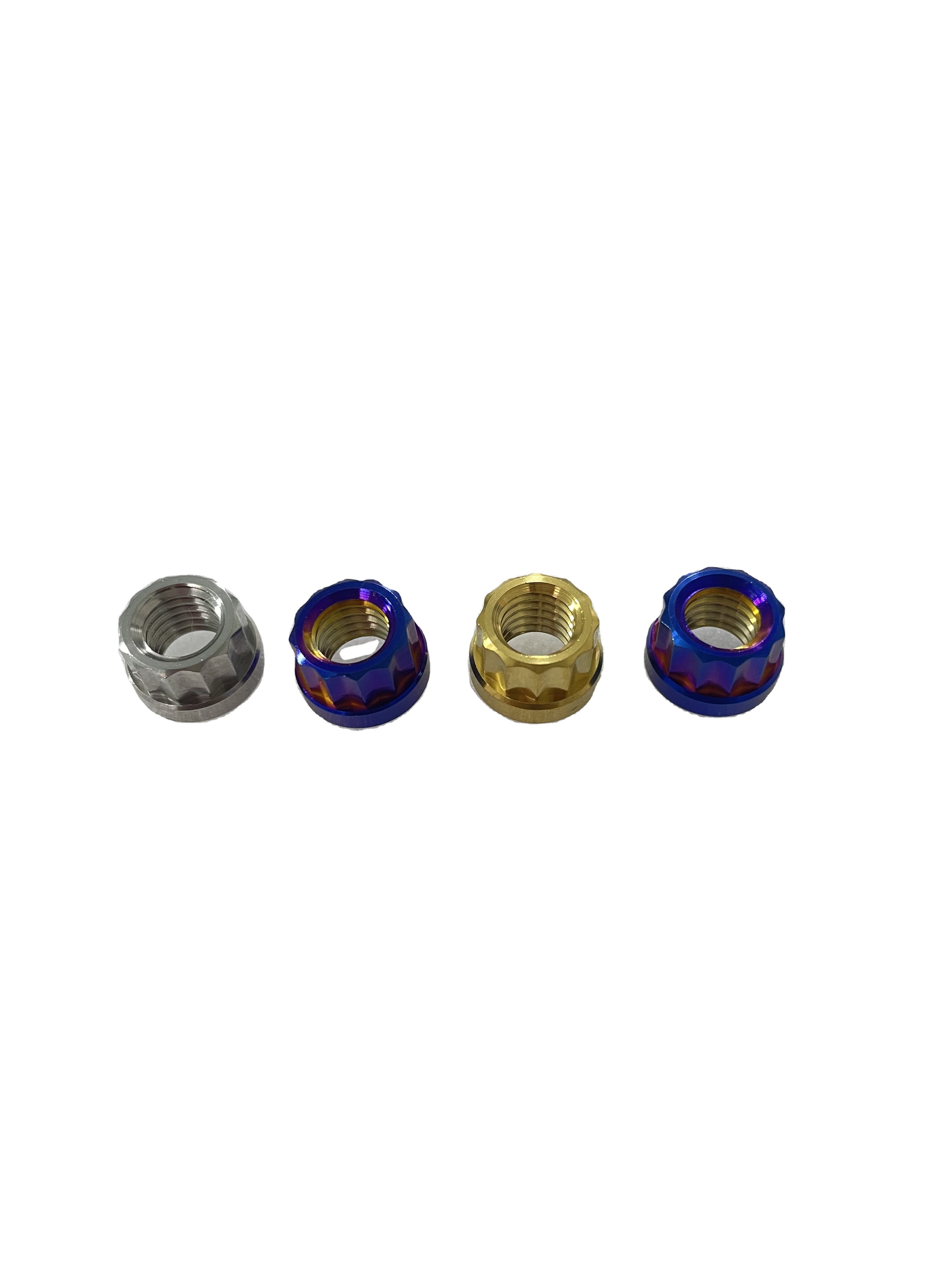
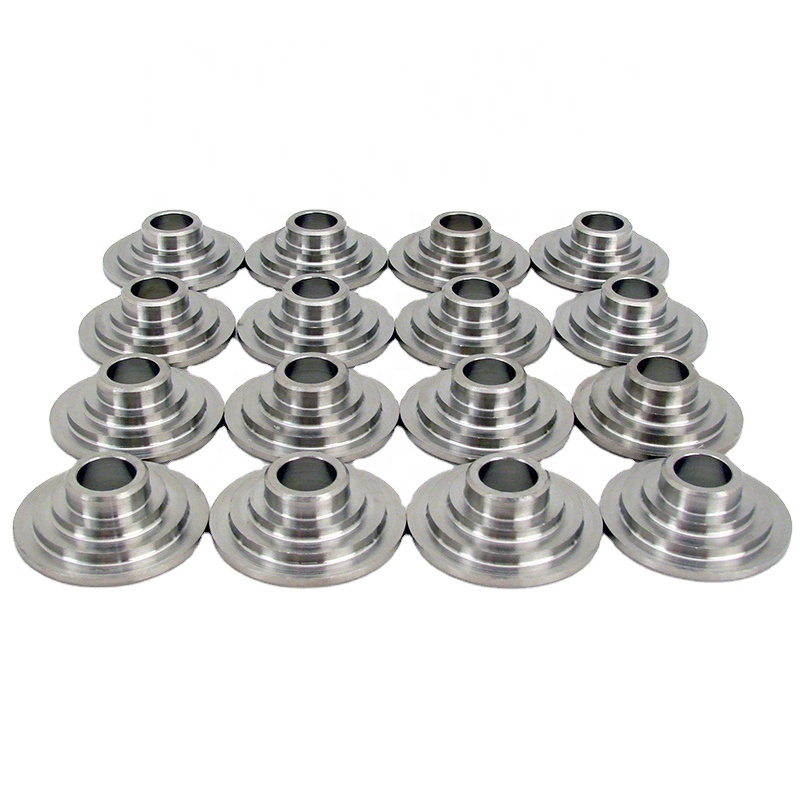
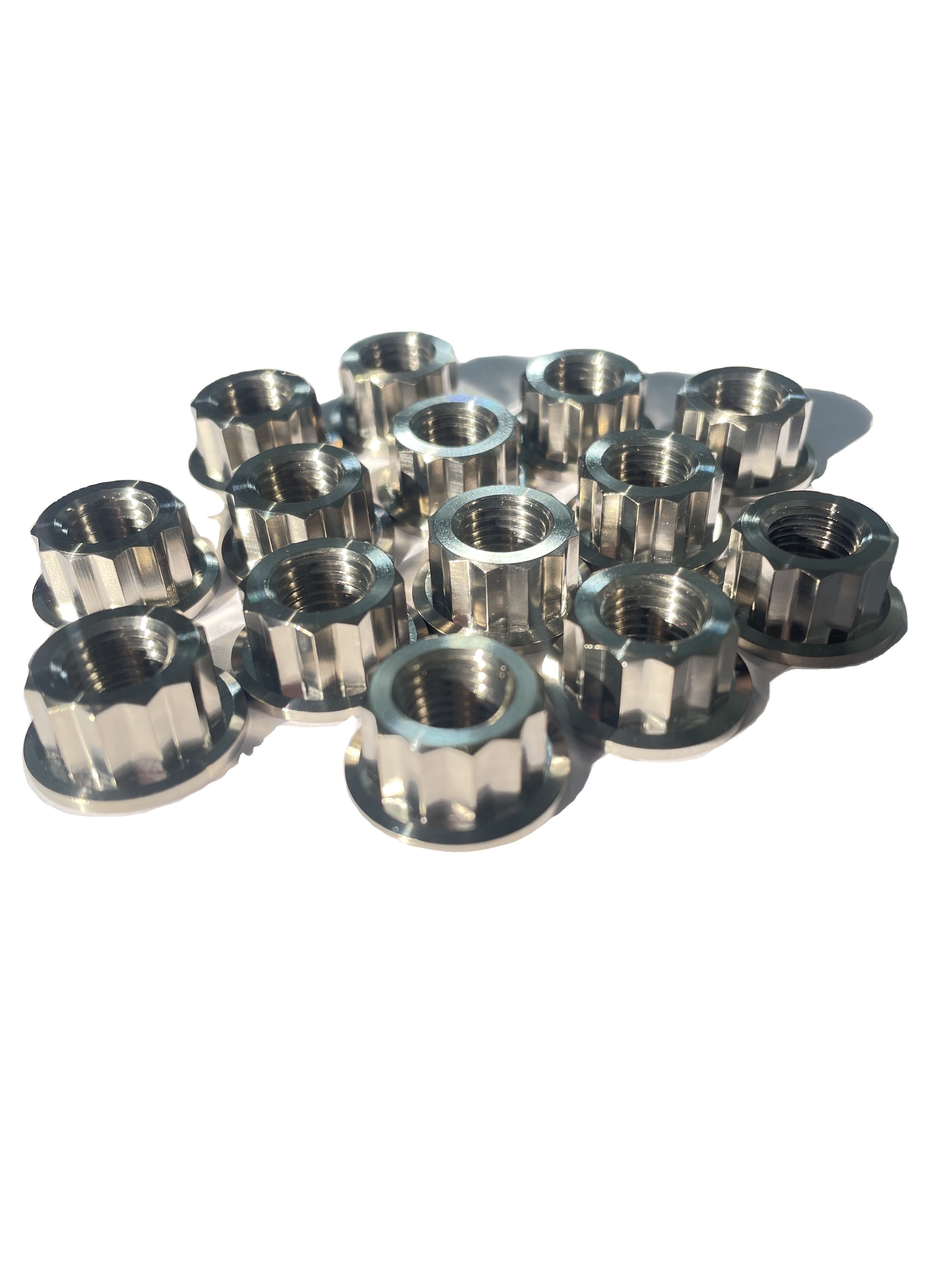
Explore our production-ready Gr5 Ti6Al4V threaded components, high-tensile flanged nuts, and custom CNC stud solutions calibrated for high fatigue strength, heat resilience, and severe electrochemical durability.
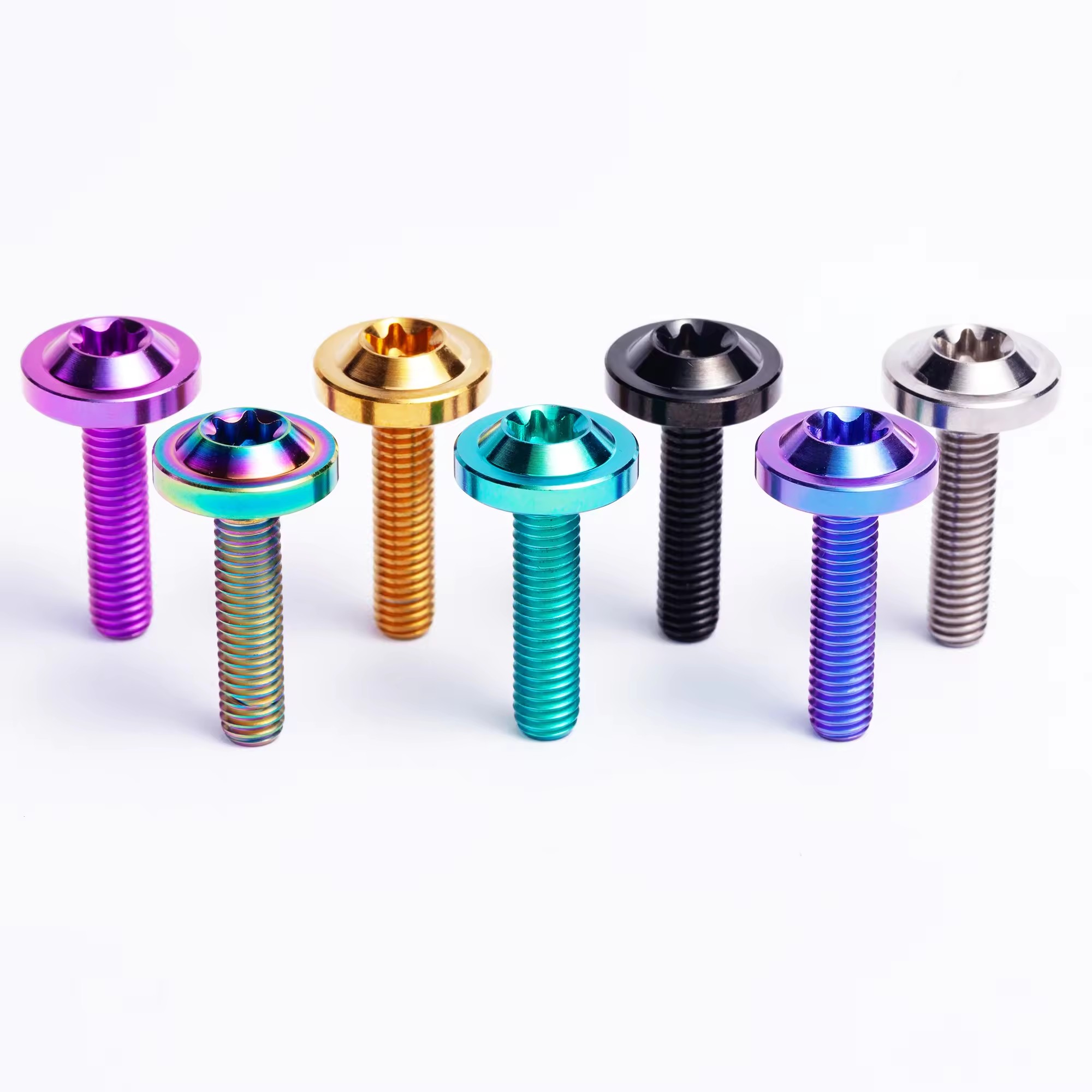
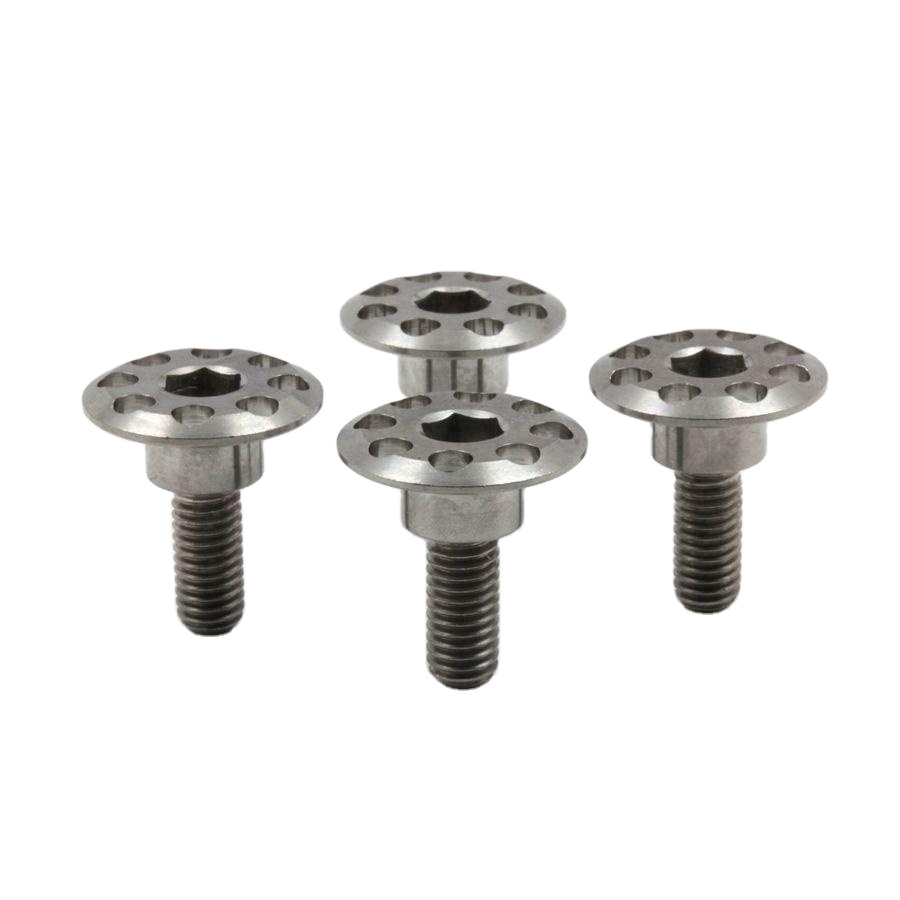
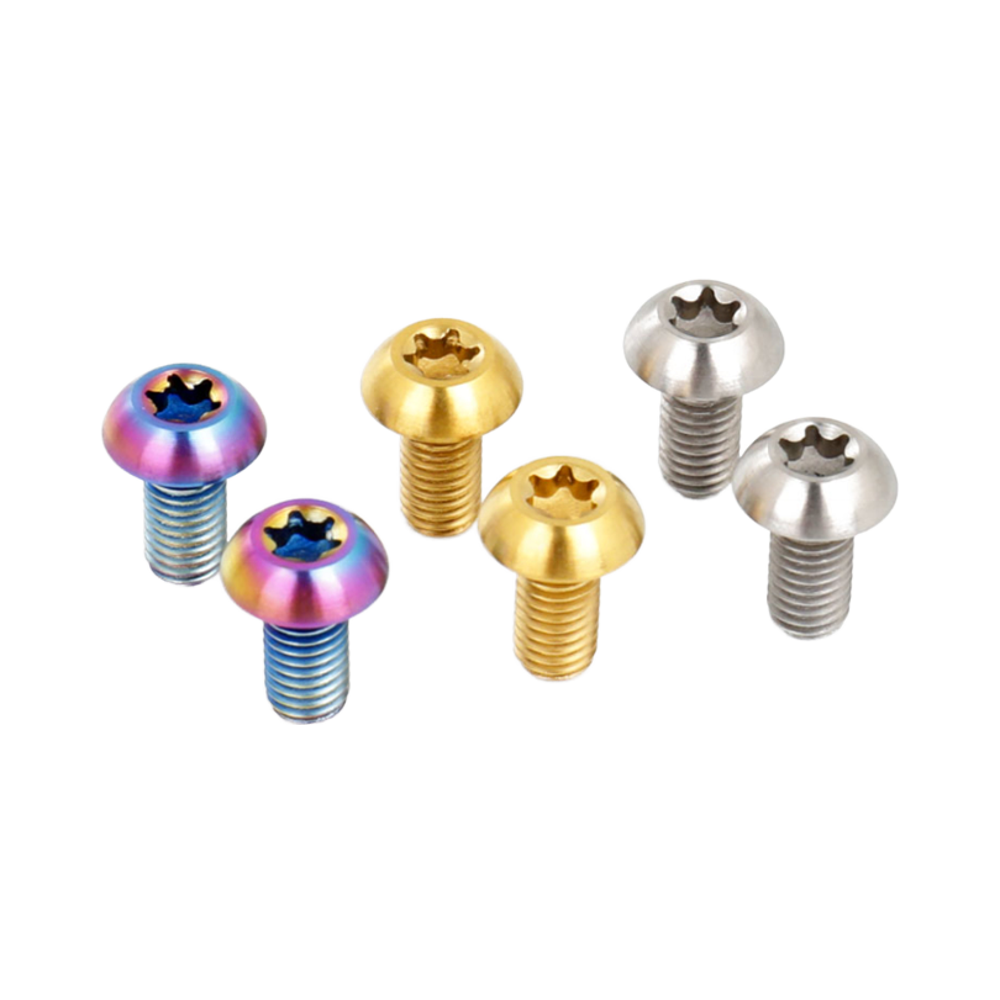
GR5 Titanium Alloy Torx Head Low Profile Fine Polished Motorcycle Bolts Anti-Theft M4 M5 M6 M8 M10
Inquire Now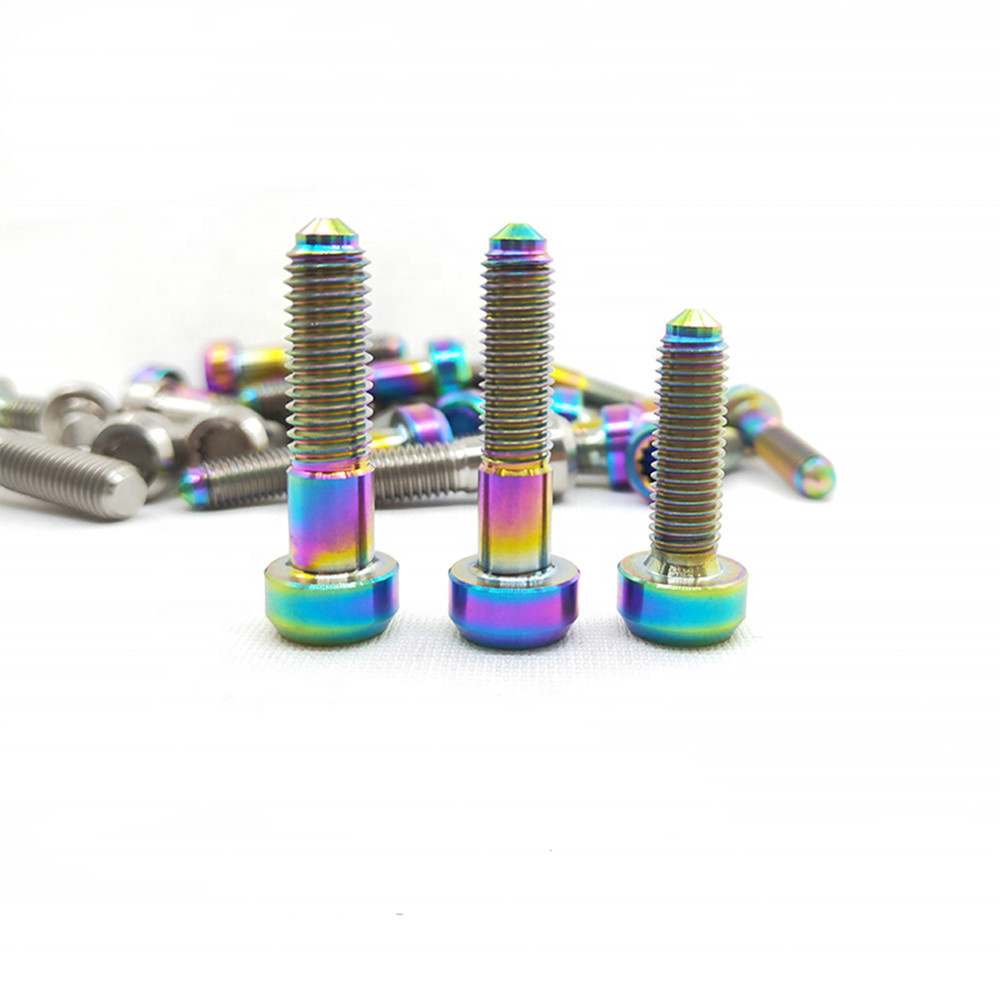
M7 X 24 M7X32 Titanium Mushroom Head Split Rims Screw 12 Point DIN Grade 5
Inquire Now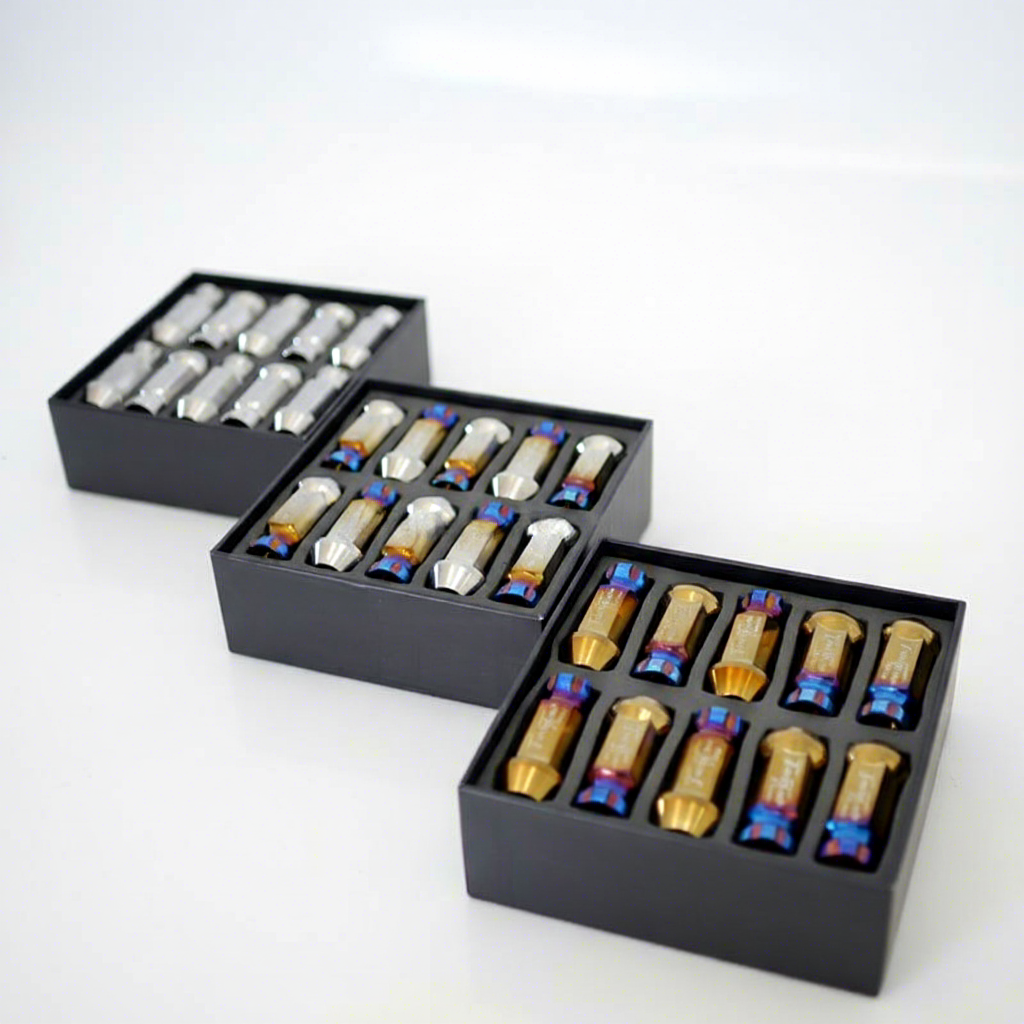
Executive Metallurgy Summary: Titanium Threaded Stud Manufacturing for Pyongyang Industrial Applications
This technical whitepaper examines the design principles, metallurgical crystallography, CNC processing parameters, and structural mechanics of CE-certified titanium threaded studs (DIN 938, DIN 939, DIN 976, and ISO 4014 equivalents). Sourced from Baoji Vunza Titanium Industry Co., Ltd., these components address catastrophic mechanical failure, stress-corrosion cracking (SCC), and thermal fatigue encountered in harsh heavy-duty, petrochemical, locomotive, and mining environments serving Pyongyang and its connected regional corridors.
1. Metallurgical Foundations: Grade 5 Ti-6Al-4V vs. Grade 2 Commercially Pure Titanium
The operational longevity of mechanical fasteners exposed to combined cyclic shear, intense tension, and corrosive media is dictated by the alloy's crystalline microstructure. At Vunza Titanium, our precision threaded studs are primarily synthesized from double- and triple-melt vacuum arc remelted (VAR) titanium ingots. For general chemical containment where exceptional ductility and chemical passivation dominate, ASTM B348 Grade 2 Commercially Pure (CP) Titanium represents an optimal solution. Possessing an alpha-phase hexagonal close-packed (HCP) grain matrix, Grade 2 yields unmatched immunity to wet chlorine gas, chlorates, nitric acid, and organic chlorides.
However, where shear loading, dynamic tensile oscillation, and structural rigidity take precedence—such as in high-pressure cylinder heads, turbine manifold mounts, high-speed rail wheel-hub junctions, and structural frames—Grade 5 Ti-6Al-4V (UNS R56400 / Werkstoff 3.7165 / Chinese TC4) is the industry benchmark. Grade 5 features a dual-phase alpha-beta (α+β) crystalline structure engineered via an intentional 6% aluminum addition (alpha stabilizer boosting high-temperature strength) and 4% vanadium addition (beta stabilizer enhancing ductile workability and response to age hardening). The resulting material yields an exceptional strength-to-weight profile, providing a minimum tensile strength of 895 MPa while reducing joint mass by approximately 44% compared to 10.9 or 12.9 grade structural steel fasteners.
| Material Designation | Yield Strength (Rp 0.2, MPa) | Tensile Strength (Rm, MPa) | Elongation at Break (A5, %) | Density (g/cm³) | Modulus of Elasticity (GPa) | Hardness (Rockwell C / Brinell) |
|---|---|---|---|---|---|---|
| CP Grade 2 (Annealed) | ≥ 275 | ≥ 345 | ≥ 20 | 4.51 | 105 | ~ 80 HRB / 150 HB |
| Grade 5 Ti-6Al-4V (Annealed) | ≥ 828 | ≥ 895 | ≥ 10 | 4.43 | 114 | 30 – 34 HRC / 310 HB |
| Grade 5 (STA Conditioned) | ≥ 1030 | ≥ 1100 | ≥ 8 | 4.43 | 118 | 36 – 39 HRC / 360 HB |
| Grade 23 Ti-6Al-4V ELI | ≥ 795 | ≥ 860 | ≥ 10 | 4.43 | 114 | 30 – 32 HRC / 290 HB |
| High-Tensile Alloy Steel (10.9) | 900 | 1000 – 1040 | ≥ 9 | 7.85 | 210 | 32 – 39 HRC / 320 HB |
2. Thread Rolling vs. Thread Cutting: Fatigue Endurance in Dynamic Clamping
The mechanical weak point of any threaded stud is the notch effect located at the thread root. Vunza Titanium implements cold roll-forming under controlled feed rates for our CE-certified titanium threaded studs rather than conventional single-point lathe cutting. Thread rolling forces the alpha-beta grain structures of Grade 5 titanium to plastically deform along the root contour without shearing the continuous longitudinal fiber lines.
This strain-hardening phenomenon imparts residual compressive stresses (between -250 MPa and -400 MPa) along the thread root, fundamentally mitigating micro-crack initiation during high-cycle dynamic vibration. Coupled with root-radius radii compliant with DIN EN ISO 898-1 and aerospace AS8879 profiles (UNJ/MJ), our rolled threads enhance fatigue threshold limits by more than 300% compared to machine-cut threads. For heavy engineering and dynamic industrial machinery deployed in Pyongyang, this ensures elimination of catastrophic shear failure under resonant frequencies.
Continuous Unbroken Grain Lines
Plastic rolling deformation compresses grain boundaries parallel to the thread profile, preventing micro-void propagation under axial loading.
Superior Root Notch Radii
Radiused thread roots reduce structural stress concentrations, preventing cyclic failure across high-vibration applications.
Burnished Anti-Galling Finish
Rolling action generates an ultra-smooth surface finish (Ra ≤ 0.4 μm), lowering the thread coefficient of friction and eliminating thread seizure.
3. Localized Industrial Applications Serving Pyongyang & Surrounding Corridors
The unique manufacturing landscape and mechanical infrastructure in the Pyongyang metropolitan zone and its peripheral industrial clusters create a demanding operating environment for mechanical fasteners. Our CE-certified titanium threaded studs, double-ended studs, tie rods, and full-thread studs serve strategic operational nodes:
Heavy Industrial Equipment & Foundries
Used extensively in large-tonnage forging presses, casting ladle articulation hinges, and machine bed tie-rods requiring thermal stability up to 450°C without mechanical relaxation.
Chemical Processing & Fertilizer Units
Grade 2 and Grade 5 threaded studs deliver total passivity against ammonium salts, urea synthesis gases, and sulphuric acid fumes in chemical reactor head assemblies.
Locomotive & Railway Infrastructure
Critical bogie clamp connections, traction motor studs, and pantograph mechanical hinges subject to continuous freeze-thaw cycles and severe dynamic vibration.
Additional application channels include hydroelectric dam turbine governance linkages along regional river basins, where cavitational spray quickly corrodes carbon steels, and municipal thermal power plant flanged piping where standard stainless steel studs (A2-70 / A4-80) suffer from chloride-induced stress corrosion cracking.
4. Technical Specifications & Dimensional Tolerances
Vunza Titanium manufactures all studs according to stringent international geometric norms. We maintain complete tool sets for DIN 938 (studs with engagement length ~1d), DIN 939 (engagement length ~1.25d), DIN 940 (engagement length ~2.5d), DIN 835 (engagement length ~2d), and DIN 976 / DIN 975 fully-threaded metric and imperial rods.
| Nominal Size (d) | Standard Pitch (P, mm) | Fine Pitch Option (mm) | Thread Class Tolerance | Tensile Stress Area (As, mm²) | Min. Proof Load (kN, Gr5) | Recommended Torque (Nm, Gr5)* |
|---|---|---|---|---|---|---|
| M6 | 1.00 | 0.75 | 4h / 6g | 20.1 | 16.6 | 8.5 – 10.2 |
| M8 | 1.25 | 1.00 | 4h / 6g | 36.6 | 30.3 | 21.0 – 24.5 |
| M10 | 1.50 | 1.25 / 1.00 | 4h / 6g | 58.0 | 48.0 | 41.0 – 48.0 |
| M12 | 1.75 | 1.50 / 1.25 | 4h / 6g | 84.3 | 69.8 | 72.0 – 84.0 |
| M14 | 2.00 | 1.50 | 4h / 6g | 115.0 | 95.2 | 115.0 – 132.0 |
| M16 | 2.00 | 1.50 | 4h / 6g | 157.0 | 130.0 | 180.0 – 210.0 |
| M20 | 2.50 | 1.50 | 4h / 6g | 245.0 | 202.8 | 350.0 – 410.0 |
| M24 | 3.00 | 2.00 | 4h / 6g | 353.0 | 292.2 | 600.0 – 710.0 |
*Note: Torque figures apply to threads lubricated with molybdenum disulfide (MoS₂) or anti-seize paste with a friction coefficient μ = 0.12. Dry installation of titanium is strictly not advised.
5. Galvanic Compatibility & Specialized Surface Finishes
When integrating titanium threaded studs into assemblies with cast iron engine blocks, carbon steel structural beams, or aluminum housings, electrochemical potential differences must be engineered to prevent galvanic degradation of the less noble substrate. Titanium exhibits an extremely noble electrode potential (+0.05 to +0.20 V vs. SHE in seawater), meaning adjacent carbon steel or aluminum will act anodically if moisture bridges the junction.
To eliminate this risk, Vunza Titanium provides several proprietary in-house surface treatments and engineering guidelines:
- Micro-Arc Oxidation (MAO / PEO): Synthesizes a thick ceramic titania layer (5 – 25 μm) exhibiting dielectric breakdown voltages exceeding 500V, totally isolating the stud from dissimilar metals.
- Type II Anodization (AMS 2488D): Produces an engineered conversion layer that eliminates thread galling during automated high-speed nut running and establishes boundary lubrication.
- Physical Vapor Deposition (PVD) DLC Coating: Imparts a diamond-like carbon layer delivering a surface friction coefficient ≤ 0.10 and exceptional surface hardness (> 2500 HV).
- Fluoropolymer / PTFE Barrier Coatings: Applied to studs intended for aggressive sea-spray or coastal chemical transit hubs.
6. Localized Procurement Trends: Life-Cycle Cost Valuation
Procurement directors and factory engineering leads in the region are progressively moving away from periodic replacements of zinc-plated alloy steel bolts towards corrosion-immune titanium alloy hardware. While the upfront material cost of Grade 5 titanium is higher than low-alloy steels, the total cost of ownership (TCO) reveals substantial savings:
Zero Atmospheric Corrosion Replacement
Eliminates maintenance shutdowns and teardowns caused by seized, rusted studs in wet, chemical, or outdoor installations.
Mass Reduction for Dynamic Kinetics
Reciprocating machinery, rotational equipment, and transportation vehicles benefit from ~44% fastener mass reduction, saving motor drive energy.
High-Temperature Thermal Fatigue Immunity
Operates reliably up to 400°C–450°C without the embrittlement or creeping common to standard stainless steel grades (such as AISI 304 or 316).
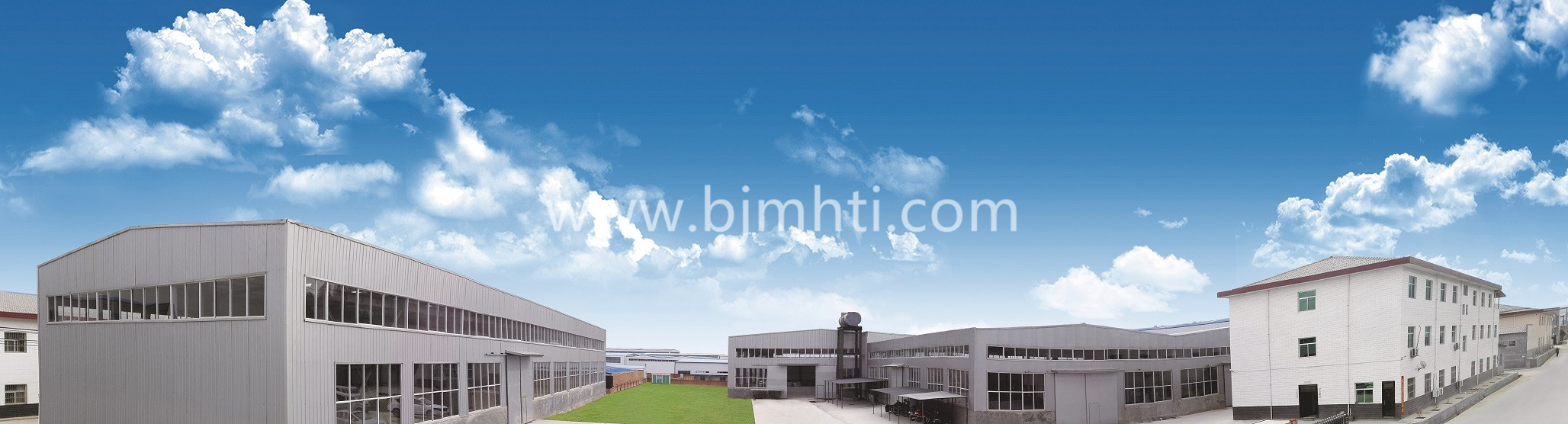
7. Vunza Titanium Industry: Baoji Factory Infrastructure & Technical Capabilities
Headquartered in the Gaoya Village Industrial Zone in Baoji, Shaanxi Province—known worldwide as China's Titanium Valley—Vunza Titanium Industry Co., Ltd. has specialized in high-performance titanium alloy production since 2008. Situated adjacent to the Baoti Group Industrial Park, our direct access to premium titanium sponge and raw ingot supply chains ensures material traceability and verified chemistry across every batch.
In-House Manufacturing & Testing Rigor
Our facility integrates 34 sets of high-precision multi-axis (3-axis, 4-axis, and 5-axis) CNC turning-milling machining centers, continuous thread rolling equipment, automated heat-treating vacuum furnaces, and optical laser inspection sorting systems. We hold tolerances down to 0.005 mm for mission-critical aerospace, automotive racing, and industrial hardware.
Quality assurance is managed under an ISO 9001:2015 certified quality system. From sponge testing to finished threaded rod verification, every batch undergoes spectroscopic chemical analysis, optical comparator thread-form mapping, tensile load verification, and micro-hardness testing. EN 10204 3.1 Mill Test Certificates (MTC) and dimensional inspection reports accompany all export deliveries.
8. Frequently Asked Questions by Regional Sourcing Teams
What CE certifications and international standards do your titanium threaded studs conform to?
How do you prevent thread galling during titanium stud installation?
Can you fabricate custom double-ended or step-down studs according to engineering blueprints?
What is the minimum order quantity (MOQ) and sample lead time for procurement serving Pyongyang?
What metallurgical documentation accompanies each shipment?
How do your titanium studs perform in sub-zero continental winter environments?
What packaging methods are utilized to protect thread integrity during regional transit?
What options are available for stud drive configurations and locking mechanisms?
Initiate Your Engineering Consultation & Fastener Request
Connect directly with our senior metallurgical and fastener engineering team in Baoji. Whether you require DIN 938 double-end studs, custom thread pitches, or complete assemblies serving Pyongyang projects, we deliver verified pricing, DFM feedback, and sample dispatches within 24 hours.