Featured Precision Titanium Fasteners & Components
Engineered to DIN, ISO, and proprietary aerospace standards. Fabricated from certified Grade 5 (Ti6Al4V) and Grade 2 titanium for extreme tensile loading, weight shedding, and thermal endurance.
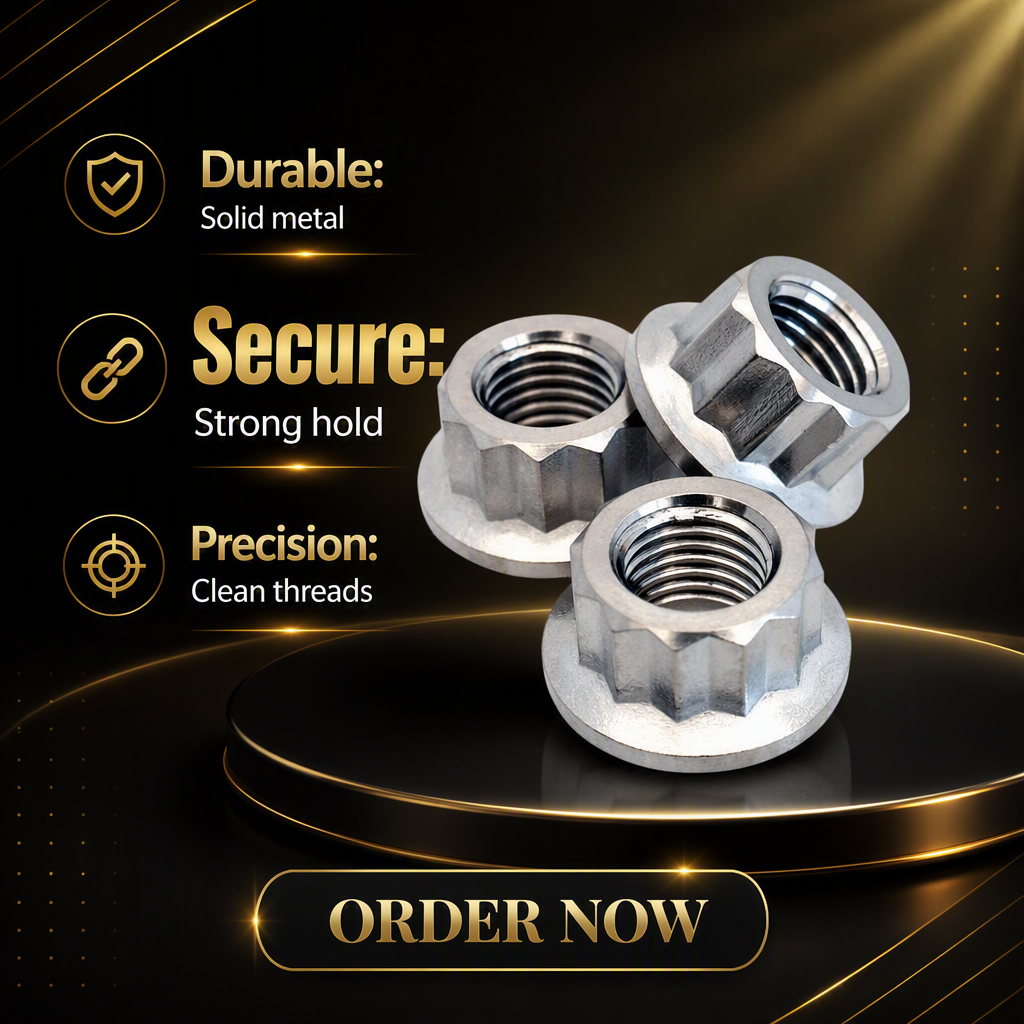
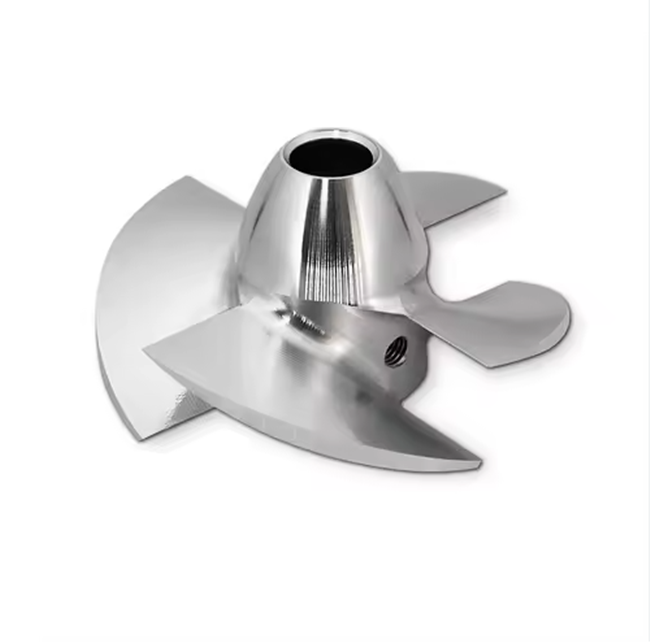
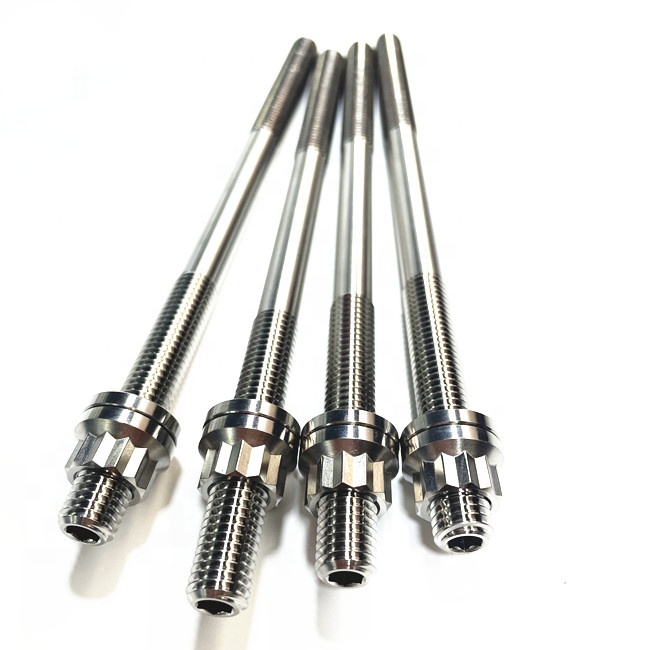
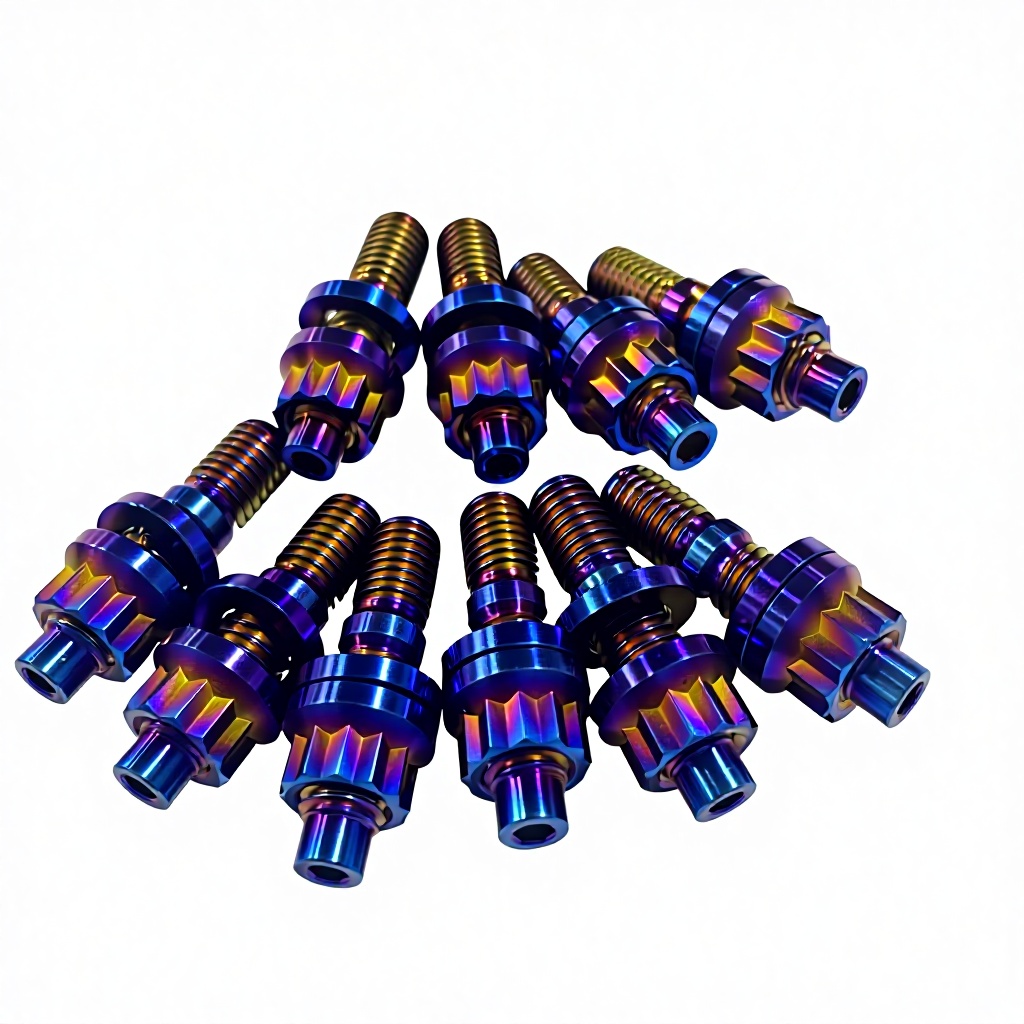
Engineering Applications in the Graz Automotive & High-Tech Cluster
Why Graz engineering procurement managers, powertrain constructors, and lightweight composite specialists specify Chinese Ti6Al4V countersunk screw hardware for demanding Alpine environments.
Automotive Cluster Styria (ACstyria) R&D
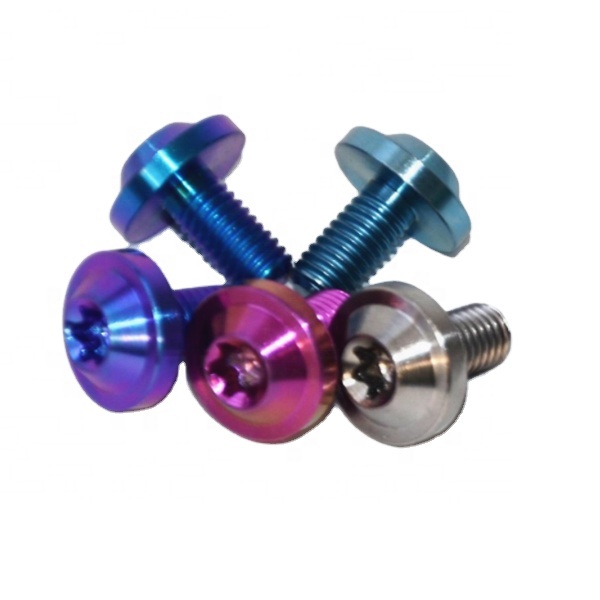
Graz serves as the heart of European contract vehicle assembly and chassis simulation. In high-performance all-wheel-drive systems, suspension links, and underbody skid paneling, DIN 7991 countersunk titanium screws provide complete mechanical flush seating. This eliminates aerodynamic turbulence under the chassis while withstanding continuous cyclic shear loads exceeding 850 MPa.
Alpine De-Icing & Corrosion Resistance
Vehicles tested on high Alpine testing passes around Styria (such as the Schöckl mountain trails) face intense exposure to calcium chloride and magnesium chloride de-icing brine. Standard grade 8.8 and 10.9 zinc-plated steel screws suffer hydrogen embrittlement and catastrophic galvanic oxidation. Grade 5 titanium forms an instantaneous, self-healing TiO2 passive oxide layer, ensuring zero corrosion throughout 1,000-hour ASTM B117 salt fog cycles.
Carbon-Fiber Reinforced Polymers (CFRP)
Advanced vehicle lightweighting institutes across Graz integrate large-scale prepreg carbon monocoques. Fastening carbon structures using conventional aluminum causes rapid galvanic cell deterioration. Our countersunk titanium fasteners display near-identical galvanic potential to carbon composites, resolving structural interface breakdown while maintaining an ultra-thin 90-degree flush head profile.
High-Precision Sensor Mounts & LiDAR
In autonomous driving test fleets operated throughout southeastern Austria, countersunk screws are employed to flush-mount bracketry for solid-state LiDAR, radar transceivers, and optical camera housings. The completely non-magnetic property (µr < 1.00005) of our TC4 alloy eliminates localized electromagnetic flux deviations, protecting ADAS tracking calibrations.
Specialized Racing Powertrains & Valvetrains
Motorsport engineering houses surrounding the Red Bull Ring in nearby Spielberg demand high-frequency fatigue endurance. Grade 5 countersunk socket hardware operates with fatigue limits above 510 MPa, resisting continuous vibrational harmonic flutter within dry-sump bellhousings, turbo manifold brackets, and transmission output retainers without thread galling.
Academic & TU Graz Prototype Tooling
Collaborative formula-student projects and university-incubated aerospace drone start-ups in Graz utilize our non-standard custom countersunk screws. Tight tolerances to ±0.005 mm ensure micrometer-perfect alignment on wind-tunnel airfoils, aerodynamic diffuser strakes, and experimental thrust-vectoring nozzle cowls.
Macro Trends: Why Graz Procurement is Pivoting to Baoji Direct Sourcing
Strategic structural shifts across European tier-1 manufacturing clusters prioritize supply-chain resilience, direct metallurgical testing, and customized fastener geometry.
Electrification & Unsprung Weight Reduction
With electric platforms requiring heavy 800V lithium-ion battery enclosures, European automotive OEMs are forced to shave grams elsewhere. Transitioning chassis underside and subframe fasteners to Grade 5 titanium achieves an immediate 44% deadweight reduction compared to 10.9 high-tensile steel, extending EV driving range under strict WLTP testing regimens.
Shift from Middlemen to Origin Foundries
Traditional procurement through European distributor intermediaries often involves a 60% to 120% markup without access to original mill test data. Engineering leads in Graz are increasingly establishing direct relationships with verified Baoji factories to review 3D CAD files, adjust thread runout tolerances, and verify spectrometer alloy heat-numbers directly at the factory gate.
Precision Anti-Galling & PVD Surface Treatments
In high-torque applications, bare titanium-on-titanium interfaces run the risk of adhesive friction galling. The trend across Austrian tooling shops centers on applying physical vapor deposition (PVD) finishes, such as Diamond-Like Carbon (DLC), rainbow anodizing, and molybdenum dry-film lubrications. These treatments stabilize torque-tension coefficients between 0.12 and 0.15 without thread seizing.
Engineering Data: Material Comparison for Fastener Selection
Critical mechanical and metallurgical parameters for evaluating countersunk fasteners under heavy cyclic stress.
| Mechanical / Physical Property | Grade 5 Titanium (Ti-6Al-4V) | 10.9 High-Tensile Steel | A4-80 Stainless (316) |
|---|---|---|---|
| Density (ρ) | 4.43 g/cm³ (-44% lighter) | 7.85 g/cm³ | 8.00 g/cm³ |
| Tensile Strength (Rm) | ≥ 895 – 1050 MPa | 1000 – 1040 MPa | 800 MPa |
| Yield Strength (Rp 0.2) | ≥ 828 – 920 MPa | 900 – 940 MPa | 600 MPa |
| Modulus of Elasticity (E) | 110 – 114 GPa (Superior elasticity) | 210 GPa | 193 GPa |
| Corrosion Resistance (Chlorides) | Immune (TiO2 Self-healing oxide) | Poor (Requires zinc/cadmium plating) | Moderate (Pitting in high brines) |
| Thermal Operational Range | -250°C to +450°C | -40°C to +200°C | -196°C to +300°C |
| Magnetic Permeability (µr) | 1.00005 (Non-magnetic) | Ferromagnetic (> 100) | 1.005 – 1.015 |
Why Partner with Vunza Titanium: Baoji's Premier Production Hub
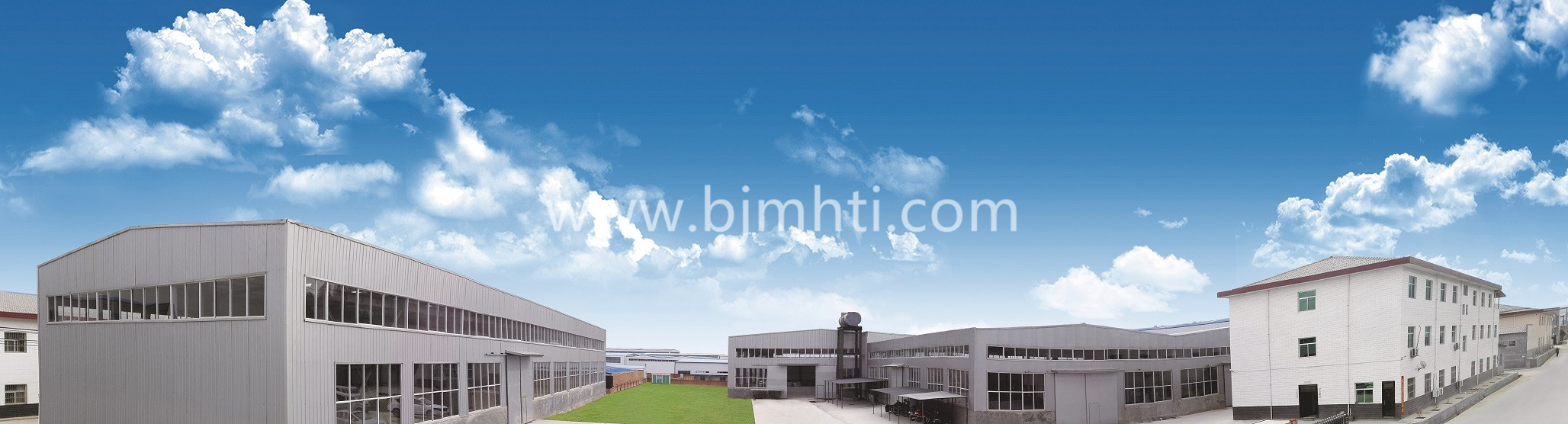
Operating in Gaoya Village Industrial Zone, Baoji, Shaanxi—China's Titanium Valley—directly adjacent to the Baoti Group industrial ecosystem.
Integrated R&D, Sponge-to-Part Metallurgy & 34 Multi-Axis CNCs
Founded in 2008, Vunza Titanium Industry Co., Ltd. has spent over 15 years perfecting precision subtractive manufacturing and cold heading for refractory non-ferrous metals. Unlike third-party assembly shops, our factory maintains end-to-end quality governance from vacuum arc-remelted (VAR) titanium sponge ingots to rolled fastener threads.
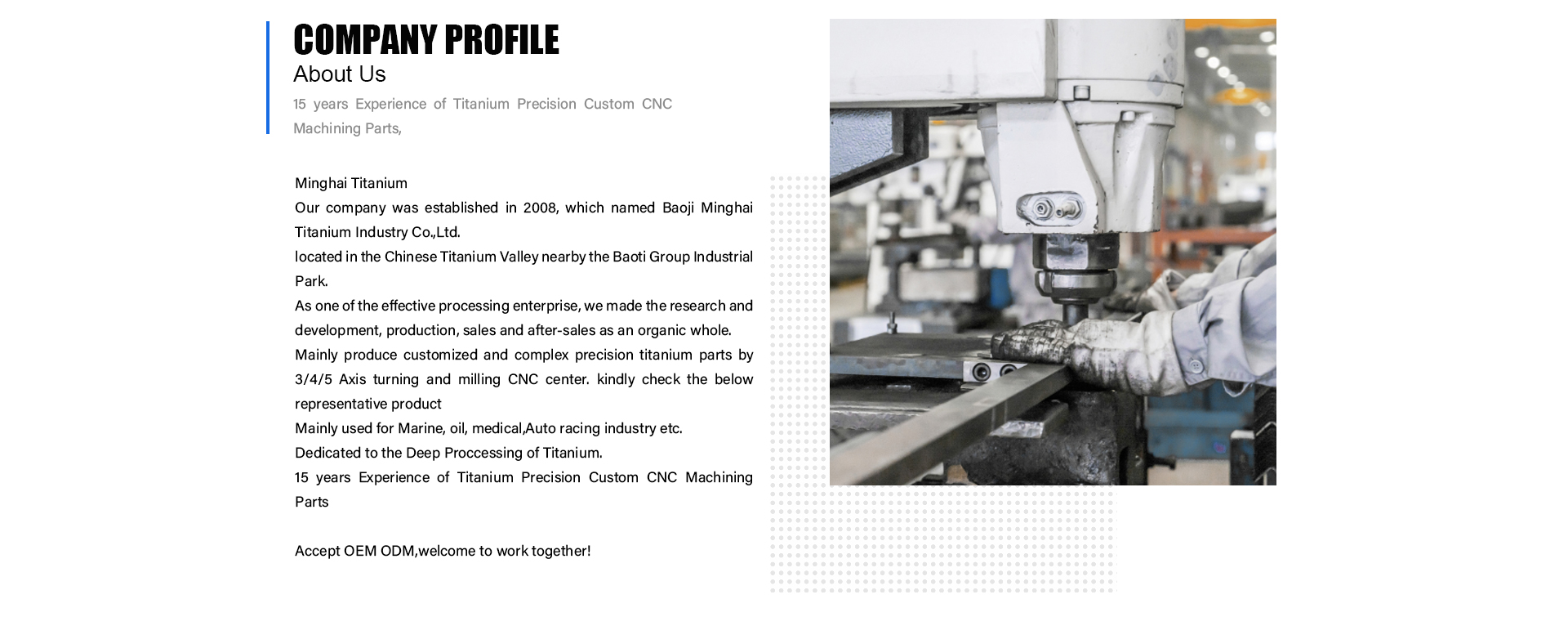
Our workshop houses 34 sets of high-precision 3-axis, 4-axis, and simultaneous 5-axis CNC machining centers. We routinely achieve continuous manufacturing tolerances down to 0.005 mm on critical countersunk head angles (90° DIN 7991, 100° aerospace countersunk), socket broaching (Torx T25/T30, Hexagon, 12-point), and ground concentricity.
Over 50% of our frontline technicians and metallurgical inspectors possess more than 13 years of hands-on expertise in titanium alloy machining. This enables rapid DFM (Design for Manufacturability) turnarounds, first-article CMM inspection reports, and seamless supply-chain integration for European engineering houses.
Frequently Asked Questions by Graz Engineering & Sourcing Teams
Direct technical answers addressing customs clearance into Austria, certifications, thread execution, and minimum orders.
What standards do your titanium countersunk screws conform to?
We manufacture strictly to DIN 7991, ISO 10642, ASME/ANSI B18.6.3, and aerospace NAS/MS specifications. Countersunk angles are machined to exactly 90 degrees (metric standard) or 100/82 degrees (aviation spec) with Torx (hexalobular), internal hex, or 12-point internal drives.
How do you guarantee anti-galling performance during assembly?
Titanium threads have a natural tendency to seize if torqued dry into matching titanium or stainless threads. We provide precision thread rolling with surface roughness below Ra 0.4 μm, paired with micro-arc oxidation, anodizing, or MoS2 dry lubricant coatings. We also provide recommended assembly torque charts.
Can you supply EN 10204 Type 3.1 inspection documentation?
Yes. Every commercial batch shipped to Austria includes full material traceability back to the titanium ingot heat lot. Our test documentation details chemical element percentages (Al, V, Fe, C, N, H, O) verified by optical emission spectrometry and mechanical tensile/yield test curves.
What is the transit time and customs procedure for deliveries to Graz?
Air-express shipments via DHL/FedEx to Graz Airport (GRZ) or forwarder hubs in Vienna take approximately 4 to 7 business days. We provide commercial invoices, packing lists with correct TARIC/HS codes (770410 / 810890), and origin declarations for fast clearance with Austrian customs authorities.
What is the minimum order quantity (MOQ) for custom prototypes?
For custom non-standard countersunk fasteners requiring specialized tooling, our MOQ starts at just 100 to 500 pieces, with pre-series sample batches (5 to 10 pieces) available for dimensional sign-off and dynamic test-bench validation in your facility.
Are threads rolled or cut on your countersunk bolts?
Critical structural fasteners feature threads formed via cold rolling after head forging or CNC profiling. Rolling ensures uninterrupted grain structure along the thread root, yielding over 30% higher cyclic fatigue life compared to cut threads.
Request an Engineering Review & Quotation for Your Graz Facility
Submit your 2D engineering drawings (PDF/DXF) or 3D STEP models. Our Baoji metallurgists and CNC technicians will provide a comprehensive DFM evaluation, batch cost analysis, and material test protocol within 9 hours.
Inquire Now