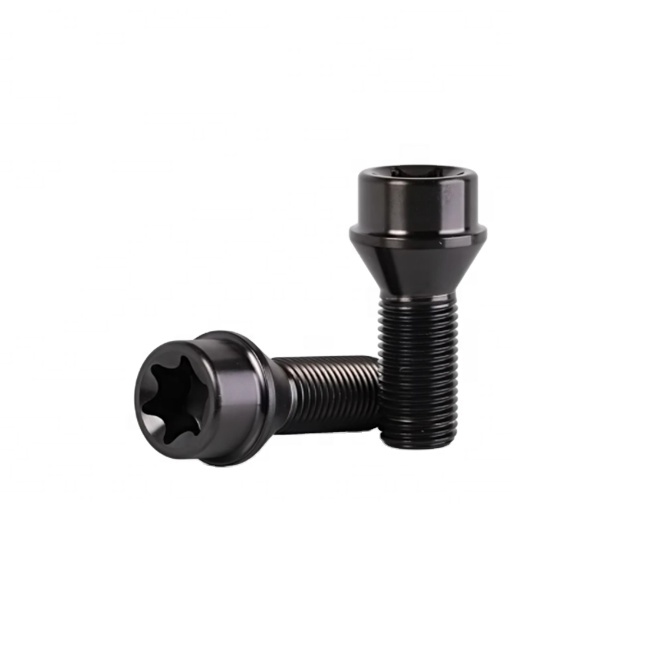
China Best Titanium Jam Nuts Manufacturers & Manufacturer Serving Mexico
Direct from China's Titanium Valley: High-Precision Ti-6Al-4V Grade 5 Jam, Half-Height & Thin Lock Nuts Engineered for Mexican Automotive Nearshoring, Maquiladora Assemblies & Extreme Industrial Operations.
Precision Fastener Catalog
Featured Titanium Fasteners & CNC Precision Assemblies
Fabricated to DIN, GB, and aerospace AN/MS dimensional standards. Offering up to 45% weight savings versus alloy steel with superior tensile fatigue limits.
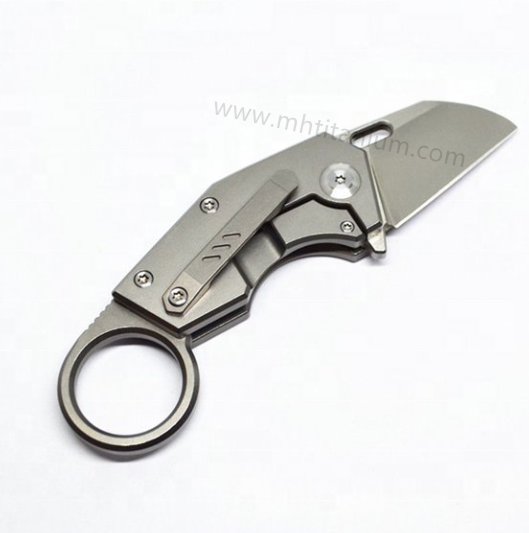
Pocket Titanium Folding Multi-Tool EDC Credit Card Knife Hardware
View Details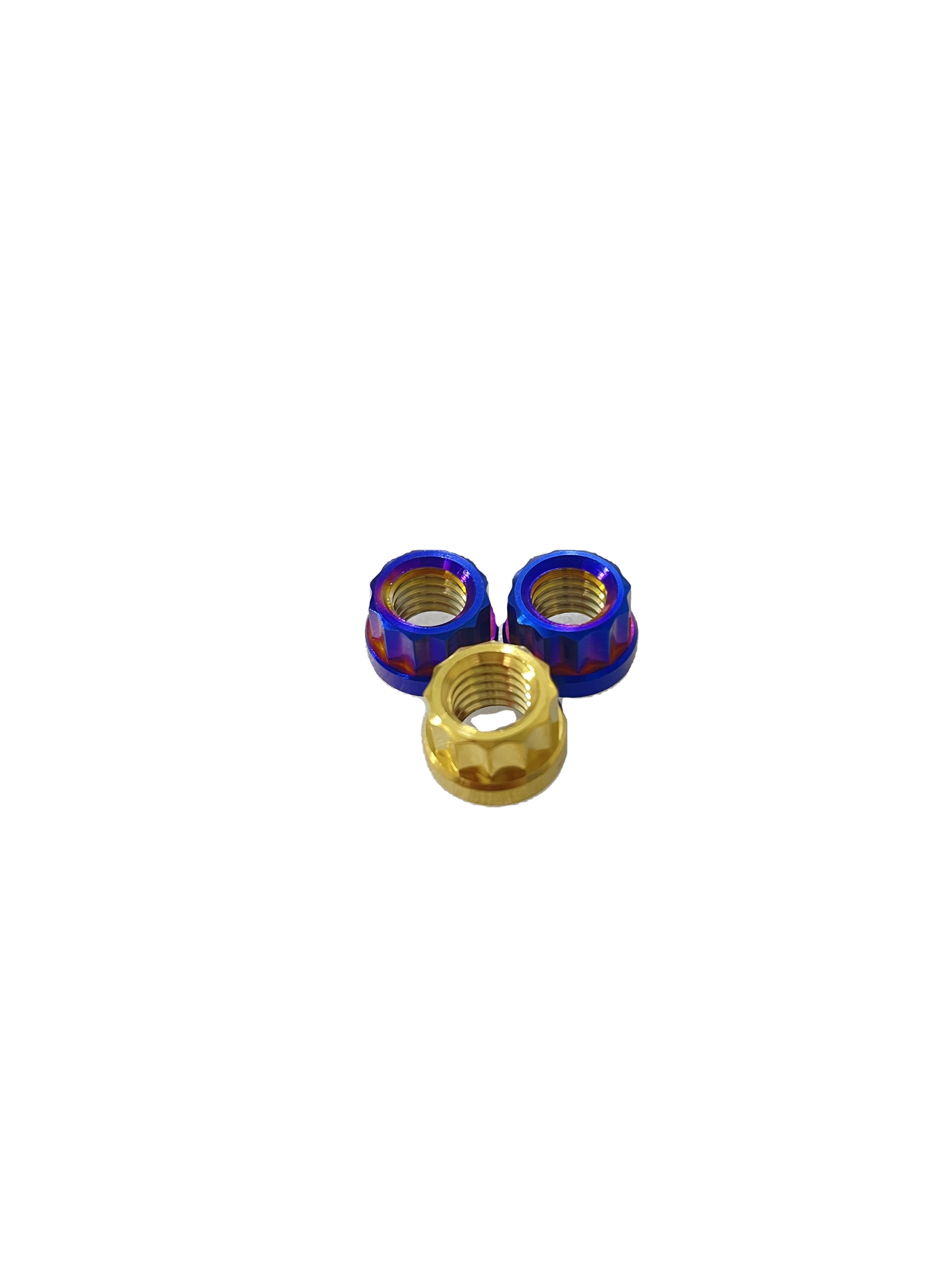
Automotive M4-M10 Gr5 Titanium 12-Point Flange Nut for Racing
View Details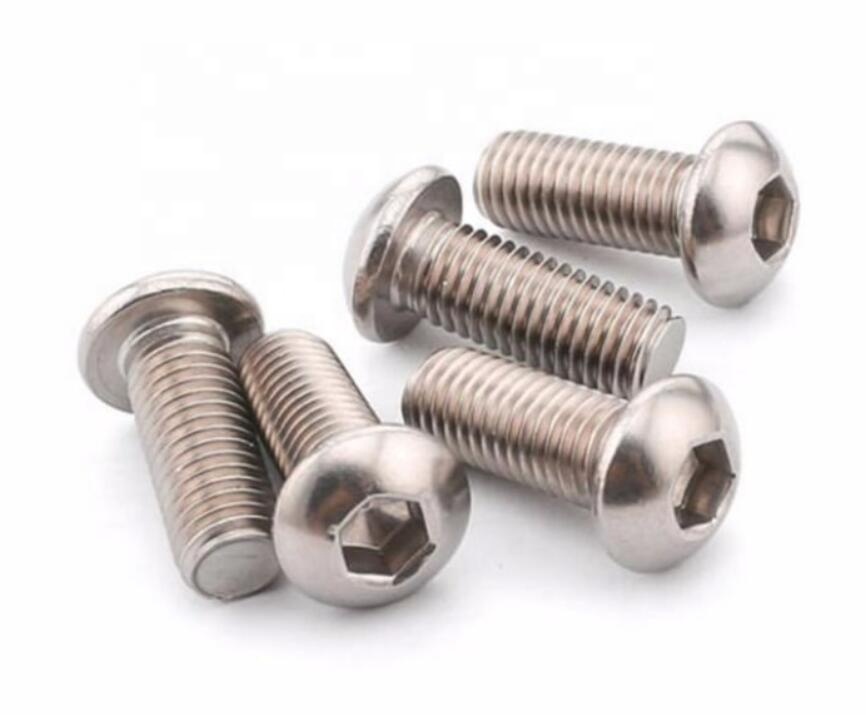
1/4-20 X 5/8" GR5 Titanium Alloy TORX Head Caliper Mount Bolts
View Details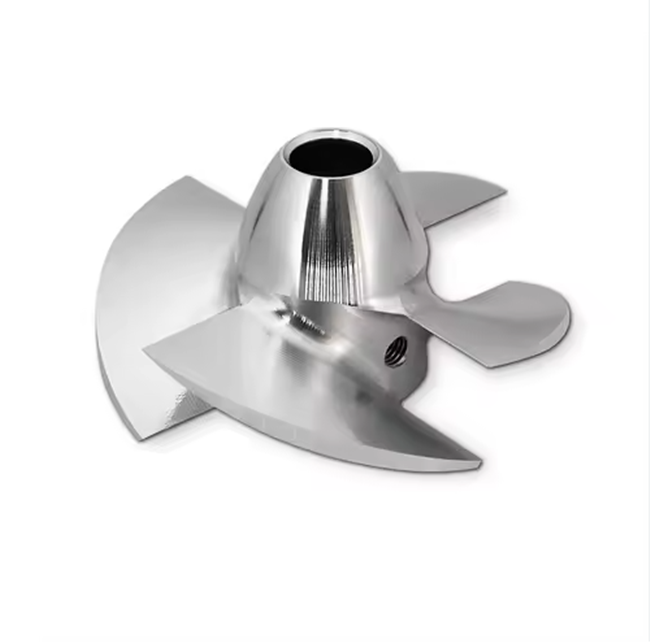
Precision Titanium Alloy Impeller CNC 5-Axis Drilling Milling Service
View Details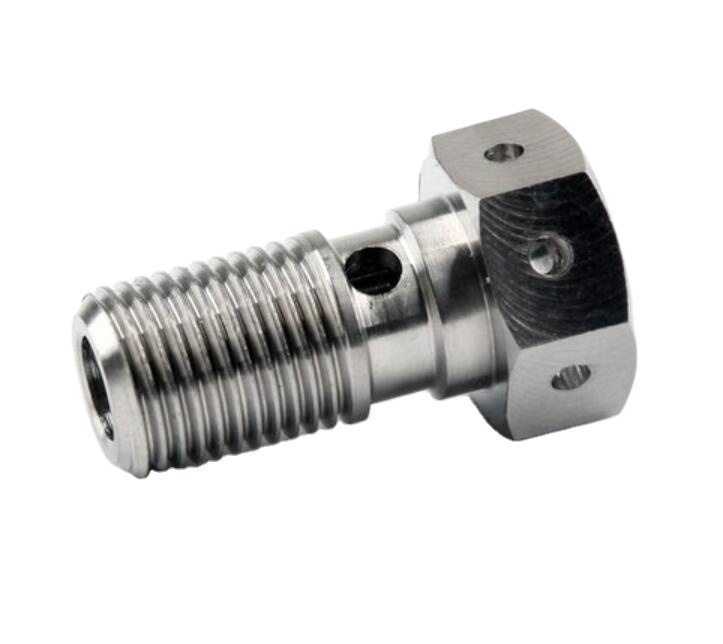
M8 M10 M12 Gr5 Titanium Hex Head Racing Motorcycle Fasteners
View Details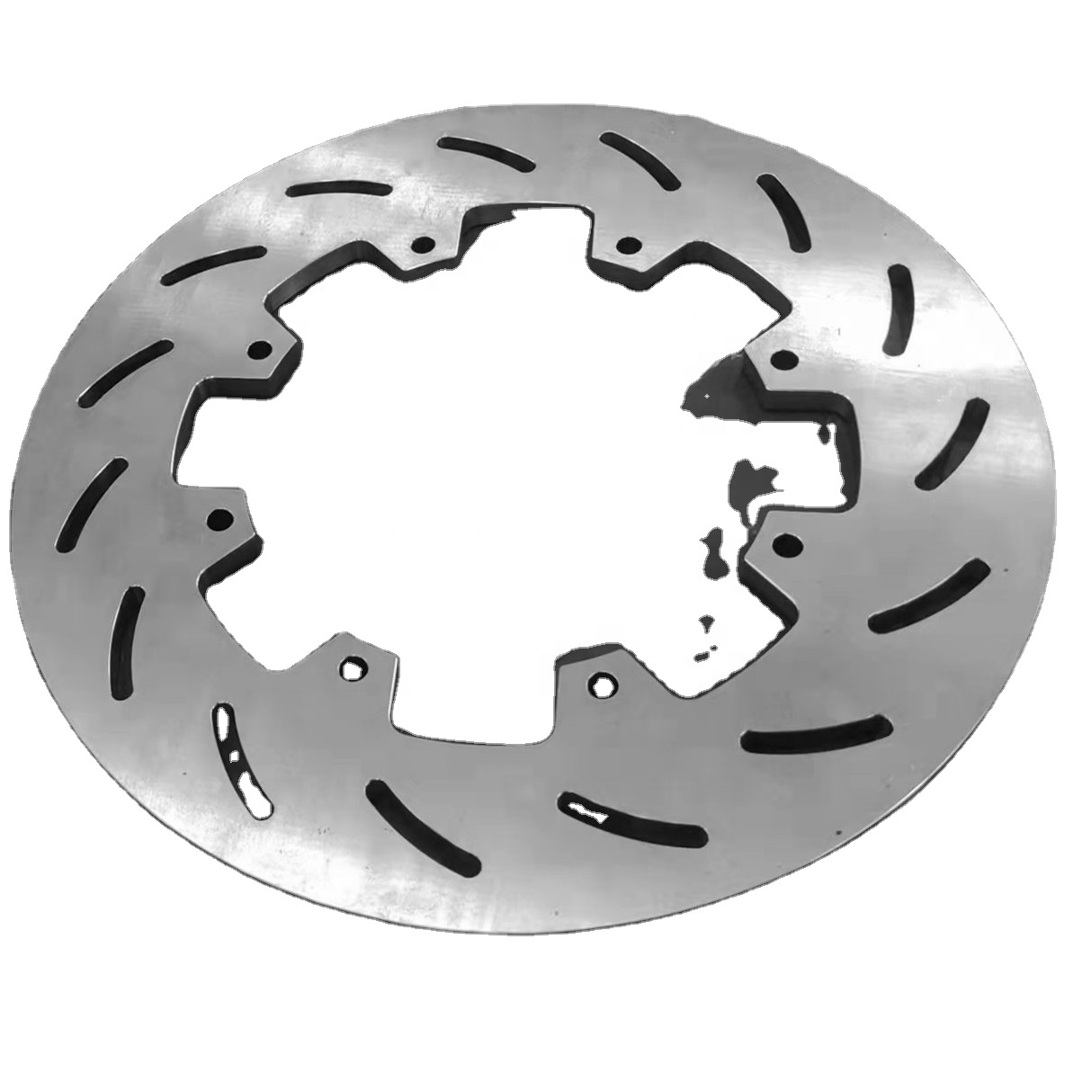
CNC Machined Gr5 Titanium Inboard Brake Rotor for Sprint Cars
View Details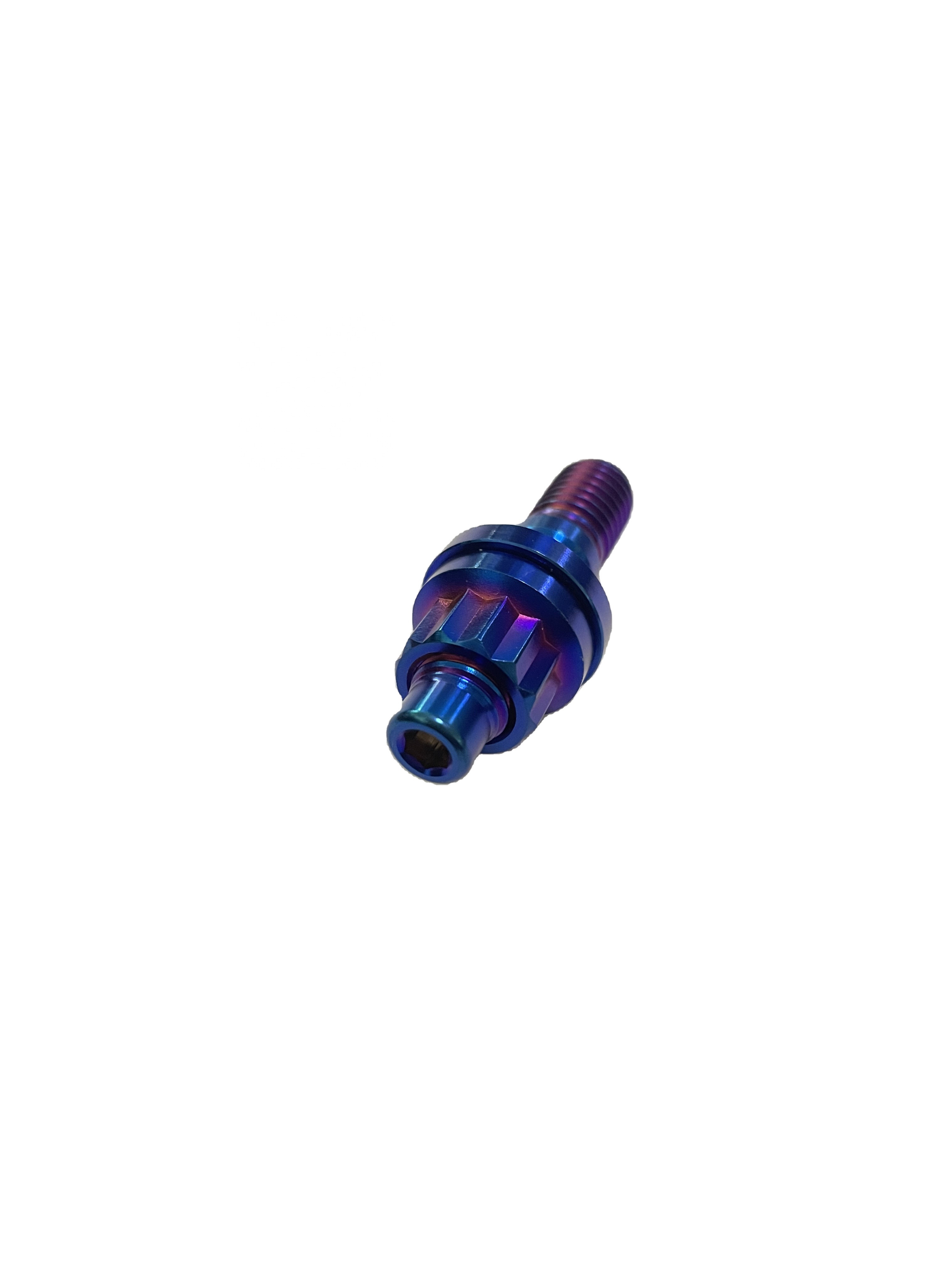
Titanium M8x1.25x55mm Exhaust Manifold Stud & Locking Nut Kit
View Details
Engineering Whitepaper
Mechanical Design Principles of Titanium Jam Nuts
Understanding the mechanical kinematics of thin locknuts (DIN 439B / ISO 4035 / ASME B18.2.2) and resolving thread galling in high-vibration automotive and industrial assemblies.
A Titanium Jam Nut is fundamentally engineered with a reduced profile—typically between 0.5 to 0.6 times the nominal diameter ($0.5D$ to $0.6D$) in overall thickness compared to full-height standard hex nuts ($0.8D$). Unlike primary load-bearing nuts, the functional biomechanics of a jam nut rely on pre-load locking interaction. When a thin jam nut is seated against a standard thick nut, or when used to cinch spherical rod ends (Heim joints) and pneumatic actuator linkages, it creates an intense opposing axial flank force. This compressive clamping stress prevents thread back-off under sustained cyclic vibration, shear oscillation, and thermal resonance.
Historically, industrial manufacturers serving the Mexican market relied on 304 or 316 stainless steel jam nuts or zinc-plated Grade 8 carbon steels. However, extreme applications in northern Mexico’s harsh climatic exposure, marine logistics in the Gulf, and high-frequency vibrations in the automotive corridor of Bajío demonstrated structural limitations: stainless steels suffer heavy galling (cold-welding) during fast pneumatic torque down, while alloy steels succumb to rust and chemical embrittlement.
Our manufacturing division utilizes virgin Grade 5 Titanium (Ti-6Al-4V / TC4), providing an ultimate tensile strength exceeding 895 MPa with a density of merely 4.43 g/cm³. The result is an extraordinary strength-to-weight ratio: over 40% lighter than structural steel, 100% immune to sodium chloride and atmospheric oxidation, and magnetically inert.
| Mechanical & Physical Property | Gr5 (Ti-6Al-4V) Fastener | Commercial Pure Gr2 Ti | AISI 316 Stainless Steel | Class 10.9 Carbon Steel |
|---|---|---|---|---|
| Density (g/cm³) | 4.43 | 4.51 | 8.00 | 7.85 |
| Tensile Strength (Yield, MPa) | ≥ 828 | ≥ 275 | ≥ 205 | ≥ 900 |
| Ultimate Tensile Strength (MPa) | ≥ 895 | ≥ 345 | ≥ 515 | ≥ 1040 |
| Thermal Expansion (10⁻⁶/K) | 8.6 | 8.6 | 16.0 | 12.0 |
| Chloride Pitting Resistance | Immune (Excellent) | Immune | Moderate (Susceptible) | Poor (Rapid Rust) |
| Galling Mitigation Option | Micro-arc / PVD / TiN / MoS₂ | Anodized | Passivated / Anti-seize | Zinc / Phosphate Coat |
Territorial Application Scenarios
Engineering Deployment Across Mexico’s Industrial Corridors
Customized supply chains supporting Tier-1 automotive integrators, aerospace clusters, and offshore operations in Querétaro, Monterrey, Puebla, and Ciudad del Carmen.
Bajío Automotive & EV Suspension Assembly
In the automotive hubs of Guanajuato, Aguascalientes, and Querétaro, our titanium jam nuts secure suspension control arms, tie-rod turnbuckles, and aftermarket racing sway bar end-links. The reduced mass directly eliminates un-sprung rotational inertia, providing rapid shock response on tortuous chassis test tracks.
Sonora & Baja Aerospace Maquiladoras
Aerospace manufacturers in Mexicali and Hermosillo require micro-precision, high-shear lock nuts conforming to AS9100 tolerances. Grade 5 titanium jam nuts secure flight-control push-pull rods and structural avionics brackets where thermal cycling (-55°C to +150°C) causes conventional steel fasteners to loosen.
Gulf of Mexico Marine & PEMEX Refineries
Offshore extraction rigs in Campeche Sound and marine processing facilities along the Coatzacoalcos coast face relentless hypersaline humidity and H₂S sour gas. Grade 2 and Grade 5 titanium thin lock nuts provide total immunity to chloride stress cracking, eliminating maintenance downtimes.
Market Foresight & Nearshoring Dynamics
Strategic Trends Driving Titanium Fastener Demand in Mexico
How Mexico's industrial evolution is shifting high-spec fastener procurement toward factory-direct Chinese titanium manufacturing.
The Nearshoring Surge & USMCA Compliance
As multinational OEMs shift secondary production from Europe and Asia into Mexico's northern frontier, supply chains face strict delivery lead times. Mexican plants are shifting to direct bilateral procurement with Baoji manufacturing centers, bypassing expensive multi-tier US distributors to minimize direct BOM hardware costs by 28% to 40%.
Electric Vehicle (EV) Lightweighting Mandates
The expansion of gigafactories and Tier-1 EV battery module assemblers in Nuevo León and Coahuila has generated aggressive grams-per-component reduction programs. Replacing heavy M10-M18 steel jam nuts in powertrain cooling manifolds and battery pack isolation frames with Gr5 titanium yields immediate curb weight efficiencies.
Zero-Tolerance Quality Demands
Maquiladoras operating under ISO/TS 16949 and AS9100 can no longer accept commercial batch variances. Sourcing requires complete sponge-to-part metallurgical certificates (MTRs per EN 10204 3.1) and 100% thread gauge verification—a level of traceability natively integrated into our Baoji facility.
Manufacturing Strength & Heritage
Why Mexican Engineering Teams Partner with Vunza Titanium
Direct from the epicenter of China's Titanium Valley, backed by 34 multi-axis CNC machines and certified quality verification.
Integrated Baoji Supply Chain Advantage
Founded in 2008 and situated in the Gaoya Village Industrial Zone adjacent to the Baoti Group Industrial Park in Baoji, Shaanxi, China, our company commands direct metallurgical access to premium titanium sponge and vacuum arc remelting (VAR) billets. With over 15 years of industry specialization, we maintain complete process control from raw billet forging to five-axis finishing.
- Precision Limits: Holding dimensional turning tolerances down to 0.005 mm on multi-axis CNC Swiss lathes.
- Thread Forming Mastery: Precision CNC single-point thread turning and cold thread rolling to eliminate shear micro-notches.
- Veteran Workforce: More than 50% of our production technicians have over 13 years of titanium-specific machining expertise.
- Rapid Response Window: Seamless global sales support providing comprehensive DFM engineering reviews within 9 hours.

2008
Established in Baoji
34sets
3/4/5-Axis CNC Centers
0.005mm
CNC Turning Tolerance
50%+
Workers 13+ Yrs Exp.
Procurement Intelligence
Frequently Asked Questions for Mexican Importers
Practical answers addressing import clearance, customs tariff codes (Fracción Arancelaria), thread standards, and logistics to Mexico.
What are the primary differences between standard hex nuts and jam nuts in titanium?
A titanium jam nut (tuerca delgada de fijación / tuerca de seguridad) features approximately half the height of a standard DIN 934 nut. While standard hex nuts are designed to carry the full tensile load of a bolt, a jam nut acts as an axial locking mechanism or a low-profile retainer for limited-clearance joints, such as spherical rod ends, linkage turnbuckles, and manifold studs. Using Grade 5 (Ti-6Al-4V) ensures that even with reduced thread engagement, the nut delivers yield strengths exceeding 828 MPa, preventing stripped threads under high preloads.
How do you prevent thread galling (gripado) during assembly in Mexico?
Titanium has a natural affinity for oxygen, forming a protective TiO₂ oxide film that can cause severe galling when paired with another titanium bolt or stainless steel stud without lubrication. To resolve this for our clients in Mexico, we offer specialized anti-galling surface modifications: Physical Vapor Deposition (PVD) titanium nitride (TiN) or carbon black coating, micro-arc oxidation (MAO), anodized color passivations, and molybdenum disulfide (MoS₂) bonded dry film lubricants. Additionally, we provide precise thread pitch tolerances (Class 6H for metric and 3B for imperial threads) to ensure smooth engagement.
What Harmonized Tariff Schedule (HS Code) is used for importing titanium nuts into Mexico?
Titanium fasteners are commonly classified under Mexico's TIGIE under HS code 8108.90.99 (Other articles of titanium) or 7318.16 (Nuts, specifically adapted for specialty materials). We assist your Mexican customs broker (Agente Aduanal) by providing clear commercial invoices, packing lists with net weight specifications, certificates of origin, and EN 10204 3.1 material test certificates (MTR) demonstrating certified chemical and physical properties.
Can you supply mixed thread standards (Metric and Imperial/SAE) in a single shipment?
Yes. Due to Mexico's dual manufacturing landscape—where US-parented maquiladoras require imperial UNC/UNF threads (e.g., 1/4"-20, 3/8"-24, 1/2"-20, 5/8"-18) while European and domestic programs demand ISO Metric fine/coarse threads (M4 to M24)—our 34 CNC turning centers produce both thread standards. Every thread is verified using certified Go/No-Go plug gauges prior to vacuum packaging.
What are the air and sea logistics transit times from your Baoji plant to Mexico?
For urgent maintenance or racing batch orders, express door-to-door air freight (via DHL, FedEx, or air cargo to Mexico City AICM/NLU, Guadalajara, or Monterrey) takes approximately 5 to 8 business days. For volume scheduled container deliveries, sea freight departing from Qingdao or Shanghai port directly to Manzanillo or Lázaro Cárdenas ports takes approximately 22 to 28 calendar days on the water.
What is your Minimum Order Quantity (MOQ) and sampling policy for non-standard drawings?
For custom non-standard CNC parts and specialized jam nut geometries (including left-hand reverse threads, 12-point heads, or integrated safety wire holes), our standard production batch MOQ is typically 100 to 500 pieces depending on thread diameter. Prototype inspection samples can be produced and air-shipped within 10 to 14 days after CAD drawing approval.
Accelerate Your Sourcing: Direct Titanium Mill Access
Are you engineering a next-generation lightweight EV chassis, optimizing high-stress racing linkages, or securing critical maritime equipment across Mexico? Partner with Baoji's dedicated titanium fastener manufacturing hub. Download our full DIN/ASME specifications or submit your 2D/3D drawings for instant DFM assessment.