Precision Titanium Fasteners & CNC Components Ready for Austria
Engineered to rigorous DIN, ISO, and GB norms from certified aerospace-grade titanium sponge. Explore our flagship series for automotive racing, bicycle engineering, and alpine mechanical assemblies.
Precision Titanium Sourcing for the Republic of Austria
Bridging China Titanium Valley's smelting and multi-axis CNC milling infrastructure with Austria’s premier industrial engineering, motorsport, medical, and aerospace manufacturing corridors.
Strategic Sourcing Realities: Connecting Baoji with the Austrian Manufacturing Base
Austria's industrial landscape represents one of the most technologically advanced manufacturing corridors in the European Union. Anchored by the ACStyria Automotive Cluster in Graz, global aviation aerostructures tier-1 suppliers in Upper Austria (Linz, Ried im Innkreis), precision medical engineering in the Greater Vienna area, and high-performance alpine sporting equipment in Tyrol and Vorarlberg, Austrian original equipment manufacturers (OEMs) demand metallurgical purity, extreme dimensional stability, and stringent compliance documentation.
Historically, European machine shops faced severe challenges with local titanium sourcing: inflated raw material premiums, high tooling wear costs, and lead times often exceeding 26 weeks. By establishing direct engineering partnerships with Vunza Titanium Industry Co., Ltd. in Baoji, China (globally recognized as "China Titanium Valley"), Austrian procurement departments achieve direct mill-to-spindle supply security. Located adjacent to the Baoti Group Industrial Park, Vunza controls the complete manufacturing chain—from certified primary titanium sponge vacuum arc remelting (VAR) to precision 5-axis CNC machining, cold thread rolling, PVD anodizing, and multi-stage CMM dimensional verification.
Information Gain for Austrian Quality Auditors: Unlike standard machining brokers, our facility performs 100% material lot tracking with EN 10204 3.1 chemical composition and mechanical properties certificates. All parts supplied to Austria conform to strict EU REACH (EC 1907/2006) and RoHS standards, ensuring seamless integration into European production lines without secondary clearance overheads.
Metallurgical Superiority: Why Ti-6Al-4V Grade 5 Outperforms Conventional Alloys
When Austrian engineers specify Ti-6Al-4V (Grade 5, Material No. 3.7165 / EN Ti-P6401) over high-tensile steels (such as 42CrMo4 or 34CrNiMo6) or 7075-T6 aluminum alloys, the operational benefits center on three core criteria: specific strength (strength-to-weight ratio), dynamic fatigue resilience, and total galvanic neutrality.
At a density of 4.43 g/cm³, Grade 5 titanium offers an ultimate tensile strength exceeding 895–1000 MPa, delivering equivalent or superior clamp loads to Grade 10.9 steel fasteners while slashing un-sprung and rotational mass by approximately 44%. Furthermore, while aluminum components experience accelerated micro-cracking under repetitive cyclic stress in alpine freeze-thaw cycles or high-RPM motorsport environments, titanium possesses an exceptional fatigue endurance limit. In motorcycle suspension components, turbocharger flange fasteners, and downhill mountain bike brake mounts, our CNC precision titanium components completely eliminate catastrophic shear failure risks caused by hydrogen embrittlement or road-salt corrosion.
Austrian & European Standards vs. Titanium Alloy Equivalencies
To assist Austrian design engineers in transitioning drawings from steel or bronze alloys to titanium, the following cross-reference table specifies standard mechanical benchmarks per ASTM, DIN, and Werkstoffnummer (W.Nr.) classifications:
| Alloy Grade | European Standard / W.Nr. | Tensile Strength (MPa) | Yield Strength Rp0.2 (MPa) | Elongation A5 (%) | Key Austrian Industry Applications |
|---|---|---|---|---|---|
| Grade 2 (CP-Ti) | 3.7035 / DIN 17850 | ≥ 345 | ≥ 275 | ≥ 20 | Chemical / Paper Mills Linz & Styrian pulp & chemical plant piping |
| Grade 5 (Ti-6Al-4V) | 3.7165 / Ti6Al4V | ≥ 895 – 1050 | ≥ 828 | ≥ 10 | Motorsport & Automotive Graz racing studs, KTM suspension hardware, chassis bolts |
| Grade 5 ELI (Gr23) | 3.7165 ELI / ISO 5832-3 | ≥ 860 | ≥ 795 | ≥ 10 | MedTech Implants Vienna orthopedics, surgical bone screws & dental implants |
| Grade 9 (Ti-3Al-2.5V) | 3.7195 / DIN 17851 | ≥ 620 | ≥ 483 | ≥ 15 | Alpine E-Bikes Tyrol custom titanium bicycle frames & hydraulic brake lines |
| CoCrMo Alloy | ISO 5832-4 / ASTM F75 | ≥ 960 | ≥ 580 | ≥ 8 | Prosthetics High-wear dental discs & artificial joint articulation |
Localized Application Scenarios in Austria's Top Industrial Regions
Custom-engineered titanium components tailored to the distinct manufacturing specializations across Austrian provinces.
Automotive & High-Performance Racing (Graz Corridor)
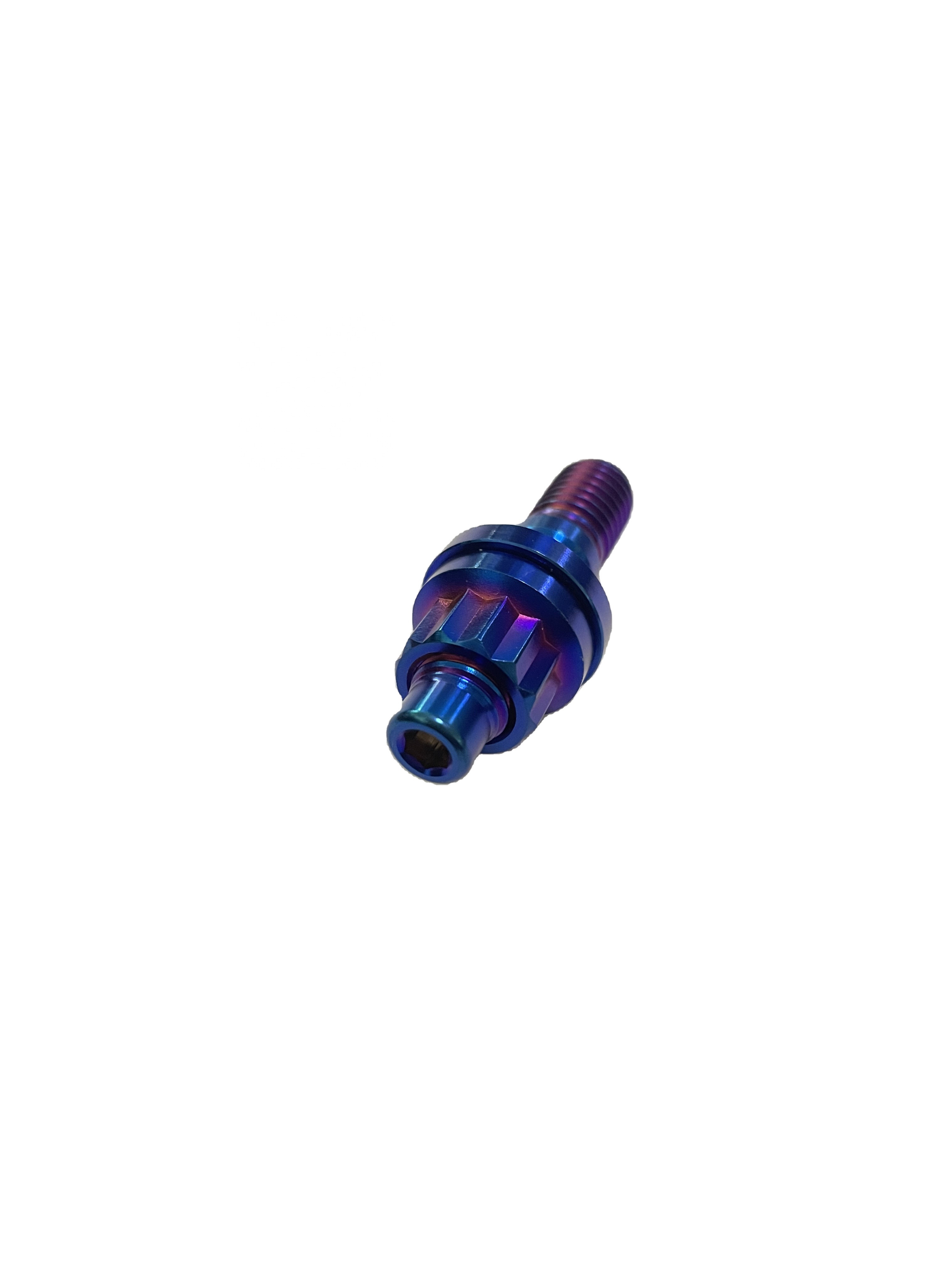
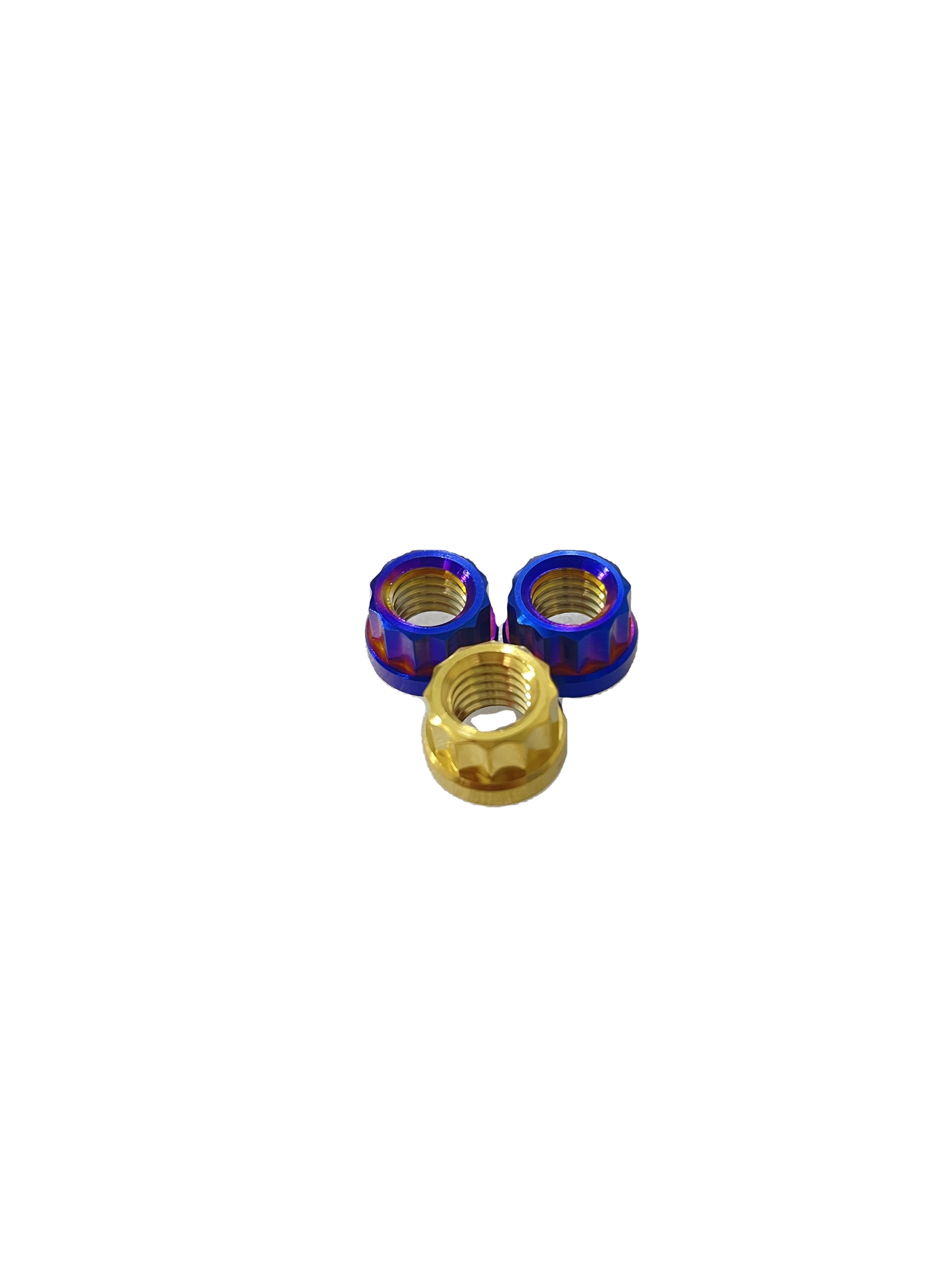
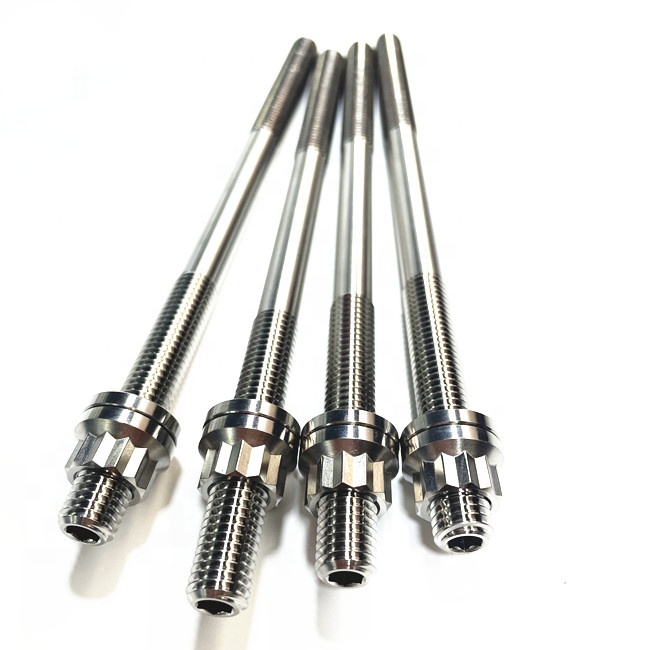
The ACStyria cluster leads European automotive innovation. Our custom titanium M8/M10 manifold studs, 12-point flange nuts, and lightweight titanium valve retainers support high-power engine builders, tier-1 contract manufacturers, and performance tuning shops seeking reduced valvetrain inertia and extreme heat resistance up to 500°C.
Aerospace Structures & Drone Technologies (Linz / Ried)
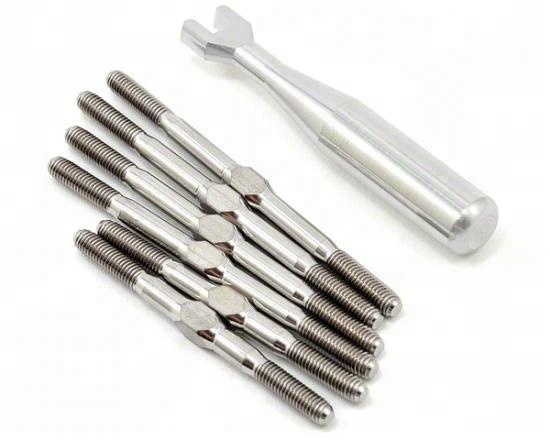
Upper Austria is the nexus of Austrian composite and aerostructure engineering. We supply 5-axis milled titanium hinge brackets, structural fasteners, and turnbuckle linkage assemblies where ultra-low mass, galvanic compatibility with carbon fiber composites, and zero-corrosion properties are safety-critical requisites.
Alpine Engineering, High-End Bicycles & Cable Cars
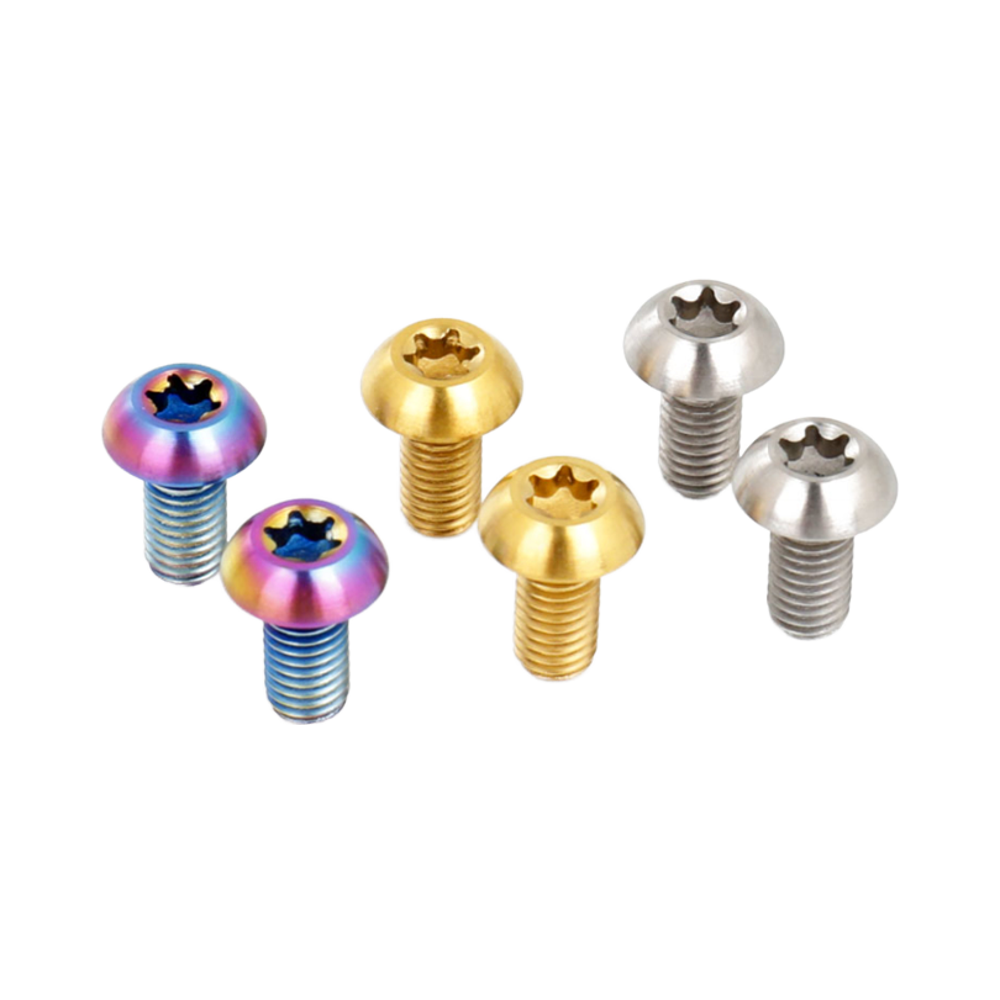
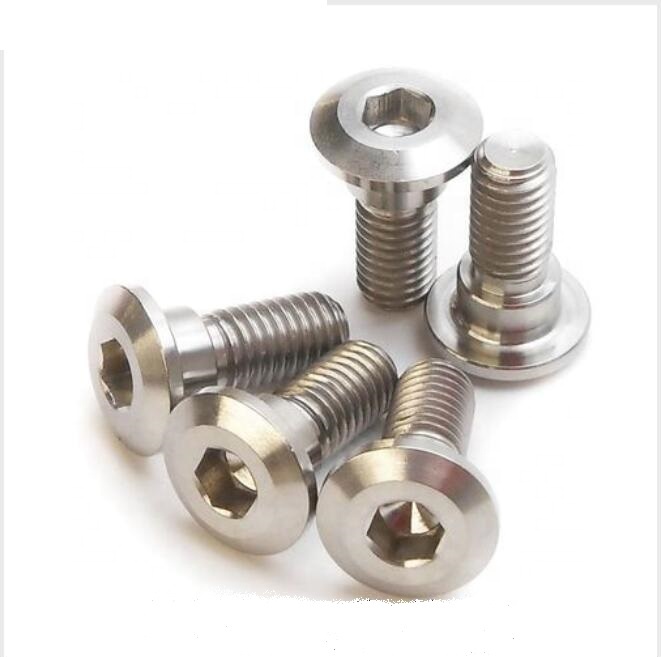
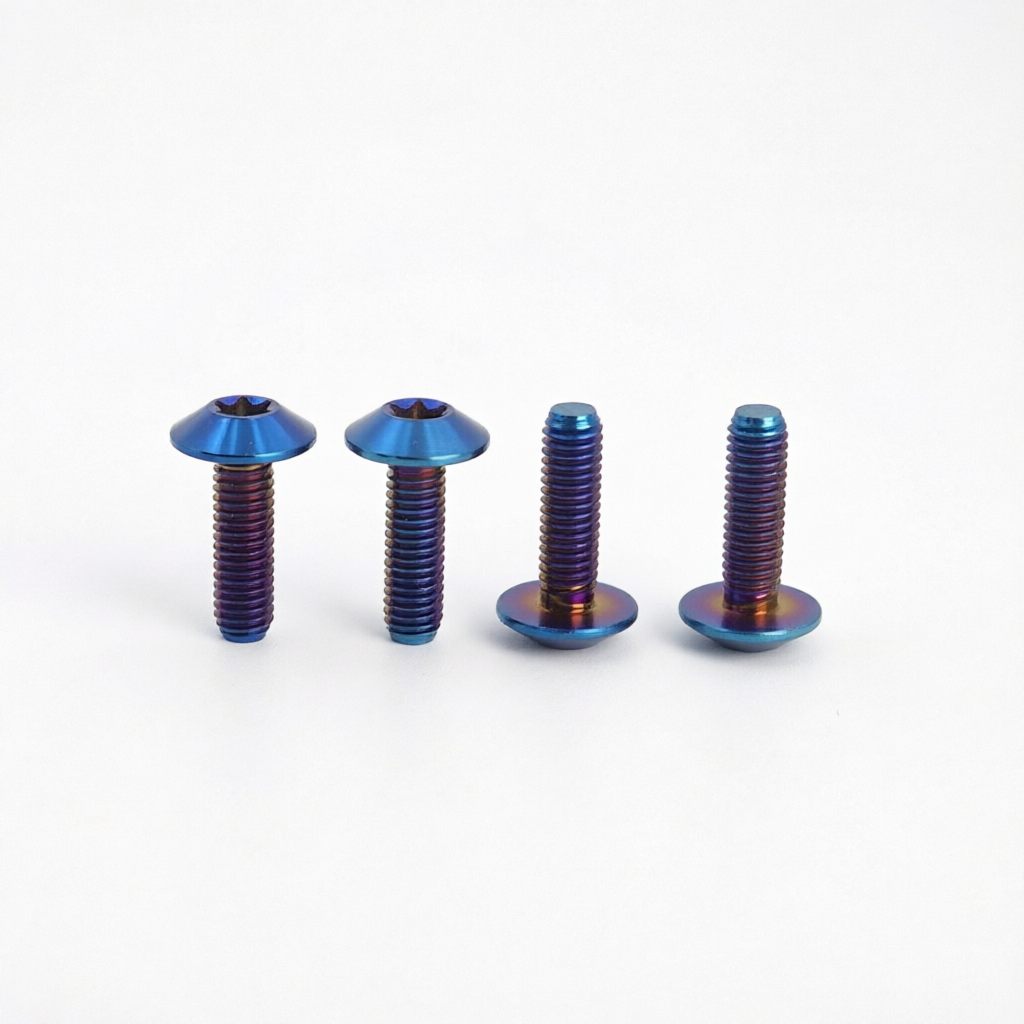
From custom downhill enduro racing rigs in Innsbruck to safety sensors on alpine ropeways in the Arlberg region, our M5/M6 disc brake rotor bolts, chain guard fasteners, and CNC machined turnbuckles endure punishing sub-zero temperatures, de-icing salts, and severe mechanical vibration.
Medical Implants & Bio-Compatible Surgical Hardware
Vienna houses elite research hospitals and medical instrument developers. Vunza produces ultra-precise micro-turned bone screws, dental CoCrMo alloy blanks, and surgical tool handles machined from medical-grade Grade 5 ELI (ASTM F136) under climate-controlled conditions with zero cross-contamination.
Precision Multi-Axis CNC Capabilities in China Titanium Valley
How 34 advanced machining centers and comprehensive metallurgical process controls deliver European-grade tolerances.
Titanium is universally categorized as a notoriously difficult-to-machine metal due to its low thermal conductivity, high chemical reactivity at elevated cutting temperatures, and relatively low modulus of elasticity which induces spring-back during milling operations. Without specialized rigid setups and tooling strategies, work hardening and dimensional drift frequently degrade part tolerances.
At our Baoji production facility, every batch destined for Austria is governed by rigorous Design for Manufacturability (DFM) protocols:
| Operation | Advanced Tooling & Machinery | Achievable Tolerance | Surface Roughness (Ra) | Engineering Benefit |
|---|---|---|---|---|
| 5-Axis Simultaneous CNC Milling | High-rigidity vertical machining centers with high-pressure internal coolant | ±0.005 mm | Ra 0.4 – 0.8 μm | Enables single-setup machining of complex aerodynamic impellers, brake calipers, and orthopedic joints without cumulative datum error. |
| Swiss-Type Precision Turning | Dual-spindle live-tooled CNC lathes for micro & small-diameter hardware | ±0.003 mm | Ra 0.2 – 0.4 μm | High-throughput consistency for M3–M8 engine studs, syringe needles, and medical titanium fittings with zero runout. |
| Cold Thread Rolling | High-tonnage hydraulic thread rolling machines with precision ground dies | DIN 13 / ISO 965 Class 6g/4h | Burnished root finish | Maintains continuous grain flow along the thread flank; delivers 30% higher cyclic fatigue life compared to cut threads. |
| Surface Anodizing & PVD Coating | Vacuum multi-arc ion plating and electrochemical acid-bath anodization lines | Layer: 1.5 – 3.5 μm | Mirror or Matte Polished | Completely prevents thread galling (cold-welding) during torque assembly; offers deep aesthetic colors (Black, Gold, Burnt Blue, Rainbow). |
Thread Rolling vs. Cut Threading: A Vital Distinction for Austrian Sourcing Engineers
A primary failure mode in performance automotive and aerospace fasteners is fatigue propagation originating at the thread root. Standard machine shops cut threads using single-point CNC carbide tools, which severs the metallurgical grain flow lines of the titanium bar stock and leaves microscopic notch stresses. At Vunza, all series-production fasteners—such as our M8 Exhaust Manifold Studs and TI Cylinder Head Stud Kits—utilize cold thread rolling dies. This process plastically deforms the material, compressing the grain structure smoothly around root radii and crests. The resulting work-hardened surface exhibits heightened burnishing, increased hardness, and a significant improvement in shear fatigue threshold under repetitive thermal-shock cycles.
Emerging Procurement Trends Shaping Austria's High-Tech Industry
Key technological, regulatory, and environmental shifts driving Austrian engineering teams toward certified titanium supply partners.
Electromobility Lightweighting
With Austria's strong automotive Tier-1 supplier presence, the transition to high-voltage electric vehicle architectures requires aggressive weight shedding to balance heavy battery packs, driving demand for titanium suspension and chassis hardware.
Hydrogen & Cryogenic Systems
As Austrian energy research accelerates hydrogen pipeline and storage testing in Upper Austria, Grade 5 and Grade 2 titanium fasteners are increasingly selected for their superior zero-brittleness behavior at cryogenic temperatures.
EU MDR Strict Material Traceability
Under the European Medical Device Regulation (EU MDR 2017/745), medical device developers in Graz and Vienna require uncompromised, unbroken chemical certs from raw sponge melting to finished surgical parts.
Alpine Premium E-Bike Boom
The explosive rise of high-torque electric mountain bikes in Innsbruck and Vorarlberg demands corrosion-proof rotor bolts and crank fasteners capable of enduring harsh winter road salts and mud without thread seizure.
Direct Mill Sourcing Models
To hedge against regional European supply disruptions and distributor markups, Austrian purchasing departments are opting for direct OEM factory relationships with Chinese specialized manufacturers with proven export track records.
Factory-Direct Strengths Rooted in China Titanium Valley
15+ years of specialized titanium machining experience, offering technical superiority and competitive total cost of ownership (TCO).
China Titanium Valley Ecosystem
Situated in the Gaoya Village Industrial Zone in Baoji, adjacent to the Baoti Group. We procure raw sponge and titanium billets at direct source pricing, insulating Austrian buyers from distributor markup layers.
Decade-Deep Technical Workforce
Over 50% of our CNC machine operators and quality inspection personnel have more than 13 years of specialized experience in cutting titanium, ensuring stable tool feeds, pristine edge deburring, and zero surface tearing.
Comprehensive Quality Assurance
Equipped with optical profile projectors, Zeiss coordinate measuring machines (CMM), pitch micrometers, and thread go/no-go ring gauges. Every export consignment is matched with first-article and final inspection reports.
Rapid Engineering Communication
Our multilingual technical sales engineers handle European inquiries with an average response time under 9 hours. We evaluate custom 2D (DWG, PDF) and 3D CAD files (STEP, IGES) with swift turnaround DFM feedback.
Frequently Asked Questions for Austrian Purchasing Teams
Technical, logistical, and commercial inquiries routinely resolved for Austrian manufacturing and supply chain directors.
How are customs clearance and import duties handled when shipping titanium parts into Austria?
Austrian buyers require a valid Economic Operators Registration and Identification (EORI) number. Titanium fasteners and CNC parts imported from China fall under HS Codes 8108.90 (other titanium articles) or 7318 / 8108.90.70. Standard Austrian import VAT (EUST 20%) applies, with third-country customs duty typically ranging between 0% and 3.7%. We provide all necessary commercial invoices, packing lists, and Certificate of Origin (COO) documents to ensure streamlined transit through Austrian customs at Vienna Airport (VIE) or inland clearance terminals in Graz and Linz.
Can you issue material test reports complying with DIN EN 10204 3.1 for Austrian audits?
Yes. Every batch of titanium bar, wire, or sheet sourced from our certified Baoji mills is accompanied by an EN 10204 3.1 inspection certificate stating exact chemical composition (Fe, C, N, H, O, Al, V content) and mechanical tensile, yield, and elongation test data. Secondary third-party testing (SGS, TÜV Rheinland) can be arranged upon request prior to export dispatch.
What are the typical logistics transit times from China to Vienna, Graz, or Salzburg?
For urgent prototypes, pre-series runs, or racing components, express air freight (DHL, FedEx, UPS) directly to Vienna-Schwechat (VIE) or Salzburg Airport takes between 4 to 7 business days. For containerized series production or raw stock, multimodal sea-rail freight through European ports (Rotterdam, Hamburg, or Koper) connected to Austrian dry terminals (Vienna Freudenau, Enns, or Cargo Center Graz) requires 28 to 35 calendar days.
What are the Minimum Order Quantities (MOQ) for custom-machined titanium components?
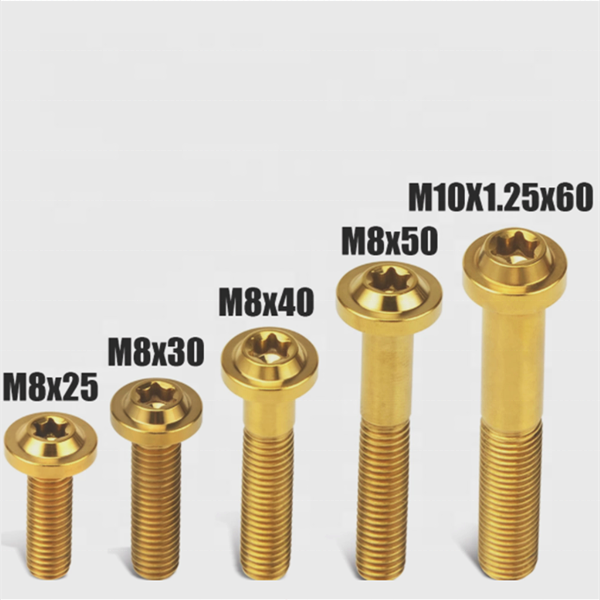
We maintain highly flexible order policies designed to support Austrian engineering prototyping through to full serial scaling: prototype CNC milled and turned parts can be produced starting from 5 to 10 pieces. For custom cold-forged and rolled thread fasteners (such as specialized Torx disc bolts or racing manifold studs), series production tooling runs typically begin between 100 to 500 pieces.
How does your factory prevent thread galling (cold-welding) in titanium fasteners?
Titanium naturally forms a microscopic oxide barrier that can experience galling under high-friction torqueing if mated dry against identical titanium or stainless steel nuts. We resolve this by utilizing high-precision cold-rolled threads (which feature a burnished, low-friction root finish) paired with functional surface treatments: Physical Vapor Deposition (PVD) titanium nitride coatings, anti-galling molybdenum dry film lubricants, or micro-arc anodic oxidation.
Can you produce non-standard parts according to Austrian OEM drawings (DIN, ISO, or proprietary CAD)?
Yes. Our in-house engineering team works directly with Austrian 2D blueprints (with GD&T per ISO 1101) and 3D CAD formats (STEP, IGES, SolidWorks). Whether you require custom drive designs (Torx Plus, internal hex, 12-point bi-hex flange), hollow weight-reduction bores, or specialized thread pitches (such as metric fine M10x1.0 or UNF 1/2-20), parts are machined to exact print tolerances.
What dimensional tolerance verification do you provide for safety-critical parts?
Critical dimensions are inspected at multiple production gates: Incoming Material Verification, First-Article Inspection (FAI), In-Process Statistical Process Control (SPC), and Final Quality Control (FQC). We employ calibrated Zeiss CMM equipment, digital optical comparators, surface profilometers, and class 4h/6g thread gauges. Complete FAI and dimensional inspection sheets are provided with shipment.
Are your titanium surface anodizing and PVD finishes UV and weather stable for alpine environments?
Yes. Unlike chemical dye methods on aluminum that degrade under alpine UV exposure, our titanium coloring utilizes controlled electrochemical oxide growth (Type II anodizing) and hard vacuum PVD arc coating (TiN for gold, TiAlN for deep black, and rainbow iridescent interference). These coatings create an inert, scratch-resistant surface immune to high-altitude UV, de-icing salts, and harsh temperature gradients.
Accelerate Your Titanium Sourcing Pipeline for Austria
Submit your 2D blueprints or 3D CAD models today. Our senior titanium machining engineers will analyze your specifications, verify tolerances, recommend optimal alloy grades, and furnish a comprehensive manufacturing quotation within 9 business hours.