Featured Titanium Fasteners & CNC Precision Components
Export-grade titanium fasteners and custom components manufactured by Vunza Titanium Industry in Baoji (China Titanium Valley), engineered to withstand extreme North Sea salinity, dynamic mechanical fatigue, and sub-zero Arctic temperatures.
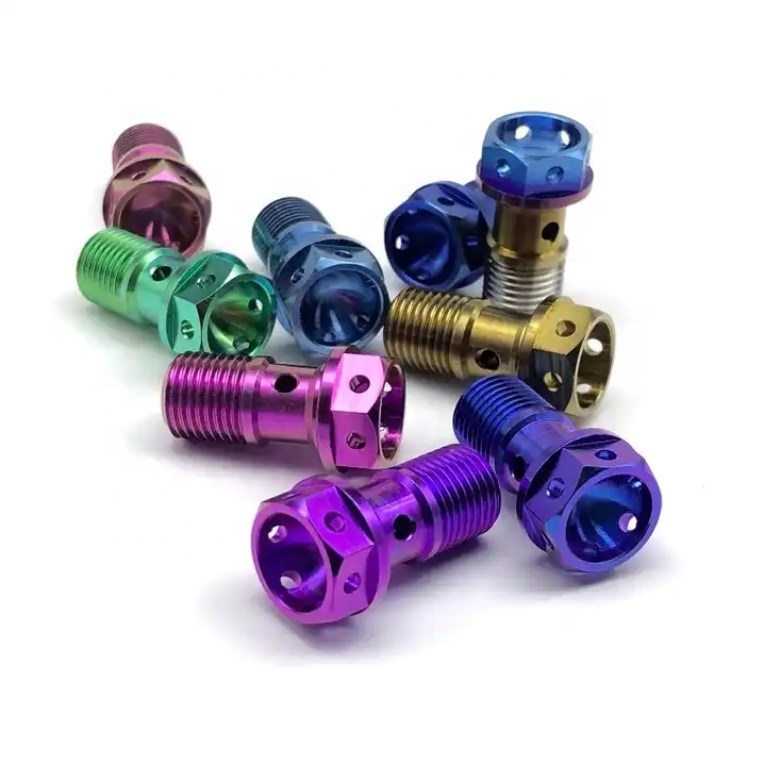
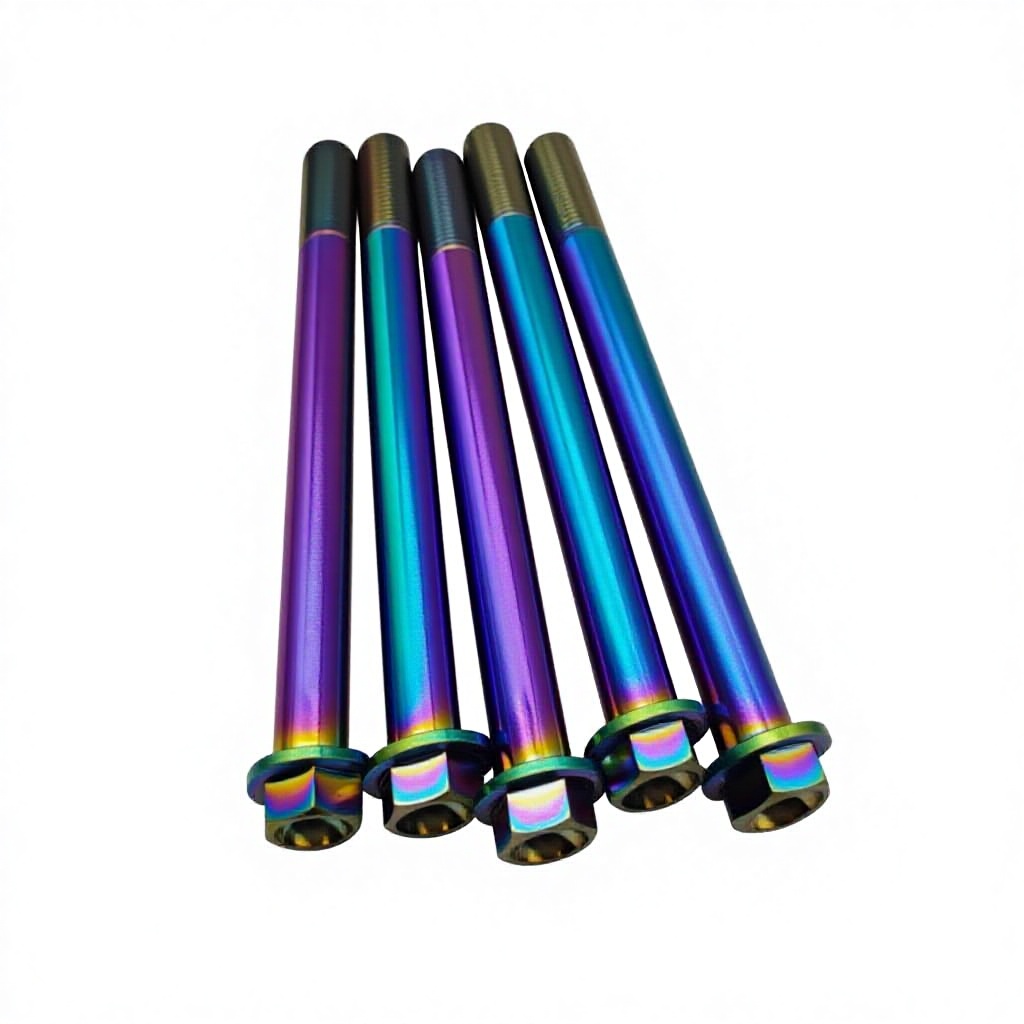
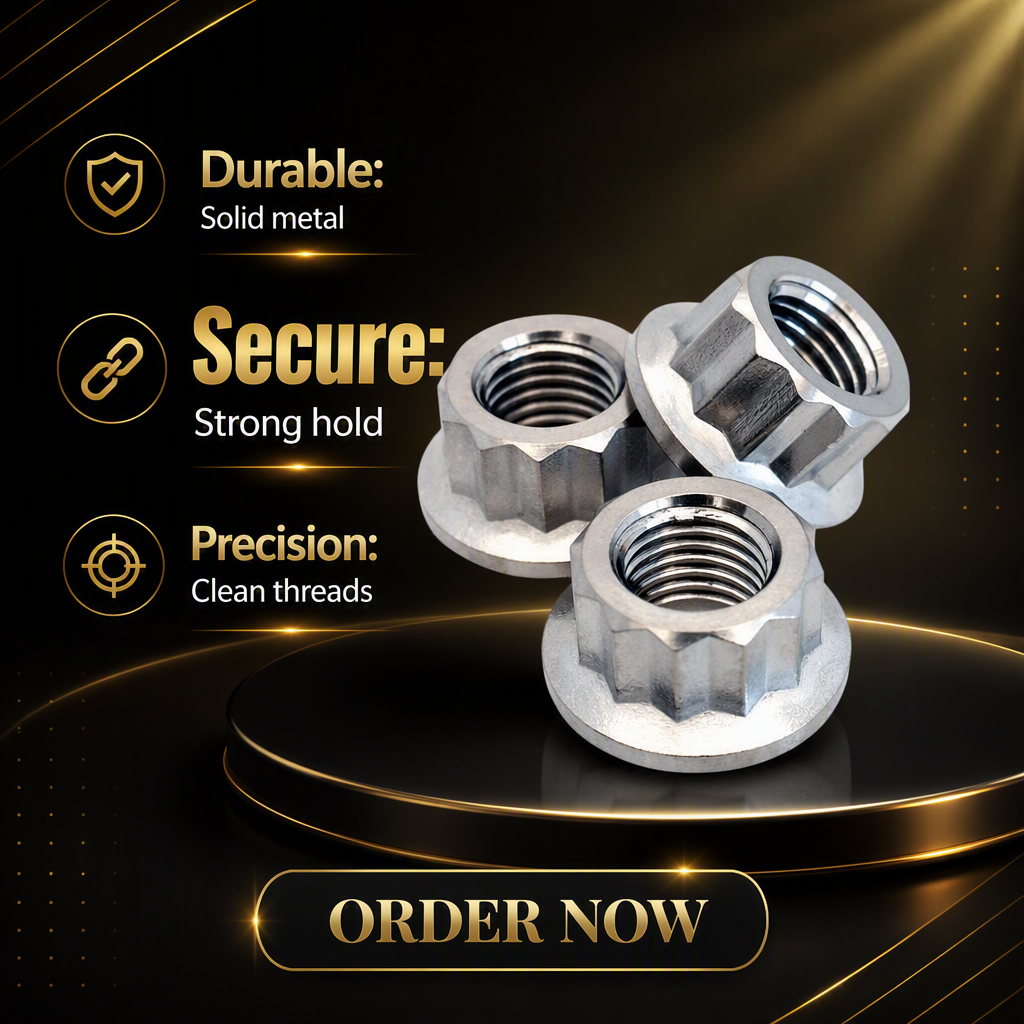
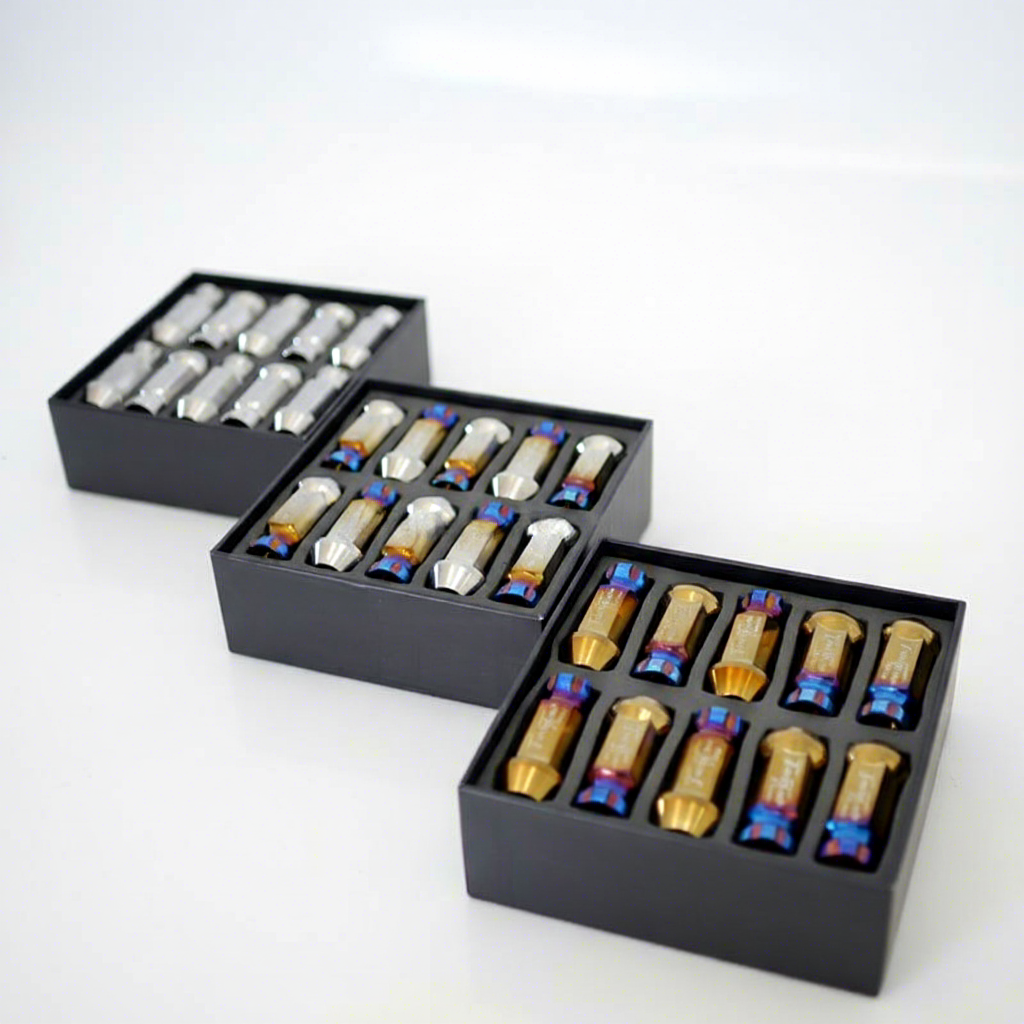
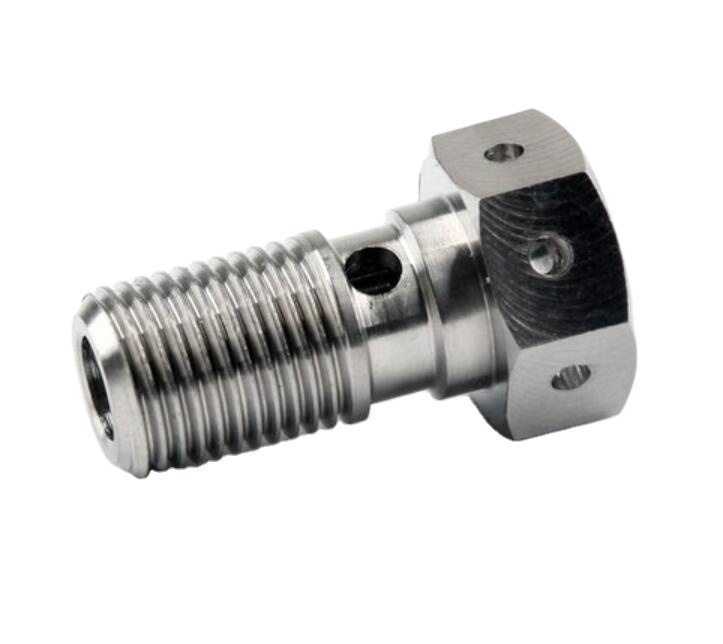
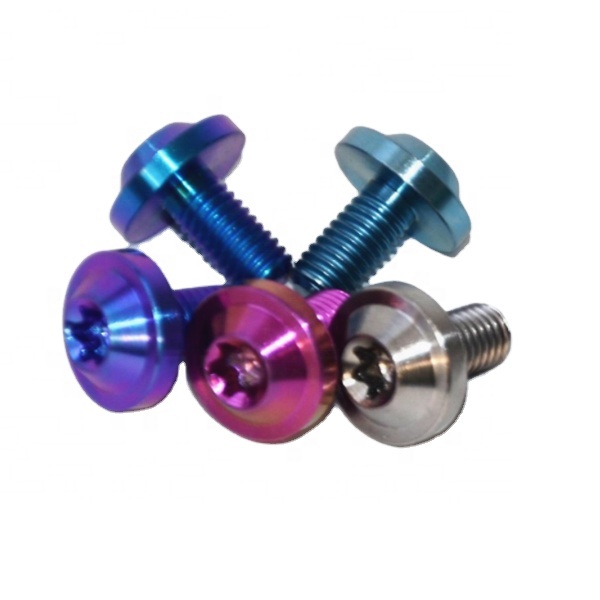
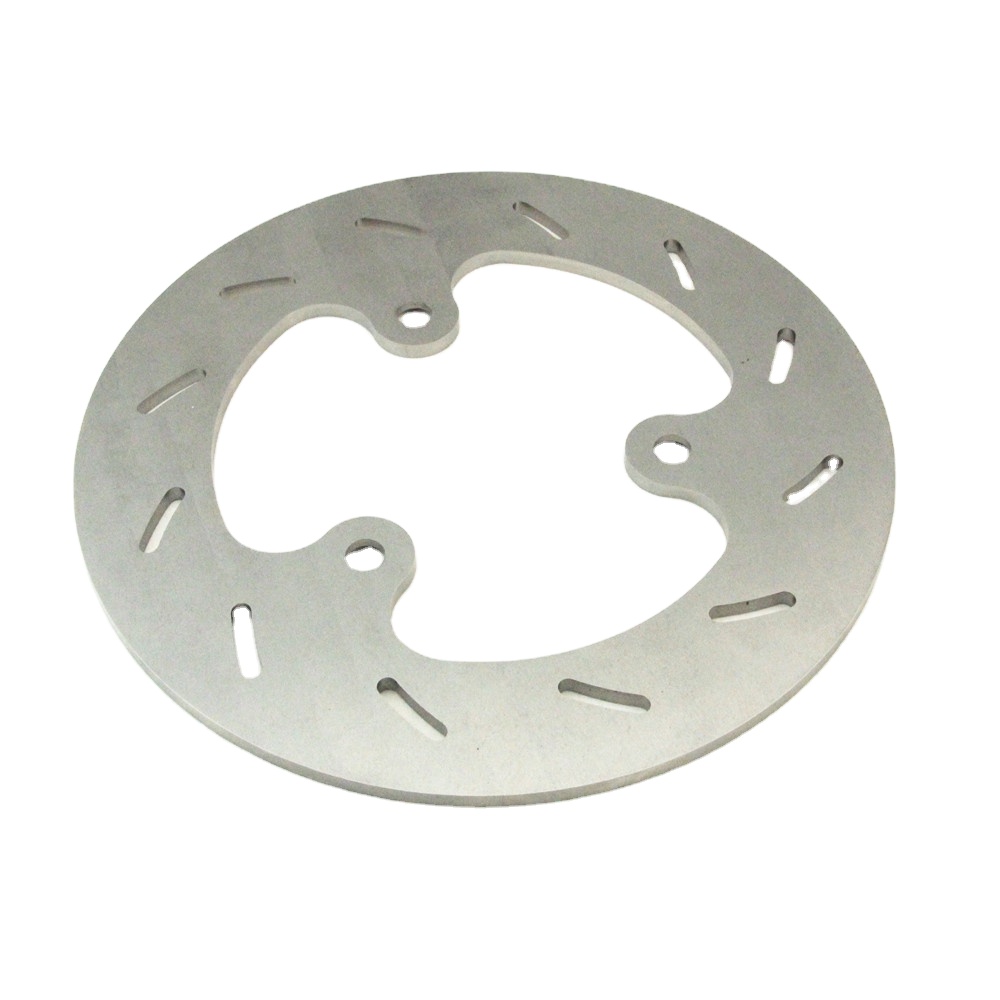
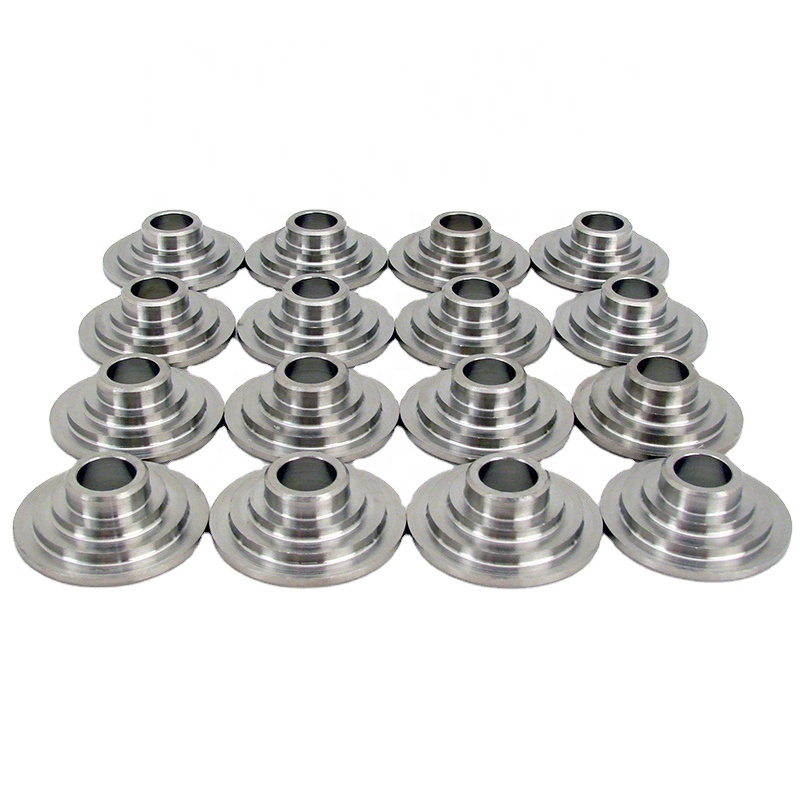
Engineering Excellence: Titanium Threaded Studs in the Norwegian Offshore & Industrial Landscape
The industrial operating environment along the Norwegian Continental Shelf (NCS) and throughout the North Sea demands mechanical components capable of enduring extreme chloride-induced stress corrosion cracking (SCC), severe hydrogen embrittlement hazards, and cyclical mechanical loading under turbulent hydrodynamic conditions. In this demanding ecosystem, traditional austenitic stainless steels (such as AISI 316L) and electroplated alloy steels routinely fail to meet the required 25-to-30-year design life without frequent, high-cost maintenance overhauls. As Norwegian engineering procurement, construction, and installation (EPCI) consortia operating out of maritime hubs like Stavanger, Bergen, and Kristiansand increasingly align their material specifications with NORSOK M-001, M-630, and M-650 guidelines, the demand for precision-machined titanium threaded studs has expanded dramatically.
Manufactured in Baoji, Shaanxi—globally recognized as "China Titanium Valley"—by Vunza Titanium Industry Co., Ltd. (operating since 2008), our production lines synthesize advanced material traceability from raw titanium sponge through double-melt vacuum arc remelting (VAR) to finished rolled-thread studs. Grade 5 titanium (Ti-6Al-4V / UNS R56400 / W.Nr. 3.7165) delivers an extraordinary strength-to-weight ratio with a minimum ultimate tensile strength of 895 MPa, coupled with a density of 4.43 g/cm³ (approximately 56% that of structural alloy steels or nickel alloys such as Inconel 625). For continuous exposure in fully submerged benthic zones and aerated splash zones, commercially pure Grade 2 titanium (UNS R50400) provides virtually thermodynamic immunity to localized crevice pitting, ensuring zero corrosion degradation across decades of active service.
Critical Industrial Implementations Across Norway's Harsh Environments
From subsea Christmas trees at 3,000 meters depth to offshore floating wind installations in the Barents Sea, our titanium threaded studs serve pivotal roles across Norway’s maritime and high-tech manufacturing sectors.
Subsea Hydrocarbon Manifolds & Wellheads
In deepwater subsea completions deployed across Ekofisk, Troll, and Johan Sverdrup fields, threaded studs secure flowline jumpers, hydraulic control pods, and subsea choke valves. Grade 5 titanium studs provide superior resistance to sour-gas stress cracking (NACE MR0175 / ISO 15156) and eliminate galvanic battery formation when integrated into titanium compact flange systems.
Offshore Wind & Floating Marine Energy
Norway's pioneering floating wind developments (such as Hywind Tampen) impose extreme alternating fatigue loads on structural nacelle couplings and tether connection points. Our continuous-threaded Grade 5 studs feature cold-rolled threads that enhance root fillet fatigue thresholds by over 35% compared to conventionally cut threads, avoiding micro-crack initiation during high-amplitude storm sea states.
Aquaculture & Open-Ocean Fish Farming
Industrial salmon farming enclosures situated in coastal fjords from Vestland to Finnmark experience heavy biofouling and continuous biological seawater exposure. Grade 2 and Grade 5 double-ended studs used on automated feed barges, submerged net-cleaning winches, and mooring spreaders exhibit absolute immunity to microbiological influenced corrosion (MIC), drastically lowering maintenance diving cycles.
Subsea Robotics (ROV/AUV) & Sonar Skids
Norwegian marine technology leaders in Kongsberg and Horten rely on non-magnetic titanium fasteners for autonomous underwater vehicles (AUVs) and acoustic research platforms. Titanium studs prevent magnetic flux interference with sensitive magnetometers, doppler velocity logs (DVLs), and multi-beam sonars, while saving critical payload weight for expanded scientific battery storage.
Motorsport, EV Conversions & Maritime Racing
Norway's rapid transition toward electrified marine ferries and high-performance racing crafts demands aggressive unsprung weight mitigation. Titanium studs, wheel nuts, and exhaust hardware reduce rotating mass by 44% compared to steel, lowering rotational inertia and optimizing thermal conductivity in extreme powertrain assemblies.
Cryogenic Liquid Handling & LNG Terminals
At cryogenic processing facilities across Snøhvit and Kårstø handling liquified natural gas at -162°C, Grade 5 ELI (Grade 23) threaded studs preserve ductile fracture mechanics without experiencing ductile-to-brittle transition temperatures (DBTT), preventing catastrophic bolt shear failures common to ferritic materials.
Key Sourcing & Regulatory Drivers in the Norwegian Industrial Market
Rigorous Adoption of NORSOK M-650 & EN 10204 3.1
Norwegian offshore procurement departments enforce uncompromising metallurgical validation. Fasteners must be accompanied by complete mill test certificates in full compliance with EN 10204 Type 3.1, detailing chemical composition, tensile elongation, yield verification, and microstructural grain analysis. As Chinese manufacturing clusters upgrade their furnace instrumentation, Vunza Titanium provides end-to-end documentation directly to Scandinavian purchasers.
Decarbonization, LCA Metrics, and Circular Metallurgy
The Norwegian Climate Investment Fund and EU Corporate Sustainability Due Diligence Directive (CSDDD) require offshore developers to calculate the complete life-cycle emissions (LCA) of capital equipment. Titanium’s near-infinite operational lifespan in seawater dramatically reduces Scope 3 replacement emissions compared to shorter-lived coated alloy steels, aligning with Norway's 2050 zero-emission offshore objectives.
Electrification of Subsea Production Systems (SPS)
The North Sea is shifting from legacy electro-hydraulic umbilical subsea trees to fully electric subsea trees (All-Electric SPS). Electric actuators require miniature, ultra-high-precision titanium studs (M3–M8) machined to ±0.005 mm tolerances to ensure hermetic housing seals against 300 bar hydrostatic ambient bottom pressures.
Arctic Deep-Water Exploration & Seabed Minerals
With the Norwegian Storting approving exploratory frameworks for seabed mineral extraction in the Greenland Sea, tooling studs must withstand extreme hyperbaric pressures and high-salinity hydrothermal vent plumes reaching up to 300°C. Titanium Grade 5 and specialized ruthenium-palladium enhanced alloys provide critical structural integrity under these unique environmental constraints.
Material Performance Comparison: North Sea Marine Fastening
Comparative metallurgical evaluation of Grade 5 Titanium against standard marine-grade metals under simulated North Sea conditions (salinity 3.5%, continuous splash zone exposure).
| Material Specification | Density (g/cm³) | Tensile Strength (MPa) | Yield Strength (MPa) | Pitting Corrosion Rate in Seawater | Galvanic Vulnerability |
|---|---|---|---|---|---|
| Titanium Grade 5 (Ti-6Al-4V) | 4.43 | ≥ 895 | ≥ 828 | < 0.0001 mm/year (Immune) | Cathodic (Extremely Noble) |
| Super Duplex Stainless (2507) | 7.80 | 750 – 1000 | ≥ 550 | < 0.005 mm/year | Moderate (Crevice risk >25°C) |
| Austenitic Stainless (AISI 316L) | 8.00 | 500 – 700 | ≥ 220 | 0.05 – 0.15 mm/year (Pitting prone) | Vulnerable to bio-crevice corrosion |
| Nickel Alloy (Inconel 625) | 8.44 | ≥ 827 | ≥ 414 | < 0.0005 mm/year | Noble / High Cost / High Weight |
| High-Tensile B7 Alloy Steel (Coated) | 7.85 | ≥ 860 | ≥ 725 | Catastrophic if coating breached | Active Anodic Corrosion |
Why Norwegian EPCs Partner with Vunza Titanium Industry
Based in Baoji, China, Vunza Titanium combines localized raw material control with high-precision multi-axis machining to guarantee dependable batch deliveries directly to Norway.
Sponge-to-Part Quality Control
Positioned immediately adjacent to the Baoti Industrial Park, our production stream utilizes strictly certified Grade 0 vacuum-distilled titanium sponge. Material traceability is locked from ingots through continuous bar rolling to the final machining operation, preventing foreign metallic contamination.
Cold-Thread Rolling Technology
Rather than cut threads that interrupt the longitudinal grain flow of titanium bar stock, our automated thread rolling machines form continuous, work-hardened grain fibers along the thread flanks and roots. This cold deformation delivers higher surface hardness and exceptional dynamic fatigue life.
34 Multi-Axis CNC Workstations
Our facility houses 34 precision turning and 3/4/5-axis milling machines capable of holding tolerances down to 0.005 mm. From standard continuous all-thread rods to custom engineered-waist studs and complex 12-point heads, components conform strictly to design prints.
Rapid Response & Engineering DFM
With over 50% of our technician workforce possessing more than 13 years of titanium-specific machining experience, engineering inquiries from Oslo, Bergen, or Trondheim receive dedicated Design for Manufacturability (DFM) reviews within an average response window of under 9 hours.
Specialized Surface Passivation & PVD
To eliminate galling under extreme preload torques, we provide proprietary vacuum Physical Vapor Deposition (PVD), micro-arc oxidation (MAO), and molybdenum disulfide (MoS2) dry-film coatings. These treatments stabilize thread friction coefficients and ensure consistent clamp preloads.
Seamless DDP Air & Ocean Logistics to Norway
We routinely manage end-to-end logistics to Norwegian ports and customs clearance hubs (including Oslo Gardermoen, Bergen Flesland, and Port of Stavanger). All shipments are packed in rust-inhibited, impact-cushioned wooden cases conforming to ISPM 15 phytosanitary standards.
Frequently Asked Questions by Norwegian Sourcing Engineers
Technical, metallurgical, and logistics inquiries answered for procurement professionals and quality control auditors operating within the Norwegian industrial framework.
Can you provide full EN 10204 3.1 certification and support NORSOK M-650 qualification?
How do you prevent galvanic corrosion when coupling titanium studs with steel or super duplex flanges?
Why are cold-rolled threads mandatory for offshore wind and subsea studs instead of cut threads?
What are the impact and ductile characteristics of Grade 5 titanium at sub-zero Arctic temperatures (-40°C)?
What is the standard production lead time and logistics route to Stavanger, Bergen, or Oslo?
Initiate a Technical Sourcing Review for the Norwegian Market
Send your 2D/3D CAD engineering drawings (STEP, IGES, PDF) alongside your material requirements (Gr2, Gr5, Gr5 ELI) and target batch volumes. Our Baoji application engineering team will provide comprehensive DFM analysis, tolerance optimization, and commercial factory-direct terms.