Fasteners
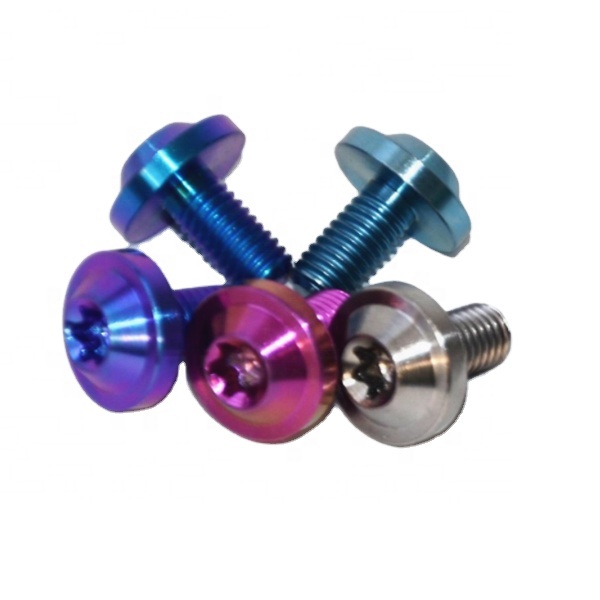
Direct factory prices for Querétaro motorsport fabricators, race team engine builders, and industrial distributors. Tolerances held strictly to ±0.005 mm.
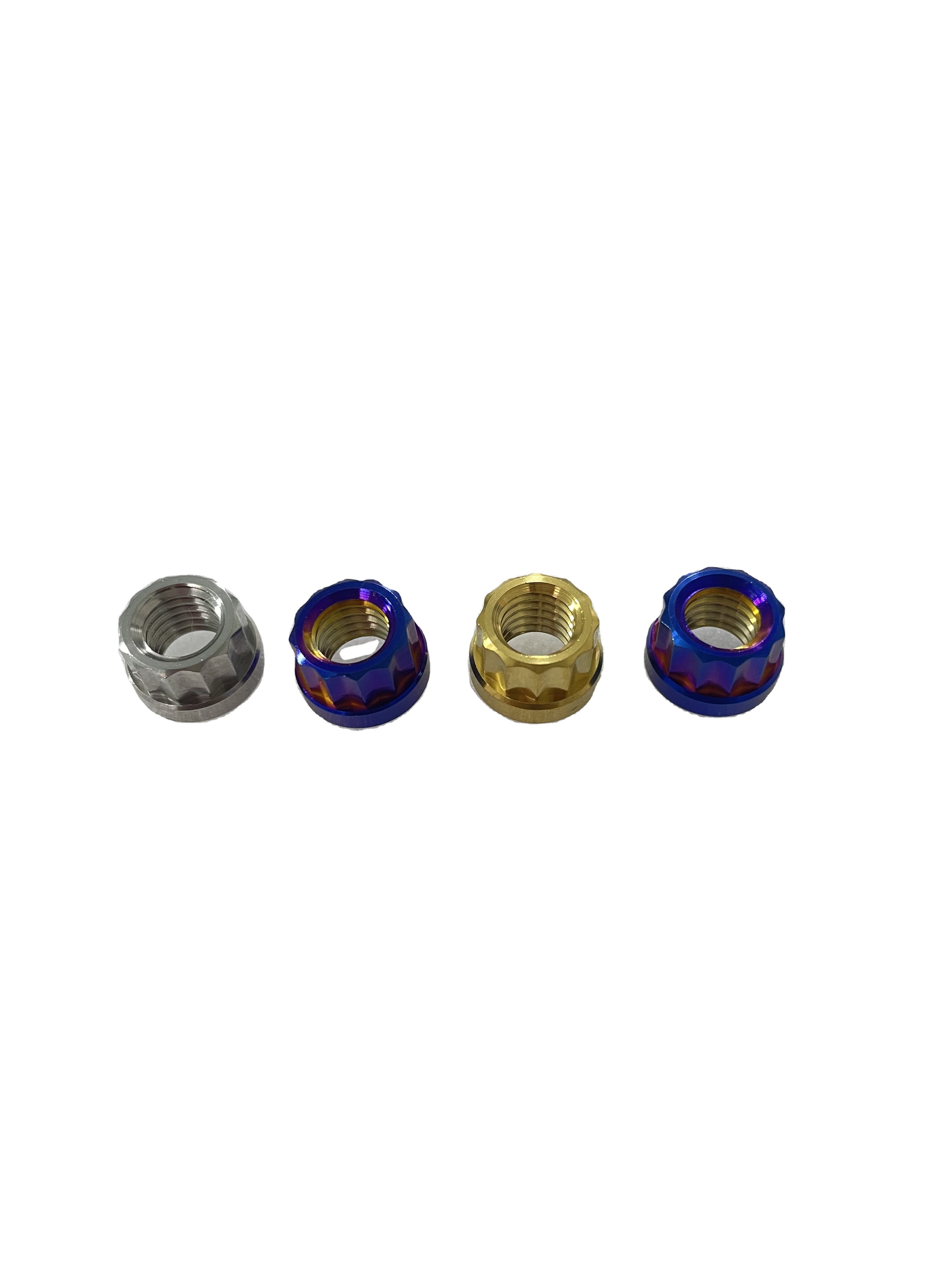
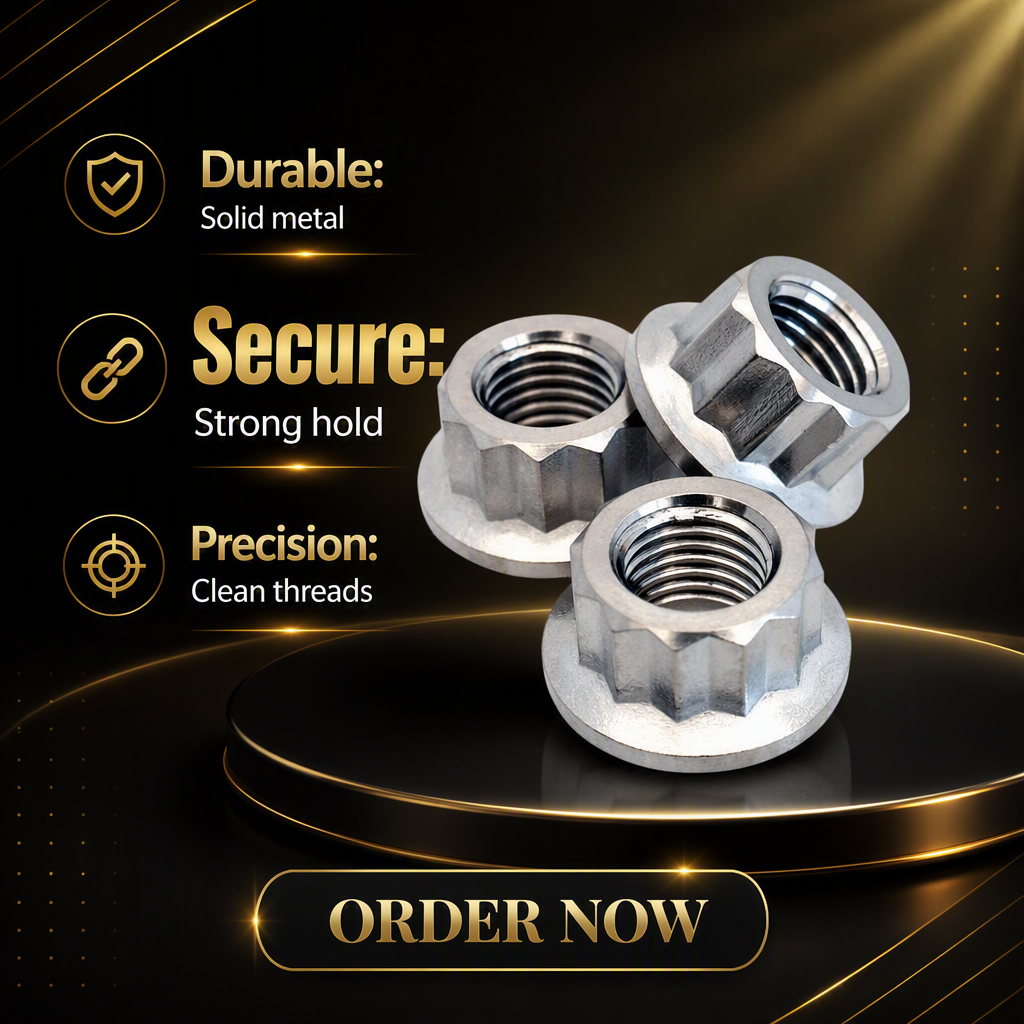
Established in Baoji Valley
Multi-Axis CNC Milling Centers
Ultra-High Machining Tolerance
Weight vs. Steel Brake Rotors
In asphalt short-track, dirt oval, and sprint car racing (both 410 c.i. winged and non-wing configurations), braking dynamics are governed by angular acceleration, unsprung rotational mass, and rapid thermal cycling. The inboard rear brake rotor on a quick-change rear axle is subject to extreme rotational inertia. As drivers back the sprint car into dirt corners, pitching sideways while toggling throttle and brake simultaneously, standard cast-iron or stainless steel brake rotors introduce considerable gyroscopic resistance. This rotational drag impairs turn-in response and introduces driveline shock that cascades into the ring-and-pinion assembly.
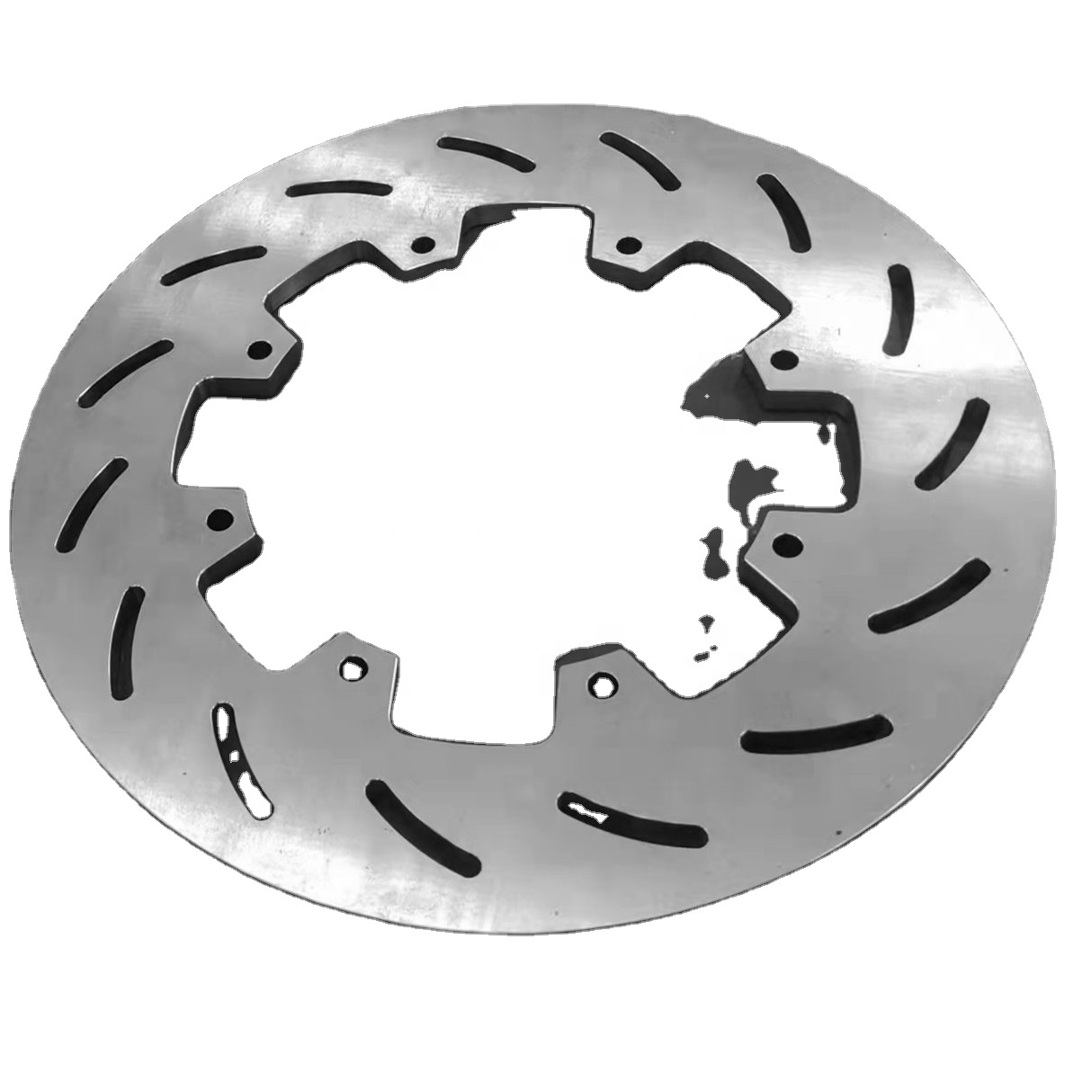
As an established Chinese titanium precision manufacturing plant directly exporting to Querétaro, our engineering division has redesigned inboard and outboard sprint car brake rotors utilizing aerospace-grade Ti-6Al-4V Grade 5 (UNS R56400 / ASTM B348). Grade 5 titanium boasts a tensile strength exceeding 895 MPa, a yield strength of 828 MPa, and a low material density of 4.43 g/cm³—slashing rotational mass by nearly 44% compared to traditional 4140 chrome-moly or ductile iron discs. This reduction in the polar moment of inertia drastically shortens braking response intervals and accelerates forward drive off corner exit.
Kinematic Principle: Polar Moment of Inertia ($I = \frac{1}{2} m r^2$). Halving rotor mass without compromising pitch radius cuts driveline inertia by over 40%, delivering immediate tire bite on heavy, tacky track surfaces frequently encountered throughout Mexican short circuits.
| Material Specification | Density (g/cm³) | Tensile Strength (MPa) | Thermal Expansion (μm/m·K) | Rotational Inertia Rating | Corrosion / Oxidation |
|---|---|---|---|---|---|
| Ti-6Al-4V Grade 5 (Baoji Vunza) | 4.43 | 895 – 1000 | 8.6 | Superior (Baseline -44%) | Immune to mud, moisture & brake dust |
| Grey Cast Iron (Class 30/40) | 7.20 | 200 – 300 | 11.0 | Poor (High rotational drag) | Prone to surface rust & micro-cracking |
| 4140 Heat Treated Alloy Steel | 7.85 | 655 – 850 | 12.2 | High (Heavy gyroscopic effect) | Requires protective plating |
| 7075-T6 Hard-Anodized Aluminum | 2.81 | 572 | 23.4 | Extremely Low | Rapid thermal degradation above 200°C |
The state of Querétaro has evolved into the preeminent hub for advanced mobility, precision aerospace machining, and specialized automotive motorsport components across Mexico. Located strategically along the NAFTA/USMCA central logistics spine, Querétaro serves as the testing, distribution, and assembly nucleus for both competitive circuit racing teams and off-road desert programs.
High-braking demand circuits like the tri-oval at EcoCentro Expositor demand instant thermal recovery. Ti-6Al-4V inboard rotors resist disc coning and thermal warpage during aggressive, repeated 140 km/h deceleration zones.
Querétaro sits roughly 1,820 meters above sea level. Thinner air reduces convective aerodynamic brake cooling by nearly 18%. Our slotted and directional scalloped designs increase laminar turbulence, expelling thermal boundary layers efficiently.
Engine builders in San Juan del Río and El Marqués rely on our titanium rotor blanks for Class 1 buggies and trophy karts that confront abrasive volcanic silt, deep mud, and flying aggregate with zero stress corrosion cracking.
The Mexican automotive ecosystem is experiencing a profound transformation propelled by nearshoring dynamics and USMCA regional value content mandates. Querétaro, with its sophisticated cluster of aerospace CNC tooling centers and high-performance racing workshops, is transitioning from pure component assembly to custom engineering integration.
Three prominent trends define the local adoption of wholesale Chinese titanium hardware in Querétaro:
Rooted in Gaoya Village Industrial Zone, Baoji, Shaanxi—universally recognized as China's Titanium Valley—Vunza Titanium Industry Co., Ltd. has delivered precision titanium manufacturing solutions since 2008. Situated directly adjacent to the state Baoti Group Industrial Park, our plant commands unrestricted access to virgin sponge titanium, vacuum arc remelting (VAR) infrastructure, and standardized metallurgical assay laboratories.
Our workshop houses 34 sets of high-rigidity 3-axis, 4-axis, and 5-axis DMG MORI and Haas CNC milling centers dedicated to one-setup machining of scalloped rotors, lightweight pocketing, and concentric spline drive hubs.
Quality begins at the metallurgical level. Every batch undergoes ultrasonic flaw detection (AMS 2631 Class AA), optical emission spectroscopy (OES), and comprehensive CMM dimensional inspection to verify 0.005 mm flatness.
Titanium features low thermal conductivity and high elastic springback during cutting. More than 50% of our precision machining operators have over 13 years of specialized titanium toolpath and coolant optimization experience.