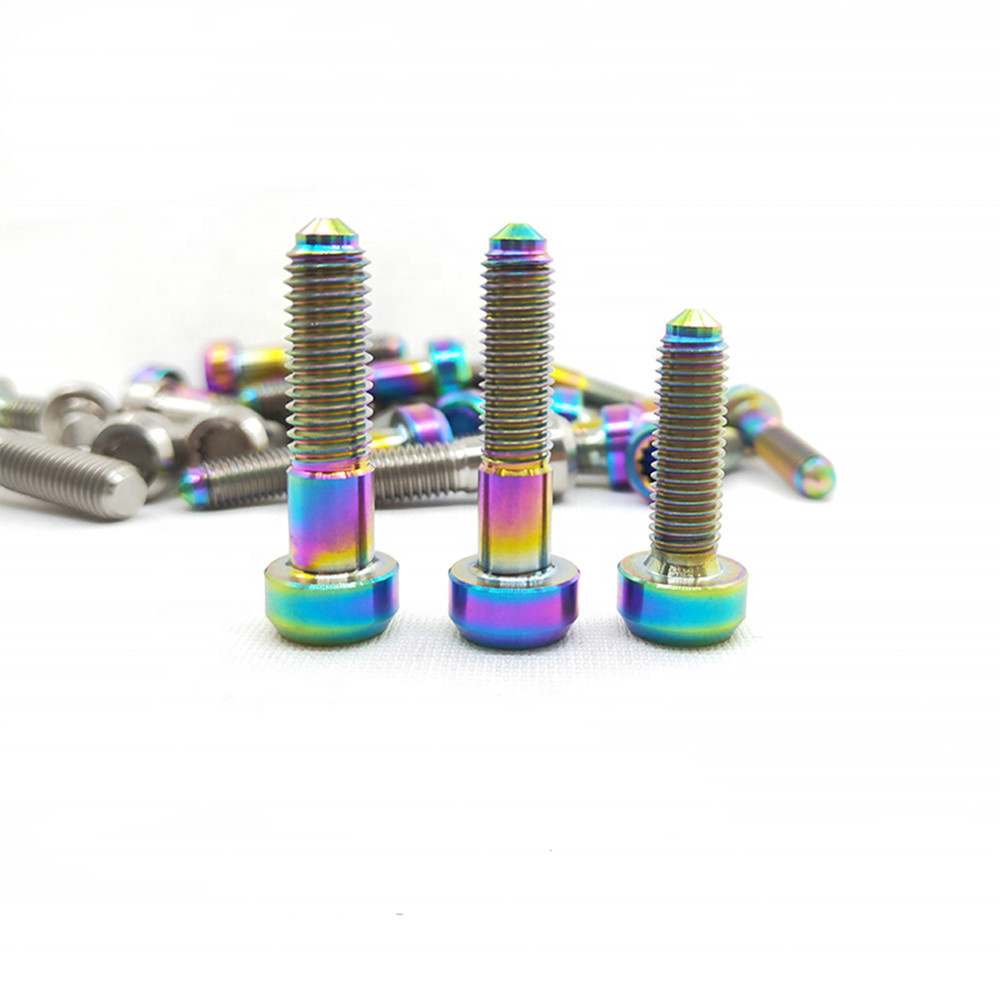
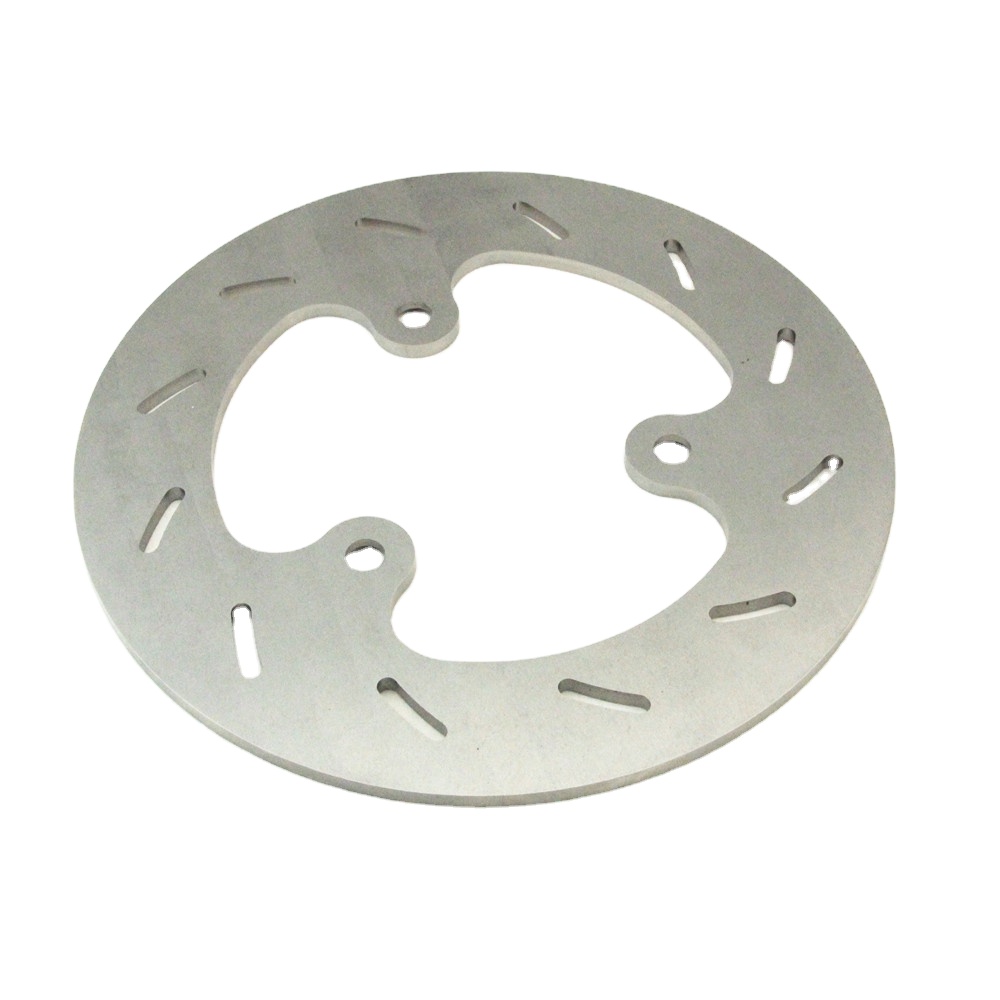
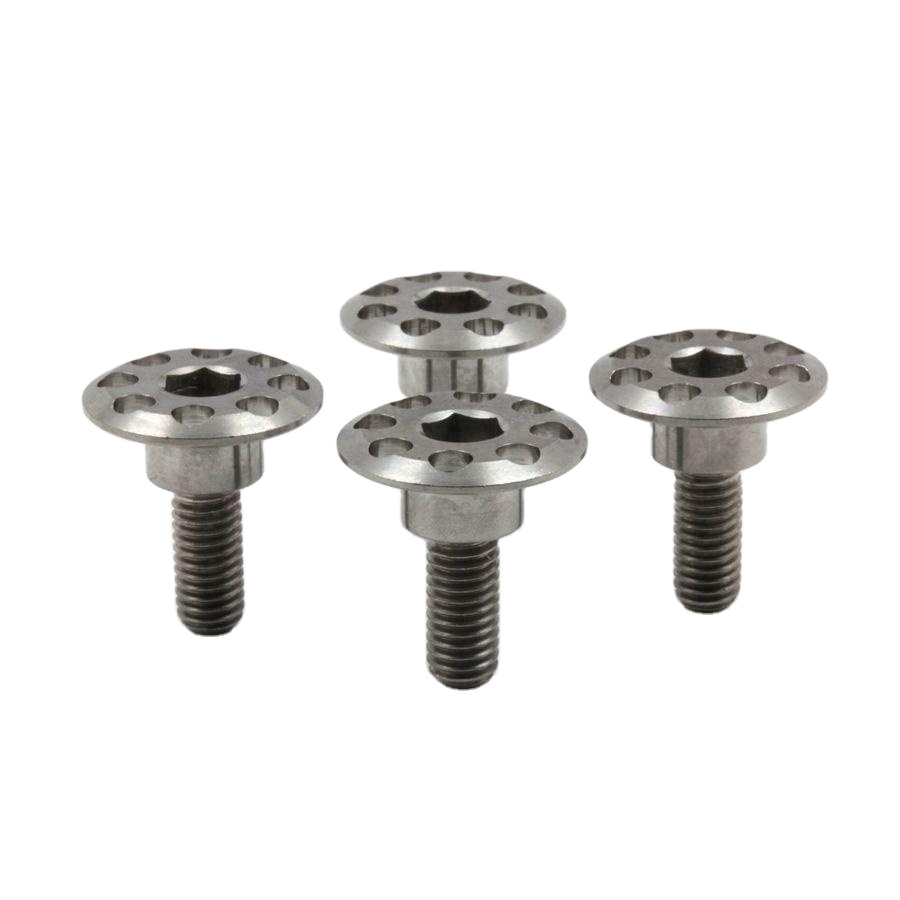
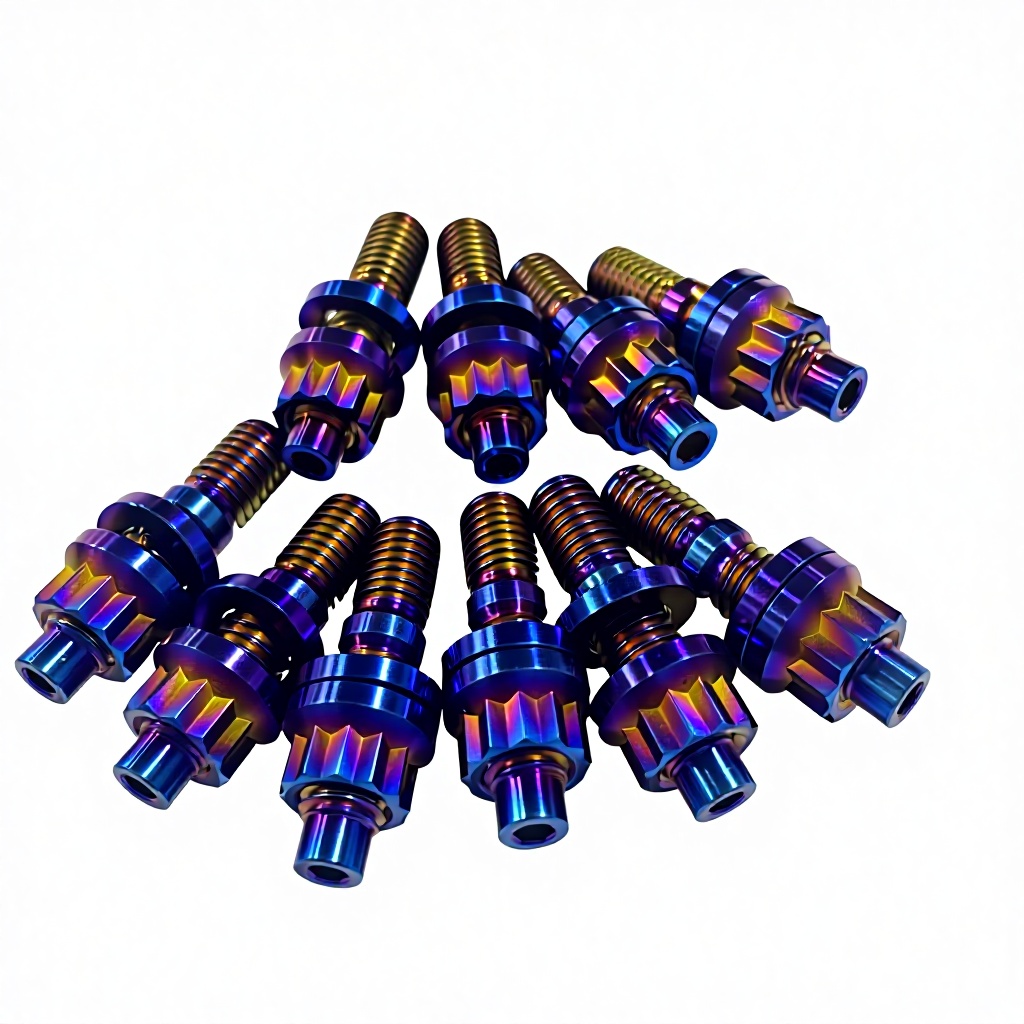
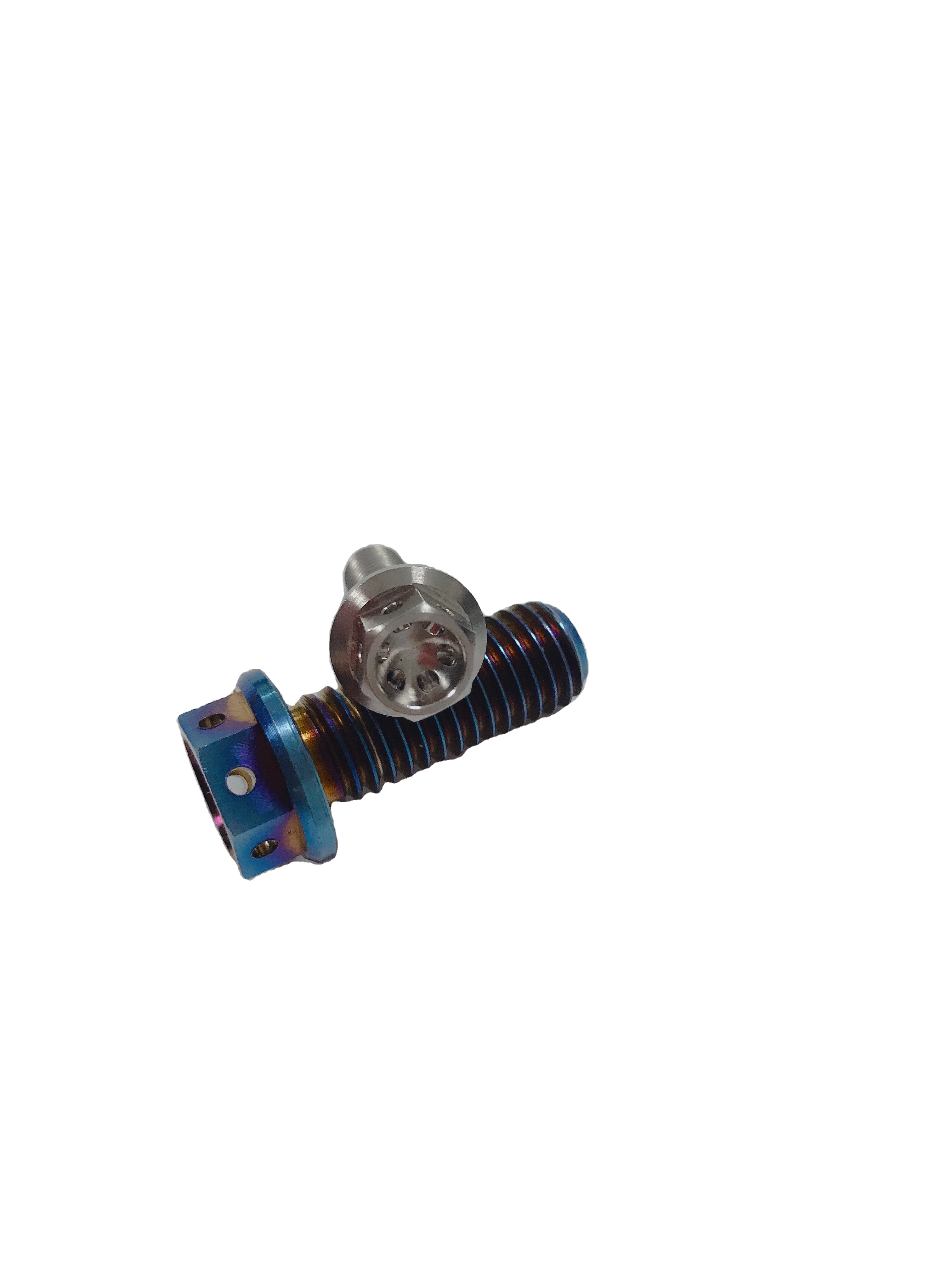
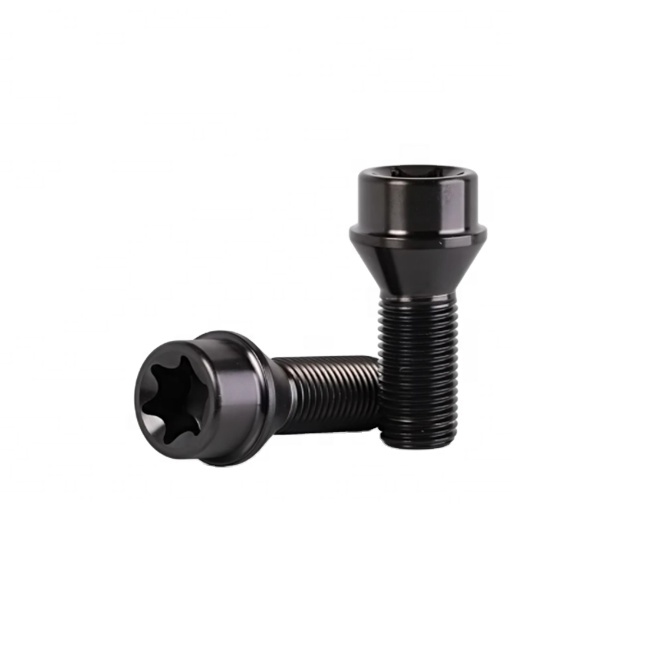
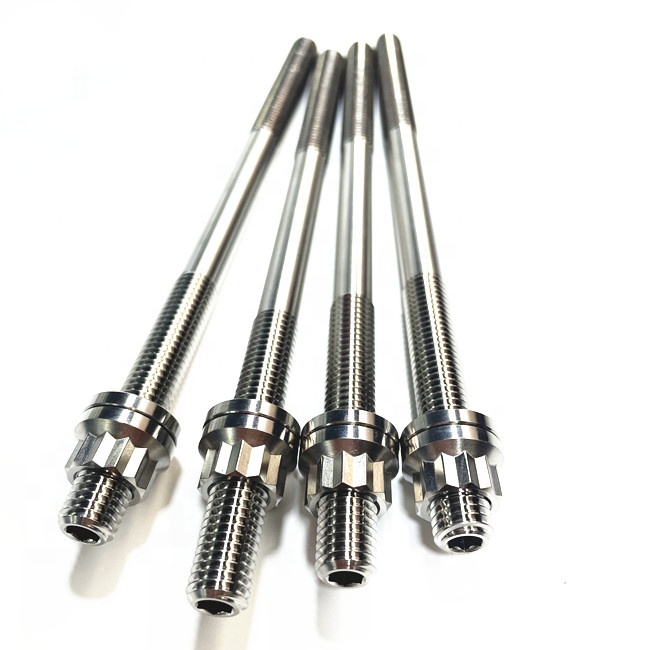
Explore our specialized titanium wing nut variations, 12-point flange fasteners, and CNC custom hardware engineered for superior strength-to-weight performance and zero marine corrosion.
A deep metallurgical analysis of Ti-6Al-4V vs. CP Grade 2 wing nuts, standard compliance (DIN 315 & ASME B18.17), and root causes of mechanical failure in Nordic maritime settings.
In the industrial corridors flanking Copenhagen, from Kalundborg’s biopharma hubs to the offshore wind installations throughout the Kattegat and the Øresund Strait, mechanical fasteners face extreme climatic and chemical aggression. Wing nuts—designed fundamentally for tool-free assembly, quick-release inspection access, and manual tensioning—are historically prone to catastrophic galling, chloride stress corrosion cracking (SCC), and galvanic erosion when constructed from conventional A4-70 (AISI 316) stainless steel.
As premier China wholesale titanium wing nuts manufacturers operating out of Baoji (China’s Titanium Valley), our engineering facility solves these operational bottlenecks by utilizing virgin Ti-6Al-4V (Grade 5, TC4) and commercially pure Grade 2 titanium. With a density of only 4.43 g/cm³ compared to steel’s 7.9 g/cm³, titanium wing nuts shave 44% of unneeded structural weight while presenting a practically inert rutile (TiO₂) passive barrier that permanently thwarts marine salt spray, offshore wind humidity, and caustic CIP (Clean-In-Place) chemical washes.
| Physical / Mechanical Property | Grade 5 Titanium (Ti6Al4V TC4) | Grade 2 Titanium (CP-Ti) | A4-80 Stainless Steel (AISI 316L) |
|---|---|---|---|
| Ultimate Tensile Strength (Rm) | ≥ 895 – 1050 MPa | ≥ 345 – 450 MPa | ≥ 800 MPa |
| Yield Strength (Rp 0.2) | ≥ 828 MPa | ≥ 275 MPa | ≥ 600 MPa |
| Density | 4.43 g/cm³ (Lightweight) | 4.51 g/cm³ | 7.95 g/cm³ (Heavy) |
| Pitting Resistance Equivalent (PREN) | Immune in Natural Seawater | Immune in Natural Seawater | PREN 23 – 25 (Pitting Risk) |
| Magnetic Permeability (μ) | 1.00005 (Non-Magnetic) | 1.00004 (Non-Magnetic) | 1.005 – 1.015 (Cold Worked) |
| Manufacturing Process | Hot Forged + 5-Axis CNC Finish | Precision CNC Turned | Cold Headed |
Standard DIN 315 wing nuts are categorized into German form (rounded wings) and American form (ASME B18.17, angular wings). When manufacturing titanium wing nuts for Danish procurement teams, ergonomic torque transfer without tool slippage is critical. In sub-zero offshore maintenance routines across Danish wind farms, maintenance crews wear thick insulated gloves. Our CNC milling protocols introduce diamond-knurled grip bands, broadened wing lobes, and radiused transition fillets at the wing-to-boss junction.
By eliminating sharp internal stress concentrations, our CNC-machined titanium wing nuts eliminate the shear failure typical of cast hardware. Every internal thread (from M3 through M24, as well as UNC/UNF imperial profiles) is generated with precision thread rolling or single-point CNC carbide threading, ensuring a surface finish of Ra ≤ 0.4 μm that dramatically reduces the galling propensity inherent to raw titanium friction couples.
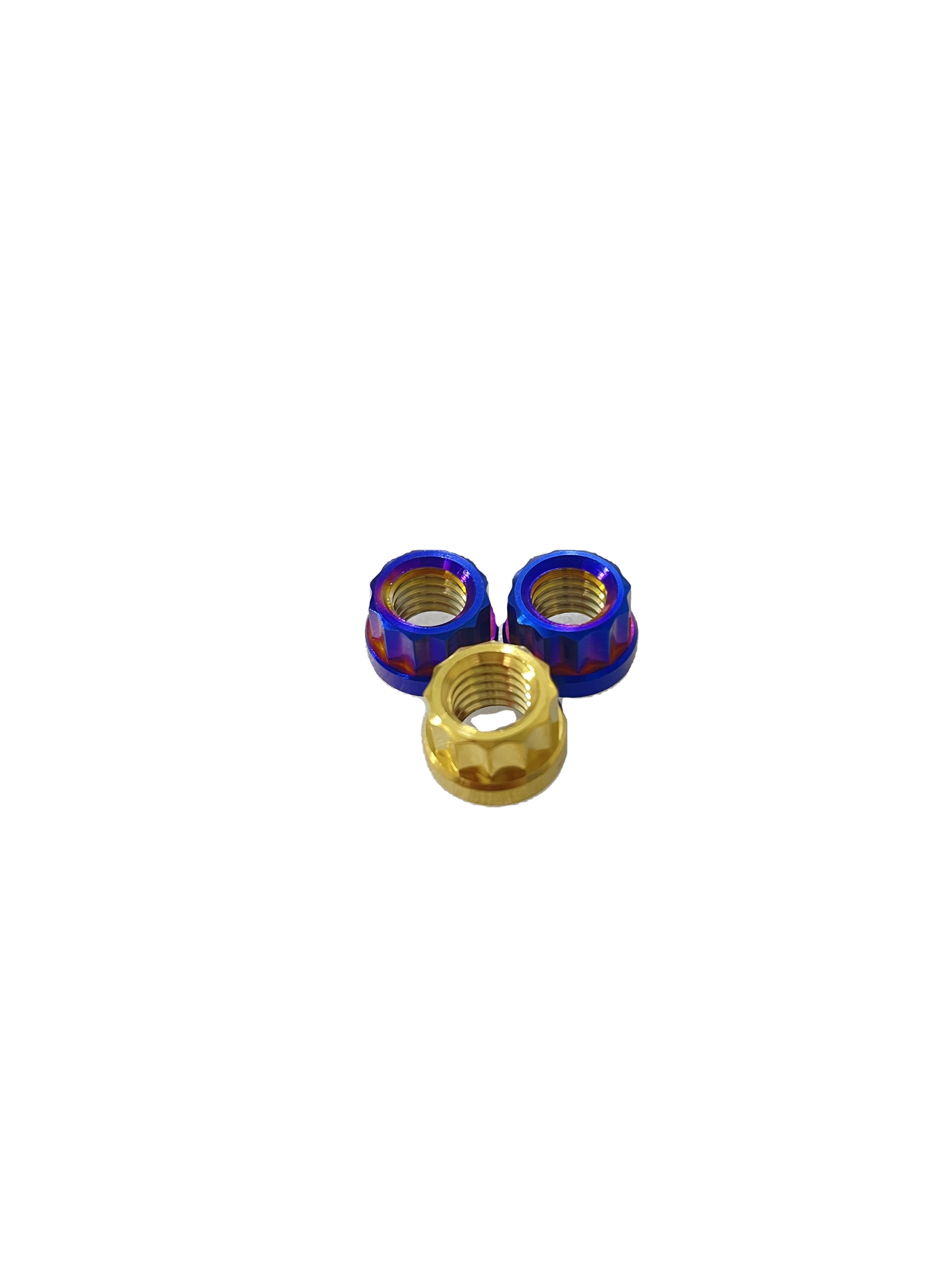
How procurement managers and structural engineers across Sjælland implement our titanium wing nuts and custom CNC fasteners to resolve critical engineering challenges.
The Greater Copenhagen maritime belt and coastal wind farms demand fasteners that survive harsh North Sea salt air and Splash Zone C5-M corrosivity. Our Grade 5 titanium wing nuts provide vibration-proof quick-release latching on nacelle sensor housings, electrical inspection hatches, and offshore meteorological buoys without galvanic decay or rust welding.
Situated within Europe’s leading life-science cluster spanning Copenhagen and Scania, pharmaceutical bioreactors, sterile filtration manifolds, and chromatographic columns require fasteners impervious to rigorous sanitization. Our non-leaching, biocompatible Grade 2 and Grade 23 (ELI) titanium wing nuts endure nitric acid, steam sterilization, and caustic washes without surface pitting.
From electric passenger ferries operating in Copenhagen Harbor to autonomous subsea surveying drones, minimizing top-heavy mass is paramount. Our titanium wing nuts yield an immediate 44% mass reduction compared to marine bronze or steel fasteners, while completely bypassing magnetic interference with onboard inertial navigation and sonar systems.
How environmental criteria, total cost of ownership (TCO), and automated supply chain dynamics are revolutionizing wholesale titanium imports in Denmark.
Nordic engineering firms are aggressively abandoning A4-80 stainless fasteners due to recurring galling and maintenance downtime in offshore settings. While titanium carries a higher upfront raw material cost, its near-infinite fatigue lifecycle and zero maintenance needs reduce 10-year Total Cost of Ownership (TCO) by over 62% in high-salinity infrastructure.
Danish corporate governance mandates rigorous ESG compliance and verifiable provenance. Copenhagen buyers now require 100% mill test certificates conforming to EN 10204 3.1, tracing products directly back to titanium sponge melt batches with tight controls over chemical interstitial elements (Oxygen, Nitrogen, Carbon, and Hydrogen).
To eliminate European middleman markups of 40–70%, Copenhagen purchasing directors increasingly contract directly with Baoji manufacturing plants. Leveraging rapid DFM engineering reviews, scheduled buffer stock programs, and expedited air freight into Copenhagen Airport (CPH), Danish OEMs secure tiered wholesale factory pricing with rapid lead times.
Rooted in China’s Titanium Valley since 2008, combining cutting-edge multi-axis CNC technology with rigorous German & Nordic industrial quality benchmarks.
Adjacent to the Baoti Group Industrial Park in Baoji, we secure premium virgin titanium sponge and aerospace billets at low source costs, insulating our Copenhagen clients from global metal price fluctuations.
Equipped with 3-, 4-, and 5-axis DMG MORI and Brother CNC machines capable of holding micro-tolerances down to 0.005 mm on complex wing curvatures, rolled threads, and custom hollow-core designs.
Every wing nut is verified via CMM coordinate measuring, optical profile projectors, and Go/No-Go pitch gauges. Material conformity is validated via spectroscopic alloy sorting and ultrasonic flaw detection.
With an average response window of under 9 hours, our senior mechanical engineering team conducts rapid Design-for-Manufacturability reviews, providing instant quoting and technical CAD iterations.
Clarifying technical tolerances, import duties, anti-galling coatings, and supply chain logistics for Danish procurement specialists.
Send us your DIN 315 specifications, ASME prints, or custom 2D/3D part drawings. Our metallurgical engineers will deliver an optimized quote, DFM manufacturability review, and prototype roadmap within 9 hours.