Precision Catalog
Featured Titanium Fasteners & Machined Components
Direct factory supply of GR5 Ti-6Al-4V ultra-lightweight hardware, engineered to DIN/ISO standards for high-performance bicycle, automotive, and industrial applications in Brno and across Europe.
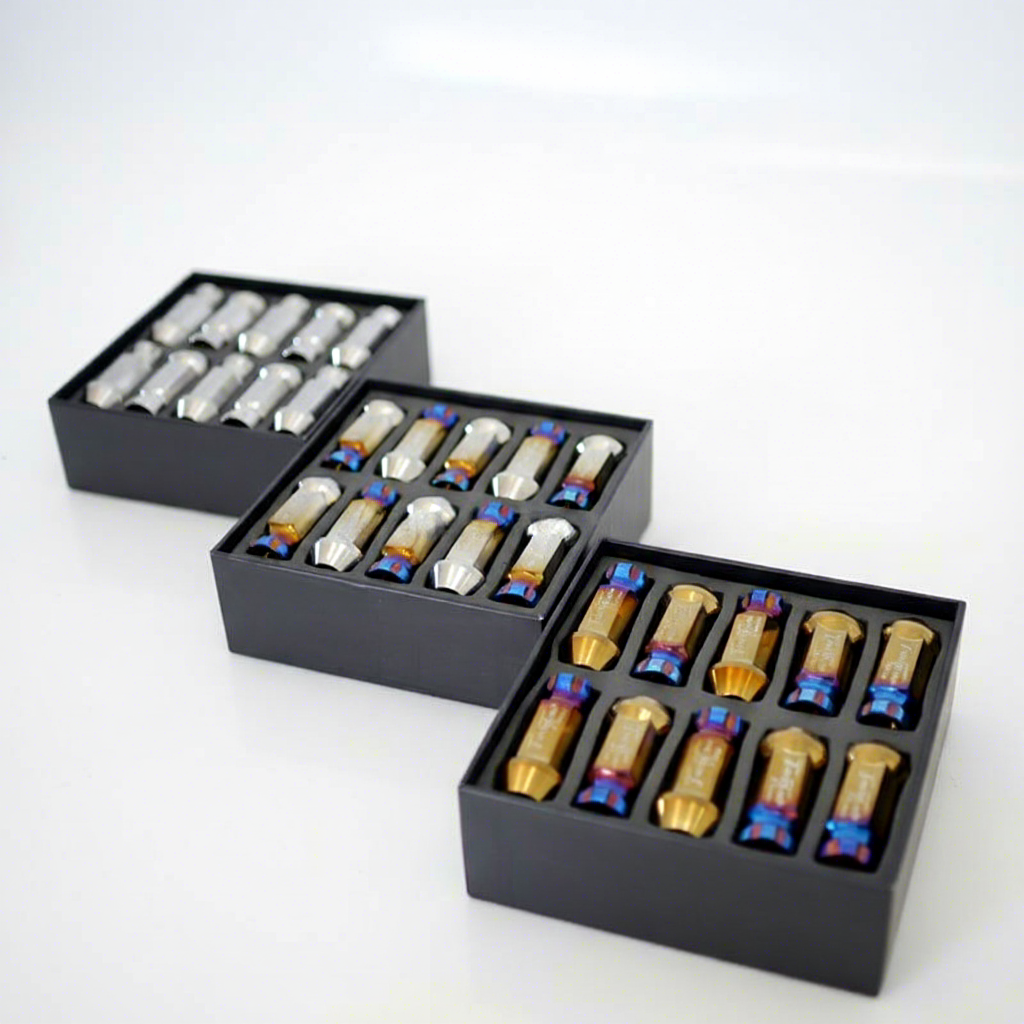
Factory Supply Gr5 Ti6AI4V M14 X 1.5 8mm Hole Right Hand Thread Titanium Hex Anodized Wheel Nuts for Racing Car Modification
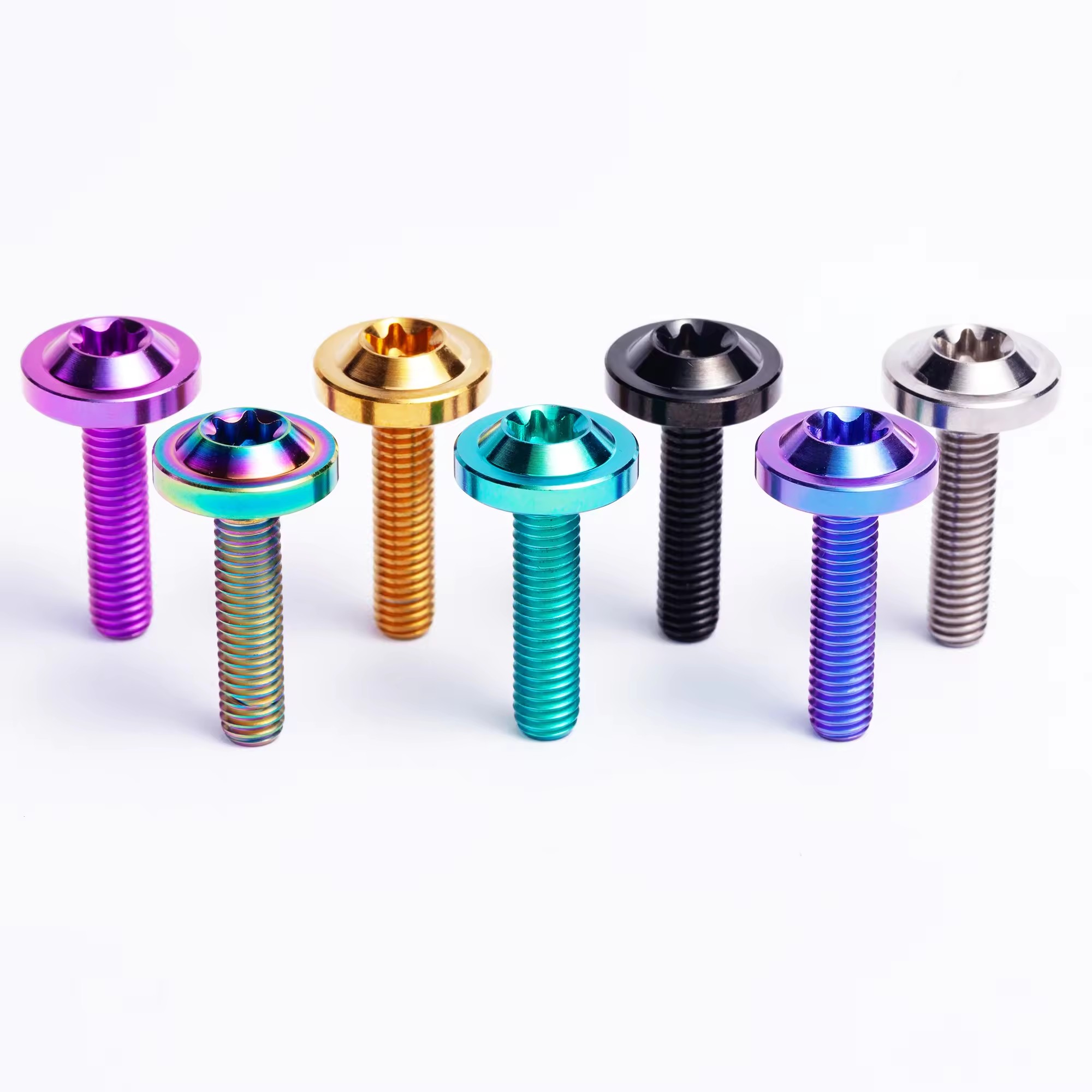
GR5 Titanium Alloy Torx Head Low Profile Fine Polished Motorcycle Bolts Anti-Theft M4 M5 M6 M8 M10 Complete Specifications
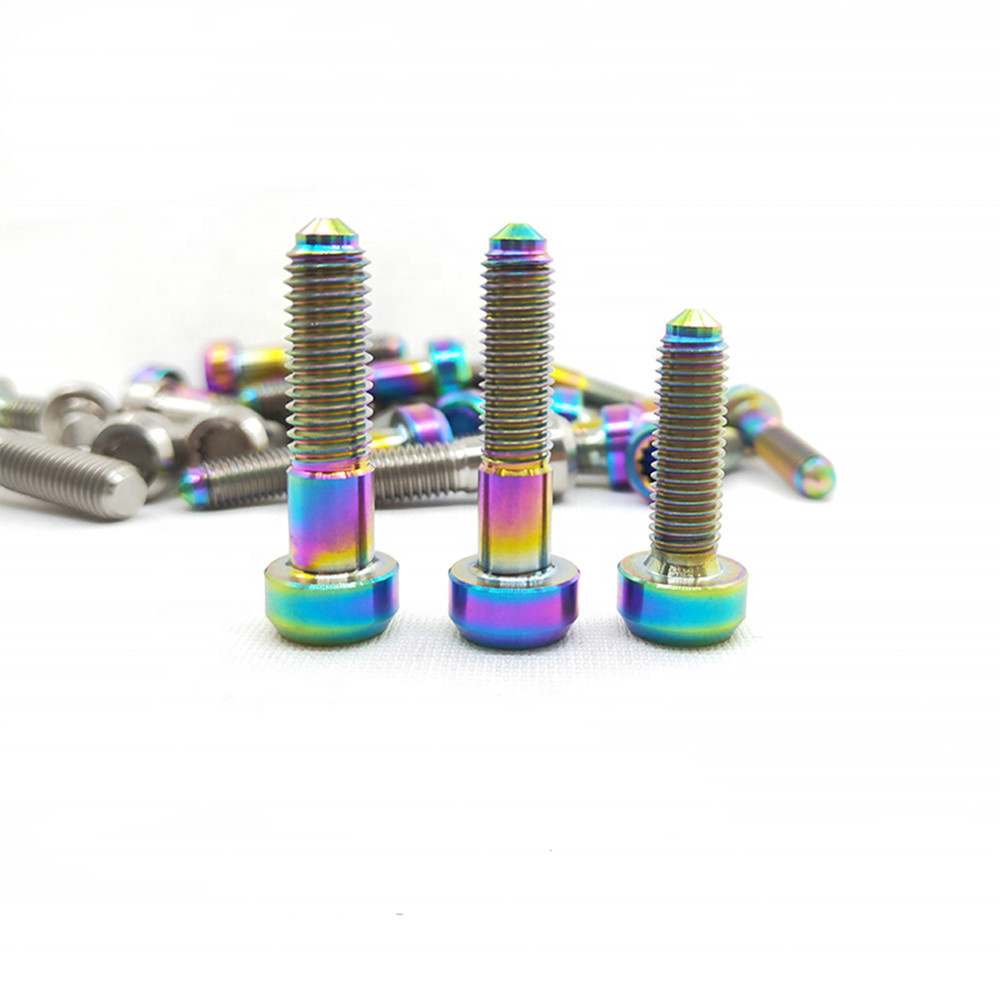
M7 X 24 M7X32 Titanium Mushroom Head Split Rims Screw 12 Point DIN Grade 5 Polished Finish Bolts for Car Wheel
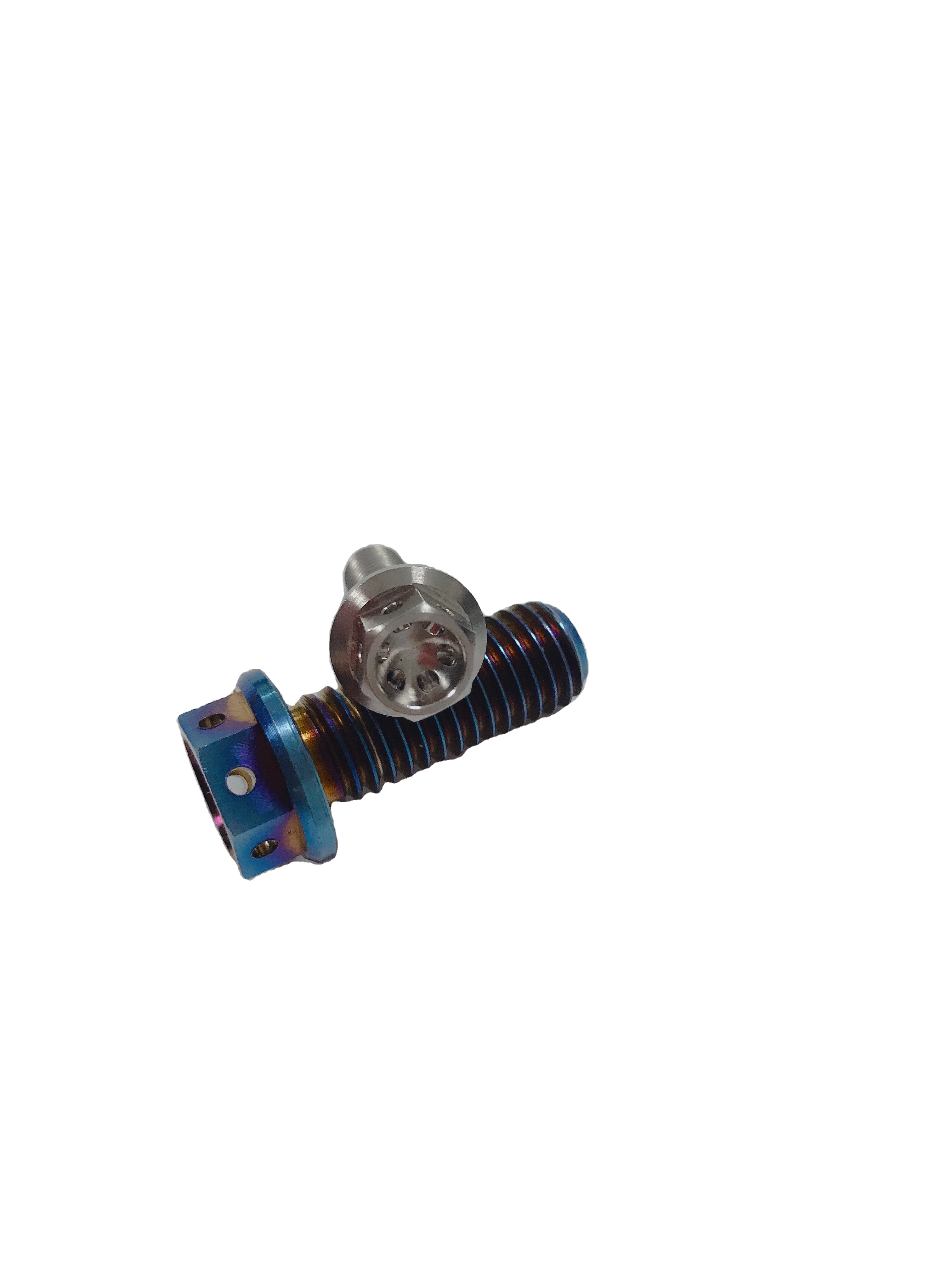
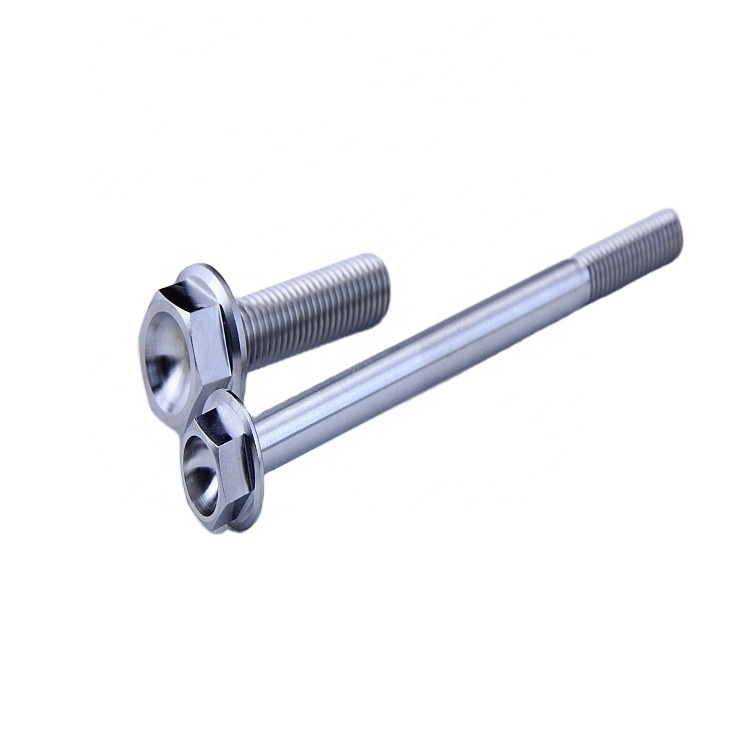
M6x30 M6x35 GR5 Grade Hex Head Titanium Wheel Flange Bolts for Motorcycle & Bicycle Assemblies
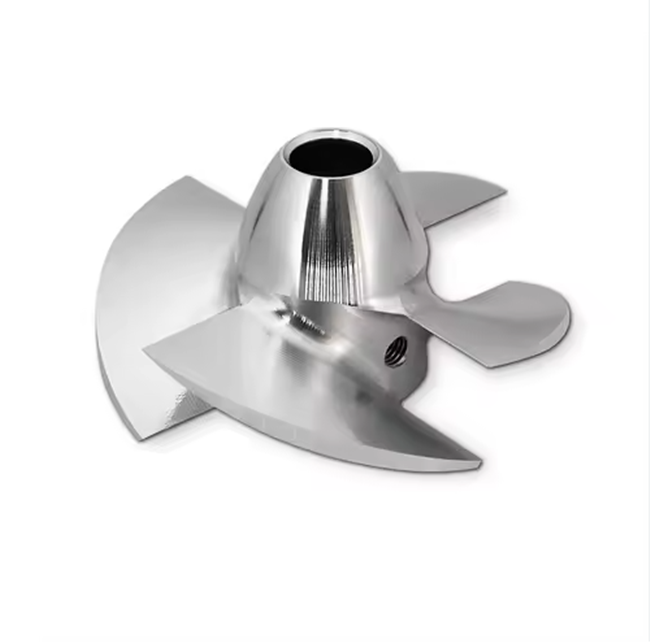
Precision Titanium Alloy Impeller CNC Machining Service 3 4 5 Axis Drilling Milling Custom OEM ODM Ship & Industrial Use
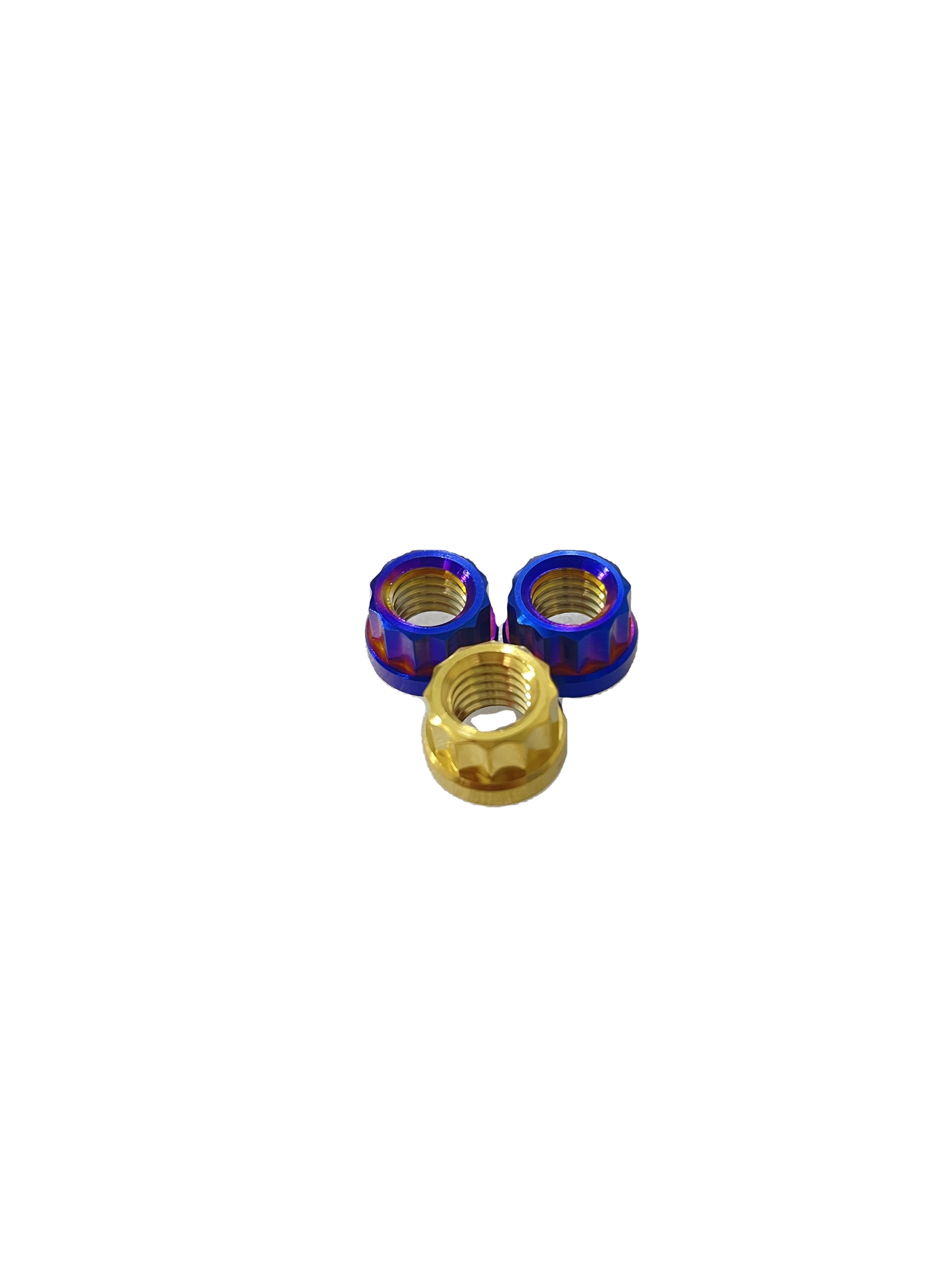
Automotive M4 M7 M10 Anodized/Polished Gr5 Titanium Right Hand 12 Point Flange Nut DIN GB Standard Minghai MH14515 for Racing
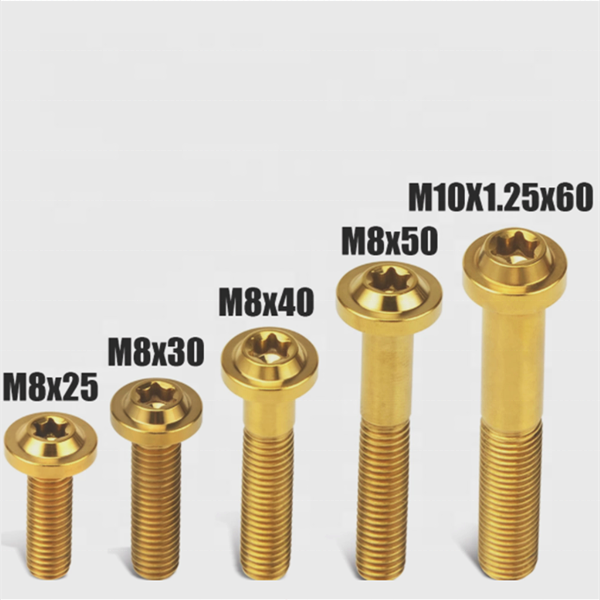
Titanium Motorcycle Bolts Grade 5 GR5 6al4v M8 X 1.25 Low Profile Fine Polished Torx T40 Minghai MH-7854
Whitepaper & Technical Analysis
Engineering Principles of Titanium Fasteners in Modern MTB Braking Systems
An authoritative technical guide on structural mechanics, fatigue limits, and micro-geometry optimization for custom OEM mountain bike rotor bolt hardware.
In modern mountain bike (MTB) design—spanning aggressive Trail, Enduro, Downhill (DH), and high-torque e-MTB segments—disc brake rotors represent one of the most mechanically demanding component interfaces. Securing the brake disc to the wheel hub (typically via the 6-bolt IS standard using M5×10mm fasteners) subjects the bolts to multi-axial stress fields. These forces include high rotational shear loading, cyclical vibration, violent shock impacts, and severe thermal flux generated during sustained braking down alpine trails. For bicycle manufacturers, OEM component brand managers, and aftermarket exporters in the Brno market and the broader South Moravian region, selecting the correct bolt material and manufacturing tolerance is a critical factor in frame-system safety, weight reduction, and brand reputation.
1. Metallurgical Breakdown: Grade 5 Titanium (Ti-6Al-4V) vs. Steel & Aluminum
Standard bicycle assembly hardware has historically relied on Grade 8.8 or Grade 10.9 zinc-plated carbon steel screws, or stainless steel variants (A2-70 / A4-80). While steel offers adequate tensile strength, it incurs an unacceptable weight penalty and is prone to surface oxidation when exposed to European winter mud, road salt, and humidity. Aluminum bolts (such as 7075-T6), while extremely light, possess insufficient shear strength and low fatigue endurance, risking sudden catastrophic shear failure under emergency braking.
Grade 5 Titanium (Ti-6Al-4V / TC4) represents the gold standard for high-performance MTB disc brake rotor applications. Yielding an ultimate tensile strength exceeding 895–1000 MPa and a yield strength of 828 MPa, Grade 5 Titanium provides strength comparable to 10.9 high-tensile steel while reducing structural weight by roughly 42% to 45% (density of 4.43 g/cm³ versus steel's 7.85 g/cm³).
| Material Grade | Density (g/cm³) | Tensile Strength (MPa) | Yield Strength (MPa) | Shear Resistance | Corrosion Resistance |
|---|---|---|---|---|---|
| Gr5 Titanium (Ti-6Al-4V) | 4.43 | 950 – 1050 | 880 – 920 | Exceptional (High Fatigue) | Impervious to salt & mud |
| Grade 10.9 Carbon Steel | 7.85 | 1040 | 940 | High | Poor (Requires Plating) |
| A4-80 Stainless Steel | 8.00 | 800 | 600 | Moderate | Good |
| 7075-T6 Aluminum | 2.81 | 570 | 505 | Unsafe for Rotors | Moderate |
2. Mechanics of Dynamic Rotational Shear & Thermal Dissipation
When a hydraulic caliper clamps onto a 180mm, 203mm, or 220mm disc rotor, the braking torque is transferred immediately through the 6 bolt shafts into the hub flange. Under heavy braking, temperatures at the rotor track can exceed 300°C to 400°C. This extreme heat dissipates directly inward toward the rotor arms and mounting bolts.
- Thermal Expansion Matching: Ti-6Al-4V exhibits a low coefficient of thermal expansion (approx. 8.6 × 10⁻⁶ /K), preventing bolt elongation and thermal loosening during continuous downhill descents.
- Torx Drive Engagement (T25 Socket): Precision-machined Torx T25 tool sockets provide deep wall engagement, eliminating tool cam-out, stripping, and head rounding common with inferior Allen/Hex socket designs during high-torque assembly (recommended torque: 4.0 – 6.2 Nm).
- Rolled Threads vs. Cut Threads: Premium OEM titanium rotor bolts produced by Vunza Titanium feature cold-rolled threads rather than CNC-cut threads. Thread rolling compresses the crystal grain structure along the thread contour, increasing fatigue lifespan by over 30% and eliminating stress concentration points.
3. Galvanic Isolation & Surface Treatments (PVD & Anodizing)
In high-end mountain bikes, titanium bolts are frequently threaded into CNC-machined 6061-T6 or 7075-T6 aluminum hubs. Direct contact between dissimilar metals in the presence of water and electrolyte solutions (such as mud or road de-icers used in Moravia) can induce galvanic corrosion. To mitigate this risk, Vunza Titanium provides specialized surface engineering solutions:
- Physical Vapor Deposition (PVD) Vacuum Sputtering: Creates ultra-hard, wear-resistant ceramic coatings including Titanium Nitride (TiN - Gold), Titanium Carbonitride (TiCN - Black), and Rainbow PVD. PVD coatings reduce the friction coefficient of the threads, preventing thread galling during dry assembly.
- Anodic Oxidation: Creates controlled oxide layers (Blue, Purple, Gold, Green) that enhance passivated surface corrosion resistance while allowing custom aesthetic integration for boutique bike brands.
- Micro-Encapsulated Threadlocker Nylon Patching: Pre-applied thread-locking compound (equivalent to Loctite 243) can be factory-coated on the bolt threads to absorb high-frequency trail vibrations and prevent spontaneous backing-out.
Regional Market Focus
Localized Application Scenarios in Brno & Central Europe
Connecting global manufacturing precision with the rigorous demands of South Moravian terrain, Czech OEM bike builders, and regional component distributors.

The Brno Engineering & Cycling Infrastructure Synergy
Brno, as the historic industrial heart of the Czech Republic and the capital of the South Moravian Region, holds a prestigious place in European mechanical engineering, automotive racing (Masaryk Circuit), and advanced cycling innovation. Surrounding Brno are renowned mountain biking destinations such as the Moravian Karst (Moravský kras) singletracks, Jedovnice trail centers, and steep downhill parks. These technical terrains present unique environmental demands for bike components:
- Severe Mud & Grit Exposure: Moravian forest soil contains fine clay and abrasive quartz particles. Standard plated steel bolts rust rapidly when moisture accumulates inside the Torx recess, leading to seized bolts. Titanium's inert passivated layer remains unaffected by wet soil or cleaning chemicals.
- e-MTB High-Torque Cycles: The rapid growth of electric mountain bikes across the Czech Republic has elevated braking loads. e-MTBs carry 23kg–26kg system weights at higher speeds, requiring brake rotor bolts that will not stretch under continuous shear torque.
- Custom Boutique & OEM Bike Builders: Brno and nearby manufacturing corridors host specialized framebuilders, wheelbuilders, and component distributors who require low-volume, high-precision custom fasteners with OEM branding, custom head dimensions, and specific PVD colorways.
Industry Insights
Supply Chain & OEM Trends in the Czech & EU Bicycle Sector
Key market drivers shaping procurement decisions for European bicycle manufacturers and component importers in 2025 and beyond.
1. Nearshoring & Agile Direct OEM Sourcing
European brand managers in Czechia are optimizing inventory turnover by shifting away from rigid multi-tier trading vendors toward direct factory OEM partners. Direct sourcing from specialized titanium manufacturers allows rapid drawing customization, lower unit costs, and predictable lead times into European assembly plants.
2. Stringent EN ISO 4210 Compliance
Safety regulations across the EU demand that every safety-critical component—including brake rotor fasteners—complies with strict safety testing under EN ISO 4210 standards. Grade 5 titanium bolts manufactured with cold-rolled threads guarantee consistent clamp load and prevent shear fatigue failures during lab testing and field use.
3. Premiumization & Aesthetic Customization
With end-consumers investing heavily in custom MTB builds, color-matched titanium hardware (Gold TiN, Oil Slick/Rainbow, Vacuum Black) has transitioned from a niche modification to a high-margin OEM feature offered directly by bicycle brands in their flagship models.

Procurement Clarity
Frequently Asked Questions for Brno Procurement Managers
Direct technical, logistical, and commercial answers for Czech bicycle brands, distributors, and industrial buyers.
What specific titanium grade is recommended for MTB disc brake rotor bolts?
We exclusively recommend Ti-6Al-4V Grade 5 (TC4) for disc brake rotor applications. Grade 2 commercially pure titanium lacks the requisite tensile and shear yield strength to handle braking torque, while Grade 5 provides over 895 MPa yield strength, cold-rolled thread integrity, and absolute immunity to atmospheric and soil corrosion.
Can you manufacture non-standard thread pitches or custom head heads for OEM projects in Brno?
Yes. With 34 multi-axis CNC turning and milling centers, our engineering team manufactures custom fasteners directly from your 2D (PDF/DWG) or 3D (STEP/IGES) CAD models. We can customize head profile dimensions (low-profile button head, tapered flange, ultra-wide flange), drive socket configurations (Torx T25/T27/T30, 12-point flange), thread length, and shank tolerances down to 0.005 mm.
How do you prevent thread galling between titanium bolts and aluminum hubs?
Thread galling occurs when raw titanium rubs dry against aluminum under high contact pressure. We prevent galling by offering PVD surface coatings (TiN, TiCN, Rainbow), surface passivating treatments, or pre-applying micro-encapsulated polyamide threadlocker coatings. Additionally, we provide detailed assembly guidelines advising the use of anti-seize copper paste during installation.
What is the Minimum Order Quantity (MOQ) for custom OEM titanium rotor bolts shipped to the Czech Republic?
For standard M5×10mm Torx T25 titanium rotor bolts in raw polished finish, our MOQ starts at 300 to 500 pieces. For custom engineered CNC components or specialized PVD anodized finishes, MOQ is typically 500 to 1,000 units per batch. Rapid prototyping samples are available for evaluation prior to full production runs.
What quality assurance documentation and mill test reports do you supply with each export batch?
Every shipment is backed by complete material traceability. We provide EN 10204 3.1 Material Test Certificates (MTC) detailing chemical composition and mechanical tensile/yield test data, along with dimensional inspection reports, thread gauge pass records, and optional salt-spray test certifications upon request.
What are the typical door-to-door transit times to Brno and South Moravian industrial zones?
Sample orders and urgent production batches are shipped via express air freight (DHL, FedEx, UPS) with customs clearance delivered directly to Brno within 4 to 7 business days. Sea freight and air cargo options are available for high-volume production orders.
Are pre-applied thread-locking patches available for mass-assembly bicycle lines?
Yes, we offer factory-applied 360-degree or 90-degree micro-encapsulated thread-locking patches (blue polyamide compound). This eliminates manual Loctite application on your assembly line in Brno, accelerating production throughput and ensuring consistent thread engagement torque.
Manufacturing Partner
Why Partner with Vunza Titanium Industry Co., Ltd.
Combining China's Titanium Valley resource infrastructure with advanced multi-axis machining precision for global B2B clients.
Sponge-to-Part Quality Control in Baoji, China
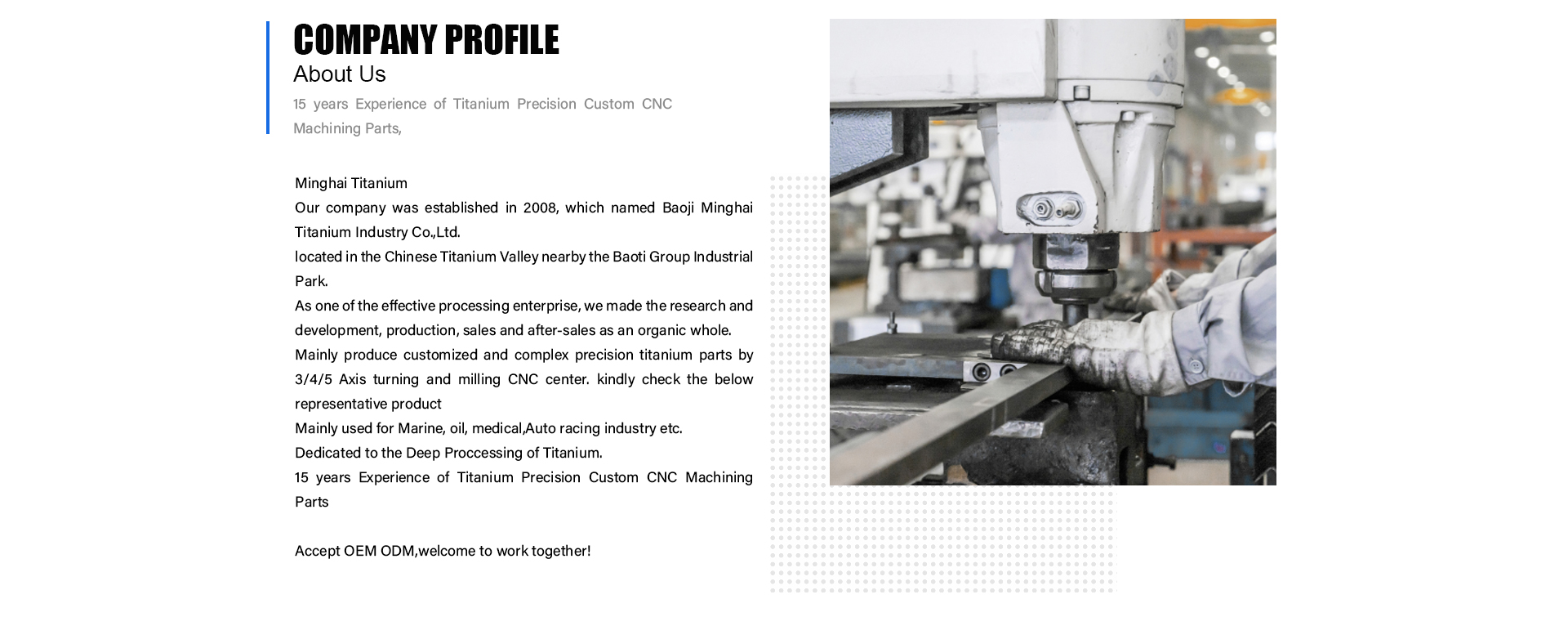
Founded in 2008 and situated in the Gaoya Village Industrial Zone, Baoji (Shaanxi Province)—internationally recognized as China's Titanium Valley—Vunza Titanium Industry Co., Ltd. operates directly adjacent to the Baoti Group Industrial Park. This strategic geographic proximity gives us direct control over raw material quality, starting from certified titanium sponge melting and forging through to final high-precision machining.
- 34 Multi-Axis CNC Machining Centers: Equipped with advanced 3-axis, 4-axis, and 5-axis CNC turning and milling centers capable of holding geometric tolerances down to 0.005 mm.
- Experienced Workforce: Over 50% of our technical staff possess more than 13 years of specialized experience in titanium alloy metallurgy, thread rolling, and precision tool geometry design.
- Robust Export Footprint: Serving OEM bicycle manufacturers, motorsport teams, marine engineers, and medical equipment distributors across North America, Western Europe, and Central European hubs like the Czech Republic.
- Rapid Inquiry Turnaround: Engineering consultation and quotation responses provided within 9 business hours.
Accelerate Your MTB Hardware Performance in Brno
Need custom Grade 5 titanium disc rotor bolts, OEM thread dimensions, or custom PVD anodized finishes for your assembly line or retail brand? Send us your drawing or specifications today for immediate engineering feedback and competitive factory-direct pricing.