Featured Titanium Fasteners & CNC Components
Direct factory supply featuring aerospace-grade Ti-6Al-4V Grade 5, ISO standard DIN 912 socket head cap screws, custom flange bolts, and high-performance racing components for the Ljubljana regional manufacturing corridor.
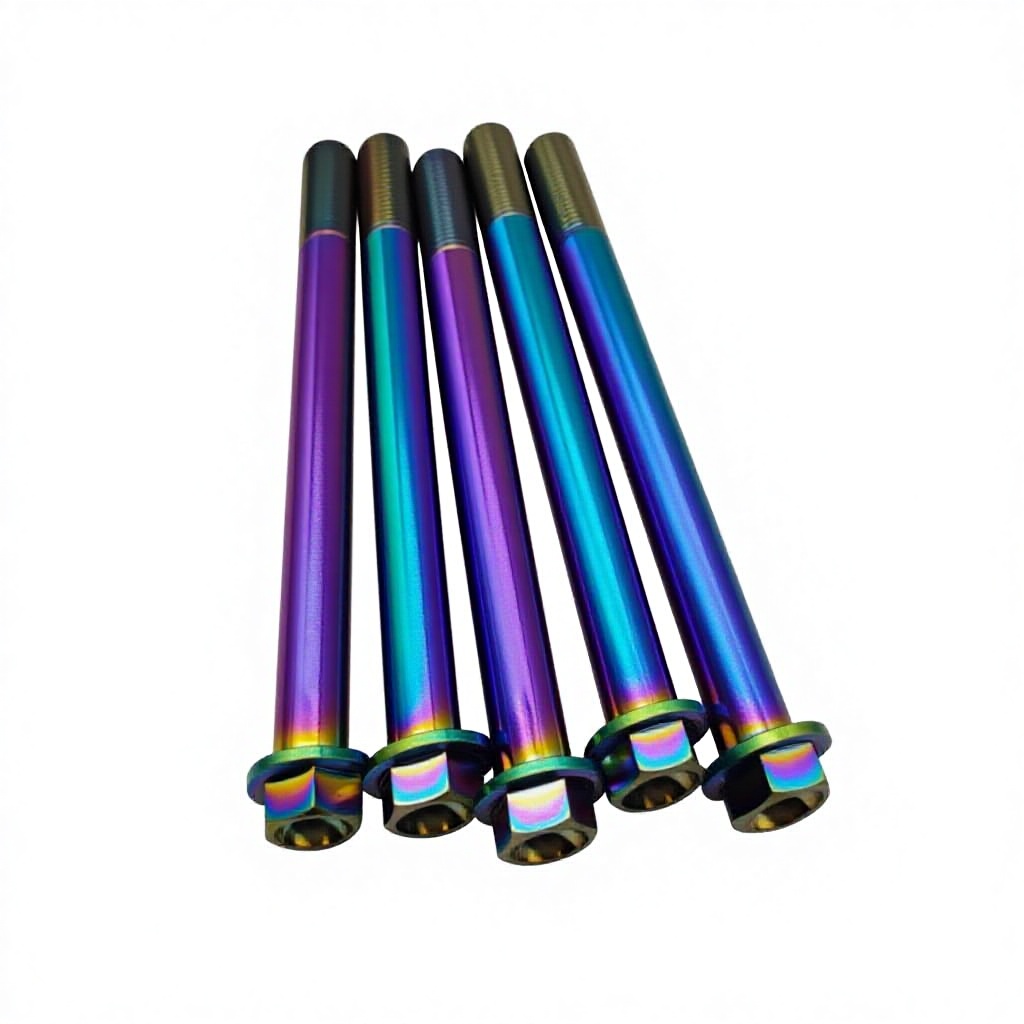
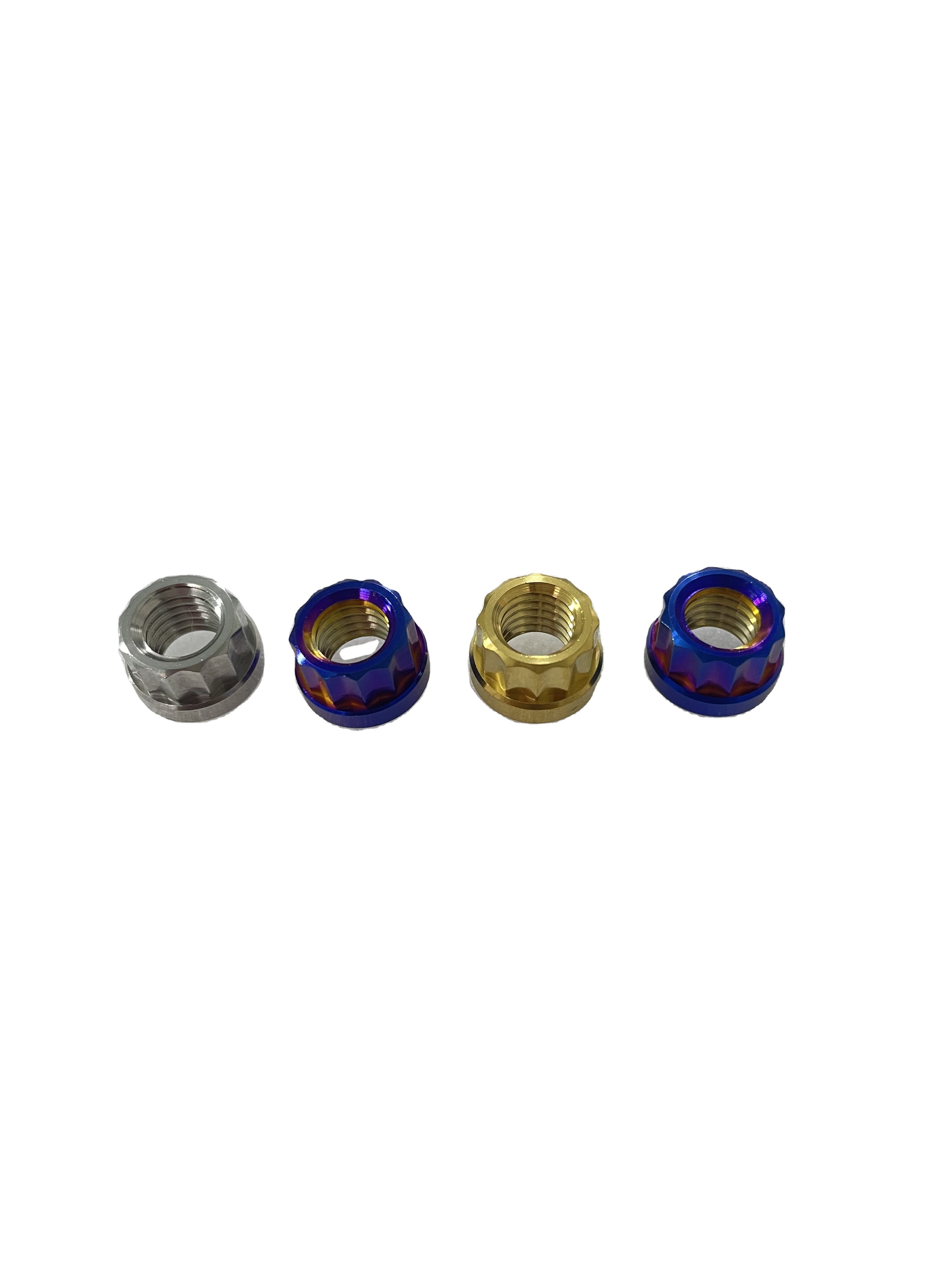
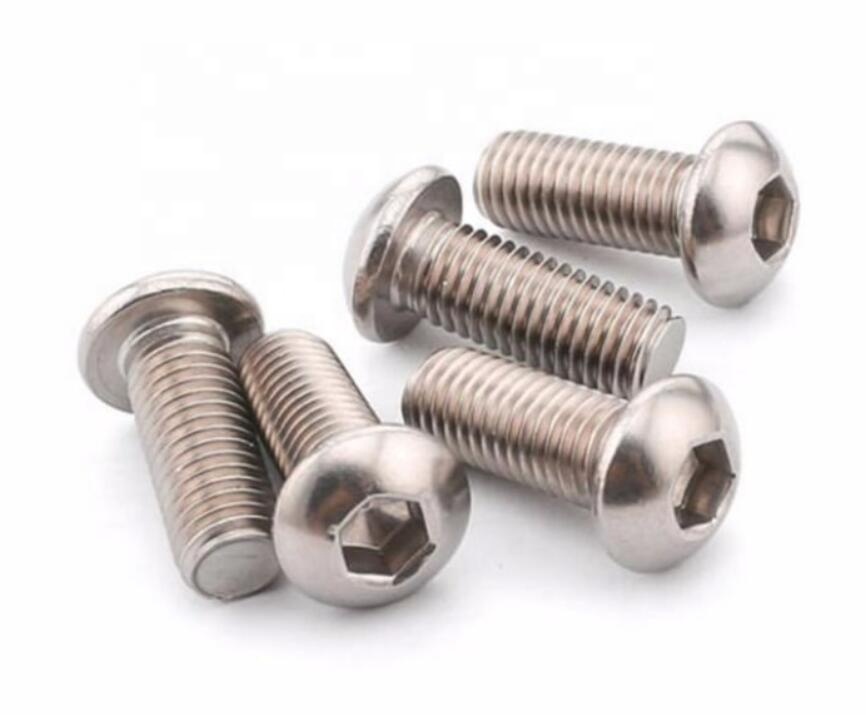
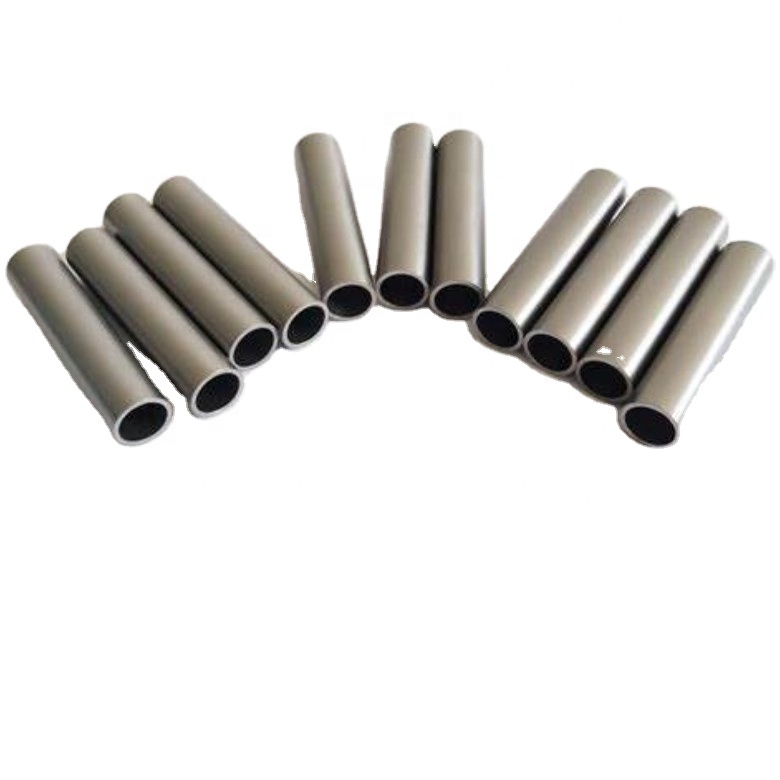
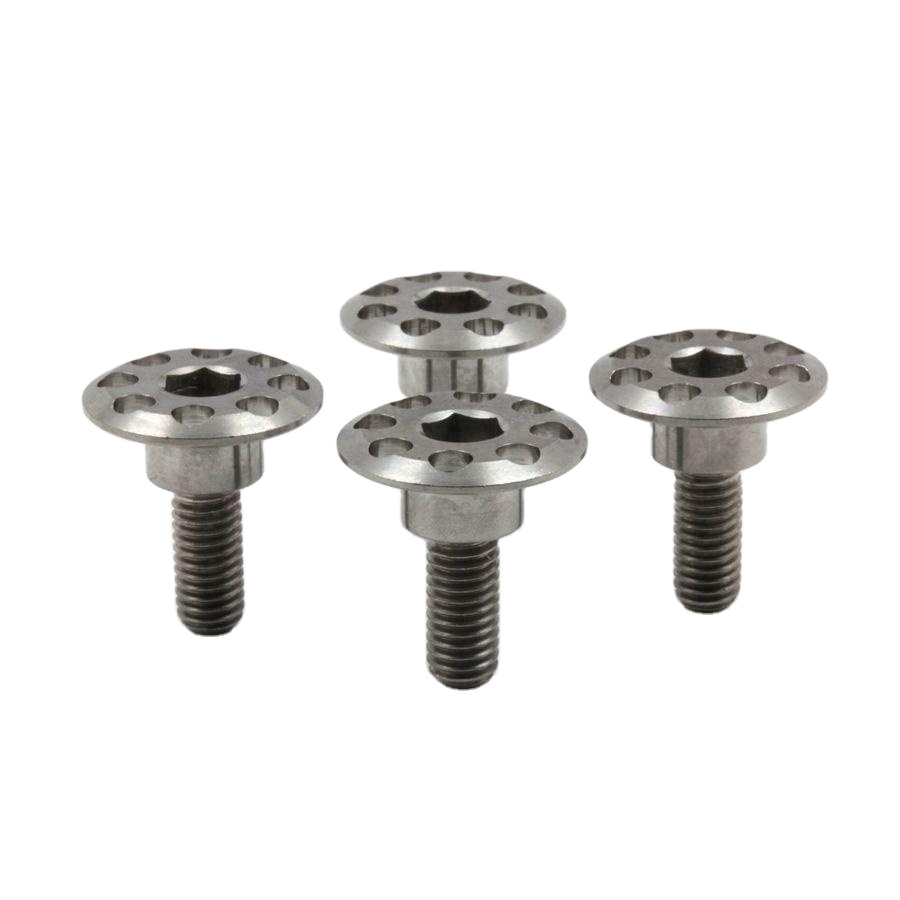
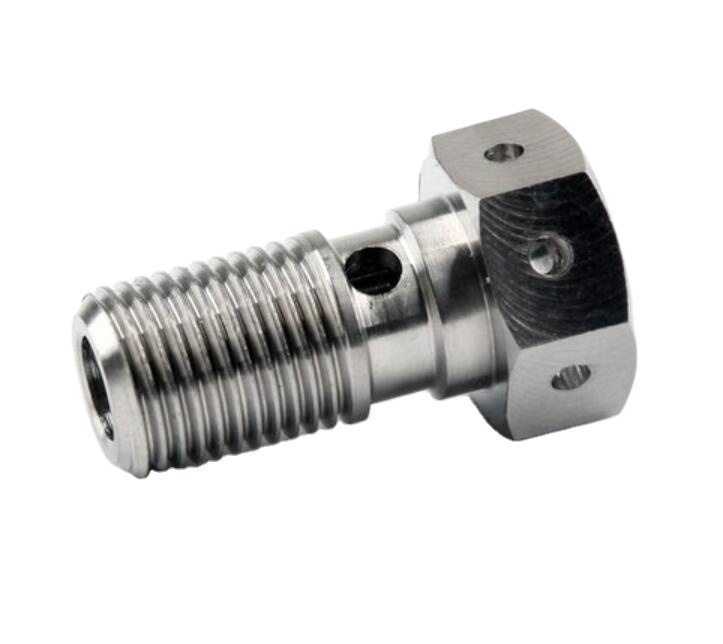
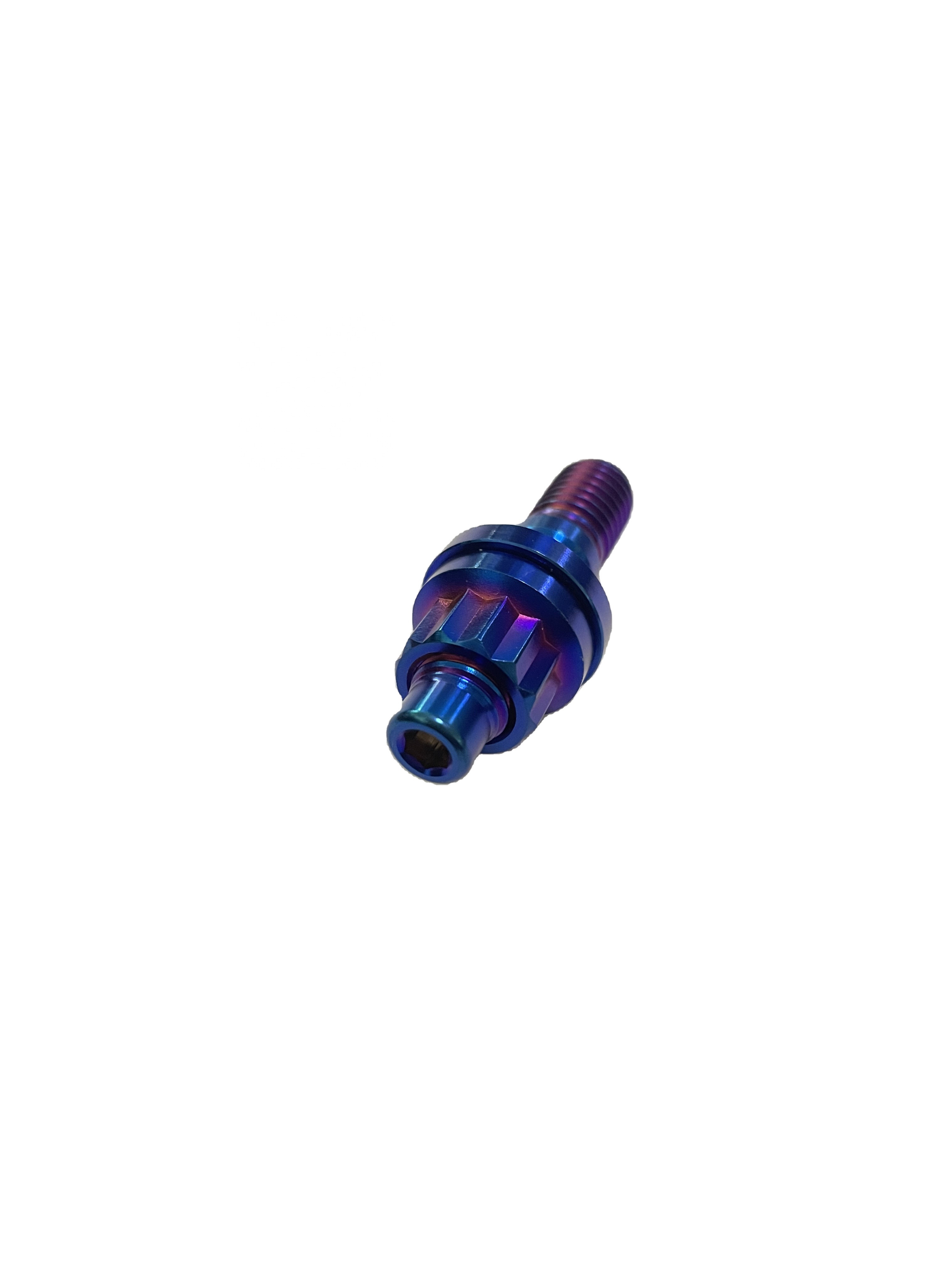
Custom OEM Titanium Allen Screws: Structural Integrity & Production Metallurgy
In precision engineering, the socket head cap screw—commonly designated as an Allen screw or internal hex bolt (DIN 912 / ISO 4762)—serves as the primary fastener where high clamping force is demanded within compact, recessed architectural footprints. While conventional industrial assemblies historically relied upon carbon steel class 8.8, 10.9, or austenitic A2/A4 stainless steel, modern mechanical demands in Central Europe, particularly around the dynamic industrial cluster of Ljubljana, Slovenia, increasingly dictate materials that offer extreme strength-to-weight ratios, complete galvanic passivation, and fatigue life optimization.
Operating from Gaoya Village Industrial Zone within the heart of China’s Titanium Valley (Baoji), Vunza Titanium Industry Co., Ltd. (operating the specialized Minghai fastener division) has spent over 15 years developing fully integrated titanium manufacturing protocols. By controlling every production parameter—from vacuum-arc remelted (VAR) titanium sponge to multi-axis CNC turning and cold thread rolling—our OEM Allen screw configurations eliminate the micro-structural defects that frequently trigger premature shearing in cyclic stress environments.
Thread Rolling vs. Cutting
Unlike machined threads that cut across material grain structures, our CNC rolled threads preserve continuous grain boundaries, boosting dynamic fatigue life by over 35% under severe oscillation.
Hex Socket Punch Precision
Hex sockets are broached and CNC contour-milled to JIS B1015 / ISO tolerances, preventing wrench cam-out, stripped socket corners, and inconsistent torque delivery during automated assembly.
Surface Micro-Hardening
Advanced PVD (Physical Vapor Deposition) and multi-stage anodizing treatments yield surface hardness exceeding 3000 HV, entirely mitigating titanium's inherent galling tendencies.
Material Performance Matrix: Grade 5 Titanium vs. Commercial Fastener Steels
Procurement engineers across Slovenia require uncompromising mechanical data prior to approving material substitution in critical load-bearing assemblies. The following data visualization demonstrates the quantitative superiority of Ti-6Al-4V (Grade 5) over standardized metric steel fasteners:
| Property Indicator | Ti-6Al-4V (Grade 5 / TC4) | Austenitic Stainless (A4-80) | High-Tensile Steel (Class 10.9) |
|---|---|---|---|
| Density (g/cm³) | 4.43 | 8.00 | 7.85 |
| Tensile Strength Rm (MPa) | 895 – 1050 | 800 | 1000 – 1040 |
| Yield Strength Rp0.2 (MPa) | 828 – 920 | 600 | 900 – 940 |
| Strength-to-Weight Ratio (kN·m/kg) | 214 | 100 | 132 |
| Thermal Expansion (10⁻⁶/K) | 8.6 | 16.0 | 11.5 |
| Chloride Pitting Resistance (PREN) | Immune (>50) | 23 – 25 | Negligible (<10) |
| Magnetic Permeability (µr) | 1.00005 (Non-Magnetic) | 1.005 – 1.05 | Ferromagnetic |
As demonstrated, our Custom OEM Titanium Allen Screws deliver the mechanical yield profile of Class 10.9 quenched alloy steel while slashing assembly tare weight by 43.6%. In rotational kinetics and reciprocating equipment, this unburdens electric drives, curbs inertial vibration, and mitigates long-term fatigue wear across bearings and support frames.
Local Application Scenarios in the Ljubljana Industrial Basin
The Osrednjeslovenska region, anchoring the capital city of Ljubljana and extending toward surrounding manufacturing sectors like Kranj, Novo Mesto, and Domžale, is characterized by high-tier automotive systems engineering, robotic industrial automation, precision electro-optics, and medical device manufacturing. Vunza Titanium serves this specific ecosystem through highly customized OEM internal hex hardware configurations:
Automotive Tier-1 & EV Powertrains
Slovenian Tier-1 suppliers supplying premium German and Austrian automotive networks demand Grade 5 M6, M8, and M10 low-head Allen bolts for battery enclosures, motor stators, and lightweight racing suspension calipers.
Robotics & High-Speed Automation
Automation integrators based along the Sava River valley implement our custom micro-pitch DIN 912 titanium socket cap screws on end-of-arm tooling (EOAT) to minimize mechanical inertia on six-axis robotic arms.
Medical Diagnostics & Optical Instrumentation
Ljubljana’s biomedical and laboratory equipment manufacturers leverage non-magnetic, bio-inert Grade 2 and Grade 23 (ELI) custom socket screws for magnetic resonance imaging (MRI) rigs and sterile pharmaceutical dispensing valves.
Emerging Sourcing Trends Across Slovenia & Central Europe
A strategic transformation is reshaping manufacturing throughout Slovenia. In response to stringent European Green Deal targets and skyrocketing energy operational costs, engineering departments across the Ljubljana Basin are redesigning high-cycle industrial mechanisms for extreme efficiency. Shifting from heavy structural alloys to precision-turned titanium fasteners is accelerating across three distinct fronts:
1. Decarbonization via Structural Mass Optimization: In transport systems and electric high-performance drivetrains, shaving structural grams translates directly to extended battery operational range and lower kinetic resistance. OEM titanium socket screws represent a drop-in replacement requiring zero modifications to existing tapped holes, providing an immediate 44% component mass reduction.
2. Supply Chain Near-Shoring & Factory-Direct Reliability: European manufacturers increasingly avoid fragmented trading intermediaries who add markups without technical culpability. Slovenian purchasing heads are establishing direct pipelines with integrated Asian producers possessing verified upstream ingot supply chains, mill test certifications, and 3D coordinate measuring machine (CMM) documentation per lot.
3. Elimination of Galvanic Cell Corrosion in Composite Structures: The proliferation of carbon fiber reinforced polymer (CFRP) airframes, automotive monocoques, and precision metrology fixtures has rendered stainless and alloy steel fasteners problematic due to galvanic degradation. Titanium operates at a virtually identical electrochemical potential to graphite, eliminating contact corrosion without messy isolating sleeves.
Why Central European Engineers Rely on Vunza / Minghai
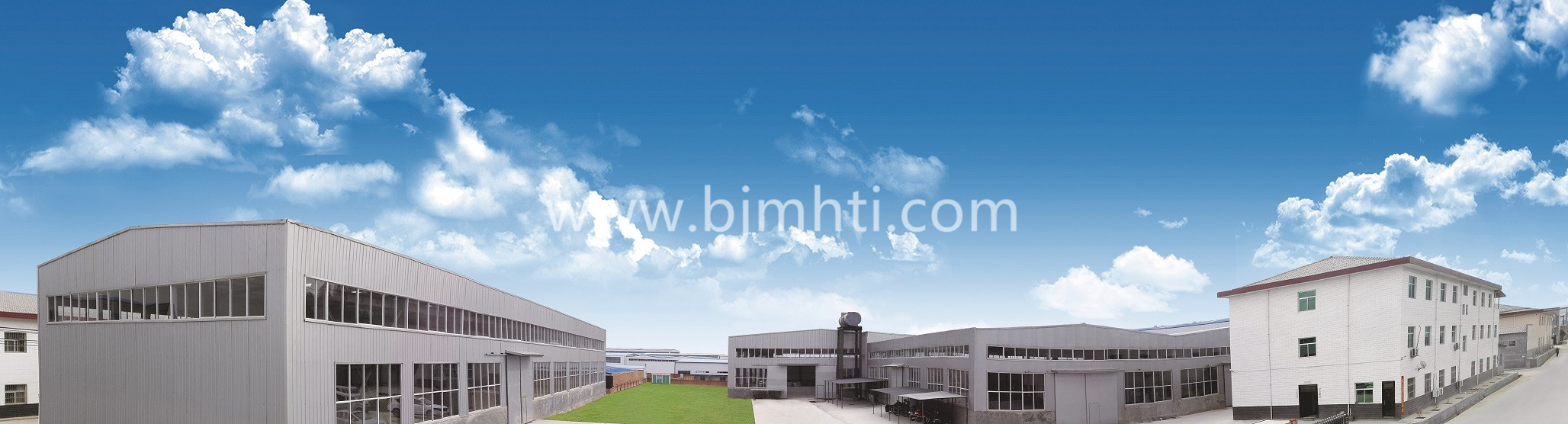
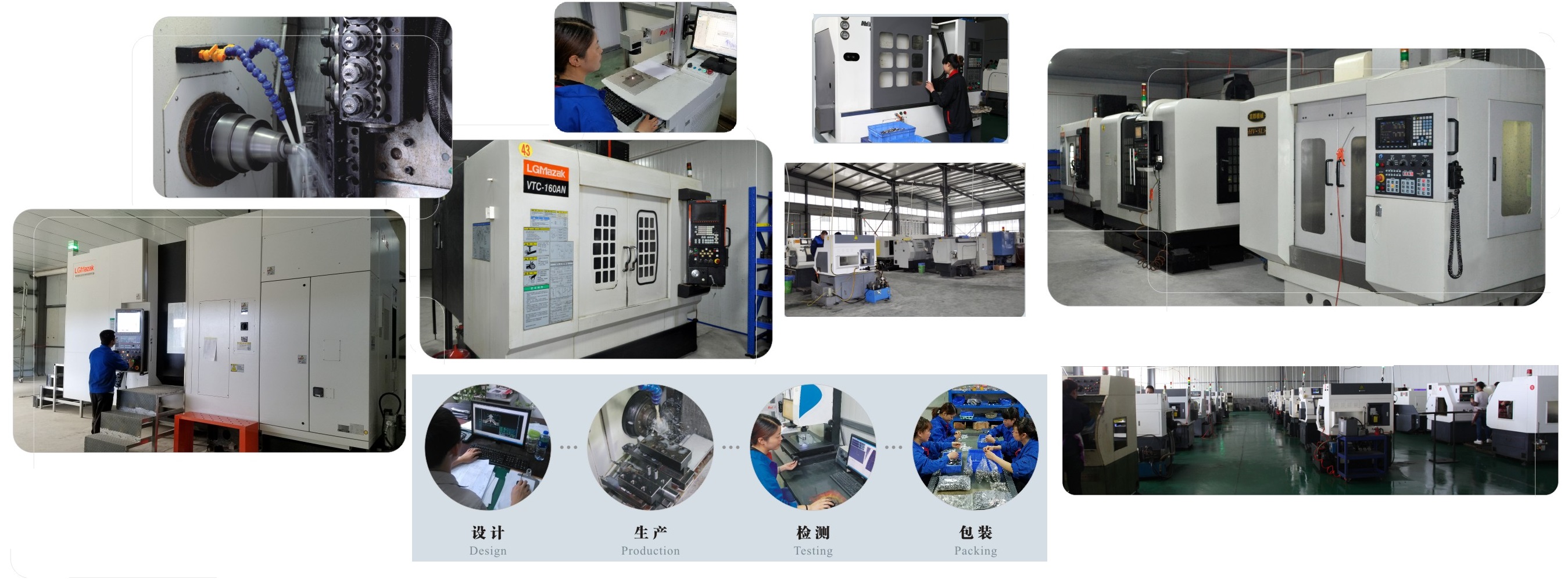
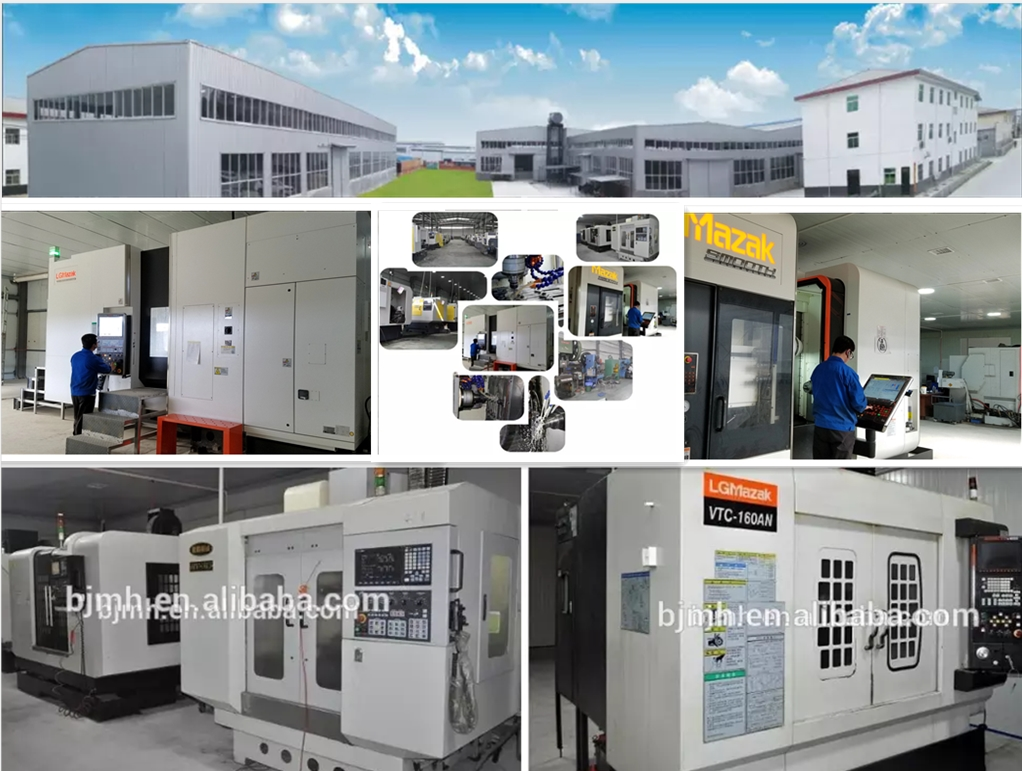
Established in 2008 immediately adjacent to the Baoti Group Industrial Park in Baoji, Shaanxi, China—the epicenter of China's Titanium Valley—Vunza Titanium Industry Co., Ltd. combines raw material access with cutting-edge German and Japanese CNC machine platforms. Here is what sets our manufacturing plant apart:
34 Multi-Axis CNC Machining Centers
Equipped with 3-axis, 4-axis, and simultaneous 5-axis turning-milling centers, holding repeatable tolerances down to 0.005 mm on critical socket, thread, and run-out dimensions.
Veteran Craftsmanship
More than 50% of our specialized technicians possess over 13 years of titanium-specific CNC machining, thread forming, and specialized tool-dressing experience.
Direct Traceability Guarantee
Total vertical quality oversight spanning titanium sponge selection, forging, ultrasonic billet inspection, bar extrusion, threading, and ISO 9001:2015 batch release.