Engineering Portfolio & OEM Capabilities
High-integrity Ti6Al4V Grade 5 and biocompatible titanium fasteners precision-crafted for ultra-demanding Swiss mechanical standards.
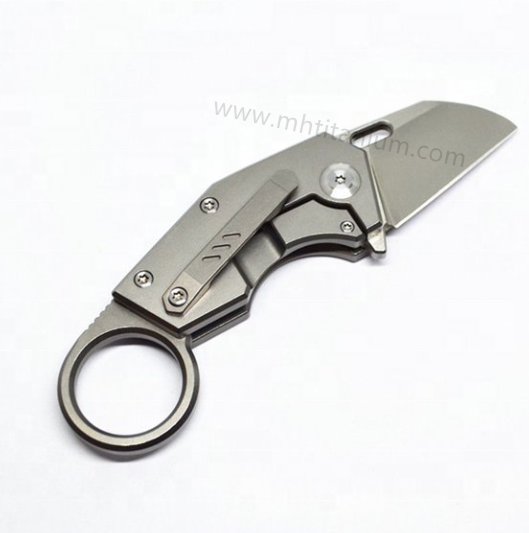
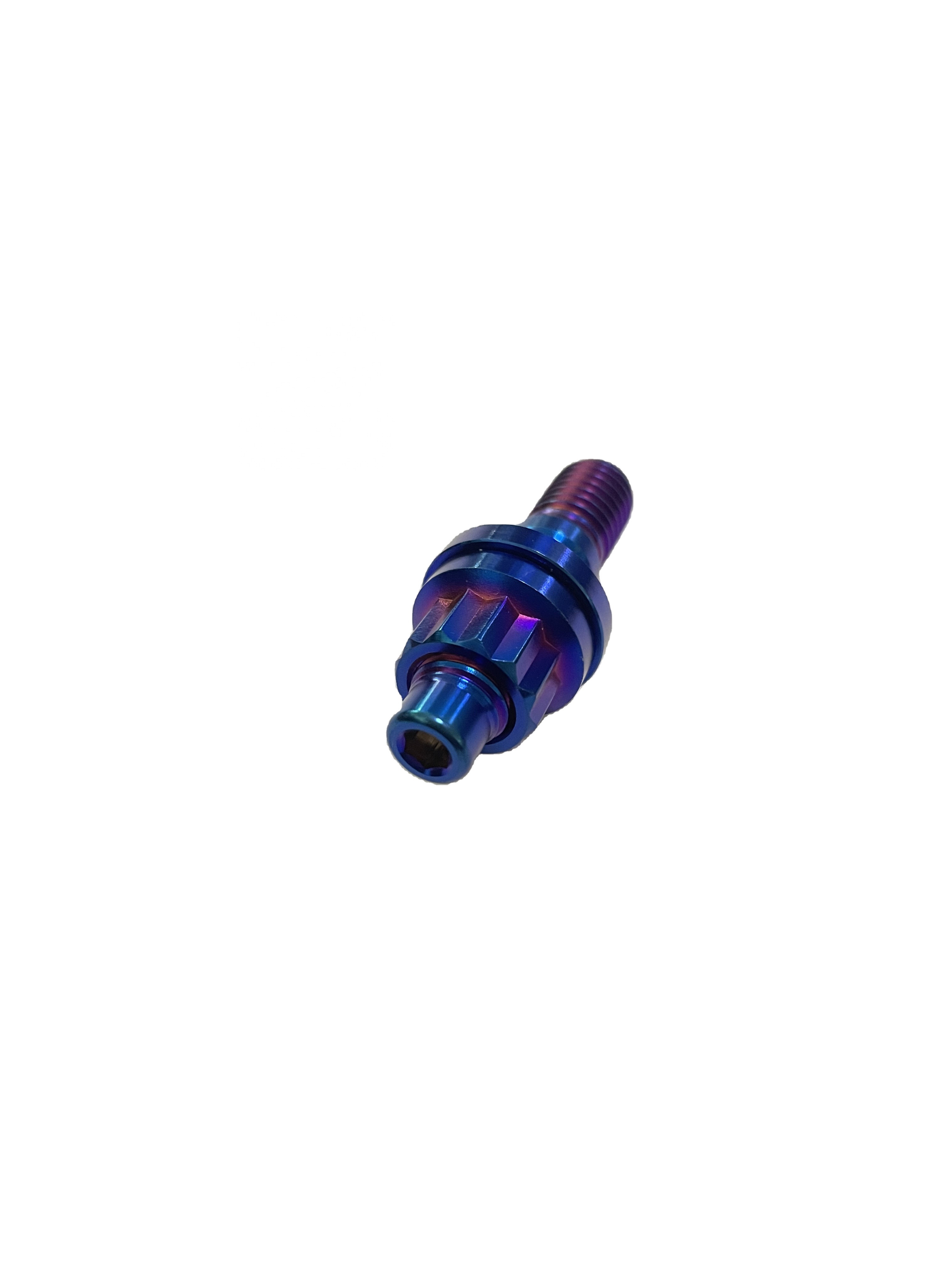
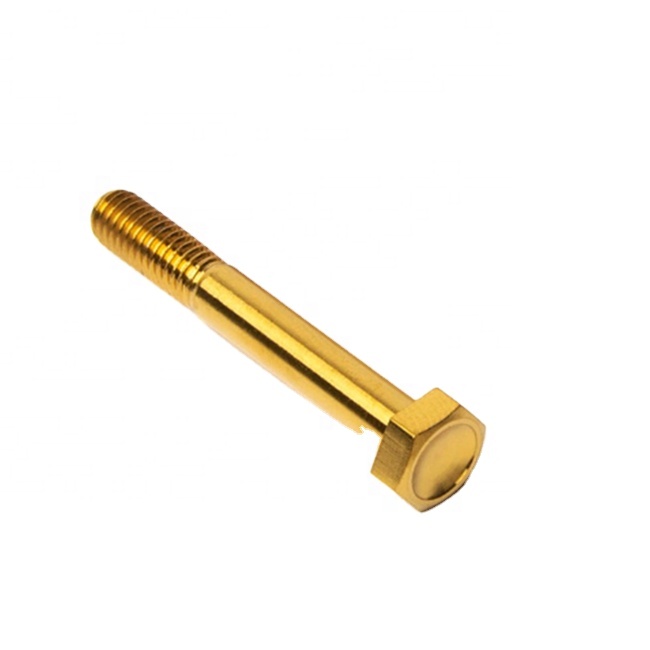
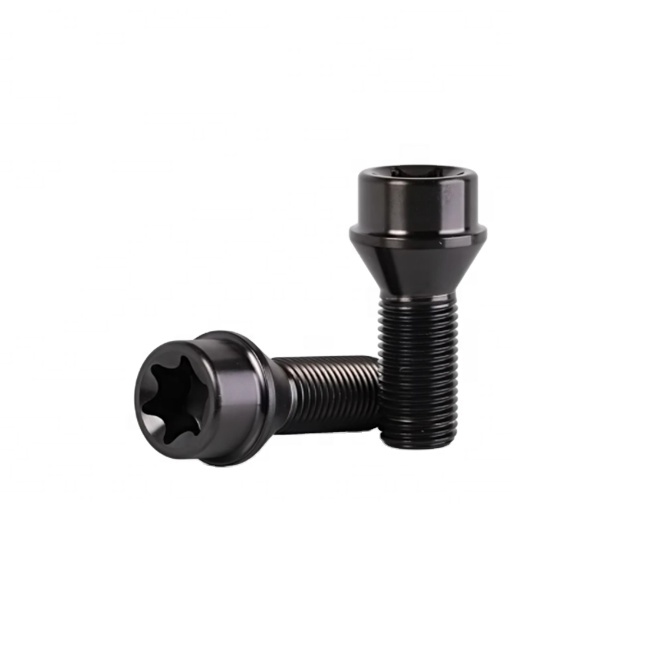
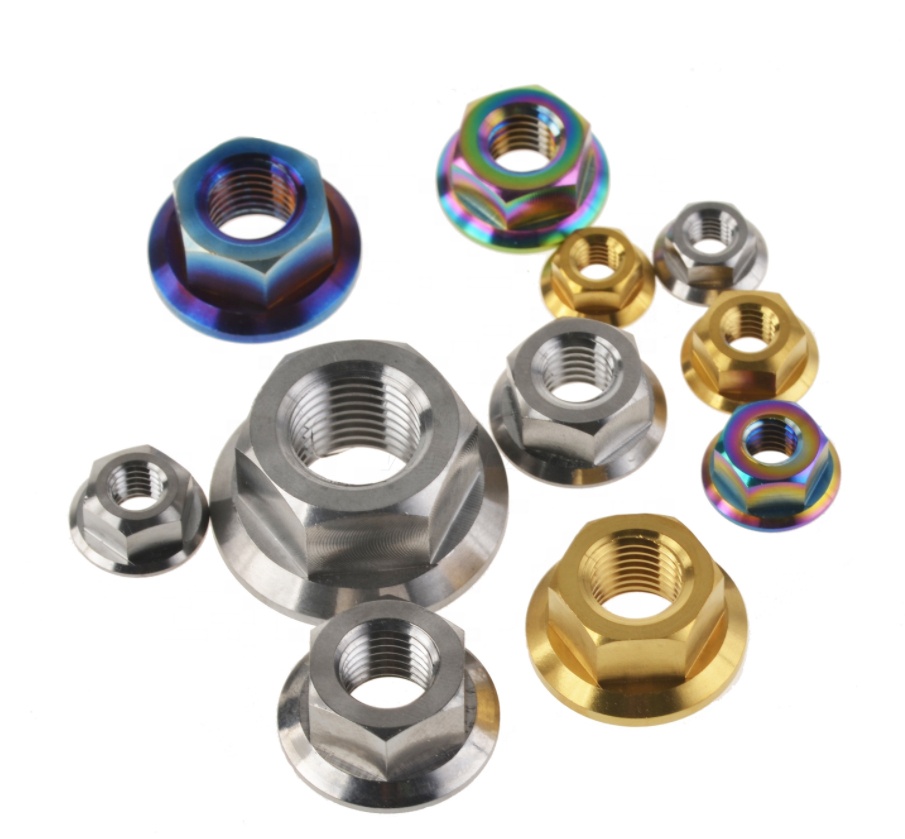
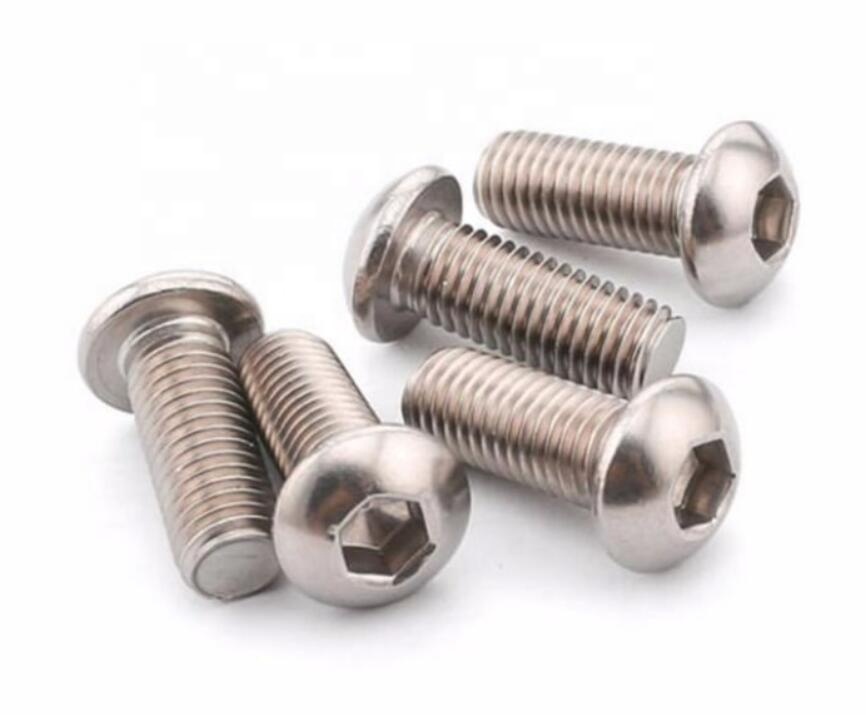
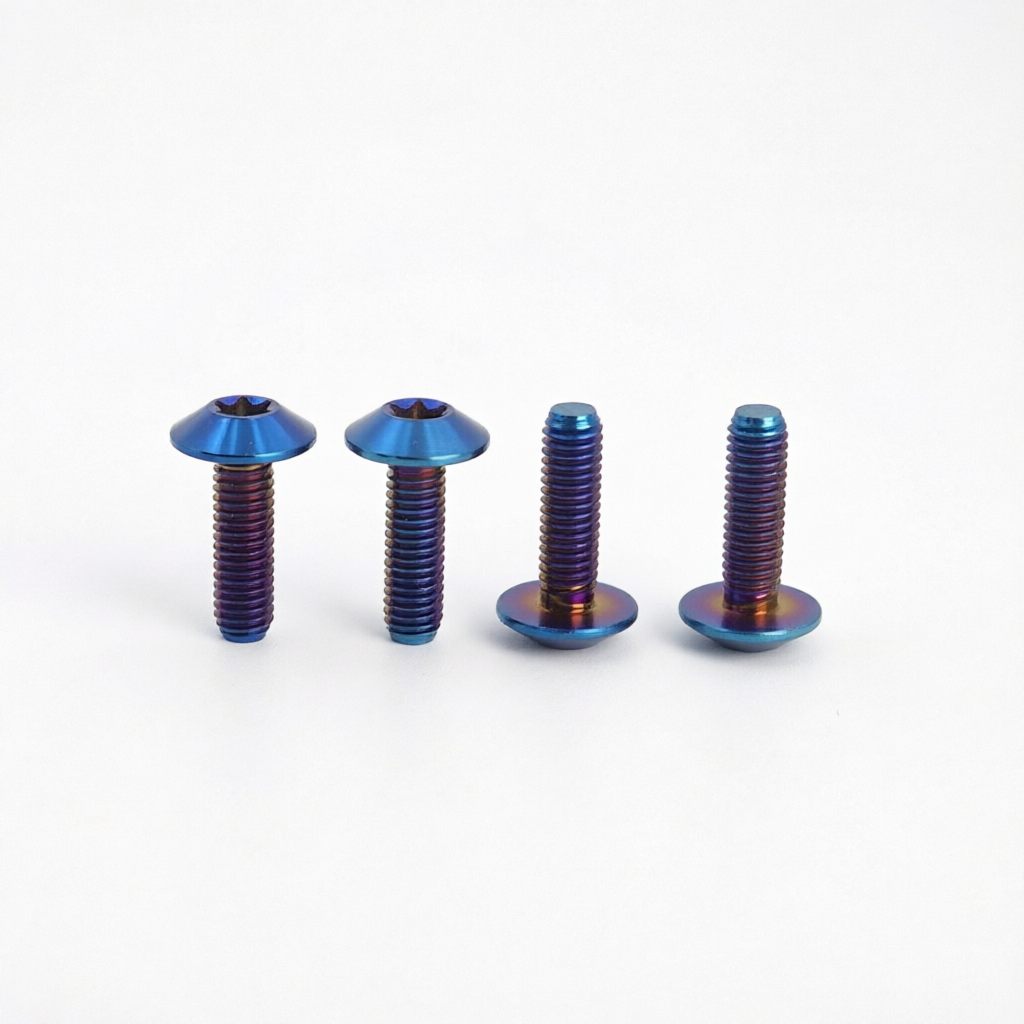
Engineering Precision Titanium Fasteners for the Basel Industrial Landscape
A technical assessment of why the Basel-Stadt & Basel-Landschaft tri-border manufacturing ecosystem requires customized, chemically certified titanium fastening elements.
The Canton of Basel, situated at the core of the Upper Rhine Trinational Eurodistrict, represents Europe's densest concentration of pharmaceutical chemistry, biomedical technology, high-end laboratory automation, and high-precision mechanical apparatus. Procuring fastening hardware within Basel requires compliance not merely with generalized dimensional codes, but with ultra-precise micro-structural metallurgy, non-reactive surface topographies, and zero particulate generation. As an integrated OEM titanium hardware manufacturer originating from China’s Titanium Valley (Baoji), Vunza Titanium Industry bridges this exacting engineering standard with high-throughput multi-axis CNC manufacturing.
Titanium Grade 5 (Ti-6Al-4V / ASTM B348 / DIN 3.7165) and commercially pure Grade 2 (DIN 3.7035) fasteners provide distinct thermodynamic and biomechanical characteristics essential to Basel's specialized manufacturers. In biochemical fluid control, sterile drug production autoclaves, and diagnostic centrifuges, conventional 316L stainless steel screws frequently experience chloride pitting corrosion, stress corrosion cracking (SCC), and galling under frequent autoclaving cycles. Our custom cold-formed and 5-axis CNC-machined titanium fasteners eliminate galling through precision micro-polished and PVD-deposited titanium nitride (TiN) barriers while providing total immunity to physiological saline solutions, organic solvents, and strong chemical reagents.
Localized Application Scenarios in the Basel Tri-National Corridor
Where high-performance OEM titanium fasteners serve demanding Swiss engineering operations.
Biomedical Cleanrooms & Analysis Apparatus
In the pharmaceutical complexes bordering the Rhine, automated liquid handling robotics and diagnostic mass spectrometers necessitate non-magnetic fasteners to avoid baseline electronic field interference. Commercially pure Grade 2 and Grade 5 fasteners ensure zero magnetic distortion (magnetic permeability μr ≈ 1.00005) and complete resistance against aggressive CIP (Clean-in-Place) sanitizing agents.
Surgical Robotics & MedTech Instrumentation
Surgical robotic arms produced in the greater Basel MedTech clusters operate on strict weight thresholds and dynamic counterbalance constraints. Replacing stainless steel assemblies with Grade 5 titanium bolts cuts fastener weight by 44% while maintaining tensile capacities above 895 MPa, lowering mechanical inertia across micro-articulating robotic joints.
Precision Horology & High-End Micro-Machinery
Serving the wider Swiss luxury clockwork and instrumentation corridor connected through Northwestern Switzerland, micro-machined titanium screws down to M1.2 and M1.6 with custom Torx geometries offer superior aesthetic mirror finishes, bespoke anodized coloring, and high resistance to wear during dynamic torque loading.
Chemical Pilot Plants & Continuous Flow Reactors
In Basel’s pilot production reactors, corrosive process intermediates like nitric solutions and oxidizing halides quickly degrade austenitic steels. Titanium fasteners prevent galvanic couples when mated with titanium pipe flanging and specialized reactor vessels, eliminating downtime and costly leaks.
Motorsport & High-Performance Mobility
Supplying tuning outfits and motorsport teams participating across European circuits, our Gr5 12-point flange wheel studs, exhaust manifold studs, and brake caliper bolts provide superior shear resistance under cyclical thermal loads extending past 400°C without creep deformation.
Titanium Metallurgy & Mechanical Benchmark
Empirical data to inform engineering decisions for procurement and design teams in Basel.
| Alloy Grade | Standard Chemistry | Tensile Strength (MPa) | Yield Strength 0.2% (MPa) | Density (g/cm³) | Thermal Conductivity (W/m·K) | Optimal Basel Application |
|---|---|---|---|---|---|---|
| Grade 2 (CP Ti) | Unalloyed Ti (O ≤ 0.25%, Fe ≤ 0.30%) | ≥ 345 | ≥ 275 | 4.51 | 16.4 | Fluidic manifolds, bio-reactors, non-magnetic sensor casings |
| Grade 5 (Ti-6Al-4V) | Ti-6Al-4V (Al 5.5-6.75%, V 3.5-4.5%) | ≥ 895 | ≥ 828 | 4.43 | 6.7 | Structural bolts, rotor mounts, robotic joints, motorsport studs |
| Grade 23 (Ti-6Al-4V ELI) | Extra Low Interstitial (O ≤ 0.13%) | ≥ 860 | ≥ 795 | 4.43 | 6.7 | Implantable fixations, surgical instrumentation, deep-cryo equipment |
| Grade 9 (Ti-3Al-2.5V) | Ti-3Al-2.5V (Al 2.5-3.5%, V 2.0-3.0%) | ≥ 620 | ≥ 483 | 4.48 | 8.3 | Hydraulic tubing hardware, lightweight high-pressure lines |
Emerging Procurement Trends in Basel's High-Tech Sector
How Swiss quality governance and sustainability metrics are transforming fastener supply chains.
1. Stringent Supply Chain Traceability (Sponge-to-Part Traceability): Industrial quality departments in Switzerland increasingly mandate end-to-end traceability under EN 10204 3.1 inspection certification. Vunza Titanium maintains an audit-proof chain of custody starting with raw vacuum-arc remelted titanium sponge directly from the Baoji industrial base, providing chemical spectrometry, tensile yield validation, and ultrasonic flaw testing with every batch.
2. Additive Manufacturing Post-Processing Hybridization: As Basel’s prototype labs implement direct metal laser sintering (DMLS) for custom manifold housings, the demand for precision post-machined threads and anchoring studs has climbed. 3D-printed titanium structures require high-accuracy tapped threads with tight pitch tolerances (4h/6h) that 3D printing alone cannot achieve. Our CNC turning centers supply companion titanium inserts and self-locking fasteners to complete additive manufacturing workflows.
3. REACH and RoHS Environmental Compliance: European Union and Swiss chemical regulations require absolute avoidance of hazardous substances in surface treatments. Our electrochemical anodization processes use green electrolytic baths without toxic heavy metals or fluorinated compounds, producing bright, vibrant colors and micro-thin protective oxide films verified by independent laboratory analysis.
4. Rapid Prototyping with Flexible Pilot Batches: Startups spinning out of local incubators often face prohibitively high MOQs from European domestic manufacturers. Vunza provides a hybrid model: agile pilot production runs (down to 10–50 pieces for specialized CNC parts) accompanied by fast DFM (Design for Manufacturability) turnarounds within 9 hours, followed by seamless scalability to tens of thousands of units.
Why Basel Procurement Teams Partner with Vunza Titanium
Core engineering strengths developed over 15+ years in the world's most concentrated titanium manufacturing center.
Heart of China's Titanium Valley
Located in Gaoya Village Industrial Zone, Baoji, right adjacent to the Baoti Group Industrial Park, our plant enjoys immediate access to premium ingot stock, certified metallurgy, and specialized titanium heat-treatment facilities, lowering material supply chain lead times and cost.
Sub-Micron Machining Infrastructure
Equipped with 34 high-speed CNC turning and 3/4/5-axis milling machining centers, we consistently achieve linear tolerances down to 0.005 mm and thread accuracy compliant with ISO 965 and ASME B1.1 Class 3A/3B specifications, suitable for demanding micro-mechanics.
Rigorous Inspection Protocols
Quality control operates from sponge to finished fastener. Every production lot undergoes dimensional verification on digital optical comparators, thread pitch analysis using calibrated ring/plug gauges, and material integrity verification backed by EN 10204 3.1 Mill Test Certificates.
13-Year Verified Global Supplier
With an unblemished 5.0/5.0 supplier rating, an average engineering response time under 9 hours, and a 14% repeat order rate across global markets, we support international engineering teams with clear technical communication and dependable logistics.
Custom Finishing & Advanced Thread Rolling
Unlike cut threads that disrupt grain flow, our high-stress bolts utilize cold rolled threads, significantly boosting fatigue cycle life under dynamic vibrations. Finishing options include vacuum PVD coating (TiN gold, DLC black), vibratory polishing, and precision color anodizing.
Cross-Disciplinary Material Capabilities
In addition to standard Ti Gr2, Gr5, and Gr23, our facility manufactures specialty components from refractory rare metals and dental alloys such as Cobalt-Chromium-Molybdenum (CoCrMo), providing multi-material solutions under a single vendor relationship.
Frequently Asked Questions for Basel Sourcing Managers
Key operational and technical questions regarding international delivery, quality validation, and manufacturing limits.
What quality documentation do you provide for Swiss customs and incoming audits?
Every shipment is accompanied by an EN 10204 3.1 Material Certificate verifying chemical composition and mechanical properties, alongside a First-Article Dimensional Inspection Report. On request, we provide coating thickness measurements, surface roughness (Ra) profiles, and ultrasonic non-destructive test results.
What are standard delivery lead times to the Canton of Basel?
Standard prototype and sample orders take approximately 7–12 working days to machine. Batch production typically takes 20–30 working days depending on quantity and finishing treatments. Express air door-to-door delivery to Basel (via DHL/FedEx/UPS directly to EuroAirport Basel-Mulhouse-Freiburg) averages 3–5 working days with clearance assistance.
Do you machine custom screw heads, unusual drives, or non-standard metric pitches?
Yes. Our in-house engineering and tooling allows us to produce any custom fastener directly from customer STEP, IGES, or 2D technical drawings (DWG/PDF). We regularly machine 12-point heads, low-profile disc heads, safety lock wire holes, reverse left-hand threads, and fine thread pitches across both Metric (M1.2–M64) and Imperial standards (UNF/UNC).
How do you prevent thread galling on titanium fasteners under high torque?
Titanium naturally forms an oxide layer that can cause galling when mated under high load. We mitigate this through cold-rolled thread profiles (minimizing micro-asperities), micro-polishing down to Ra ≤ 0.4 μm, or applying functional anti-galling PVD coatings (Diamond-Like Carbon / Titanium Nitride) and specialized molybdenum disulfide (MoS2) dry lubricants.
What is the minimum order quantity (MOQ) for custom prototypes?
We work flexibly with Swiss R&D development teams. For custom CNC-turned parts and special bolts, our pilot MOQ is typically 50–100 pieces, and sample batches down to 10 pieces can be arranged during the prototyping phase. For high-volume serial runs, our capacity comfortably supports thousands of parts per week.
Can you manage custom packaging for cleanroom or pharmaceutical handling?
Yes. We offer ultrasonic solvent degreasing and cleaning followed by sealed dual-layer vacuum packaging or nitrogen-flushed blister packs. This prevents ambient oil residue or particulate contamination, ensuring parts are ready for immediate introduction into controlled cleanroom environments.