Factory-Engineered Titanium Hardware for Utrecht Enterprises
Explore standard DIN/ISO items and bespoke multi-axis CNC machined titanium hardware. Sourced from sponge-to-part with complete material traceability and metallurgical certification.
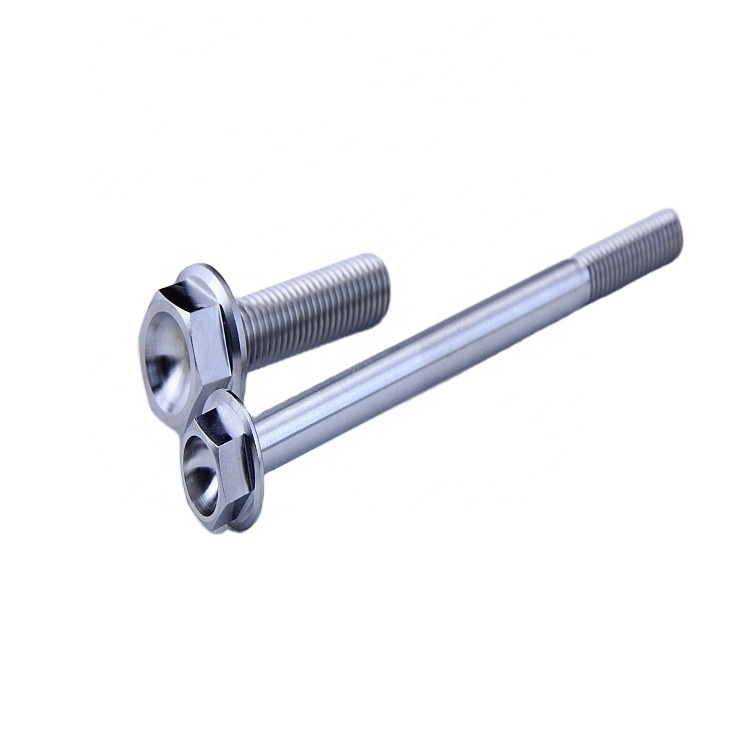
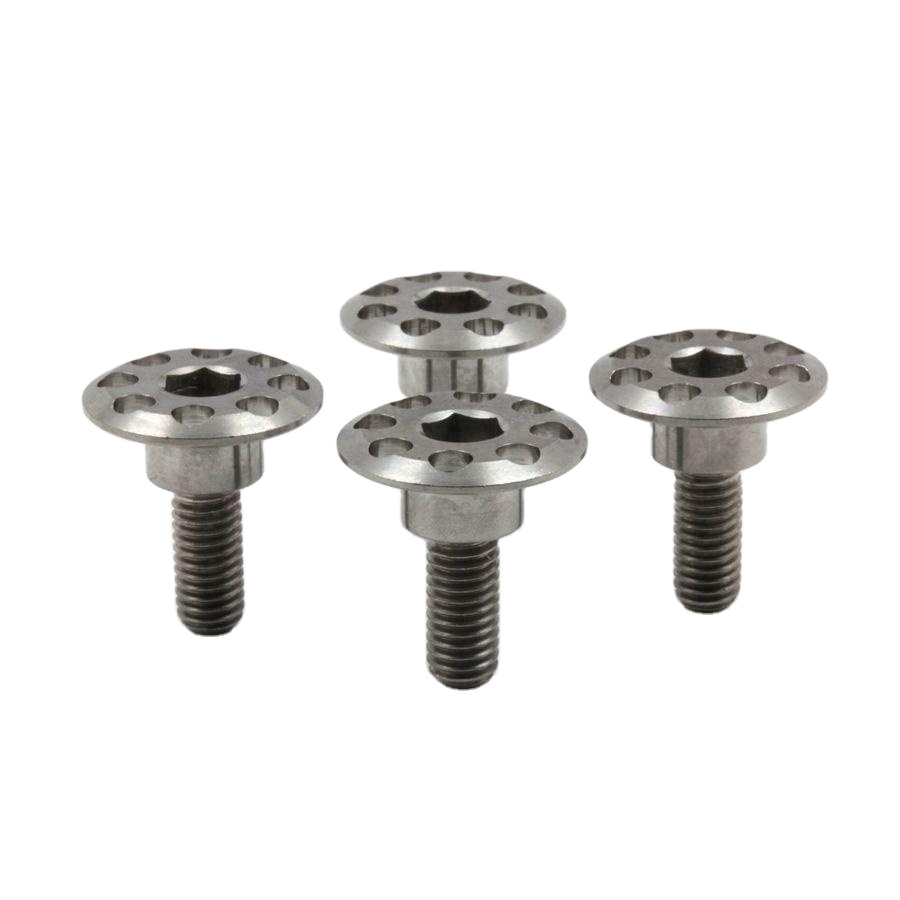
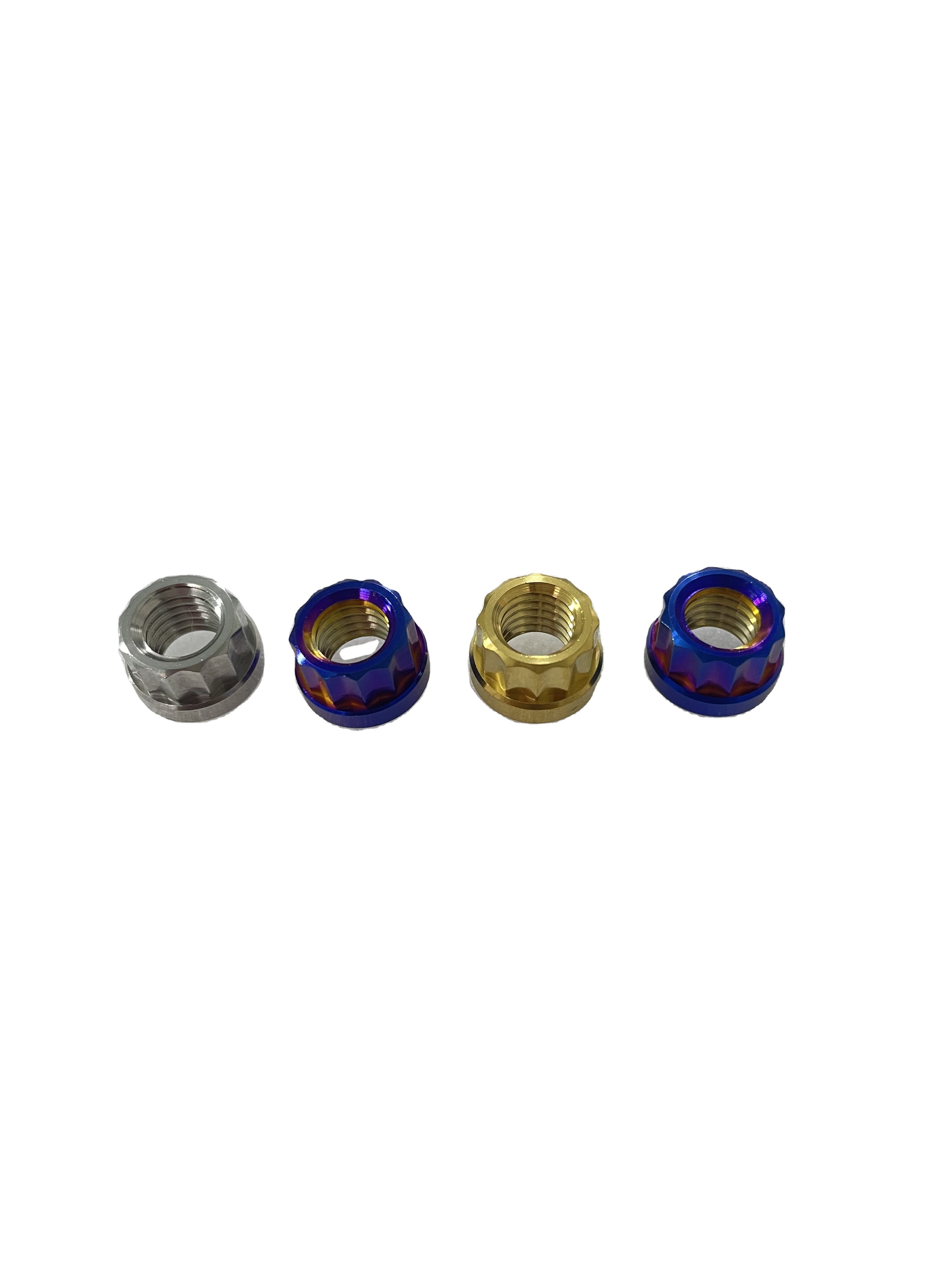
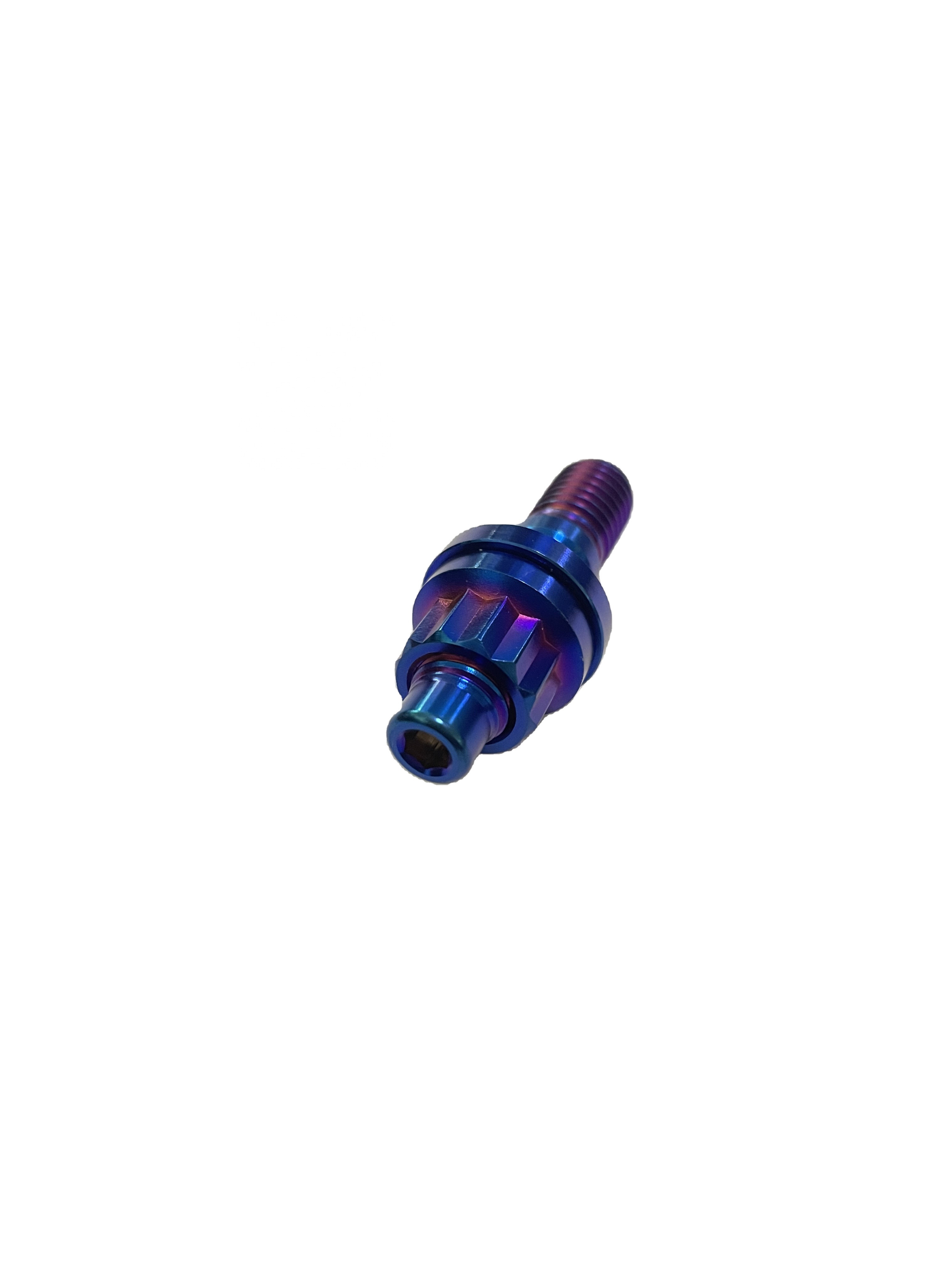
Titanium CNC Machining Engineering: The Netherlands Innovation Ecosystem
Analyzing precision CNC manufacturing tolerances, metallurgical microstructures, and supply-chain integration for the Province of Utrecht and the Randstad industrial corridor.
1. The Utrecht Industrial Landscape: Demand for Sub-Micron Precision & Material Purity
Utrecht stands as a central pillar in the Dutch knowledge economy. Anchored by the world-class Utrecht Science Park, biomedical research facilities, life sciences incubators, and cutting-edge robotics laboratories, regional engineering teams have surpassed the limitations of conventional stainless steel and commercial aluminum. Modern equipment deployed across Utrecht—ranging from spectroscopic laboratory instruments, ultra-clean analytical centrifuges, to specialized automated warehousing components—demands materials that exhibit extraordinary tensile-strength-to-density ratios, non-magnetic properties, and biological inertness.
In precision engineering, titanium alloys (notably Ti-6Al-4V Grade 5 and Ti-6Al-4V ELI Grade 23) provide an optimal solution. With a density of only 4.43 g/cm³—roughly 56% that of alloy steels—and tensile yield strengths reaching beyond 830 to 900 MPa, custom CNC machined titanium components dramatically reduce rotational inertia in high-frequency analytical centrifuges, eliminate electromagnetic interference around MRI/NMR diagnostic environments, and resist aggressive solvents used in sterilization protocols across Utrecht medical facilities.
Technical Consideration for Dutch R&D Buyers: Grade 5 titanium offers a galvanic potential compatible with carbon-fiber reinforced polymers (CFRP). For high-performance cycling innovations, e-mobility powertrains, and scientific robotics developed in Utrecht, integrating CNC titanium hardware completely eliminates galvanic corrosion issues frequently experienced when pairing aluminum fasteners with carbon composite structures in humid low-country atmospheric conditions.
2. High-Precision Subtractive Machining of Titanium Alloys: Metallurgical Challenges
Machining titanium requires deep metallurgical expertise due to its low thermal conductivity (approximately 6.7 W/m·K for Ti6Al4V vs. 50 W/m·K for standard carbon steel). Heat generated during cutting shear does not dissipate effectively into chips; instead, it concentrates directly at the cutting edge and tool tip. Without strict thermal management, this localized thermal stress causes rapid work hardening, chemical galling, built-up edge (BUE), and micro-cracking across tight-tolerance surfaces.
At Vunza Titanium's production floor in Baoji, we address these challenges through customized OEM protocols engineered specifically for our European B2B clientele:
Rigid High-Torque Multi-Axis Machining
Operating 34 multi-axis 3-axis, 4-axis, and simultaneous 5-axis CNC machining centers. Rigid machine architecture dampens harmonic vibrations, eliminating tool chatter to maintain positional tolerances as tight as 0.005 mm on critical bores and flanges.
High-Pressure Internal Through-Spindle Cooling
Delivering high-pressure coolant (up to 70 bar) straight to the cutting interface. This breaks titanium chips quickly, prevents recutting, evacuates heat instantaneously, and secures Ra 0.4 µm to Ra 0.8 µm surface roughness directly from machining.
Cold Thread Rolling vs. Thread Cutting
Critical fastener threads are manufactured via precision cold thread rolling rather than single-point turning. This grain-flow alignment eliminates micro-notches, boosting dynamic cyclic fatigue life by more than 300% under severe motorsport and industrial loading.
3. Engineering Material Selection Matrix for Procurement Engineers
Selecting the ideal titanium alloy ensures the proper balance between raw material expenditure, machinability, wear endurance, and functional yield in high-performance applications:
| Titanium Grade | Chemical Formula | Yield Strength (Min) | Density | Corrosion Resistance | Primary Regional Application in Utrecht |
|---|---|---|---|---|---|
| Grade 2 (CP-Ti) | Commercial Pure Titanium (≥99.2% Ti) | 275 MPa | 4.51 g/cm³ | Outstanding (Marine, Chlorides, Nitric Acid) | Chemical fluidics, university bioreactor tubing, heat exchangers |
| Grade 5 (TC4) | Ti-6Al-4V (Alpha-Beta Alloy) | 828 MPa | 4.43 g/cm³ | Superior (Immune to atmospheric and salt exposure) | High-end cycling components, EV lightweighting, robotic linkages |
| Grade 23 (ELI) | Ti-6Al-4V Extra Low Interstitials | 795 MPa | 4.43 g/cm³ | Maximum Biocompatibility & Fracture Toughness | Surgical equipment, orthopaedic fixtures, laboratory cryogenic valves |
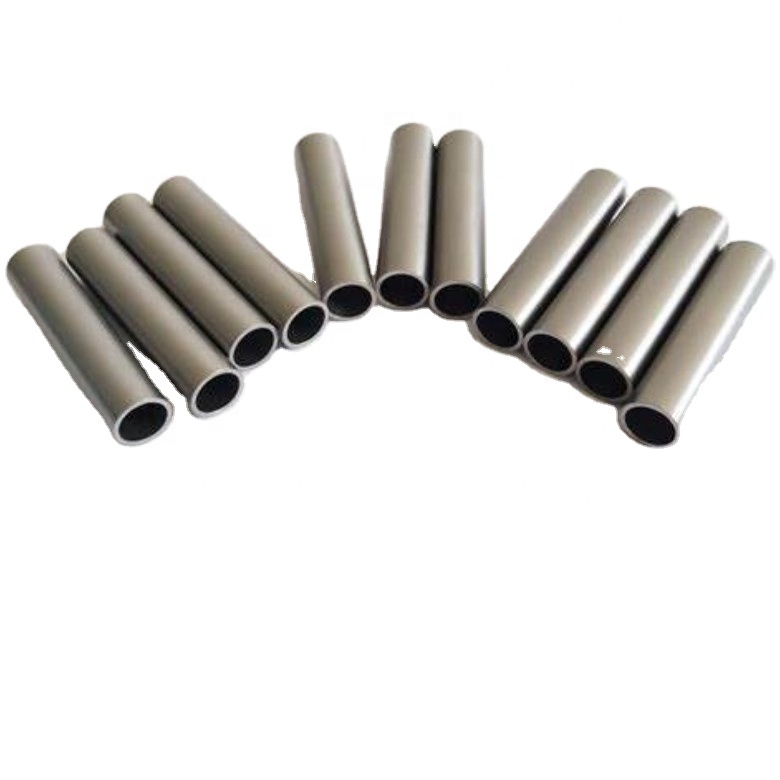
| Grade 9 | Ti-3Al-2.5V (Near-Alpha Alloy) | 483 MPa | 4.48 g/cm³ | High Hydraulic and Hydraulic Pressure Integrity | Precision hydraulic lines, lightweight bespoke racing frame tubes |
Localized Application Scenarios Across Utrecht & Randstad Hubs
Connecting Chinese production scale directly to precision engineering firms, university research centers, and manufacturing pioneers throughout the Netherlands.
Medical Instrumentation & Laboratory Analytical Tools
Utrecht Science Park is a key European hub for life sciences. Our CNC turned Grade 5 and Grade 23 titanium components are used in bio-reactor impeller shafts, analytical sensor housings, and surgical guides. Being chemically inert and non-magnetic, they guarantee non-reactive contact with bio-fluids while operating smoothly inside high-field magnetic resonance (NMR/MRI) environments.
Clean Urban Mobility & High-End Performance Cycling
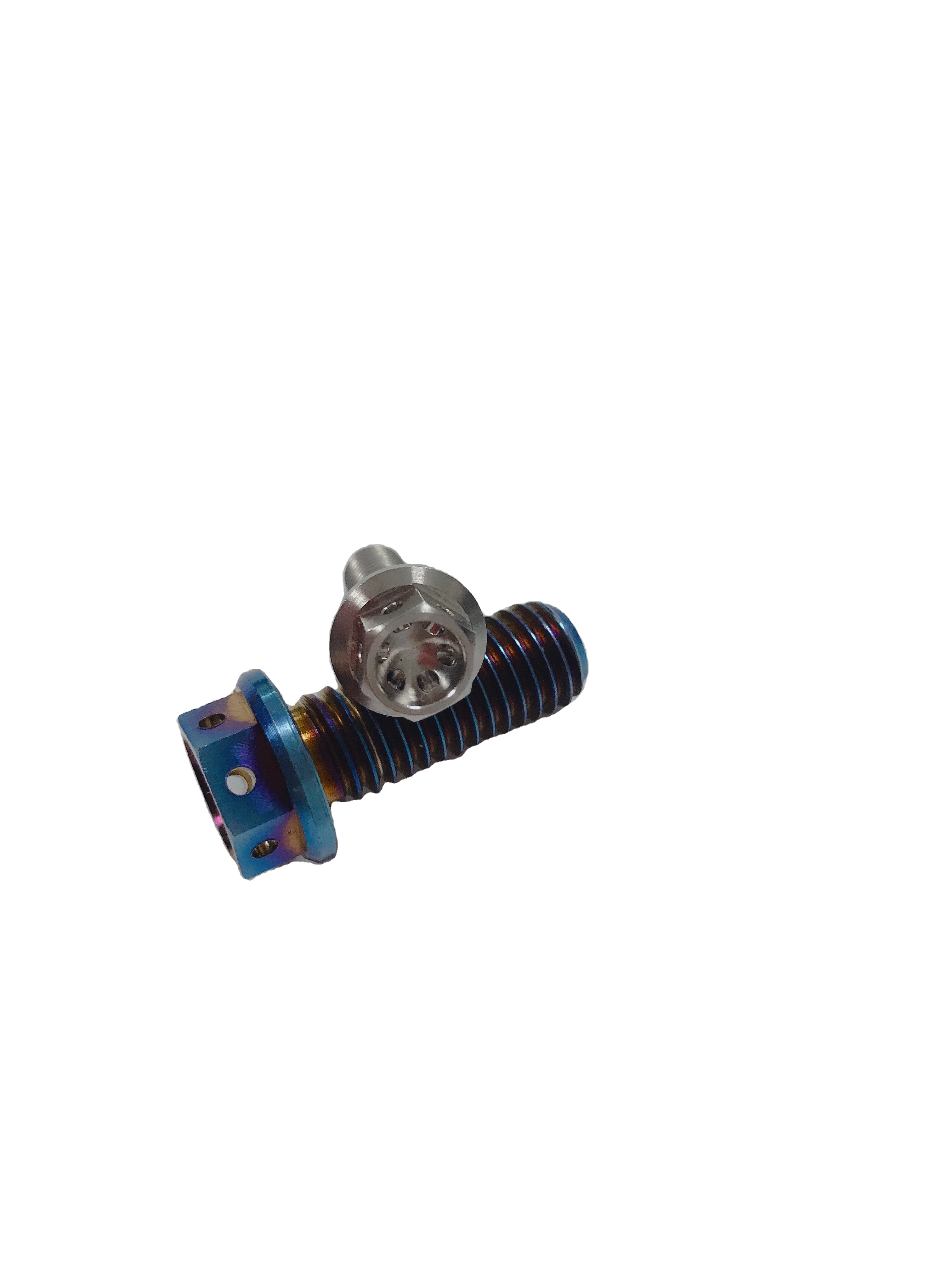
Utrecht is celebrated globally as one of the world's most progressive cycling cities, hosting major urban mobility pioneers. OEM custom titanium frame hardware, CNC disc brake rotor bolts, hollowed wheel axles, and rear derailleur cage brackets provide unmatched fatigue strength, reducing unsprung weight without risking rust from wet Dutch canals and road de-icing salts.
Intralogistics Robotics & High-Speed Automation
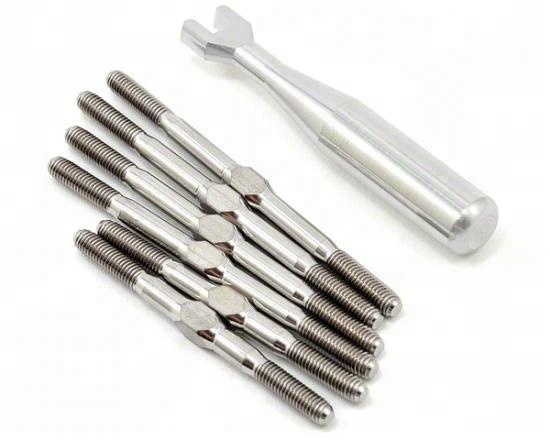
With Utrecht's strategic location as a central railway and logistics junction for the Netherlands, warehousing automation developers depend on high-speed robotic sorting arms. CNC titanium turnbuckles, rod-end bearings, and precision link pins lighten dynamic end-effectors, lowering motor torque loads and boosting sorting cycle speeds.
Shifting Paradigms in the Dutch Advanced Manufacturing Sector
The industrial supply chains of the Netherlands are undergoing a profound transformation. Driven by stringent sustainability targets, the Dutch National Technology Strategy, and the push toward closed-loop circular manufacturing, procurement departments in Utrecht are rethinking material life cycles.
Decarbonization Through Extreme Lightweighting: High-acceleration machinery and autonomous transport systems engineered in Utrecht increasingly substitute steel linkages with Gr5 titanium. The 44% reduction in mass translates directly into lower power consumption for automated guided vehicles (AGVs) and high-duty pick-and-place gantry systems, shrinking operational carbon footprints.
Reliability Over Disposal: Where aggressive cleaning agents or outdoor dampness deteriorate coated metals in 12–24 months, passivated pure and alloyed titanium components deliver decades of zero-maintenance operation. The total cost of ownership (TCO) calculus among Dutch buyers now clearly favors precision CNC titanium over short-lived alternatives.
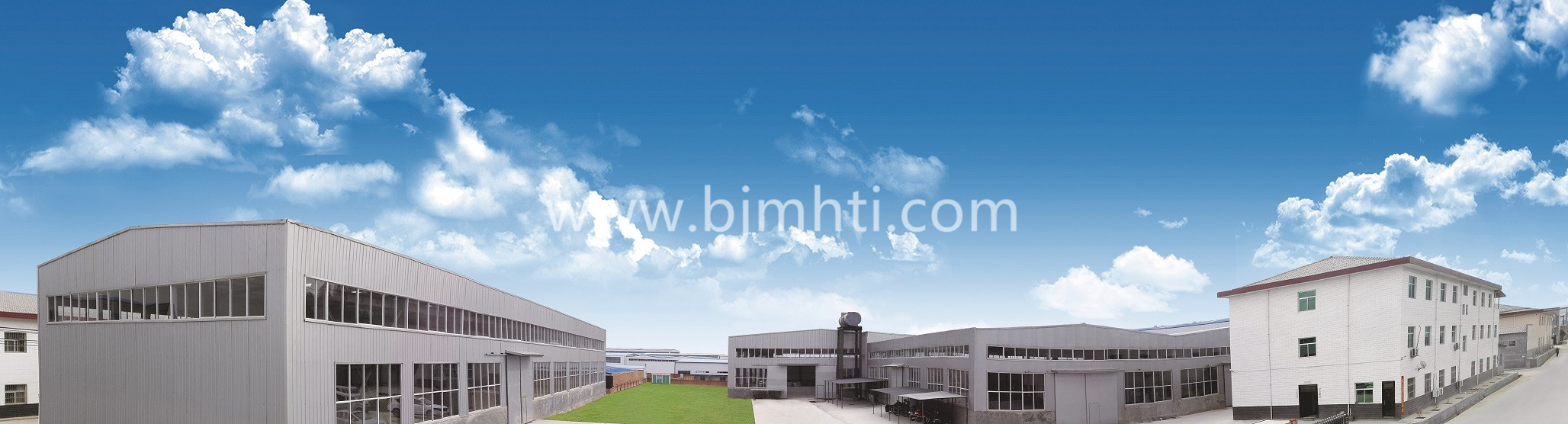
Why Utrecht OEMs Partner Directly with Vunza Titanium
Combining the geopolitical raw material advantages of China's Titanium Valley with strict international manufacturing execution.
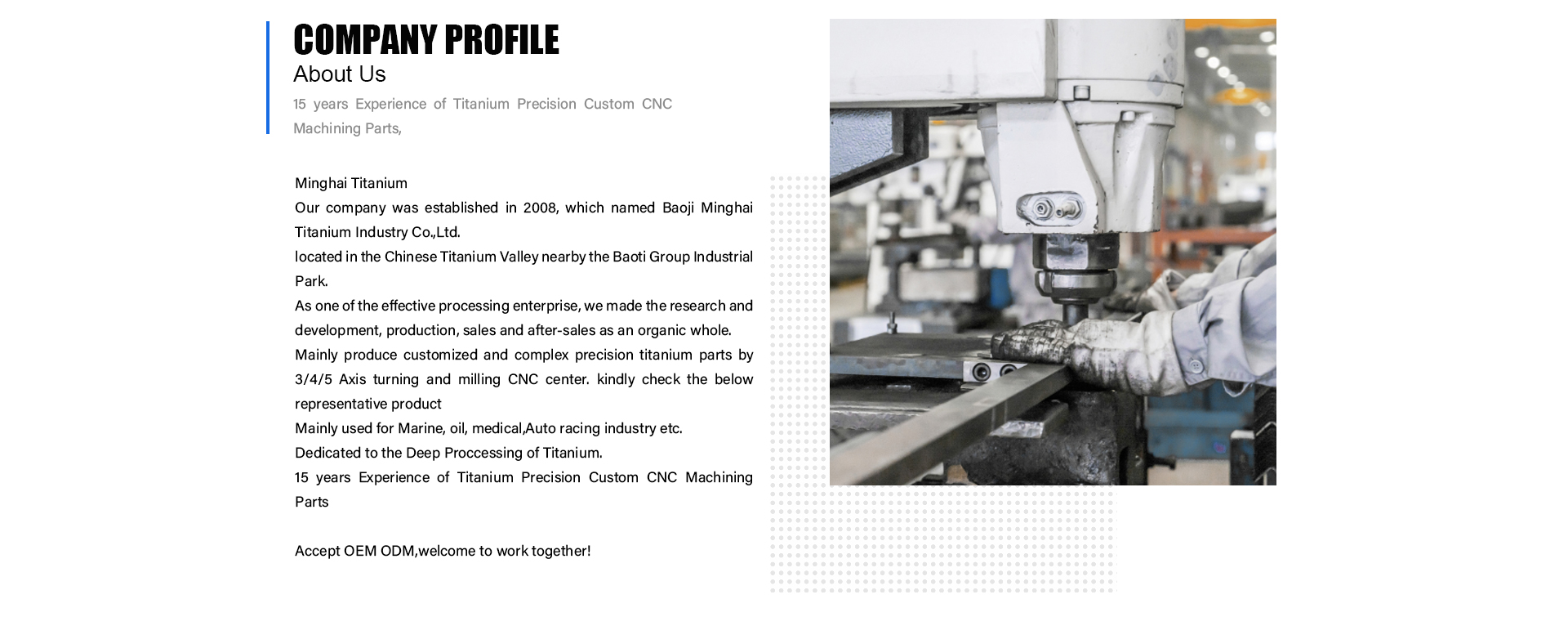
Rooted in Baoji: The World-Renowned Titanium Valley
Established in 2008 in the Gaoya Village Industrial Zone adjacent to the Baoti Group Industrial Park in Baoji, China, Vunza Titanium Industry Co., Ltd. controls its entire supply chain. Our facility maintains full custody over materials—from premium raw titanium sponge melting to vacuum arc remelting (VAR), precision billet forging, multi-axis CNC machining, surface finishing, and multi-point CMM inspection.
With over 50% of our production team possessing more than 13 years of specialized titanium machining experience, we solve difficult manufacturing hurdles that cause high scrap rates in generalist machine shops: tool deflection, adiabatic shear band generation, and dimensional drift under elevated cutting temperatures.
Frequently Asked Questions by Dutch Technical Buyers
Addressing engineering specifications, logistics to the Randstad, import compliance, and metallurgical validation.
How do you handle shipping, customs clearance, and DDP delivery into Utrecht?
Can you supply EN 10204 3.1 Material Inspection Certificates with every production batch?
What are your typical prototype and serial production minimum order quantities (MOQs)?
How does Vunza maintain 0.005 mm tolerances across difficult titanium geometries?
Which secondary finishes and surface treatments can you apply to custom titanium parts?
Ready to Optimize Your Titanium Components?
Connect directly with our Baoji manufacturing engineering team. Send over your 2D/3D CAD models (.STP, .STEP, .IGS, .DWG, .PDF) along with material grades and required quantities to receive a complete Design for Manufacturability (DFM) review and competitive factory-direct pricing within 9 hours.