Racing Grade
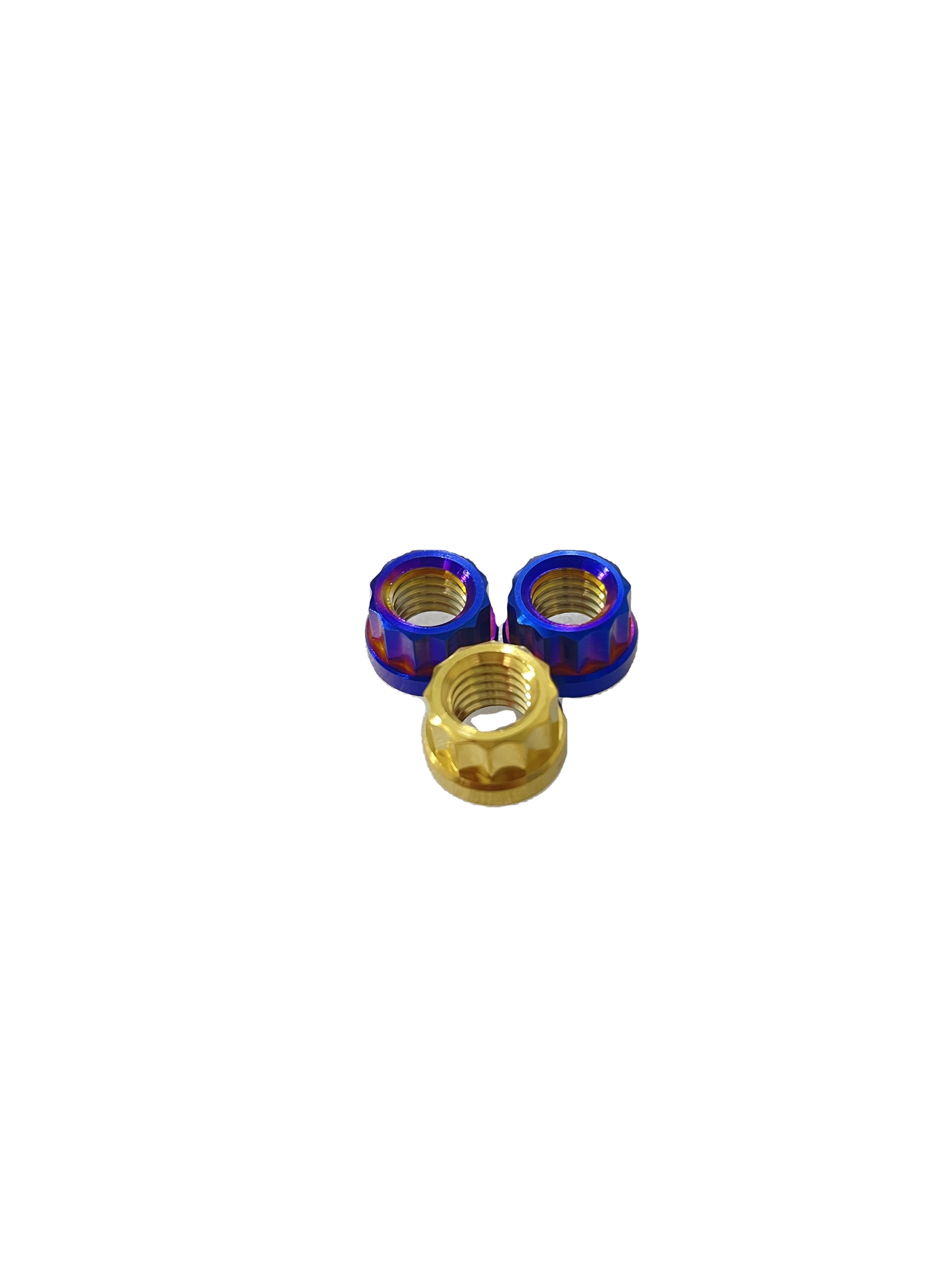
Direct from China's Titanium Valley (Baoji), our factory-calibrated 3/4/5-axis CNC machining centers supply extreme-environment fasteners holding tolerances down to 0.005 mm across metric and imperial standards.
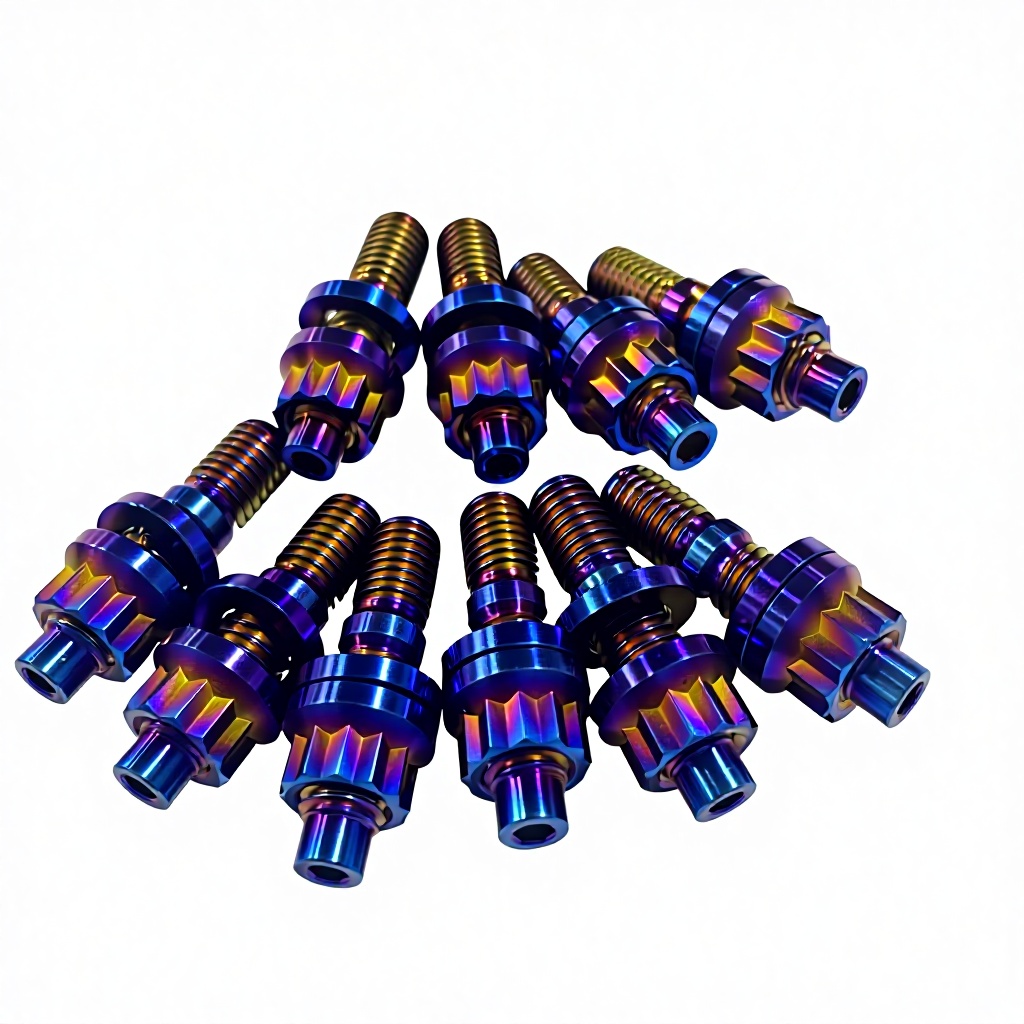
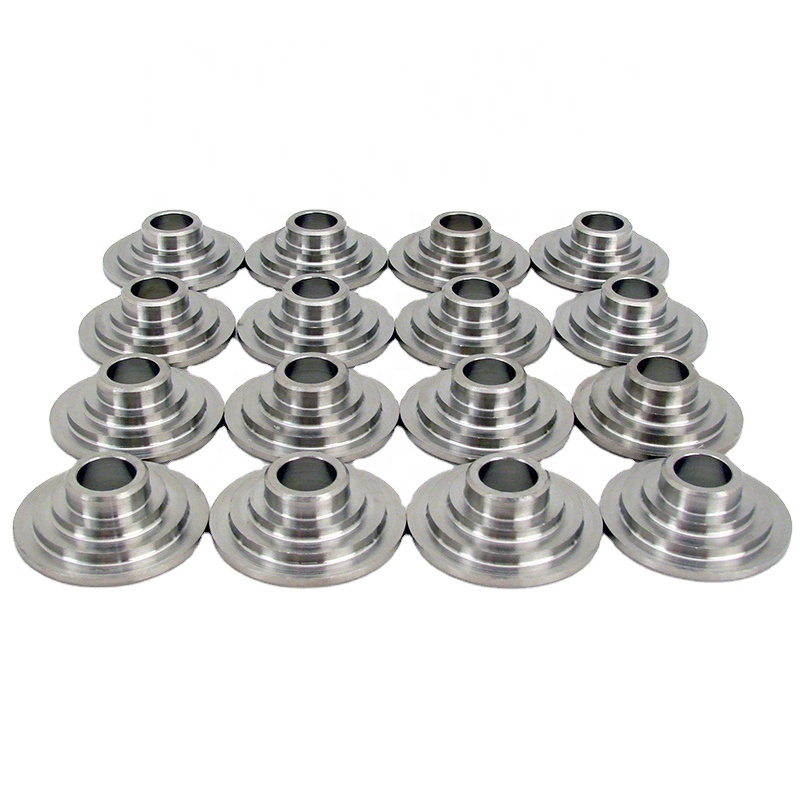
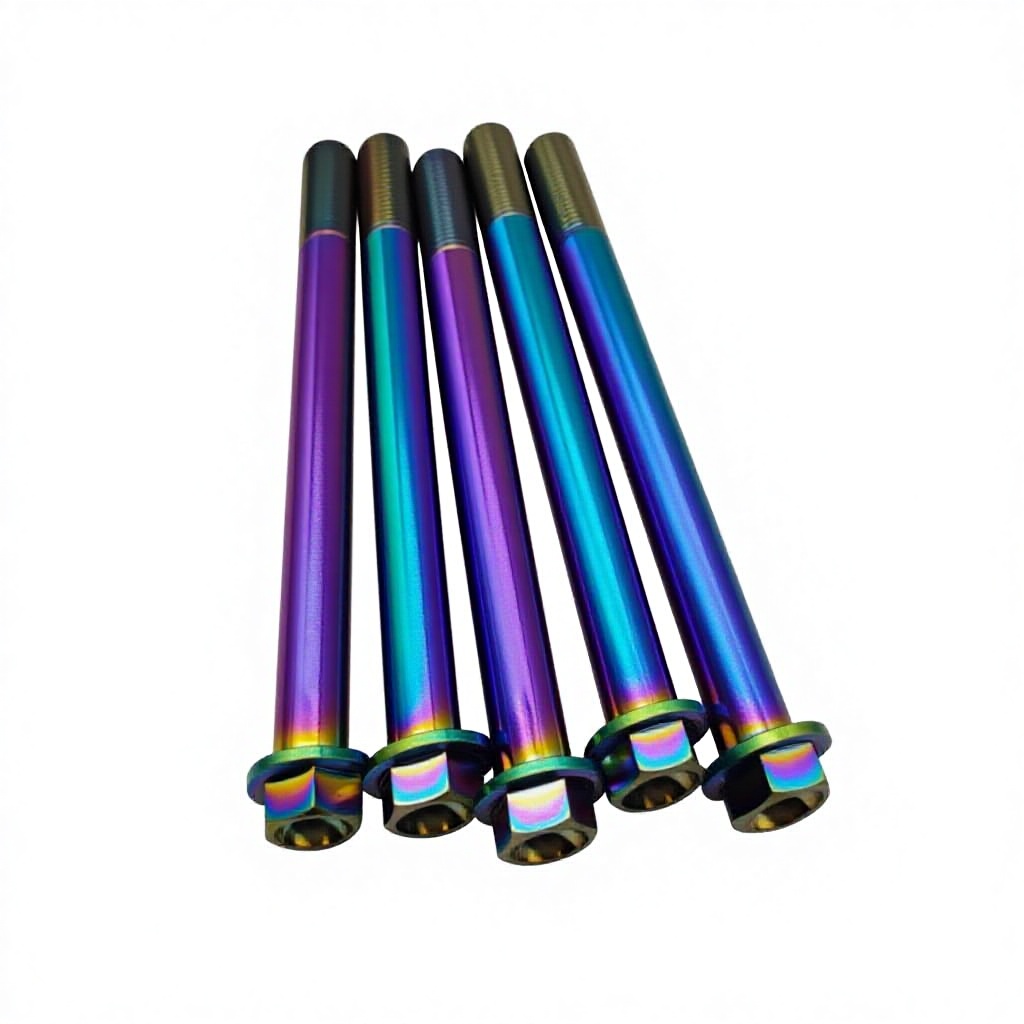
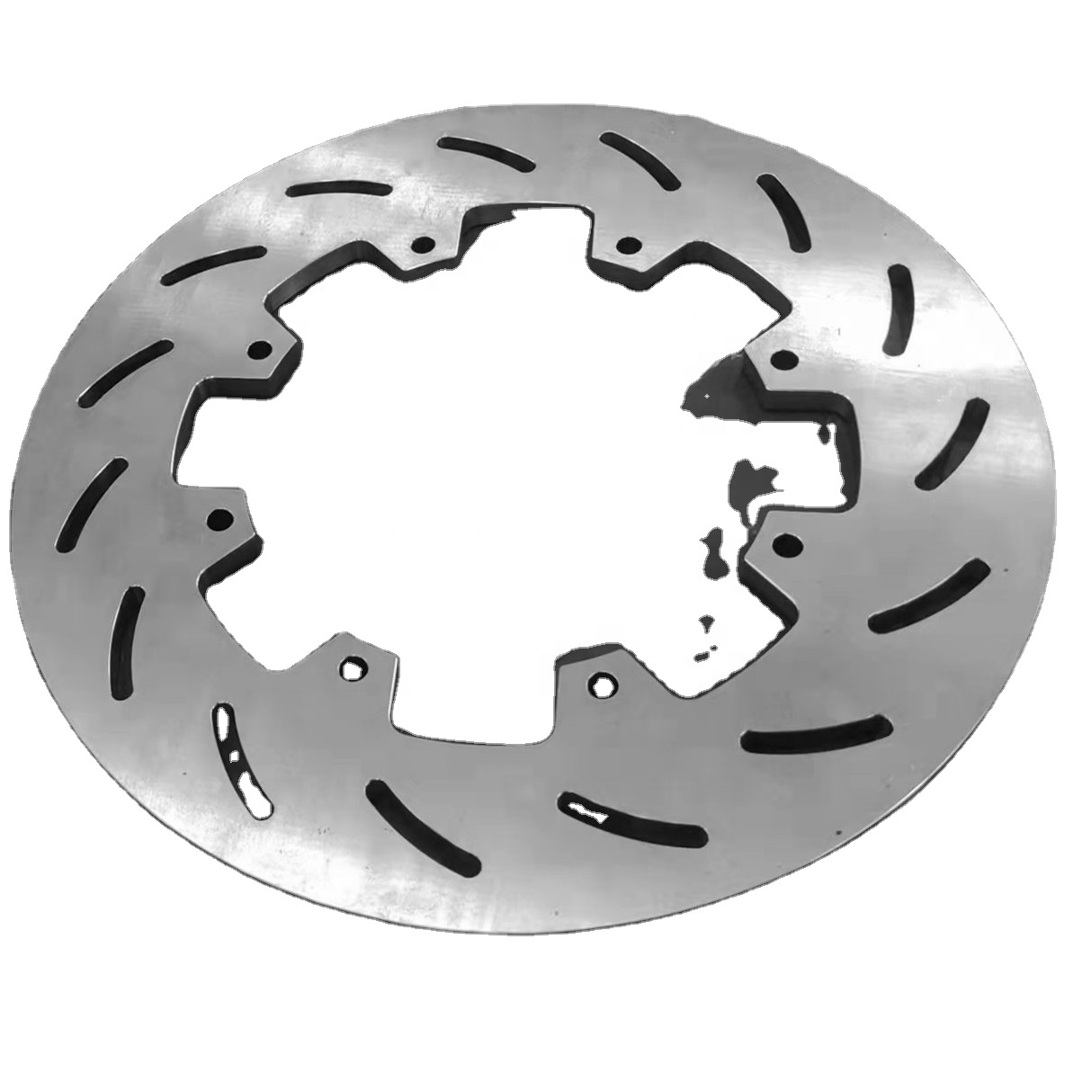
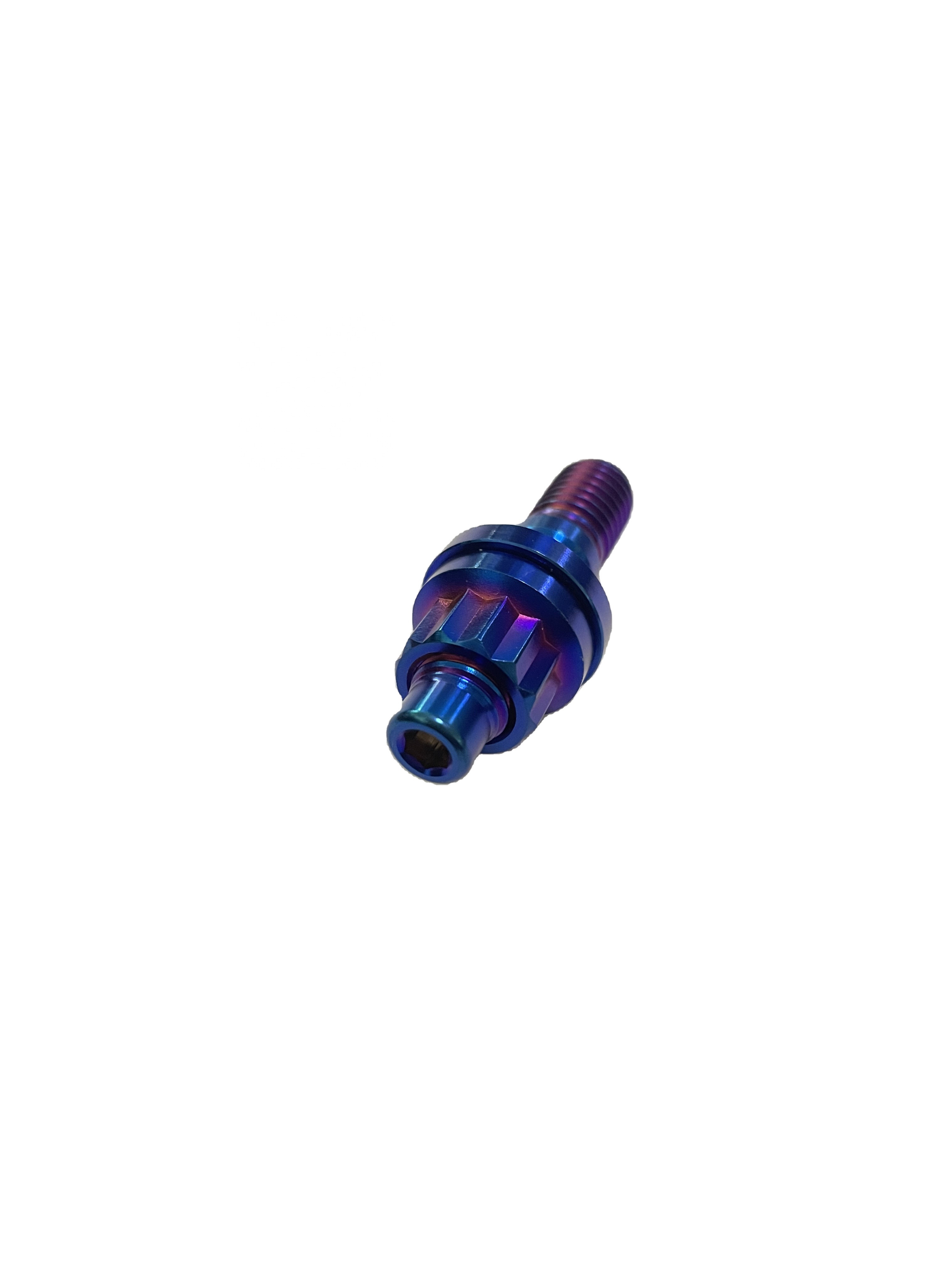
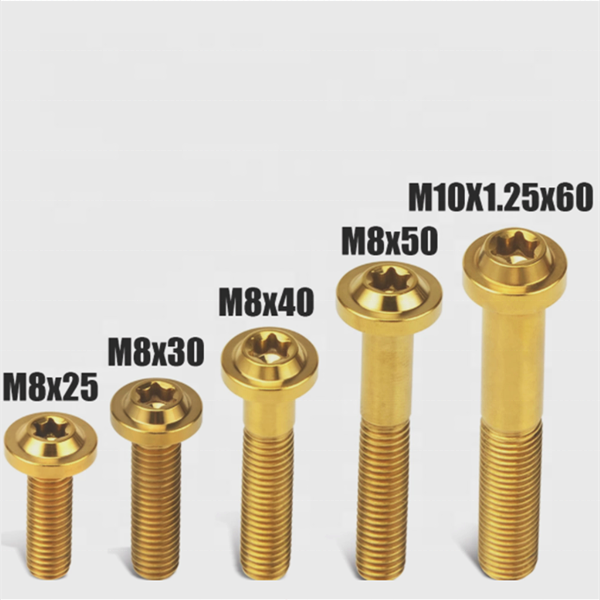
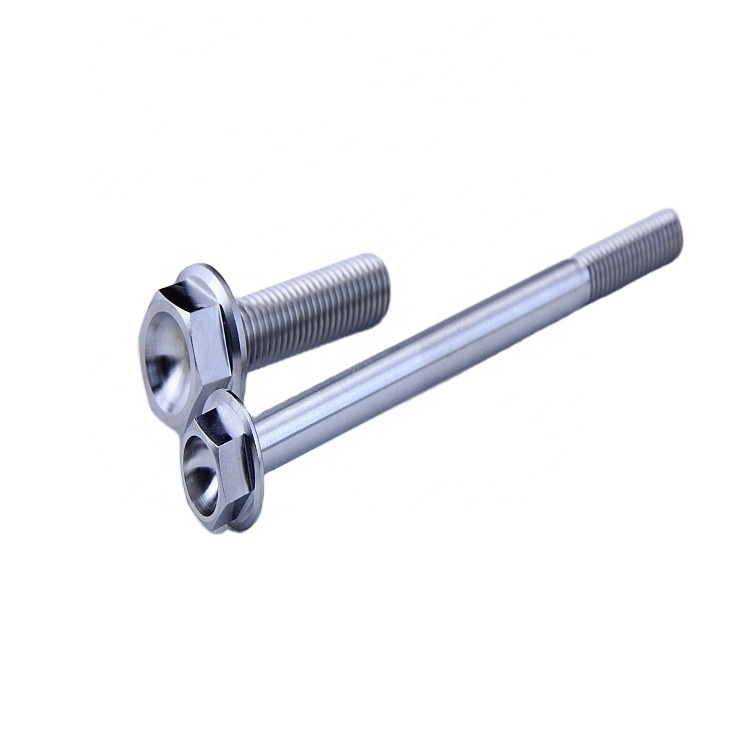
In demanding mechanical load assemblies, traditional fasteners such as AISI 304, AISI 316L, and structural zinc-plated or hot-dip galvanized grade 8.8 carbon steel exhibit severe longevity bottlenecks. When exposed to mechanical cyclical fatigue, cyclic thermal expansion, and aggressive ionic media, conventional ferrous materials experience pitting, micro-crevice oxidation, and catastrophic stress-corrosion cracking (SCC). For engineering procurement directors, structural engineers, and naval architects operating within the Greater Philadelphia industrial and coastal transit sectors, transitioning to Custom OEM Titanium U-Bolts represents a transformational leap in mechanical efficiency and lifecycle economics.
Titanium U-bolts engineered from annealed Ti-6Al-4V (Grade 5, UNS R56400) deliver a tensile strength exceeding 895 MPa (130 ksi) with a yield strength baseline of 828 MPa (120 ksi), comparable to heat-treated alloy steels while shaving roughly 44% of the physical tare mass (density 4.43 g/cm³ versus 7.85 g/cm³ for structural steel). This extraordinary strength-to-weight ratio diminishes parasitic inertia in dynamic vehicular or naval rigging while providing unmatched passive corrosion resistance via an instantaneous, auto-regenerative titanium dioxide (TiO₂) ceramic film. Whether clamping pressurized cryogenic lines, securing structural leaf springs on heavy freight trailers, or locking naval piping along the brackish Delaware Bay estuary, titanium fasteners remain chemically non-reactive to chlorides, wet chlorine gases, sulfides, and industrial de-icing brine mixtures.
The manufacturing process at Vunza Titanium leverages computer-controlled induction warm-bending regimes and precision multi-axis CNC lathe turning. Standard cold-bending of high-strength titanium bar stocks induces micro-fissuring and high residual internal stress concentrations at the apex bend radius. By calculating precise continuous curvature radiuses (whether standard Round Bend, Semi-Round, or Square Bend configurations), maintaining strict thermal feedback control between 600°C and 650°C during radius deformation, and rolling cut threads post-annealing per UNJ/ISO 6g tolerances, our custom OEM U-bolts maintain metallurgical grain continuous alignment, maximizing shear strength, fatigue life cycles, and clamping preload stability under intense multi-axial vibrational regimes.
The Greater Philadelphia metropolitan region—spanning Southeastern Pennsylvania, South Jersey, and Northern Delaware—represents one of the most mechanically demanding and operationally diverse industrial procurement zones in the United States. Sourcing high-integrity titanium fasteners is not merely an engineering preference; it is a regulatory, safety, and operational longevity necessity across several core regional sectors:
Along the Delaware River and the historic Philadelphia Navy Yard, marine fabrication demands fasteners immune to brackish tidal zones, hydrogen sulfide micro-environments, and galvanic hull currents. Custom OEM Titanium Grade 2 and Grade 5 U-bolts are deployed extensively in sub-surface seawater intake piping brackets, deck-mounted radar mast hold-downs, ballast water treatment system clamping, and high-frequency naval antenna array fastenings where steel corrosion induces catastrophic failure.
The Southeastern Pennsylvania Transportation Authority (SEPTA) and Amtrak’s dense Northeast Corridor rail network running through 30th Street Station require uncompromised structural hardware. Titanium U-bolts secure overhead catenary line shock mounts, trackside electrical switches, and undercarriage suspension leaf assemblies. Ti-6Al-4V provides critical electrical non-magnetism, high vibrational fatigue endurance, and immunity to winter chemical de-icing sprays used across PA rail corridors.
From Marcus Hook to the industrial chemical hubs flanking the Schuylkill and Delaware River basins, process piping carries volatile solvents, hot sour crude distillates, and hydrochloric byproducts. Grade 2 CP Titanium and Grade 7 (Ti-0.15Pd) custom saddle U-bolts secure process tubing where carbon steel clamps undergo rapid chloride pitting, eliminating pipe-fretting corrosion risks while exceeding OSHA and ASME B31.3 structural piping standards.
To assist Philadelphia mechanical designers, procurement leads, and stress analysis engineers in material selection, the following data matrix contrasts our core aerospace and commercial titanium alloys against high-spec marine and industrial metals:
| Alloy Grade & Standard | Density (g/cm³) | Tensile Strength (MPa) | Yield Strength (MPa) | Chloride Stress Corrosion | Typical Philly Applications |
|---|---|---|---|---|---|
| Ti-6Al-4V (Grade 5 / TC4) ASTM B348 / F468 | 4.43 | ≥ 895 | ≥ 828 | Immune in Natural Seawater | Naval structural mounts, racing suspensions, rail catenary |
| CP Grade 2 (UNS R50400) ASTM B348 / F467 | 4.51 | ≥ 345 | ≥ 275 | Immune below 80°C | Chemical fluid transport, refinery heat exchanger clamping |
| Grade 7 (Ti-0.15Pd) ASTM B348 | 4.51 | ≥ 345 | ≥ 275 | Maximum Pitting Resistance | Sour gas recovery, aggressive chlorine processing |
| AISI 316L Stainless Steel ASTM A193 B8M | 8.00 | ≥ 585 | ≥ 240 | Susceptible to Pitting / Crevice SCC | General marine hardware (frequent replacement required) |
| Alloy 625 (Inconel) ASTM B446 | 8.44 | ≥ 827 | ≥ 414 | High Resistance (Heavy Tare Mass) | Ultra-high temp naval turbine and exhaust manifolds |
Across Southeastern Pennsylvania and the Greater Mid-Atlantic industrial corridors, purchasing dynamics have radically evolved over recent fiscal cycles. Four prominent trends define modern B2B procurement for high-performance fastening components:
Procurement directors at maritime facilities, defense contractors, and municipal utilities are actively moving away from low-initial-cost hot-dip galvanized and zinc-coated carbon steel. While titanium carries an initial raw material premium, eliminating regular maintenance shut-downs, scaffold rentals along bridge piers, and catastrophic sheared-bolt liabilities amortizes the cost differential within 18 to 24 months, delivering massive multi-year ROI.
Supply chain security concerns have led regional OEMs to bypass multi-tiered domestic distributors in favor of direct relationships with certified mill-integrated manufacturers. With container direct routes arriving through the Port of Philadelphia (Packer Avenue Marine Terminal) and air-cargo connections via Philadelphia International Airport (PHL), lead times for custom CNC-turned titanium fasteners are stabilized within 2 to 3 weeks from drawing approval.
Naval and chemical projects under NAVSEA, ASME, and ASTM B348 guidelines mandate rigorous documentation. Philadelphia buyers now strictly require full EN 10204 3.1 Material Test Reports (MTRs), sponge-origin chemical melt declarations, ultrasonic flaw-detection reports, and verified third-party mechanical tensile/shear test certificates accompanying every production batch.
Headquartered in Baoji, Shaanxi Province—internationally celebrated as "China’s Titanium Valley"—Vunza Titanium Industry Co., Ltd. has served global industrial markets since 2008. Situated adjacent to the world-renowned Baoti Group Industrial Park, our operations combine raw material access, metallurgical innovation, and deep mechanical manufacturing prowess under a unified ISO 9001 certified quality framework.
Our production floor spans advanced machine tool investments, including 34 multi-axis (3-, 4-, and 5-axis) CNC machining centers, high-tonnage thread rolling machines, and specialized induction thermal-forming suites capable of maintaining dimensional tolerances down to 0.005 mm. Unlike intermediary commercial brokers, our manufacturing model provides complete sponge-to-part traceability: raw titanium sponge is melted in vacuum consumable arc furnaces, forged into certified billet, precision cold-drawn or centerless ground, and formed into complex structural shapes under strict metallurgical surveillance.
More than 50% of our frontline engineering and machine technician personnel carry over 13 years of specialized titanium machining experience. We understand titanium’s specific machining idiosyncrasies—low thermal conductivity, high chemical reactivity at elevated cutting temperatures, and elastic spring-back during bending operations. By utilizing custom carbide tooling, high-pressure synthetic flood cooling, and proprietary surface finishing technologies (such as Micro-Arc Oxidation, PVD hard nitriding, and multi-color anodizing), we deliver custom U-bolts, manifold studs, 12-point flange nuts, and race hardware that resist galling, endure dynamic vibration, and maintain torque integrity under severe operating stresses.
Key technical, logistical, and metallurgical questions answered for regional procurement teams and mechanical engineers:
Submit your 2D/3D component drawings, target material grade (Grade 2, 5, 7, 9), and dimensional specifications. Our senior engineering team in China's Titanium Valley will deliver a comprehensive DFM (Design for Manufacturability) review and competitive factory-direct pricing within 9 hours.