0.005mm
CNC Machining Precision
34sets
Multi-Axis CNC Centers
15+yrs
Sponge-to-Part Traceability
56%wt
Weight Savings vs. Steel
Precision Catalog
Certified High-Performance Titanium Fasteners
Engineered in Baoji's Titanium Valley and calibrated for Korean standard industrial matrices. From high-tensile motorsport fasteners to anti-galling marine hardware, each batch undergoes rigorous dimensional and metallurgical verification.
Engineering Field Report: Strategic Utilization of Titanium Bolting Across Busan's Industrial Clusters
Busan, anchoring the Southeastern Maritime Industrial Belt of the Republic of Korea, represents an agglomeration of global-scale shipbuilding, marine engineering, cryogenic energy infrastructure, and high-performance automotive manufacturing. Operating within coastal and marine environments demands hardware capable of resisting chloride-induced pitting, galvanic corrosion, and severe cyclic vibration. As an authoritative titanium component manufacturer headquartered in China's Titanium Valley (Baoji), we engineer Grade 5 (Ti-6Al-4V) and Grade 2 (CP-Titanium) fastening systems that directly resolve the degradation limitations inherent in conventional AISI 316L and duplex stainless steels.
Shipbuilding & Marine Engineering
Busan's shipyards and offshore module builders (near Yeongdo, Noksan, and Geoje transit lines) require fasteners that survive subsea immersion. Our Grade 5 fasteners boast continuous passive titanium dioxide (TiO2) film stability, preventing crevice corrosion in seawater piping, ballast pumps, and sonar transducers.
Cryogenic LNG & Gas Pipelines
At cryogenic temperatures (-162°C) common to LNG carriers and bunkering stations at Busan Port, standard alloy steels suffer ductile-to-brittle transitions. Ti6Al4V ELI (Grade 23) maintain superior impact toughness and tensile resilience without cryogenic embrittlement.
Performance Automotive & EV Prototypes
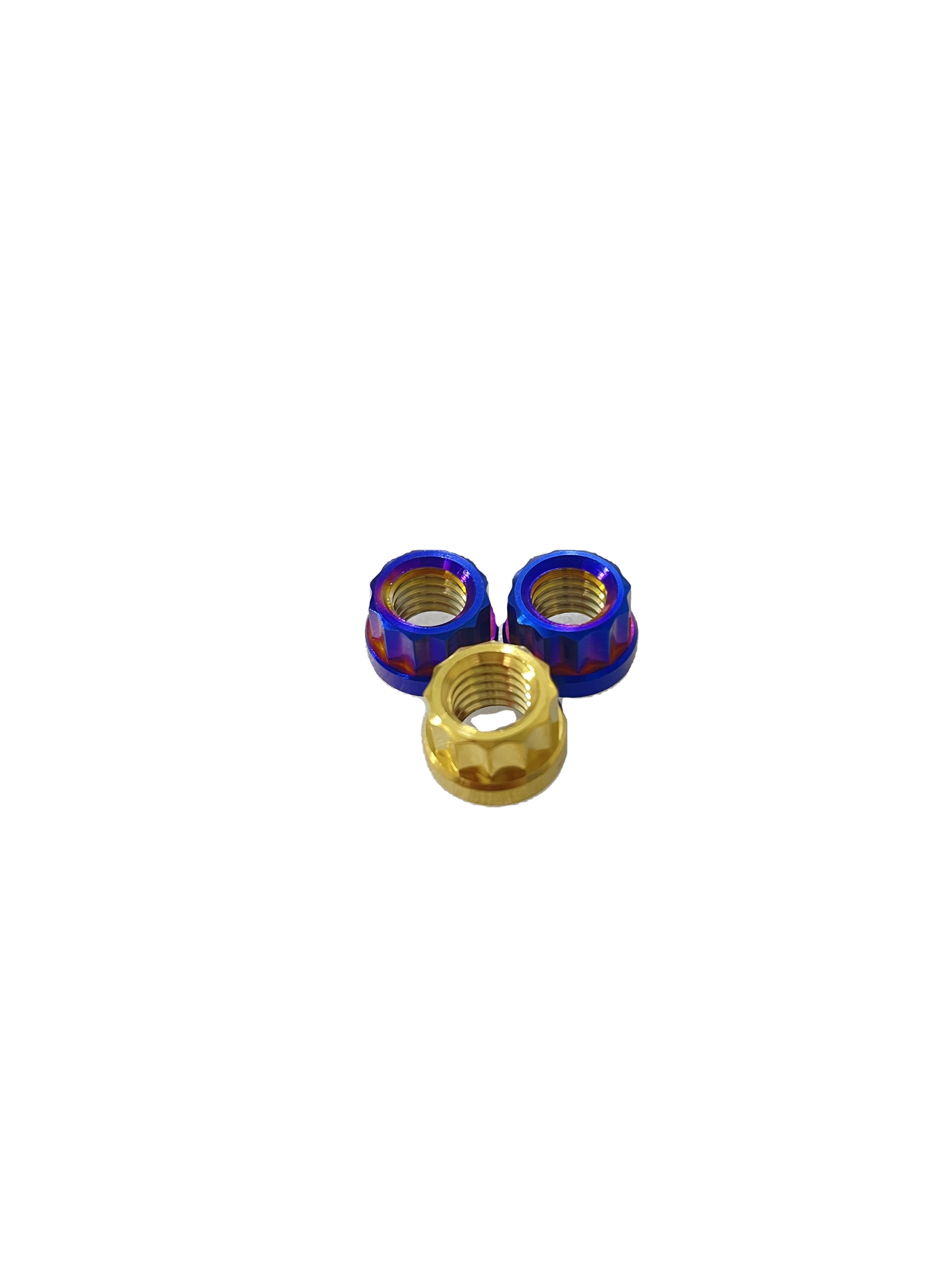
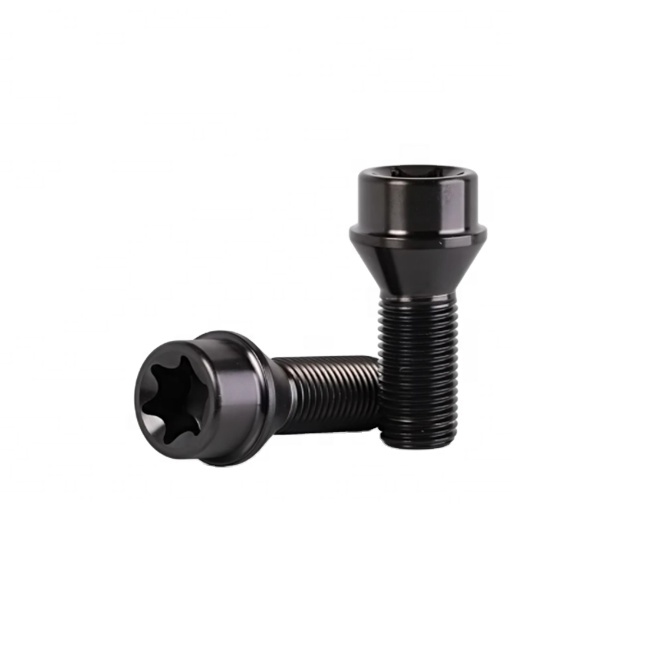
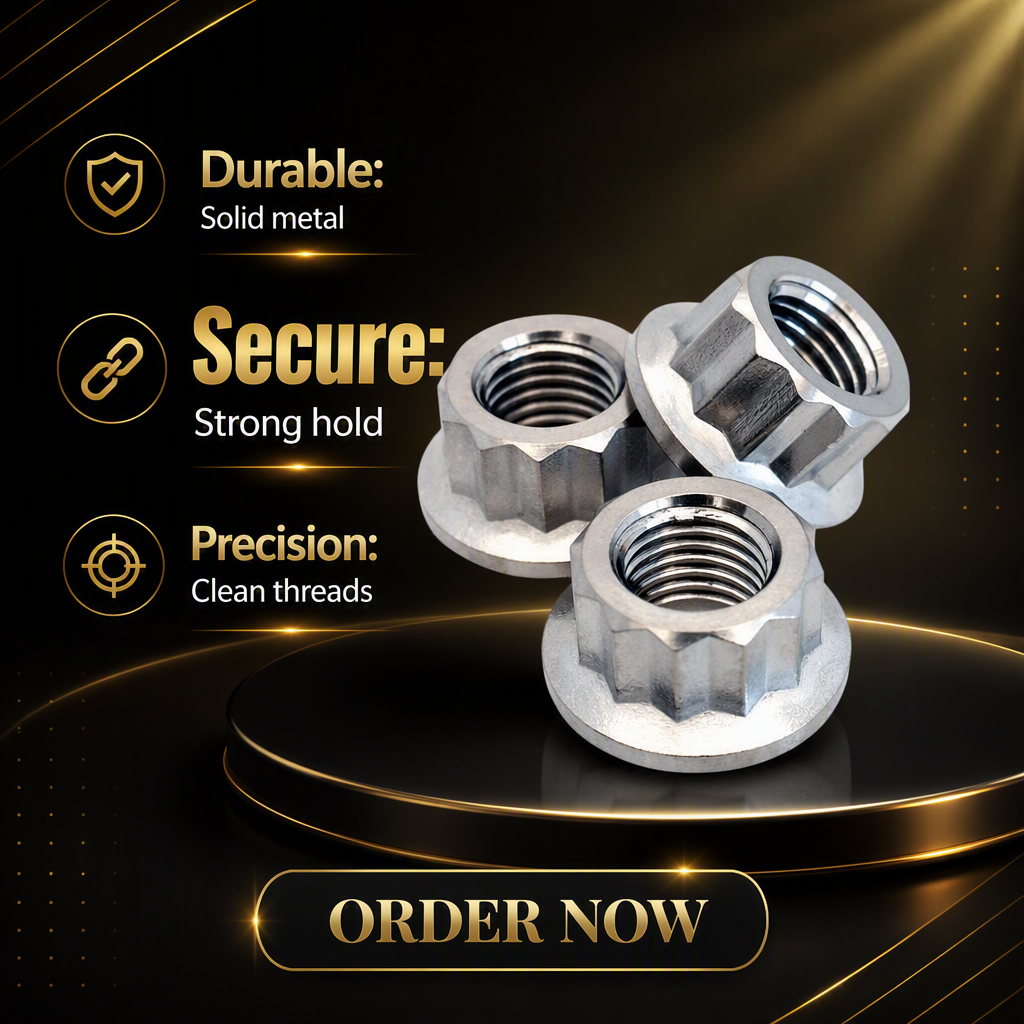
Supplying the automotive R&D ecosystems located in the Busan-Jinhae Free Economic Zone (BJFEZ), our titanium wheel bolts, 12-point flange nuts, and caliper bolts reduce unsprung rotating mass by up to 45% compared to Grade 10.9 steel fasteners, improving suspension reaction dynamics.
Metallurgical Comparison: Fastener Alloys Under Marine Industrial Exposure
The selection of industrial fasteners in Busan typically hinges on balance of proof load, weight-to-strength ratio, and immunity to chloride stress corrosion cracking (CSCC). The empirical data below outlines why design engineers at major Korean EPC contractors are migrating critical connections to Grade 5 Titanium:
| Fastener Material | Density (g/cm³) | Tensile Strength (MPa) | Yield Strength (MPa) | Corrosion Rate (Seawater, mm/yr) | Galvanic Vulnerability |
|---|---|---|---|---|---|
| Titanium Grade 5 (Ti-6Al-4V) | 4.43 | ≥ 895 - 1000 | ≥ 828 | < 0.0001 (Immune) | Extremely Low (Noble) |
| Titanium Grade 2 (Unalloyed) | 4.51 | ≥ 345 | ≥ 275 | < 0.0001 (Immune) | Extremely Low (Noble) |
| Stainless Steel 316L (A4-80) | 8.00 | 800 | 600 | 0.02 - 0.05 (Pitting prone) | Moderate (Subject to crevice attack) |
| Super Duplex Steel (2507) | 7.80 | 750 - 1000 | 550 | 0.001 - 0.005 | Low (High cost, heavy mass) |
| High-Tensile Alloy Steel (10.9) | 7.85 | 1040 | 940 | > 0.15 (Severe rusting) | High (Requires frequent recoating) |
Industrial Trends Reshaping Busan’s Sourcing Requirements (2025–2030)
Busan's industrial landscape is undergoing a structural transition driven by decarbonization mandates from the International Maritime Organization (IMO) and South Korea's national hydrogen economy roadmap. Industrial procurement departments in Sasang-gu, Gangseo-gu, and Gijang-gun are updating technical specifications to reflect:
1. The Shift to Lightweighting for Green Maritime Fleets
With eco-friendly ships (ammonia-fueled, methanol-ready, and electric hybrid vessels) gaining dominance across Korean maritime orders, top-side mass minimization is a critical engineering goal. By swapping steel engine hardware and topside platform fasteners for Ti6Al4V components, vessel designers lower the center of gravity and expand cargo-carrying margins without sacrificing structural integrity.
2. Hydrogen Embrittlement Resistance in Coastal Energy Terminals
As the Port of Busan expands its green hydrogen bunkering infrastructure, fastener hydrogen compatibility is under strict scrutiny. Unlike conventional high-strength quenched and tempered carbon steels, which suffer catastrophic brittle fracturing in pressurized hydrogen environments, alpha-beta titanium alloys offer superior resistance when machined with strict interstitial oxygen and hydrogen controls (per ASTM F136 / AMS 4928 standards).
3. Zero-Maintenance Infrastructure in Coastal Smart Cities
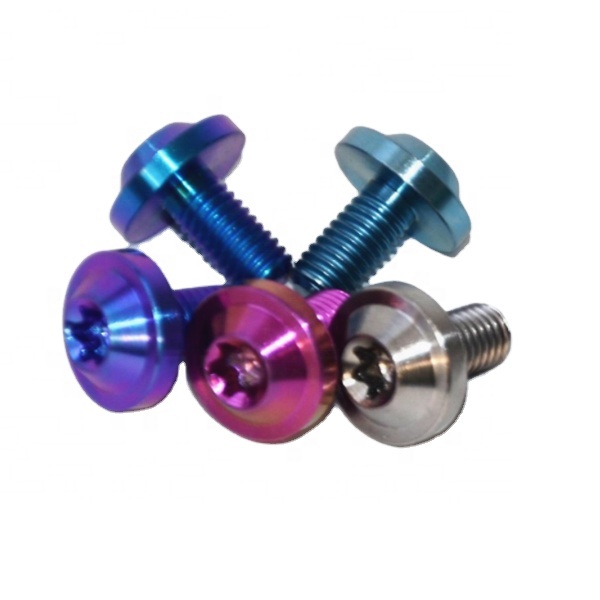
The construction of offshore solar arrays, tidal turbines, and smart port logistics facilities across the Busan coastal sector has created demand for fasteners offering lifecycle spans exceeding 30 years without cathodic protection. Our PVD-coated and nitride-hardened titanium bolts minimize field repainting, thread seizing, and unexpected shear downtime caused by marine salt spray.
Engineered in China’s Titanium Valley: Why Busan Sourcing Teams Partner With Vunza
Established in 2008 in the Gaoya Village Industrial Zone of Baoji, Shaanxi, China—adjacent to the landmark Baoti Group Industrial Park—Vunza Titanium Industry Co., Ltd. combines an end-to-end supply chain with multi-axis precision machining. For over 15 years, our technical specialists have partnered with international engineering entities, ensuring that every fastener matches exact CAD tolerances and international standards.
Complete Sponge-to-Part Traceability
Our quality system controls every metallurgical step from certified titanium sponge to melting, ingot forging, rod peeling, thread rolling, and CNC profiling. Complete EN 10204 3.1 Mill Test Certificates and spectral chemistry reports accompany every export shipment directly into Busan Port.
34 Multi-Axis CNC Machining Centers
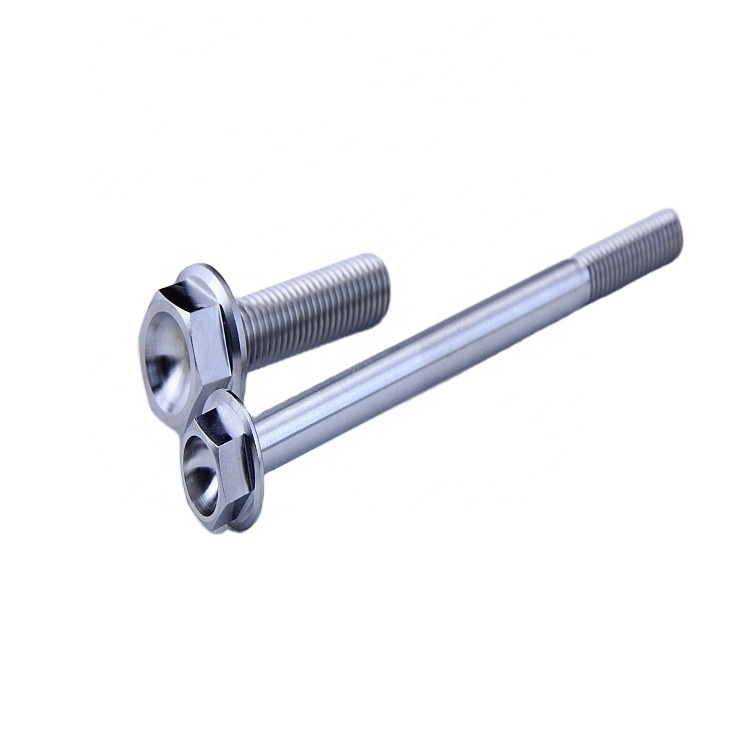
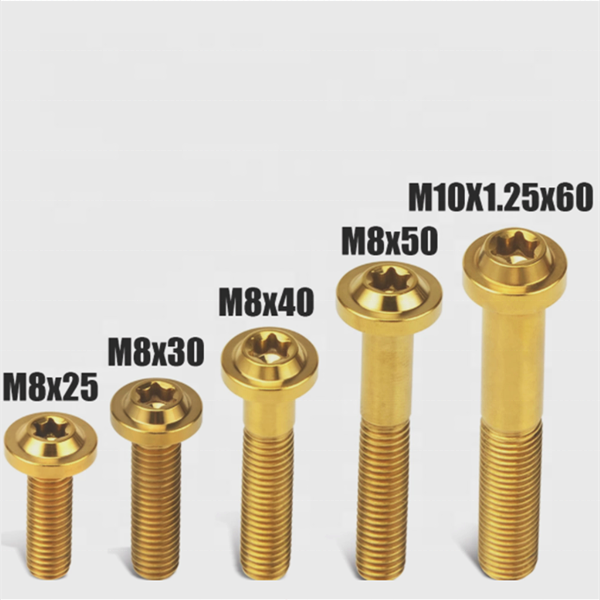
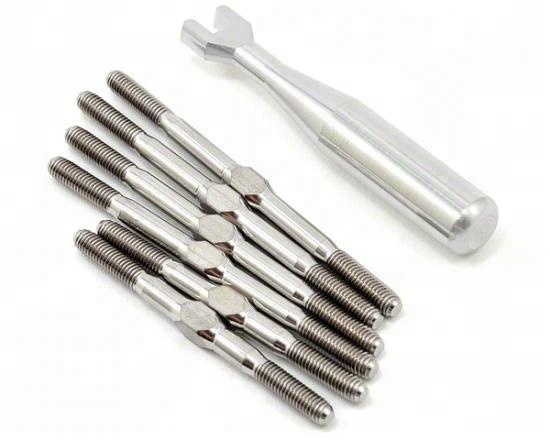
Our machine floor houses 34 sets of 3-axis, 4-axis, and 5-axis CNC machining centers capable of maintaining ultra-tight tolerances down to ±0.005 mm. We provide custom thread machining (metric coarse/fine, UNC, UNF, and custom lead-ins) and forged hex, torx, and 12-point heads.
Dedicated Export Agility & Rapid Response
With over 50% of our workforce possessing 13+ years of specialized titanium machining experience, technical inquiries and DFM evaluations are completed within 9 hours. Our proximity to the East Asia maritime routes guarantees efficient customs clearance and fast ocean freight transit directly to Busan.
Frequently Asked Questions: Sourcing Titanium Fasteners in Busan, South Korea
Addressing the technical, regulatory, and logistics questions most commonly raised by purchasing managers and quality assurance teams across South Korea.
How do you prevent galling (thread seizing) when pairing titanium bolts with titanium or stainless nuts?
Thread galling is a recognized physical risk for reactive metals like titanium under high pre-loads. We mitigate this through precision cold-rolled threads (which produce smooth, burnished surfaces without micro-tears), proprietary anti-friction coatings (including MoS2 dry lubricant films, physical vapor deposition (PVD) titanium nitride, or customized micro-arc oxidation), and by pairing dissimilar hardness grades (such as Grade 5 bolts paired with specialized Grade 2 or silver-plated nuts).
Are your titanium fasteners fully compliant with KS (Korean Standards) and DIN / ISO norms?
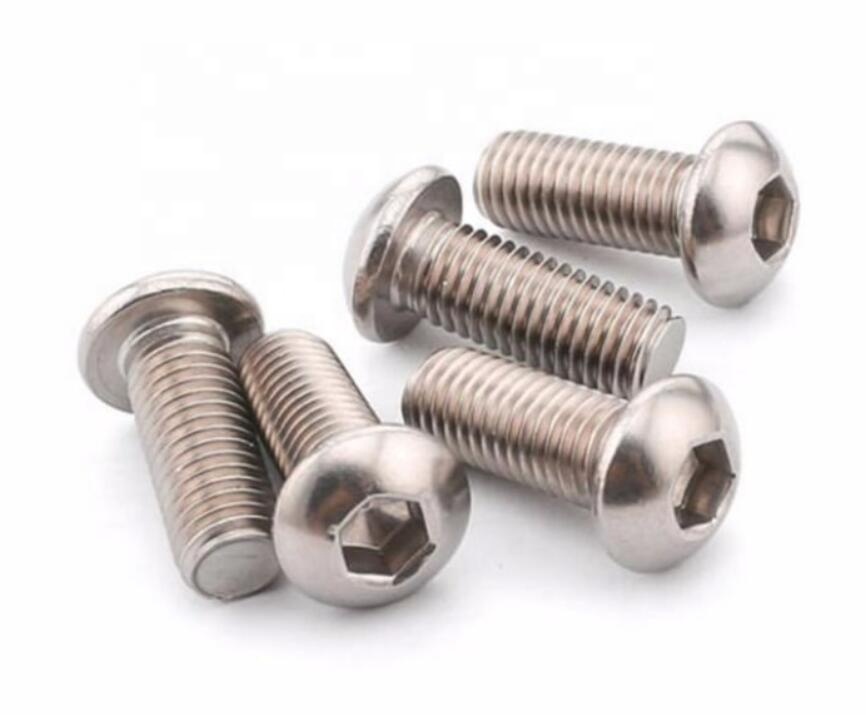
Yes. We regularly produce fasteners conforming directly to KS B 0201 (metric coarse threads), KS B 0205 (metric fine threads), ISO 4014 / 4017 (hex head bolts), DIN 912 (socket head cap screws), and DIN 6921 / ISO 14583 (flange fasteners). For defense and aerospace contractors in the Gyeongnam sector, we also manufacture directly from customer-supplied CAD models, STEP files, or MIL-DTL/NAS/AMS specifications.
What is the standard shipping lead time and customs documentation for freight bound for Busan Port?
For standard catalogue items and stocked raw materials, orders ship within 5 to 7 business days. Custom CNC machining runs typically require 15 to 25 business days depending on part complexity and PVD surface finishes. Sea freight from Qingdao/Shanghai to Busan Port takes approximately 2 to 3 days. We provide comprehensive export documentation, including Certificate of Origin (under RCEP/China-Korea FTA for preferential tariffs), EN 10204 3.1 MTC, CMM dimensional reports, and commercial customs invoices.
Can Vunza provide low-volume prototyping before confirming full production runs for Busan projects?
Yes. We support engineering development through prototype verification runs. Our MOQ is calibrated around project scale: from 10 to 50 pieces for specialized CNC parts (such as custom race rotors or offshore sensor mounts) and 100 to 500 pieces for standard metric/imperial fasteners. First-article samples are delivered complete with full dimensional inspection reports for CMM and hardness validation.
How does Grade 5 Titanium react when exposed to galvanic couples with carbon fiber or aluminum in Busan's marine air?
Titanium possesses an electrochemical potential very close to carbon fiber composites, entirely eliminating the galvanic corrosion issues that plague aluminum and zinc-plated steels when fastened to CFRP. When fastening to aluminum structures in coastal Busan environments, an insulating non-conductive barrier or specialized anodized seal is recommended to protect the amphoteric aluminum, while the titanium fastener itself remains completely unaffected by salt exposure.
Request an Engineering Review & Quotation for Busan Projects
Submit your 2D/3D technical drawings (STEP, DWG, PDF) and material specifications. Our senior engineering team will provide Design for Manufacturability (DFM) feedback and competitive pricing within 9 hours.