Precision Titanium Fasteners & CNC Hardware Catalog
Direct factory production with batch traceability, high-accuracy multi-axis CNC machining, and cold-forged thread profiles for mission-critical mechanical assemblies in Estonia.
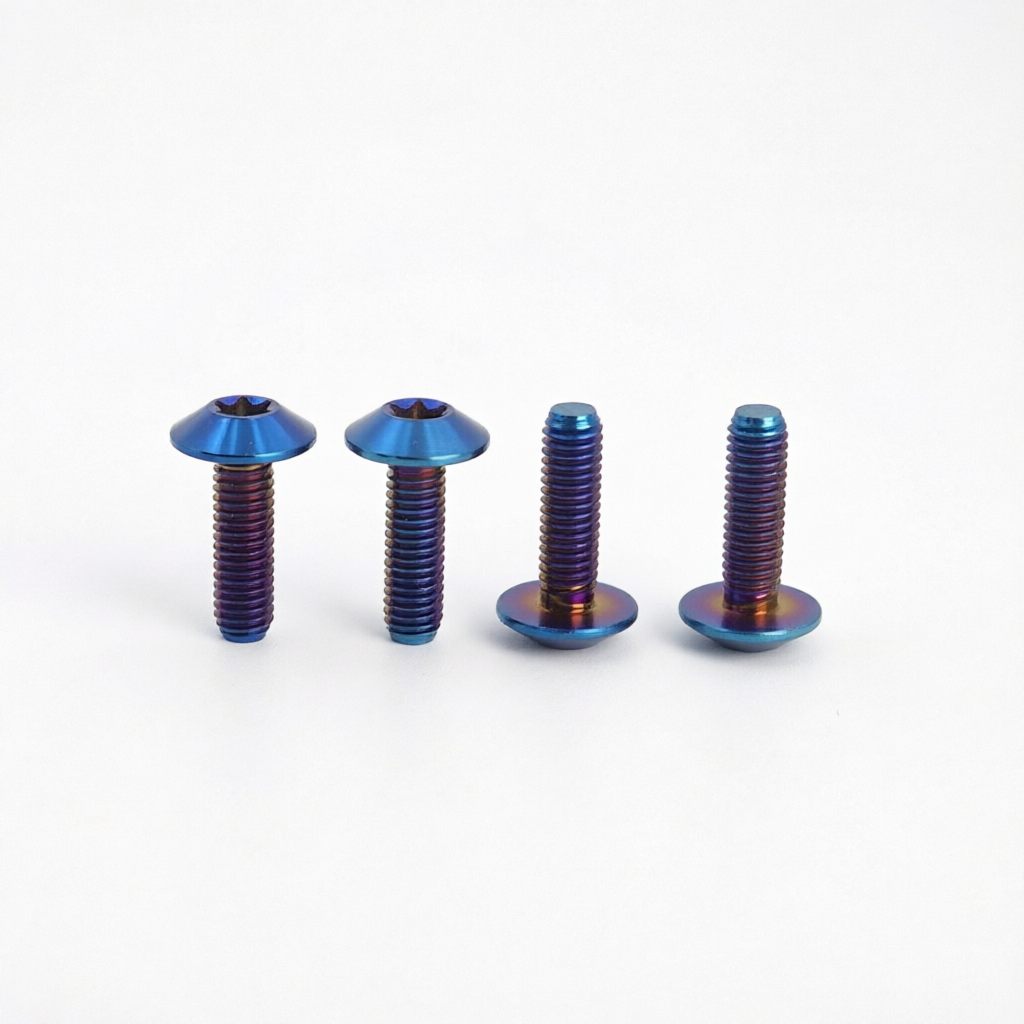
M6x16mm GR5 Titanium Alloy Disc Head Bolts PVD Finish Torx Socket Screws Custom Color for Motorcycle Chain Guard
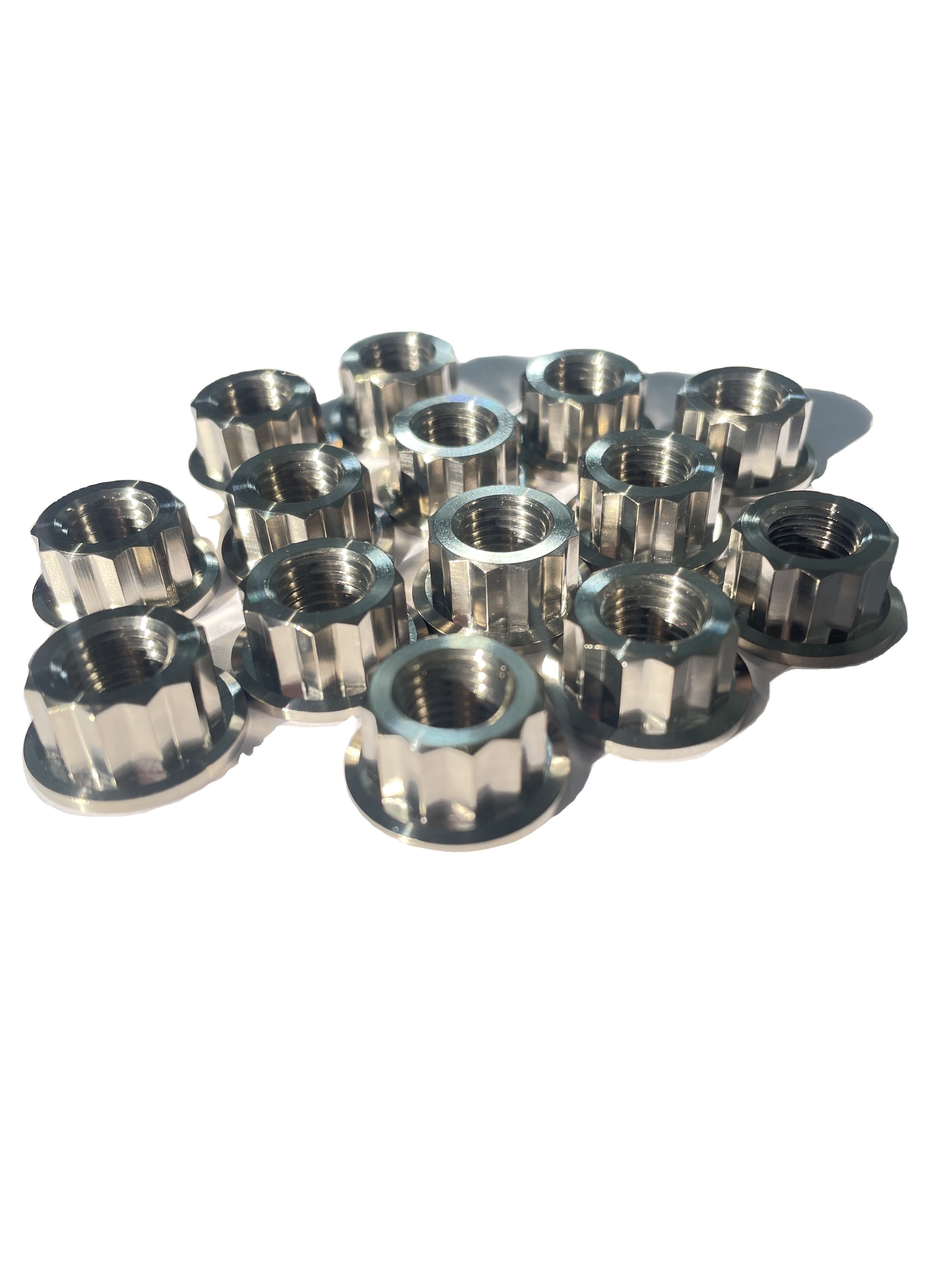
Factory Wholesale Polished CNC Machined Gr5 Titanium Alloy Bolts 12 Points Hex Flange Nuts for Motorcycle Racing DIN GB Standard
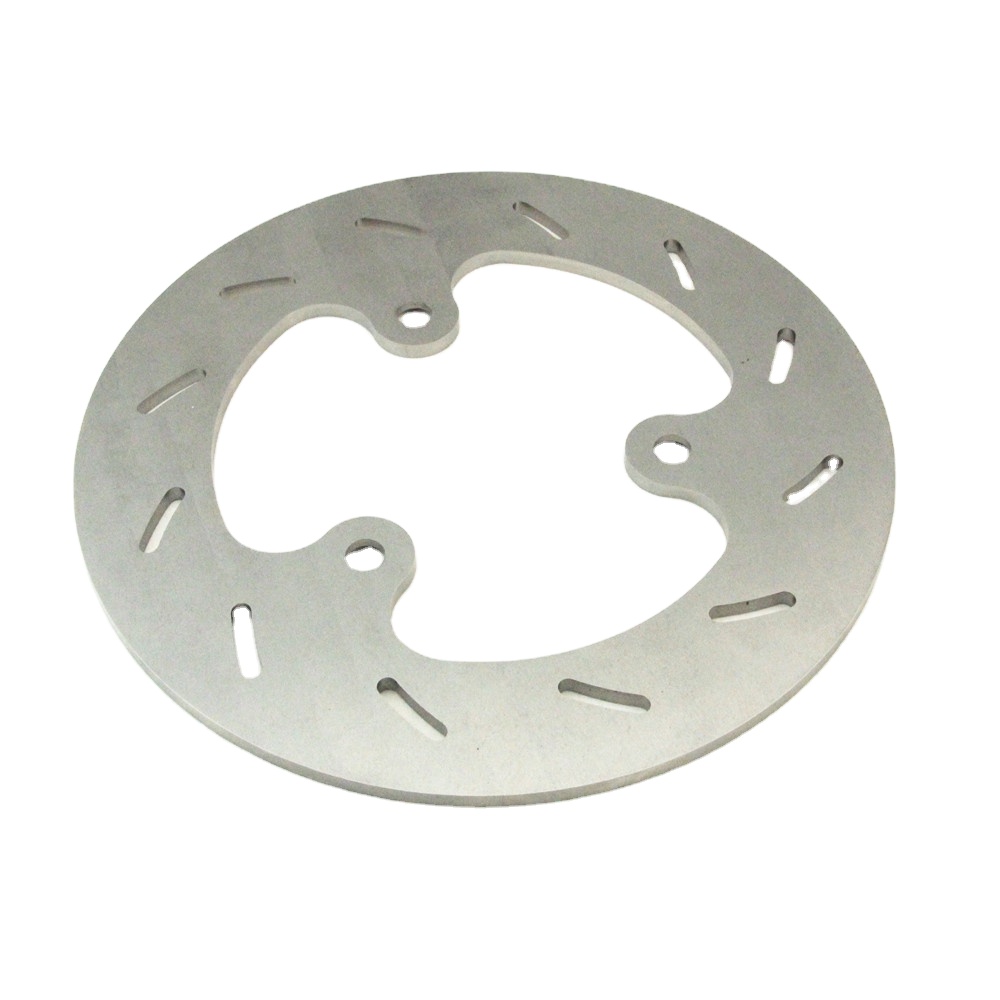
Titanium CNC Machined Rotor Fine Polished 3 4 5 Axis Milling Component for Sprint Cars Industrial Equipment
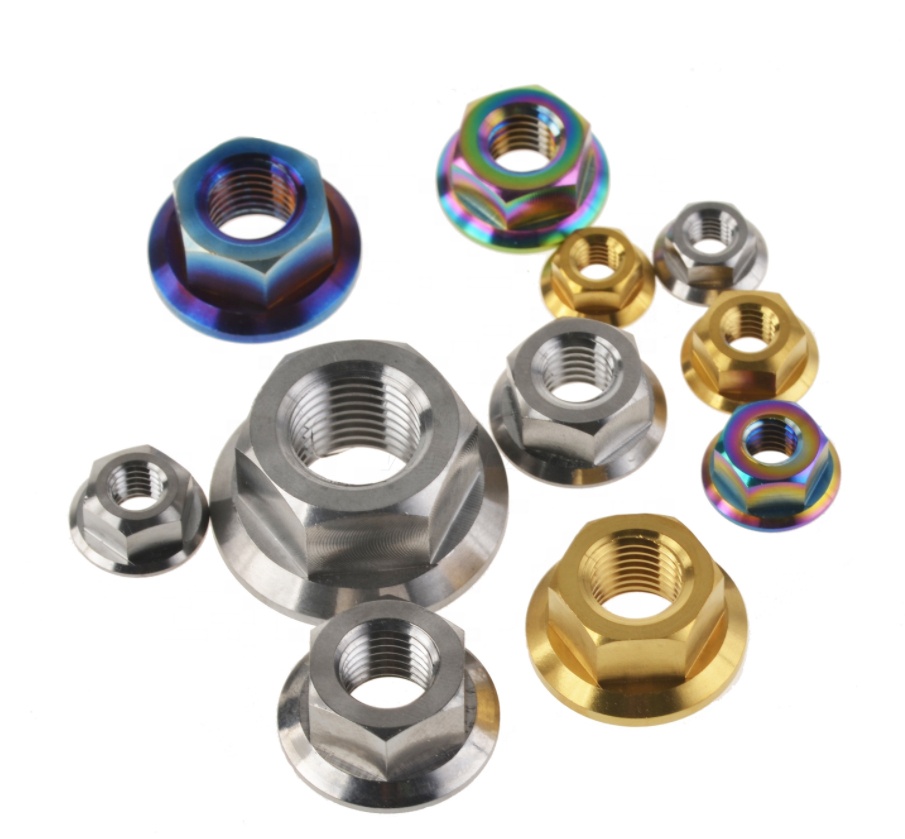
M6 M8 M10 M12 GR5 CNC Machined Polished PVD Nitride Anodized Serrated Hexagonal Flange Nut DIN6923 Automotive Minghai Brand
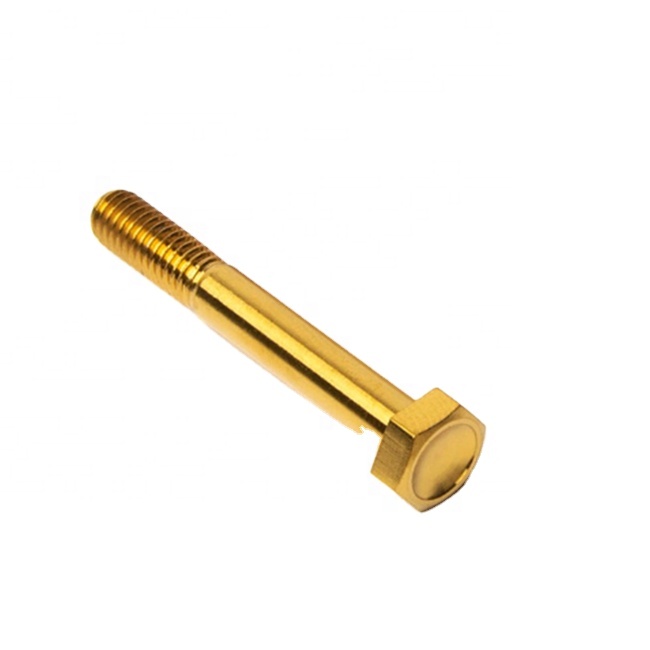
Customized Forged 10-32 X1 1/2" Inch UNF HEX Titanium BAR Bumper Bolt Sprint Car Midget Micro Race Car DIN 7991 Grade5
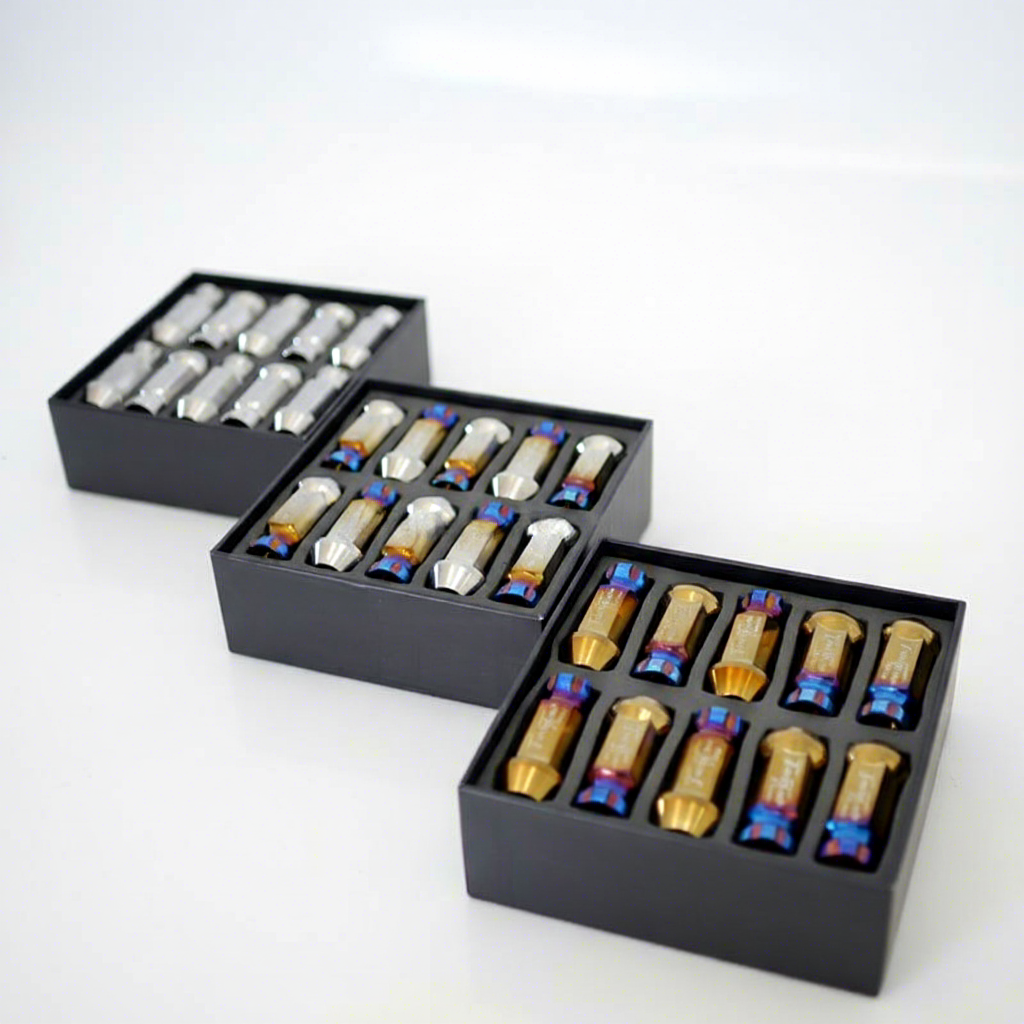
Factory Supply Gr5 Ti6AI4V M14 X 1.5 8mm Hole Right Hand Thread Titanium Hex Anodized Wheel Nuts for Racing Car Modification
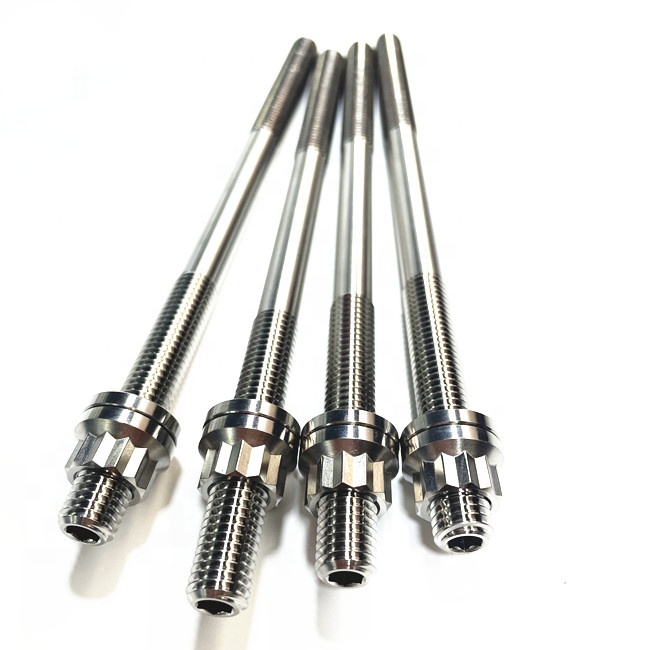
TI Cylinder Head Studs Titanium Head Bolt 12 PT Nut Kit Set DIN Standard Polished Finish M12/M14
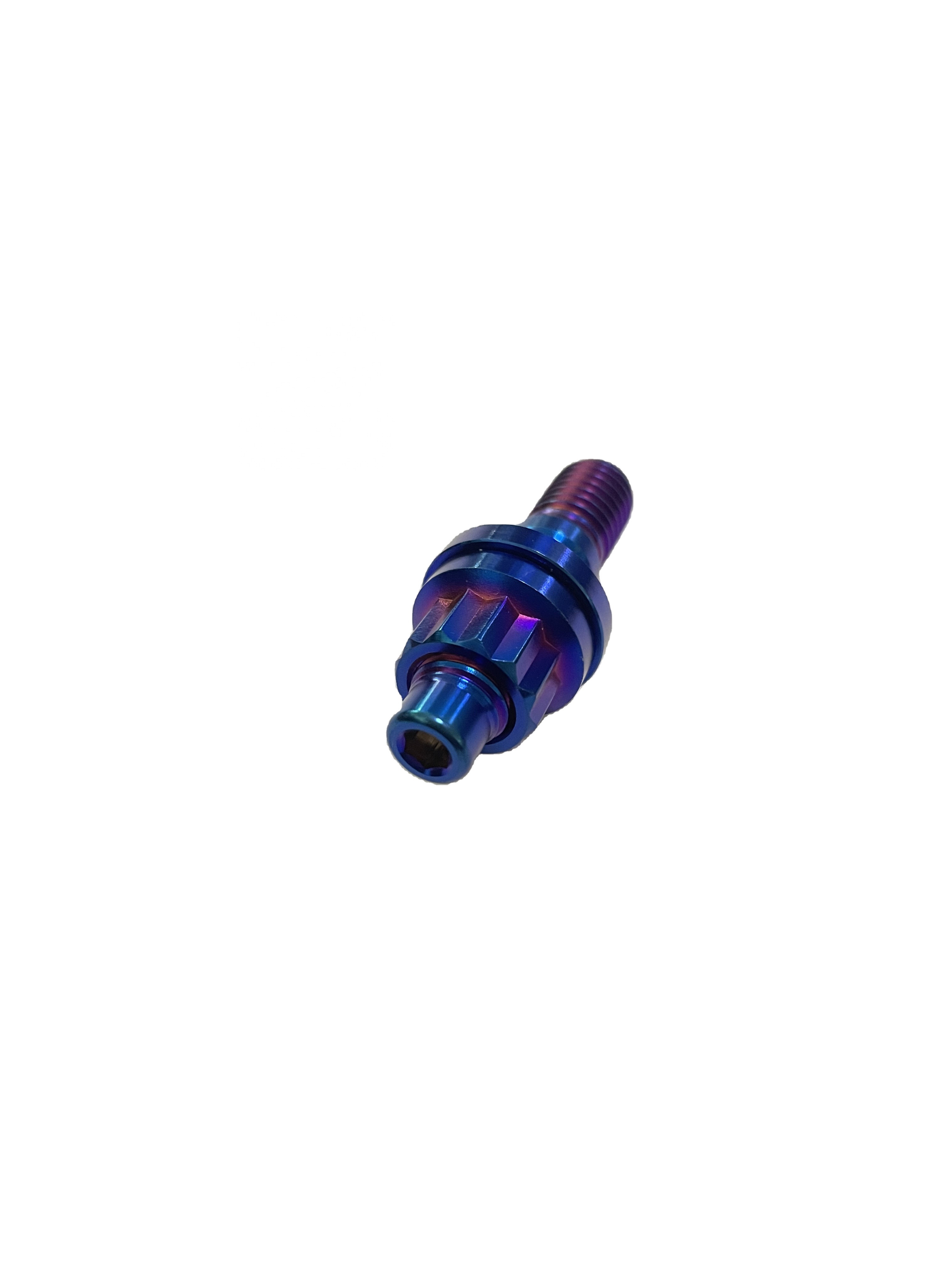
Titanium M8x1.25x55mm Exhaust Manifold Stud Kit GR5 Grade Racing Application Polished/Anodized/PVD Finish ISO9001 Certified
Technical Architecture: Titanium Countersunk (Flat Head) Fasteners
Understanding DIN 7991, ISO 10642, and ASME B18.3 geometry, stress dispersion, shear limitations, and metallurgy for high-performance installations in Estonia.
In mechanical design, countersunk (flat head) bolts are engineered specifically for applications where a flush mating surface is required to eliminate aerodynamic turbulence, prevent mechanical snagging, or clear secondary moving subassemblies. When fabricated from high-grade titanium alloys like Ti-6Al-4V (Grade 5, TC4), countersunk bolts achieve an exceptional strength-to-density ratio (density ~4.43 g/cm³ versus 7.9 g/cm³ for stainless steel), allowing Estonian equipment builders to eliminate up to 44% of joint fastener mass while maintaining tensile yields comparable to Class 10.9 structural alloy steels.
Unlike standard external hex or socket cap bolts where tensile loading translates directly into the shank along a perpendicular shoulder, countersunk fasteners distribute axial preload along a conical contact angle (typically 90° for European DIN 7991 / ISO 10642 and 82° for American ASME/ANSI standard). Because the socket broaching or Torx recess intrudes into the head volume down toward the junction of the head and the shank, head-over-shank stress concentration is inherently higher. Our manufacturing protocol addresses this through hot forge grain realignment followed by precision CNC turning and thread rolling, preventing micro-fissuring and catastrophic shear failures under dynamic Nordic service conditions.
Mechanical & Physical Comparison: Titanium Grades vs. Baltic Marine Steels
| Material Specification | Composition Profile | Density (g/cm³) | Yield Strength Rp0.2 (MPa) | Tensile Strength Rm (MPa) | Shear Resistance (MPa) | Corrosion Resistance (Baltic Brackish) |
|---|---|---|---|---|---|---|
| Ti-6Al-4V (Grade 5 / TC4) | Ti-6Al-4V (Annealed) | 4.43 | ≥ 828 | ≥ 895 - 1000 | ~550 | Immune (TiO2 passive layer) |
| Ti-6Al-4V ELI (Grade 23) | Extra Low Interstitial Ti | 4.43 | ≥ 795 | ≥ 860 | ~520 | Superior Bio/Cryogenic stability |
| CP Grade 2 Titanium | Unalloyed Commercially Pure | 4.51 | ≥ 275 | ≥ 345 - 450 | ~260 | Exceptional Chemical/Chloride resistance |
| A4-80 Stainless Steel (AISI 316) | 18Cr-12Ni-2.5Mo Austenitic | 8.00 | ≥ 600 | ≥ 800 | ~480 | Pitting prone in stagnant saline pockets |
| Grade 10.9 Alloy Steel | Medium carbon quench/temper | 7.85 | ≥ 940 | ≥ 1040 | ~620 | High rust risk; requires zinc plating |
Hexalobular (Torx) Recess Optimization
Traditional hexagon socket recesses are vulnerable to internal stripping (cam-out) due to reduced key engagement depth in countersunk geometries. We engineer Torx (T10 through T50) drive recesses to DIN EN ISO 10664, drastically reducing radial cam-out forces and allowing calibrated pneumatic torque drivers on Estonian assembly lines to operate without head distortion.
Rolled Threads vs. Cut Threads
All Vunza titanium threads are rolled after hot heading rather than single-point cut. Thread rolling burnishes the root radius (yielding unbroken material grain lines along the 60° thread flank). This manufacturing step enhances thread shear strength by up to 25% and dramatically increases cyclic fatigue life under alternating vibrations experienced in high-speed chassis and marine equipment.
Anti-Galling & PVD Surface Treatments
Titanium-to-titanium and titanium-to-stainless interfaces can exhibit galling (cold-welding) during fast run-down. We provide state-of-the-art PVD (Physical Vapor Deposition) Titanium Nitride (TiN, Gold), Diamond-Like Carbon (DLC, Deep Black), and micro-arc thermal oxidation coatings. These thin layers (<3 μm) ensure low friction coefficients (μ < 0.15) while maintaining strict tolerance envelopes.
Titanium Countersunk Fastening Applications Across Estonia
From Tallinn's autonomous tech corridors to Saaremaa's advanced composite shipyards, our OEM/ODM titanium fasteners serve high-specification Estonian engineering demands.
Autonomous Delivery Robots & AGVs
Estonia is globally renowned as the cradle of automated parcel robots and autonomous electric utility fleets. In micro-mobility hardware, every gram subtracted directly translates into extended lithium battery range and reduced drivetrain inertia. Our DIN 7991 Grade 5 M4, M5, and M6 Torx countersunk bolts secure carbon-fiber floorpans, sensor housings, LiDAR dome rings, and unibody structural brackets with absolute flush profiles, eliminating pedestrian trip points and aerodynamic turbulence.
High-Speed Marine & Maritime Tech
Estonia's maritime industry—centered in Kuressaare, Tallinn, and Pärnu—produces high-performance composite patrol crafts, robotic survey vessels (USVs), and hydrofoil passenger ferries. The Baltic Sea presents a harsh brackish environment where traditional marine-grade stainless fasteners undergo crevice corrosion beneath bolt heads. Grade 5 and Grade 2 titanium countersunk bolts provide lifetime immunity against chloride pitting, making them the premier choice for underwater foil foils, deck hatches, and composite superstructure joints.
Unmanned Aerial Systems (UAS) & Optical Rigs
The southern Estonian technology ecosystem around Tartu focuses heavily on aerospace engineering, satellite subsystems (ESTCube lineage), and tactical reconnaissance UAVs. Vunza produces custom miniaturized titanium countersunk screws (down to M2 and M2.5) with shallow head profiles to fasten optical sensor arrays, gimbal assemblies, and avionics enclosures without introducing magnetic interference or vibrational drift during sub-zero Baltic winter sorties (-30°C).
WRC Rally Chassis & Underbody Armor
Rallying is woven into Estonia's engineering fabric. Underbody protection panels, composite kevlar gravel shields, and suspension mounting plates encounter continuous high-velocity gravel impacts at WRC-level speeds. Protruding bolt heads can shear off on jagged granite boulders. Our DIN 7991 Grade 5 titanium countersunk bolts sit perfectly flat within CNC-countersunk skid plates, absorbing intense dynamic impact energies without thread stripping or stress-cracking.
Strategic Sourcing Trends for the Estonian Engineering Sector
Why forward-thinking Estonian procurement managers are shifting from local intermediate distributors to direct Baoji factory OEM/ODM channels.
Estonia’s manufacturing sector is transitioning through rapid industrial modernization. Known across Europe for its digitized administration, the Estonian machinery and equipment engineering sector demands heightened transparency, agile prototyping, and stringent environmental and material documentation. Three key supply chain shifts define current titanium fastener procurement across the Baltic basin:
1. Elimination of European Middleman Margins
Historically, Estonian manufacturers procured small lots of titanium bolts from specialized stockists in Germany, Sweden, or Finland. These regional distributors add markups ranging between 120% and 300% to offset their regional warehousing overheads. By entering direct OEM/ODM supply agreements with Vunza Titanium Industry in Baoji, Estonian engineering OEMs secure factory-level tier-1 pricing, free custom head laser marking, and dedicated batch reservations with minimal lead times via express air freight (DDP Tallinn within 5-7 business days).
2. Compatibility with Carbon Fiber & Modern Composite Assemblies
As Estonian boatbuilders and autonomous vehicle makers aggressively deploy carbon fiber reinforced polymers (CFRP), galvanic corrosion has become a primary failure mode. When standard aluminum or carbon steel fasteners touch carbon fibers in damp, salty air, severe galvanic couples form, quickly destroying the metallic hardware. Titanium shares an almost identical electrochemical potential with graphite fibers (galvanic voltage differential <0.1V), preventing galvanic degradation entirely without requiring thick isolative nylon washers.
3. Full Material Traceability: EN 10204 3.1 Standards
In adherence to EU machinery directives and strict quality audits, Estonian defense contractors and aerospace sub-assemblers cannot accept generic fasteners without verifiable chemical assays. Vunza guarantees complete lot-level traceability from vacuum arc remelted (VAR) titanium ingot to finished countersunk screws. Every batch shipped to Estonia is accompanied by a certified EN 10204 Type 3.1 Inspection Certificate containing exact spectral chemical analysis (Fe, O, C, N, H content) and tensile testing data.
Why Choose Vunza Titanium for Estonian Supply Chains?
Direct from China's Titanium Valley (Baoji), combining massive metallurgical supply chain power with precision German-standard CNC machining.
China Titanium Valley Epicenter
Headquartered in Baoji, Shaanxi, next to the Baoti Group industrial park, we operate at the epicenter of 80% of China's titanium sponge and bar supply. This geographic advantage affords us uninterrupted access to prime military and aerospace grade raw titanium at stable, factory-direct material costs.
Rapid Technical Response (≤ 9 Hours)
We bridge time zone differences between Tallinn (EET) and Baoji seamlessly. Our multilingual engineering desk conducts Design for Manufacturability (DFM) reviews, tool clearance checks, and quotation turnarounds within 9 hours, ensuring fast design iteration cycles for Estonian R&D teams.
34 Advanced Multi-Axis CNC Workstations
Our machine park houses 34 precision turning-milling centers, automatic Swiss-type lathes, and 5-axis simultaneous machining centers capable of maintaining microscopic tolerances down to ±0.005 mm. Every countersunk head angle is optically verified using multi-angle shadowgraph projectors.
Frequently Asked Questions by Estonian Engineers & Buyers
Clear, technically sound answers addressing customs, European standards, installation torque, and Baltic freight logistics.