Featured Titanium Hardware & Components
Standard and customized Ti6Al4V Grade 5 & Grade 2 fasteners engineered to withstand Baltic marine salinization, vibrational shear, and extreme thermal cycling.
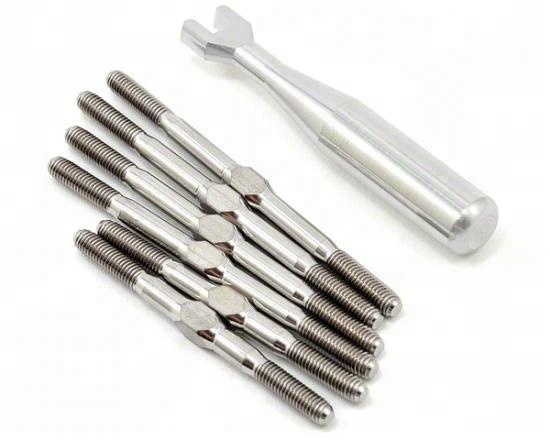
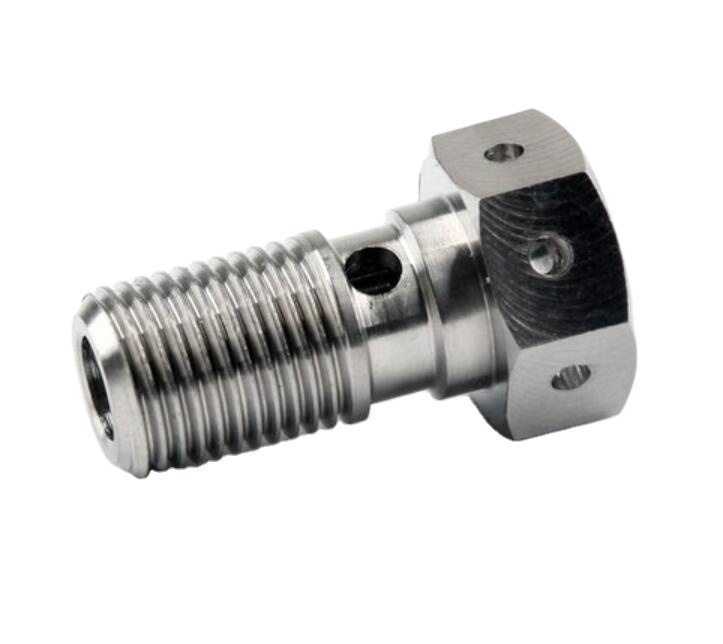
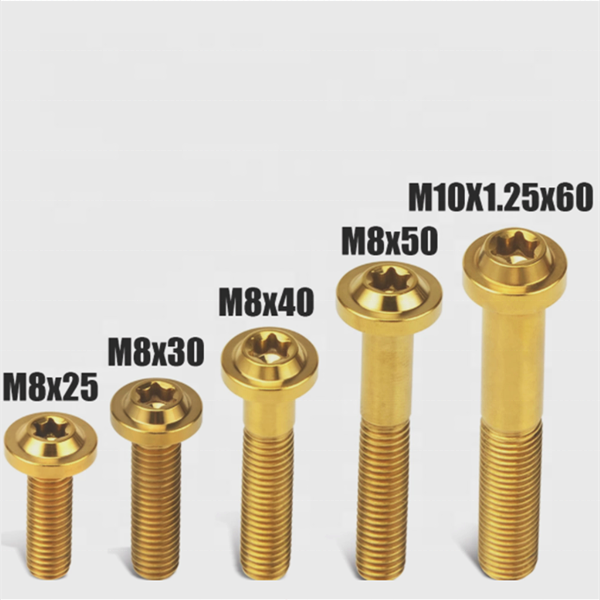
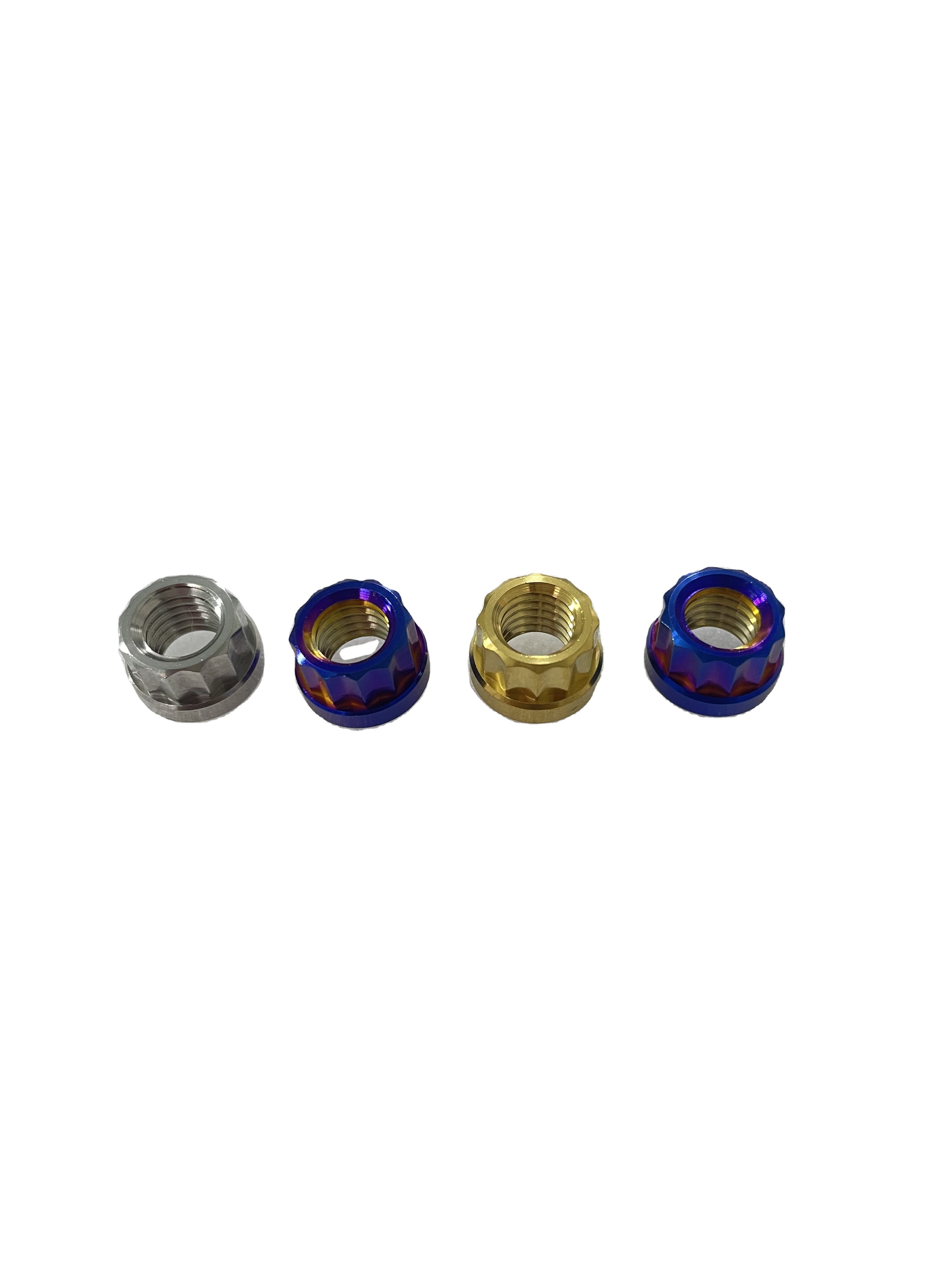
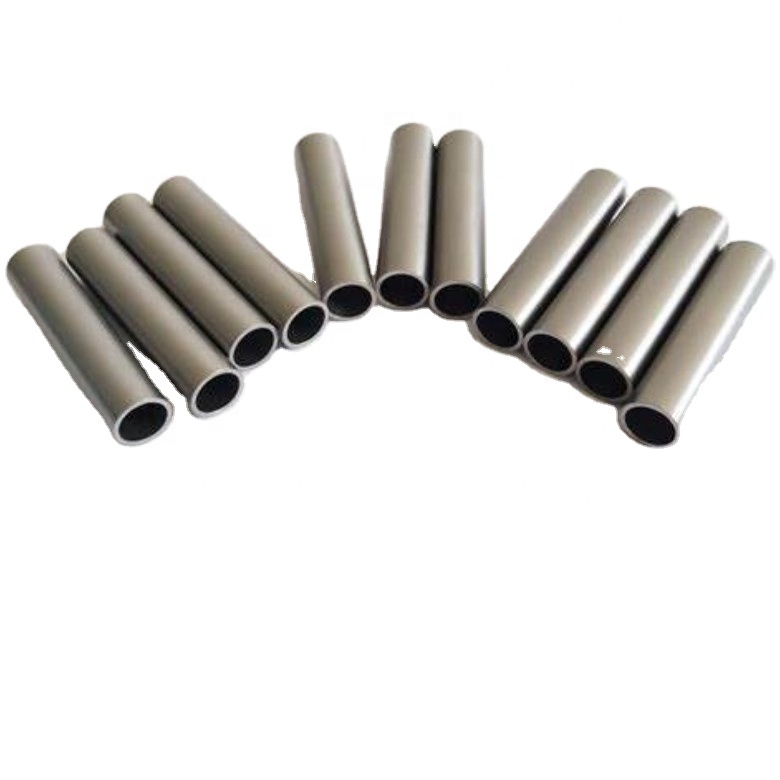
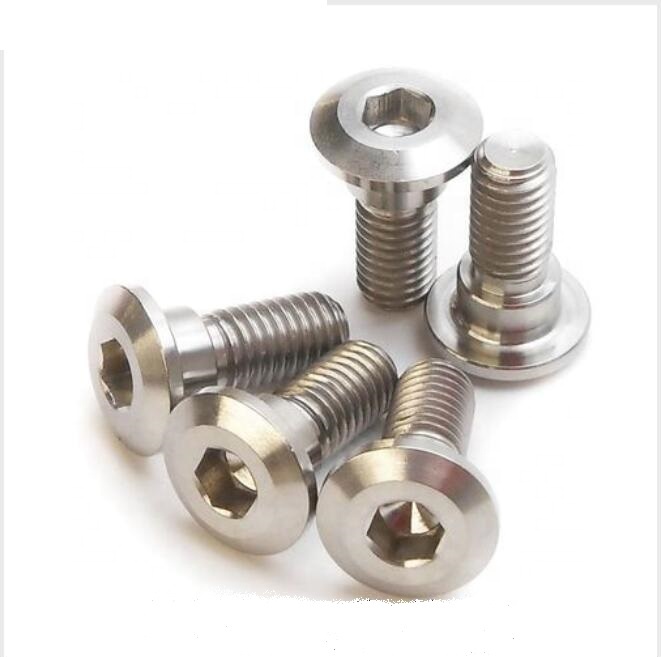
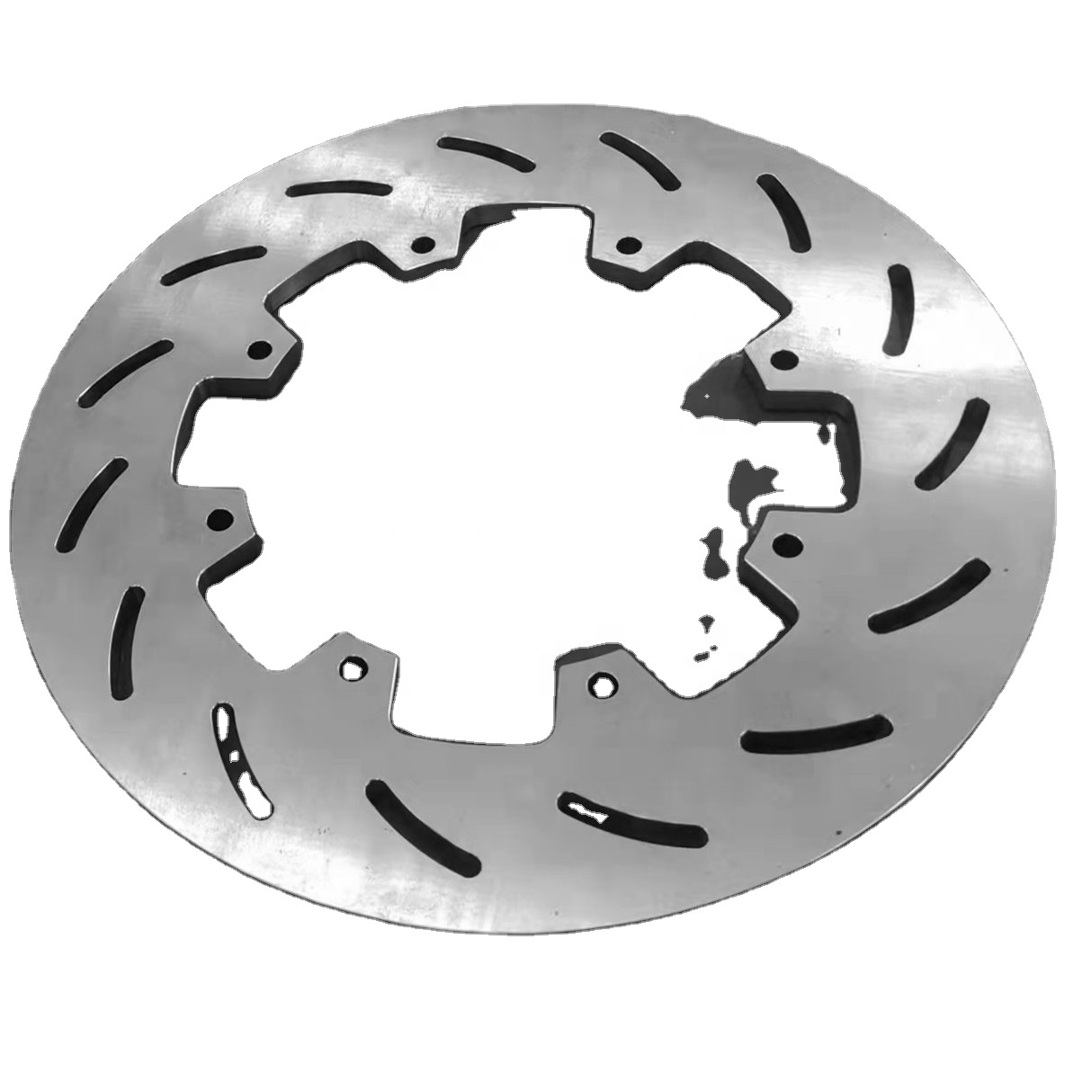
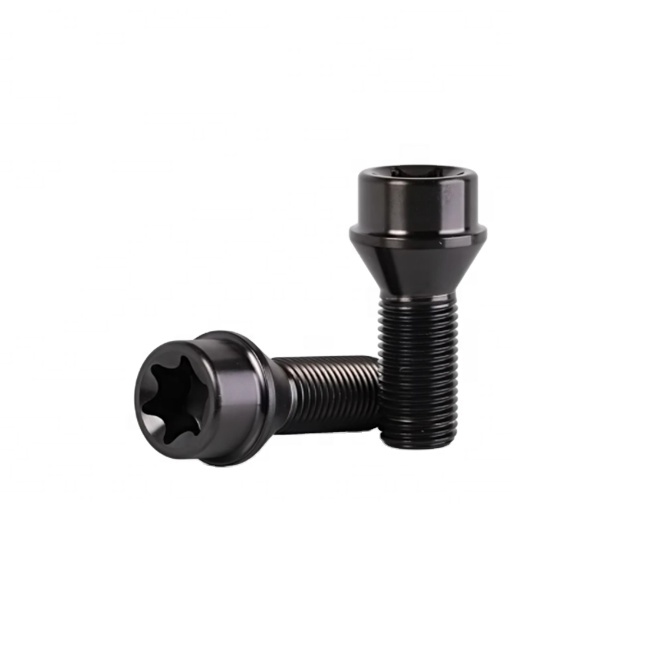
Engineering Transition: Why Klaipėda's Maritime & Heavy Industries Are Replacing Superalloys & Stainless with Titanium Studs
The Port of Klaipėda stands as the premier ice-free maritime corridor on the eastern coast of the Baltic Sea, handling tens of millions of tons of multimodal freight, liquefied natural gas (LNG), containerized cargo, and high-specification ship conversions annually. Operating in the Curonian Lagoon and Baltic open waters poses profound mechanical and electrochemical challenges for mechanical fasteners, deck structural fixings, engine manifolds, and subsea pipelines.
Historically, coastal engineers and naval architects in Western Lithuania relied predominantly on Austenitic stainless steels (AISI 316L, 1.4404) or costly nickel-chromium superalloys (such as Inconel 718 and Monel K-500) for structural bolting, double-ended engine studs, and flange linkages. However, operational field data across Baltic offshore platforms, port cargo gantry cranes, and marine auxiliary power systems demonstrate that 316L stainless steel fasteners inevitably succumb to localized crevice corrosion and stress corrosion cracking (SCC) under the combined influence of saline atmospheric mist, road de-icing salt runoff, and fluctuating brackish water chlorination.
"In critical Baltic maritime and coastal infrastructure, fastener failure is almost never caused by simple tensile overload; it is catalyzed by micro-crevice oxidation, galvanic differentials, and low-cycle vibrational fatigue under Baltic sub-zero freeze-thaw cycles. Grade 5 Ti6Al4V (UNS R56400) studs provide absolute immunity to marine atmospheric pitting, delivering a structural strength-to-weight ratio over 1.7 times superior to Class 10.9 alloy steel while slashing unladen weight by 44%."
As a vertically integrated manufacturer rooted directly in Baoji—known internationally as China’s Titanium Valley—Vunza Titanium Industry Co., Ltd. (operating advanced production facilities alongside Minghai brand engineering) supplies customized OEM and ODM titanium double-ended studs, wheel studs, metric exhaust studs, and flange studs directly to industrial purchasers, shipbuilders, repair yards, and precision engineering contractors throughout Klaipėda, Šilutė, Gargždai, and the broader Baltic trade sphere.
By controlling the entire metallurgical chain from premium 0-grade sponge titanium vacuum consumable arc melting (VAR) through multi-axis CNC turn-milling and cold thread rolling, our titanium fasteners eliminate micro-voids, thread root stress notches, and interstitial grain boundary embrittlement. For Lithuanian purchasing directors, our factory-direct export protocols eliminate intermediary European distributor markups while ensuring EN 10204 3.1 chemical and mechanical inspection traceability for every production batch.
Titanium Studs vs. Conventional Fastener Alloys
Empirical mechanical and corrosion comparison under high-stress Baltic marine and industrial environments.
| Material Specification | Yield Strength (MPa) | Tensile Strength (MPa) | Density (g/cm³) | Pitting Resistance (PREN) | Baltic Seawater Behavior | Cryogenic (-163°C) Resilience |
|---|---|---|---|---|---|---|
| Gr5 Ti6Al4V (Annealed Bar) | ≥ 828 | ≥ 895 | 4.43 | Immune (TiO₂ Film) | Zero pitting / Infinite lifespan | Excellent (Retains Ductility) |
| Gr5 Ti6Al4V ELI (Grade 23) | ≥ 795 | ≥ 860 | 4.43 | Immune (TiO₂ Film) | Zero crevice corrosion | Superior (LNG Certified) |
| Marine Grade 316L (1.4404) | ≥ 220 | ≥ 520 | 8.00 | 23 - 25 | Prone to crevice corrosion under gaskets | Acceptable (Heavy Mass) |
| Alloy Steel Class 10.9 (Zinc Flake) | ≥ 900 | ≥ 1040 | 7.85 | 0 (Not Passivated) | Rapid red rust; galvanic degradation | Brittle failure hazard |
| Inconel 718 (Nickel Superalloy) | ≥ 1030 | ≥ 1240 | 8.19 | > 45 | Outstanding; prohibitively expensive | High strength, high density penalty |
Localized Applications in Western Lithuania
From ship repair docks on the Danė River to offshore wind terminals and cryogenic natural gas distribution, titanium studs resolve critical engineering vulnerabilities.
1. Naval Retrofit & Shipyard Engineering
Klaipėda’s major repair yards (e.g., Western Shipyard / Vakarų Laivų Gamykla) operate continuous drydock maintenance on Baltic fishing vessels, cargo carriers, and roll-on/roll-off ferries. Fasteners holding sea-chest valves, bilge pumps, propeller nozzle rings, and rudder post flanges suffer extreme galvanic attack. Replacing steel fasteners with Grade 5 titanium studs and M14 nylon-locking hex nuts stops saltwater corrosion permanently, saving thousands of labor hours in torch-cutting seized bolts during scheduled maintenance.
2. Baltic Offshore Wind Farms
Lithuania's rapid expansion of offshore wind concessions 30–35 km off the coast of Palanga and Klaipėda introduces relentless saline atmospheric spray, dynamic wave fatigue, and high shear forces. Vunza’s high-strength titanium studs (M12 to M24) provide crucial weight reduction for nacelle-mounted monitoring housings, anemometer masts, and subsea cable j-tube clamps, guaranteeing multi-decade survival without cathodic sacrificial protection.
3. Klaipėda LNG Terminal (Cryogenics)
Centering on the FSRU "Independence" and associated onshore regasification manifolds, piping junctions operate down to cryogenic temperatures (-163°C). Under these thermal conditions, standard carbon steel and lower-tier stainless fasteners suffer dramatic transition to brittle failure. Our Grade 5 ELI (Grade 23) double-ended studs maintain excellent Charpy impact energy, tensile ductility, and thread elasticity without micro-fissuring.
4. Baltic Motorsport & Chassis Tuning
Lithuanian racing teams competing in the Baltic Touring Car Championship (BaTCC), rally competitions in Žemaitija, and track events at Nemuno Žiedas require drastic un-sprung rotational mass reduction. We supply Klaipėda custom speed-shops with M12/M14 wheel stud conversion kits, low-profile Torx cylinder head studs, and 12-point exhaust manifold studs capable of enduring 850°C turbo exhaust gas temperatures without thermal seizure or stud elongation.
Key Sourcing Trends in the Klaipėda Industrial Zone
Strategic shifts observed among Baltic procurement managers prioritizing lifecycle economics over short-term component pricing.
A. Shift to Whole-Lifecycle Costing
Lithuanian port authorities and industrial logistics firms in the Klaipėda Free Economic Zone (FEZ) are actively adopting Total Cost of Ownership (TCO) models. While initial purchase costs of titanium studs exceed those of 316L stainless steel by 2.2x to 3x, titanium fasteners provide an operational service life spanning 25+ years without replacement, recoating, or emergency downtime.
- Elimination of bi-annual anti-corrosion bolt replacements
- Zero chemical zinc-leaching into environmentally sensitive Baltic waters
- Elimination of frozen bolt extractions during emergency repairs
B. Demand for Rolled Threads Over Cut Threads
Fatigue resistance is the primary benchmark for heavy cranes and dynamic vibratory conveyors at Klaipėda’s bulk cargo terminals. Machinists in Klaipėda reject conventional lathe-cut threads due to micro-grooves that act as stress risers. Modern procurement contracts strictly mandate cold-rolled thread profiles.
- Grain flow remains continuous along the thread flank and root
- 30% to 45% increase in high-cycle shear and dynamic fatigue endurance
- Thread surface work-hardening provides superior galling resistance
C. Direct Factory OEM/ODM Sourcing
Baltic engineering firms are circumventing intermediate warehousing distributors in Central Europe. By dealing directly with China Titanium Valley manufacturers like Vunza, Baltic procurement agents obtain tailored blueprint customization with complete metallurgical inspection pedigrees.
- Direct technical DFM collaboration with senior production engineers
- Full traceability from Grade 0 sponge titanium to finished batch
- Substantial bulk price advantages delivered directly to Klaipėda Port
Why Baltic Buyers Partner with Vunza Titanium
Located next to the Baoti Group Industrial Park in Baoji, China, we combine 15+ years of dedicated titanium metallurgy with advanced multi-axis CNC technology.
Sponge-to-Part Control
We oversee raw sponge material selection, vacuum arc remelting, billet forging, and precision CNC turning. Complete chemical composition and tensile mechanical properties are verified before cutting chips.
34 Multi-Axis CNC Centers
Equipped with 3-axis, 4-axis, and 5-axis machining centers capable of maintaining micro-tolerances down to 0.005 mm on complex turned geometries, eccentric studs, and custom 12-point heads.
Deep Metallurgy Experience
Over 50% of our floor workforce possesses more than 13 years of specialized experience in machining titanium alloys, mastering thermal dissipation, chip breaking, and high-vacuum thread cold-rolling.
Rapid Technical Support
Our multilingual engineering sales group delivers comprehensive Design For Manufacturability (DFM) drawing reviews and firm quotations typically within 9 hours for Baltic business inquiries.
Frequently Asked Questions
Essential technical, commercial, and metallurgical answers for engineering teams sourcing titanium fasteners in Lithuania and the Baltic States.
Which titanium grade is recommended for Baltic marine dockside hardware: Grade 2 or Grade 5?
How do you prevent thread galling during high-torque assembly of titanium studs?
Can you manufacture non-standard titanium double-ended studs based on Lithuanian CAD drawings?
What are the lead times and shipping routes for air or ocean freight to Klaipėda, Lithuania?
What quality documentation and material traceability accompany each order?
What is the Minimum Order Quantity (MOQ) for custom-machined titanium studs?
Request Technical DFM Feedback & Fastener Pricing for Klaipėda Delivery
Send your 2D/3D component drawings, technical specifications, thread standards, and annual volume estimates. Our engineering team will review manufacturability, thread rolling parameters, and deliver a competitive factory-direct quote.