0.005mm
CNC Machining Tolerance
34 Sets
3/4/5-Axis Machining Centers
44%
Weight Reduction vs Alloy Steel
≥895 MPa
Grade 5 Tensile Strength
Precision Catalog
High-Performance Titanium Rotors & Racing Hardware
Factory-direct CNC precision-machined titanium components engineered specifically for extreme shear stress, high thermal cycling, and uncompromised weight reduction.
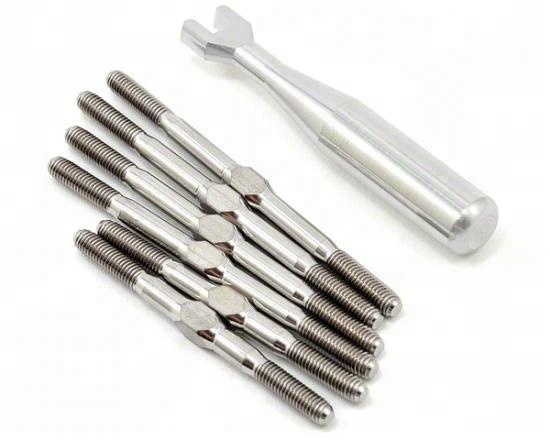
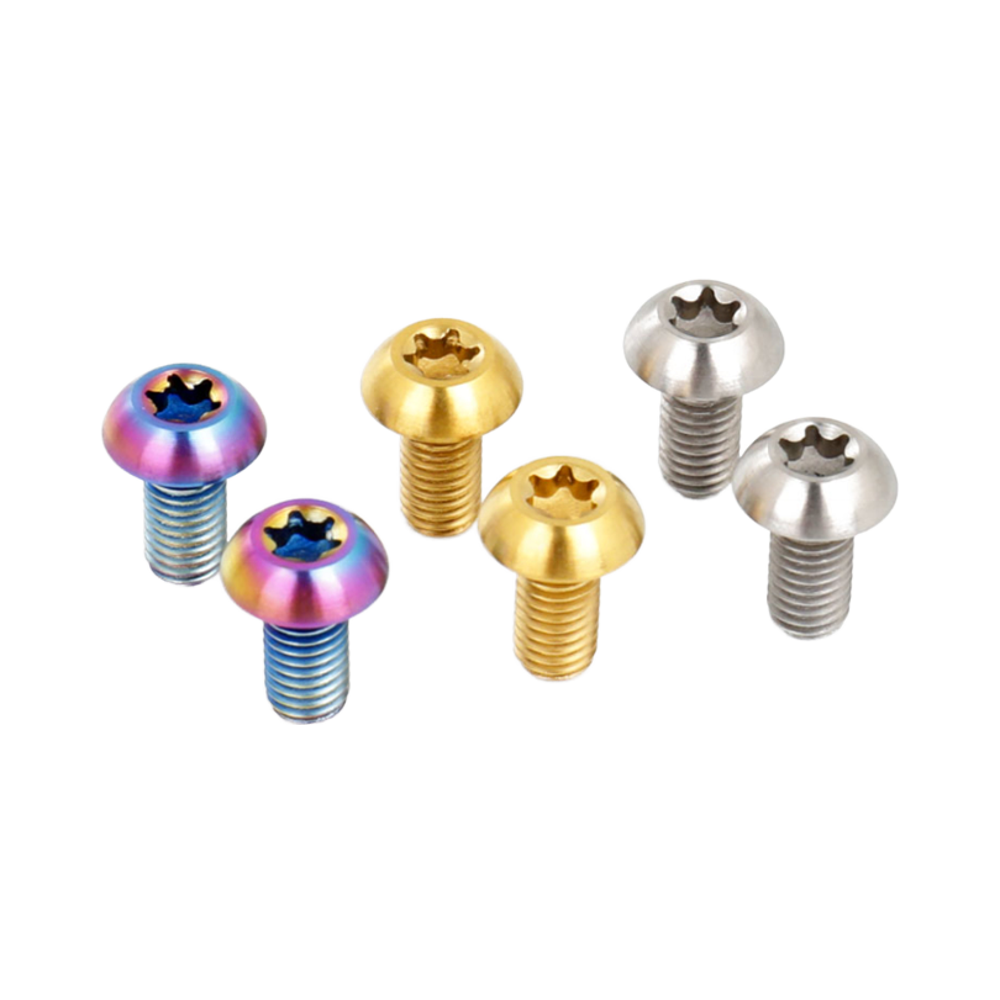
Titanium CNC Machined Hex Nut Turnbuckles Rc Parts Screws Silver Plated Metric Inch M14x1.5 DIN Standard Minghai MH-screw-013
Send an Inquiry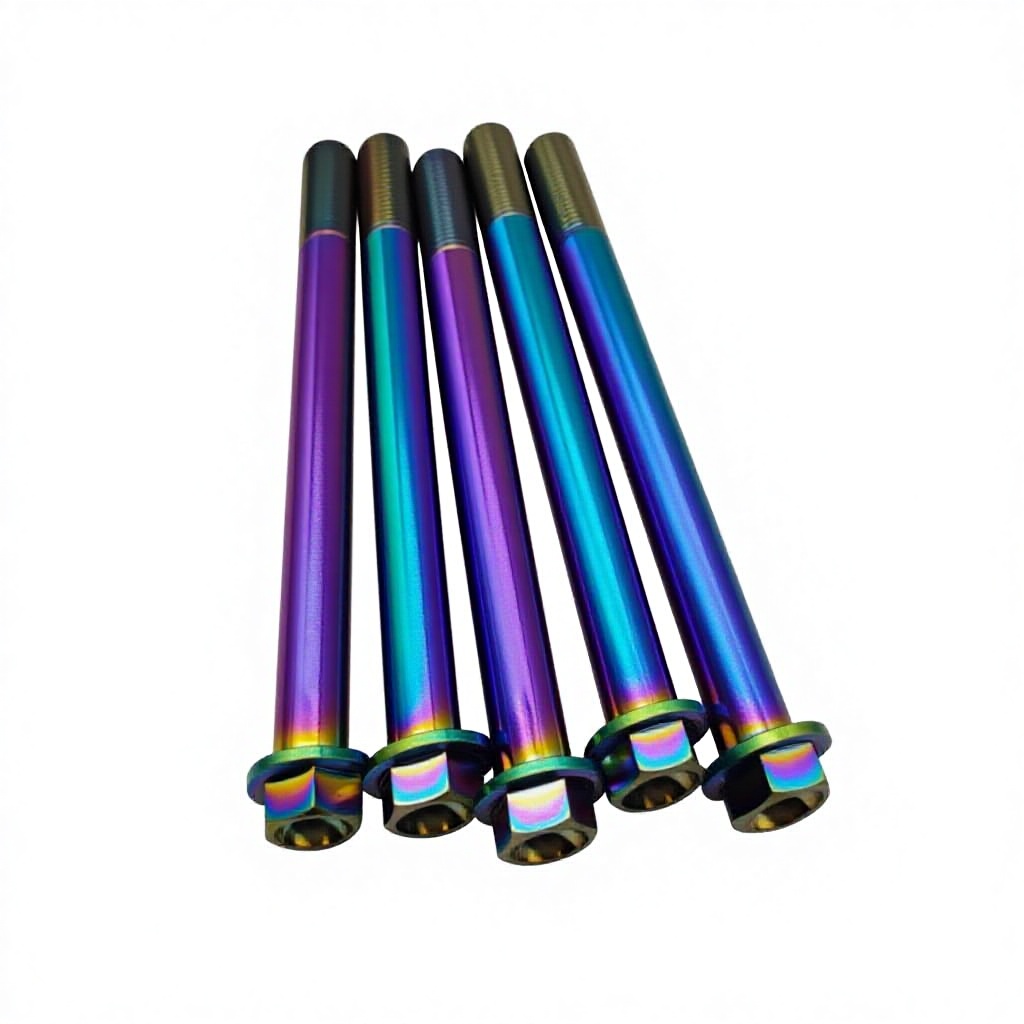
Gr5 Titanium Hexagon Head Flange Bolts M6 M8 M10 PVD/Anodized Finish DIN GB Standard Minghai Brand MH-15842 for Racing
Send an Inquiry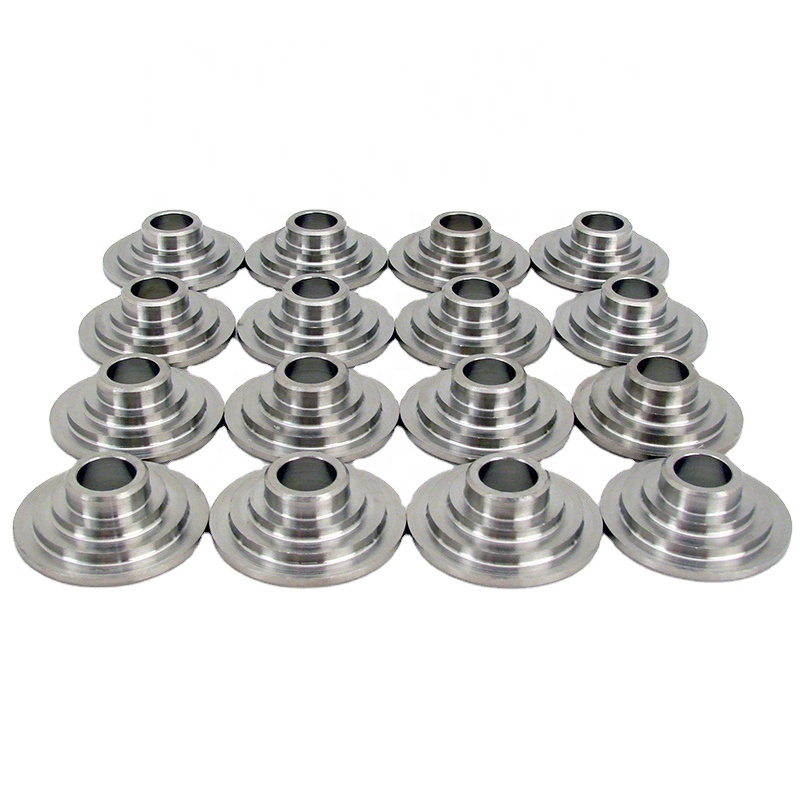
Titanium Alloy Retainer Set for Engine Valve K20A JDM Platinum Extreme 1200 PAC Springs CNC Machined Gr5 ISO 9001 Certified
Send an Inquiry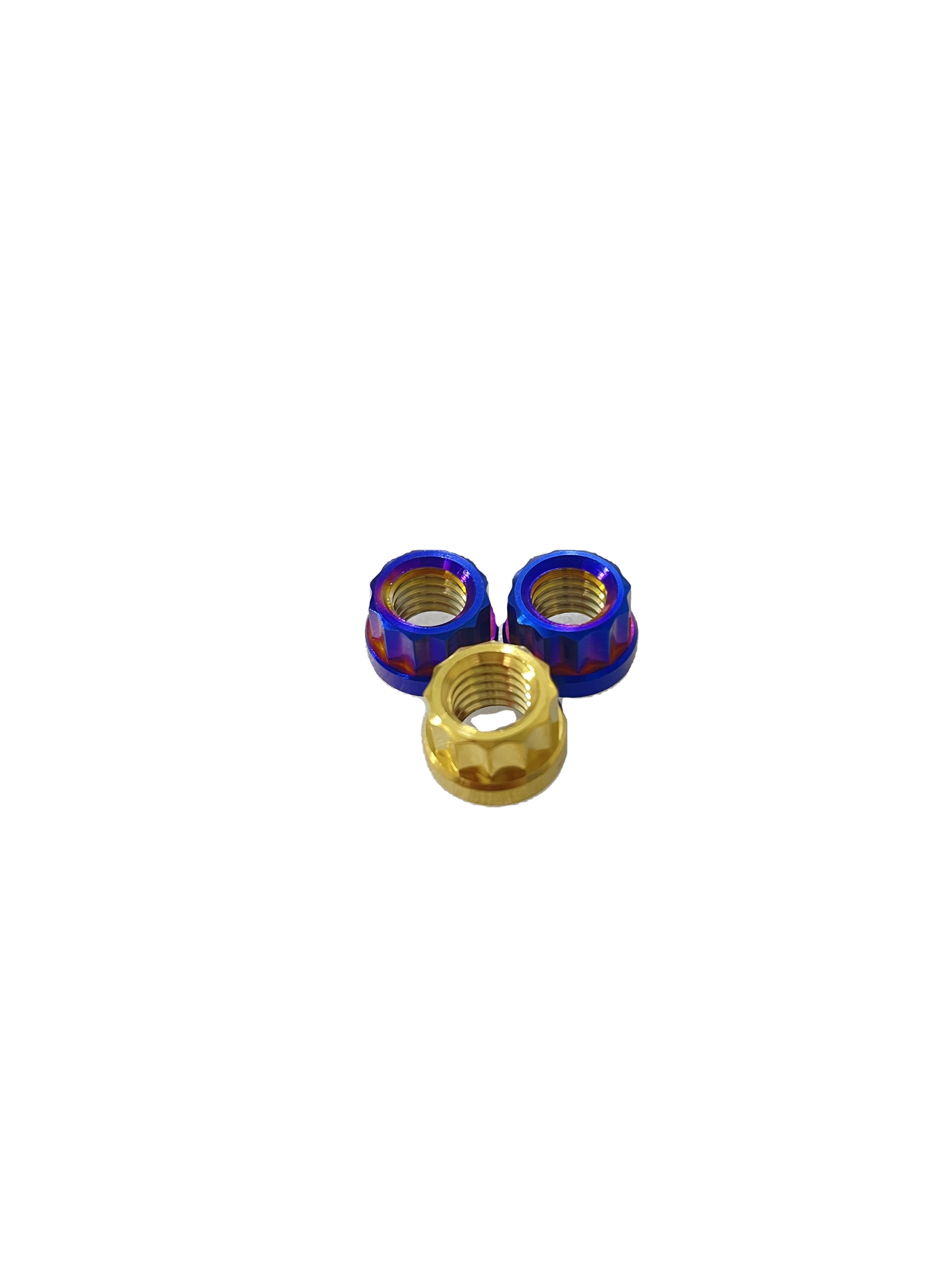
Automotive M4 M7 M10 Anodized/Polished Gr5 Titanium Right Hand 12 Point Flange Nut DIN GB Standard Minghai MH14515 for Racing
Send an Inquiry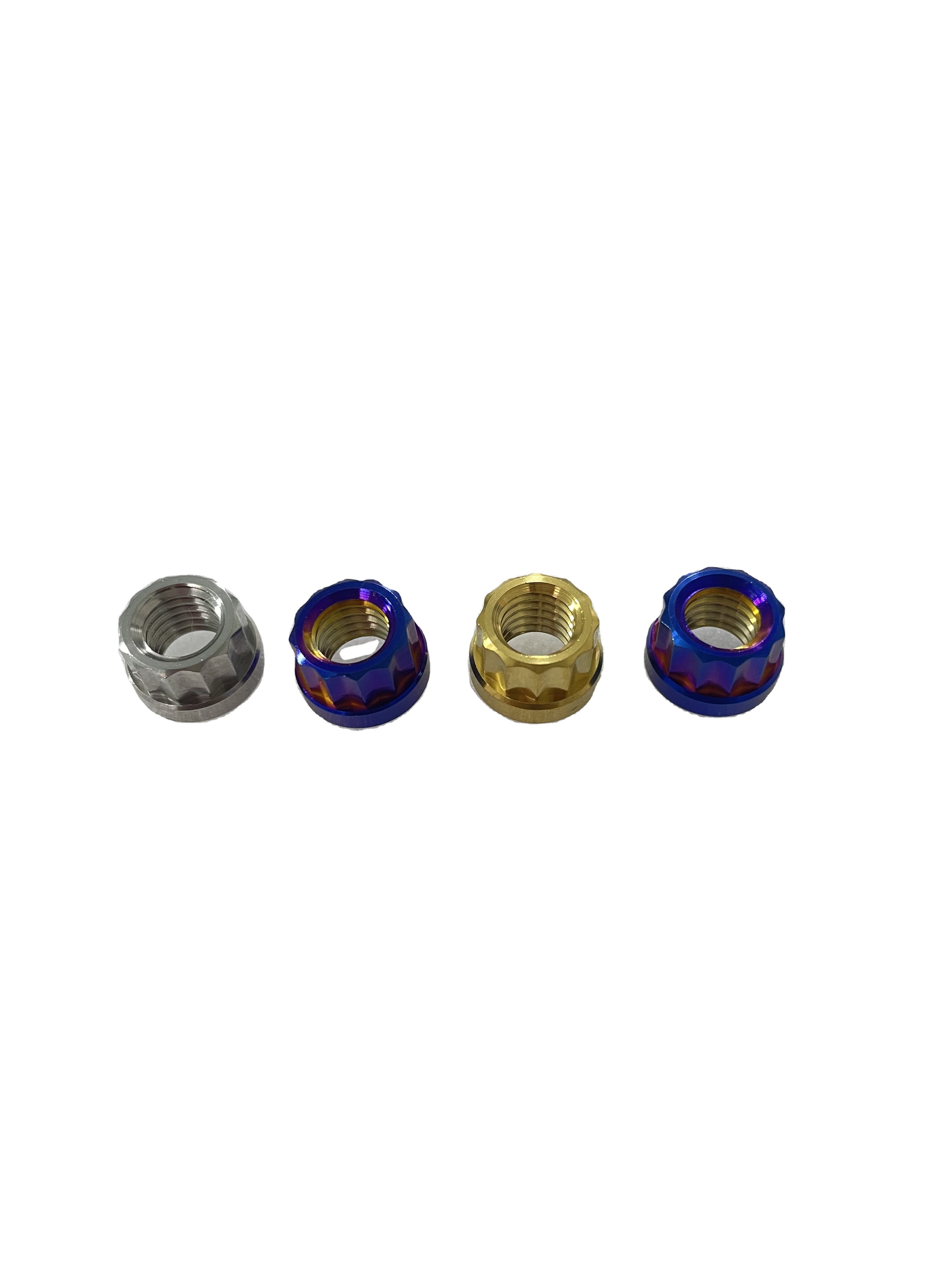
Polished Gr5 Titanium 12 Point Flange Nut M10X1.25 for Automotive Racing
Send an Inquiry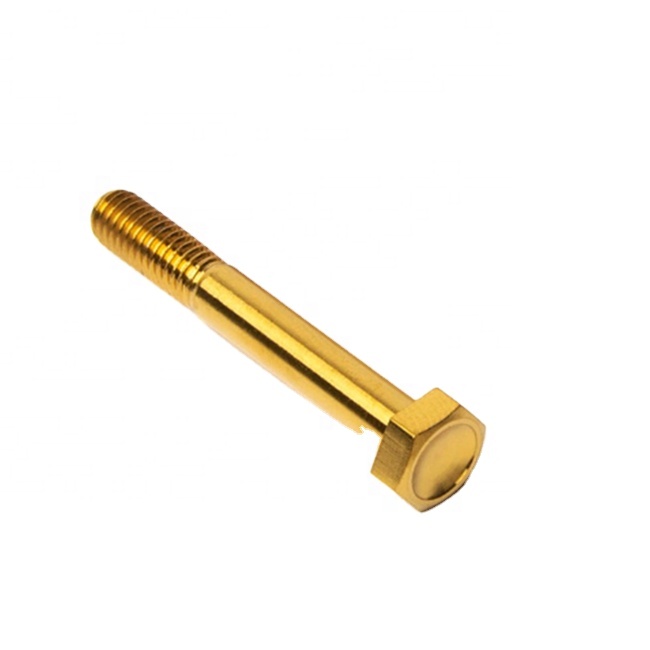
Customized Forged 10-32 X1 1/2" Inch UNF HEX Titanium BAR Bumper Bolt Sprint Car Midget Micro Race Car DIN 7991 Grade5
Send an Inquiry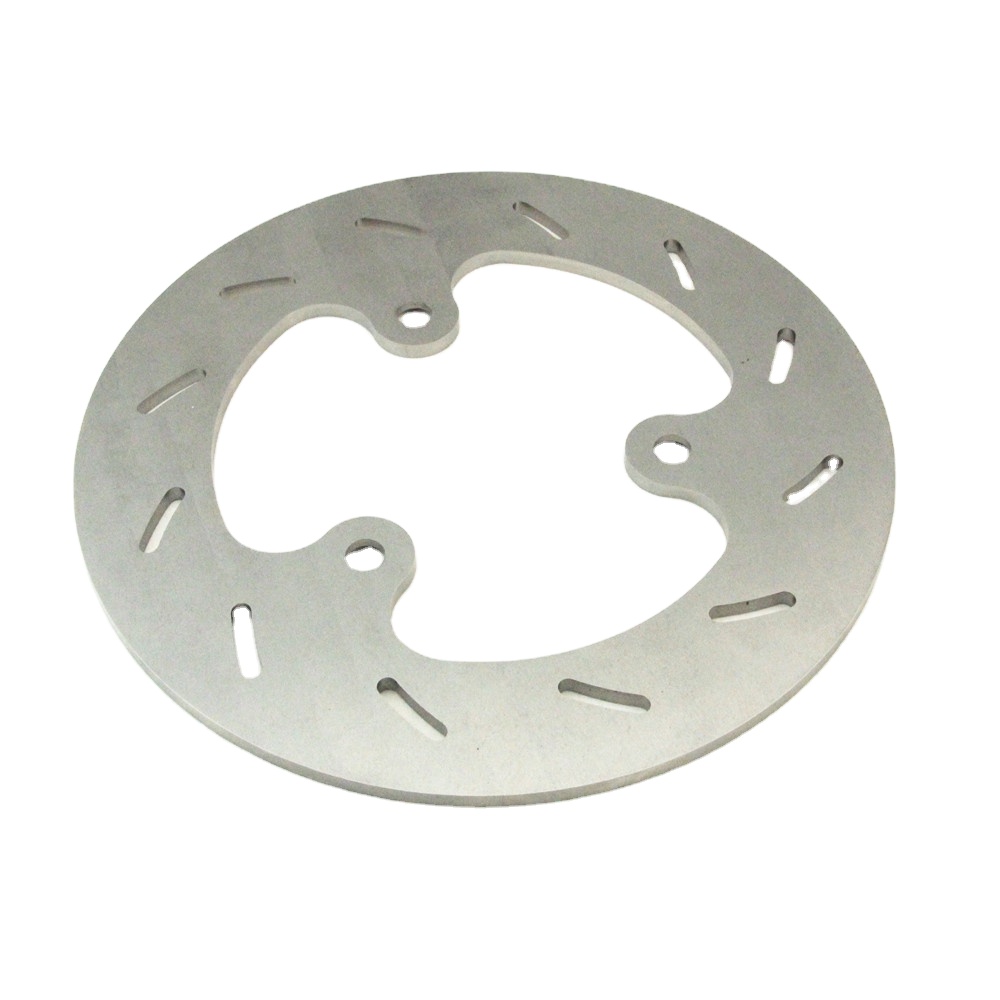
Titanium CNC Machined Rotor Fine Polished 3 4 5 Axis Milling Component for Sprint Cars Industrial Equipment
Send an Inquiry
Technical Whitepaper
Engineering Architecture: Why Titanium Rotors Dominate Unsprung Weight Dynamics
Analyzing rotational inertia, thermal dissipation coefficients, and galling prevention in high-stress brake assemblies.
Gyroscopic Force Attenuation
Rotating mass on a sprint car front axle dictates directional agility. By substituting cast iron or heavy steel with Ti-6Al-4V Grade 5 (TC4), rotating mass drops by 44%. This mitigates the gyroscopic precession force when navigating rutted dirt ovals, providing rapid steering response.
Thermal Gradient Management
Sprint car left-front and inboard rear braking setups operate under non-continuous, violent deceleration shocks. Titanium’s low thermal conductivity compared to aluminum acts as an effective thermal barrier, shielding critical hub bearings and caliper fluid from boiling temperatures.
Fatigue Threshold & Elastic Modulus
With an elastic modulus of ~114 GPa, Grade 5 titanium offers mechanical compliance under violent track impacts, flexing elastically without catastrophic fracture. Precision scalloping and slotting preserve cross-sectional rigidity while maximizing air boundary layer displacement.
| Material Attribute / Spec | Ti-6Al-4V (Grade 5 Annealed) | Gray Cast Iron (Class 30) | AISI 4130 Alloy Steel | Operational Advantage in Dirt Racing |
|---|---|---|---|---|
| Density (ρ) | 4.43 g/cm³ | 7.20 g/cm³ | 7.85 g/cm³ | 44% Less Mass Minimizes rotational damping lag |
| Tensile Strength (Yield) | ≥ 828 MPa | ~ 210 MPa | ~ 460 MPa | Prevents rotor distortion under heavy caliper clamp loads |
| Thermal Conductivity (k) | 6.7 W/m·K | 46.0 W/m·K | 42.7 W/m·K | Protects sensitive wheel bearing packs from heat transfer |
| Corrosion Resistance | Impervious to moisture & mud | Rapid surface oxidation (rust) | Requires sacrificial plating | Eliminates pitting from acidic clay track additives |
Regional Integration
Application Scenarios & Engineering Relevance in the Cartago Market
Addressing high-humidity motorsport tuning, aggressive topographical testing, and rapid expansion into industrial equipment manufacturing across Cartago and surrounding technical hubs.
Montaña & Dirt Oval Circuit Dynamics
The rugged topographies and off-road motorsport developments around the Cartago valley demand aggressive braking without thermal fade. Humid track conditions accelerate corrosion on traditional iron discs. Our titanium brake rotors and accompanying DIN/ISO titanium flange fasteners eliminate oxidation while delivering linear brake pedal modulation across variable dirt surfaces.
Advanced Agro-Industrial Machinery
Beyond competitive racing, Cartago’s precision agricultural equipment and packaging automation sectors rely on custom titanium rotors. High-speed harvesting gear and continuous centrifuge brake assemblies leverage our non-magnetic, corrosion-resistant 3/4/5-axis milled titanium discs to withstand caustic washdowns and severe organic acid exposure.
Custom Prototyping for Technical Workshops
Local motorsport engineering shops in Cartago frequently require low-volume, bespoke rotor offsets and bolt-circle diameters (PCDs). Leveraging direct drawing reviews (2D/3D CAD), our rapid-setup multi-axis CNC machines allow Cartago race teams to test proprietary vented rotor profiles within short turnaround times.
Market Intelligence
Localized Sourcing Trends: The Shift to Direct OEM Titanium Manufacturing
Examining structural shifts in Central American and Latin American motorsport engineering supply chains.
Nearshore Supply Consolidation
Engineering buyers in Cartago are actively cutting out multi-tiered intermediaries. Sourcing sprint car titanium brake components direct from established Baoji manufacturing plants reduces procurement lead times while ensuring full mechanical test certification per batch.
Adoption of 5-Axis Vented Designs
Wave patterns, directional drilled chamfers, and dynamic scalloping are replacing flat rotor profiles. Cartago mechanics increasingly demand specialized slotting to self-clean sticky volcanic clay and debris without causing pad glazing.
Integrated Fastener Ecosystems
Purchasing teams avoid pairing Grade 5 rotors with mild steel fasteners to prevent galvanic reaction issues. The market standard has moved to paired Grade 5 hardware kits (Torx M5/M6 and 12-point flange nuts) for holistic thermal balance.
Traceability Over Commodity Pricing
As competition intensifies, race directors and industrial plant managers are requiring verified material test reports (MTRs), mill certificates, and CMM inspection data to mitigate high-speed structural failures on track.
Manufacturing Prowess
Why Professional Race Teams Rely on Vunza Titanium Industry
Rooted in Baoji, China's Titanium Valley, with over 15 years of technical mastery in high-precision titanium CNC machining and alloy processing.
Titanium Valley Supply Integration
Situated in the Gaoya Village Industrial Zone adjacent to Baoti Group, we leverage an end-to-end titanium supply chain. From pure sponge to refined forged bar, raw material integrity is certified before machining commences.
0.005 mm Precision Tolerances
Our workshop houses 34 multi-axis (3/4/5-axis) CNC machining centers. Complex scallop pockets, balanced ventilation drill patterns, and micro-flat surfaces eliminate rotor runout and high-speed vibration.
Experienced Engineering Team
Over 50% of our production personnel possess more than 13 years of specialized titanium machining experience. We master titanium's unique metallurgical springback, heat buildup, and cutting-edge tool geometries.
Verified Response & Verification
Recognized as an Alibaba Onsite-Verified supplier since 2008, holding a verified 5.0/5 buyer review profile and an average technical response time of ≤9 hours, ensuring frictionless international coordination.
Procurement Intelligence
Frequently Asked Questions: Sourcing Titanium Rotors in Cartago
Technical, logistical, and commercial inquiries answered directly by our senior applications engineering team.
What is the standard MOQ for custom sprint car titanium brake rotors?
For custom or specialized sprint car titanium brake rotors, our minimum order quantity starts as low as 10 pieces. For standard Grade 5 titanium bolts, studs, and retention fasteners, MOQs typically run between 100 to 500 pieces depending on thread complexities and custom color anodizing requirements.
Can you machine rotors from our proprietary CAD drawings or race-worn samples?
Yes. Our engineering department routinely accepts 2D PDF engineering drawings, 3D STEP/IGES CAD models, or physical samples sent from Cartago. We perform comprehensive Design for Manufacturability (DFM) reviews to ensure structural balance, hole concentricity, and thermal stress relief before cutting metal.
How does titanium brake pad compatibility work on dirt tracks?
Titanium rotors pair exceptionally well with specialized semi-metallic or organic race friction pads designed for non-ferrous disc rotors. Metallic-sintered pads formulated strictly for cast steel should be avoided to prevent surface galling. We offer consultation on friction pad selection tailored to dirt track grip conditions.
What surface finishes and treatments do you apply to motorsport rotors?
We offer precision fine grinding, micro-polishing, PVD coating, hard anodization, and specialized thermal oxidation treatments. These finishes increase surface micro-hardness to inhibit abrasive friction wear while enhancing corrosion protection against track clay and washdown chemicals.
What documentation and certifications accompany each shipment to Cartago?
Every production dispatch includes an official Mill Test Certificate (MTC) verifying the chemical composition and mechanical tensile properties (ASTM B348 / AMS standards), together with a comprehensive CMM dimensional quality inspection sheet signed by our QA department.
What is the typical shipping timeline from your factory to the Cartago region?
Standard prototypes or small batch runs ship via expedited air freight (DHL, FedEx, UPS) with transit times typically ranging from 4 to 7 business days to Costa Rica. Bulk container volume shipments are routed via main port channels with scheduled updates and complete customs dossiers.
Upgrade Your Sprint Fleet or Industrial Rotor Assembly
Send our senior engineering team your target specifications, 2D/3D part files, or custom alloy requirements. We provide complete DFM evaluations, tolerance verification, and competitive tiered factory quotes within 9 hours.