Featured Titanium Fasteners, Studs & Precision Alloy Components
High-integrity Grade 5 (Ti-6Al-4V) and Grade 2 solutions engineered for high shear fatigue, extreme marine saline resistance, and critical mass reduction.
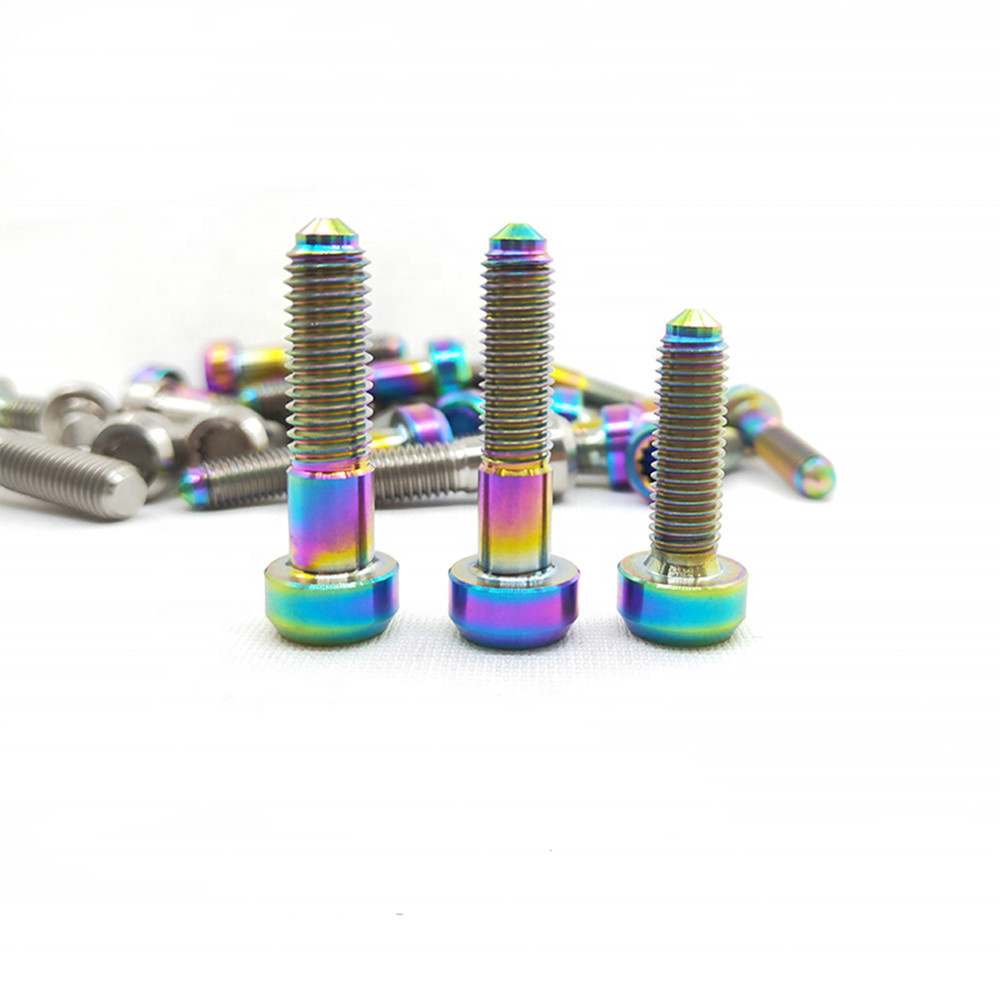
M7 X 24 M7X32 Titanium Mushroom Head Split Rims Screw 12 Point DIN Grade 5
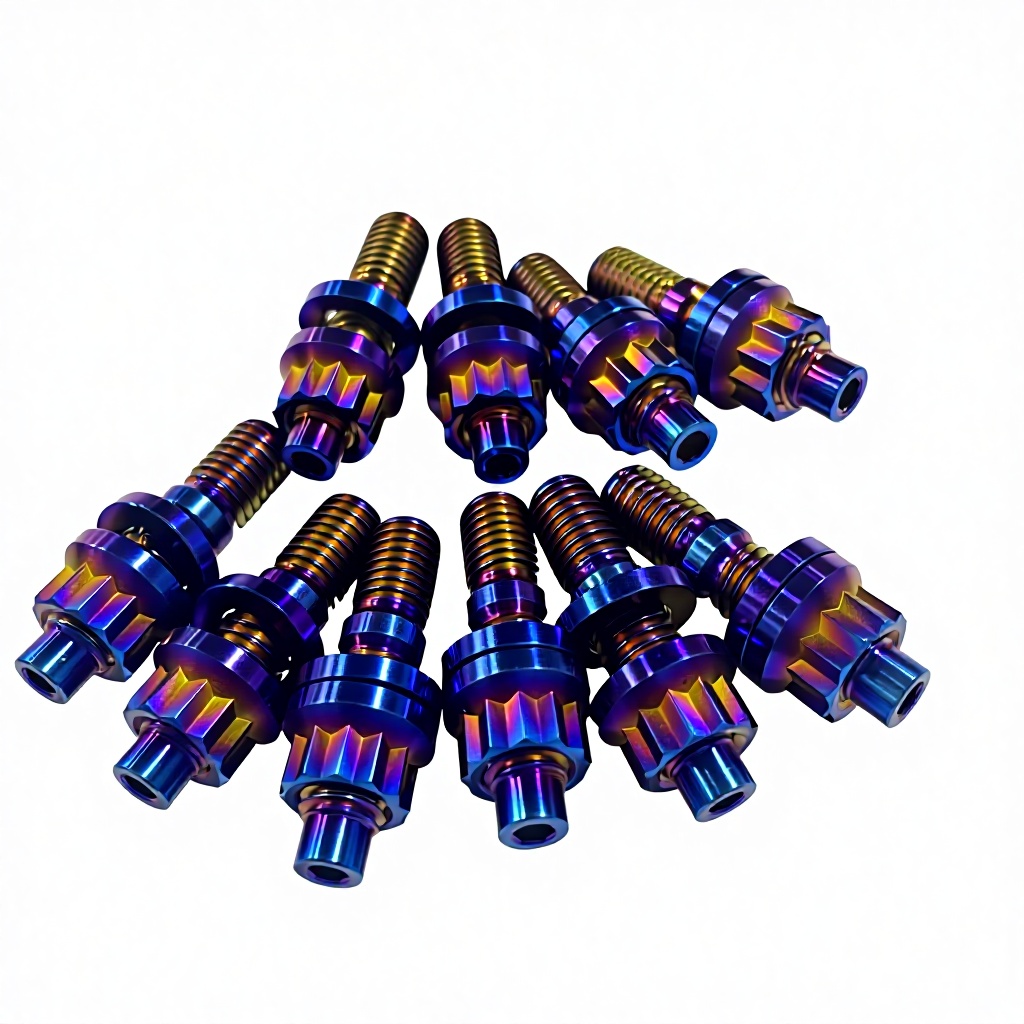
Minghai MH-001 Titanium Grade 5 PVD Finish 12 Pt Exhaust Manifold Stud Kit M8 X 1.25
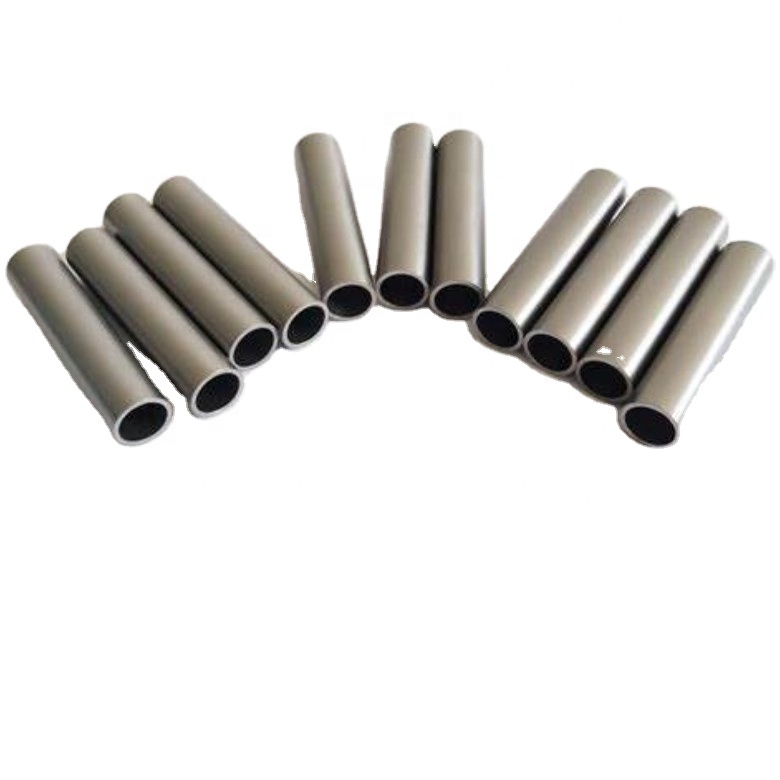
High-Quality Pure Titanium Seamless & Welded Hydraulic Industrial Tube
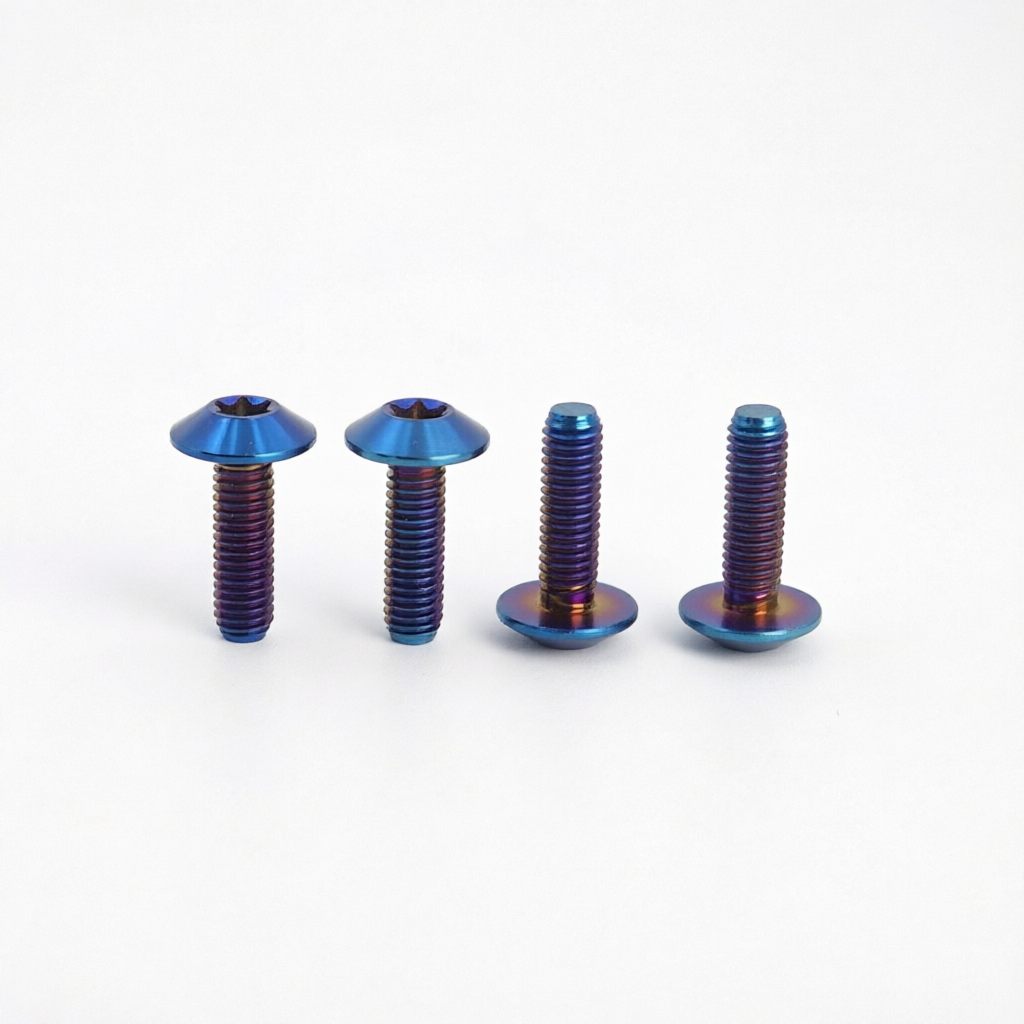
M6x16mm GR5 Disc Head Torx Socket Screws PVD Anodized for Motorsport
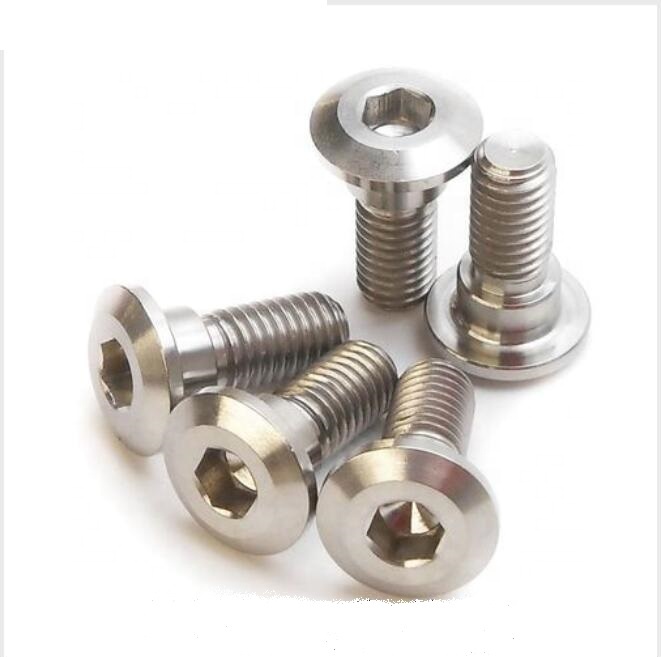
High-Strength Titanium Disc Head Torx Flange Bolt with CNC Precision
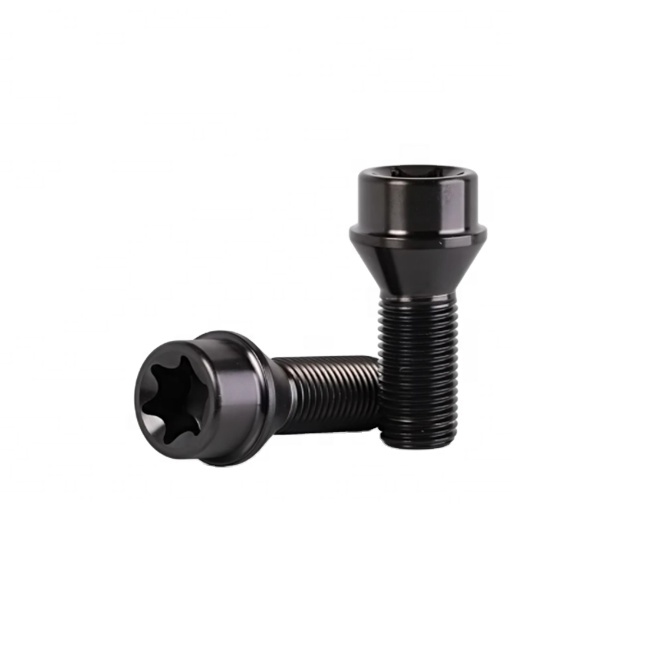
M14 DIN Standard Torx Shape CNC Nitride Black Titanium Wheel Lug Bolts
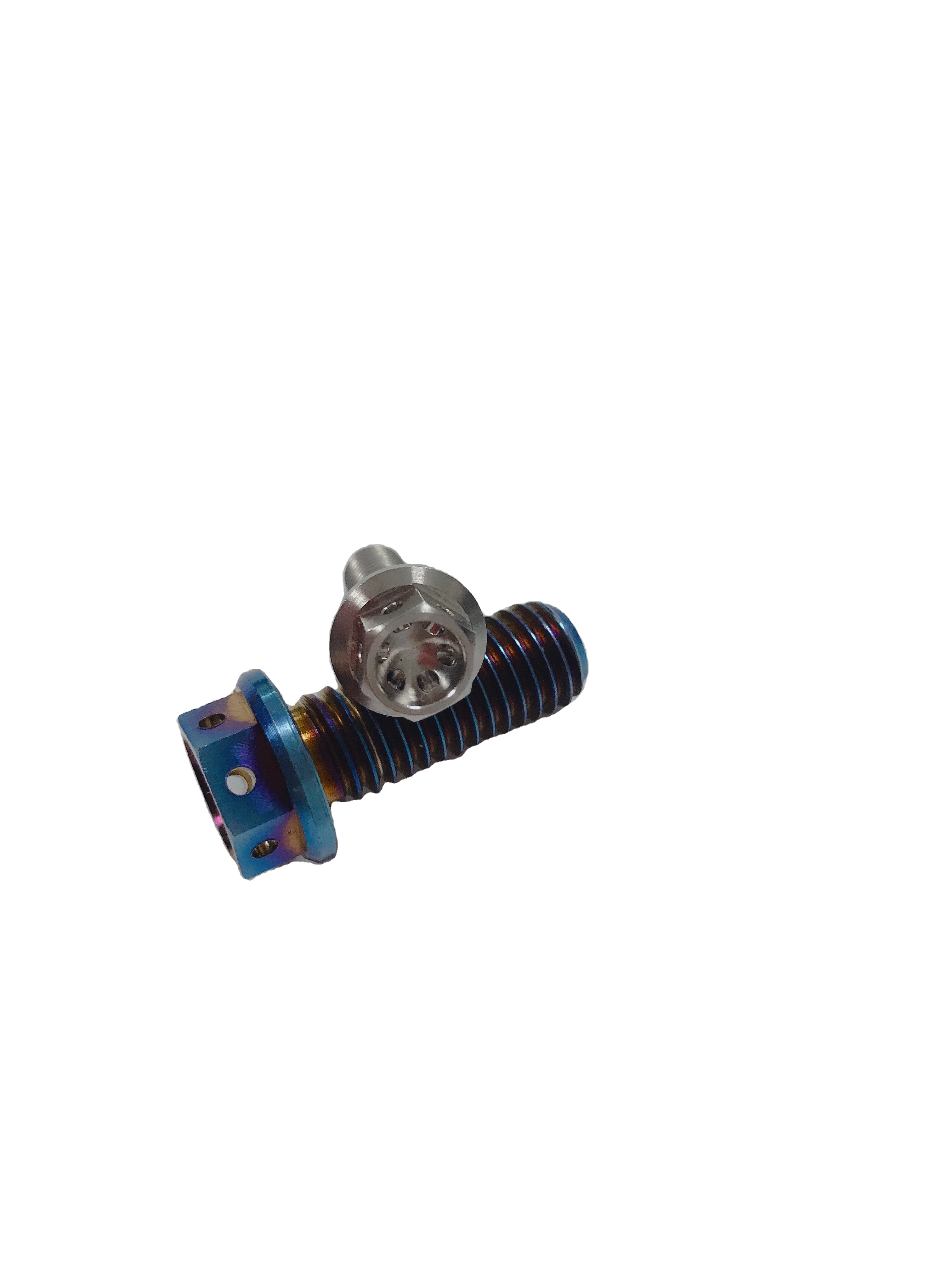
M6x30 M6x35 GR5 Hex Head Titanium Wheel Flange Bolts & Lock Nuts
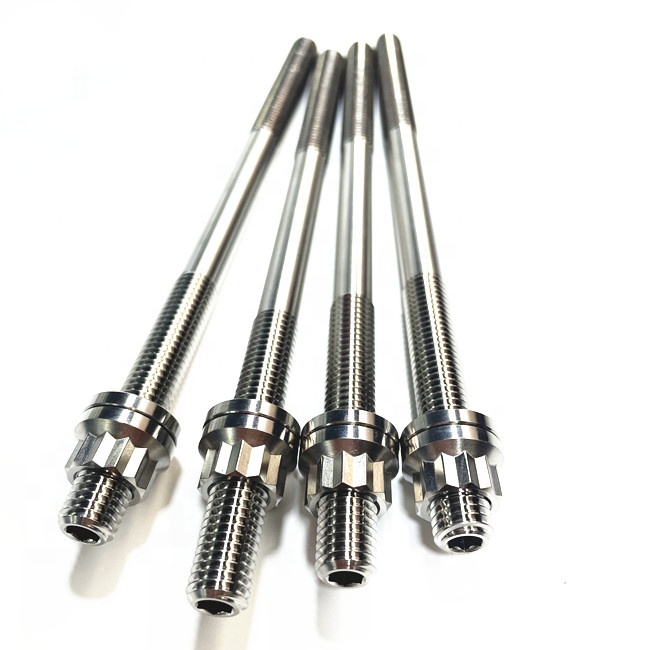
TI Cylinder Head Studs & 12-PT Lock Nut Kit Set DIN Standard M12/M14
1. The Industrial Landscape for Titanium Alloy Fasteners in Valencia, Spain
The Valencian Community (Comunidad Valenciana) stands as one of the Iberian Peninsula's most technologically integrated manufacturing corridors. Positioned strategically along the Mediterranean maritime arc, Valencia has transitioned from traditional light manufacturing into a high-tier advanced engineering cluster. From the automotive assembly powerhouse anchored at Almussafes to world-class nautical refit hubs at the Marina de Valencia and the high-octane testing environments of the Circuit Ricardo Tormo in Cheste, the demand for precision, low-mass, and corrosion-resistant fasteners has surged dramatically over the past decade.
Historically, Valencian procurement teams relied heavily on standard 8.8 and 10.9 carbon steel fasteners or 316L (A4-70/A4-80) marine stainless steels. However, modern high-performance engineering places severe constraints on these legacy alloys. Stainless steel fasteners offer corrosion immunity in seawater but present low yield strengths (typically around 450–600 MPa) and excessive bulk mass. High-tensile steel fasteners provide necessary clamping forces but deteriorate rapidly under the humid, saline atmospheric conditions prevalent across the Gulf of Valencia, requiring cadmium plating or zinc-nickel coatings that eventually flake, gall, or induce hydrogen embrittlement. This engineering paradox has accelerated the adoption of factory-direct Grade 5 Ti-6Al-4V titanium alloy nuts, flange lock nuts, jet nuts, and custom wheel hardware.
Ti-6Al-4V (Grade 5 / TC4) delivers a nominal tensile strength of ≥ 895 to 1050 MPa with a density of only 4.43 g/cm³ (compared to 7.85 g/cm³ for structural steel). This provides a strength-to-weight ratio exceeding 200 kN·m/kg, enabling Valencian chassis builders, naval architects, and automated equipment designers to slash unsprung mass by roughly 44% without surrendering structural integrity.
The Direct-from-Factory Procurement Paradigm
While local hardware distributors throughout industrial zones like *Polígono Industrial Fuente del Jarro* (Paterna) or *Parque Industrial Juan Carlos I* stock standard catalog fasteners, high-performance racing, nautical superstructures, and automated industrial machinery demand non-standard geometries: fine thread pitches (e.g., M10×1.0, M12×1.25, M14×1.5), customized reduced-hex flange heads with wiring holes, and calibrated self-locking collars (jet nuts). Operating as an integrated manufacturer headquartered in China's Titanium Valley (Baoji), our facility maintains direct technical ties with European engineering desks, delivering mill-certified titanium bar stock transformed via multi-axis CNC machines directly into Valencia’s production lines.
| Alloy Specification | Yield Strength (MPa) | Tensile Strength (MPa) | Density (g/cm³) | Saline Pitting Resistance (PREN) | Primary Industrial Use in Valencia |
|---|---|---|---|---|---|
| Titanium Gr.5 (Ti-6Al-4V) | 828 – 910 | 895 – 1050 | 4.43 | Immune (>50 in ambient seawater) | Motorsport suspension, supercars, racing brakes |
| Titanium Gr.2 (Pure Ti) | 275 – 350 | 345 – 450 | 4.51 | Immune (Passivated TiO₂ film) | Chemical exhaust, seawater cooling lines, yachts |
| Stainless Steel A4-80 (316L) | 600 | 800 | 7.98 | 23 – 25 (Susceptible to crevice pitting) | Standard recreational nautical deck hardware |
| Alloy Steel Class 10.9 | 900 – 940 | 1000 – 1040 | 7.85 | Zero (Requires sacrificial zinc/nickel coating) | Commercial automotive chassis, heavy trucking |
| Titanium Gr.23 (Ti-6Al-4V ELI) | 795 – 860 | 860 – 930 | 4.43 | Immune (Medical bio-inert) | Prosthetic joints, surgical robotics, aerospace |
Localized Engineering Applications Across the Valencian Community
From Mediterranean yacht harbors to competitive race circuits and industrial assembly corridors, explore how precision titanium nuts and fasteners perform under stringent operational demands.
Valencian Motorsport & Track Testing (Cheste)
The Circuit Ricardo Tormo hosts international MotoGP tests, GT racing, and formula prototypes. Engineering teams operating within the surrounding Cheste industrial park rely on Gr5 titanium 12-point nuts, disc rotor bolts, and cylinder head studs to minimize rotational inertia and unsprung suspension mass. In wheel assembly, shifting from steel lug nuts to titanium nuts saves upwards of 1.2 kg per wheel corner, delivering instantaneous throttle and steering response through high-speed directional changes.
Superyacht & Nautical Refitting (Port of Valencia)
The Port of Valencia and the surrounding Real Club Náutico constitute premier Mediterranean hubs for luxury yacht maintenance and offshore racing vessels. Marine environments subject metal to severe galvanic and crevice corrosion. Grade 5 titanium nuts and Grade 2 through-hull fasteners provide total immunity to chloride stress corrosion cracking, completely outlasting traditional bronze or 316L stainless steel hardware across seawater cooling intakes, deck rigging, and submerged propulsion brackets.
Valencian Aerospace & Autonomous Drone R&D
Valencia's burgeoning aerospace cluster, supported by researchers at the Universitat Politècnica de València (UPV), demands high-strength micro-fasteners for UAV structures, nanosatellites, and suborbital propulsion systems. Titanium alloy nuts manufactured to ASTM F136 and AMS standards ensure high fatigue limits under severe thermal fluctuations (from -196°C to +400°C) with low magnetic permeability, preventing interference with sensitive onboard navigational telemetry.
2. Emerging Sourcing Trends Across the Valencian Industrial Sector
Over the next five years, Valencia's manufacturing ecosystem is projected to undergo substantial shifts driven by European decarbonization mandates, electric vehicle (EV) platform conversions, and high-speed rail integration along the Mediterranean Corridor (Corredor Mediterráneo). These technological shifts dictate fundamental transformations in fastener procurement methodologies:
Electric Vehicle Platform Lightweighting (Almussafes Cluster)
The transition toward localized battery pack assembly and electric drivetrain manufacturing within the Ford Almussafes perimeter and adjacent tier-1 automotive suppliers has created a critical need to offset massive battery pack curb weights. Structural chassis engineers are substituting standard steel hardware with Ti-6Al-4V flange lock nuts across suspension subframes, battery enclosure mounting rails, and electric motor mountings. By reducing weight while preserving high clamp preload, manufacturers maximize battery range without sacrificing EuroNCAP structural crashworthiness.
Corrosion Resistance for Desalination & Coastal Chemical Plants
The Mediterranean coast of Spain faces ongoing freshwater challenges, prompting continuous investments in reverse osmosis seawater desalination plants across Sagunto, Valencia, and Alicante. High-pressure desalination pumps, intake manifolds, and brine concentration pipes operate under extreme chloride concentrations. Procurement directors are systematically eliminating coated steel nuts that rust within 18 months, adopting pure Grade 2 titanium nuts and Grade 5 coupling hardware that deliver a design lifespan exceeding 30 years without chemical degradation.
Additive Manufacturing (3D Printing) Hybrid Assembly
Valencian research centers and advanced tooling workshops are rapidly integrating direct metal laser sintering (DMLS) for topological lightweight components. However, 3D-printed internal threads frequently suffer from rough surface porosity and poor fatigue thresholds. The prevailing engineering best practice pairs 3D-printed titanium housings with precision CNC-machined Grade 5 titanium lock nuts and rolled-thread studs, ensuring micro-inch surface finishes on thread flanks and predictable torque-tension relationships.
Supply Chain Diversification
Valencian procurement desks are shifting from regional middleman distributors to direct OEM partnerships with verified Chinese manufacturing plants, cutting component unit costs by 35% to 50% while securing direct factory mill certifications (EN 10204 3.1).
Tightening Tolerance Demands
With automated multi-axis robotic pick-and-place assembly spreading across Valencian plants, fastener dimensional tolerances have tightened from standard commercial DIN 6923 specs down to aerospace-level ±0.005mm concentricity.
PVD & Anti-Galling Coatings
Valencian race teams and marine mechanics are standardizing on Physical Vapor Deposition (PVD) finishes (DLC, Nitride Black, Burnt Titanium, Gold TiN) that impart hard surface lubricity (HV > 2500), eliminating thread galling during rapid pneumatic impact wrenching.
Zero Hydrogen Embrittlement
Unlike galvanized steel grade 10.9 and 12.9 fasteners that risk catastrophic brittle fracture under coastal hydrogen evolution, titanium is thermodynamically immune to hydrogen embrittlement at ambient operating temperatures.
3. Factory Capabilities & Enterprise Advantages
Established in 2008 in Baoji, China (internationally recognized as the heart of "China Titanium Valley"), our manufacturing plant operates within direct logistics proximity to the Baoti Group Industrial Park. Over the past 15+ years, we have evolved from a specialized metallurgical workshop into a vertically integrated precision manufacturing enterprise servicing high-tier European industrial, racing, and medical sectors.
34 Advanced Multi-Axis CNC Workstations
Our machining facility houses 34 state-of-the-art multi-axis CNC turning and milling centers (including 3-axis, 4-axis, and 5-axis simultaneous machines). This infrastructure enables single-setup machining of complex aerodynamic nut collars, self-locking serrated flange faces, and asymmetric 12-point racing heads while guaranteeing continuous dimensional concentricity within ±0.005mm.
Precision Tolerances to 5 MicronsSponge-to-Part Strict Quality Verification
We do not purchase questionable third-party scrap. Our entire production lifecycle begins with 100% premium virgin titanium sponge vacuum-arc remelted (VAR) into structural ingots. Every production batch of finished nuts and bolts is delivered with complete material test reports (MTR) according to EN 10204 3.1, verifying exact chemical compositions, ultimate tensile strengths, and microstructure grain sizing.
100% Raw Sponge TraceabilityMaster Metallurgy Workforce & Engineering DFM
More than 50% of our frontline CNC machinists and quality control inspectors have over 13 years of dedicated hands-on experience handling reactive exotic metals. Titanium poses distinct machining challenges due to its low thermal conductivity and tendency to work-harden. Our engineers provide full Design-for-Manufacturability (DFM) reviews on customer CAD drawings, optimizing thread reliefs and chamfers before chip removal begins.
50%+ Staff With 13+ Years Exp.Frequently Asked Questions: Sourcing Titanium Nuts in Valencia
Clear, metallurgical, and commercial answers for purchasing managers, structural engineers, and racing shop owners throughout Spain.
Titanium Grade 5 fasteners provide tensile strengths between 895 and 1050 MPa, placing them directly on par with Class 10.9 high-tensile steel bolts (1000–1040 MPa) and far superior to standard Class 8.8 bolts (800 MPa). Crucially, Grade 5 titanium has a density of 4.43 g/cm³, representing roughly 56% the mass of steel (a 44% overall weight reduction). In addition, titanium maintains an inert titanium oxide passive surface film that does not rust, pit, or require sacrificial coatings when exposed to Valencia's humid marine atmosphere.
Titanium's high friction coefficient can cause severe micro-welding (galling) if mated under high preload without proper thread finishing. Our factory mitigates this using three engineering controls: (1) Threads are rolled using high-precision ground carbide dies, creating compressed, ultra-smooth flank surfaces (Ra < 0.4 μm) rather than torn cut edges; (2) We apply specialized PVD (Physical Vapor Deposition) coatings such as DLC (Diamond-Like Carbon), Titanium Nitride (TiN), or Nitride Black, which establish a high-hardness boundary layer; and (3) We supply anti-seize assembly lubricants formulated with molybdenum disulfide (MoS₂) or colloidal copper for high-torque installations.
Yes. We regularly produce non-standard titanium nuts and custom hardware according to 2D prints (DWG, PDF) and 3D CAD models (STEP, IGES). Whether you require custom jet nuts with calibrated crimped locking oval collars, reduced-diameter hex flange nuts for tight brake caliper clearances, or specific metric/imperial thread pitches (e.g., M7×1.0, M10×1.25, 1/2-20 UNF, 5/8-18), our 3/4/5-axis CNC centers program custom toolpaths rapidly, supporting prototyping before initiating full production batches.
For standard catalog sizes of titanium hex nuts, DIN 6923 flange nuts, and wheel lug nuts, our standard production MOQ is typically 100 to 300 pieces. For custom CNC components manufactured to proprietary engineering prints, prototype sample batches can be produced from 10 to 50 pieces. Sample production typically takes 7 to 10 working days, with expedited express air couriers (DHL, FedEx, UPS) delivering directly to Valencia within 3 to 5 transit days.
Every delivery includes full EN 10204 3.1 Material Test Certificates detailing optical emission spectrometry (chemical composition for Ti, Al, V, Fe, C, N, H, O) and mechanical pull tests (yield strength, tensile strength, elongation percentage). Additionally, our products comply fully with European Union RoHS Directive 2011/65/EU and REACH regulations (EC 1907/2006), verifying zero hazardous substances or heavy metal contamination.
When titanium is paired with carbon fiber reinforced polymer (CFRP), it is the premier fastener material available, because unlike steel, titanium shares a very similar electrochemical potential with carbon, preventing galvanic cell creation. When mounting titanium nuts directly against aluminum plates in saline environments (such as Valencia's nautical ports), the aluminum acts as the anode. To prevent galvanic attack on the aluminum, our engineering team recommends using non-conductive insulating washers (such as PTFE or passivated titanium washers) or applying a non-conductive barrier film during torque sequence.
Accelerate Your Engineering Project in Valencia
Whether you require standard DIN/ISO titanium lock nuts or custom 5-axis CNC machined titanium alloy hardware built to strict CAD specifications, connect directly with our Baoji manufacturing headquarters. Receive comprehensive DFM analysis, material certifications, and a competitive factory-direct quote within 9 working hours.
Get a Quote