Milling
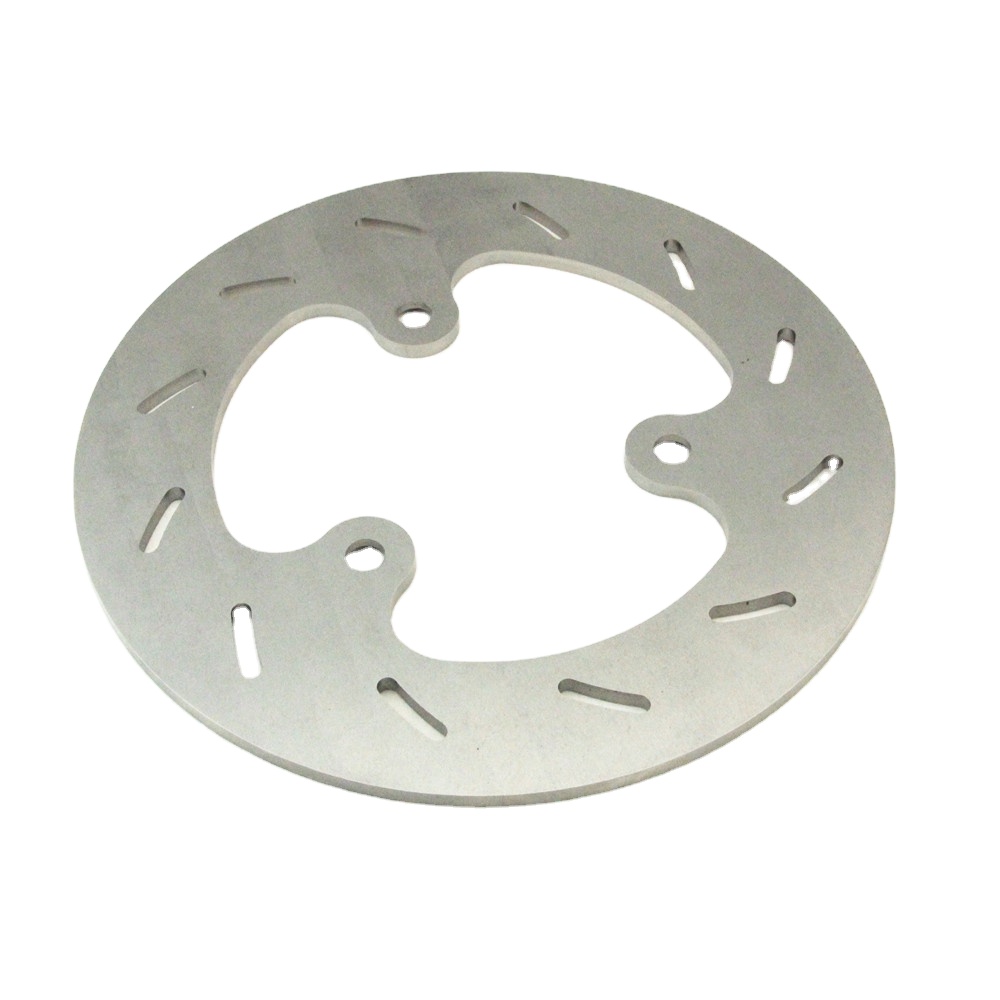
Engineered specifically for extreme torsional loads, critical weight reduction, and harsh galvanic or high-temperature environments. Standard DIN/ISO specifications and drawing-customized architectures.
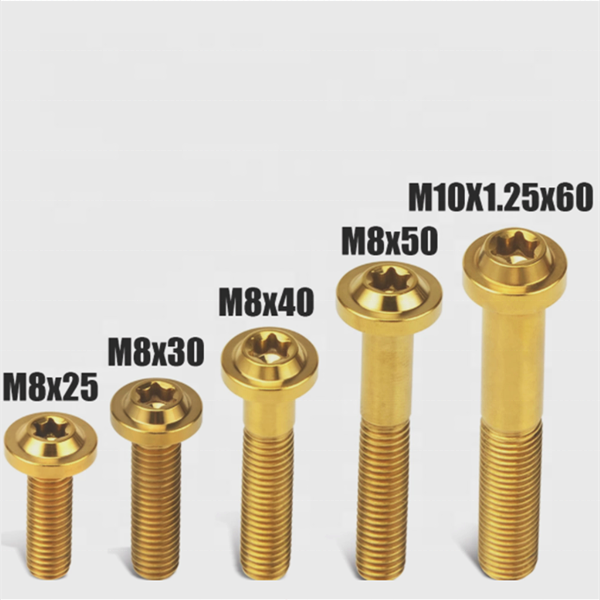
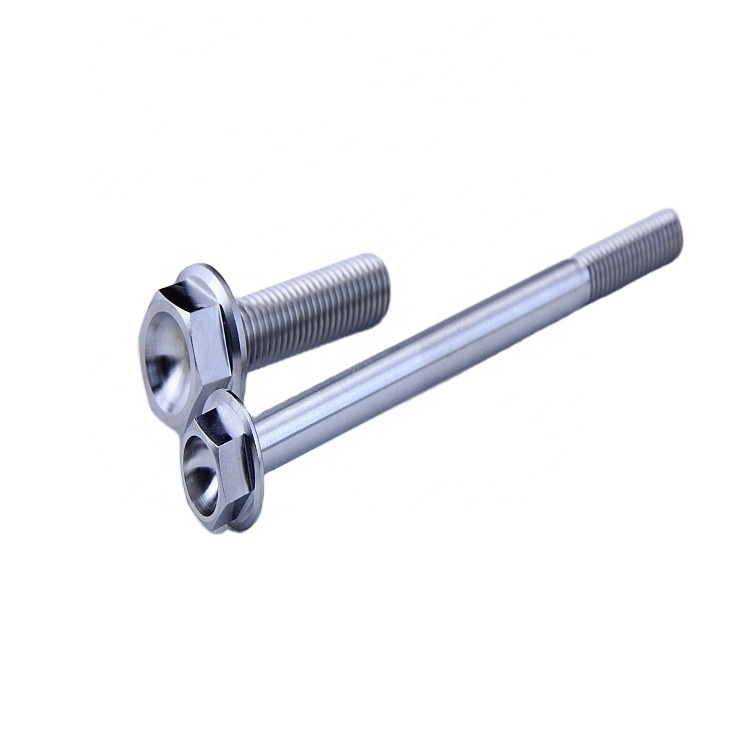
An authoritative analysis of fastener mechanics, shear distribution, stress-corrosion cracking (SCC) mitigation, and aerospace-level weight reduction for Detroit automotive and advanced manufacturing OEMs.
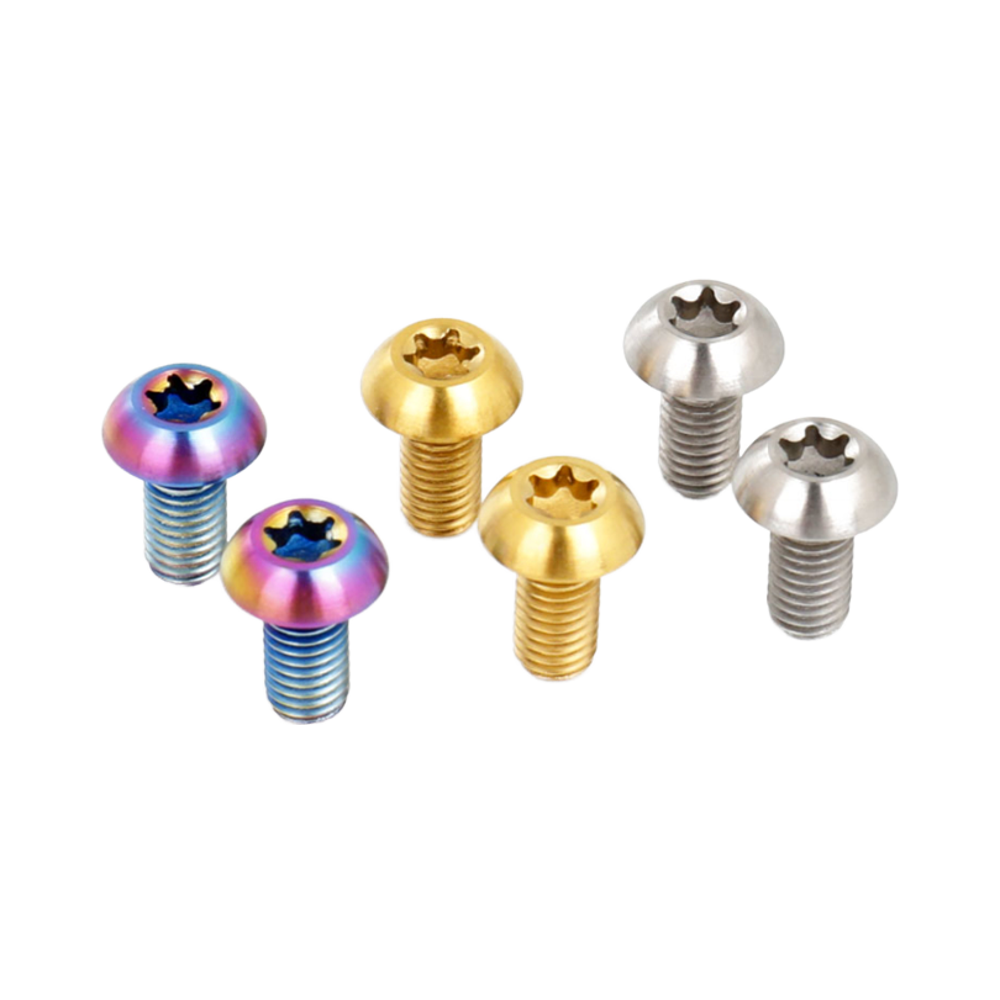
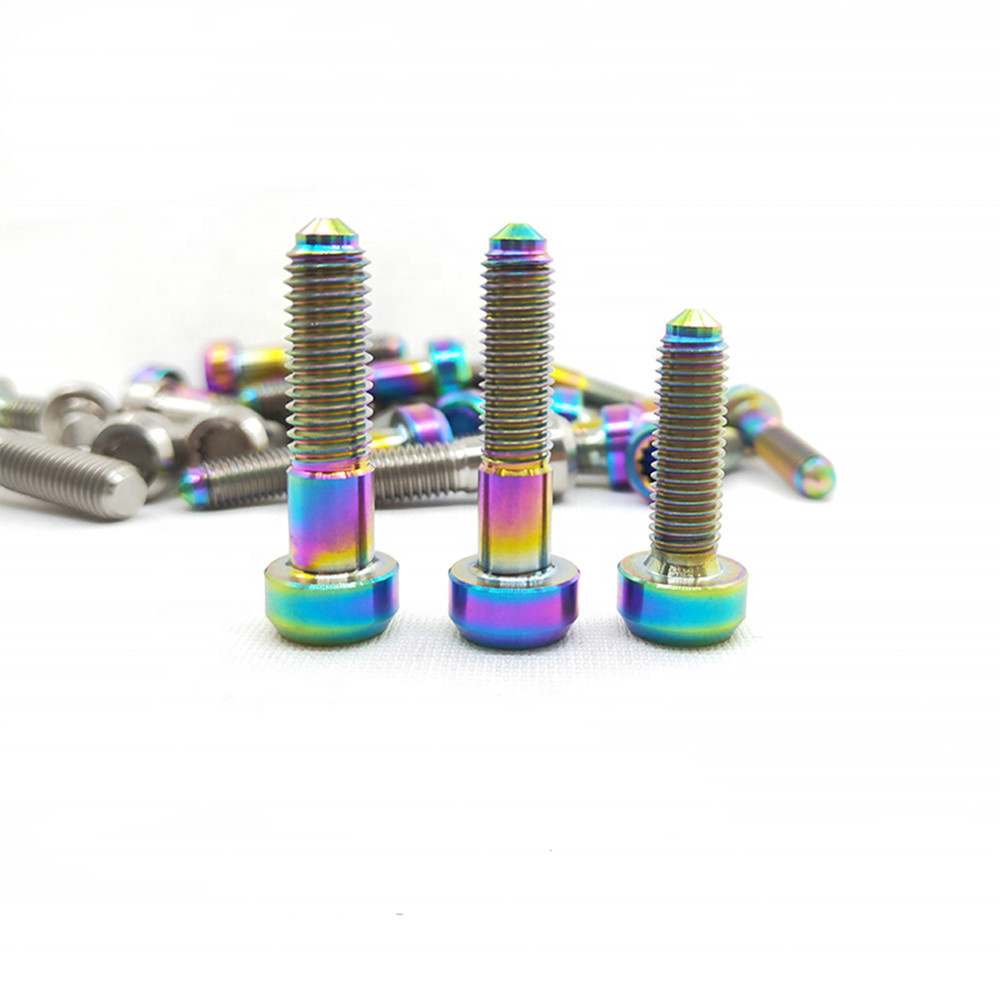
Button head fasteners (ISO 7380 / ASME B18.3) are specifically engineered with a wide, rounded dome and larger bearing area beneath the head. This geometry distributes clamping pressure across thinner composite materials and sheet metal without surface biting or countersink preparation.
By using Alpha-Beta alloy (Grade 5, Ti-6Al-4V, Werkstoff 3.7165), our button head screws achieve a tensile strength exceeding 950 MPa while exhibiting an outstanding strength-to-weight ratio. They provide approximately 44% mass savings compared to Class 10.9 and 12.9 alloy steel hardware.
Cutting threads disrupts structural grain flow. Vunza manufactures fasteners through precision thread rolling and cold heading. This technique produces continuous, uninterrupted grain lines throughout the shank and thread roots, significantly improving dynamic fatigue lifecycle.
| Material / Fastener Grade | Tensile Strength (MPa) | Yield Strength (MPa) | Density (g/cm³) | Electrochemical Potential | Typical Detroit Application |
|---|---|---|---|---|---|
| Titanium Gr5 (Ti-6Al-4V) Annealed | ≥ 895 – 1000 | ≥ 828 | 4.43 | Passive (Noble, No Salt Rust) | Powertrain, EV Battery Lid, Aero Trim |
| Grade 2 Titanium (CP Titanium) | ≥ 345 | ≥ 275 | 4.51 | Immune to Road Chlorides | Exhaust Systems, Battery Casing Vents |
| AISI 4140 Alloy Steel (Class 10.9) | 1040 | 940 | 7.85 | High Galvanic Risk vs Carbon | Heavy Suspension, High Shear Brackets |
| 316 Marine Stainless Steel (A4-70) | 700 | 450 | 7.98 | Moderate Corrosion Resistance | Underbody Non-Structural Trim |
| 7075-T6 Aerospace Aluminum | 572 | 503 | 2.81 | Anodic (Prone to Galvanic Pitting) | Ultra-Light Non-Critical Interior Fastening |
From Tier-1 prototype development in Warren and Auburn Hills to autonomous vehicle testing in Ann Arbor and high-performance racing fabrication around Waterford.
Automotive OEMs throughout the I-75 Corridor require fasteners that lower curb mass to extend range without sacrificing battery envelope containment. Titanium button head bolts secure perimeter battery seals while resisting deformation from impact road debris.
Detroit AV engineering teams utilize our Grade 5 button head bolts to secure roof racks, LiDAR brackets, and optical camera modules. Low magnetic permeability eliminates signal drift or magnetic field noise in high-frequency perception systems.
Local racing outfits from Waterford Hills Road Racing to sprint car series rely on our titanium rotor mounting hardware, split-rim assembly bolts, and body panel fasteners to reduce unsprung rotational weight and maximize acceleration response.
Understanding supply-chain nearshoring, carbon-fiber galvanic compatibility, and dual-sourcing architectures for procurement teams.
As Detroit OEMs utilize carbon-composite hoods, chassis tubs, and crash structures, traditional steel fasteners cause accelerated galvanic corrosion when exposed to moisture and road electrolytes. Standard zinc coatings dissolve rapidly when paired with conductive carbon fiber.
Titanium exhibits an electrochemical potential virtually identical to graphite fibers. As a result, Grade 5 button heads form zero galvanic cell, eliminating the need for complex isolation sleeves or sacrificial coatings in lightweight structural assemblies.
Supply disruptions in global commodity metals have caused purchasing executives at Michigan Tier-1 suppliers to rethink multi-layer distributor markups. Sourcing directly from Vunza Titanium in Baoji, China (the hub producing over 60% of national titanium output) secures material traceability from raw titanium sponge to finish-machined fasteners.
Our rapid DFM review (often within 9 hours), certified mill inspection reports (MTR), and streamlined air-freight logistics into Detroit Metro Airport (DTW) provide dependable support for prototype validation and production schedules.
Combining deep metallurgical mastery from China's Titanium Valley with multi-axis automated CNC technology to support global industry leaders.
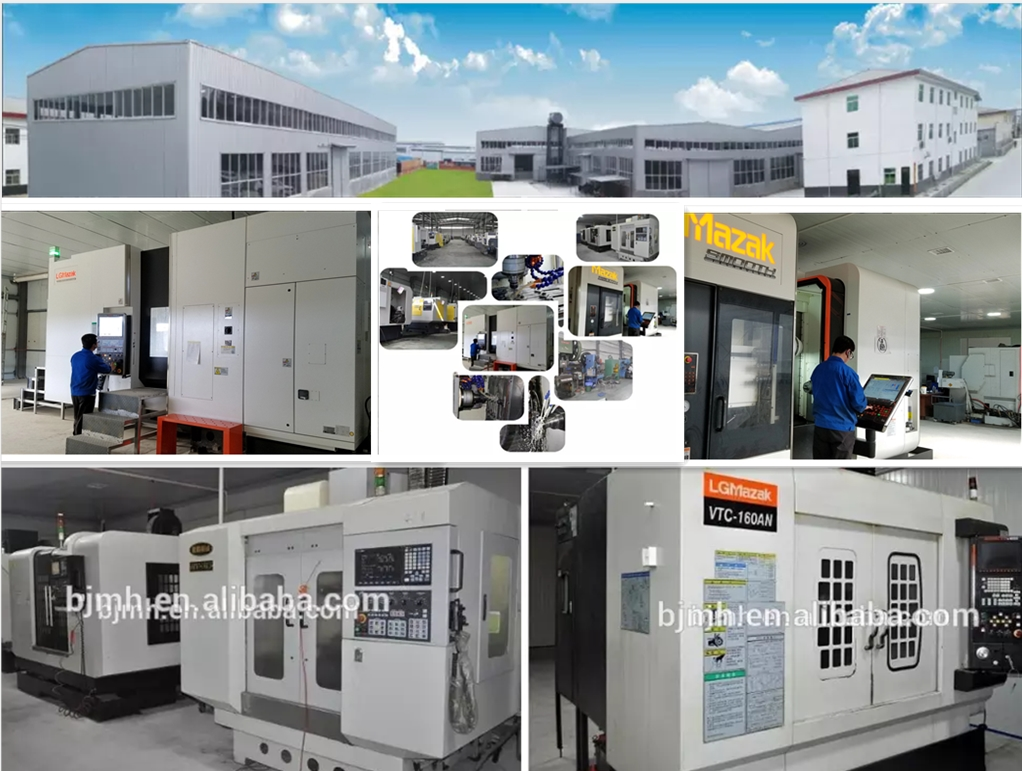
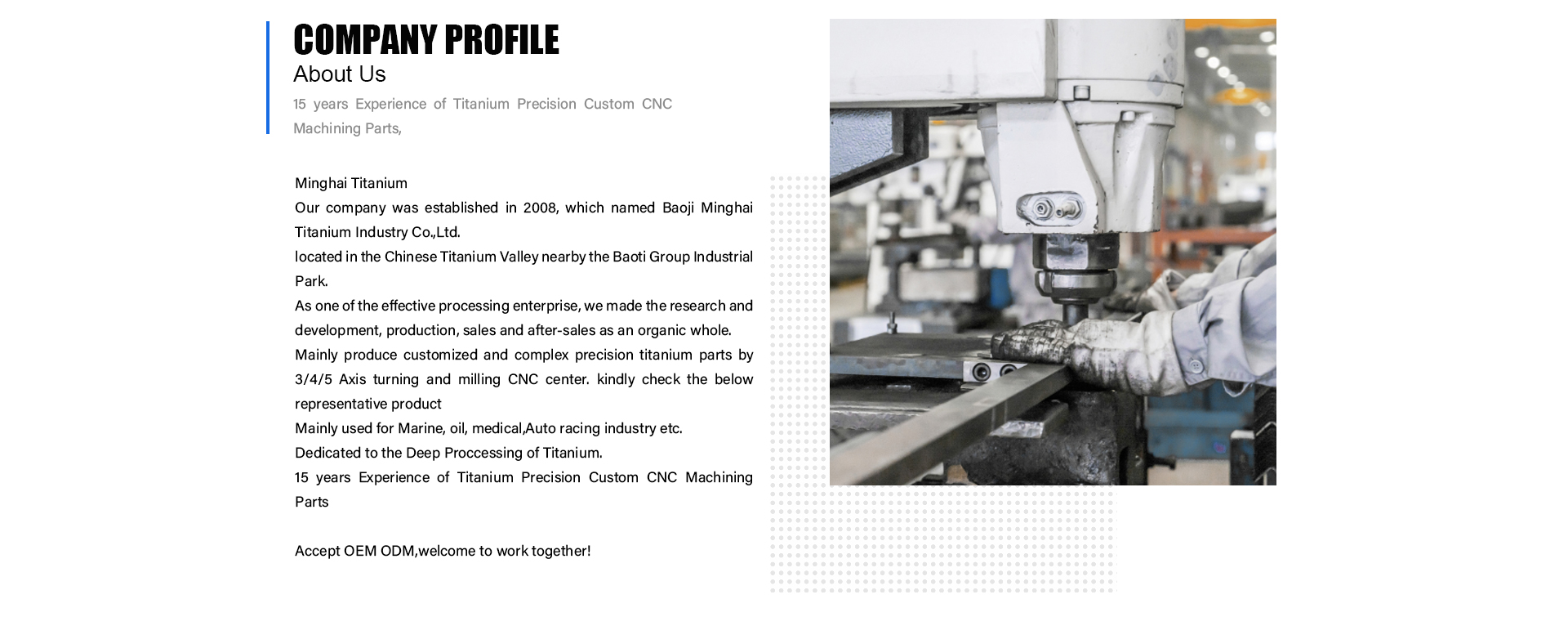
Headquartered in the Gaoya Village Industrial Zone adjacent to the Baoti Group Industrial Park in Baoji, Vunza Titanium Industry Co., Ltd. combines research, precision multi-axis CNC machining, cold-heading, and global distribution. Over 50% of our production staff have more than 13 years of practical experience with specialized non-ferrous metals.
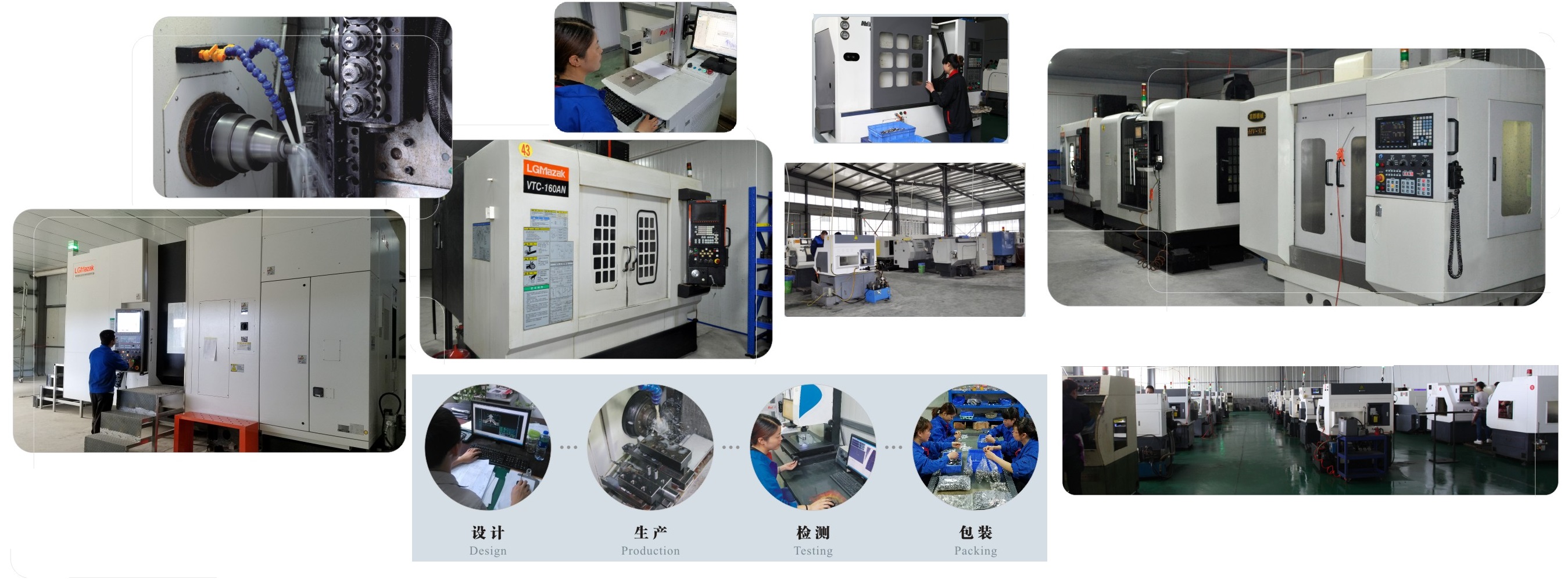
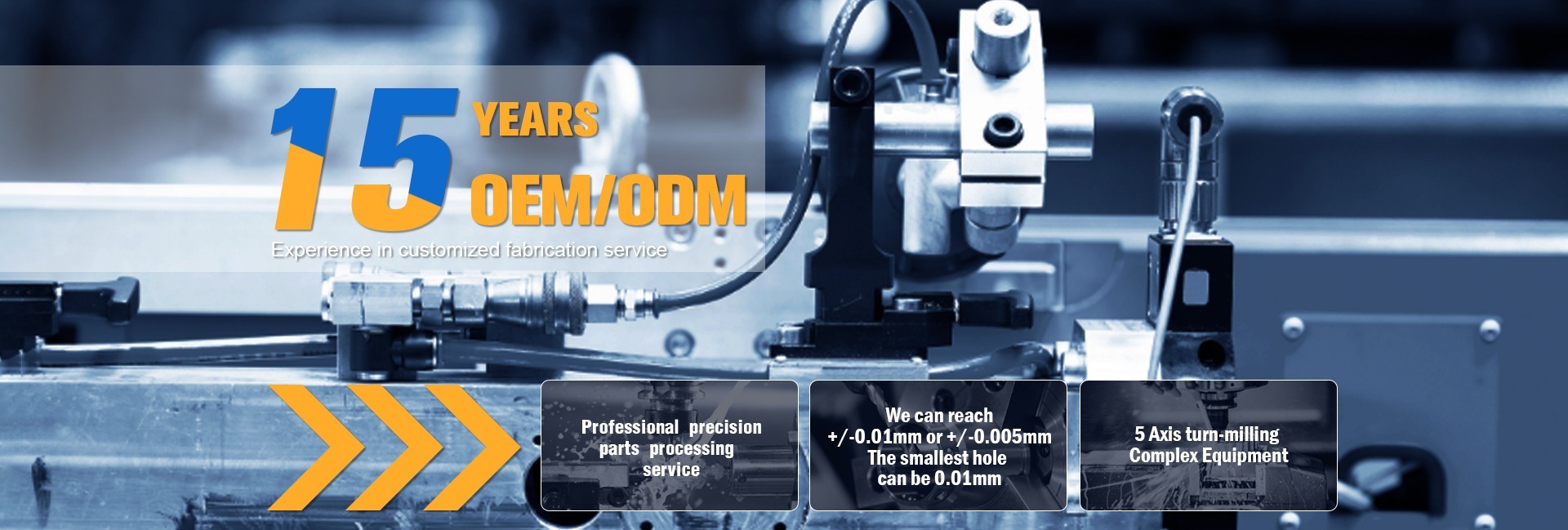
Our workshop houses 34 sets of 3-axis, 4-axis, and 5-axis CNC machining centers alongside high-speed precision thread-rolling platforms. We maintain an engineering tolerance limit down to 0.005 mm, providing reliable quality for engine internals, racing suspensions, dental alloys, and mission-critical automotive joints.

Addressing common technical, procurement, and logistical inquiries from Michigan design engineers, testing labs, and sourcing managers.
Due to the shallower drive recess and lower-profile dome, button head screws generally permit a lower maximum seating torque than standard socket head cap screws (typically 20% to 30% less). When specifying Ti-6Al-4V button heads, we recommend using Torx (6-lobe) drive heads rather than internal hex sockets to improve surface contact and help prevent drive stripping.
Yes. While we keep extensive inventories of metric threads (M3 to M14), our CNC turning and thread-rolling machinery routinely manufactures imperial aerospace and SAE threads, including 1/4"-20, 1/4"-28, 5/16"-18, 3/8"-24, and 1/2"-20, with strict Class 2A and 3A thread profile controls.
Titanium forms a self-healing titanium oxide film that can cause micro-friction welding (galling) when driven dry into matching titanium or stainless steel tapped holes at high RPMs. We mitigate this through applied anti-seize micro-coatings, PVD diamond-like carbon (DLC), moly-disulfide coatings, or silver plating on our hardware.
Every shipment is accompanied by an EN 10204 3.1 Material Test Report (MTR) detailing the exact chemical melt analysis (C, Fe, N, O, H, Al, V) and room-temperature mechanical tensile/yield properties. We also supply optical CMM dimensional inspection sheets and surface roughness reports upon request.
For standard catalog sizes, our MOQ starts at 100 to 500 units. For fully customized prototype geometries built from client STEP or DXF drawings, sample runs of 10 to 50 pieces are supported. Rapid CNC prototypes ship within 7 to 10 days, with express air cargo transit directly into Michigan (DTW) within 4 to 6 business days.
Titanium is essentially impervious to aqueous chlorides, calcium chloride de-icing sprays, and magnesium road salts commonly applied during Midwest winters. Unlike chrome-plated or zinc-flaked steel, which often shows red rust pitting after a single winter cycle, titanium maintains total structural and visual integrity indefinitely.
Bring your blueprint drawings, CAD files, or custom fastener specifications to our engineering team. We deliver manufacturability feedback, material analysis, and factory-direct pricing for prototype runs and recurring production schedules.
Speak with an Applications Engineer
Contact Us