Featured Precision Fasteners & Titanium CNC Assemblies
Engineered for weight reduction, absolute salt-corrosion resistance, and extreme mechanical fatigue performance under rigorous industrial loads.
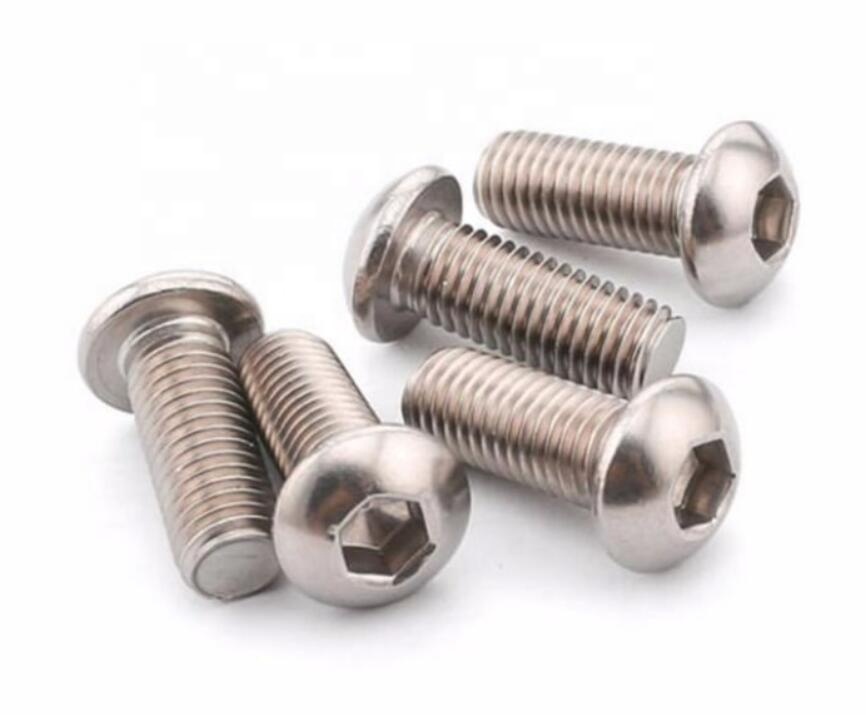
1/4-20 X 5/8" GR5 Titanium Alloy TORX Head Caliper Mount Bolts for Car Parts CNC Turning Process PVD Finish Minghai Brand
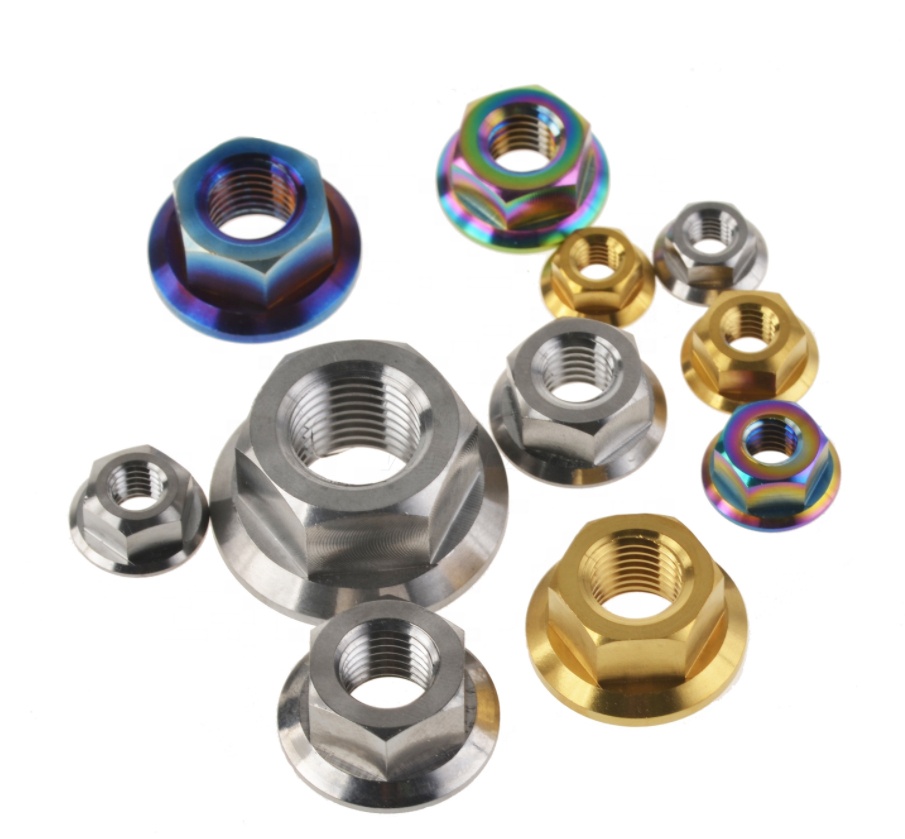
M6 M8 M10 M12 GR5 CNC Machined Polished PVD Nitride Anodized Serrated Hexagonal Flange Nut DIN6923 Automotive Minghai Brand
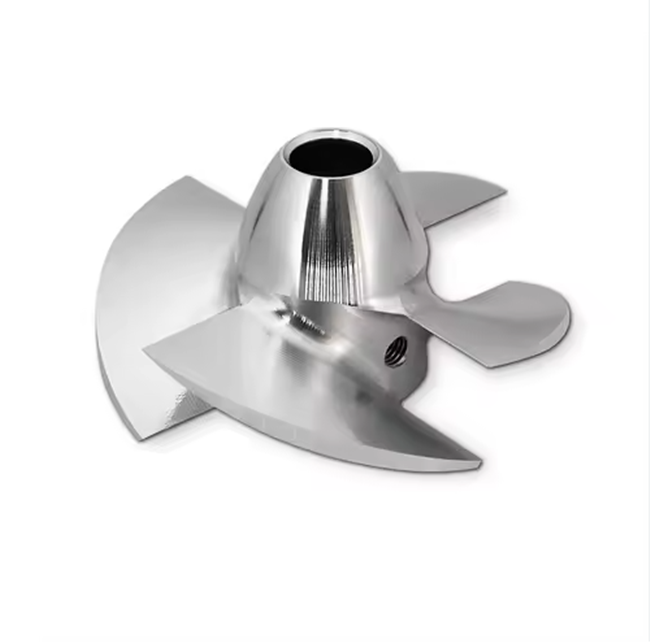
Precision Titanium Alloy Impeller CNC Machining Service 3 4 5 Axis Drilling Milling Custom OEM ODM Ship Use
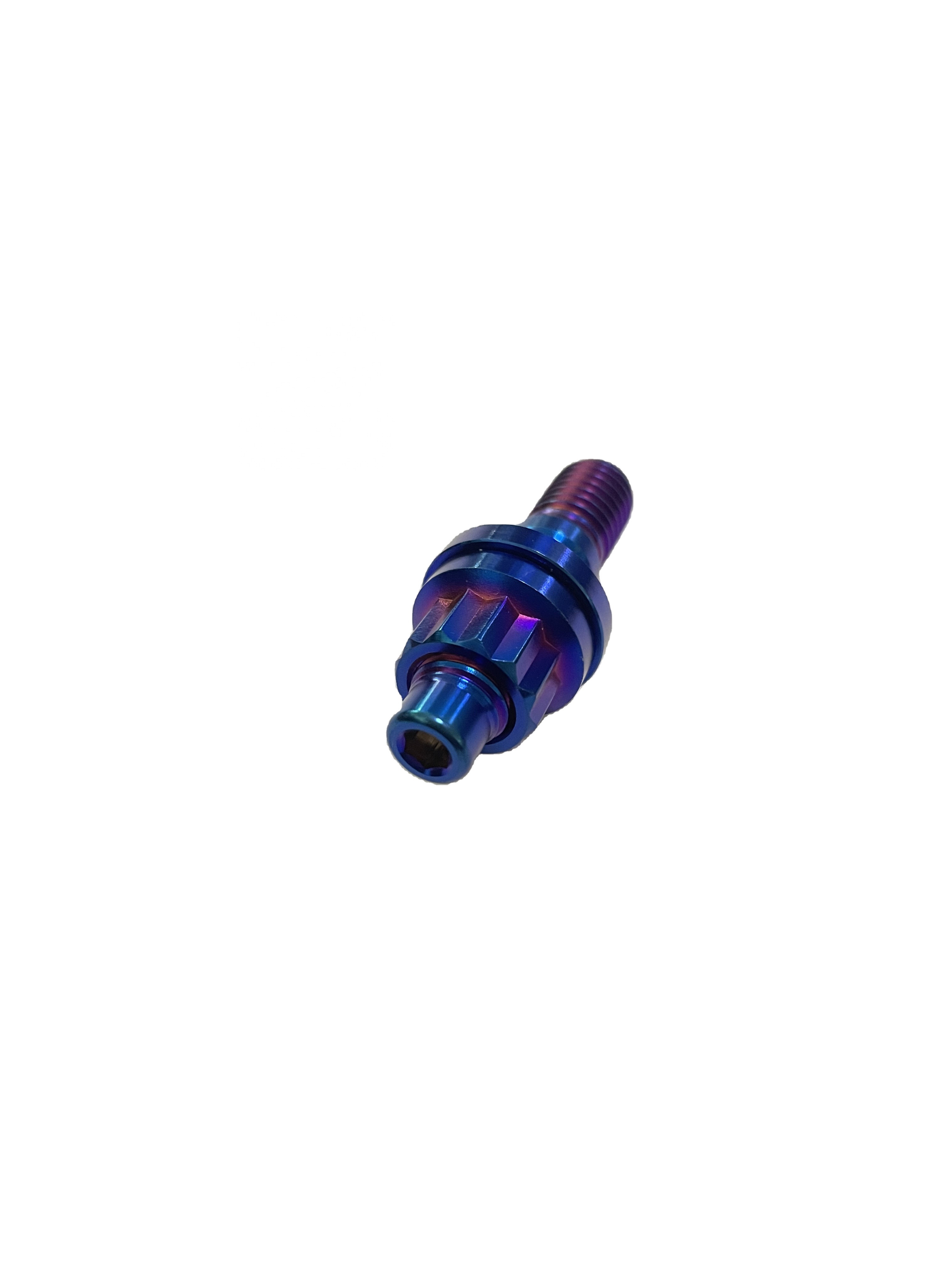
Titanium M8x1.25x55mm Exhaust Manifold Stud Kit GR5 Grade Racing Application Polished/Anodized/PVD Finish ISO9001 Certified
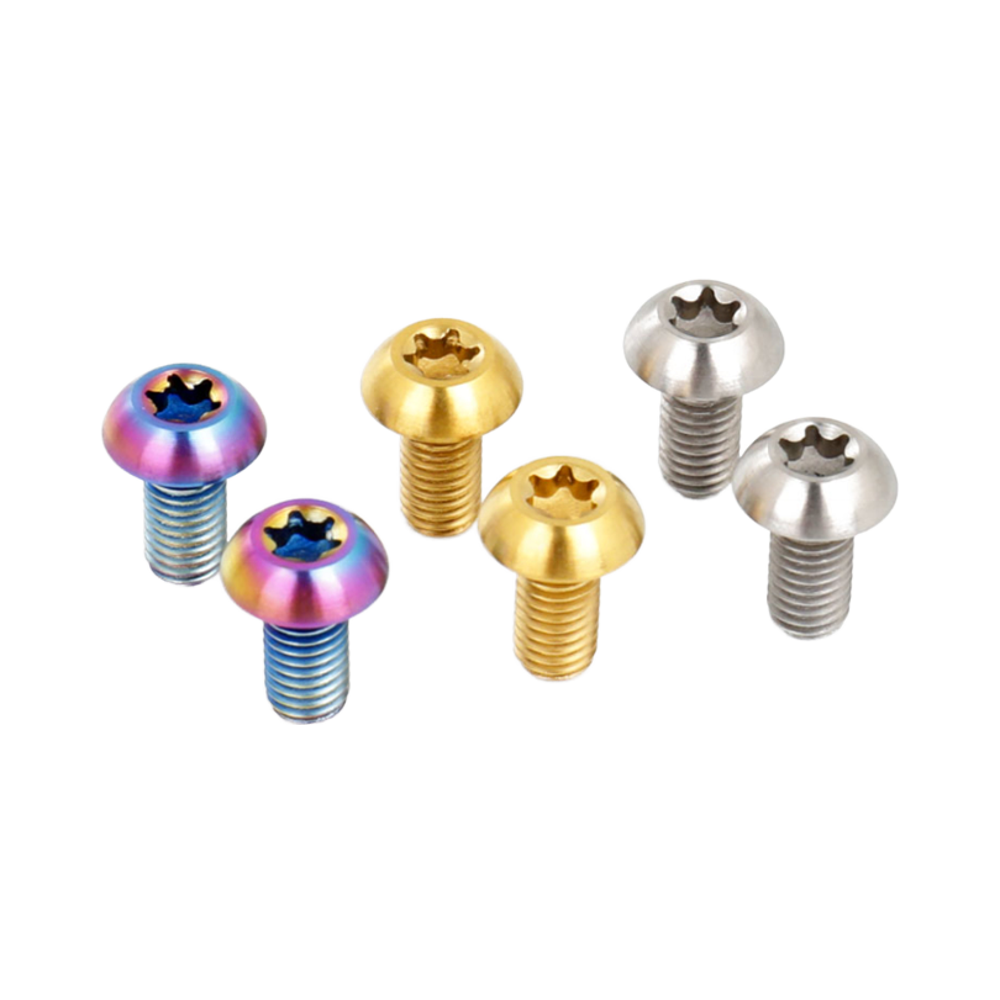
Deemount M5x10mm GR5 Grade Titanium T25 Torx Polished Finish DIN/ISO/GB Standard Bicycle Brake Rotor Bolts for MTB Mountain Bike
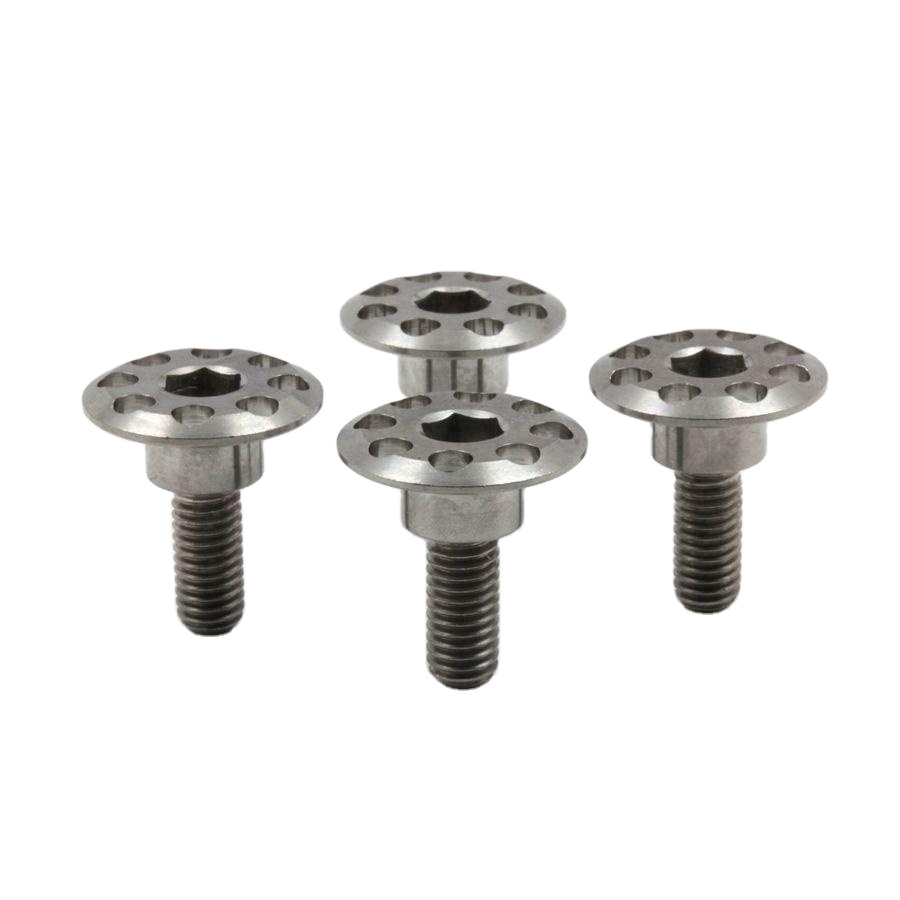
Gr5 Hex Titanium Disc Brake Bolts for Racing High Tensile Strength Lightweight Hardware
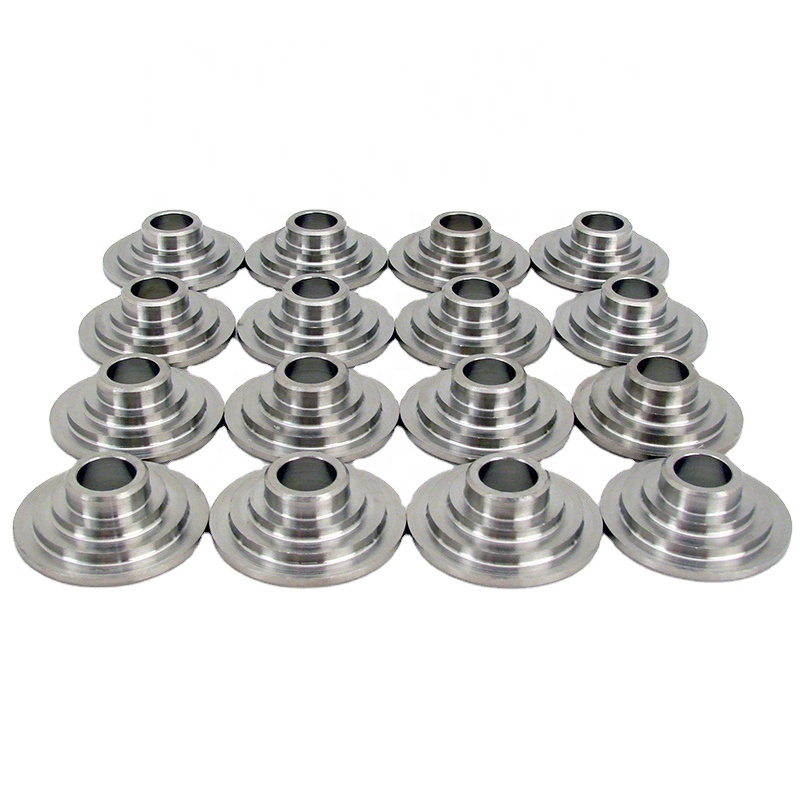
Titanium Alloy Retainer Set for Engine Valve K20A JDM Platinum Extreme 1200 PAC Springs CNC Machined Gr5 ISO 9001 Certified
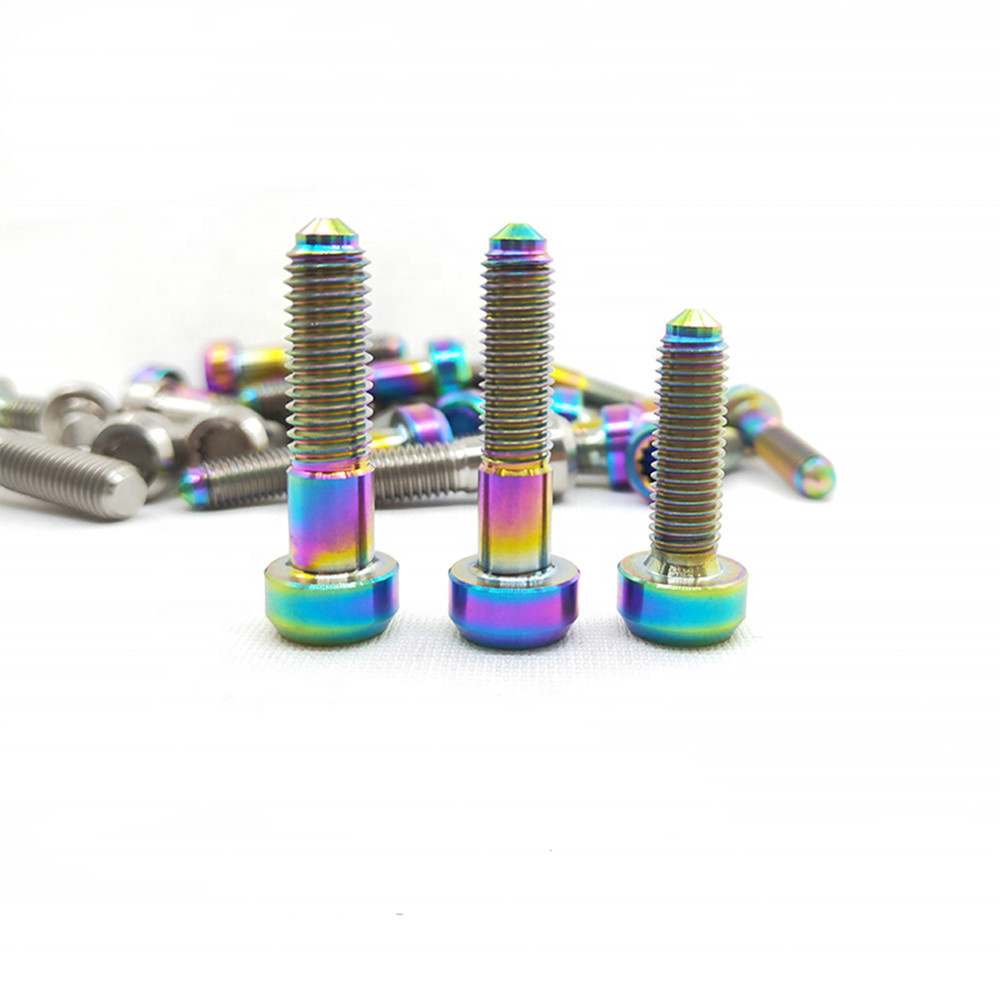
M7 X 24 M7X32 Titanium Mushroom Head Split Rims Screw 12 Point DIN Grade 5 Polished Finish Bolts for Car Wheel
Engineering Blueprint: Titanium Carriage Bolts (DIN 603 / ISO 8677)
Analyzing the mechanical mechanics, metallurgy of Ti-6Al-4V, and shear-locking capabilities of square-neck carriage fasteners in vibration-intensive, corrosive industrial assemblies.
Self-Locking Square Neck Mechanics
The precision cold-headed or multi-axis CNC milled square neck beneath the domed mushroom head locks securely into square-punched structural cavities, preventing bolt rotation under heavy operational torquing without requiring dual-tool access.
Exceptional Strength-to-Mass Ratio
At a density of 4.43 g/cm³, Ti-6Al-4V Grade 5 offers over 895 MPa tensile yield strength—delivering the structural integrity of 10.9-grade quenched alloy steel at roughly 56% the weight, crucial for unsprung mass reduction in automotive applications.
Passive TiO₂ Corrosion Shield
Titanium naturally generates an instantaneous, self-healing rutile (TiO₂) oxide layer upon contact with oxygen. This provides unyielding immunity against industrial chlorides, sulfuric condensation, and aggressive de-icing salts common in Northern Hungarian winters.
| Material Specification | Tensile Strength (Rm, MPa) | Yield Strength (Rp0.2, MPa) | Density (g/cm³) | Corrosion Resistance (Chloride Environment) | Thermal Expansion Coeff. (µm/m·K) |
|---|---|---|---|---|---|
| Titanium Grade 5 (Ti-6Al-4V / 3.7165) | ≥ 895 – 1000 | ≥ 828 | 4.43 | Complete Immunity (< 0.001 mm/year) | 8.6 |
| Commercial Pure Titanium (Gr2 / 3.7035) | 345 – 480 | ≥ 275 | 4.51 | Complete Immunity (< 0.001 mm/year) | 8.6 |
| Austenitic Stainless Steel (A4-80 / 1.4401) | 800 | 600 | 8.00 | Moderate (Prone to Pitting / Crevice Attack) | 16.0 |
| High-Tensile Carbon Steel (Class 10.9 Zinc Flake) | 1040 | 940 | 7.85 | Low (Relies strictly on sacrificial coating) | 12.0 |
Localized Application Scenarios Across Miskolc & Northern Hungary
As Hungary's historic engineering nucleus transforms into a premier European electric vehicle, chemical processing, and precision mechatronics corridor, structural fasteners face unprecedented environmental and mechanical demands.
Automotive & Electric Mobility Supply Chains
Miskolc hosts world-class automotive manufacturing infrastructure, notably Bosch's operations in starter motors, e-mobility drives, and automotive electronics, alongside regional safety system pioneers. Titanium carriage bolts are increasingly specified in EV battery housing enclosures, structural subframe mounting, and power electronics assemblies where high-strength non-magnetic fasteners eliminate eddy-current heating and minimize vehicle curb weight.
Heavy Machinery & Diósgyőr Engineering Heritage
The industrial basin spanning Miskolc and the Diósgyőr manufacturing cluster maintains deep specializations in heavy metalforming, industrial automation, and railway infrastructure. Titanium carriage bolts provide high shear strength and galling-resistant thread geometries for railway track switchgear, mining conveyance fixtures, and automated assembly fixtures subjected to severe cyclical vibration loads.
Borsod Chemical & Plastics Industrial Corridor
In close proximity to the chemical processing powerhouses of Kazincbarcika (BorsodChem) and Tiszaújváros (MOL Petrochemicals), structural fasteners endure severe ambient exposure to chlorine compounds, solvents, and acidic atmospheres. Unlike zinc-nickel coated carbon steel which suffers premature micro-cracking, Ti-6Al-4V carriage hardware provides lifetime structural integrity for chemical conveyance skids, ductwork flanges, and storage framing.
Strategic Industrial Trends Shaping Titanium Sourcing in Miskolc
The confluence of European decarbonization targets, lightweight transport mandates, and technical materials research from the University of Miskolc drives demand for next-generation fastening hardware.
EV Lightweighting & Range Extension
With Hungarian Tier-1 automotive suppliers accelerating assembly transitions toward high-voltage commercial vehicles and battery electric cars, reducing tare weight via advanced titanium structural fasteners directly offsets heavy battery packs, optimizing energy consumption metrics without compromising DIN standard crash safety compliance.
University-Driven Metallurgy & Metrology
The University of Miskolc (Faculty of Materials Science and Engineering) actively drives regional research in advanced metallurgical characterization, powder bed fusion, and fatigue behavior. This academic foundation has heightened regional engineering standards, requiring suppliers to deliver stringent EN 10204 3.1 chemical inspection certificates, optical coordinate measuring machine (CMM) data, and tight geometric tolerances.
Carbon Footprint & Lifecycle Durability (LCC)
Procurement teams in Borsod-Abaúj-Zemplén are pivoting away from cheap, high-maintenance galvanized bolts toward titanium lifecycle cost (LCC) efficiency. By negating corrosion-induced structural replacements, repainting cycles, and shutdown delays in harsh industrial plants, titanium carriage hardware dramatically lowers multi-year operational expenditures.
Why European Industry Partners Choose Vunza Titanium
Headquartered in Baoji—China's recognized Titanium Valley—adjacent to the Baoti Group industrial ecosystem, Vunza Titanium delivers end-to-end metallurgical control from certified sponge to finished precision component.
Full Sponge-to-Part Traceability
Every billet utilized in carriage bolt fabrication is strictly documented with mill test certificates conforming to ASTM B348, ISO 5832, and EN 10204 Type 3.1, eliminating structural voids and raw material adulteration.
Advanced Multi-Axis CNC & Cold Forming
Equipped with 34 high-precision 3-, 4-, and 5-axis CNC machining centers, thread-rolling apparatus, and automatic profile monitors, we reliably mass-produce DIN 603 carriage bolts down to 0.005 mm square neck tolerances.
Agile Logistics & Rapid RFQ Turnaround
Dedicated engineering review responds to complex OEM drawings within 9 hours. Established freight channels to Budapest Liszt Ferenc International Airport and European intermodal hubs ensure rapid, trackable transit to Miskolc industrial parks.
Frequently Asked Questions: Sourcing Titanium Carriage Bolts in Miskolc
Clear, technically rigorous answers addressing standard DIN compliance, galvanic risk mitigation, metallurgical certification, and customs protocols for Hungarian procurement managers.
Which European industrial standards do your titanium carriage bolts conform to?
How do we prevent galvanic corrosion when fastening titanium carriage bolts to aluminum chassis?
What material certification accompanies shipments to Hungarian manufacturing plants?
What are the typical Minimum Order Quantities (MOQs) and prototype sampling timelines?
How are customs clearance and EU import tariffs managed for deliveries into Hungary?
Request Technical Fastener Specifications & Complete CAD Catalog
Submit your 2D drawings, 3D CAD models, or DIN 603 dimensional schedules for prompt DFM review, lot pricing, and material test certificates from our engineering team in China's Titanium Valley.