High-Performance Titanium Hardware Portfolio
Engineered for extreme tensile load, chemical passivation, and mechanical reliability across harsh operational environments.
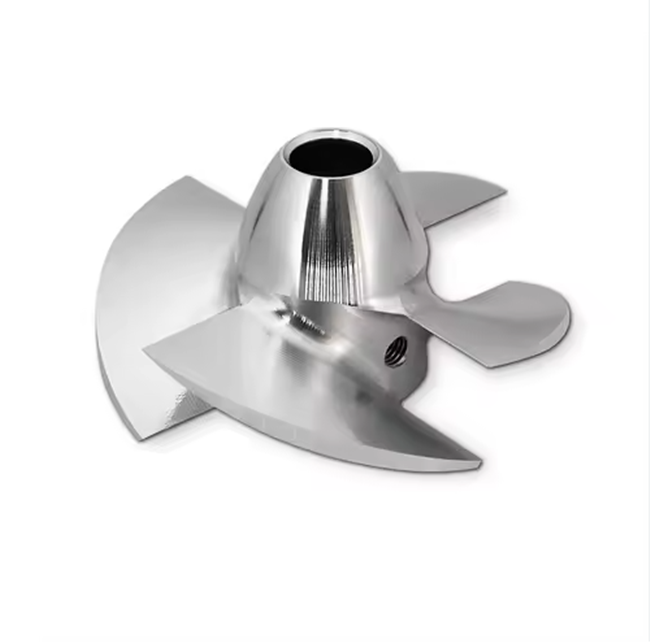
Precision Titanium Alloy Impeller CNC Machining Service
3, 4, 5-Axis Milling | Marine & Hydropower Turbines
View Details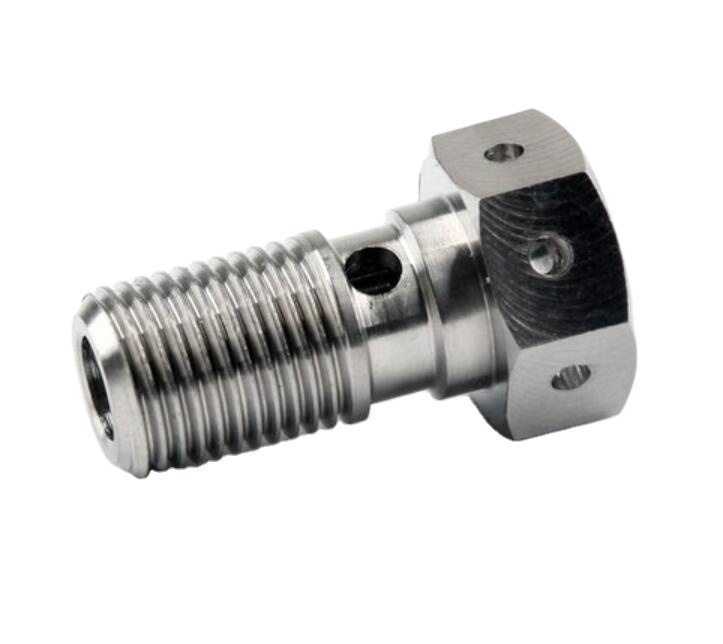
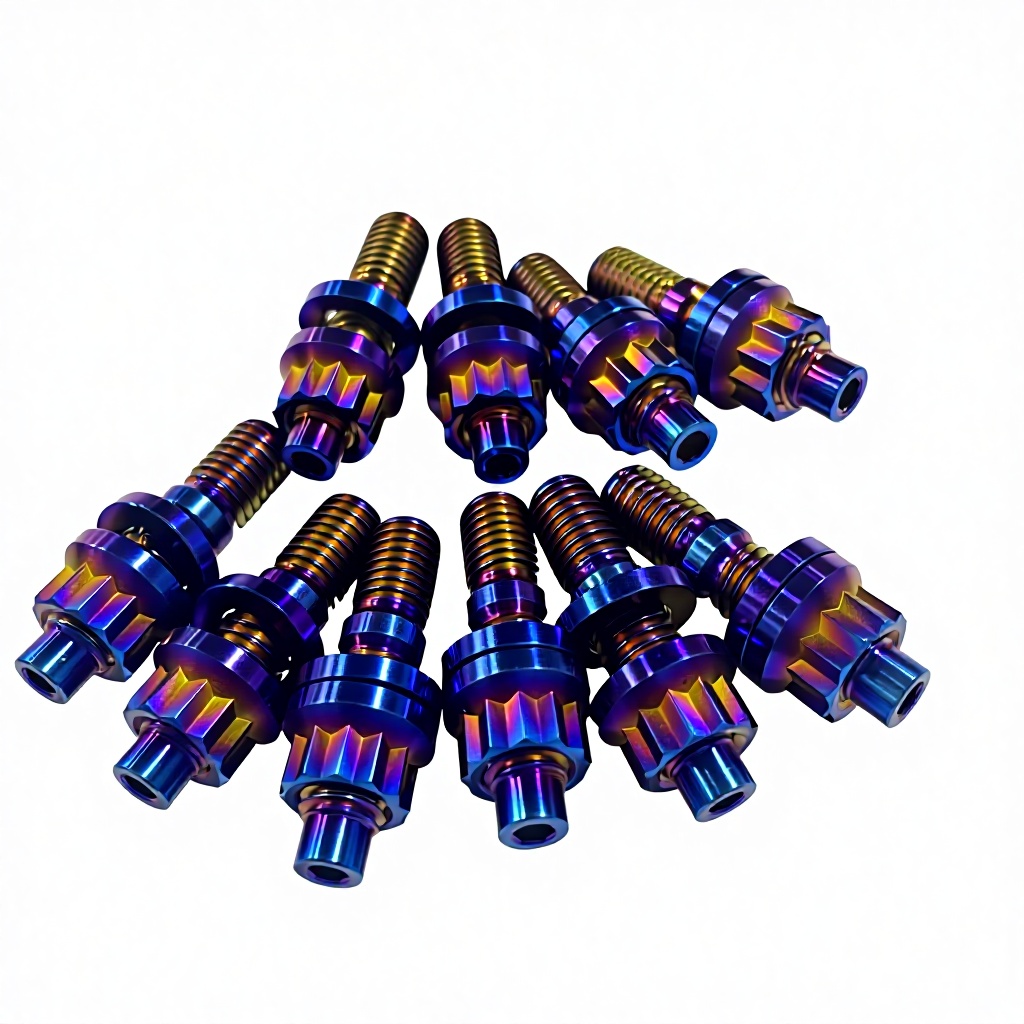
Minghai MH-001 Gr5 Titanium Exhaust Stud Kit
12-Point Flange Nuts & Precision Flat Washers Included
View Details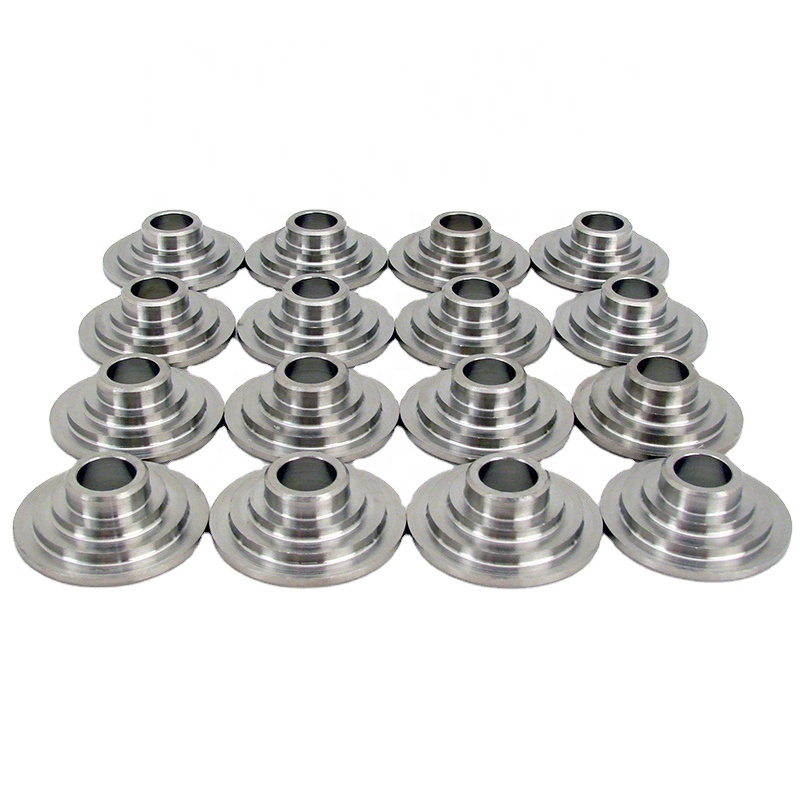
Titanium Alloy Valve Spring Retainer Set K20A
PAC Springs Compatible | ISO 9001 Gr5 CNC Turning
View Details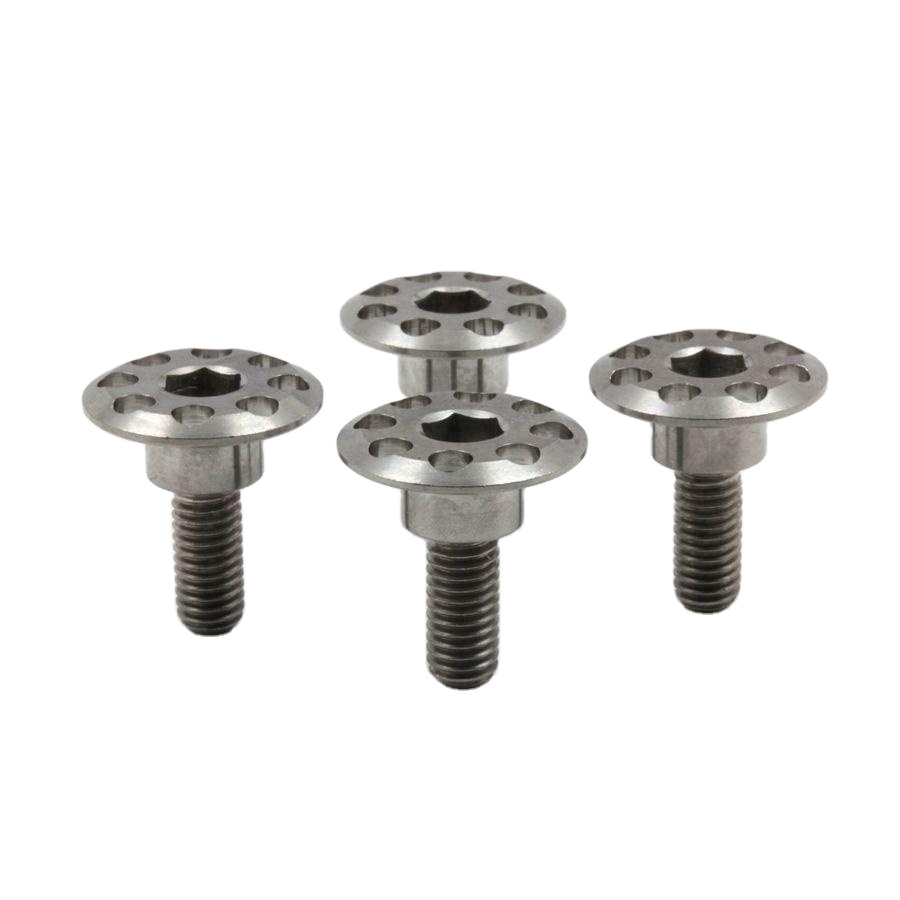
Gr5 Hex Titanium Disc Brake Fasteners
Vibration-Proof Seating | High Thermal Dissipation
View Details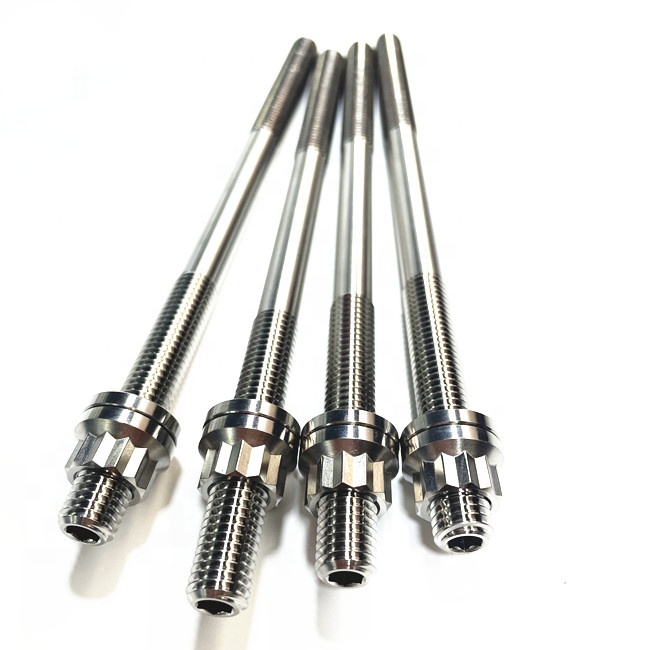
TI Cylinder Head Studs & 12-PT Nut Assembly
DIN Metric M12 / M14 | High Tensile Preload
View Details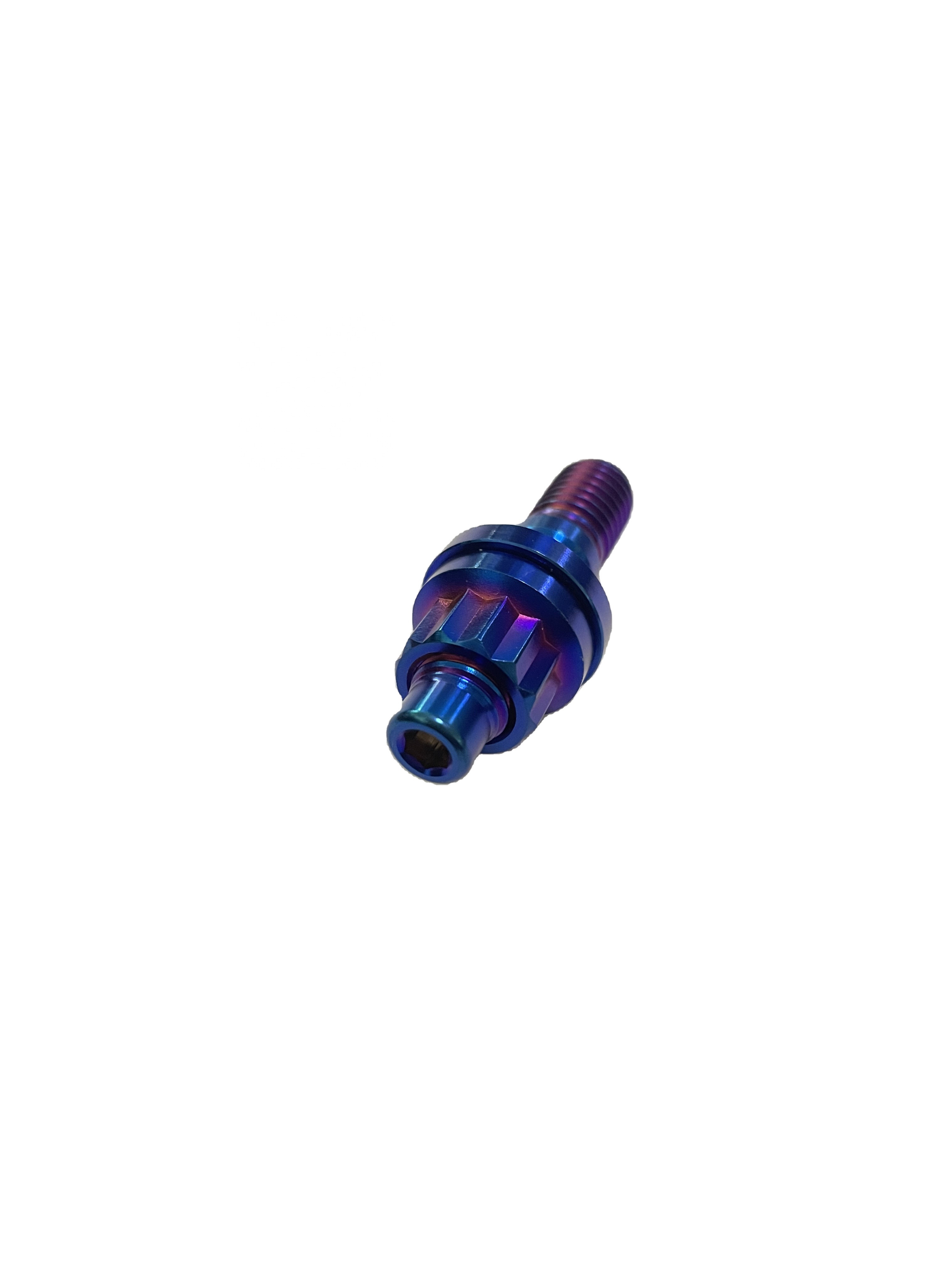
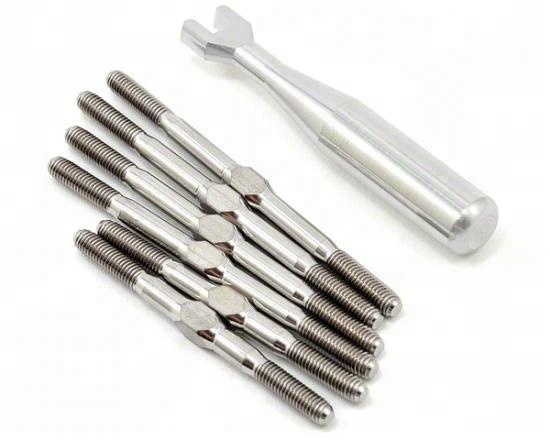
Titanium CNC Machined Hex Nut & Turnbuckle Fasteners
Metric / Inch M14x1.5 | DIN Architecture Spec
View DetailsMechanical Mechanics of Titanium Flat Washers in Severe Environments
Evaluating galvanic mitigation, load distribution uniformity, and thermal coefficient dynamics in heavy infrastructure.
In structural engineering and fluid-dynamic assemblies, the flat washer is frequently misunderstood as a secondary accessory. In reality, it acts as the primary boundary layer governing joint clamping stability, frictional seating coefficients, and dynamic stress distribution. When bolting high-tensile assemblies subjected to cyclic hydraulic impulses, tropical humidity, or abrasive particulate matter, standard carbon or galvanized steel flat washers consistently suffer from localized yield collapse, electrolytic oxidation, and stress-relaxation cracking. For industrial engineers operating across Southern Laos, deploying Grade 5 (Ti-6Al-4V) and Grade 2 commercially pure (CP) titanium flat washers fundamentally eliminates these operational vulnerabilities.
Titanium’s natural passivation mechanism is driven by the immediate formation of an adherent, chemically unreactive titanium dioxide (TiO&sub2;) ceramic oxide film upon exposure to air or moisture. This barrier remains impervious to neutral river waters, heavily silted run-offs, chlorinated process streams, and acidic agricultural organics characteristic of Champasak’s processing mills. Clamping assemblies utilizing titanium washers benefit from an optimal elastic modulus (≈114 GPa), which is nearly half that of austenitic stainless steel (≈200 GPa). This lower modulus endows the titanium flat washer with an intrinsic spring-rate flexibility, allowing it to sustain uniform bolt tension (preload retention) under continuous thermal fluctuation without taking a permanent compressive set.
| Alloy / Standard | Yield Strength (MPa) | Tensile Strength (MPa) | Density (g/cm³) | Pitting Resistance (PREN) | Electrochemical Compatibility |
|---|---|---|---|---|---|
| Gr5 Ti-6Al-4V (Annealed) | ≥ 828 | ≥ 895 | 4.43 | Immune in natural waters | Noble; eliminates galvanic pitting |
| Gr2 Commercial Pure Ti | ≥ 275 | ≥ 345 | 4.51 | Exceptional (pH 3 to 12) | Zero galvanic decay across silt soils |
| SS304 (A2-70 Fastener) | ≥ 450 | ≥ 700 | 7.90 | ≈ 18 – 20 | High crevice corrosion risk in high humidity |
| SS316 (A4-80 Fastener) | ≥ 600 | ≥ 800 | 8.00 | ≈ 23 – 25 | Subject to chloride micro-pitting |
| 10.9 Alloy Steel (Zinc Plated) | ≥ 900 | ≥ 1000 | 7.85 | N/A (Sacrificial Layer) | Sacrificial layer degrades rapidly in monsoon cycles |
Localized Application Scenarios in Pakse & Southern Laos
Engineered for deployment within Champasak’s strategic industrial, energy, and transportation corridors.
Mekong Hydropower Infrastructure
Pakse serves as the operational supply hub for major run-of-river hydropower stations along the Mekong and Sedone River basins. Submerged penstock inspection gates, water monitoring telemetrics, and hydraulic turbine housings continuously confront high silt abrasion and aeration cavitation. Titanium flat washers (DIN 125, DIN 9021, and DIN 433) prevent the localized galvanic cell formation that typically destroys traditional stainless-steel bolted interfaces in silt-rich tropical currents.
Bolaven Plateau Agro-Processing Mills
The coffee, tea, and cassava processing complexes across the Bolaven Plateau subject mechanical grinding, washing, and extraction equipment to corrosive organic acids (caffeic, citric, and acetic acids) alongside intensive washdown steam cycles. Utilizing Ti6Al4V Grade 5 flat washers on drying kilns and vibratory destoners prevents rust discoloration of food-grade agricultural exports while eliminating downtime caused by rusted, seized fasteners.
East-West Logistics & Transport Fleets
Strategically situated near the Thai and Cambodian borders, Pakse acts as a critical transit node along the GMS southern economic corridor. Cross-border commercial trucks, heavy transport equipment, and racing fleet modifications rely on titanium washers under brake caliper mounts, suspension links, and exhaust headers to dissipate heavy vibration, shed un-sprung weight, and withstand the punishing monsoon-season mud salting.
Procurement & Modernization Trends Across Champasak
How regional development strategies are driving high-precision titanium component adoption.
Southern Laos is undergoing an industrial transition. As the Lao People's Democratic Republic accelerates its strategic objective to establish itself as the clean energy powerhouse of Southeast Asia, capital expenditures are flowing directly into the modernization of energy generation, agricultural mechanization, and regional cross-border infrastructure centered around the Pakse Special Economic Zone (SEZ).
Traditionally, infrastructure procurement in Champasak was characterized by low initial-cost purchasing, relying primarily on regional traders supplying hot-dip galvanized and commercial A2 stainless hardware. However, plant managers and structural project engineers in Pakse are now calculating life-cycle costs (LCC) rather than immediate unit procurement expenses. High humidity, acidic red volcanic soil on the surrounding plateau, and continuous immersion in swift river currents cause standard steel fasteners to fail within two to three monsoon seasons. The cost of plant stoppages, emergency extraction of seized bolts, and unexpected failure of critical clamping assemblies far outweighs the marginal initial cost difference of titanium hardware.
Furthermore, direct freight corridors connecting Southern China’s manufacturing heartlands—specifically Baoji, China's designated Titanium Valley—with Laos via high-efficiency rail and multi-modal transit networks have slashed lead times to Pakse down to a fraction of historic timelines. This allows local engineers, maintenance workshops, and supply managers in Pakse to bypass third-party intermediary markup and procure factory-direct, laboratory-certified titanium washers fabricated precisely to DIN, ISO, ASME, or custom non-standard CAD parameters.
Our Direct Factory Advantages & Manufacturing Caliber
Direct-from-source precision from China's Titanium Valley to global industrial hubs.
Baoji Titanium Valley Nexus
Founded in 2008 immediately adjacent to the Baoti Group Industrial Park in Baoji, Shaanxi, our facility leverages the world’s most comprehensive raw titanium supply chain, giving us uncompromised sponge selection and raw billet quality.
34 Multi-Axis CNC Machinery
Equipped with 34 high-speed multi-axis (3, 4, and 5-axis) CNC machining centers, precision punch tooling, and surface lapping systems capable of delivering flat washer surface parallelisms within ±0.005 mm.
Sponge-to-Part Traceability
Every single production batch includes comprehensive mill test certification (MTC) following EN 10204 3.1 standards, certifying chemical composition, tensile capability, yield points, and microstructure integrity.
Rapid DFM & Logistics Dispatch
Our in-house technical team guarantees engineering response and design for manufacturability (DFM) reviews within 9 hours, backed by full multi-modal cross-border shipping directly to Southern Laos.
Frequently Asked Questions by Pakse Buyers
Clear technical insights addressing specifications, shipping, customization, and metallurgical performance.
Why choose Ti6Al4V Grade 5 flat washers over standard SS316 in Pakse hydropower assemblies?
What flat washer standards do you fabricate and export to the Laos market?
How are freight shipments and import clearances handled for orders delivering to Pakse?
Can you provide custom surface finishes, such as color anodizing or micro-polishing?
What is the Minimum Order Quantity (MOQ) and production turnaround for custom washers?
How does your factory ensure the washers are genuinely pure Grade 2 or Grade 5 alloy?
Request an Engineering Quotation for the Pakse Market
Connect directly with our Baoji engineering headquarters. Submit your dimensional drawings, target alloy specifications, or custom bill of materials for rapid review, DFM consultation, and factory-direct wholesale pricing.
Contact Us