Precision Titanium Nuts, Bolts & Fasteners
Fabricated in Baoji's Titanium Valley to strict DIN, ISO, and GB aerospace standards. Each fastener features precision-cut rolled threads, high fatigue endurance, and total immunity to Baltic chloride corrosion.
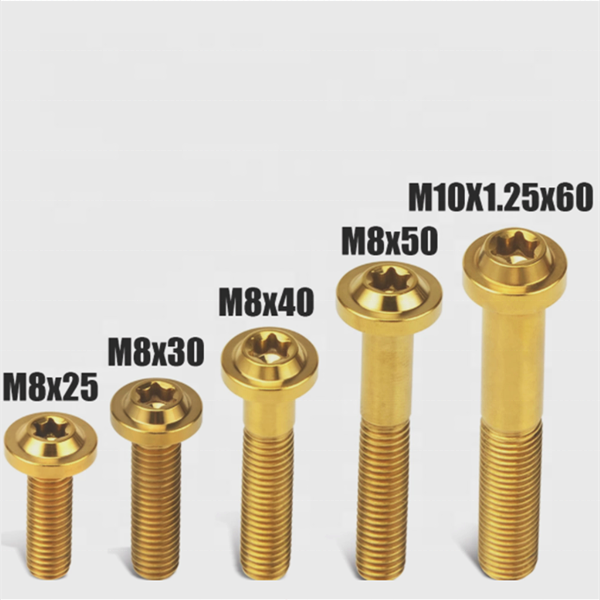
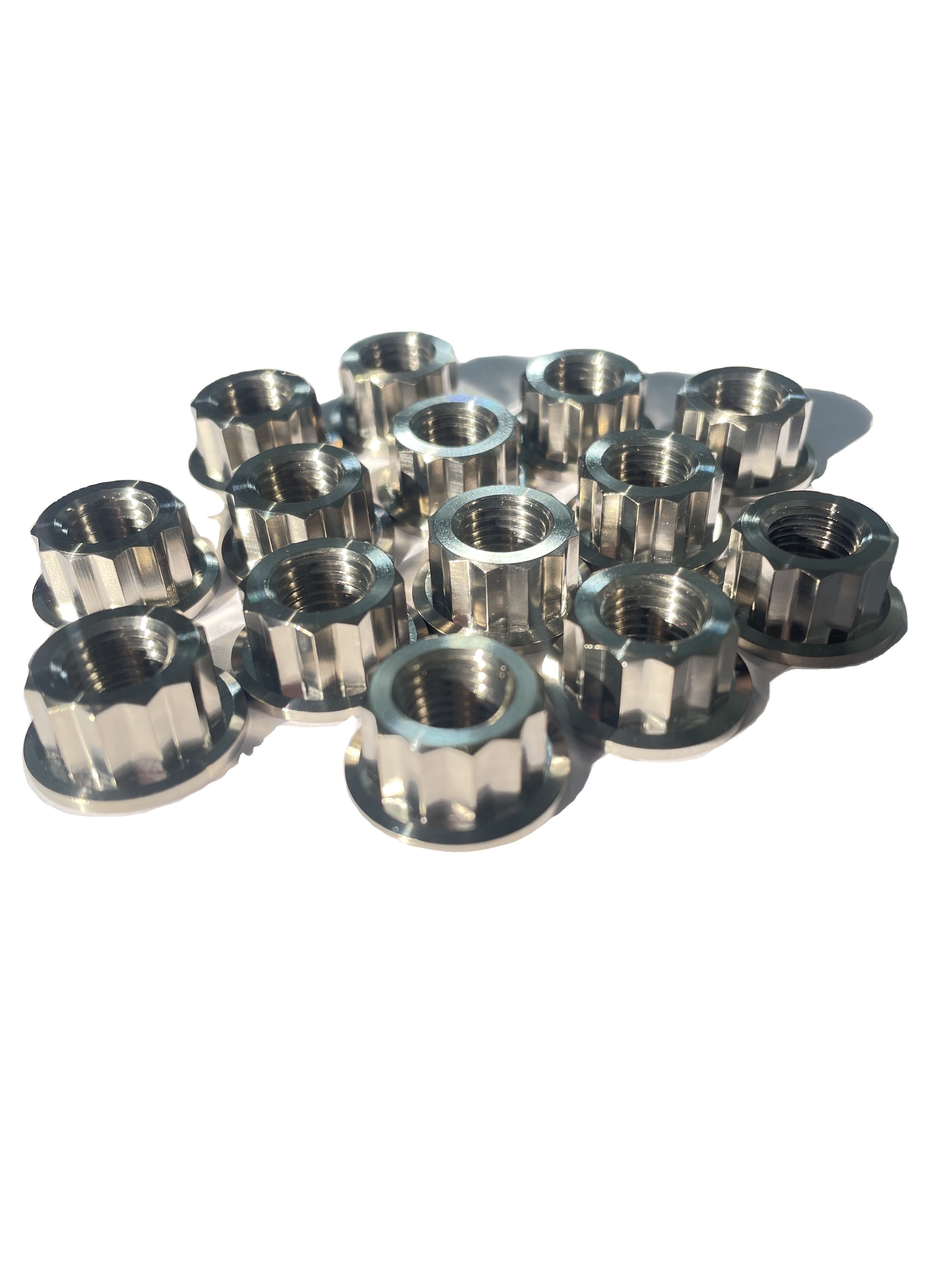
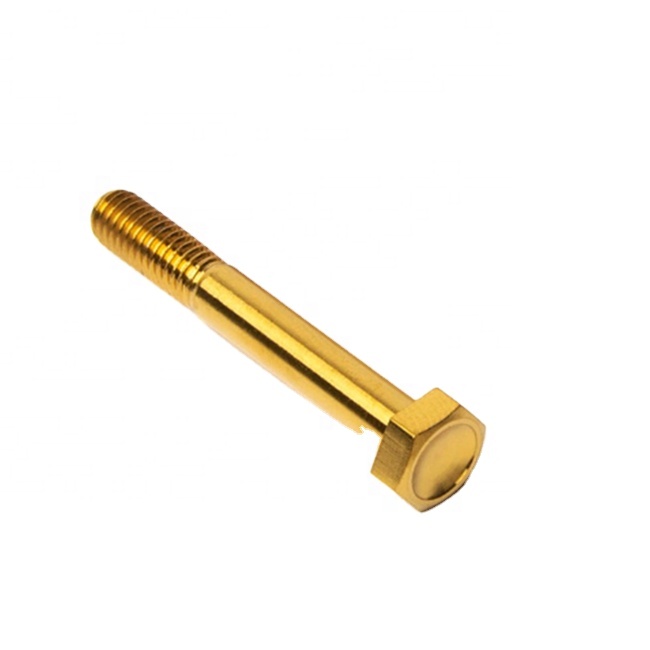
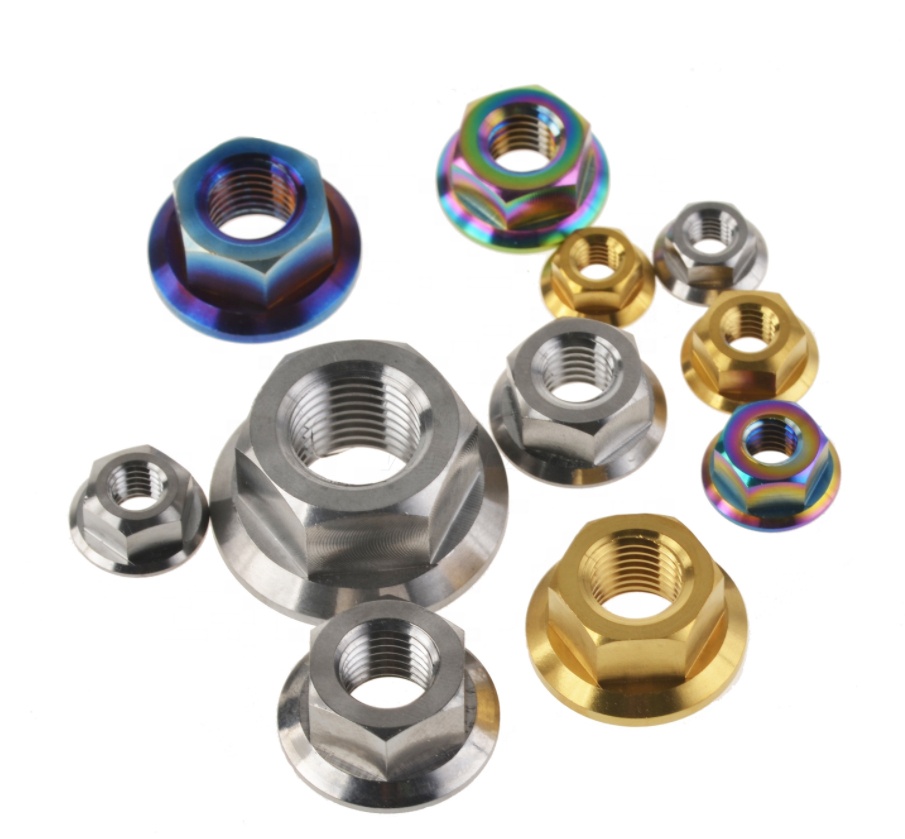
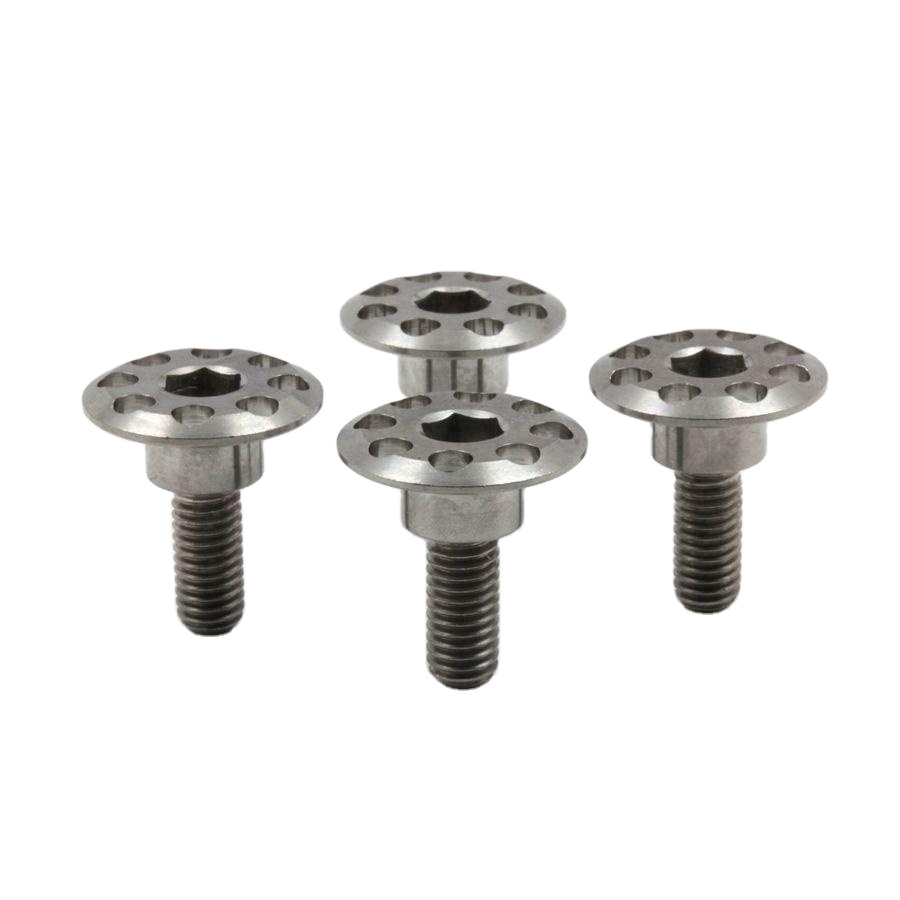
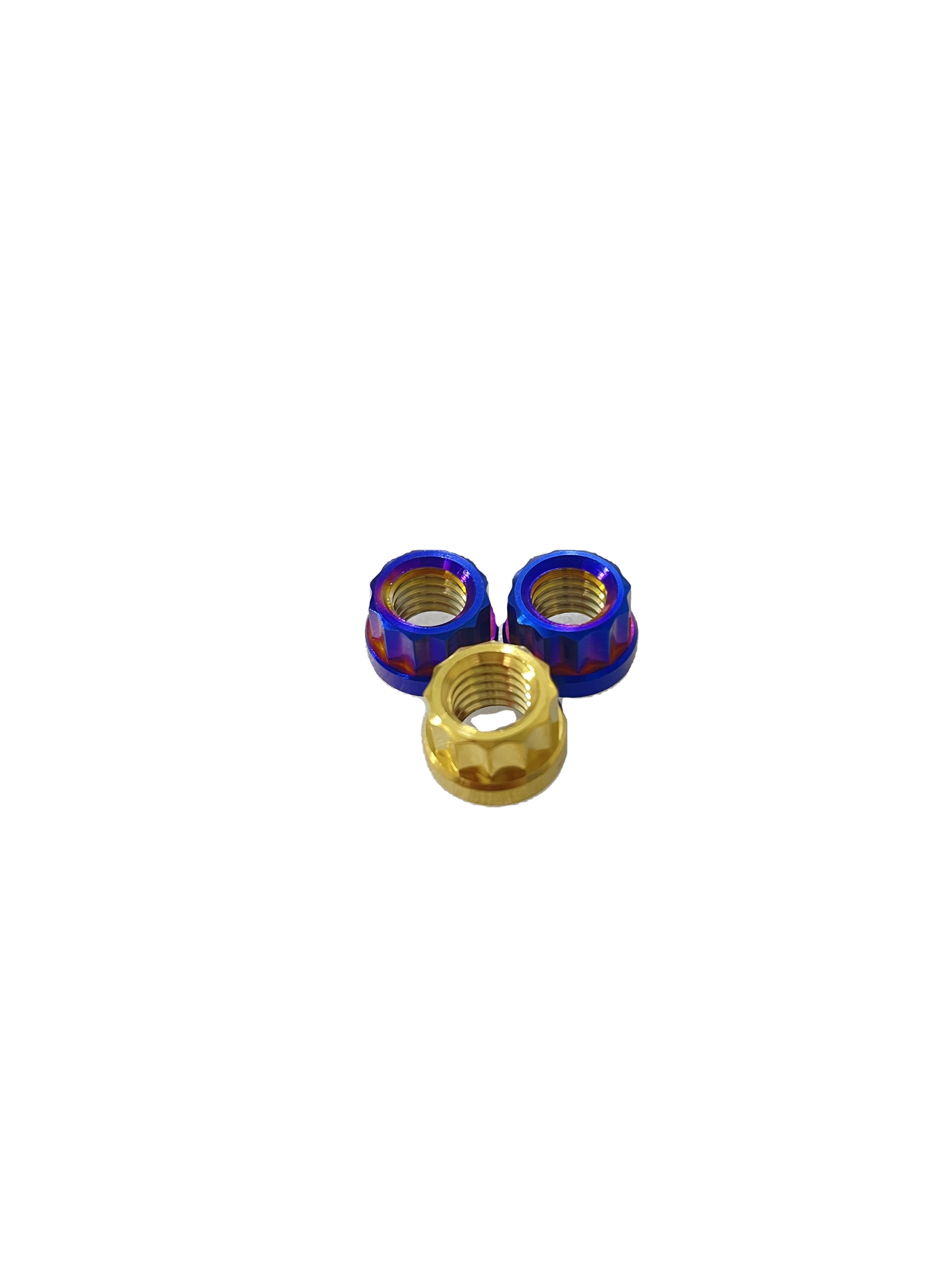
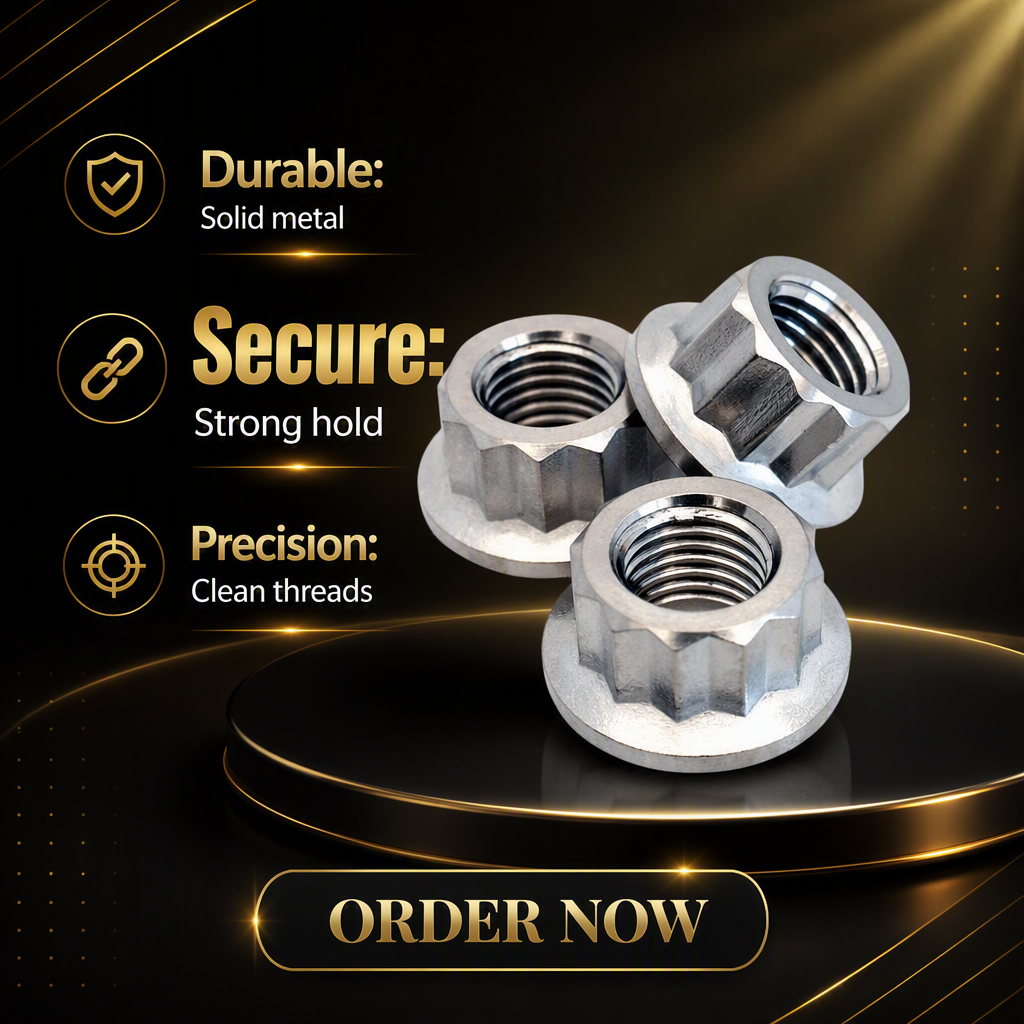
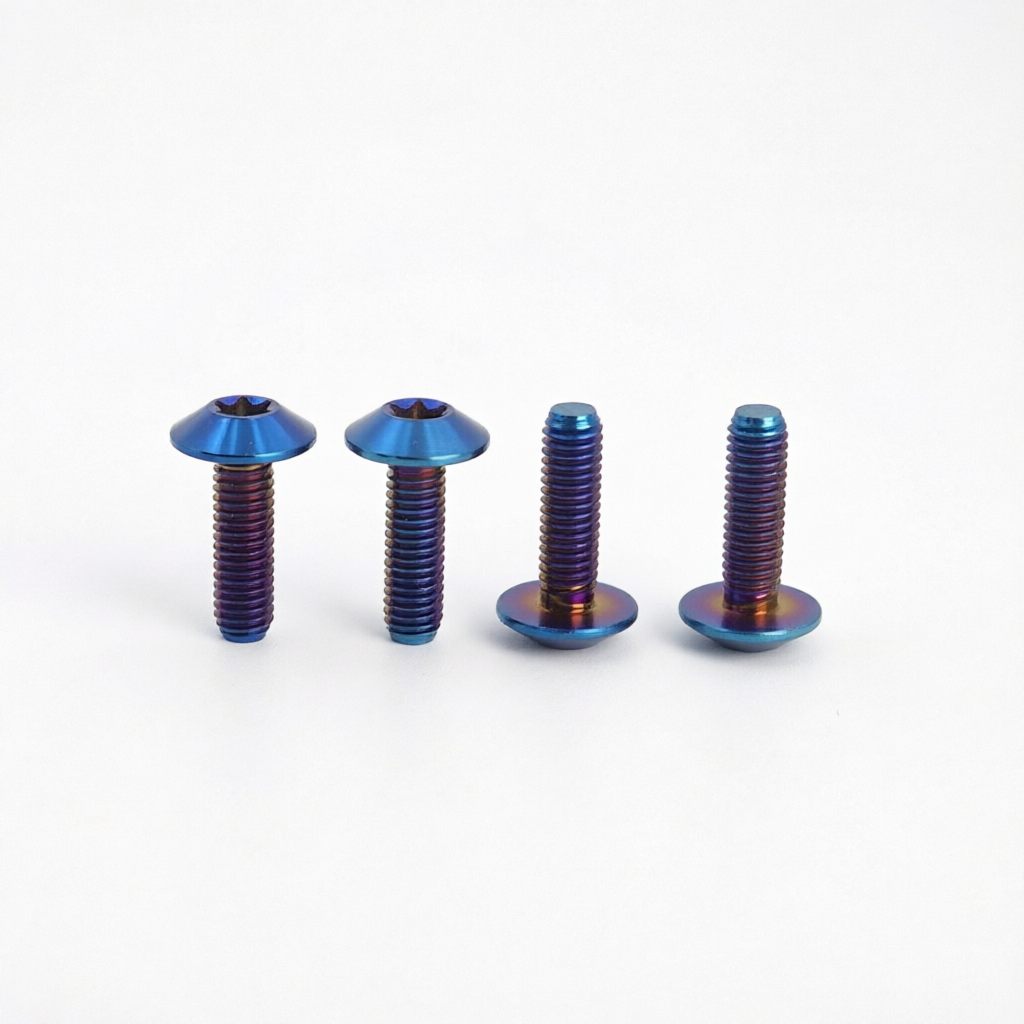
Engineering Superiority: Titanium Hex Nuts in Extreme Baltic Operating Environments
In mechanical fastening design, structural reliability hinges on the balance between tensile strength, fatigue endurance, and environmental degradation resistance. For engineering procurement teams across Latvia—encompassing the maritime port corridors of Riga, Ventspils, and Liepāja, as well as burgeoning aerospace, autonomous drone (UAV), and automated equipment manufacturers—standard 304 or 316L stainless steel fasteners present severe compromises. While austenitic stainless steel provides moderate oxidation resistance, it suffers from chloride-induced stress corrosion cracking (SCC), high mass density (approx. 7.93 g/cm³), and catastrophic susceptibility to marine pitting in the brackish, icy Baltic waters.
Vunza Titanium Industry Co., Ltd., leveraging over 15 years of precision manufacturing in China’s Titanium Valley (Baoji), supplies Latvian industrial buyers with certified Grade 5 Ti-6Al-4V (ASTM B348 / ASTM F467) and commercially pure Grade 2 Titanium hex nuts. Boasting a density of 4.43 g/cm³—roughly 44% lighter than equivalent high-tensile steel fasteners—our Gr5 titanium hex nuts achieve minimum tensile strengths of 895 to 1000 MPa, exceeding Class 8.8 and rivaling Class 10.9 structural alloy steel while providing an impermeable, self-healing titanium dioxide (TiO₂) passive oxide film that eliminates galvanic decay and chemical corrosion.
Critical Engineering Fact for Baltic Procurement: Titanium possesses an absolute immunity to ambient seawater chloride ion attack at temperatures up to 260°C. In sub-zero de-icing conditions common to Latvian highways and marine dock facilities, Ti-6Al-4V maintains ductile fracture toughness without exhibiting the classic ductile-to-brittle transition temperature (DBTT) observed in ferritic and carbon steels.
| Material Specification | Yield Strength (MPa) | Tensile Strength (MPa) | Density (g/cm³) | Specific Strength (Strength/Density) | Baltic Sea Corrosion Immunity | Recommended Latvian Use-Case |
|---|---|---|---|---|---|---|
| Titanium Gr5 (Ti-6Al-4V / TC4) | ≥ 828 | ≥ 895 – 1050 | 4.43 | 202 – 237 | Superior (Immune to Pitting & Crevice) | UAV frames, rally suspension, marine winches, Rail Baltica |
| Titanium Gr2 (CP Titanium) | ≥ 275 | ≥ 345 – 450 | 4.51 | 76 – 100 | Absolute (Highest Chemical Purity) | Chemical synthesis tanks, Baltic wastewater, food plants |
| A4-80 (316L Stainless Steel) | ≥ 600 | ≥ 800 | 8.00 | 100 | Moderate (Prone to crevice corrosion under silt) | General coastal architecture (heavy weight penalty) |
| Grade 10.9 Quenched Alloy Steel | ≥ 900 | ≥ 1000 – 1200 | 7.85 | 127 – 153 | Very Low (Requires sacrificial zinc / cadmium coats) | Dry internal combustion drivetrains (rusts in marine mist) |
Localized Application Scenarios in Latvia's Key Industries
How our titanium hex nuts, flanged locknuts, and custom CNC threaded components integrate directly into Latvia's key industrial, maritime, and technological infrastructure.
Baltic Maritime & Port Infrastructure
The Freeports of Riga, Ventspils, and Liepāja operate in corrosive marine brackish environments with seasonal ice floes. Vunza Grade 5 DIN 934 and DIN 6923 serrated flange hex nuts provide zero-corrosion anchoring for subsea acoustics, shipboard winch systems, hydrographic monitoring buoys, and salt-mist-exposed dockside electronic enclosures.
Riga Aeronautics, Drone & UAV Cluster
Latvia has emerged as a premier European hub for long-range tactical unmanned aerial vehicles (UAVs) and advanced surveillance airframes. Utilizing our M3 to M8 ultra-low profile titanium hex nuts and 12-point nuts allows aeronautical engineers in Mārupe and Riga to reduce structural payload weight by 44% while withstanding extreme high-G vibrational stresses.
Baltic Rally, Drift & Motorsport Engineering
Rooted in historic circuits like Biķernieki Track and fierce Baltic winter rally championships, Latvian racing teams demand unsprung weight reduction and sheer mechanical resilience. Our Gr5 titanium wheel lug nuts, brake rotor disc bolts, and engine head studs withstand extreme cyclic shock loads, brake rotor thermal radiant spikes exceeding 650°C, and heavy lateral cornering forces.
Offshore Wind & Baltic Clean Energy
Joint Baltic offshore wind projects in the Gulf of Riga subject structural assemblies to permanent sea-spray splash zones. Our titanium fasteners prevent dangerous galvanic corrosion when mated with carbon-fiber-reinforced polymer (CFRP) composite blades, nacelle housings, and aluminum heat exchangers without requiring periodic zinc-coating re-applications.
Rail Baltica High-Speed Infrastructure
As the multi-billion-euro Rail Baltica corridor modernizes regional transit through Riga, electrical overhead catenary systems, acoustic trackside barriers, and specialized wayside sensors require 50+ year maintenance-free design lives under aggressive sub-zero road-salt splash conditions. Vunza Grade 5 hex nuts guarantee zero stress-cracking.
Chemical, Timber & Biogas Processing
Latvia's heavy forestry, pulp-wood drying kilns, and rapidly expanding bio-methane energy plants subject fasteners to humid organic acids, sulfur dioxide, and aggressive leachate. Commercially pure Grade 2 titanium hex nuts maintain complete chemical passivity against organic and inorganic acids where standard steels suffer severe localized etching.
Macro-Industrial Trends Shaping Titanium Procurement in Latvia
The manufacturing landscape in the Baltic states is undergoing an aggressive transition from low-margin subcontract assembly toward high-value, digitally integrated mechanical engineering and green tech manufacturing. Under European Union green transition targets and regional defense supply resilience strategies, purchasing managers and chief design engineers in Latvia are pivoting rapidly toward advanced titanium alloy hardware. Three decisive macro trends dominate:
1. The European Green Deal & Structural Lightweighting
Industrial machinery builders and transportation equipment fabricators in Jelgava and Valmiera face rigorous EU lifecycle carbon footprint mandates. Replacing heavy steel hardware with precision CNC-machined titanium fasteners delivers immediate inertial weight savings of 40% to 45%. In automated robotics and high-speed pick-and-place packaging machines, reduced fastener mass lowers motor torque demands, trims kilowatt consumption, and significantly enhances operational cycle frequencies.
2. Harsh Baltic Sea Offshore Wind Ecosystem Expansion
With Latvia and Estonia spearheading the ELWIND cross-border offshore wind farm in the Baltic Sea, balance-of-plant (BoP) engineers are rejecting traditional cadmium-coated and galvanized fasteners. Offshore salt fog causes galvanic cell formation at fastener interfaces within 18 to 36 months, generating multi-million-euro maintenance overheads. Grade 5 titanium fasteners provide an electrochemical potential closely matched to marine bronzes, high-grade super duplex stainless steels, and carbon composites, eliminating galvanic cell degradation.
3. Aerospace Defense Modernization & NATO Dual-Use Production
Latvia’s defense cluster is scaling serial production of autonomous reconnaissance aerial systems, military-spec communication masts, and armored vehicle components. These mission-critical systems require fasteners that comply with strict MIL-DTL, DIN, and ISO standards, guaranteeing structural integrity across rapid thermal cycles from -40°C in harsh Baltic winters to elevated engine operating zones.
Full Sponge-to-Part QC
Raw materials directly sourced from the Baoti supply chain in Baoji. Verified chemistry, grain structure, and mechanical properties via 100% traceable mill test certificates (EN 10204 3.1).
34 CNC Centers (0.005mm)
Equipped with 3, 4, and 5-axis multi-spindle precision machining centers. We execute complex internal threading, serrations, and custom hex shapes in one single setup.
Direct Factory Pricing
Bypass intermediary European trading markups. Directly source high-precision titanium fasteners manufactured from raw ingot to finished boxed export packages.
Streamlined Baltic Logistics
Express air courier to Riga International Airport (RIX) in 4–7 business days, or consolidated DDP/CIF ocean container freight via the Port of Riga for large industrial orders.
Frequently Asked Questions by Latvian Industrial Buyers
Detailed answers to critical questions regarding standards conformity, galling mitigation, customs clearance, and quality assurance.
1. How do you prevent thread galling (cold welding) when installing titanium hex nuts?
2. Can Vunza supply full EN 10204 3.1 Inspection Certificates and batch traceability?
3. Which European and German DIN standards are your titanium hex nuts compliant with?
4. What are the import procedures, HS Codes, and delivery timelines for shipments to Latvia?
5. What is the Minimum Order Quantity (MOQ) for custom vs. standard titanium nuts?
6. How does Grade 5 Titanium behave in Baltic winter temperatures reaching -30°C?
Request Engineering Quotation & Specification Sheets
Send us your required thread sizes, DIN standards, target quantities, or custom 2D/3D component drawings. Our senior metallurgists and CNC engineering teams will review your specifications and provide direct factory pricing within 9 hours.