Engineered Titanium Hex Screws & Fasteners Available for Tuzla
Precision engineered in China's Titanium Valley (Baoji) to international standards (DIN 933, DIN 931, DIN 6921, ISO 4014, ISO 4017). Sourced directly for naval architecture, subsea operations, and industrial manufacturing.
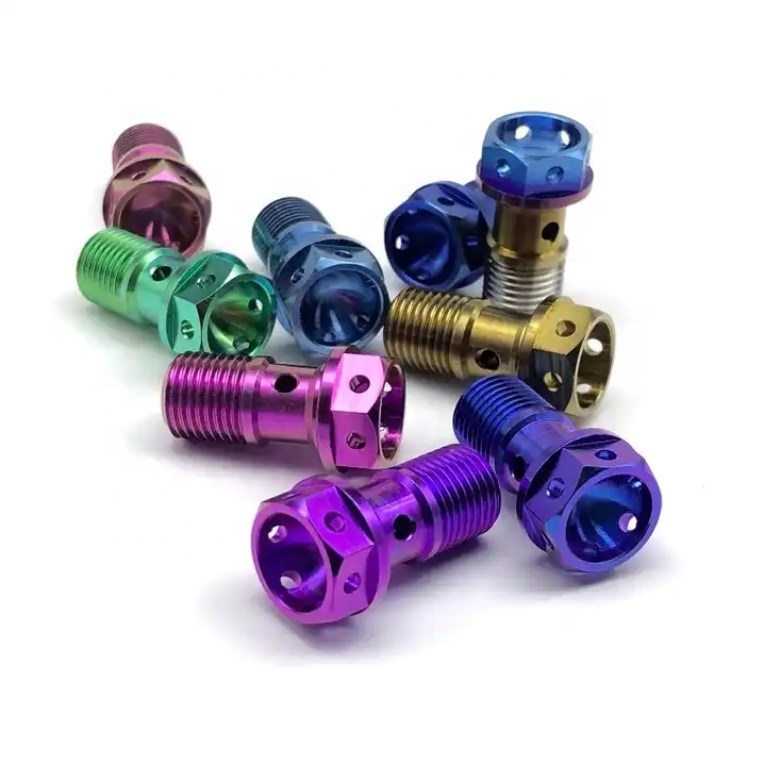
Gr5 Titanium Alloy Flat Head Hex Flange Bolts M8 Polished Finish for Motorcycle Racing Sports
Tensile Strength: ≥ 895–1000 MPa
Finish: Micro-Mirror Polished
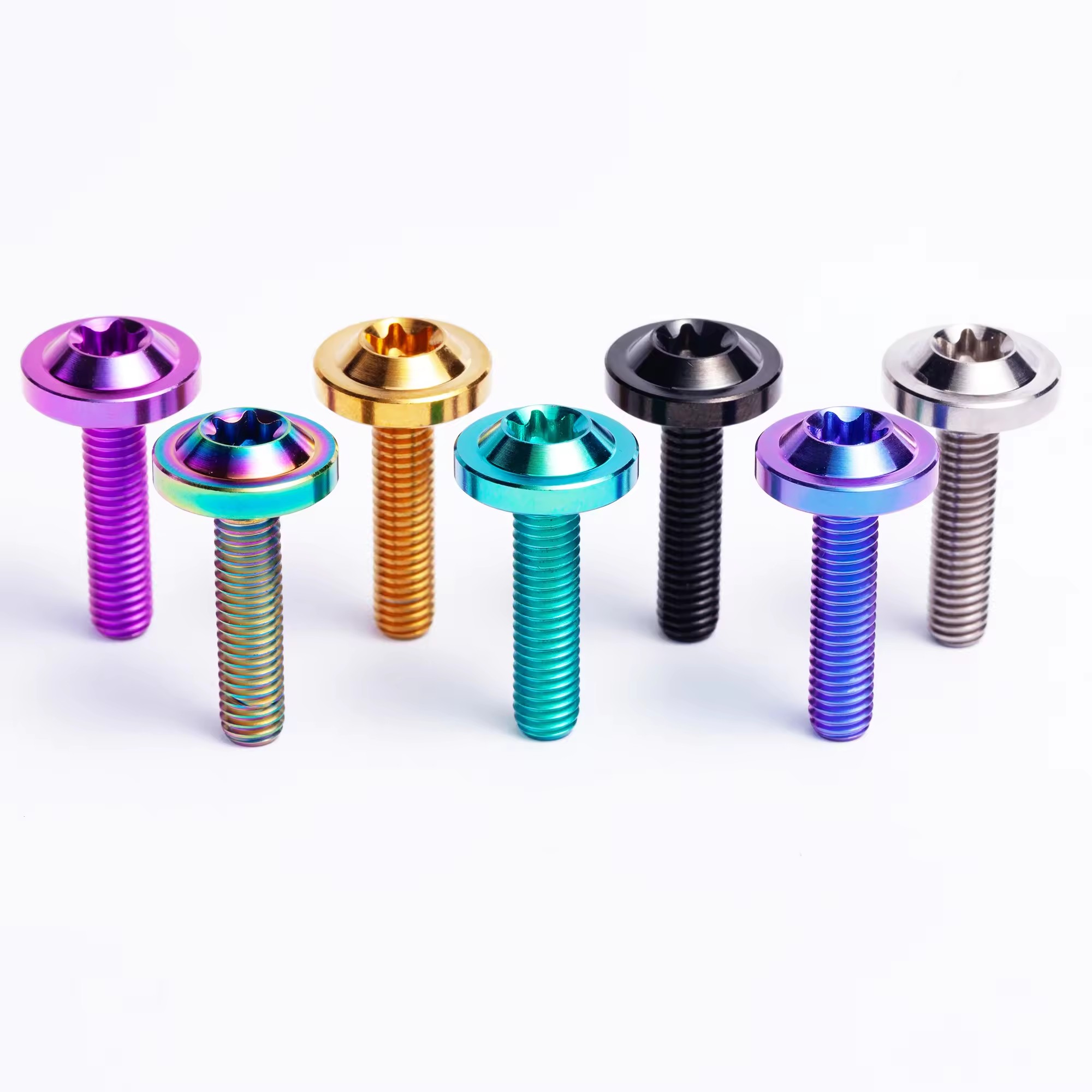
GR5 Titanium Alloy Torx Head Low Profile Fine Polished Motorcycle Bolts Anti-Theft M4 M5 M6 M8 M10
Thread: M4 to M10 Metric Rolled
Application: Anti-Tamper Assemblies
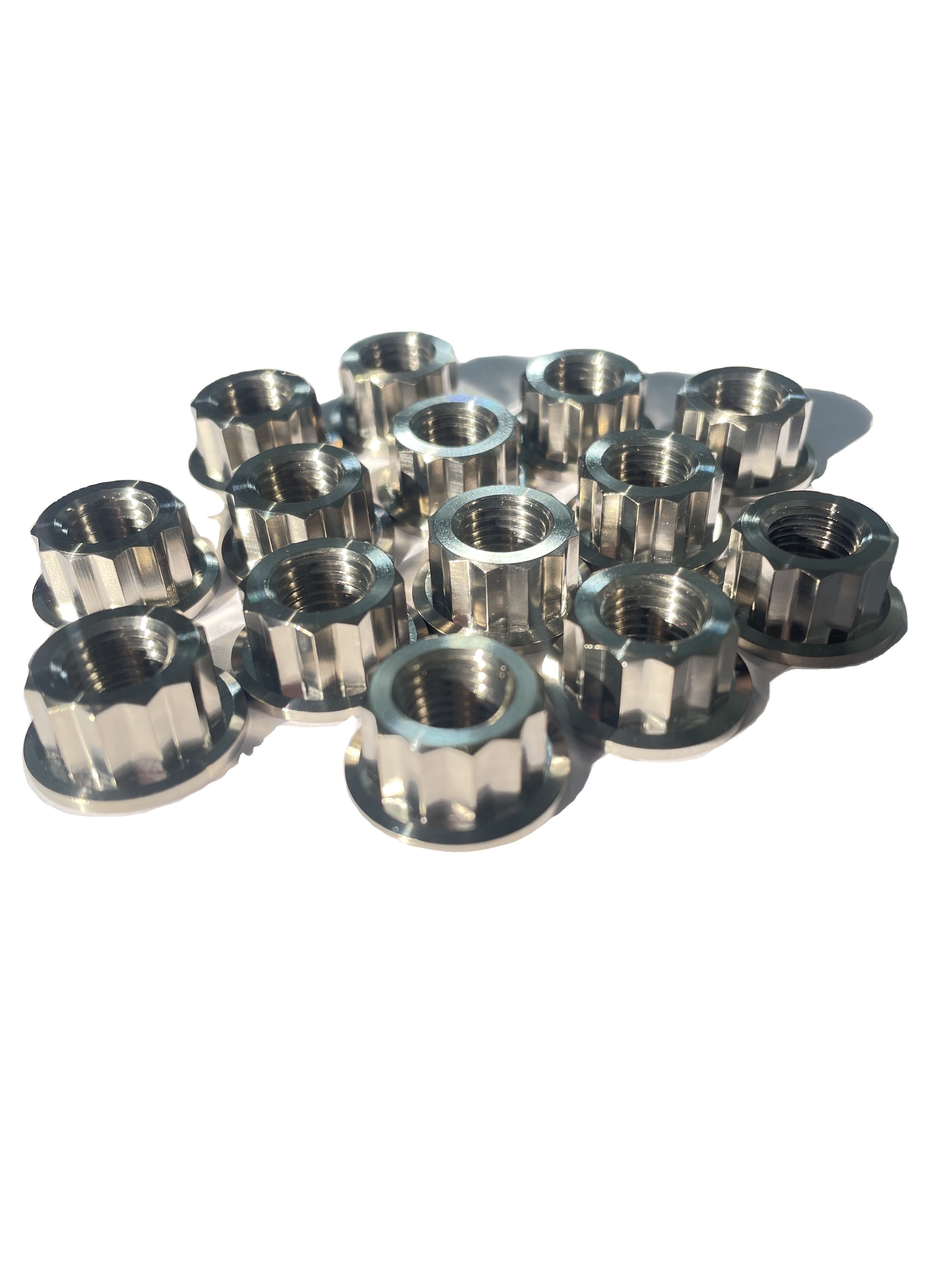
Factory Wholesale Polished CNC Machined Gr5 Titanium Alloy Bolts 12 Points Hex Flange Nuts DIN GB Standard
Drive: 12-Point / Hexagon Flange
Features: Extreme Shear Resistance
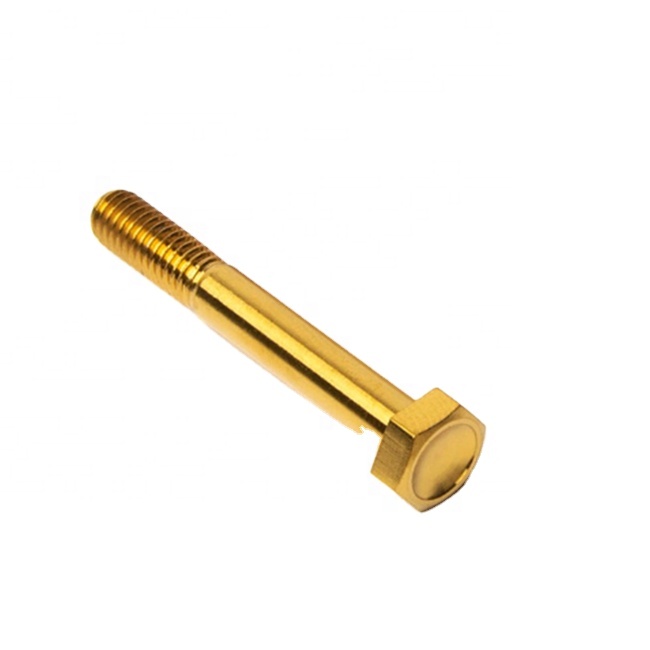
Customized Forged 10-32 X1 1/2" Inch UNF HEX Titanium BAR Bumper Bolt Sprint Car Midget DIN 7991 Grade5
Thread: 10-32 UNF Fine Thread
Material: ASTM B348 Gr5 Alloy
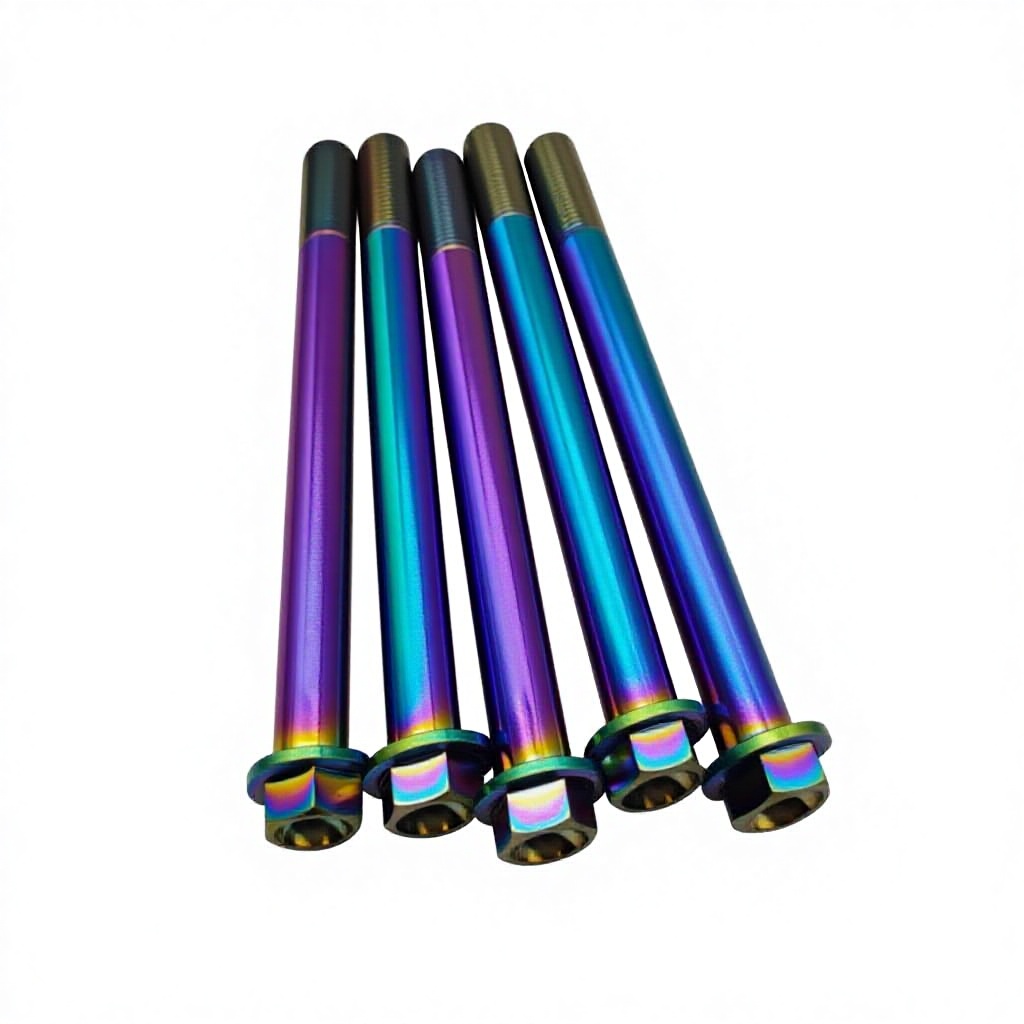
Gr5 Titanium Hexagon Head Flange Bolts M6 M8 M10 PVD/Anodized Finish DIN GB Standard MH-15842
Tolerance: ±0.005 mm Precision
Application: Marine Exterior & Race
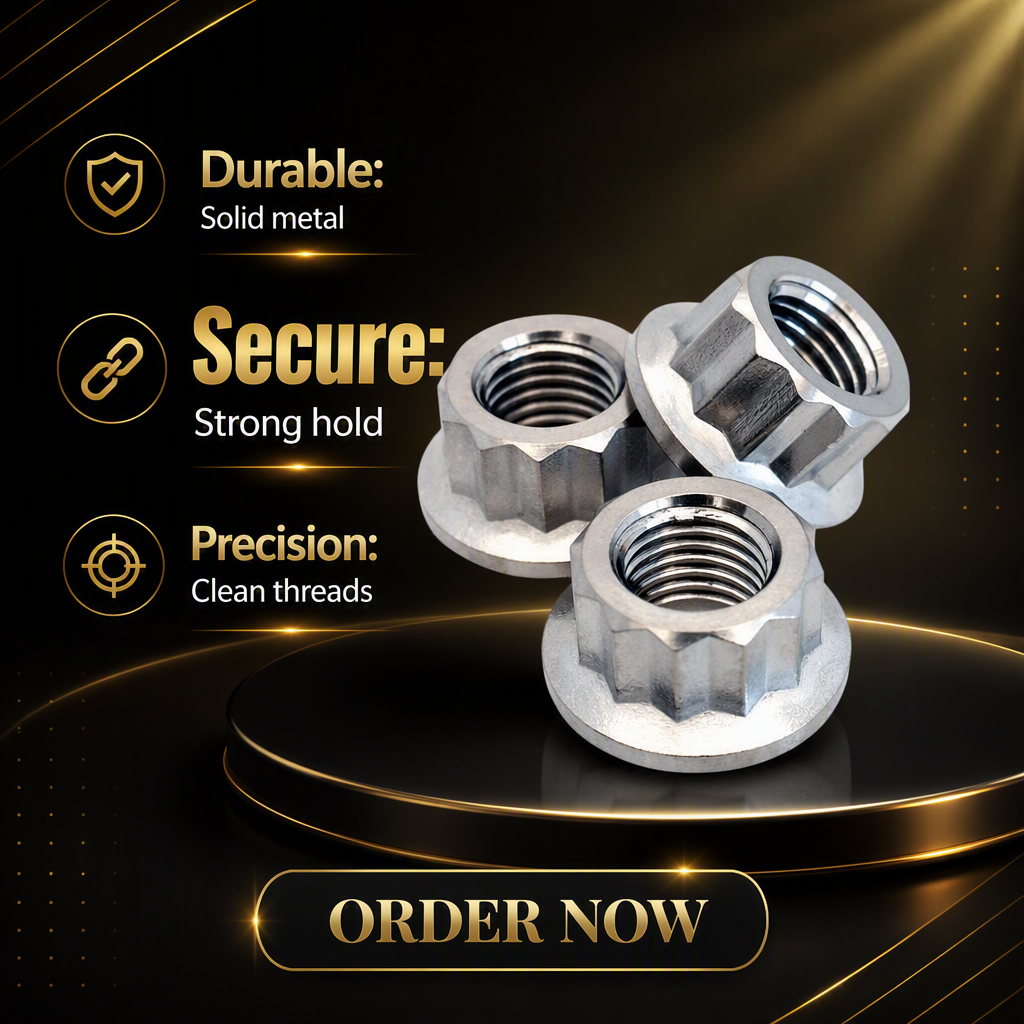
Polished Gr5 Titanium 12 Point Flange Nuts for Automotive Racing & High Vibration Assemblies
Yield Strength: ≥ 828 MPa
Weight Reduction: 44% vs 10.9 Steel
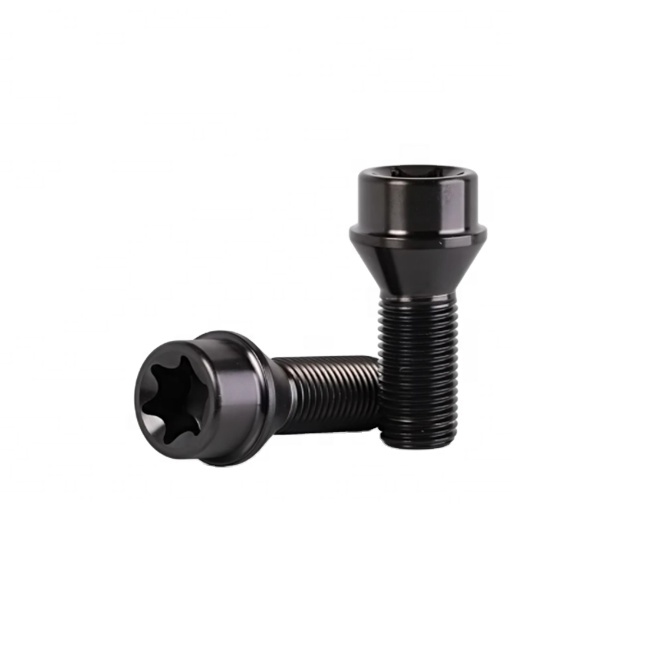
Titanium Wheel Bolts M14 DIN Standard Torx Shape CNC Machined Nitride Black Finish for Supercars
Surface: Anti-Galling Nitride Black
Hardness: HRC 32–38 Heat Treated
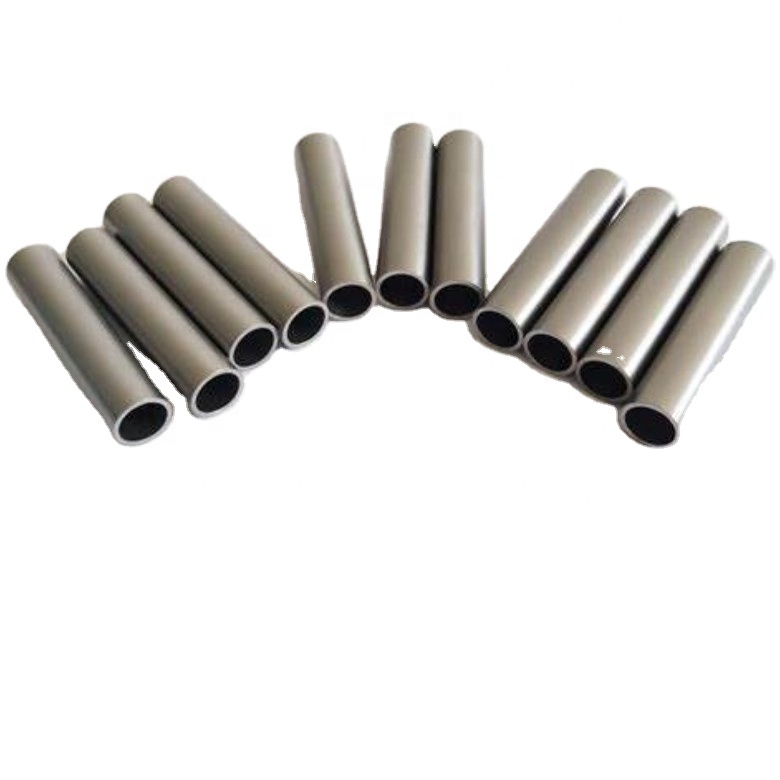
Best Price Titanium Tube High Quality Pure Grade 2 for Heat Exchangers & Exhaust Piping
Standard: ASTM B338 / ASTM B861
Corrosion: Marine Brine Resistant
Titanium Hex Screws in Severe Maritime & Industrial Environments
A metallurgical evaluation of Grade 2 and Grade 5 Ti6Al4V hexagon fasteners under mechanical fatigue, chloride crevice attack, and thermal fluctuation in the Marmara coastal basin.
Passivation & Crevice Corrosion Immunity
In high-salinity marine interfaces such as the Tuzla Shipyard coastal perimeter (Bay of Tuzla, Sea of Marmara), standard austenitic stainless steels (AISI 304, AISI 316L) routinely experience pitting and crevice corrosion underneath bolt heads and nut bearing faces due to oxygen depletion in stagnant seawater. Titanium exhibits an immediate, thermodynamically spontaneous formation of an adherent titanium dioxide (TiO2) rutile/anatase passivation film.
Even when scratched under high clamping torques, the oxide layer self-heals instantaneously in the presence of trace oxygen or moisture. Commercially Pure Grade 2 and Alpha-Beta Grade 5 titanium fasteners display virtual immunity to microbiologically influenced corrosion (MIC) and pitting up to 315°C, offering multi-decade lifecycle durability for shipboard hulls, rudders, ballast systems, and deck equipment.
- Pitting Resistance Equivalent Number (PREN) effectively superior to Super Duplex 2507 in coastal aerated seawater.
- Zero stress corrosion cracking (SCC) in industrial marine environments with dissolved sulfides and chlorines.
- Self-regenerating protective barrier eliminating structural repainting or sacrificial anode replacement cycles.
Strength-to-Weight Efficiency & Fatigue Life
Hexagon head bolts and hex flange screws engineered from annealed or solution-treated & aged Ti6Al4V (Grade 5) deliver tensile strengths exceeding 895–1000 MPa, directly equivalent to ISO 898-1 Class 10.9 high-tensile carbon alloy steels, while presenting a specific density of only 4.43 g/cm³ (approximately 56% the weight of steel).
For naval architects, high-speed patrol craft builders, and race engineers operating near Tuzla's Intercity Istanbul Park circuit, this high specific strength provides unmatched structural weight reduction. Furthermore, rolled threading procedures (as opposed to cut threads) create compressed grain structures that prevent micro-crack initiation along thread roots, generating cyclic fatigue endurance limits surpassing 600 MPa over 107 cycles.
- Fatigue strength to density ratio more than double that of high-nickel superalloys and 17-4PH stainless steels.
- Rolled thread profiles adhering to UNJ and ISO 5855 radiused roots to minimize stress concentration factors.
- Non-magnetic permeability (μ < 1.00005) critical for sensitive marine electronics, radar pedestals, and naval sonars.
Serving Tuzla's Key Industrial & Shipbuilding Clusters
Customized titanium hex screws, studs, and custom precision CNC hardware supplied directly to prime Turkish engineering sectors.
Tuzla Naval Shipyards & Yacht Refit
The Tuzla shipbuilding zone hosts leading mega-yacht yards and naval builders executing defense patrol craft, commercial tankers, and ocean-going tugs. Fasteners deployed in hull-mounted sonar domes, cathodic protection skids, seawater intake manifolds, propeller shaft glands, and deck winches face aggressive laminar turbulence and splash-zone chloride exposure.
Vunza supplies DIN 933 / DIN 931 Gr2 commercially pure bolts for seawater intake strainers and Grade 5 hex flange screws for lightweight yacht mast rigging, hatch seals, and bow thruster assemblies, removing bi-metallic galvanic concerns when properly isolated with engineered non-conductive washers.
Tuzla Kimyacılar OSB (Chemical Industry)
The Tuzla Organized Industrial Zone for Chemical Manufacturers (Tuzla Kimya Sanayicileri OSB) processes inorganic acids, chlor-alkali derivatives, organic solvents, and specialty polymers. Standard carbon and austenitic fasteners fail catastrophically under moist chlorine gas, bleach scrubbing towers, and nitric acid reactors.
Our Grade 2 pure titanium and Grade 7 (Ti-0.15Pd) hexagon cap screws provide absolute chemical inertness in wet chlorine and oxidising media, preventing hazardous pipeline flange leaks and reducing costly maintenance shutdowns across reactors, shell-and-tube exchangers, and centrifuge filters.
High-Performance Automotive & Motorsports
Located on Tuzla's doorstep is the legendary Intercity Istanbul Park circuit, alongside a growing ecosystem of advanced motorsport workshops, track-day preparation centers, and prototype performance tuners. Reducing unsprung rotational mass is the single highest leverage modification for racing suspension and braking efficiency.
Our Gr5 titanium hex head bolts, 12-point flange screws, wheel studs, and brake rotor bolts reduce rotational unsprung weight by over 40% compared to Class 10.9 steel, dramatically improving suspension dampening response, turn-in agility, and heat dissipation during track-duty thermal cycling.
Titanium vs. Conventional Fastener Alloys in Marine Service
Evaluating critical engineering parameters for Tuzla mechanical engineers specifying bolted joints in marine, subsea, and corrosive industrial atmospheres.
| Mechanical / Physical Property | Grade 5 Ti-6Al-4V (TC4) | Grade 2 CP Titanium | 316L Stainless Steel | 10.9 Carbon Alloy Steel |
|---|---|---|---|---|
| Yield Strength (Rp 0.2, MPa) | ≥ 828–910 | ≥ 275–380 | ≥ 220–290 | ≥ 900–940 |
| Tensile Strength (Rm, MPa) | ≥ 895–1050 | ≥ 345–480 | ≥ 520–680 | ≥ 1000–1040 |
| Density (g/cm³) | 4.43 (44% Lighter) | 4.51 (43% Lighter) | 7.98 (Heavy) | 7.85 (Heavy) |
| Modulus of Elasticity (GPa) | 110–114 | 103–105 | 193 | 206 |
| Seawater Crevice Pitting Immunity | Immune (< 315°C) | Immune (< 315°C) | Severe Risk in crevices | Immediate Oxidation / Rust |
| Magnetic Permeability (μ) | 1.00005 (Non-Magnetic) | 1.00004 (Non-Magnetic) | 1.008 (Slightly Magnetic) | Ferromagnetic |
| Primary Tuzla Industrial Match | Yacht Rigging, Engine, Wheels | Chemical OSB, Scrubbers | General Architecture | Heavy Machinery Structural |
Tuzla Sourcing Trends: The Shift Toward Lightweight Corrosion-Proof Fasteners
How global maritime decarbonization, naval modernisation, and chemical compliance are shaping procurement strategies in Istanbul's industrial epicenter.
IMO 2023–2030 Maritime Decarbonization Mandates
With the International Maritime Organization (IMO) enforcing strict Energy Efficiency Existing Ship Index (EEXI) and Carbon Intensity Indicator (CII) regulations, Tuzla shipyards have transitioned into a world-class center for ship retrofitting. Shipowners are aggressively installing exhaust gas cleaning systems (scrubbers), ballast water treatment systems (BWTS), and selective catalytic reduction (SCR) units.
Exhaust scrubbers inject massive quantities of raw seawater into hot, acidic SOx/NOx exhaust streams. Austenitic stainless steel bolts suffer rapid transgranular stress corrosion failure in these wash-water discharge headers. Consequently, Turkish ship repair managers are replacing legacy stainless bolts with commercially pure Grade 2 and Grade 5 hex bolts, guaranteeing zero downtime across global commercial sailing routes.
Direct Factory Sourcing vs. Middleman Arbitrage
Historically, procurement departments across Tuzla and Pendik purchased titanium fasteners through secondary distributors in Western Europe, incurring massive price markups of 200–400% and extended lead times of 16 to 24 weeks. This supply chain drag compromised tight dry-dock schedules where drydock demurrage charges can exceed $15,000 per day.
Leading Turkish procurement engineers now utilize direct factory partnerships with established Baoji manufacturers. Vunza Titanium Industry coordinates directly with freight forwarders operating to Sabiha Gökçen Airport (SAW) and Ambarlı / Haydarpaşa sea ports, providing full mill test certification (EN 10204 3.1) and custom CNC batches dispatched in 10–15 business days.
Why Turkish Engineers & Importers Partner With Vunza
Precision manufacturing grounded in China's Titanium Valley, verified by international standards and proven export reliability.
Heart of China's Titanium Valley
Located in Gaoya Village Industrial Zone, Baoji, adjacent to the Baoti Group industrial park. We control raw material quality straight from 0-grade titanium sponge to ingot melting, billet forging, and finished precision bolts.
Advanced 34-Unit CNC Machining Fleet
Equipped with 3-axis, 4-axis, and simultaneous 5-axis machining centers capable of maintaining tolerances down to ±0.005 mm. We produce complex internal hex, Torx, 12-point flange heads, and custom OEM geometries.
Precision Cold & Hot Thread Rolling
Threads are cold-rolled or warm-rolled rather than cut, increasing tensile and fatigue strength across the thread root, entirely eliminating micro-burrs and preventing binding during high-torque assembly.
EN 10204 3.1 Inspection & Traceability
Every shipment comes with complete physical and chemical Mill Test Certificates (MTC), optical coordinate measuring machine (CMM) dimensional reports, and Go/No-Go thread gauge sign-offs.
Engineered Surface Treatments
State-of-the-art surface technologies including Physical Vapor Deposition (PVD) titanium nitride (TiN) black/gold, hard-anodizing, micro-arc oxidation, and anti-galling dry film lubrication for marine applications.
Rapid Technical Response & Logistics
Dedicated technical engineering support with average response times under 9 hours. Rapid air freight delivery to Istanbul Sabiha Gökçen (SAW) directly bordering Tuzla within 4 to 6 transit days.
Frequently Asked Questions by Tuzla Procurement Teams
Practical technical, chemical, and international trade answers for shipyards, chemical plant operators, and component importers in Istanbul.
Titanium is noble on the galvanic scale (+0.05V vs. saturated calomel electrode). When paired with less noble metals like aluminum alloys (6082-T6, 5083 marine grade) or carbon steel in seawater, galvanic acceleration can attack the base plate. To eliminate this, we advise using non-conductive PTFE, POM, or nylon isolating washers and sleeves, or applying marine-grade dielectric barrier compounds (such as Duralac or Tef-Gel). When coupled to 316L stainless steel, nickel alloys, or carbon fiber composite panels, titanium causes virtually zero galvanic acceleration.
For wet exhaust gas cleaning systems (scrubbers) and chemical injection skids where operating temperatures remain below 250°C and mechanical clamping stresses are moderate, Grade 2 is preferred because of its superior ductility, ease of sealing, and resistance to localized crevice attack in low pH acid chloride mixtures. If your joint requires high pre-load clamping (comparable to Grade 8.8 or 10.9 structural bolts, such as high-pressure pump casings or structural brackets), specify Grade 5 (Ti-6Al-4V) with rolled threads.
Titanium has a native oxide film that can cause micro-friction welding (galling) under high-speed pneumatic impact torquing without lubrication. We recommend utilizing anti-seize paste containing molybdenum disulfide (MoS2) or nickel-based anti-seize compounds during torquing. Furthermore, Vunza provides specialized anti-galling PVD coatings, thermal oxidation, or micro-bead blasted finishes that reduce the friction coefficient down to μ ≈ 0.10–0.12, allowing smooth torque-tension conversion.
Yes. In addition to standard DIN 933 (full thread), DIN 931 (partial thread shank), and DIN 6921 (hex flange), over 40% of our production comprises custom engineered fasteners. Simply supply your 2D engineering drawings (PDF/DWG) or 3D STEP files. Our R&D team reviews tolerances, root radii, thread pitches (metric fine, UNC, UNF), wire-lock safety holes, and cross-drilled heads before initiating CNC setup.
Standard fastener batches ship within 7–12 days from raw bar stock. We provide all export documentation required by Turkish Customs (Gümrük Müdürlü¤ü), including detailed Commercial Invoices, Packing Lists with HS Code 8108.90 (Titanium articles/fasteners), Certificate of Origin, and complete EN 10204 Type 3.1 Mill Test Certificates verifying ASTM B348 / ASTM F136 chemical composition and tensile mechanical properties. Direct air express arrives at Istanbul Airport (IST) or Sabiha Gökçen (SAW) in 4–6 transit days.
For custom CNC machined racing parts, wheel lug bolts, or bespoke 12-point flange screws, our minimum order quantity starts as low as 100 to 200 pieces for custom dimensions, and only 10 to 50 pieces for specialized items such as titanium brake rotors or custom engine head stud kits. Off-the-shelf standard DIN metric hex screws can be supplied in prototype or evaluation batches immediately.
Source Factory-Direct Titanium Hex Fasteners for Your Tuzla Projects
Whether you are retrofitting ocean-going commercial vessels, outfitting naval defense boats, upgrading chemical reactors in Tuzla OSB, or optimizing competitive race assemblies, our metallurgical engineering team provides immediate technical reviews, DFM feedback, and competitive factory pricing.