Factory Precision Products for European Industrial Procurement
Directly shipped from our multi-axis CNC manufacturing floor in China's Titanium Valley to industrial hubs across Sofia, Plovdiv, Varna, and Burgas.
Kinematic Locking Principles & Metallurgy of Titanium Fasteners
Comprehensive metallurgical evaluation for chief design engineers and procurement directors demanding extreme structural reliability in demanding environments.
All-Metal Prevailing Torque Mechanics
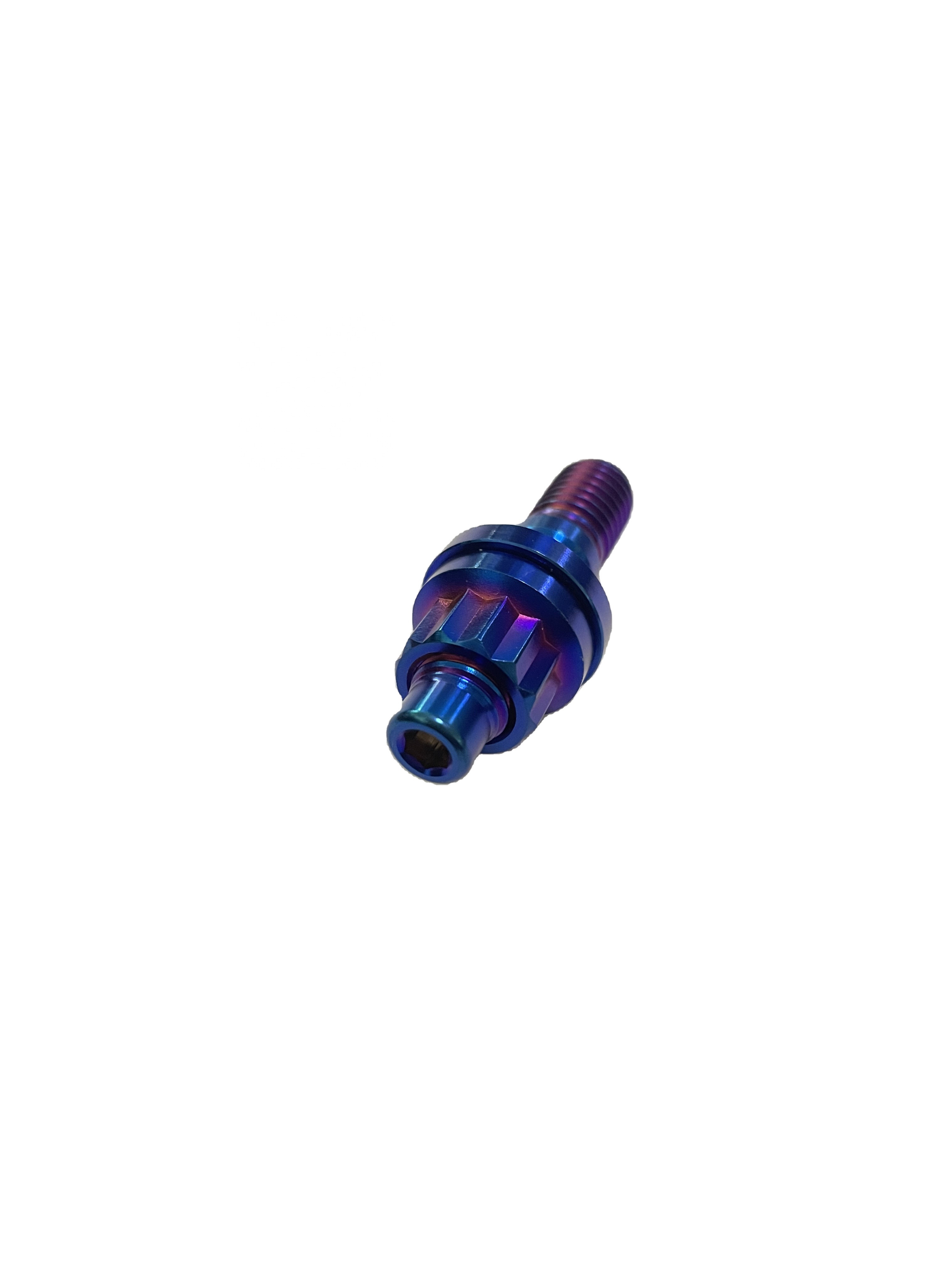
Unlike conventional nylon-insert locking nuts (DIN 985) which suffer structural degradation and polymer relaxation at temperatures above 100°C, all-metal deformed-thread lock nuts (DIN 980v / ISO 7042) maintain their prevailing torque through precision controlled radial deformation. Our CNC machining process introduces a tri-oval or elliptical deformation at the top locking threads of the Grade 5 titanium nut, creating consistent prevailing torque resistance during thread engagement. This creates permanent elastic frictional clamping against the mating bolt, resisting violent harmonic resonance and cyclical shear shock without compromising reusability.
Anti-Galling Treatments & PVD Coatings
Titanium and its alloys naturally form a passive, chemically inert titanium dioxide (TiO2) film. However, under concentrated frictional contact loads without lubrication, mating titanium-on-titanium interfaces exhibit severe micro-welding and mechanical galling (thread seizing). To permanently solve this problem for Bulgarian original equipment manufacturers, our factory integrates advanced surface conversion technologies: Physical Vapor Deposition (PVD) titanium aluminum nitride (TiAlN) thin-film coating, thermal micro-oxidation, and specialized dry-film molybdenum disulfide (MoS2) lubrification. This maintains a friction coefficient (μ) of 0.10–0.15 during repeated high-torque pneumatic installations.
Ti-6Al-4V (Grade 5) Structural Dynamics
Grade 5 (Baoji TC4 titanium alloy conforming to ASTM B348 / AMS 4928) provides an unmatched strength-to-density ratio: a nominal density of 4.43 g/cm³ coupled with an ultimate tensile strength exceeding 895–1050 MPa and yield strength over 828 MPa. In dynamic rotational or airborne assemblies, replacing grade 8.8 or 10.9 steel fasteners with titanium lock nuts delivers an immediate 44% to 45% mass reduction, dampening rotational inertia, lowering resonant harmonic excitation, and exhibiting exceptional fatigue cycles under extreme cyclic load spectra.
| Mechanical & Physical Property | Ti-6Al-4V Grade 5 (Baoji TC4) | Stainless Steel AISI 316 (A4-80) | High-Tensile Alloy Steel (Grade 10.9) |
|---|---|---|---|
| Density (g/cm³) | 4.43 (Ultralight weight) | 8.00 (+80% heavier) | 7.85 (+77% heavier) |
| Ultimate Tensile Strength (MPa) | 895 – 1,050 | 800 | 1,000 – 1,040 |
| Yield Strength 0.2% (MPa) | ≥ 828 | ≥ 600 | ≥ 900 |
| Fatigue Limit (Cyclic Rotations) | 510 MPa @ 10^7 cycles | 280 MPa @ 10^7 cycles | 420 MPa @ 10^7 cycles |
| Continuous Thermal Threshold (°C) | -250°C to +450°C | -196°C to +300°C | -40°C to +200°C (temper drop) |
| Chloride & Seawater Corrosion Rate | Virtually Zero (<0.001 mm/yr) | Subject to Pitting/Crevice corrosion | Requires Galvanizing / Rapid Rust |
| Magnetic Permeability (μ) | 1.00005 (Completely Non-Magnetic) | 1.005 – 1.015 (Slightly Magnetic) | Ferromagnetic (Strongly Magnetic) |
Localized Engineering Applications Across the Bulgarian Market
From Tier-1 automotive clusters in the Thrace Economic Zone to naval shipyards on the Black Sea coast, our titanium fastening systems empower Bulgaria's modernization.
Plovdiv & Thrace Economic Zone (TEZ) Automotive Clusters
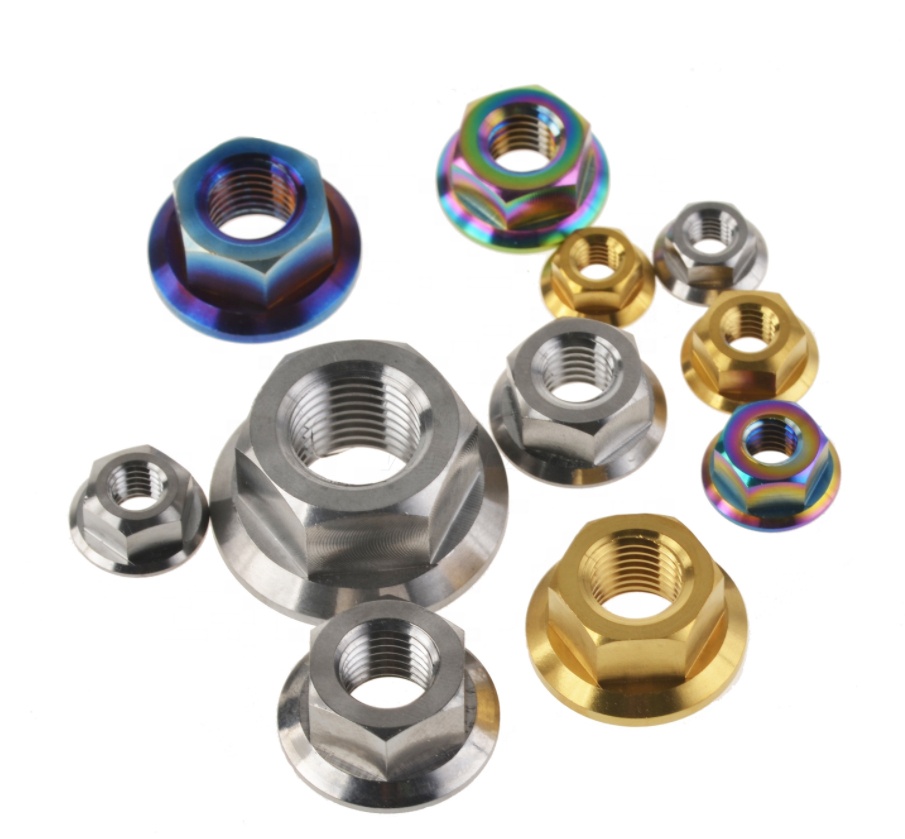
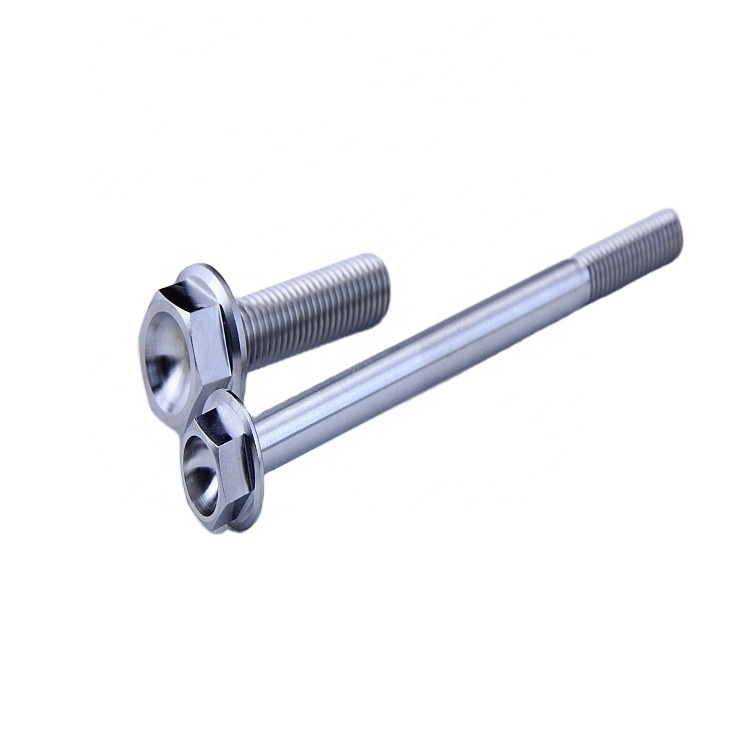
The Maritsa and Rakovski industrial sub-zones around Plovdiv have emerged as Eastern Europe's premier manufacturing ecosystem for automotive electronics, mechatronics, turbocharger assemblies, and sensors. Tier-1 and Tier-2 automotive contractors in Bulgaria utilize our DIN 6923 titanium serrated flange lock nuts and prevailing torque fasteners within lightweight chassis suspensions, electric vehicle (EV) battery enclosure subframes, and high-frequency sensor mountings where weight minimization, vibration dampening, and total immunity to galvanic corrosion are non-negotiable requirements.
Defense & Precision Aerospace (Kazanlak & Sopot Axis)
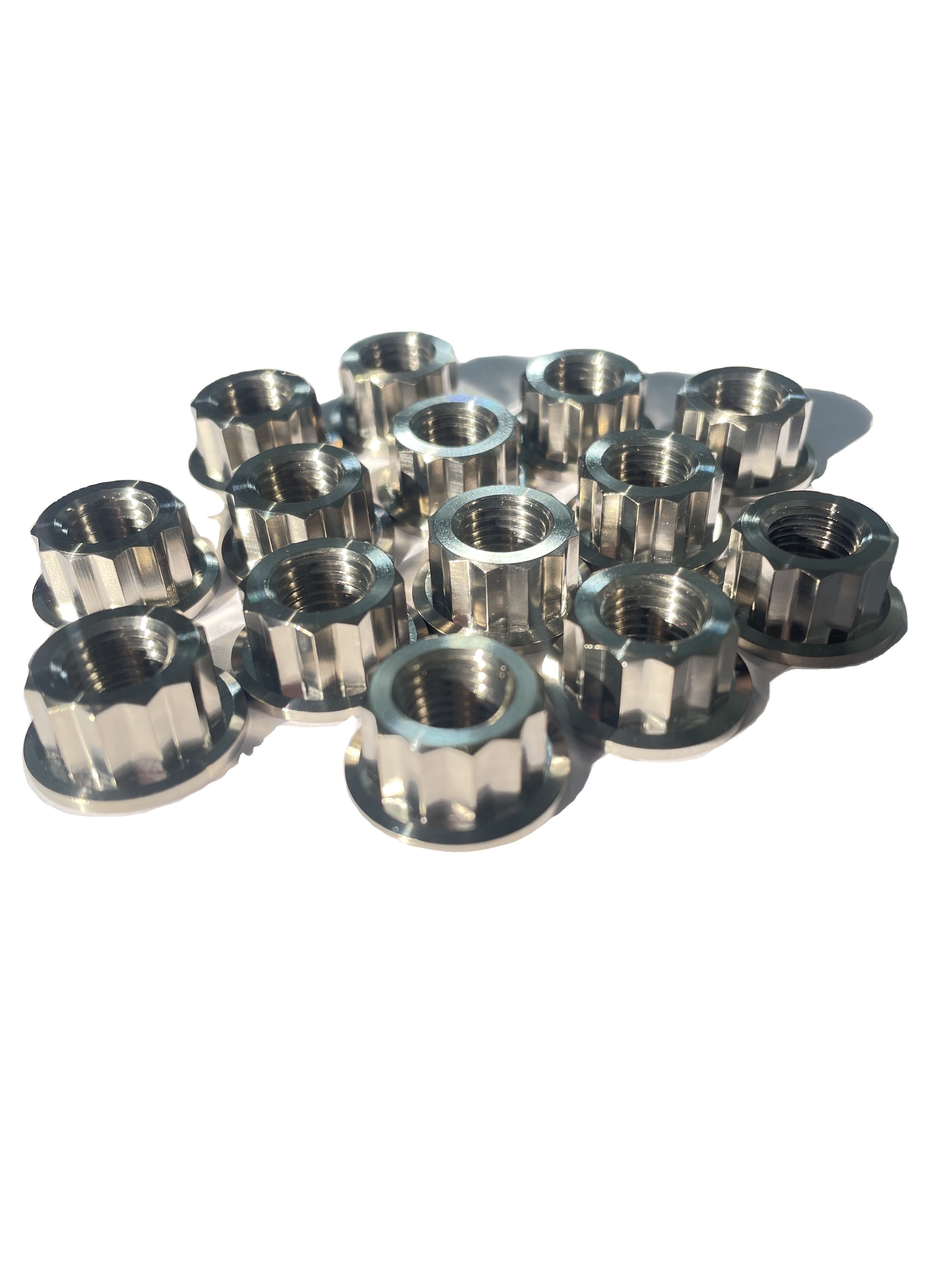
Bulgaria's historic defense production triangle—anchored by leading engineering enterprises in Kazanlak, Sopot, and Karlovo—maintains strict NATO compliance for military optical assemblies, guided munitions, tactical airborne pods, and surveillance unmanned aerial systems (UAS). Our 12-point jet nuts and Grade 5 titanium lock nuts fulfill stringent mil-spec shock parameters. Operating with zero magnetic signature, our nuts protect sensitive electromagnetic sensor payloads and telemetry guidance systems from magnetic flux interference while surviving high-G ballistic shocks.
Black Sea Marine & Petrochemical (Varna & Burgas)
The Black Sea maritime sector in Varna, alongside Europe's expansive oil refining facilities in Burgas, presents an exceptionally hostile electrochemical operating theatre. Saltwater marine aerosols, high concentrations of hydrogen sulfide (H2S), and industrial acidic condensates rapidly destroy stainless steel (AISI 304/316) through crevice attack and chloride stress corrosion cracking (SCC). Our Grade 2 and Grade 5 titanium lock nuts and studs provide virtually eternal service lifespans across underwater hull sonar transducers, off-shore pipeline valve interfaces, and coastal processing valves.
Heavy Machinery & Mining Metallurgy (Panagyurishte)
Bulgaria's prominent mining operations around Panagyurishte and the Srednogorie region extract copper, gold, and mineral ores under relentless mechanical pounding. Ore-crushing sieves, high-capacity vibratory screens, and flotation tanks generate massive vibrational harmonics that continuously shake loose standard fastener hardware. Our all-metal self-locking prevailing torque titanium nuts ensure zero structural backing out on high-impact structural linkages, protecting capital-intensive mineral processing equipment against unexpected catastrophic stoppages.
Renewable Energy & Battery Storage (Bozhurishte Tech Park)
As international clean-tech capital enters industrial parks near Sofia (Bozhurishte), Bulgarian facilities produce high-voltage power conversion modules, photovoltaic solar trackers, and grid-scale battery systems. Titanium lock nuts offer non-sparking, antimagnetic, non-corrosive characteristics essential for high-voltage DC battery busbars. The thermal expansion coefficient of Grade 5 titanium (α = 8.6 × 10^-6 /K) prevents loose joint connections and thermal resistance spikes over thousands of day-night heating cycles.
High-End Cycling & Motorsport Teams Across Sofia
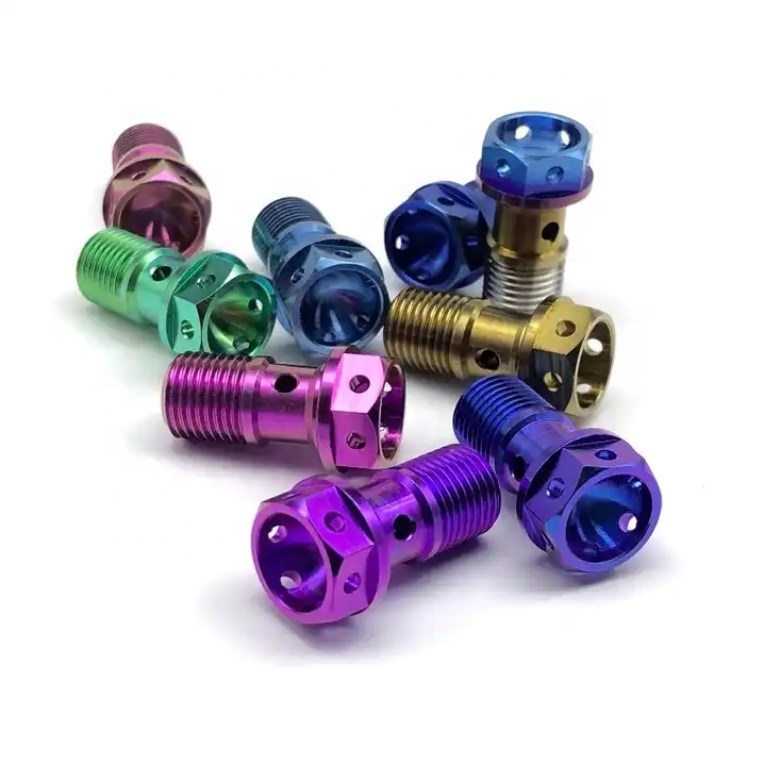
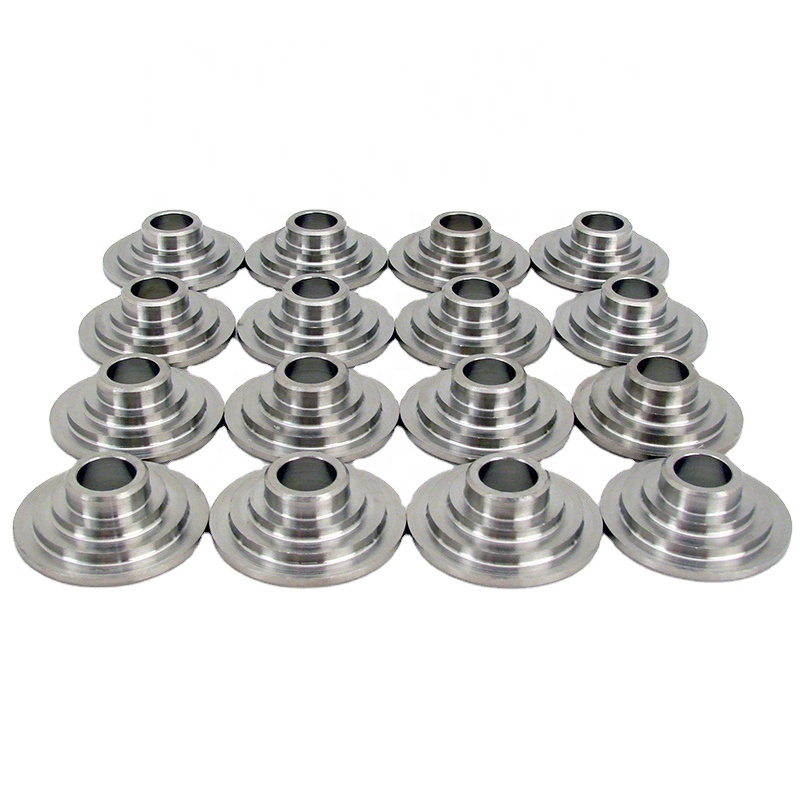
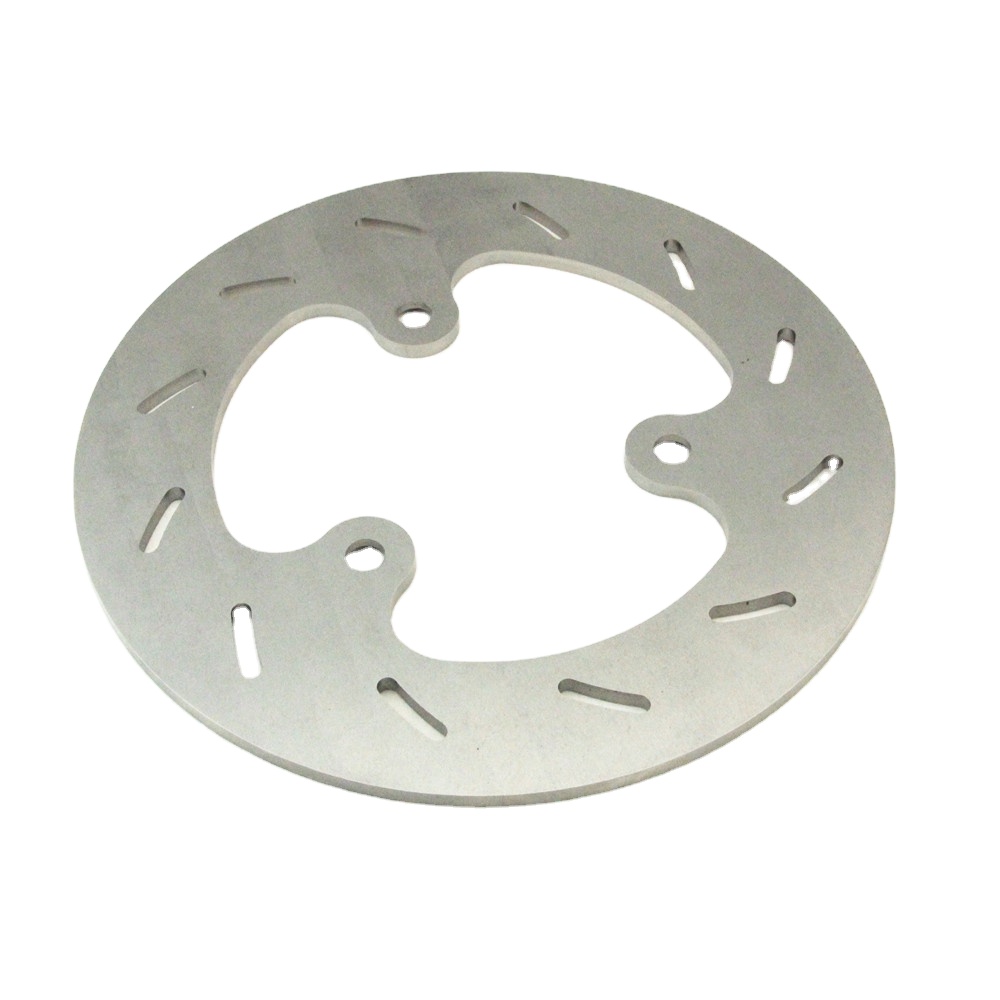
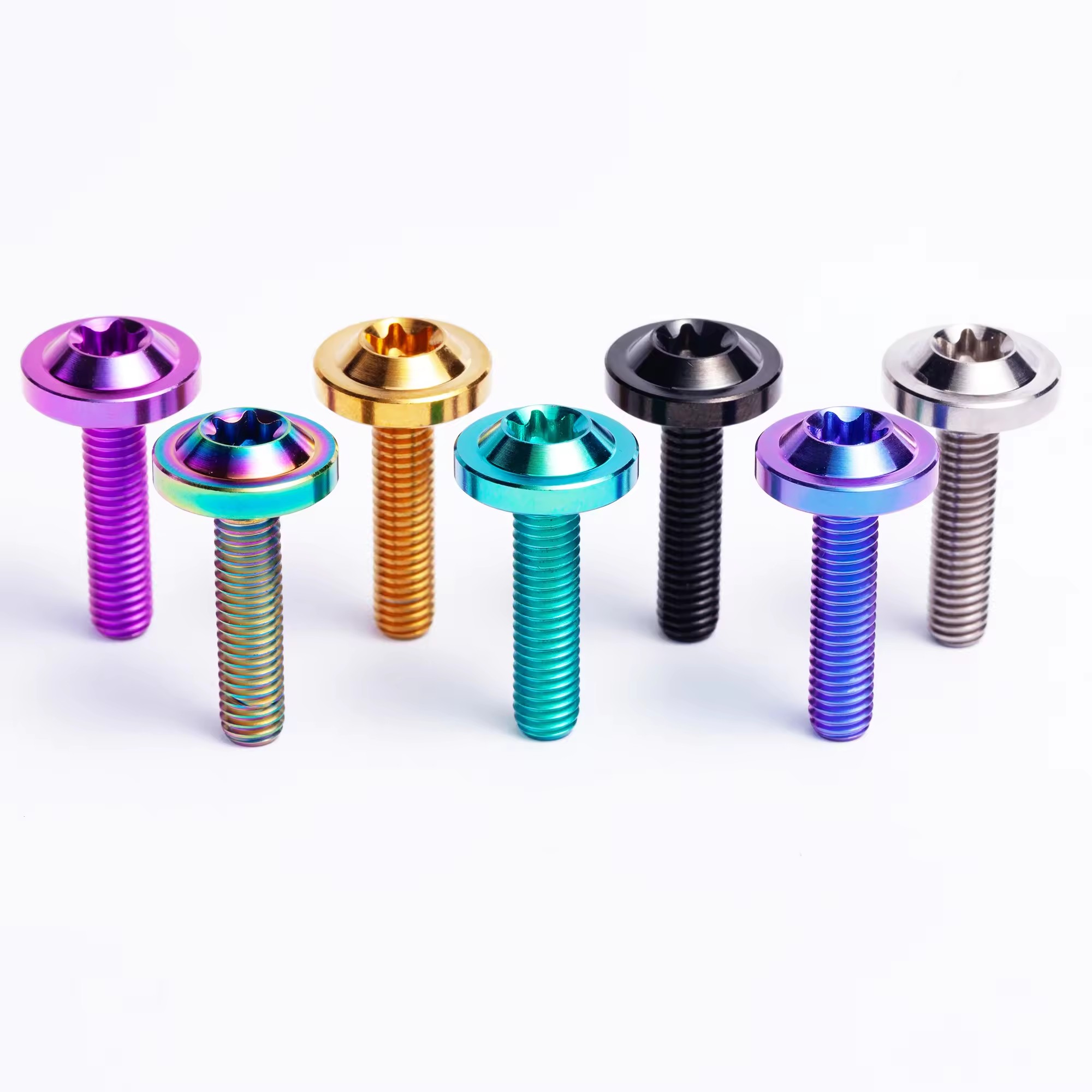
Bulgaria boasts a flourishing custom racing car culture, hill-climb championships, and high-performance mountain bike (MTB) export manufacturing. Professional Bulgarian mechanics rely on our specialized M5 and M6 Torx brake rotor lock nuts, 12-point cylinder head lock nuts, and titanium valve spring retainers. Our custom anodizing capabilities (burnt blue, gold, purple, and black nitride) combine track-proven weight reduction with custom aesthetics for European competition builds.
Bulgarian Industrial Trends: The Shift to Advanced Titanium Hardware
How European Union industrial mandates, decarbonization directives, and supply-chain nearshoring are transforming procurement protocols across Bulgarian manufacturing.
1. Accelerated Electrification & Weight-Optimization (EV & Urban Mobility)
Bulgaria's automotive sector contributes over 11% to the national gross domestic product, with more than 350 companies manufacturing components for leading German and European automotive brands. With the European Union's stringent Euro 7 and fleet emission regulations driving the shift toward electric passenger vehicles and light utility transport, engineering teams in Sofia and Plovdiv are systematically shedding weight from every structural node. By replacing legacy Class 10.9 steel flange nuts with Grade 5 titanium lock nuts across unsprung suspension components and battery casing frames, engineers shave critical kilograms, extending EV range and boosting battery lifecycle efficiency without compromising yield performance.
2. Nearshoring & Supply-Chain Diversification within the EU Single Market
Recent global supply disruptions and rising transport overheads have caused Bulgarian industrial manufacturers to eliminate single-region dependencies and volatile middleman markups. Our direct factory-to-buyer sales framework connects Bulgarian procurement managers directly to our production lines in Baoji, China (China's Titanium Valley). We provide comprehensive mill test documentation, direct express air-cargo routing to Sofia Airport (SOF), and transparent bulk shipping via ocean transit to the Port of Varna or Port of Burgas. This cuts procurement intermediaries, stabilizing lead times and reducing component inventory holding costs by up to 28%.
3. Rigorous EU Environmental & Chemical Compliance (REACH & RoHS)
Industrial goods exported throughout the EU common market must comply with Regulation (EC) No 1907/2006 (REACH) and Directive 2011/65/EU (RoHS). Traditional anti-corrosion surface treatments for carbon steel hardware frequently rely on electroplated cadmium, hexavalent chromium (Cr6+), or nickel coatings—substances strictly prohibited or facing severe regulatory sunsetting under EU chemical safety standards. Titanium represents an eco-inert, biocompatible, non-toxic element. Our all-metal titanium lock nuts require no toxic electrolytic plating, providing Bulgarian manufacturers with a clean, fully compliant fastening solution that bypasses environmental audit hurdles.
Why Engineering Teams Choose Vunza Titanium Industry
Founded in 2008 in China's Titanium Valley, Baoji, Shaanxi, we combine raw sponge smelting traceability with precision multi-axis CNC machining.
Sponge-to-Nut Traceability
Located adjacent to the world-renowned Baoti Group Industrial Park, our raw titanium stock is synthesized from vacuum arc remelted titanium sponge. We maintain batch traceability across chemistry, microstructure, and elongation, supplying EN 10204 3.1 inspection certificates with every delivery.
Bespoke CNC & Thread Rolling
With 34 multi-axis turning and milling centers, we machine non-standard locking hardware directly from 2D/3D technical drawings (CAD, STEP, IGES). Thread profiles are roll-formed to compress grain structures, boosting dynamic fatigue resistance by 30% over single-point cut threads.
Rapid Rapid-Response Window
Our engineering and export sales divisions operate with an average verified customer response window of under 9 hours. Bulgarian project engineers receive prompt design-for-manufacturability (DFM) feedback, complete with dimensional tolerances and thread class verifications.
Proven Global Reliability
Over 15 years of dedicated titanium manufacturing, backed by a verified 5.0/5.0 supplier score and continuous European export shipments. From single prototyping runs to annual blanket purchase orders of 500,000 pieces, we ensure absolute dimension-to-drawing consistency.
Bulgarian B2B Sourcing & Technical Questions (FAQ)
Direct technical and commercial answers for purchasing managers, structural engineers, and import compliance officers in Bulgaria.
Under the European Union Integrated Tariff (TARIC), titanium fasteners (bolts, screws, and nuts) originating from China fall under HS Code 8108.90.90 (other worked titanium articles) or 7318 categories when specified by thread configuration. The standard third-country customs duty typically ranges from 3.7% to 7.0%. Bulgarian corporate purchasers with a valid EORI number pay the standard Bulgarian VAT rate of 20% during import customs clearance at Sofia Airport (SOF) or through maritime clearance stations at the Port of Varna / Port of Burgas. Our logistics desk supplies all commercial invoices, packing lists, and detailed HS-code declarations to streamline customs clearance.
Yes. Every manufacturing batch of titanium lock nuts leaves our Baoji plant accompanied by an authenticated EN 10204 3.1 Inspection Certificate. This comprehensive document specifies complete quantitative elemental spectrometry (Ti, Al, V, Fe, C, N, H, O composition breakdown), yield strength (Rp0.2), ultimate tensile strength (Rm), percent elongation (A%), reduction of area, Rockwell hardness (HRC), and certified ultrasonic non-destructive flaw inspection results.
Because Grade 5 titanium has a lower modulus of elasticity (approx. 114 GPa) compared to carbon steel (approx. 210 GPa), torque values must be calibrated precisely to achieve nominal bolt stretch and clamp load. When installing dry without anti-seize paste, typical tightening torque values run approximately 15%–20% lower than identical Grade 10.9 steel specifications. We provide complete engineering torque-tension charts for M4 up to M24 thread configurations, accounting for surface finishes (polished, anodized, or MoS2 dry film coated) to ensure optimal clamping force.
Nylon-insert lock nuts (DIN 985) depend on an internal polyamide collar that deforms around the bolt threads. However, nylon suffers cold creep, becomes brittle at sub-zero winter temperatures, melts above 120°C, and degrades when exposed to aviation fuels, synthetic engine oils, and brake fluids. Our all-metal prevailing torque nuts (conforming to DIN 980v, ISO 7042, and aerospace MS/NAS standards) utilize precision engineered thread deformation of the titanium body itself, operating continuously up to 450°C without losing prevailing clamp torque.
For standard DIN catalog items (such as DIN 6923 serrated flange nuts or DIN 934 hex nuts in sizes M6, M8, M10, M12) our typical MOQ is 100 to 300 pieces. For custom CNC components machined to custom client CAD models, we provide prototype batches starting at 10 to 50 pieces. Production turnaround for standard sizes is 7 to 12 working days. Custom CNC machining and anodizing takes 15 to 22 working days, followed by 4-to-6 day air courier delivery (DHL, FedEx, UPS) directly to your factory dock in Bulgaria.
Yes. We regularly produce American Unified thread systems, including coarse (UNC) and fine (UNF) configurations such as 1/4-28, 5/16-24, 3/8-24, 7/16-20, and 1/2-20 jet nuts, matching Class 2B and Class 3B internal aerospace thread fits. Thread flank profiles and pitches are inspected using digital optical comparators and calibrated Go/No-Go thread plug gauges to guarantee tight engagement on imported aerospace hardware.
Accelerate Your Engineering Projects With Baoji Titanium Precision
Connect with our technical design desk today. Send your 2D/3D drawings, standard DIN/ISO references, or custom project specifications for an immediate manufacturability review and a competitive direct-factory price quotation delivered within 9 hours.
Inquire Now