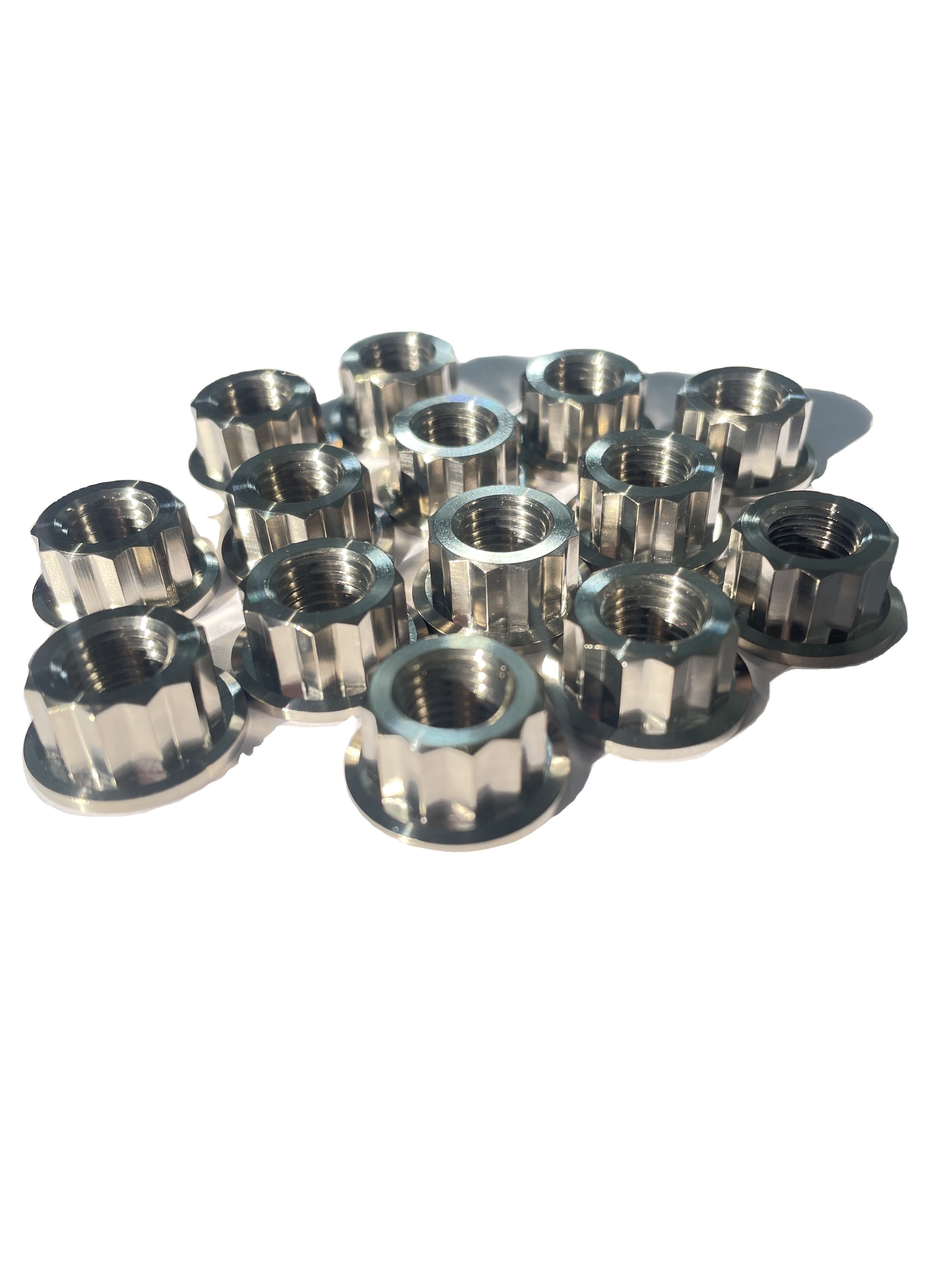
Factory Wholesale Polished CNC Machined Gr5 Titanium 12 Points Hex Flange Nuts DIN Standard
MaterialGrade 5 (Ti-6Al-4V)
StandardDIN / GB Compliant
FinishHigh Polish Precision
Certified aerospace-grade Ti-6Al-4V components manufactured on multi-axis CNC turn-mill tooling centers with standard DIN/ISO metric and custom racing geometries.
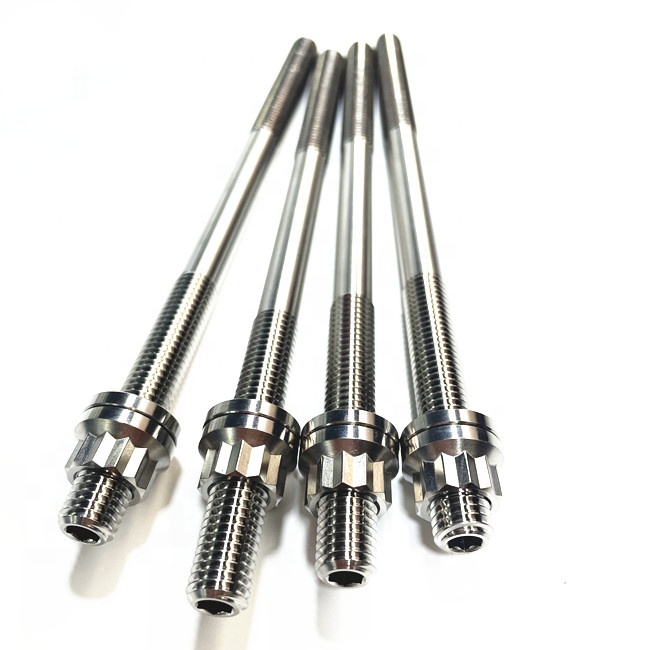
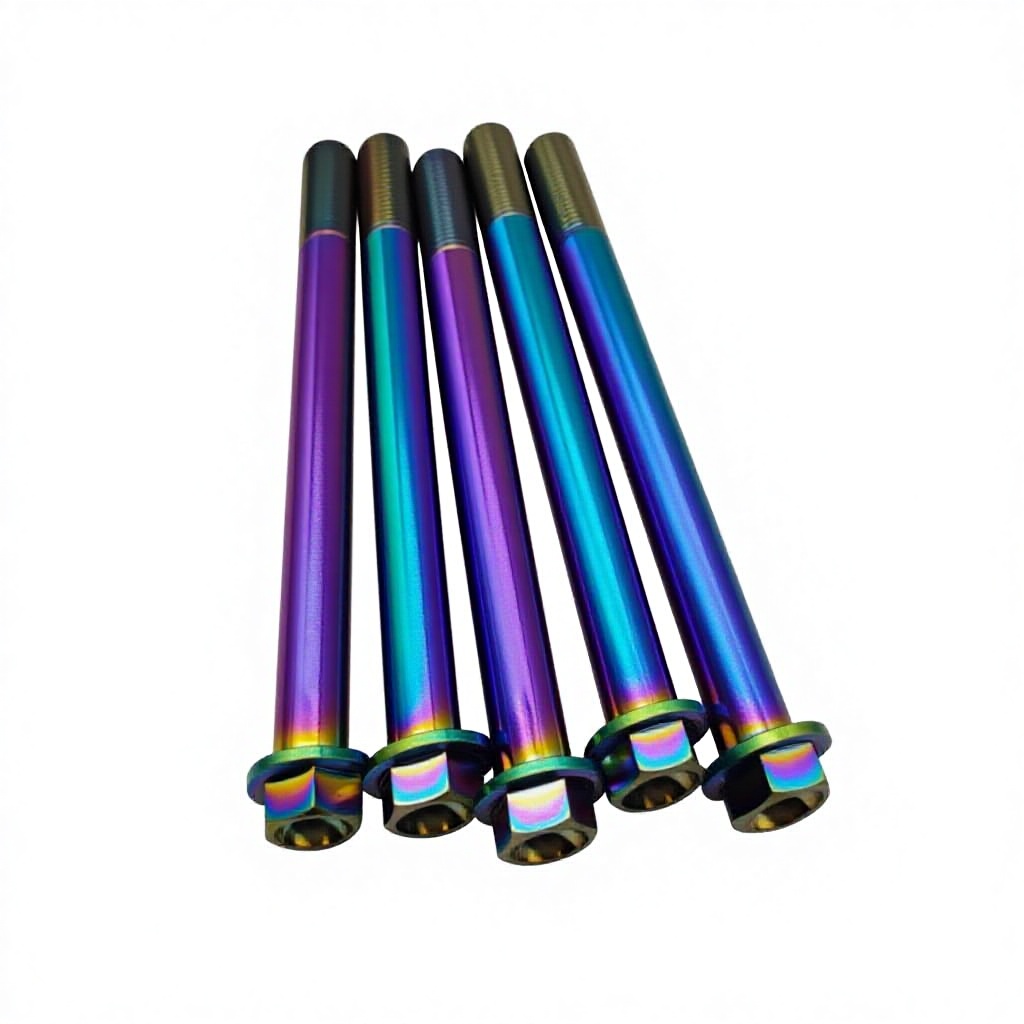
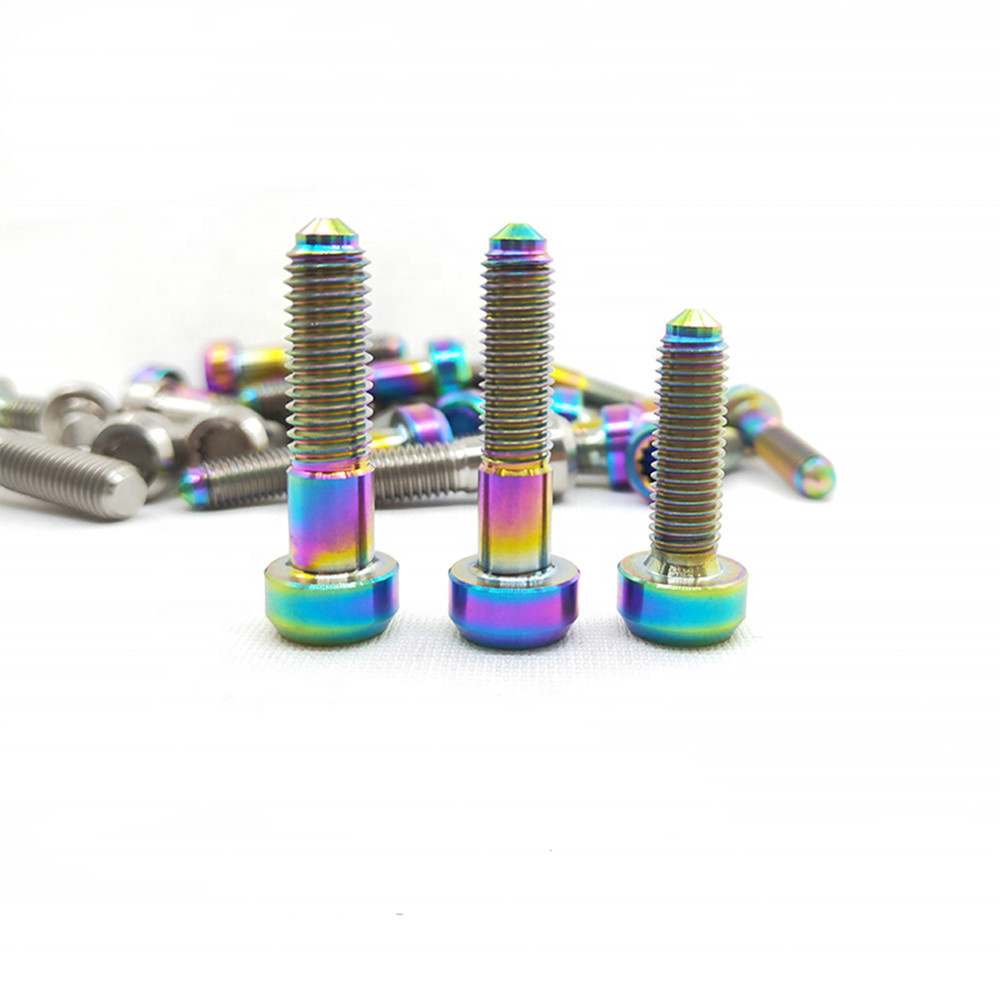
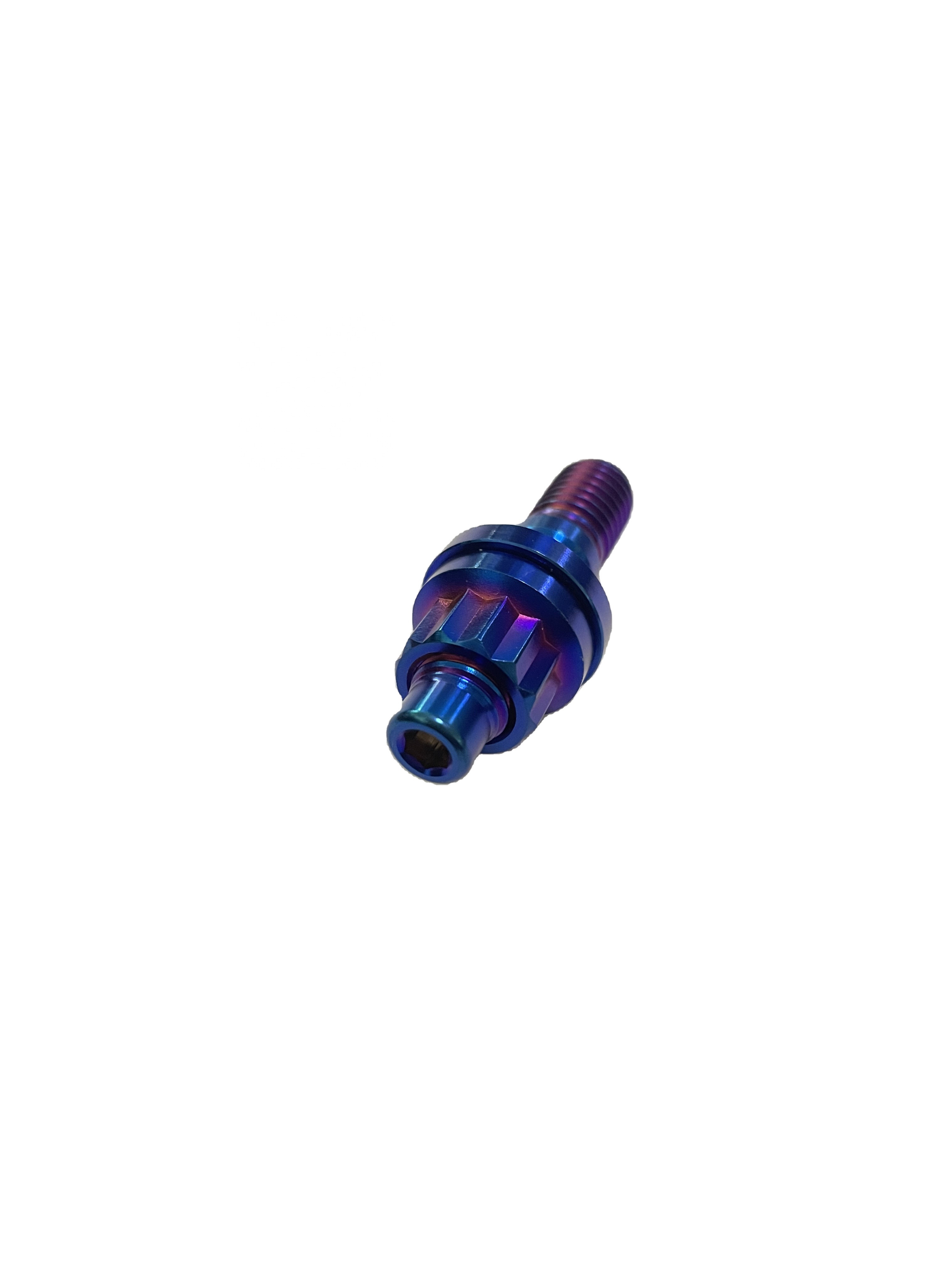
A comparative evaluation of Grade 5 Titanium (Ti-6Al-4V) versus Grade 10.9 structural steel in high-stress hub environments, endurance track cycling, and harsh de-icing environments.
Unsprung weight at the wheel hub has a disproportionate effect on vehicle dynamics compared to static chassis weight. With a physical density of 4.43 g/cm³—roughly 56% that of alloy steel—Grade 5 titanium reduces rotational inertia by more than 44%. In performance road racing and dynamic track applications, this drop allows damper valves to react faster over surface irregularities, enhancing road compliance, steering accuracy, and tire contact patch consistency.
Unlike lower-tier suppliers who single-point cut threads on standard lathes, our factory utilizes high-precision CNC thread rolling for all critical automotive wheel hardware. Thread rolling deforms the metallic grain structure along uninterrupted flow lines rather than cutting across them. This cold-working process improves root fatigue strength by 30% to 40%, preventing micro-notch stress cracks caused by recurring cornering loads and high braking torque.
Titanium forms a stable, spontaneous, self-healing titanium dioxide (TiO&sub2;) layer upon exposure to ambient oxygen. This dielectric ceramic film provides near-complete resistance to chloride stress-corrosion cracking from de-icing brines, magnesium chloride, and industrial fallout. When paired with forged aluminum magnesium wheels, proper thread lubrication or specialized PVD ceramic coatings prevents galvanic coupling and eliminates thread galling.
| Mechanical / Material Property | Ti-6Al-4V Grade 5 (Vunza Specification) | Grade 10.9 Automotive Steel | AISI 316 Stainless Steel |
|---|---|---|---|
| Density (ρ) | 4.43 g/cm³ (−44% Weight) | 7.85 g/cm³ | 8.00 g/cm³ |
| Tensile Strength (UTS) | ≥ 895 – 1050 MPa | 1000 – 1040 MPa | 500 – 700 MPa |
| Yield Strength (0.2% Offset) | ≥ 828 MPa | 900 – 940 MPa | 200 – 290 MPa |
| Modulus of Elasticity (E) | 110 – 114 GPa | 205 – 210 GPa | 193 GPa |
| Corrosion Resistance (Chloride Exposure) | Immune (TiO&sub2; Passivated Surface) | Low (Relies on Sacrificial Zinc Plating) | Moderate (Prone to Pitting) |
| Thermal Expansion Coeff. (α) | 8.6 × 10&supmin;&sup6; / K | 11.7 × 10&supmin;&sup6; / K | 16.0 × 10&supmin;&sup6; / K |
How our factory-direct titanium fasteners integrate into high-performance automotive platforms across western Germany's premier testing, tuning, and engineering corridors.
Situated within an hour's transit of Cologne's industrial borders lies the world's most demanding test circuit: the Nürburgring Nordschleife. Racing teams and specialized engineering facilities operating out of Cologne, Meuspath, and the wider Eifel region require wheel components that withstand intense g-force spikes over the kerbs at Flugplatz and the Karussell. Our rolled-thread Ti-6Al-4V lug nuts and extended studs eliminate the structural brittleness and cyclic fatigue failures common in standard hardware under continuous high lateral loads.
Request Engineering SupportThe urban center of Cologne and its surrounding autobahn networks (A1, A3, A4) endure harsh winter maintenance regimens, relying heavily on calcium and sodium chloride brine solutions. Galvanized steel lug bolts routinely suffer from electrolytic corrosion, surface rust, and galvanic bonding to alloy wheels, complicating maintenance schedules and damaging wheel stud threads. Vunza's precision titanium fasteners provide non-corrosive, maintenance-free operation across years of severe winter road conditions.
Serving aftermarket builders modifying track vehicles, Porsche, BMW M, and Audi RS platforms across Cologne-Deutz, Ossendorf, and Marsdorf. Our titanium wheel stud conversions enable rapid pit stops and wheel changes with unyielding fastener integrity.
NRW-based EV retrofit developers utilize titanium chassis and hub hardware to counterbalance heavy battery packs. Trimming kilograms of rotational unsprung mass directly improves suspension responsiveness and vehicle range efficiency.
Precision CNC-turned fasteners engineered to authentic DIN dimensions. Historic sports cars restored in the Rhine region achieve vintage aesthetics combined with the lifetime structural safety of modern titanium metallurgy.
Strategic market developments driving the adoption of aerospace-grade titanium in German aftermarket engineering and specialized industrial production.
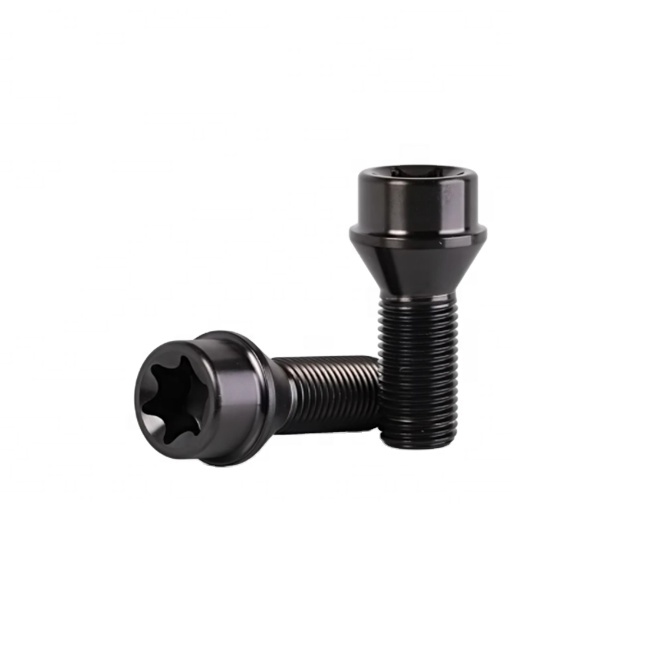
European vehicles traditionally rely on wheel bolts rather than fixed studs. Cologne performance workshops and track day participants are increasingly converting hubs to screw-in titanium wheel studs paired with open or closed-end 12-point titanium lug nuts. This setup streamlines trackside wheel swaps, facilitates precise spacer integration, and reduces the risk of cross-threading into expensive wheel hubs.
German engineering standards place high priority on material certs and verified test protocols. Distributors and industrial purchasers in Cologne no longer accept unverified titanium alloys. The market has shifted toward Tier-1 and verified direct manufacturers capable of providing Mill Test Certificates (EN 10204 3.1) and complete chemical traceability from raw titanium sponge to finished fastener.
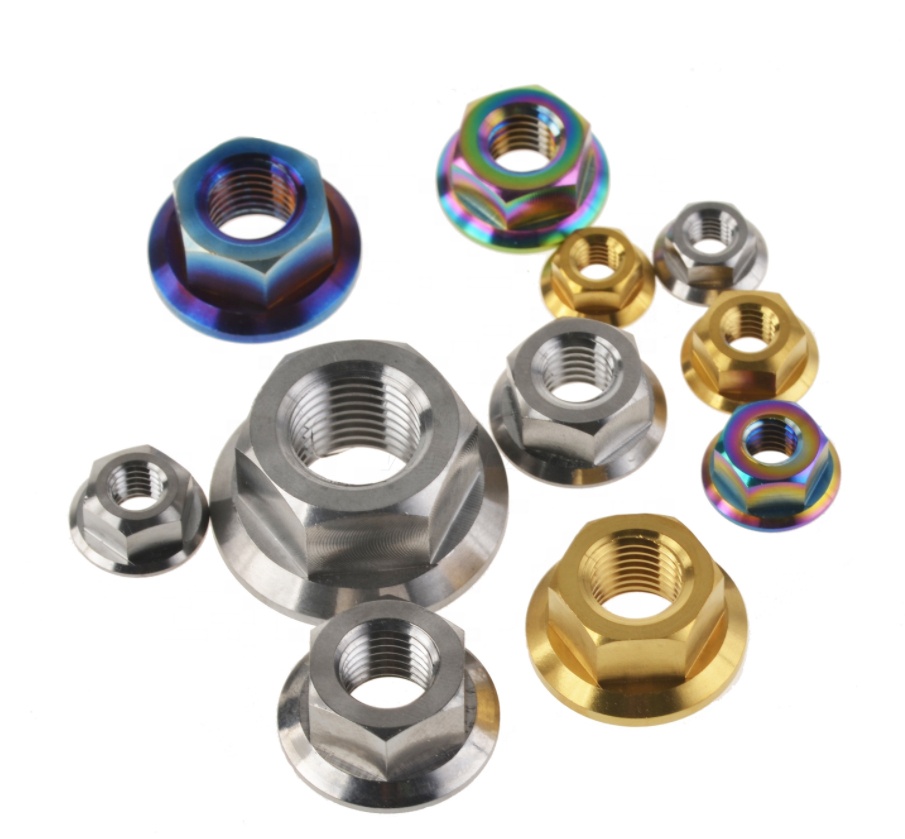
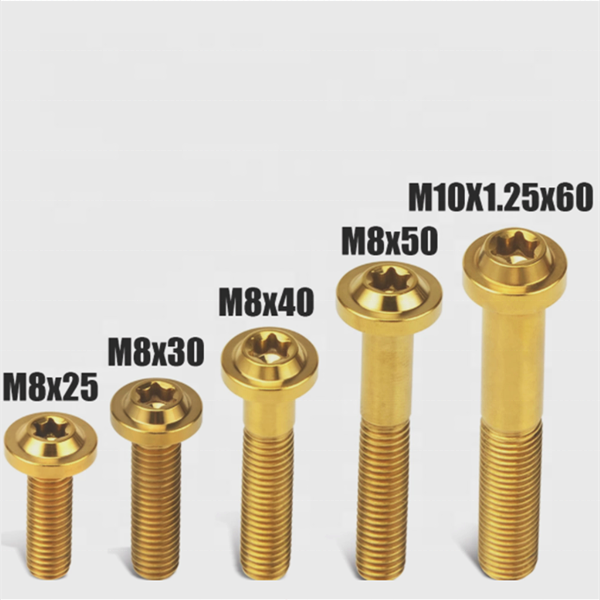
While mirror-polished titanium remains popular, DACH buyers increasingly specify functional surface enhancements. PVD (Physical Vapor Deposition) Titanium Nitride (TiN) in gold, deep black Diamond-Like Carbon (DLC), and burnt blue finishes provide extra surface hardness (exceeding 2000 HV), preventing micro-scratches during impact wrench torque cycles.
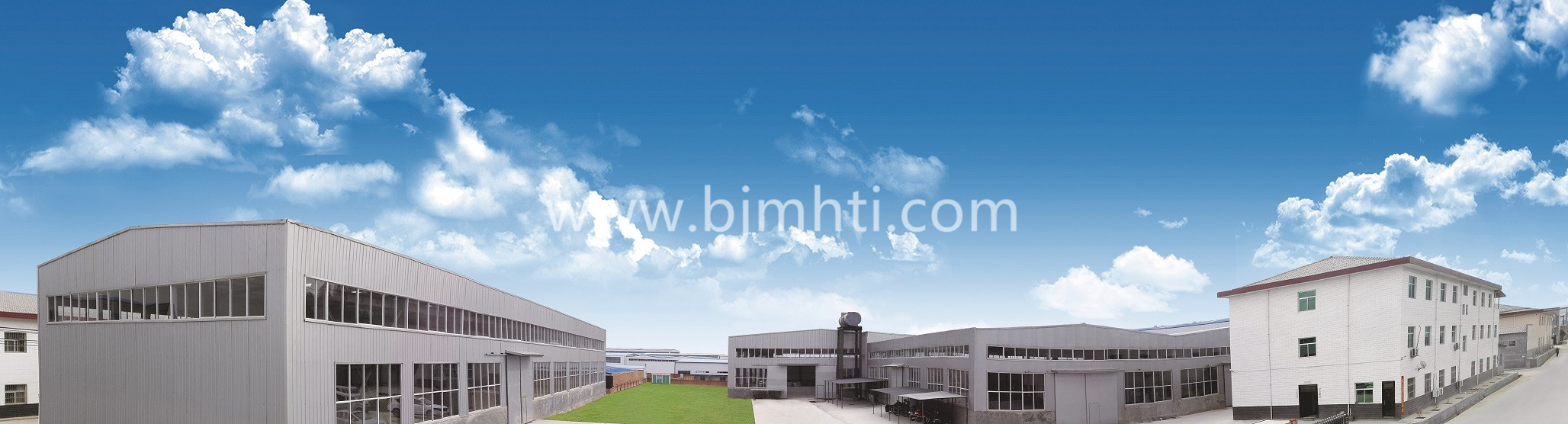
Founded in 2008 adjacent to the Baoti Group Industrial Park in Baoji—China's Titanium Valley—Vunza Titanium Industry Co., Ltd. combines full raw material sourcing, multi-axis machining, and complete quality control under one roof. We eliminate middleman markups, supplying Cologne distributors, racing teams, and industrial purchasers directly with aerospace-grade fasteners.
Key information on alloy standards, torque specifications, anti-seize protocols, customs, and shipping to Cologne and western Germany.
Send your dimensional drawings, required thread sizes, and order quantities to our engineering team. We provide complete DFM feedback, material certification options, and production pricing within 9 hours.