Featured Titanium Fasteners & Screws for Demanding Applications
Directly manufactured via high-speed multi-axis CNC lathe turning and thread cold-rolling. Certified material traceability from raw titanium sponge to finished hardware with ±0.005 mm machining tolerance.
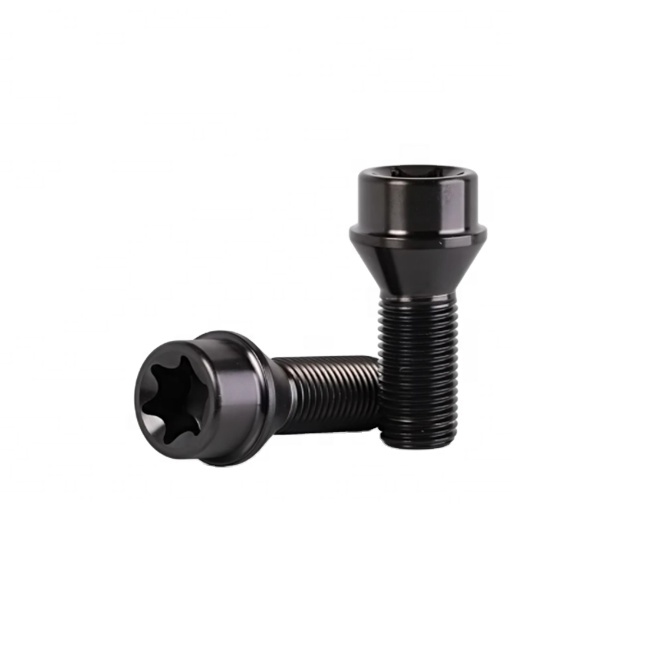
Titanium Wheel Bolts M14 DIN Standard Torx CNC Machined Nitride Black Finish
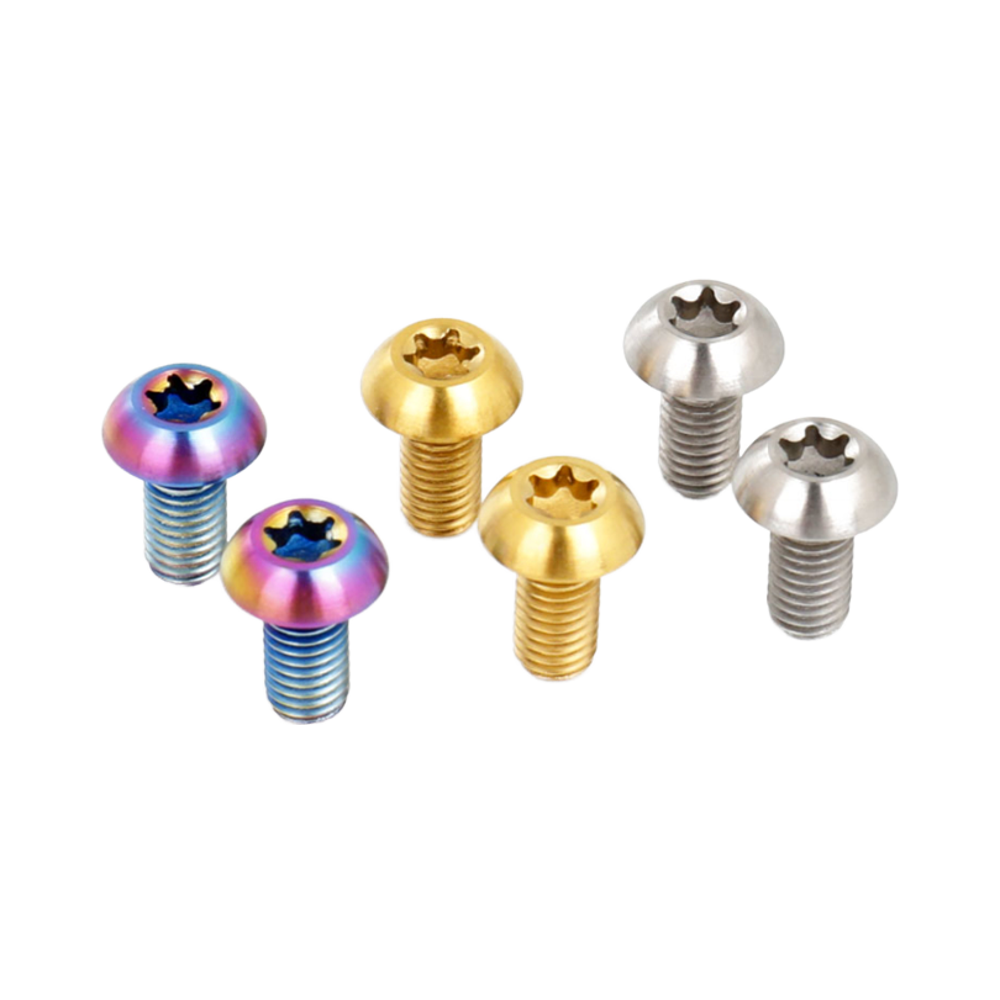
Deemount M5x10mm GR5 Grade Titanium T25 Torx Polished Finish Brake Rotor Bolts
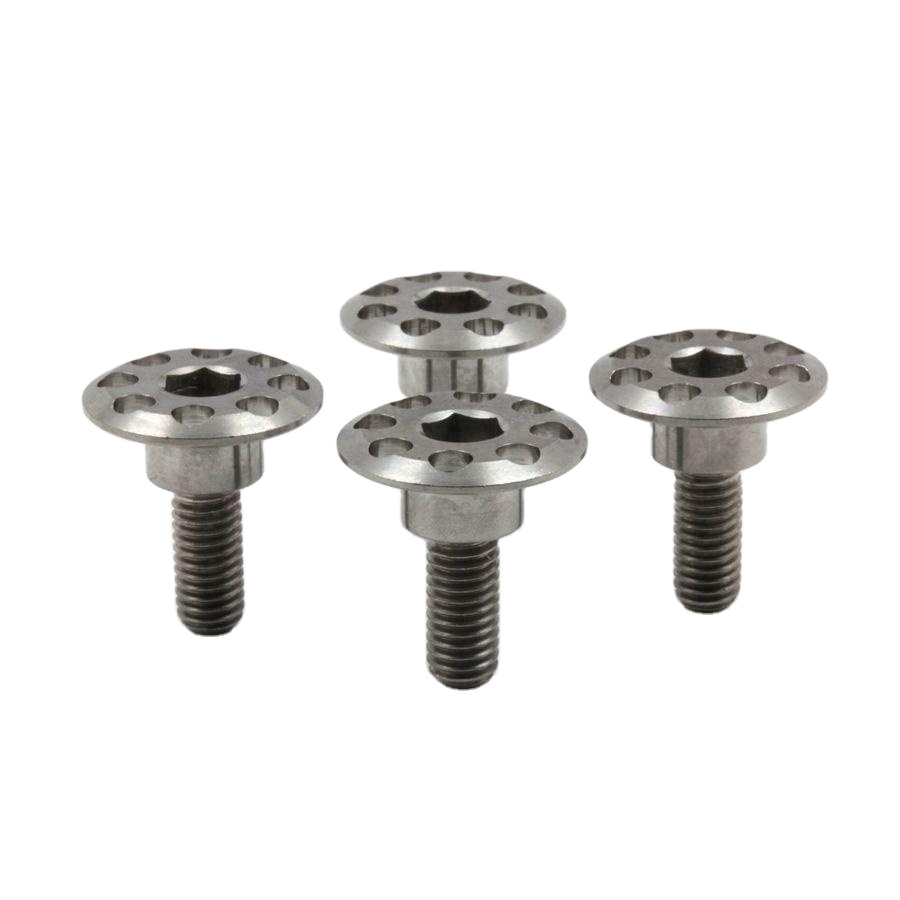
Gr5 Hex Titanium Disc Brake Machine Bolts for High-Performance Mechanical Assembly
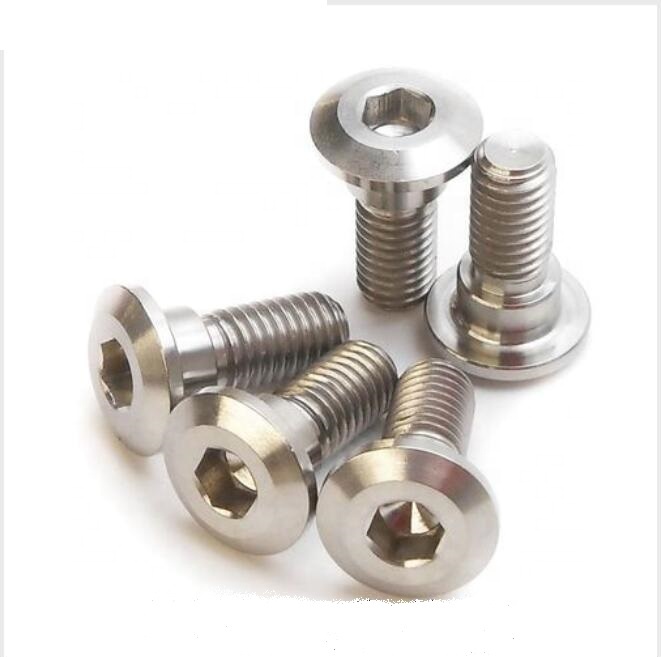
High-Strength Titanium Disc Head Torx Flange Bolt with CNC Precision Machining
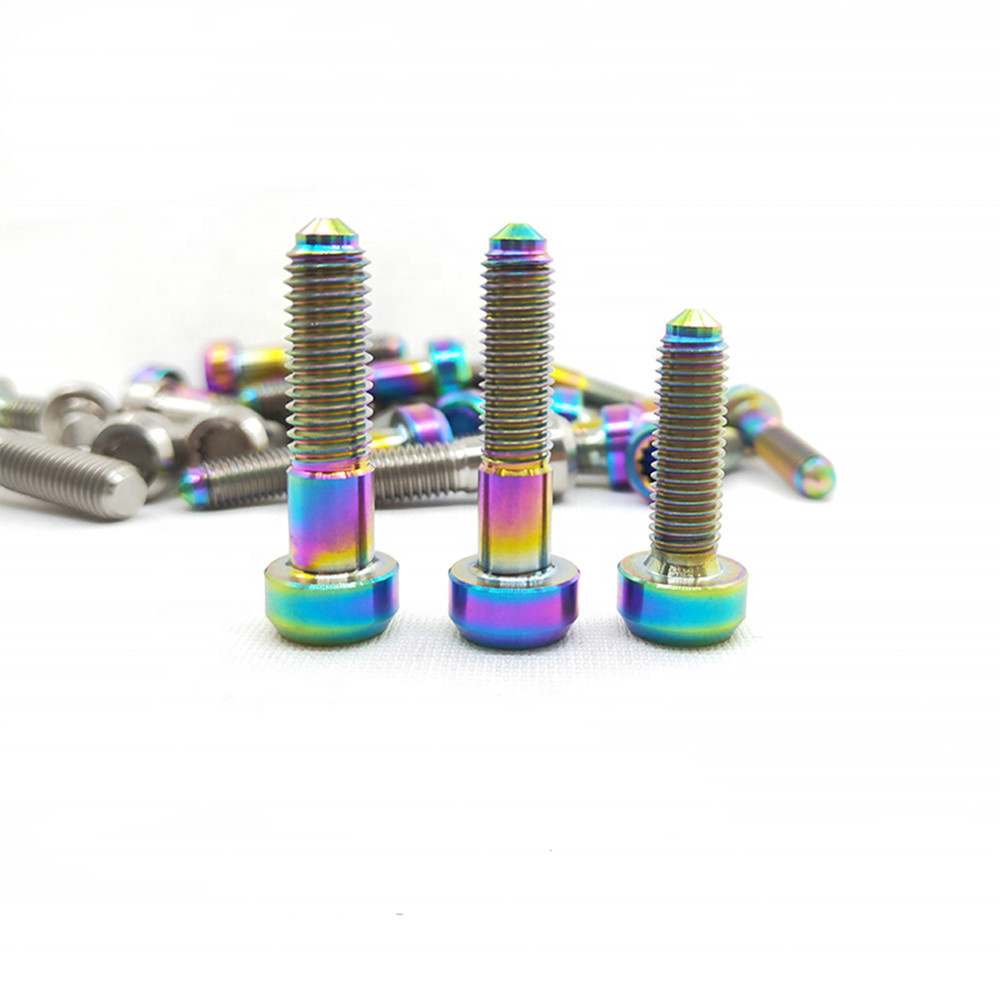
M7 X 24 / M7X32 Titanium Mushroom Head 12-Point Split Rim Hardware Bolts
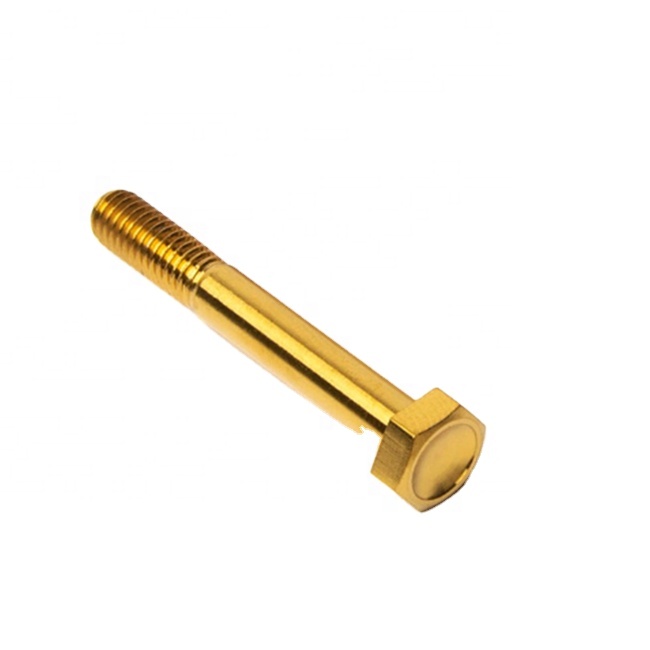
Customized Forged 10-32 X 1-1/2 Inch UNF Hex Titanium Machine Bolt DIN 7991
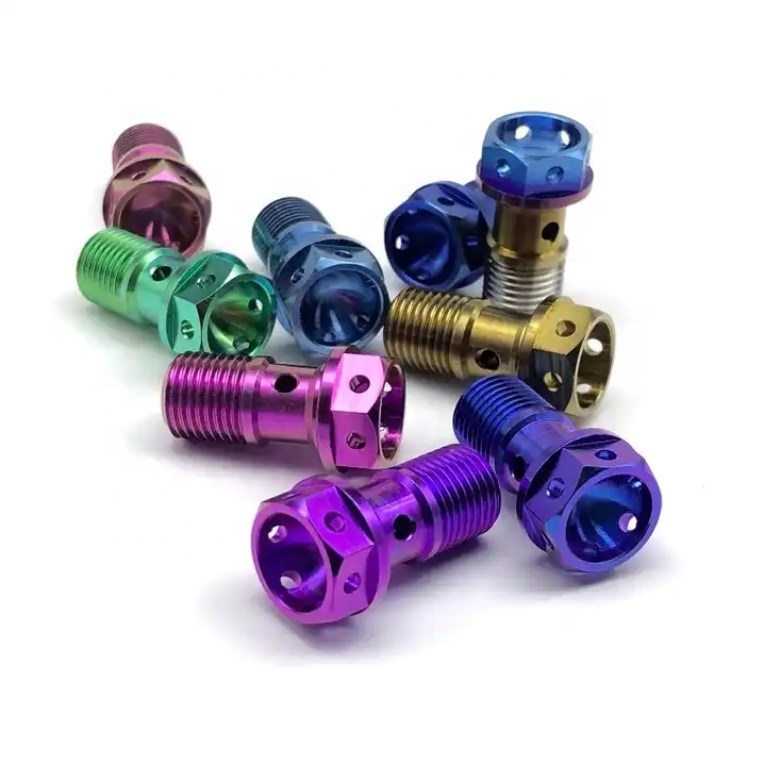
Gr5 Titanium Alloy Flat Head Hex Flange Bolts M8 Polished Finish Fasteners
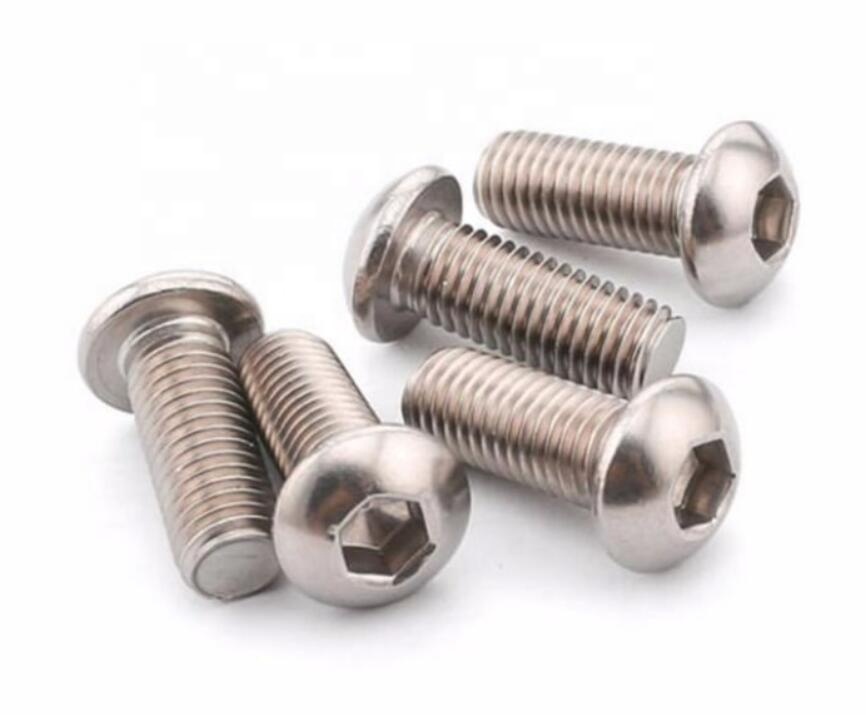
1/4-20 X 5/8" GR5 Titanium Alloy Torx Head Caliper Mount Screws PVD Coated
Why Titanium Machine Screws Are Critical for Saint Lucia's Microclimate
Evaluating mechanical degradation mechanisms: Pitting Resistance Equivalent Number (PREN), Crevice Corrosion, Galvanic Electrolysis, and Chloride-Induced Stress Corrosion Cracking in coastal environments.
The Chemical Reality of Caribbean Hyper-Saline & High-Humidity Exposure
Saint Lucia's coastal industrial, maritime, and luxury hospitality infrastructures are exposed to continuous chloride aerosols, high average relative humidity exceeding 78%, and tropical temperatures hovering between 26°C and 32°C year-round. Under these conditions, standard fasteners fabricated from A2 (AISI 304) and even marine-grade A4 (AISI 316L) stainless steel suffer catastrophic failures. The breakdown of passive chromium oxide films in high-chloride stagnant crevices triggers severe micro-pitting, stress corrosion cracking (SCC), and brown ferric oxide bleed that permanently defaces architectural facades and seized critical mechanical assemblies.
Titanium machine screws solve this engineering dilemma by utilizing an instantaneously self-regenerating titanium dioxide (TiO₂) rutile protective ceramic film. Unlike stainless steels which require oxygen replenishment to maintain passivity, titanium's affinity for oxygen forms an impenetrable dielectric barrier within milliseconds of mechanical abrasion. In ISO 9227 neutral salt spray tests and ASTM B117 cyclic accelerated ocean spray simulations, Grade 2 Commercially Pure Titanium and Grade 5 Ti-6Al-4V fasteners exhibit zero pitting, zero intergranular corrosion, and zero weight loss across tens of thousands of hours.
| Alloy Specification | Yield Strength (MPa) | Tensile Strength (MPa) | Density (g/cm³) | Corrosion Rate in Seawater | Chloride SCC Susceptibility | Recommended Saint Lucia Sector |
|---|---|---|---|---|---|---|
| Titanium Grade 5 (Ti-6Al-4V) | 828 – 910 | 895 – 1,050 | 4.43 | < 0.0001 mm/yr (Zero Pitting) | Immune (< 150°C) | Yacht rigging, marine winches, sports automotive, aerospace radar |
| Titanium Grade 2 (CP-Ti) | 275 – 350 | 345 – 450 | 4.51 | < 0.0001 mm/yr (Immune) | Completely Immune | Desalination RO modules, geothermal sensors, coastal solar mounts |
| Marine Stainless 316L | 220 – 290 | 520 – 620 | 8.00 | 0.012 – 0.045 mm/yr (Crevice Prone) | Moderate to High (> 40°C) | Temporary staging, non-critical sheltered indoor structures |
| Structural Carbon Steel (8.8) | 640 | 800 | 7.85 | > 0.150 mm/yr (Severe Rust) | Extremely Rapid | Unsuitable for unsealed outdoor use in the Lesser Antilles |
Primary Application Sectors Across Saint Lucia's Key Districts
From superyacht maintenance at Rodney Bay to geothermal exploration in Soufrière, our titanium machine screws deliver unmatched structural permanence.
Rodney Bay & Marigot Bay Yacht Refit
Saint Lucia serves as a premier yachting and superyacht corridor in the Windward Islands. High-velocity sea spray and electrolytic bilge conditions rapidly corrode conventional bolts.
- M4 to M12 Torx and Hex Flange bolts for deck hardware, mast cleats, and winch mounting.
- Outboard bracket and submerged rudder linkage fastening with absolute galvanic inertness.
- Sub-surface transducer housings eliminating corrosive electrolytic micro-leaks.
Soufrière Geothermal & Renewable Energy
Saint Lucia's drive toward carbon neutrality centers on geothermal exploration around the Qualibou Caldera and extensive coastal photovoltaic solar plants across the southern coastline.
- Resistance to hydrogen sulfide (H₂S) gas and hot acidic steam condensate in geothermal exploration probes.
- Solar racking fasteners preventing dissimilar metal galvanic corrosion on coastal aluminum frames.
- Vibration-proof DIN 7991 countersunk machine screws for wind turbine telemetry sensors.
Luxury Coastal Resorts & Cliffside Architecture
Iconic hillside developments in Sugar Beach, Jade Mountain, and Cap Estate demand pristine architectural aesthetics free from unsightly red ferric rust streaks down structural stone and glass.
- Mushroom-head and countersunk titanium machine screws for frameless architectural glass balustrades.
- Salt-mist-proof architectural pool lighting, waterfall anchors, and oceanfront louvers.
- Zero replacement cycle over 30+ year lifespan, slashing hotel facility maintenance overheads.
Emerging Procurement Trends in Saint Lucia's Industrial Landscape
How regional sustainability targets, the CARICOM Blue Economy framework, and lifecycle cost analysis are transforming hardware procurement.
Lifecycle Cost (LCC) Pivot
Procurement directors at maritime facilities in Castries and Vieux Fort are abandoning cheap 304/316 fasteners. While titanium carries an initial upfront premium, it eliminates recurring labor maintenance, premature bolt shearing, and dock equipment downtime, delivering a 74% aggregate cost reduction across an 8-year operational cycle.
Climate-Resilient Ports
With Caribbean hurricanes and salt storms increasing in frequency, Port Castries and Port Vieux Fort container-handling infrastructure are adopting Grade 5 Ti-6Al-4V machine hardware for crane telemetry, dock electrical junction housings, and marine winch brackets to prevent catastrophic storm shear.
Eco-Tourism Infrastructure
Under Saint Lucia's UNESCO World Heritage management protocols around the Pitons management area, eco-resorts and canopy zip-lines are strictly barred from using metals that leach toxic zinc or chromium into pristine tropical rainforest biomes. Titanium is chemically inert and non-toxic.
Desalination Growth
To secure fresh water amidst changing rainfall patterns, hotels and public utilities are expanding Reverse Osmosis (RO) plants. High-pressure concentrated brine requires Titanium Grade 2 machine screws to hold manifold seals without crevice wormhole pitting.
Why Global & Caribbean Buyers Source from Vunza Titanium
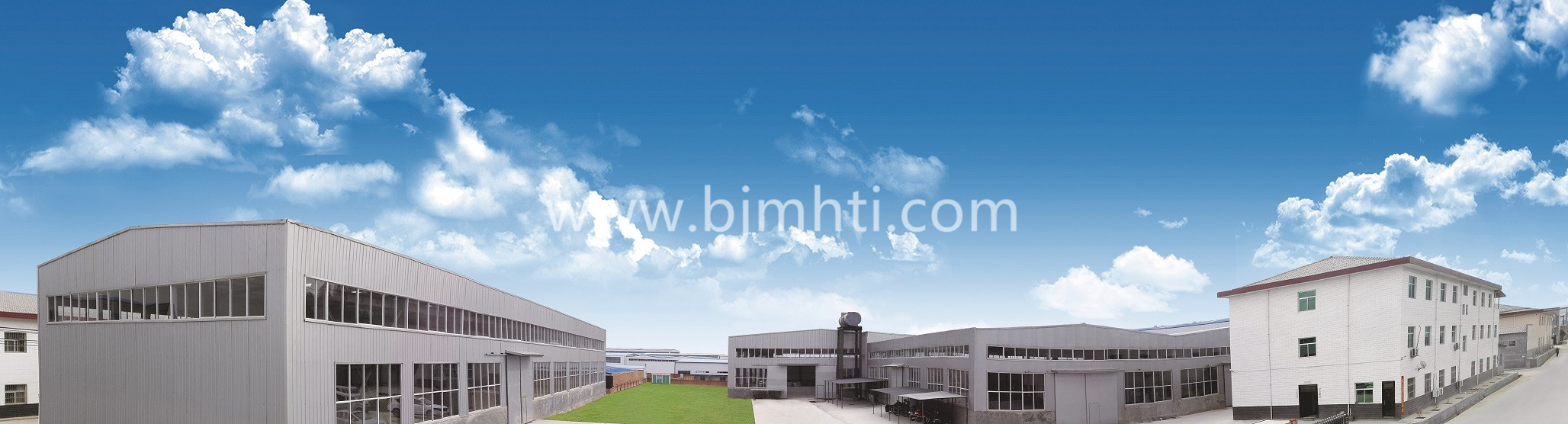
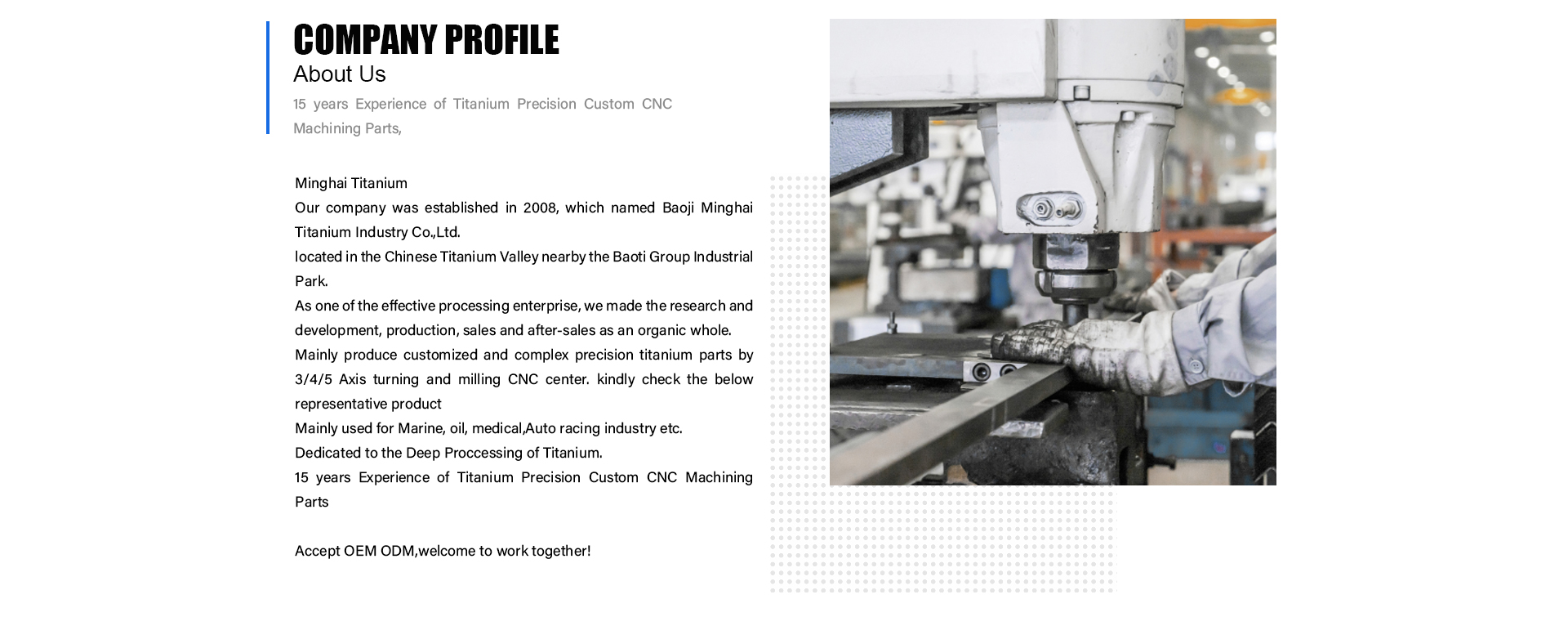
Headquartered in Baoji, China (China Titanium Valley), directly adjacent to the Baoti Group Industrial Park, delivering uncompromised raw material access and high-precision CNC execution.
Factory-Direct Integrity & Strict Quality Governance
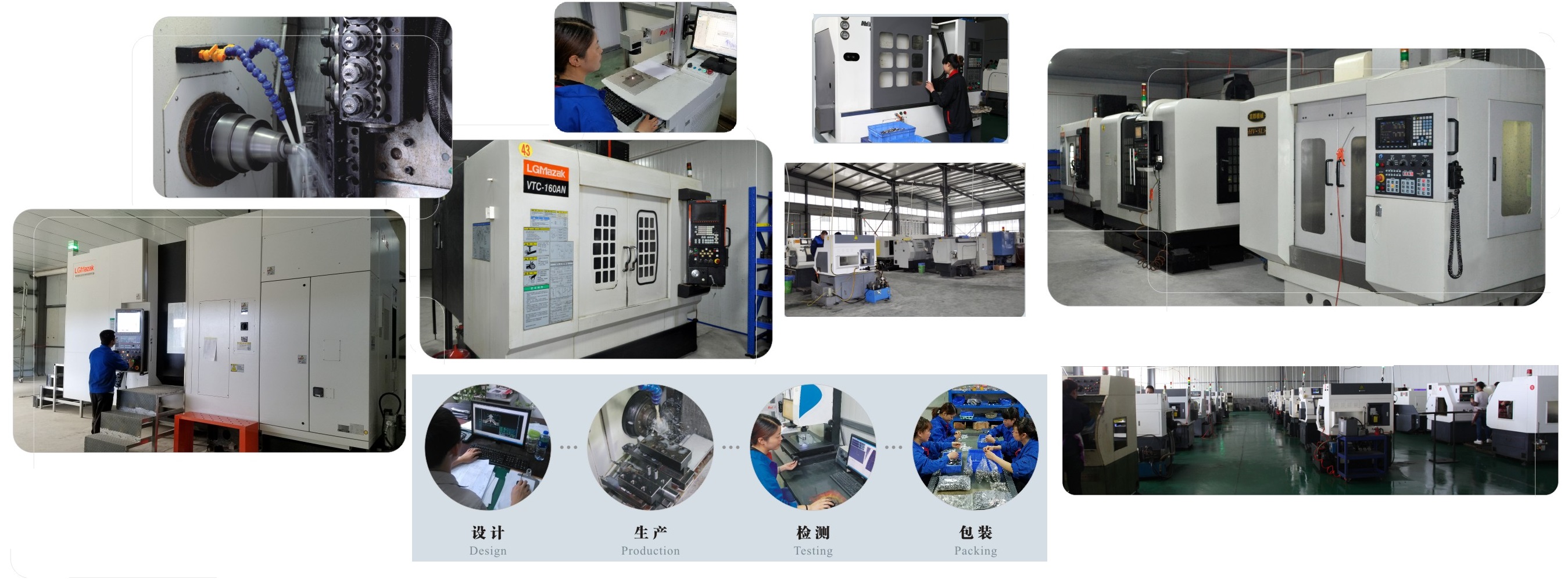
Established in 2008, Vunza Titanium Industry Co., Ltd. operates a comprehensive facility encompassing 34 multi-axis (3-axis, 4-axis, and 5-axis) CNC machining centers, high-speed Swiss-type precision automatic lathes, and high-tonnage thread rolling equipment. With over 50% of our production personnel holding more than 13 years of specialized titanium machining experience, we routinely maintain manufacturing tolerances down to ±0.005 mm.
Every single batch of titanium machine screws originates from traceable high-grade titanium sponge vacuum melted into ingots. Our metallurgical laboratory enforces strict EN 10204 3.1 certification, complete with Positive Material Identification (PMI), ultrasonic non-destructive flaw detection, thread pitch optical comparators, and tensile test verification.
Frequently Asked Questions for Saint Lucia Hardware Procurement
Addressing logistical timelines, Saint Lucia Customs tariffs, material certifications, anti-galling installation practices, and minimum order requirements.
How do you ship titanium fasteners to Saint Lucia and what are the standard lead times? +
Which titanium grade should we specify: Grade 2 (CP-Ti) or Grade 5 (Ti-6Al-4V)? +
How do we prevent thread galling during installation in humid tropical marine conditions? +
What are the import duties and customs regulations for titanium fasteners entering Saint Lucia? +
Can Vunza manufacture custom thread standards, imperial pitches, and proprietary head drives? +
What is the Minimum Order Quantity (MOQ) and sample lead time for prototype validation? +
Request Technical Drawings, Pricing & Marine Fastener Catalog
Planning a marine refit, coastal resort engineering upgrade, or renewable energy installation in Saint Lucia? Consult directly with our Senior Titanium Fastener Engineers in Baoji, China for Design for Manufacturability (DFM) reviews and instant quotation.