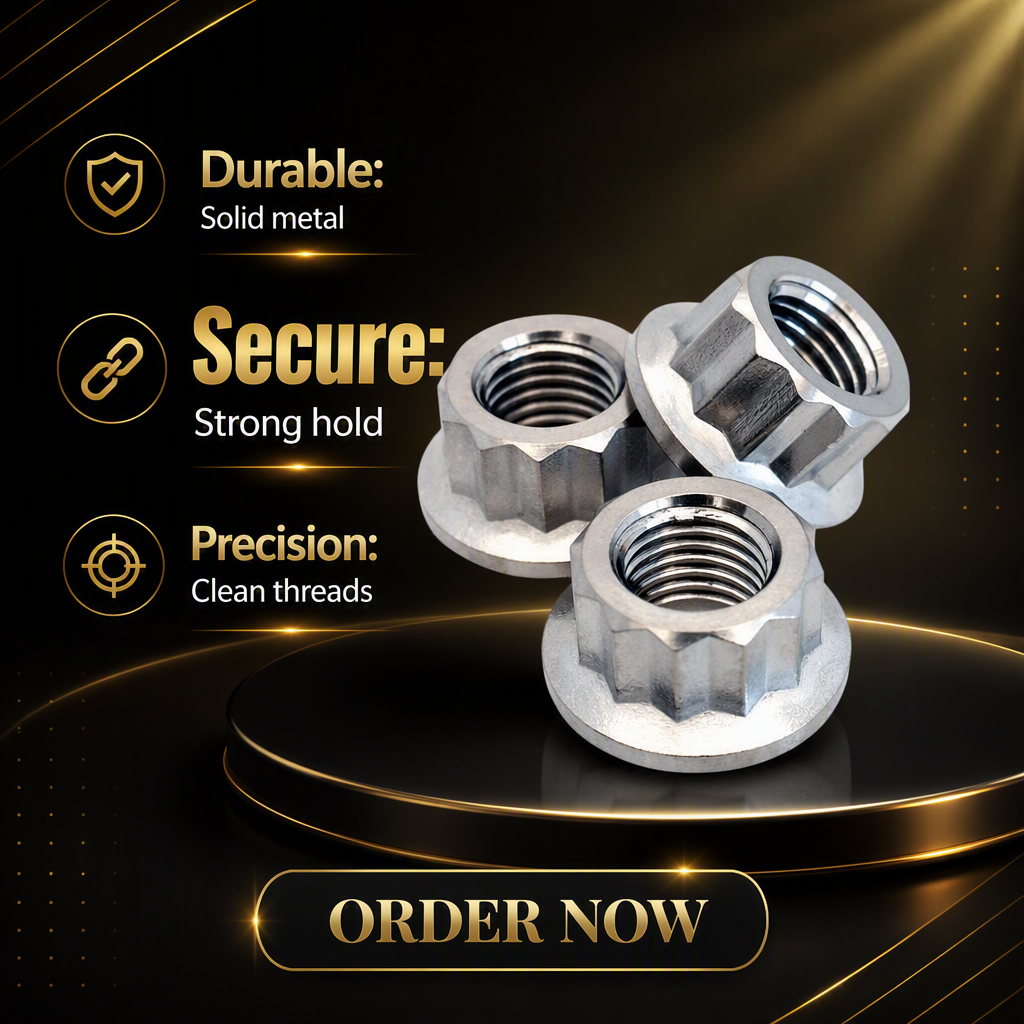
Ti-6Al-4V Grade 5
Polished Gr5 Titanium 12 Point Flange Nuts for High-Stress Assemblies
Optimized 12-point design distributing radial clamp stress evenly across composite decks and hull bulkheads. Zero rust in saltwater.
Direct factory export solutions crafted to meet JIS B 1057, ASTM F467/F468, and ISO 3506-4 criteria for high-shear, anti-galling ocean applications across Tokyo Bay and Kanagawa shipyards.
Optimized 12-point design distributing radial clamp stress evenly across composite decks and hull bulkheads. Zero rust in saltwater.
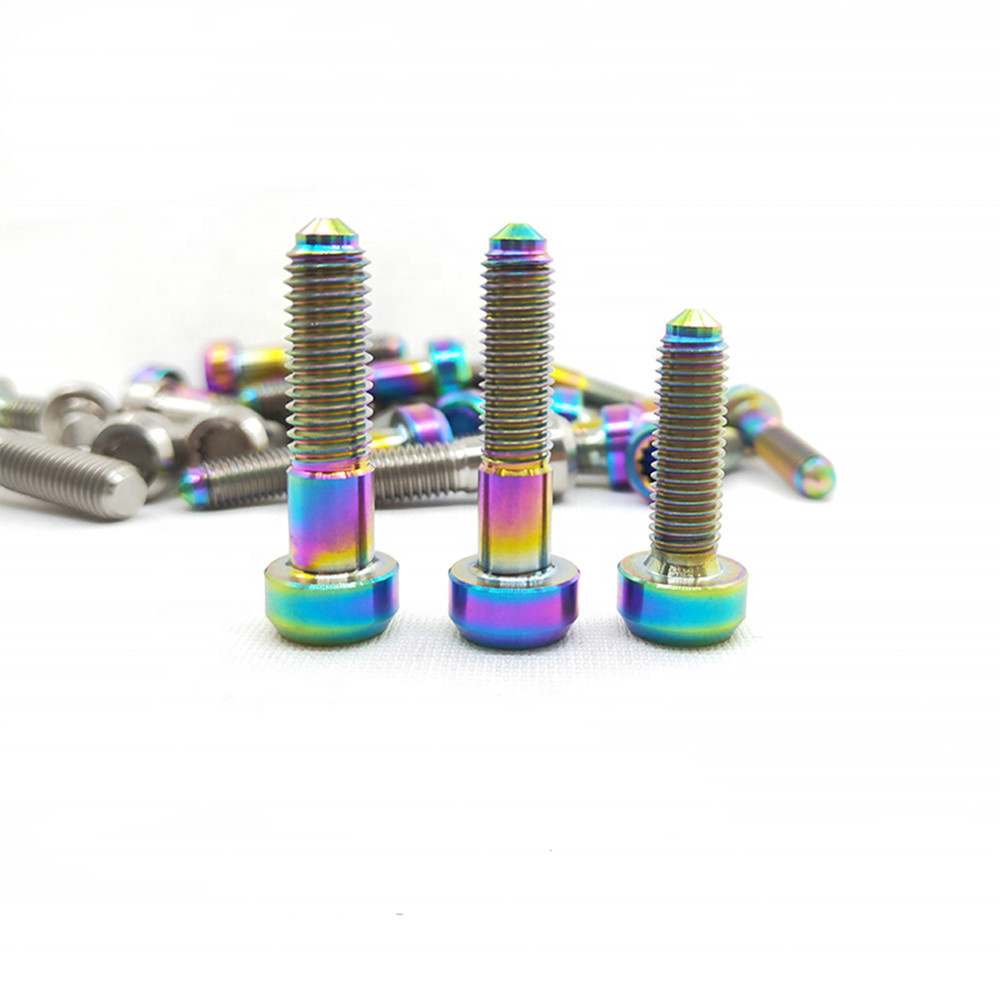
Ultra-low profile head with rolled threads engineered for marine propeller assemblies, subsea actuators, and high-vibration deck fittings.
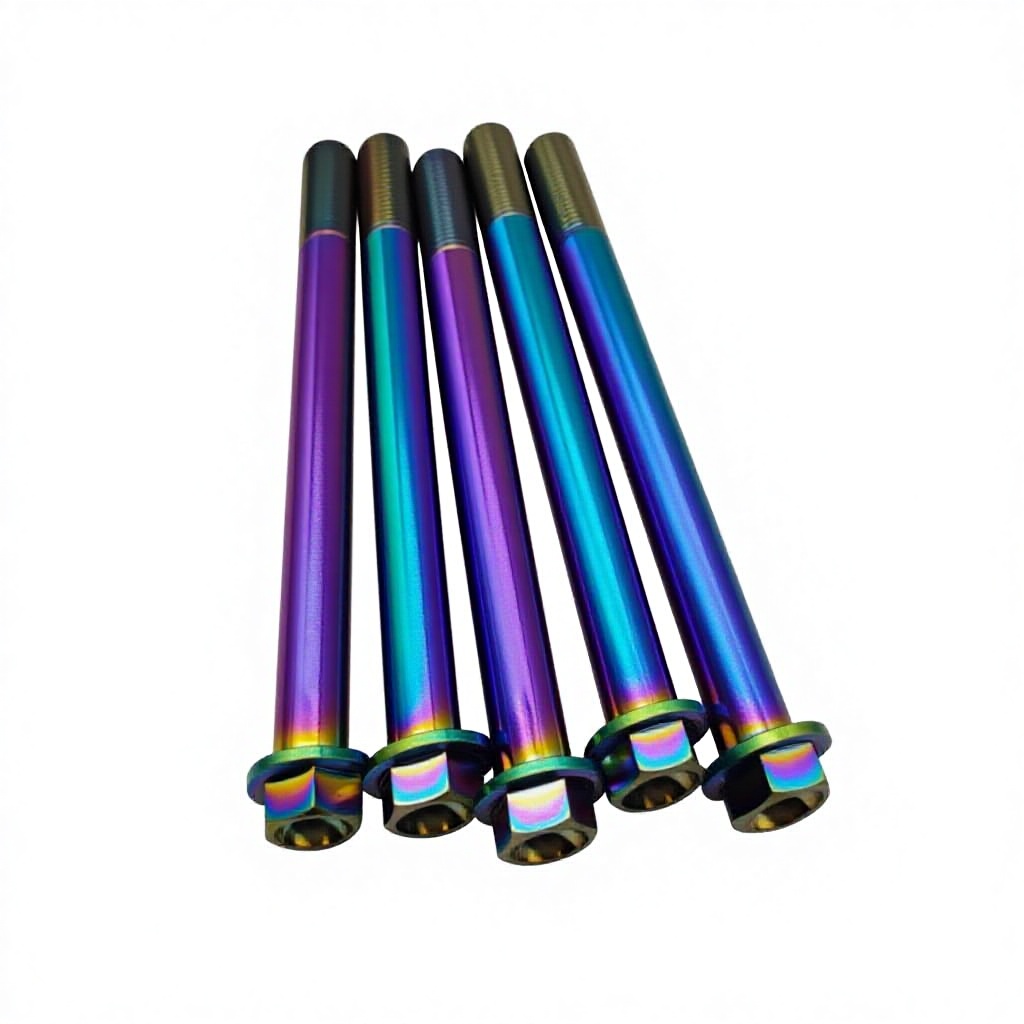
Heavy-duty hex flange fasteners providing integral washering, sealing out salt fog exposure inside coastal desalination and cooling loops.
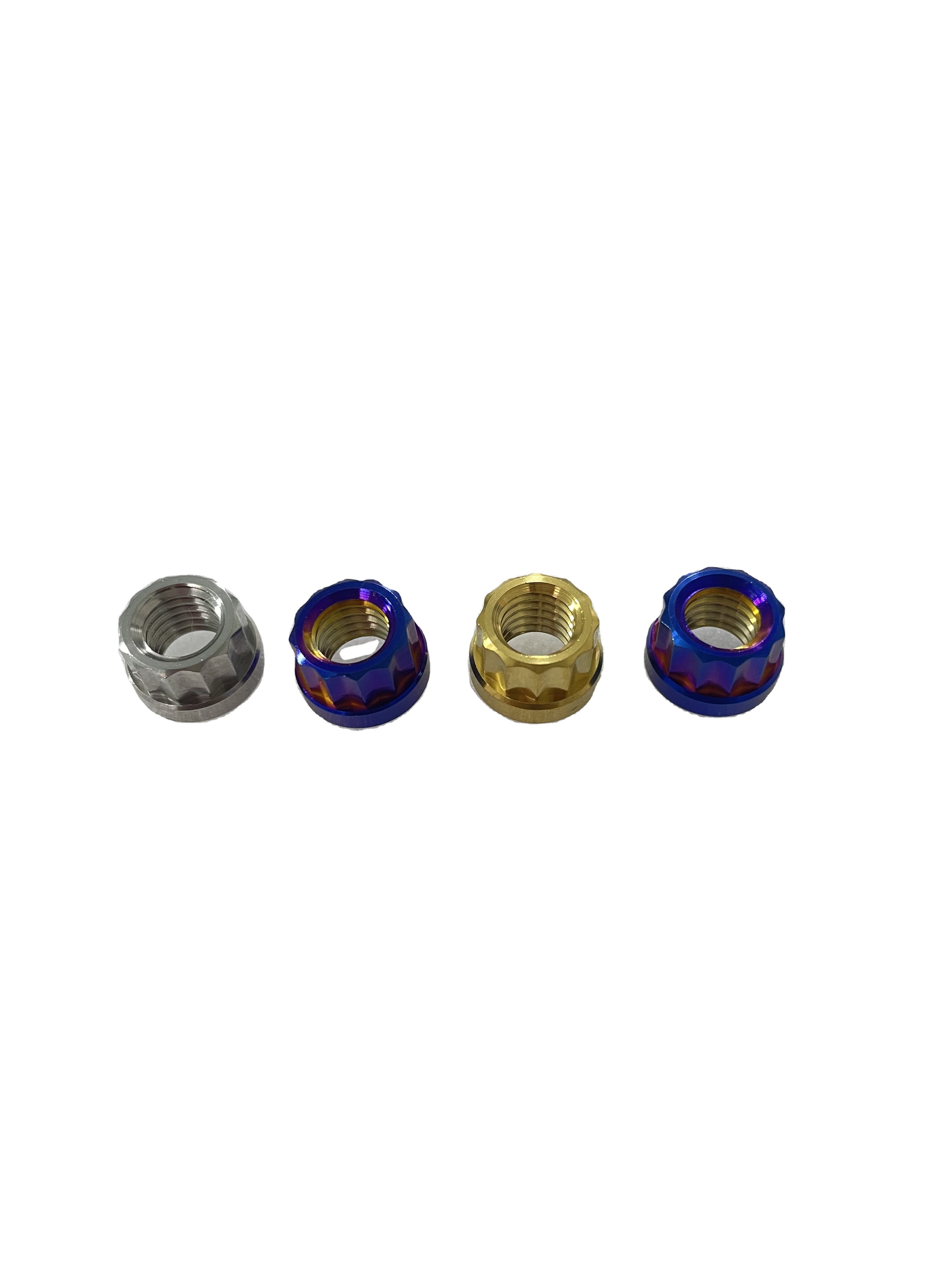
Fine thread configuration resisting vibrational back-out on offshore winch platforms, high-speed marine diesel shafts, and rudder systems.
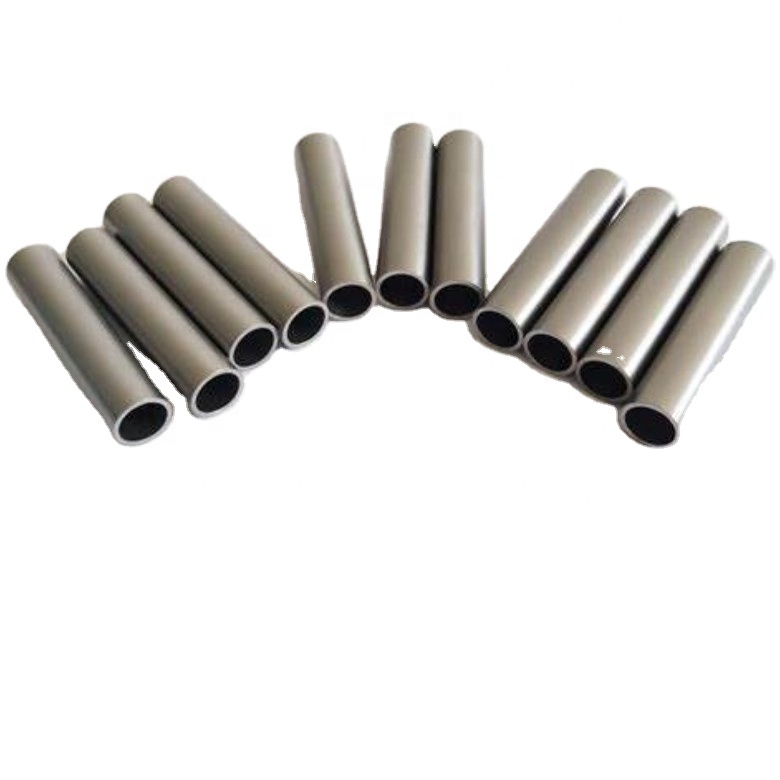
Immune to microbiologically influenced corrosion (MIC) and crevice oxidation in coastal chemical facilities and ballast management piping.
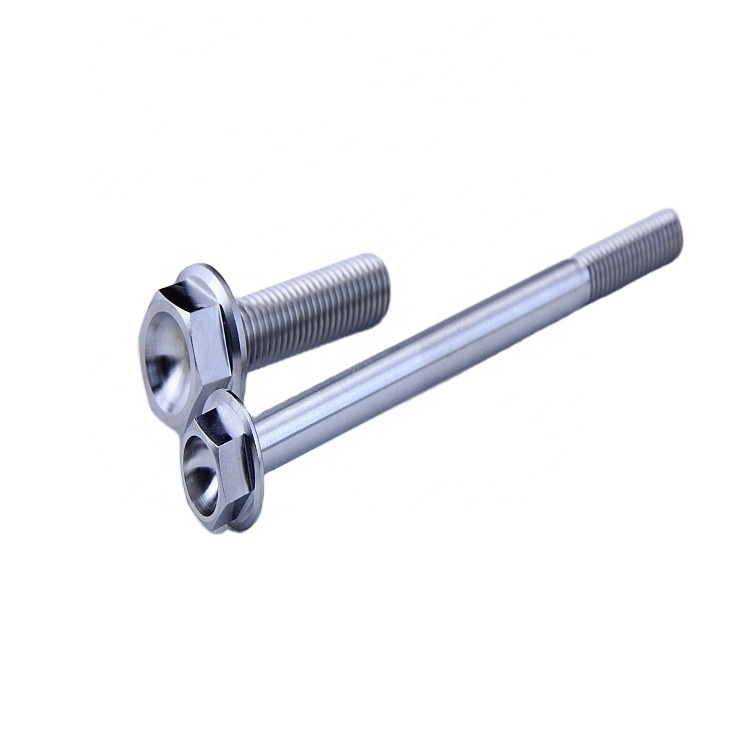
Engineered for clean automated fastening on racing watercraft, lightweight catamarans, and exposed radar dome mast mounts.
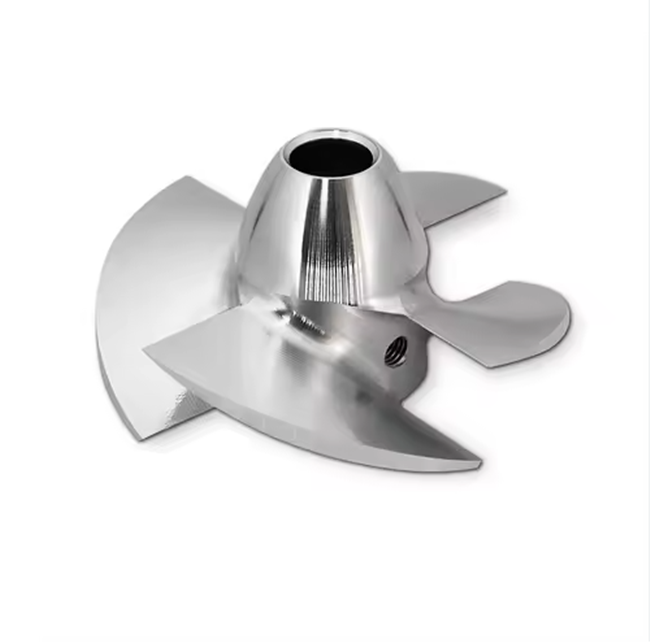
Tolerance down to 0.005 mm. Cavitation-resistant propulsion impellers built for offshore patrol craft, ROV pods, and deep-sea dredgers.
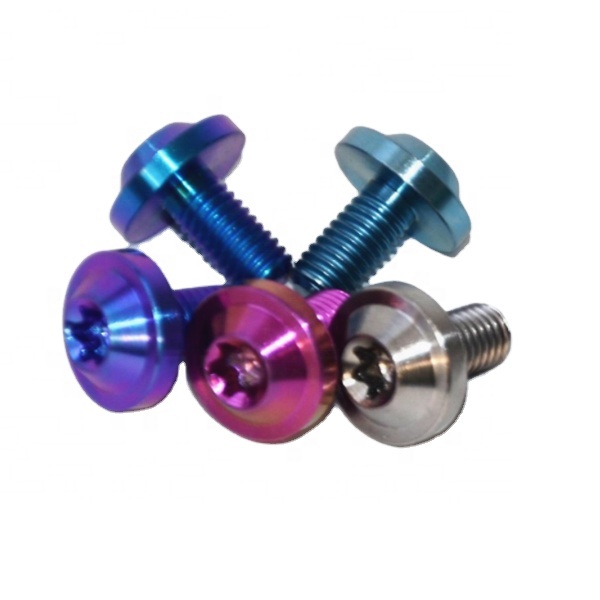
Surface passivated against galvanic coupling when mated to carbon fiber spars, hydrofoils, and naval radar arrays.
A rigorous examination of titanium metallurgy under Tokyo Bay salinity conditions, biofouling mitigation, and precision shear mechanical stability.
Yokohama’s port ecosystem, ranging from the active commercial berths at Honmoku Pier and Minami-Honmoku to the bustling refit shipyards along Kanagawa Ward, subjects marine components to severe corrosion stresses. Marine fasteners face continuous electrolytic action generated by concentrated sodium chloride (NaCl), variable dissolved oxygen layers, elevated ambient seawater temperatures in summertime Tokyo Bay, and localized microbiologically influenced corrosion (MIC). Traditional austenitic stainless steels, including standard AISI 304 and marine-grade 316L, frequently succumb to chloride pitting, crevice deterioration beneath un-aerated gasket seating, and catastrophic chloride stress corrosion cracking (CSCC) under sustained pre-loads.
By engineering high-integrity clamping hardware from Grade 5 Ti-6Al-4V (UNS R56400 / Werkstoff 3.7165) and Grade 2 Commercially Pure Titanium (UNS R50400), Vunza Titanium eliminates chloride-driven localized corrosion. Titanium's instantaneous reaction with molecular oxygen creates an adherent, self-healing rutile-anatase titanium dioxide (TiO2) passive film. This microscopic barrier remains stable across extreme pH gradients, making our titanium studs, cap screws, and flange nuts virtually indestructible against Tokyo Bay seawater, industrial effluents from the Keihin Industrial Area, and high-velocity sea mist.
| Material Specification | Yield Strength (MPa) | Density (g/cm³) | Pitting Resistance (PREN) | Tokyo Bay Marine Longevity | Weight Advantage vs. Steel |
|---|---|---|---|---|---|
| Grade 5 Titanium (Ti6Al4V TC4) | ≥ 828 MPa | 4.43 g/cm³ | Immune in Natural Seawater | Permanent (>35 Years Without Pitting) | ~44% Lighter |
| Commercially Pure Ti (Grade 2) | ≥ 275 MPa | 4.51 g/cm³ | Immune to Cl- Pitting <100°C | Permanent (Ideal for Heat Exchanger Piping) | ~43% Lighter |
| Marine Stainless (AISI 316L) | ≥ 220 MPa | 8.00 g/cm³ | ~23 - 25 | Susceptible to Crevice Attack Under Gaskets | Baseline Reference |
| Naval Brass (C46400) | ≥ 170 MPa | 8.41 g/cm³ | Low (Prone to Dezincification) | Periodic Sacrificial Replacement Required | ~48% Heavier |
Precision-matched hardware deployed across naval defense shipyards, offshore wind installations, LNG terminals, and racing yacht racing circuits.
Deployed within oceanic surveying submersibles operating out of the Port of Yokohama and deep-trench research craft. Our Gr5 non-magnetic Torx bolts and precision CNC impellers survive hydrostatic pressures exceeding 60 MPa without thread distortion or galvanic decomposition.
Fastening cooling modules and submerged seawater lines across the industrial plants of Tsurumi and Kawasaki. Titanium studs and flange assemblies are completely unaffected by chlorination injection systems and stagnant warm brine pools.
Serving recreational craft and commercial hydrofoils moored in Yokohama Bayside Marina. Utilizing high-strength Gr5 titanium 12-point flange fasteners slashes above-waterline rigging weight by 44%, drastically lowering the vessel's center of gravity while resisting saltwater aerosol attack.
How the green maritime transition and offshore wind acceleration dictate raw material upgrades across Japanese shipyards.
Japan’s strategic investment in offshore wind energy across adjacent Kanto prefectures requires substructures rated for continuous 25-to-30-year immersion. Traditional cathodic protection systems (zinc anodes) incur high offshore maintenance costs. Japanese procurement engineers are progressively moving toward Grade 5 titanium fastening studs on critical nacelle housings and splash-zone structural ladders.
Yokohama Port's selection as a designated carbon-neutral testing port has accelerated zero-emission marine engineering. Cryogenic fuel bunkering manifolds operating with liquid ammonia and liquid hydrogen require fasteners that retain mechanical ductility without hydrogen embrittlement or cold fracture—strengths where Vunza's vacuum-annealed Ti6Al4V excels.
Modern fast ferry, defense, and patrol craft construction heavily integrates carbon-fiber reinforced polymers (CFRP). Carbon fibers possess a highly cathodic potential, rapidly corroding standard aluminum, galvanized, and stainless fasteners through vigorous galvanic coupling. Titanium remains the only electrochemically inert metallic fastener completely safe for carbon matrix insertion in saltwater environments.
Strategic integration of supply chains, advanced CNC facilities, and rigorous raw material provenance.
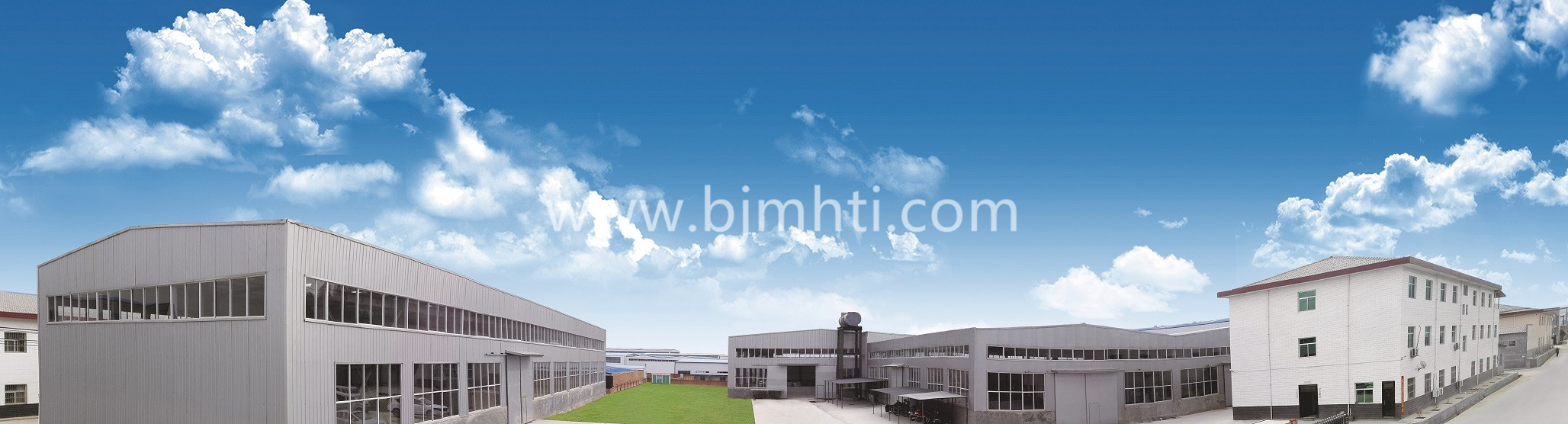
Situated in the Gaoya Village Industrial Zone, Baoji, Shaanxi, China—the undisputed heart of China’s Titanium Valley—Vunza operates directly adjacent to the Baoti Group Industrial Park. This geographic advantage grants us uncontested access to verified Grade 0 and Grade 1 titanium sponge reserves, completely eliminating intermediate brokerage markups.
Since our establishment in 2008, we have maintained a strict quality management continuum from raw ingot melting to final multi-axis CNC tolerance checking. Japanese quality directors benefit from:
Addressing direct questions from Japanese naval architects, purchasing officers, and shipyard contractors.
Send your 2D/3D part drawings or bill of materials today. Our senior titanium metallurgical engineering team in Baoji will return complete DFM feedback, tolerance validation, and factory-direct pricing within 9 hours.
Contact Us