Micro CNC
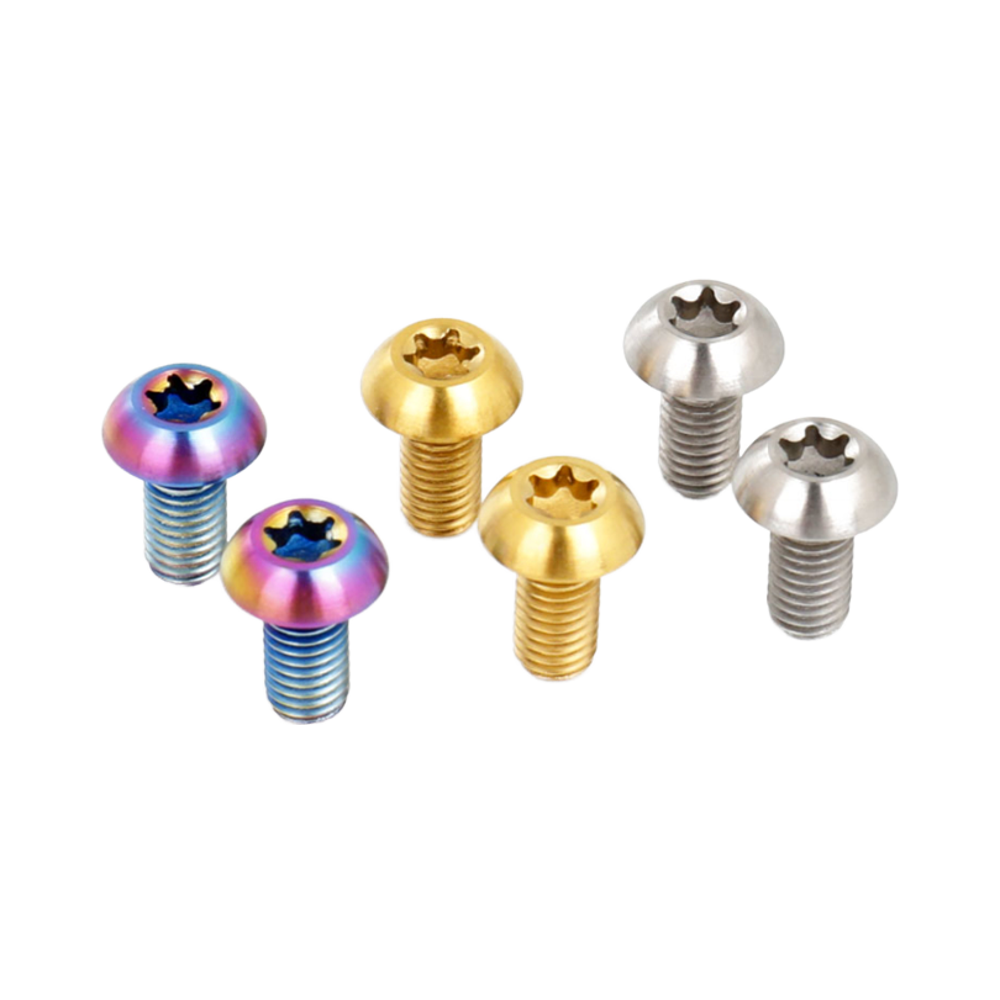
Precision turning, milling, and surface modification built from high-purity Grade 5 (Ti6Al4V) and bio-compatible alloys. Fully documented, gauge-verified, and ready for integration into medical robotic linkages, diagnostic brackets, and precision dynamic assemblies.
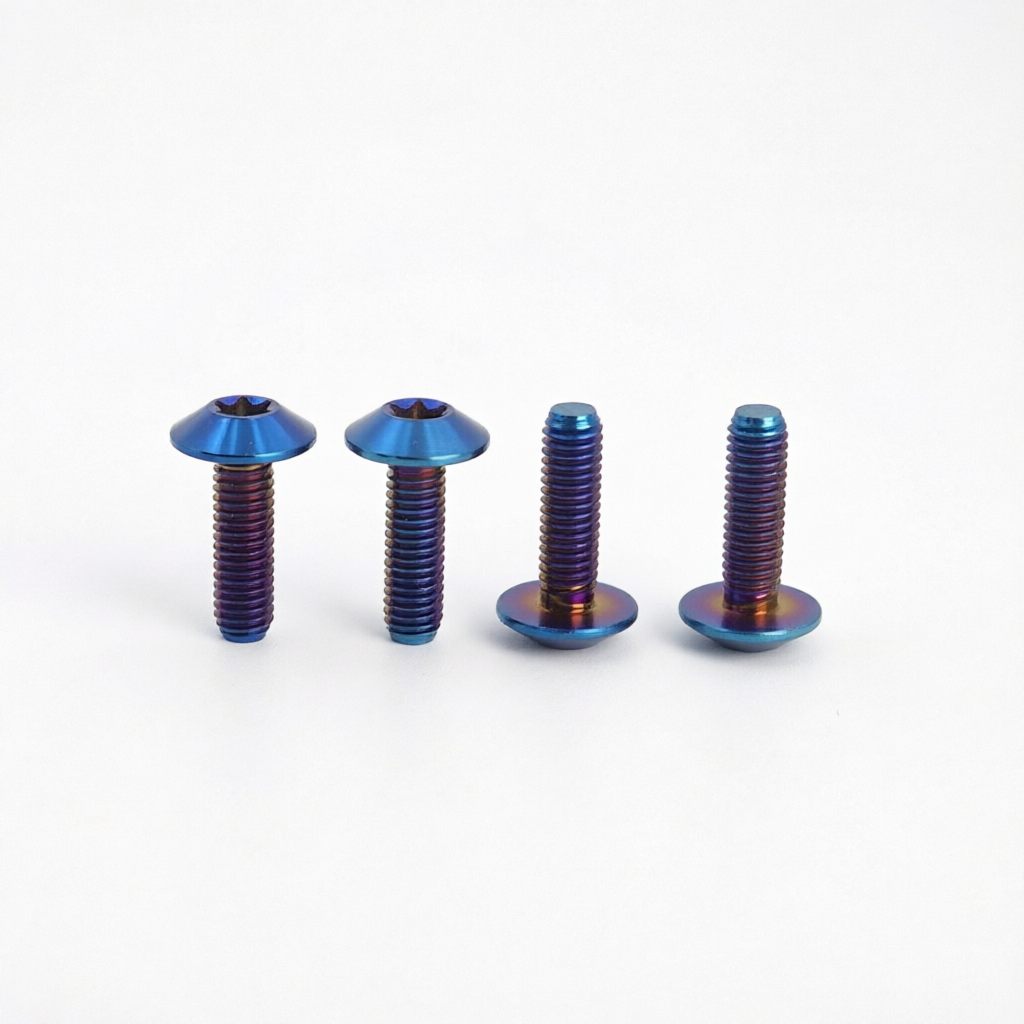
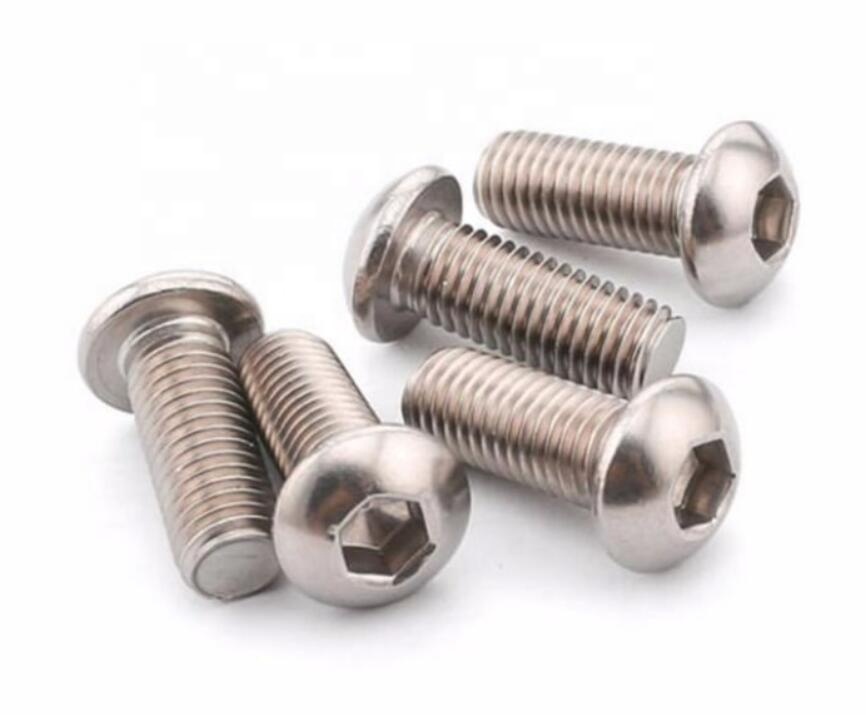
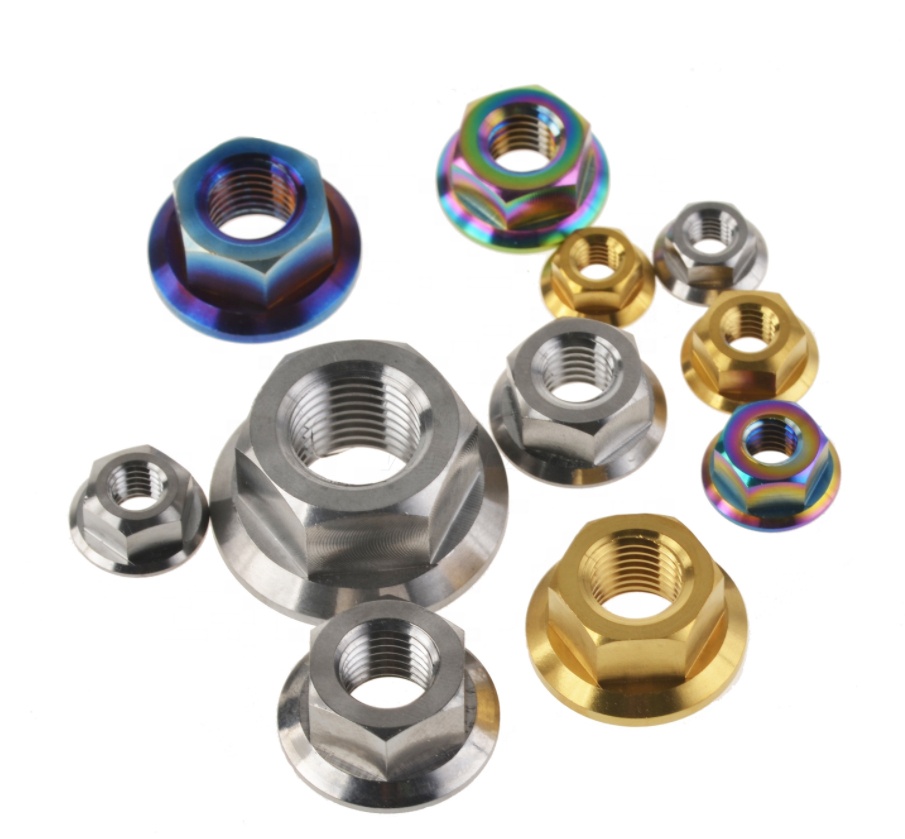
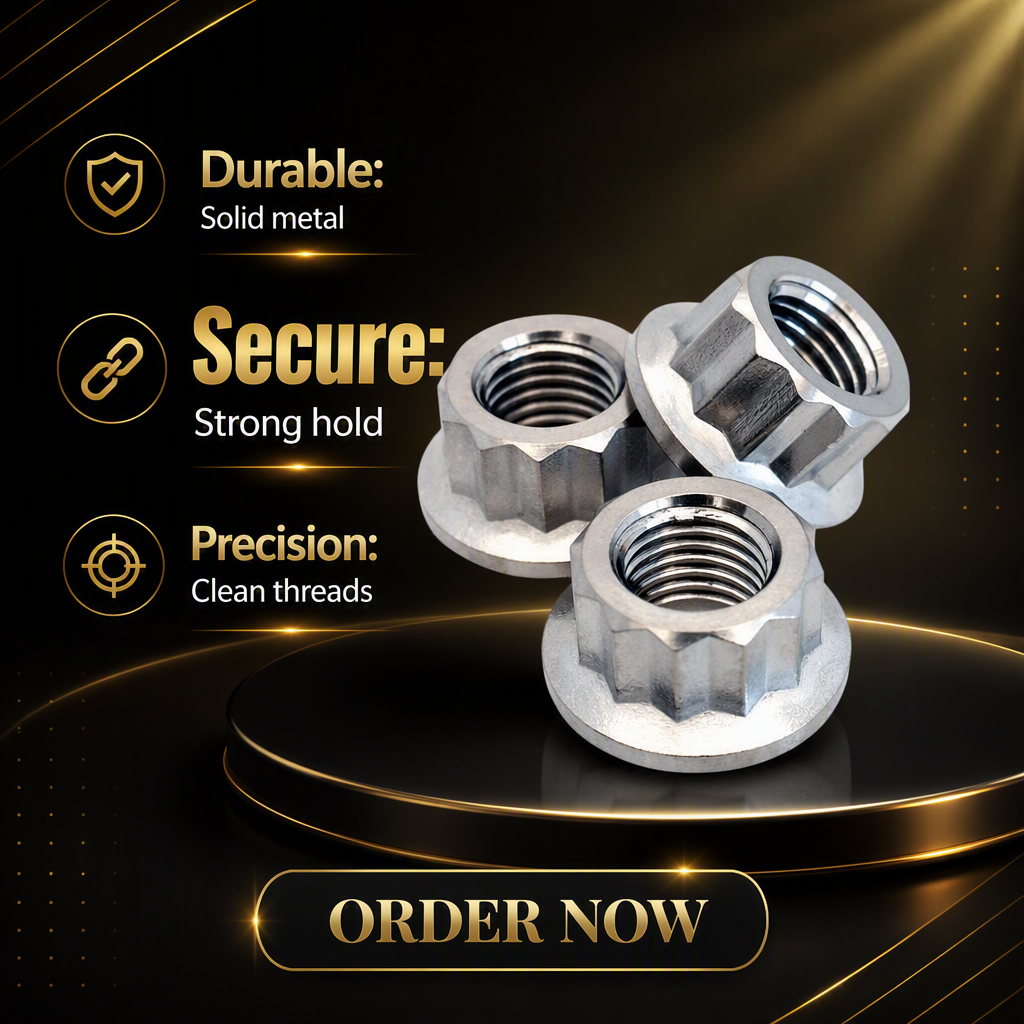
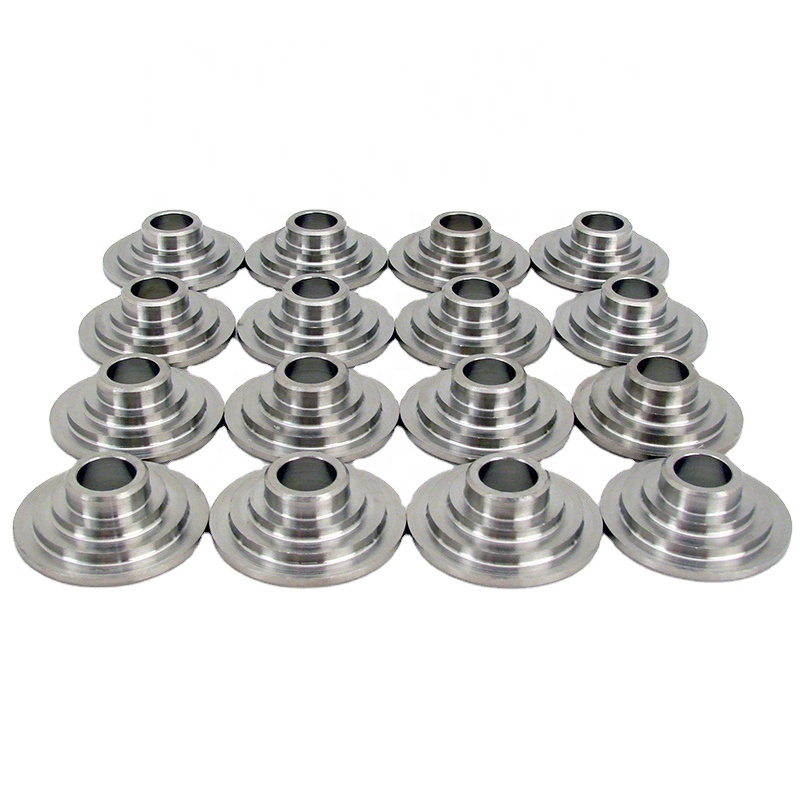
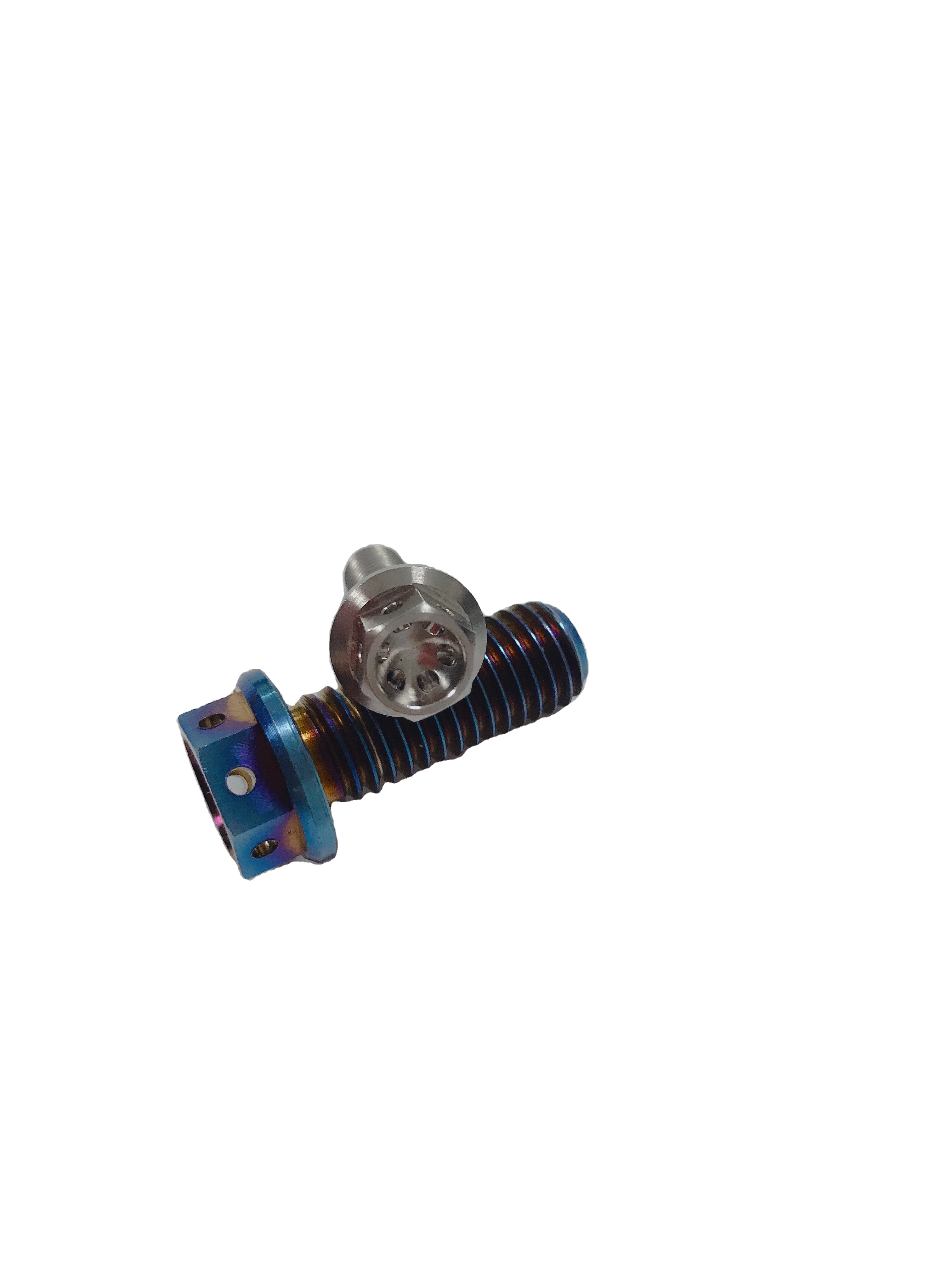
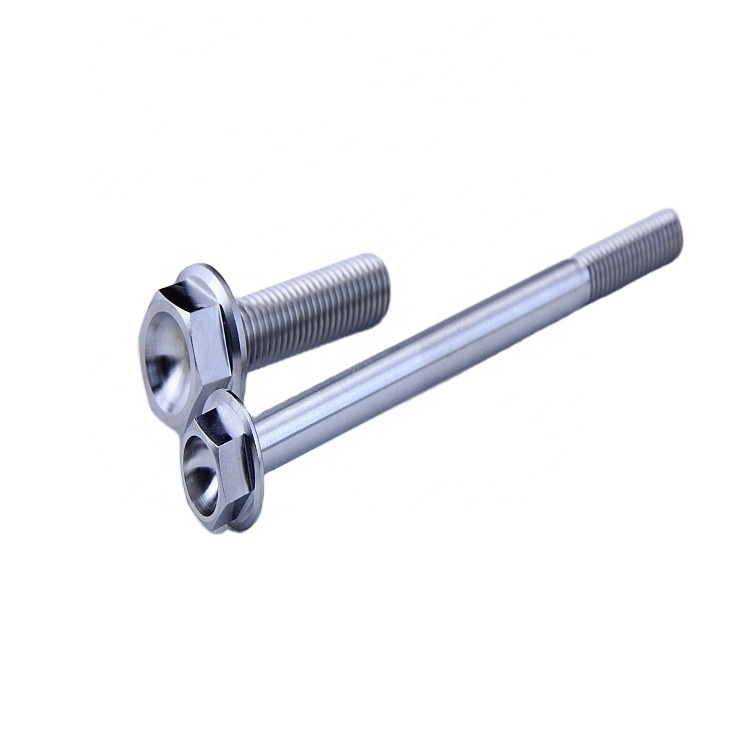
The Greater Seattle biomedical ecosystem—spanning from Seattle's South Lake Union research hub to the Bothell-Woodinville medical device corridor and Bellevue's surgical robotics centers—commands an uncompromising standard for mechanical biocompatibility, structural fatigue endurance, and micro-machining repeatability.
As medical devices shift toward robotic minimally invasive surgery (MIS), patient-specific orthopedic reconstruction, and micro-fluidic diagnostics, selecting the right metallurgical baseline becomes paramount. Titanium alloys, notably commercially pure Grade 2/Grade 4 (ASTM F67) and extra-low interstitial Ti6Al4V ELI (ASTM F136 / ISO 5832-3), provide the ultimate strength-to-density ratio, low modulus of elasticity close to human cortical bone, and rapid biological osseointegration.
Baoji-to-Seattle Supply Chain Resilience: Headquartered in Baoji (China's Titanium Valley) with 34 high-speed CNC milling and turning centers, Vunza Titanium bridges primary sponge-to-ingot smelting traceability directly with Seattle's medical device design teams, ensuring full FDA 21 CFR Part 820 documentation compliance, ultrasonic cleanliness, and sub-0.005 mm micro-tolerances.
Whether manufacturing miniature fixation screws for spinal fusion cages, robotic articulated end-effectors, or dental implant prosthetic abutments, our export infrastructure guarantees seamless cross-Pacific logistics with expedited customs clearance into Sea-Tac International Airport and the Port of Seattle.
| Mechanical Property | Ti6Al4V ELI (Gr23 / F136) | CP Grade 4 (ASTM F67) | 316L Stainless Steel |
|---|---|---|---|
| Tensile Strength (MPa) | ≥ 860 | ≥ 550 | ≥ 580 |
| Yield Strength (MPa) | ≥ 795 | ≥ 480 | ≥ 290 |
| Modulus of Elasticity (GPa) | 110 (Low Stress Shielding) | 105 | 193 (High Rigidity) |
| Density (g/cm³) | 4.43 | 4.51 | 7.98 |
| MRI Biocompatibility | Completely Non-Magnetic | Completely Non-Magnetic | Artifact Prone |
| Corrosion in Bio-Fluids | Exceptional Passive TiO&sub2; | Exceptional Passive TiO&sub2; | Susceptible to Pitting |
Engineered specifically to fulfill the stringent requirements of King County, Snohomish County, and Pierce County biomedical institutions, medical laboratories, and surgical device manufacturers.
Extensively deployed in lumbar fusion cages, pedicle screw assemblies, bone reconstruction plates, and intramedullary nailing systems developed in the Seattle-Bellevue orthopedic corridors.
Meeting the high strength-to-weight demands of minimally invasive surgical (MIS) robots manufactured across the Bothell biomedical belt, where payload inertia must be minimized.
Ultra-miniature housings, lead connectors, and micro-anchors for neurostimulators and intravascular monitoring devices engineered near the University of Washington research core.
Key industry shifts reshaping medical procurement, material specification, and production standards throughout Washington State's life sciences sector.
The Puget Sound region has a storied aerospace legacy led by Boeing and its tier-1 suppliers. Today, this machining precision has crossed over into biomedical production. Seattle medical OEMs now mandate aerospace-grade structural integrity, AS9100/ISO 13485 alignment, and five-axis CNC capabilities for their medical device sub-assemblies.
With tightening FDA scrutiny under CDRH (Center for Devices and Radiological Health), Seattle medical device designers can no longer tolerate unverified bar stock. Sourcing teams demand full ingot-to-part heat numbers, chemical composition validation (O, N, C, H interstitial limits), and third-party spectroscopic analysis from raw sponge to finished component.
While 3D printed titanium (EBM/SLM) is increasingly leveraged for porous osteoconductive lattices in Kirkland and Redmond facilities, additive structures universally require secondary subtractive 5-axis CNC machining to finish critical sealing surfaces, mating threads, and concentric bearing journals to ±0.005 mm.
Operating from Gaoya Village Industrial Zone in Baoji—China's Titanium Valley—adjacent to the Baoti Group Industrial Park, we control primary titanium supply channels and direct multi-axis manufacturing under one roof.
Equipped with 3, 4, and 5-axis machining centers along with Swiss-type CNC lathes capable of multi-face, single-setup complex geometries with tight tolerances down to 0.005 mm.
Complete traceability from certified titanium sponge through vacuum arc remelting (VAR) to the final finished component. Batch-specific Mill Test Certificates (MTC) supplied with every order.
Founded in 2008, over 50% of our production staff have more than 13 years of specialized titanium machining experience, solving work-hardening, heat dissipation, and tool deflection hurdles.
Dedicated international export team maintaining an average inquiry response time under 9 hours. Seamless coordination with Sea-Tac air freight lines ensures short lead times for US buyers.
Clear, engineering-backed answers addressing the compliance, logistical, and metallurgical questions raised by Pacific Northwest procurement directors and quality assurance managers.
For long-term surgical implants, ASTM F136 Ti6Al4V ELI (Grade 23) and ASTM F67 Commercially Pure Titanium (Grades 1 through 4) are the world gold standards. Ti6Al4V ELI features strictly controlled interstitial elements (oxygen ≤ 0.13%, carbon ≤ 0.08%, nitrogen ≤ 0.05%, hydrogen ≤ 0.012%), providing substantially higher fracture toughness and fatigue resistance compared to commercial Grade 5. For dental superstructures and high-wear prosthetic frameworks, we also supply certified CoCrMo (Cobalt-Chromium-Molybdenum) alloy.
Titanium exhibits low thermal conductivity and significant elastic springback during cutting. We overcome this using rigid multi-axis Swiss CNC and vertical machining centers equipped with high-pressure internal spindle through-coolant (70+ bar), custom polycrystalline diamond (PCD) and ultra-fine micro-grain carbide tooling, and temperature-controlled machining environments. First-article inspections and in-process dimensional audits are executed on automated Coordinate Measuring Machines (CMM) and optical profile projectors.
Every export consignment is accompanied by comprehensive regulatory dossiers, including:
• EN 10204 3.1 Certified Mill Test Reports (MTR) demonstrating chemical analysis and mechanical tensile/yield properties.
• Complete heat and lot batch traceability from raw ingot to final shipment.
• Certificate of Conformance (CoC) matching your 2D/3D blueprint revision.
• Full dimensional inspection reports (CMM multi-point data).
• Passivation and surface treatment certificates per ASTM A967 or ASTM F86 upon request.
For urgent development prototypes, pilot manufacturing batches, and recurring high-value components, we utilize express air freight (DHL, FedEx, UPS, or direct cargo charters) landing at Seattle-Tacoma International Airport (Sea-Tac) within 4 to 7 business days. For bulk industrial and commercial hardware orders, ocean container freight transits directly to the Port of Seattle / The Northwest Seaport Alliance (NWSA) in approximately 18 to 24 calendar days, fully handled with DDP or CIF terms.
We work closely with licensed US customs brokers familiar with medical device components, surgical instruments, and titanium fasteners under relevant HTS codes. We offer Delivered Duty Paid (DDP) shipping terms where all customs tariffs, handling fees, and US homeland import documentation are fully settled upfront, eliminating customs clearance bottlenecks and unexpected surcharges for your accounts payable department.
Yes. Machined parts can undergo multi-stage ultrasonic degreasing, nitric acid or citric acid chemical passivation (per ASTM F86), and deionized water rinse cycles to eliminate all residual cutting fluids, free iron contamination, and microscopic machining dust. Components are individually vacuum-sealed in clean poly-bags or anti-static blister packaging within our controlled packing area to prevent handling damage during transit.
We are structured to support both rapid R&D prototyping and high-scale production. For custom CNC machined parts and development prototypes built to drawing, our MOQ is as flexible as 10 to 50 pieces. For standard or modified titanium fasteners, studs, and flanged nuts, MOQ generally starts between 100 and 500 pieces, with substantial volume discounting applied to scheduled annual blanket purchase orders (Kanban / JIT delivery models).
When you submit your CAD model (STEP, IGES, SolidWorks, or DXF), our senior titanium tooling engineers analyze tool paths, internal corner radii, thread relief clearances, and wall thickness stability. Because titanium has a high propensity for galling and heat buildup, our engineers suggest micro-optimizations that lower machining cycle times and minimize stress concentrations without altering your functional mating surfaces.
Send your CAD models or 2D technical drawings for immediate DFM feedback, material certification review, and competitive factory-direct quotation delivered in under 9 hours.