High-Performance Titanium Hardware & Custom Fasteners
Engineered from Certified Baoji Titanium Sponge: Uncompromising Shear Resistance, Anti-Galling Thread Formulations, and Extreme Environmental Resistance for Savannakhet Industrial Projects.
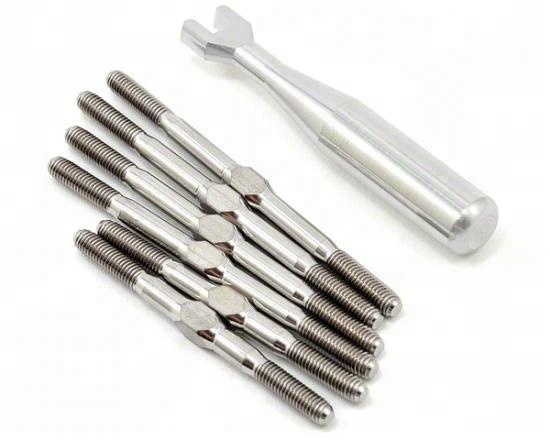
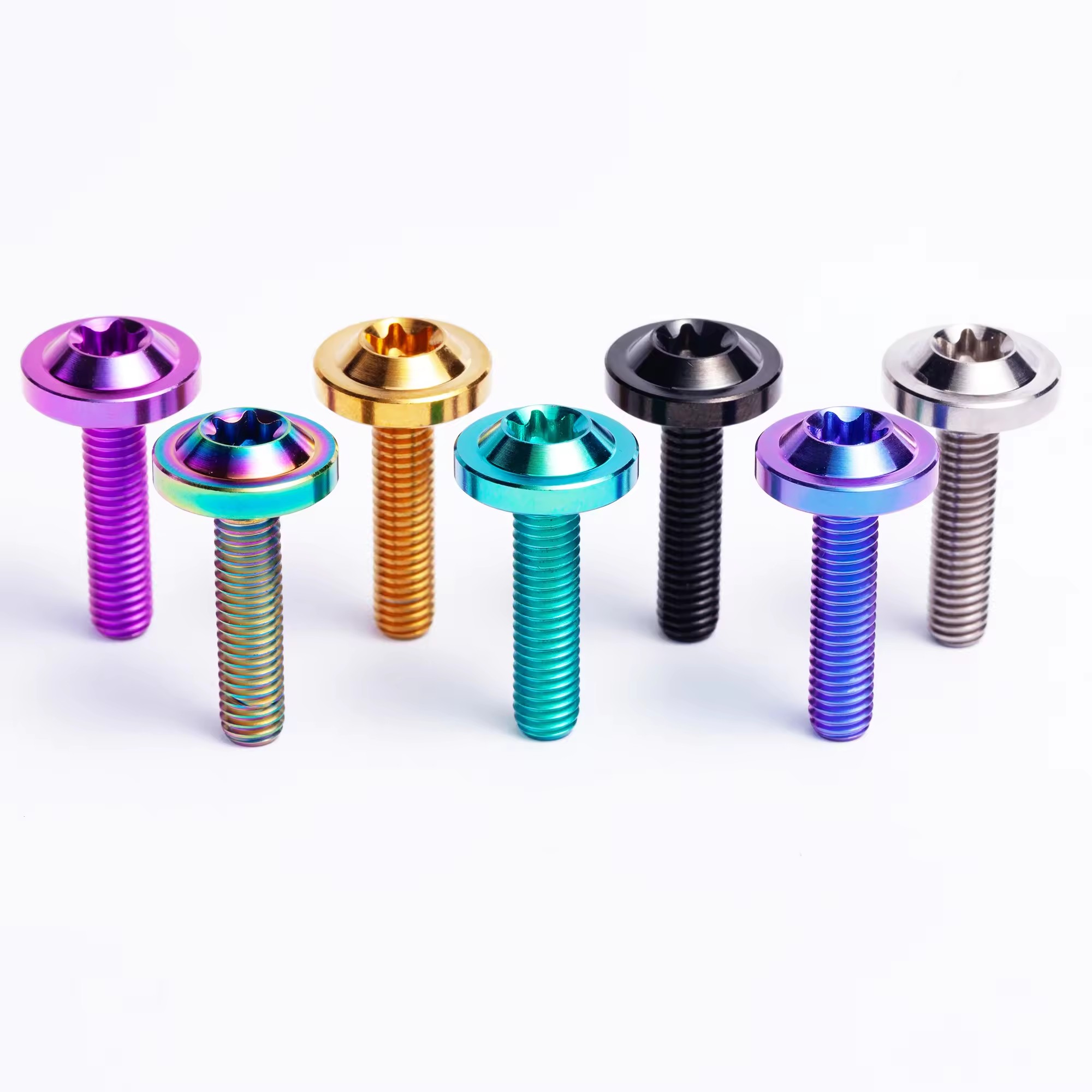
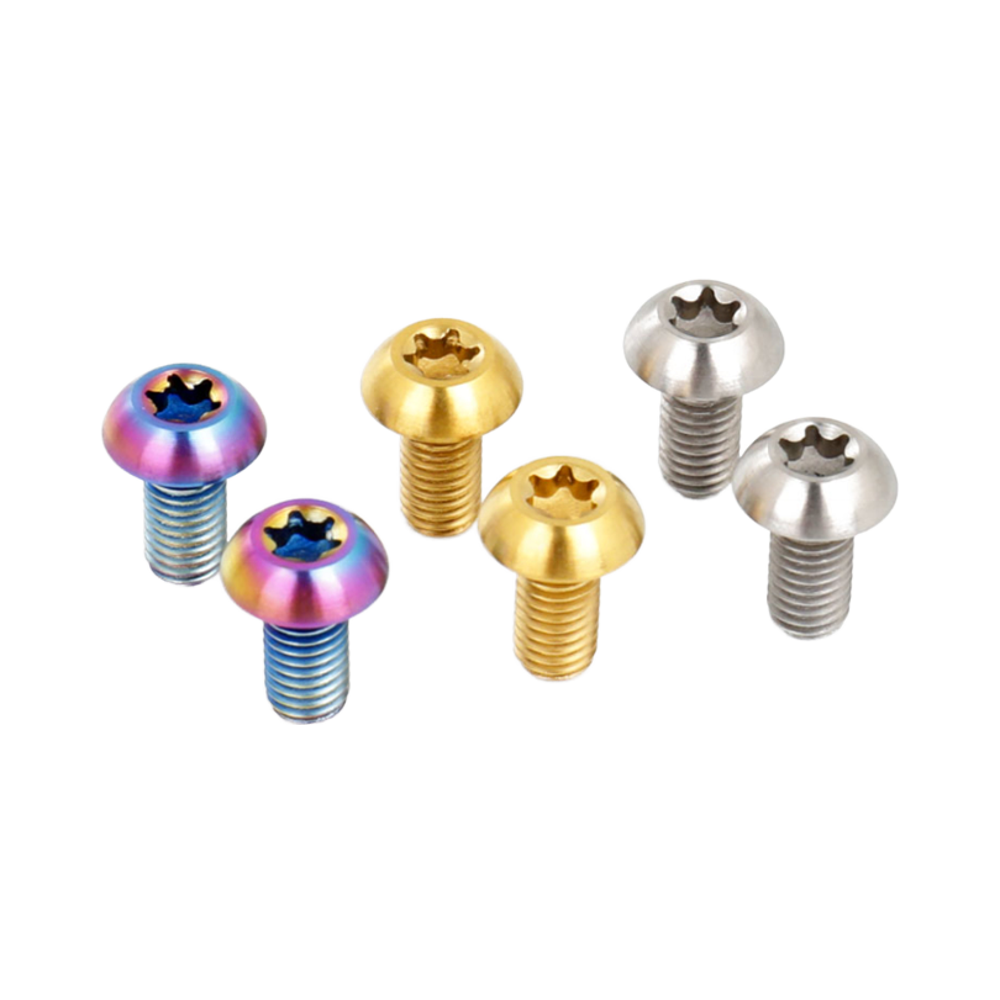
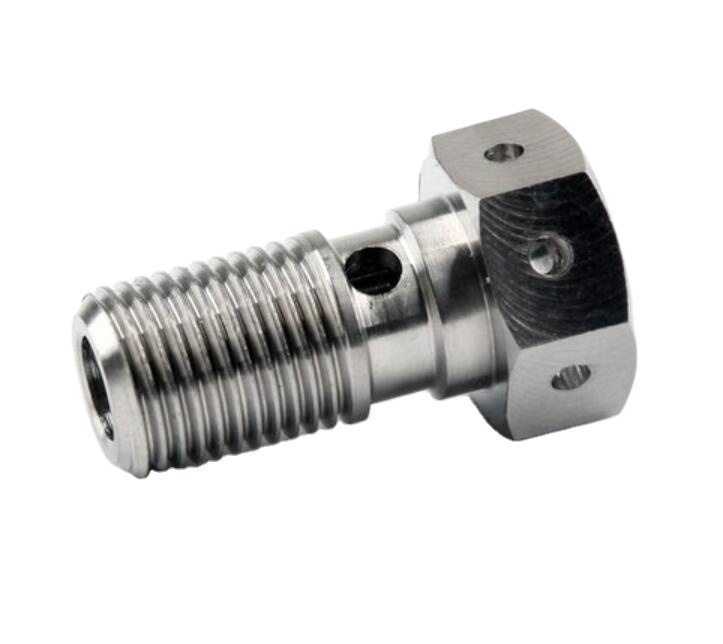
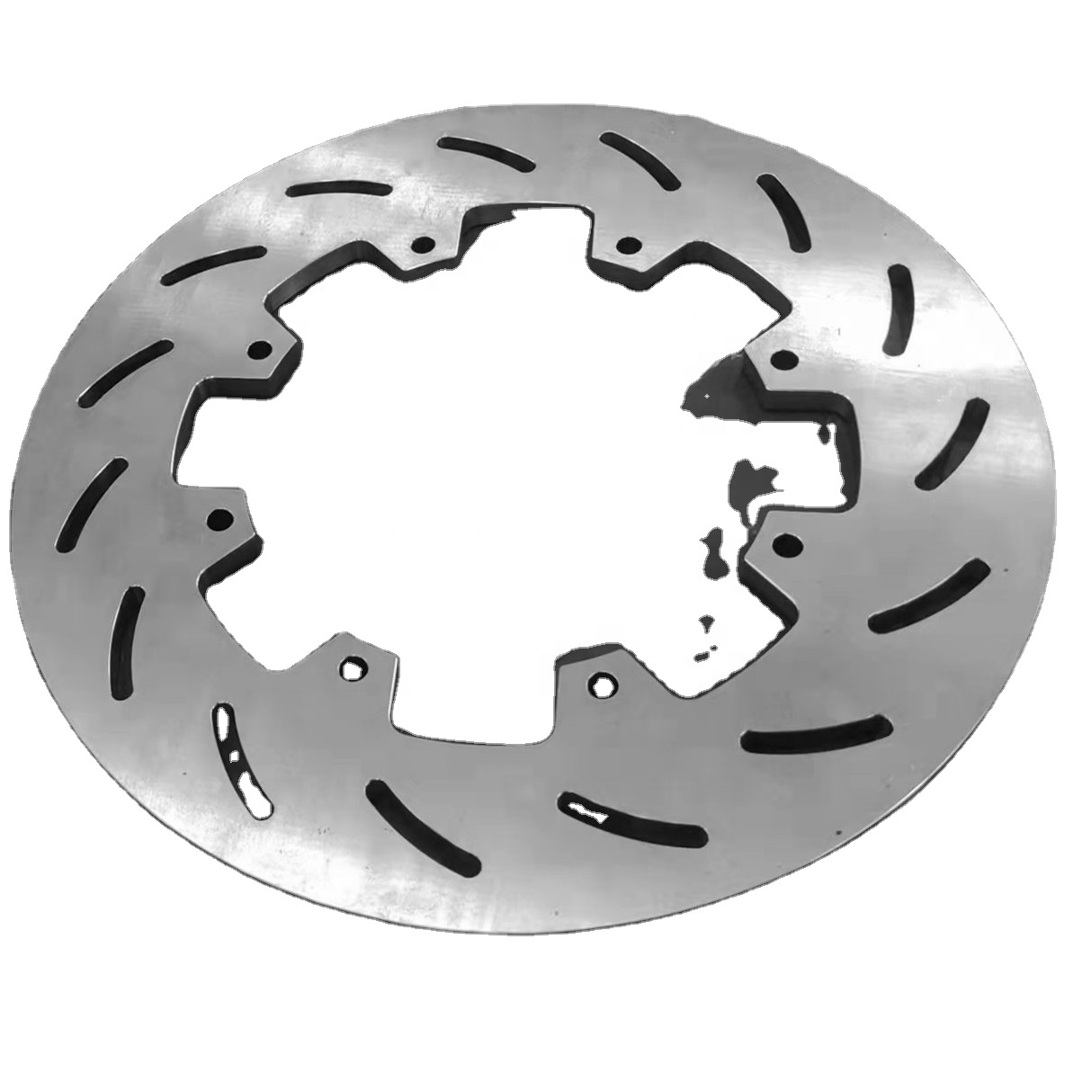
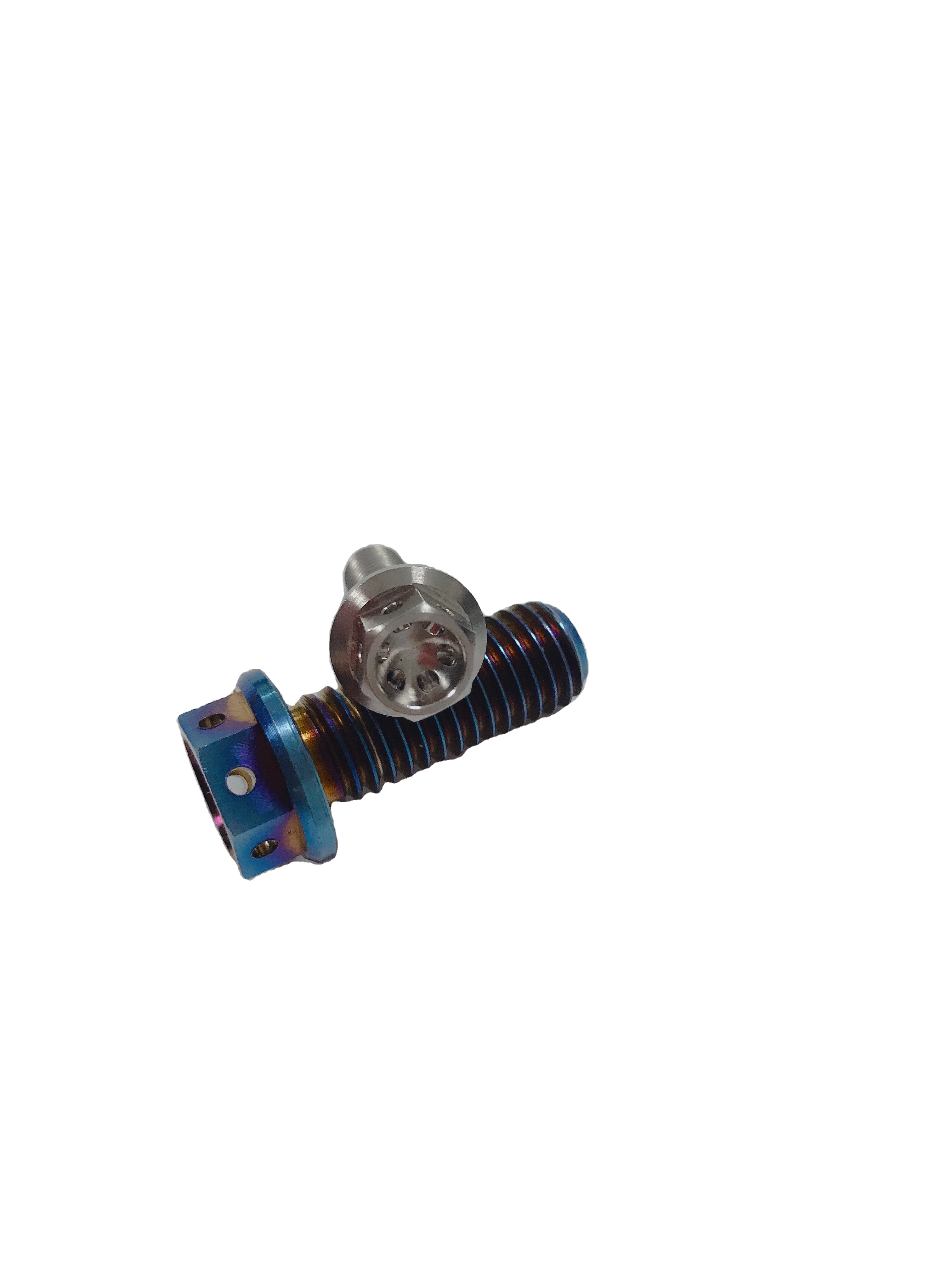
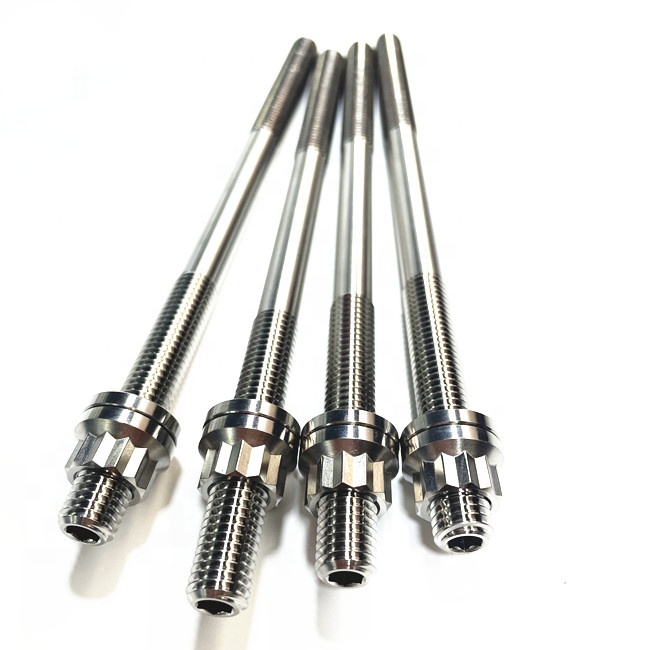
Why Titanium Self-Tapping Fasteners Are Essential for Modern Savannakhet Engineering
Self-tapping screws eliminate the operational necessity and labor overhead of pre-tapping mating female threads into sheet metal, structural extrusions, composites, or cast housings. However, when deployed in tropical industrial environments such as Savannakhet, standard zinc-plated carbon steel or common austenitic stainless steels (AISI 304 or 316) exhibit fatal engineering limitations: catastrophic galvanic oxidation when coupled with aluminum, severe stress corrosion cracking under thermal flux, and low shear-to-weight ratios.
By leveraging certified Grade 5 Ti-6Al-4V (Alpha-Beta Alloy) and Grade 2 Commercially Pure Titanium, our self-tapping fasteners provide a tensile strength exceeding 895 MPa while cutting overall hardware weight by 44% compared to steel. More crucially, titanium immediately develops a stable, stoichiometric, non-conductive titanium dioxide (TiO₂) passivation layer upon ambient exposure. This eliminates galvanic reaction loops when tapping into anodized aluminum structural panels, marine-grade enclosures, and cleanroom frameworks throughout the Lao People's Democratic Republic.
Our proprietary thread-rolling processes induce compressive residual surface stresses into the thread roots. Unlike cut threads which interrupt grain flow and introduce micro-fissures, rolled threads eliminate thread-binding during high-speed automated installation in Savan-Seno Special Economic Zone assembly plants.
Material Property Verification
Direct comparisons based on ASTM B348, ASTM F136, and ISO 3506 engineering standards for industrial fasteners:
- Density: 4.43 g/cm³ (Gr5) vs 7.93 g/cm³ (316 SS)
- Tensile Strength: ≥ 895 MPa (Ti Gr5) vs 500-700 MPa (A2-70)
- Yield Strength (0.2% Offset): ≥ 828 MPa
- Magnetic Permeability: 1.00005 (Practically Non-Magnetic)
- Corrosion Rate in Humid Chlorides: < 0.0001 mm/year
Technical Specification & Performance Matrix
Comprehensive performance benchmarking for mechanical, civil, and electrical engineers specifying fasteners in Savannakhet infrastructure projects.
| Evaluation Parameter | Grade 5 Titanium (Ti6Al4V) | Grade 2 Titanium (CP-Ti) | AISI 316 Marine Stainless | Class 10.9 Zinc Plated Steel |
|---|---|---|---|---|
| Nominal Tensile Strength | ≥ 895 MPa | ≥ 345 MPa | 700 MPa | 1040 MPa |
| Yield Strength (0.2%) | ≥ 828 MPa | ≥ 275 MPa | 450 MPa | 940 MPa |
| Volumetric Mass Density | 4.43 g/cm³ | 4.51 g/cm³ | 7.98 g/cm³ | 7.85 g/cm³ |
| Strength-to-Weight Ratio | 202 kN·m/kg (Superior) | 76.5 kN·m/kg | 87.7 kN·m/kg | 132 kN·m/kg |
| Galvanic Behavior vs. 6061 Aluminum | Inert / Zero Corrosion Potential | Inert / Passivated | Moderate Galvanic Current | Severe Sacrificial Pitting |
| Corrosion Resistance in Monsoon Tropics | Immune to Cl⁻, H₂S, Organic Acids | Immune to general oxidation | Susceptible to crevice corrosion | Corrodes rapidly once zinc fails |
| Thread Self-Forming Efficiency | High hardness tip prevents strip-out | Ideal for plastics & thin alloys | Work-hardens, galling prone | Cuts easily but corrodes quickly |
| Typical Lifespan in Savannakhet Basin | 35+ Years Uncompromised | 30+ Years Uncompromised | 5 - 8 Years | 1 - 3 Years |
Deployment Scenarios Across Savannakhet Province
From the Savan-Seno Special Economic Zone to the Mekong logistics corridors, precision titanium fasteners solve acute operational and environmental challenges.
1. Savan-Seno SEZ Electronics & Automotive Wiring
The Savan-Seno Special Economic Zone (Zones A, B, and C) serves as a core production enclave for multinational electronics, automotive wiring harnesses, and sub-assembly manufacturing. Operating lines require non-magnetic fasteners that eliminate electromagnetic interference in delicate telecommunication hardware.
Our Grade 5 titanium self-tapping screws are explicitly favored for securing sensor chassis, electronic control modules (ECMs), and lightweight enclosure brackets where vibration-induced loosening and thermal expansion cycles must be strictly managed.
2. Utility Solar Farms & Mekong Renewable Installations
Savannakhet’s expansive solar energy parks alongside the Mekong river valley face intensive UV radiation alternating with intense tropical downpours. Conventional galvanized fasteners used in aluminum mounting racks succumb to catastrophic bimetallic galvanic degradation within 36 months.
Supplying titanium self-drilling and self-tapping screws guarantees over 30 years of zero-maintenance structural integrity. The chemical compatibility between titanium and 6000-series structural aluminum eliminates expensive isolator washers and recurrent retorquing protocols.
3. Mining Equipment, Chemical Leaching & Agriculture
Savannakhet province houses substantial mineral extraction operations (including copper, gold, and potash complexes) alongside intensive agro-processing plants (sugar refining and starch production). Fasteners in these facilities face airborne sulfur, acid vapors, and abrasive slimes.
Grade 2 and Grade 5 titanium self-tapping screws provide absolute resistance against sulfuric and nitric acidic condensates, wet chlorine derivatives, and high-temperature moisture streams, keeping conveyor chutes, inspection covers, and slurry ducting intact.
Strategic Procurement Trends in the Savannakhet Corridor
Savannakhet stands at the geographic center of the East-West Economic Corridor (EWEC), connecting Vietnam's Danang deep-water port with Thailand through the Second Lao-Thai Friendship Bridge over the Mekong. As supply chains adapt to regional manufacturing diversification, local procurement trends show distinct structural shifts:
1. Transition Toward Life-Cycle Costing (LCC)
Industrial operators in Savan Park are abandoning cheap mild-steel screws that require recurring replacement during humid monsoon seasons. Evaluating fastener sourcing via Life-Cycle Costing highlights titanium’s net operational savings within 24 months of installation.
2. High-Integrity Direct China-to-Laos Logistics Sourcing
With the China-Laos Railway expanding regional cross-border multimodal transport, engineering components can now be dispatched directly from China’s Titanium Valley (Baoji) through Vientiane down to Savannakhet with minimal customs clearance friction and drastically shortened transit buffers.
3. Stricter Environmental & Cleanroom Specifications
As Japanese and European enterprises expand clean-assembly operations in Savannakhet, environmental specifications demand 100% RoHS, REACH, and heavy-metal-free hardware, completely prohibiting hazardous cadmium or hexavalent chrome anti-corrosion platings.
Savannakhet Sourcing Support Checklist
Before issuing a formal purchase order or drawing release for titanium self-tapping fasteners, our application engineering team assists buyers with precise specification reviews:
- Substrate Tensile & Thickness: Sizing point style (Type AB, Type B, or Type F) to match sheet metal gauge.
- Drive Recess Selection: Specifying deep Torx (T20, T25, T30) to eliminate cam-out during automated tool cycles.
- Thread Profile Mechanics: Thread-forming versus thread-cutting geometry depending on ductility of host plastic/metal.
- Anodic Surface Oxidation: Color-coded anodizing or micro-arc oxidation for enhanced thread lubrication and galvanic sealing.
- Batch Traceability: Mill Test Certificates conforming to EN 10204 3.1 supplied with shipment lots.
Direct Factory Powerhouse: Vunza Titanium Industry
Rooted in Baoji (China’s Titanium Valley) Since 2008: Integrating Metallurgical R&D, Multi-Axis CNC Turning, and Strict Sponge-to-Part Quality Assurance.
Baoji Titanium Valley Nexus
Situated in the Gaoya Village Industrial Zone adjacent to Baoti Group Industrial Park, our plant commands direct access to 0-grade titanium sponge feedstock and advanced vacuum arc remelting ingot supplies.
34 Multi-Axis CNC Fleet
Equipped with 34 sets of 3-axis, 4-axis, and 5-axis CNC machining centers, high-speed thread rolling centers, and automatic optical sorting tables, achieving consistent tolerances to ±0.005 mm.
Expertise & Sponge-to-Part QC
Over 50% of our production engineers hold 13+ years of specialized titanium metallurgy experience. Quality control starts with sponge chemical certification through multi-phase dimensional verification.
Fast Regional Turnaround
With an average inquiry response time under 9 hours, custom drawing samples turned around in 5–7 days, and scheduled air/rail freight lanes to Laos, we eliminate supply chain downtime in Savannakhet.
Frequently Asked Sourcing Questions
Authoritative engineering answers addressing metallurgical performance, custom fabrication, and cross-border logistics for Savannakhet buyers.
Can titanium self-tapping screws be driven directly into solid steel or aluminum plates in Savannakhet facilities?
Titanium self-tapping screws are engineered for specific substrate combinations based on mechanical yield differentials:
- Into Aluminum (6061-T6, 5052, etc.): Absolutely. Grade 5 Ti-6Al-4V fasteners have a surface hardness (approx. 36 HRC) significantly higher than standard extruded aluminum alloys (typically 60-95 HRB). They form or cut sharp, clean female threads without binding or tip galling.
- Into Plastics & Carbon Fiber Composites: Exceptional performance. Specialized Hi-Lo or wide-pitch thread geometries maximize pull-out strength without delaminating resin matrices.
- Into Structural Mild Steel: Self-tapping directly into heavy-gauge steel is not recommended due to comparable hardness levels. In such assemblies, we recommend pilot drilling to a pre-calculated hole clearance or specifying our titanium machine bolts paired with titanium lock nuts.
How do titanium self-tapping screws eliminate galvanic corrosion in humid tropical conditions?
Galvanic corrosion occurs when two electrochemically dissimilar metals maintain continuous electrical contact within an electrolyte (such as Savannakhet’s monsoon moisture, which often carries mineral dust and airborne sulfur). In traditional steel-aluminum pairings, aluminum rapidly acts as an active sacrificial anode, degrading around the screw threads.
Titanium, while thermodynamically noble, instantly develops an ultra-dense, self-healing dielectric titanium oxide (TiO₂) film. This stable passivating surface layer drastically impedes galvanic electron transfer between the screw and neighboring aluminum or zinc surfaces, suppressing galvanic cell corrosion entirely across decades of outdoor exposure.
What drive styles and head configurations are available for high-torque automated assembly?
For automated pneumatic or electric driver workstations (such as those operated within the Savan-Seno Special Economic Zone), we strongly advise specifying Torx (6-Lobe / T-Drive) or Hex Flange head geometries. Torx drives ensure an almost perpendicular drive angle, eliminating the axial cam-out forces common to Phillips or slotted screws.
Available head profiles include: Pan Head, Countersunk (Flat) Head for flush surfaces, Low-Profile Button Head, Truss Head for broad load distribution, and Integrated Serrated Flange Heads designed to resist vibration backout without ancillary spring washers.
What is the minimum order quantity (MOQ) and production turnaround for Savannakhet shipments?
For standard DIN / ISO titanium self-tapping screws (e.g., DIN 7981, DIN 7982, ISO 14585), stock sizes can ship in quantities as low as 100 to 500 pieces. For custom CNC-machined non-standard self-tapping screws or specialized architectural fasteners tailored to specific 2D/3D customer drawings, sample batches start from 50–100 pieces.
Production cycles generally require 7 to 12 working days for standard bulk orders. Transit to Savannakhet via prioritized overland freight corridors takes approximately 4–7 business days following export dispatch from Baoji.
What metallurgical test documentation is provided to satisfy local engineering compliance audits?
Every batch delivered to Savannakhet arrives fully documented with comprehensive metallurgical and dimensional records:
- EN 10204 3.1 Material Mill Test Certificate: Chemical ingot composition (Ti, Al, V, Fe, C, N, H, O breakdown) and mechanical proof (tensile, yield, elongation).
- Optical Sorting & Dimensional Inspection Reports: Go / No-Go pitch diameter verification, head runout, and overall length gauge records.
- Surface Passivation & Plating Verifications: Anodizing thickness certifications and hardness test verifications upon request.
How do Grade 2 Commercially Pure and Grade 5 Ti6Al4V differ in self-tapping applications?
Grade 2 Titanium (CP-Ti): Boasts superior chemical ductility and ultimate corrosion resistance. It is best suited for tapping into soft polymers, engineered plastics, and thin-gauge non-structural aluminum, particularly inside chemical processing enclosures or water treatment ducts.
Grade 5 Titanium (Ti6Al4V): Heat-treated and aged alpha-beta alloy yielding over double the tensile strength (≥ 895 MPa) and significantly higher shear endurance. Grade 5 is essential whenever tapping into structural aluminum framing, vibrating motorized sub-assemblies, heavy transportation brackets, or structural solar array joints.
Connect with Our Titanium Fastener Engineering Team
Whether you require standard DIN/ISO self-tapping fasteners for cleanroom assembly in Savan-Seno SEZ or custom CNC-turned structural screws for heavy industrial deployments, our engineering office provides rapid Design-for-Manufacturability (DFM) reviews and competitive volume factory pricing.